Deutsch · Cooling Gadgets
Beste Hüftfartyg im Test: Welcher günstiger Hüftlüfter lohnt sich wirklich?
Sechs Hüftlüfter...
Introduction
A waist fan can make a real difference when the heat sets in, but with prices ranging from about $10 to nearly $100, it is fair to ask whether the budget options can keep up. We compared sixteen waist fans on air speed, air volume (CFM), noise level, battery life and durability from impact. This guide focuses on the five that came out on top, including the single best overall performer, the standout value pick, and the fan that moves the most air.
How We Compared the Fans
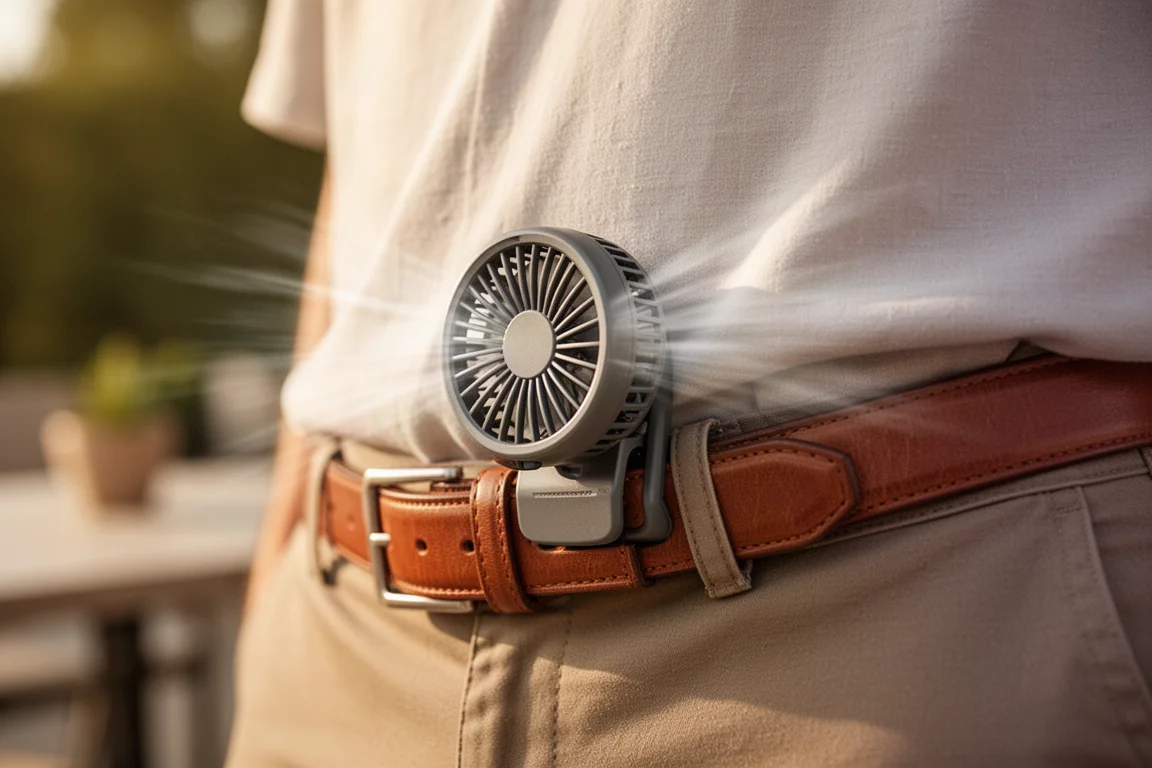
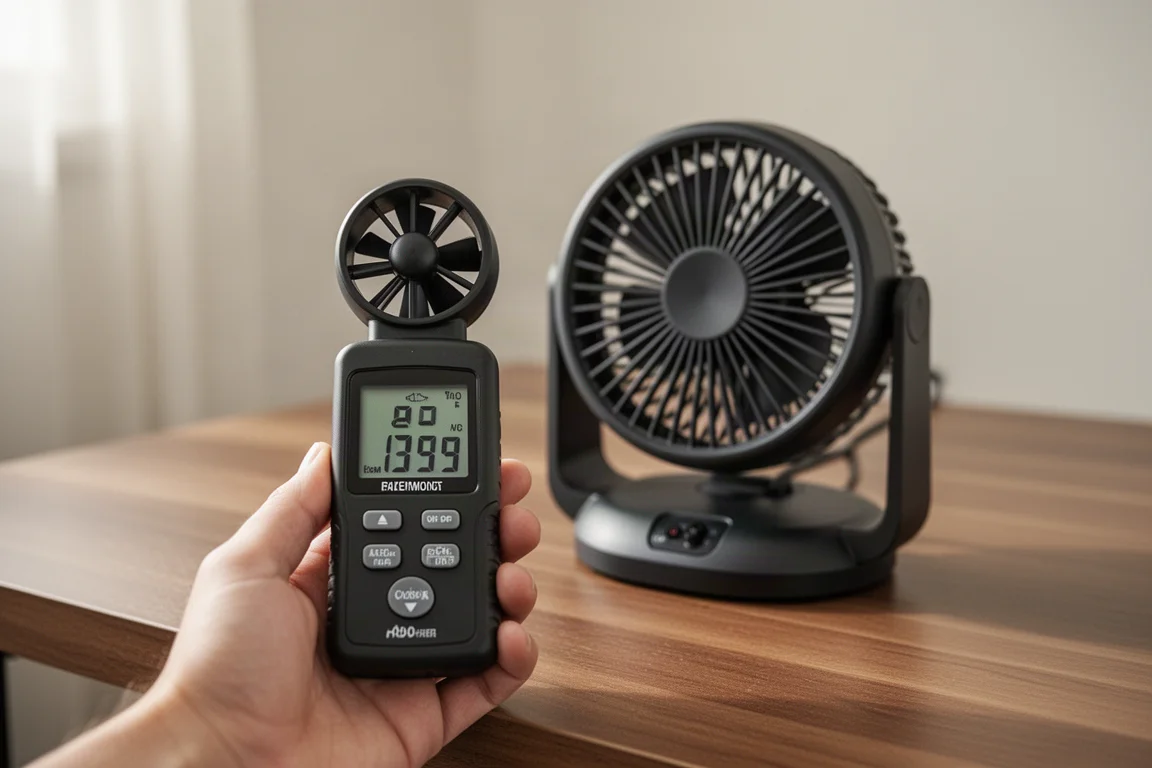
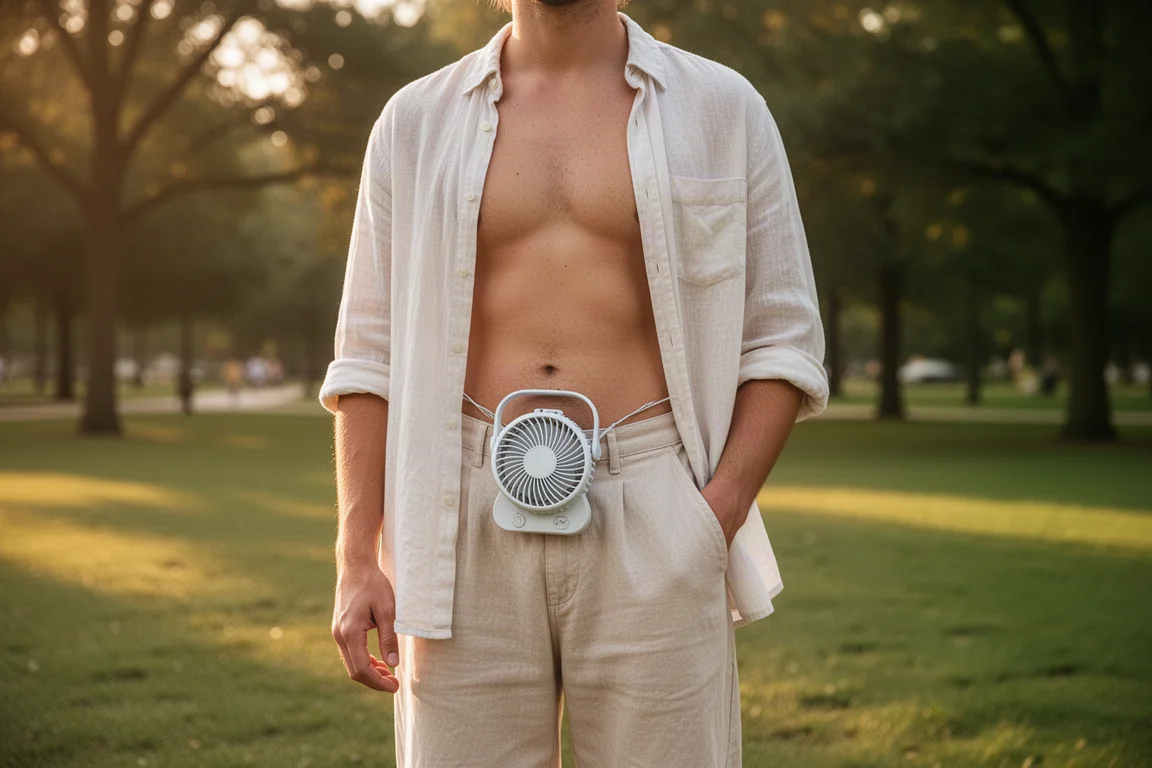
Every fan went through the same tests: peak air speed in mph, air volume in CFM using a tester with a pitot tube, noise level measured on low, medium and high speeds, RPM checked with a reflective sticker on the fan blade, flashlight brightness where applicable, and a drop test from five feet. Battery claims were noted, and run time on the highest speed was measured for a subset of fans. Most of these fans use two clips: one fastens the fan onto a belt, and the other secures your shirt so the intake is not smothered.
Best Overall: Cooney
The Cooney delivered the best overall scorecard, with an average finish of 3.3 at a price of about $25. It moved the most air speed of any fan tested, reaching roughly 20.7 mph on high, with strong mid-level numbers of 9.7 mph on low and 14.5 mph on medium. Peak RPM measured at 14,044, and both clips held the fan and shirt securely. Air volume was also above average at 13 CFM on low and 23 CFM on high.
As a bonus, it doubles as a flashlight, SOS light and power bank, though it is one of the heavier fans tested at 352 g. If you want one fan that performs well in every category, this is the pick.

Best Value: ZUS
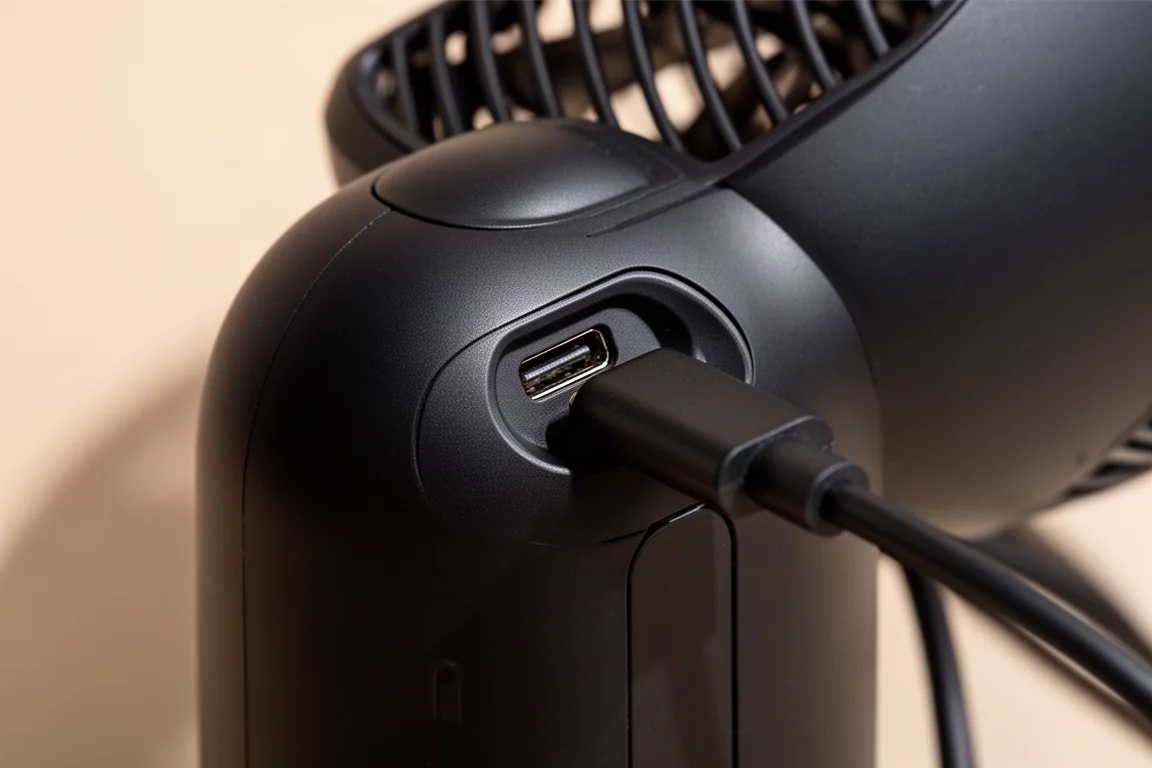
At around $10, the ZUS is the least expensive fan tested and still finished in second place overall with an average finish of 4.5. It packs a claimed 10,000 mAh battery with Type-C fast recharging in three to four hours, a claimed 15,000 RPM turbo motor (13,415 peak RPM measured), and up to 40 hours of claimed continuous use. Measured air speed reached 15.53 mph on high, and its flashlight puts out a surprising 45 lumens, brighter than a modern phone.
Noise levels sit at 50.2 dB on low, 59.9 on medium and 63.2 on high, so it is not the quietest option, but for sheer value it is hard to argue with.

Best for Comfort Features: UAI
The UAI, at around $20, is the only fan tested with a cooling plate, and it genuinely works, running at around 56 degrees Fahrenheit. It also produced the best CFM result among single-motor fans at 28 CFM on high and 15 CFM on low, with air speed of 10.8 mph on high, second only to the ZUS at the time it was tested.
Its four modes cover handheld, desktop, neck and backpack suspension, and it recharges in three to four hours. Battery life held it back from a stronger overall finish, but it moves a lot of air for the money.

Most Air Speed for the Money: Tunis
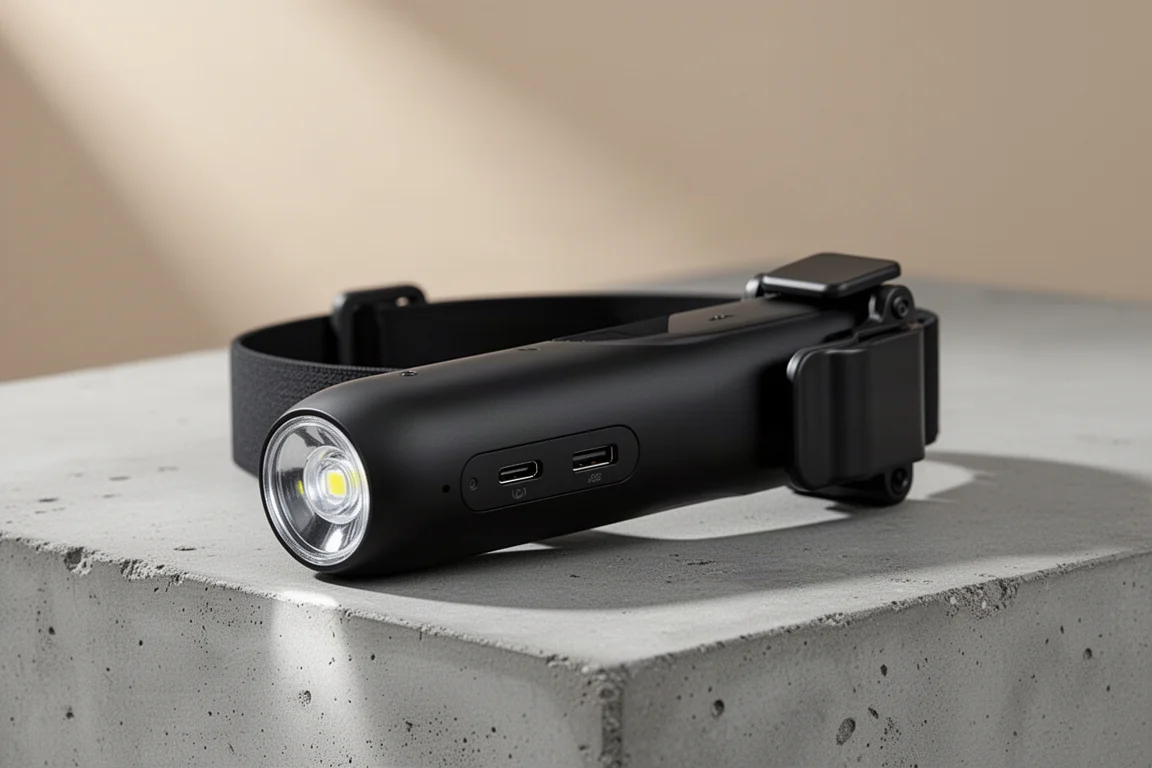
The Tunis, at around $20, produced the highest RPM of all sixteen fans at just over 14,000 and hit 16.6 mph on high, the fastest air speed recorded until the Cooney. It is well designed, holds onto a shirt securely, includes a built-in LED light, and has both USB-C and USB-A ports so you can top up your phone. The claimed 8,000 mAh battery delivered 9 hours and 12 minutes on the highest speed in testing.
The trade-off is noise: it was the loudest fan tested at the time, reaching 64.9 dB on high. If a bright flashlight matters to you, note that the Tunis is the runaway leader at just over 261 lumens.
Best Overall Air Volume: Chillgo
The Chillgo, at around $38, is the only twin-motor fan tested and it shows. It moves 36 total CFM on high (18 CFM per fan), second only to the far more expensive Taurus, and 18 CFM combined on low. Its 14,357 RPM was almost as fast as the Tedo, and air speed was better than average at 15.5 mph on high. It carries a claimed 20,000 mAh battery, the largest in the test, and can charge your phone from it.
It is heavy at 508 g, and the dual motors are loud, reaching 72.4 dB on high, the loudest measurement of the entire test. But if maximum airflow is your priority, it earns its price.

Other Fans Worth Knowing About
Among the remaining fans, the Boya was the quietest overall at 36.4 dB on low, making it the pick for an office environment, while the Jisu Life posted the longest measured run time at 13 hours 45 minutes and worked best as a handheld fan rather than a waist fan. The Taurus, at $99, moved the most air of all at 43 CFM on high, though its noise levels were among the highest. Several others, including the AO Cool, Stace, Guacamas, Tedo, Hill Key, JK Boom, Guanalo and Deacon, all survived the drop test, but none challenged the top five in the combined ranking.
Overall Buying Advice
If you want the best all-rounder, the Cooney at around $25 is the clear choice. If budget rules everything, the ZUS at about $10 delivered a genuinely impressive result. For cooling comfort on a budget, the UAI’s cooling plate is a real differentiator. Choose the Tunis if you also want a genuinely bright flashlight, and the Chillgo if raw airflow matters more than weight or noise. Durability was rarely an issue across the board: nearly every fan survived a five-foot drop with at most a snapped-off part that clicked back into place.
View more details for UAI Waist Fan
Conclusion
The headline result is that the expensive option is not necessarily the best: the Cooney at $25 beat the $99 Taurus on the combined scorecard, and the $10 ZUS nearly matched everything around it. Match your pick to your priority, all-round performance, value, cooling comfort, flashlight power or maximum airflow, and any of these five fans should keep you noticeably cooler.
Weiterführende Literatur
Ähnliche Bewertungen

Backpacking Gear
Ein Basisgewicht von 10 lb aufbauen: Eine Ultralight-Rucksack-Ausrüstungsliste
Ein praktischer Durchgang durch die Ultralight-Ausrüstungsteile hinter einem Basisgewicht von 10 lb, von einem 765 g leichten Rucksack und einem geräumigen Ein-Personen-Zelt bis hin zu einem vollwertigen Campingstuhl und einem zuverlässigen Wasserfilter.
Road Bikes
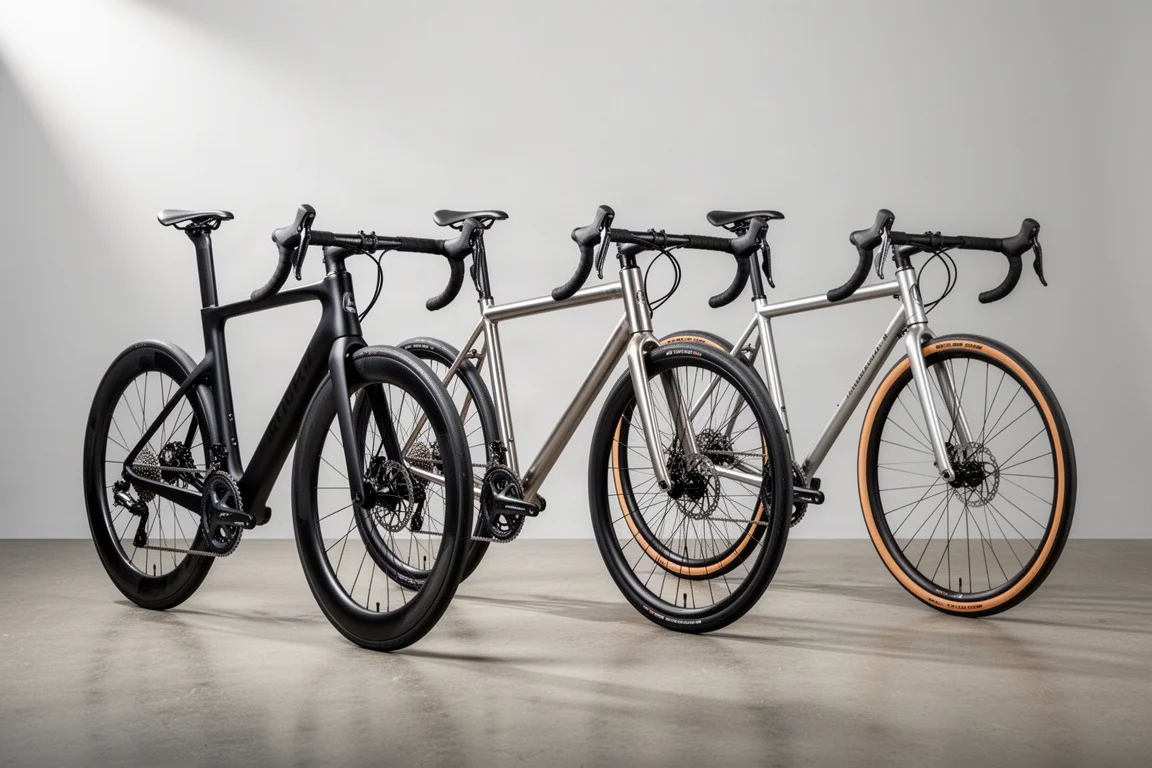
10 neue Rennräder, die einen Blick wert sind: Aero-, Titan-, Stahl- und Endurance-Modelle
Ein praxisnaher Überblick über 10 neue Rennräder – von Aero-Flaggschiffen, die um einzelne Watt kämpfen, bis zu Titan-, Stahl- und Endurance-Plattformen für echte Straßen.
Bikepacking Gear
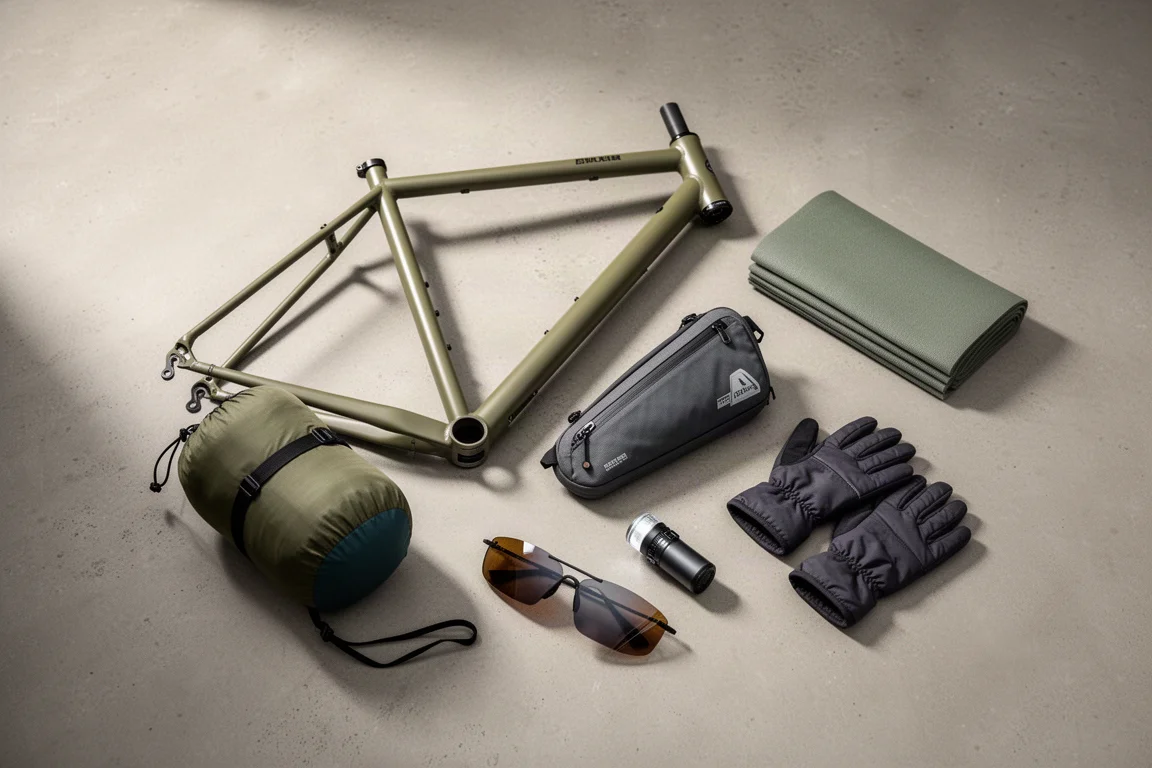
11 Bikepacking-Essentials für lange Radtouren
Elf Bikepacking-Essentials für lange Radtouren, vom Stahl-Gravelrahmen und Zweipersonenzelt bis zu Helmlampen, packbaren Handschuhen und einer Rahmentasche, die das Gewicht an die richtige Stelle bringt.