Backpacking Tents
Zpacks Plex Solo Review: A 13.7 oz Fully Enclosed Dyneema Tent
A detailed look at the Zpacks Plex Solo, a 13.7 oz single-wall Dyneema shelter for trekking pole users, covering its weight math, interior space, pitching routine, and the trade-offs to weigh before spending $600.
Introduction
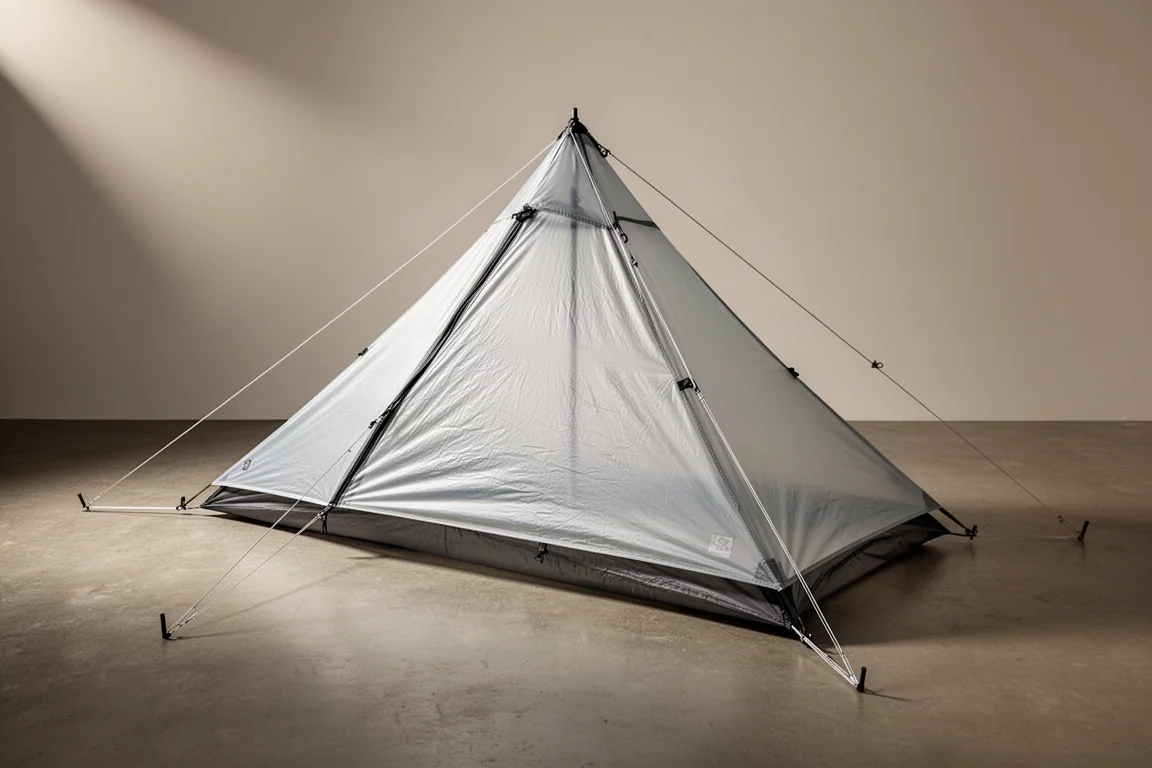
The Zpacks Plex Solo is a fully enclosed single-wall shelter made from Dyneema composite fabric. On a home scale the tent body came in at 13.7 oz, measured without stakes and without a pole. Zpacks advertises it as under 14 oz, and that figure is the main reason most backpackers will stop and look at it.
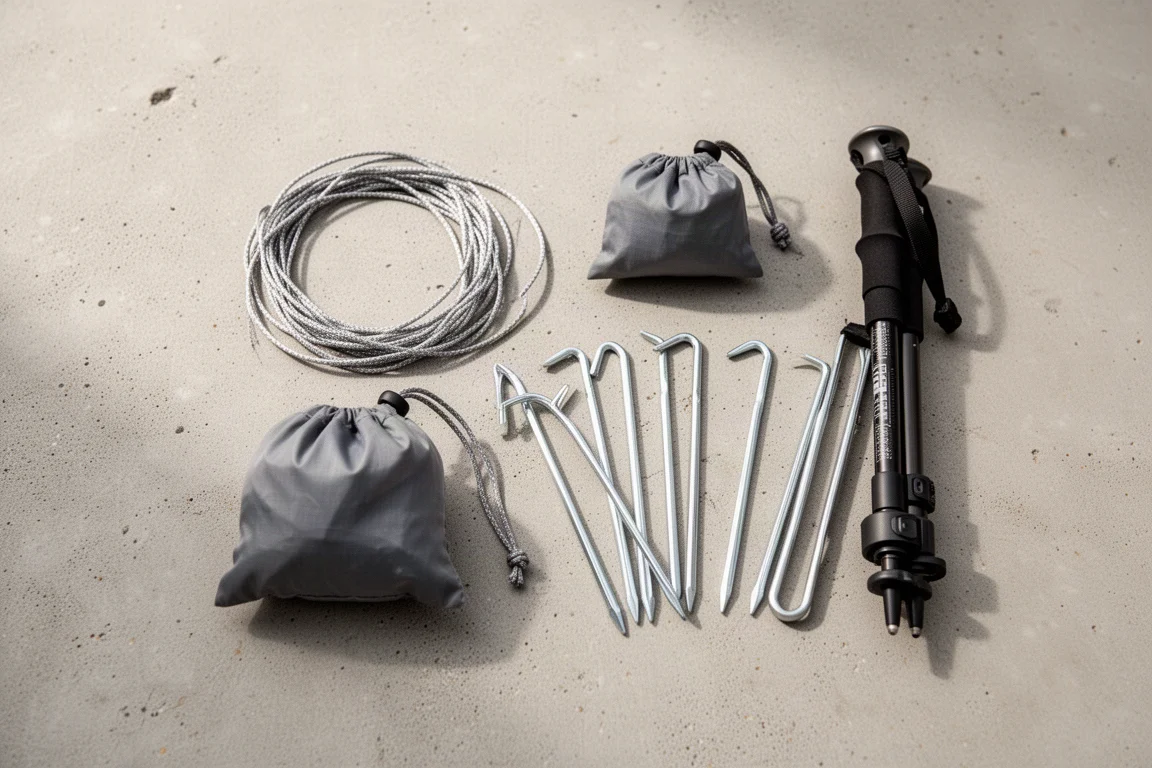
That number comes with context. The Plex Solo is a trekking pole tent, so it needs a 52 in pole to stand, or 54 in if the tip will sink into soft ground. Many hikers already carry trekking poles, and those are usually not counted toward shelter weight. If you do not use them, Zpacks offers an optional 3 oz carbon fiber pole that stands in for one.
The shelter was introduced in 2022 and sits at the extreme light end of the fully enclosed tent market. What follows is a practical look at what it is, who it suits, and the details worth checking before committing to a $600 shelter.
Who this product is for
The Plex Solo is aimed at backpackers who treat pack weight as a priority: thru-hikers, fastpackers, and anyone covering long distances where a pound saved changes the day. It is a strong fit if you already hike with trekking poles that extend to 52 in or beyond, because the shelter then adds very little beyond its own fabric weight.
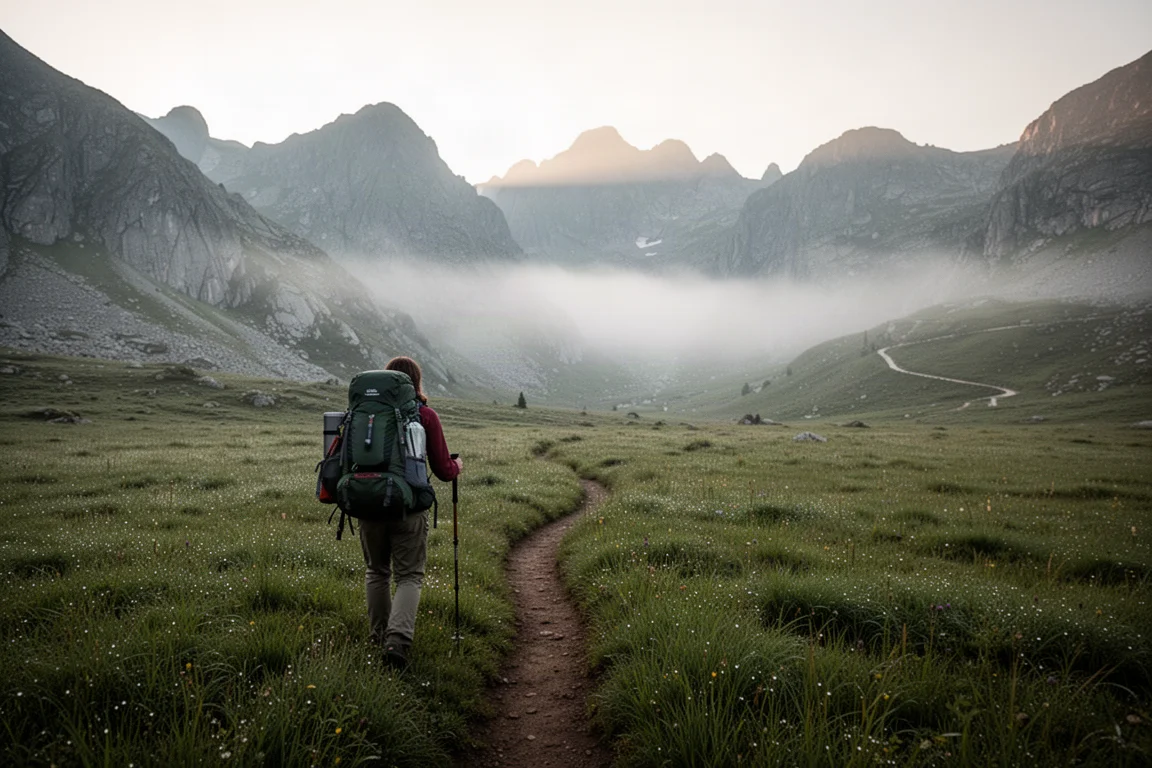
It is a less obvious choice if you prefer a freestanding shelter, want a double-wall design, or regularly camp where stakes will not hold. The Plex Solo depends on tension: it needs a minimum of six stakes and can take up to ten if you use every guy line. Rocky, hard-packed, or sandy ground will ask more of your stake choice and your pitching technique.
Main strengths
The headline strengths are weight, a simple packed format, and the amount of usable space the design extracts from a very small fabric budget.
Dyneema Fabric and Low Weight
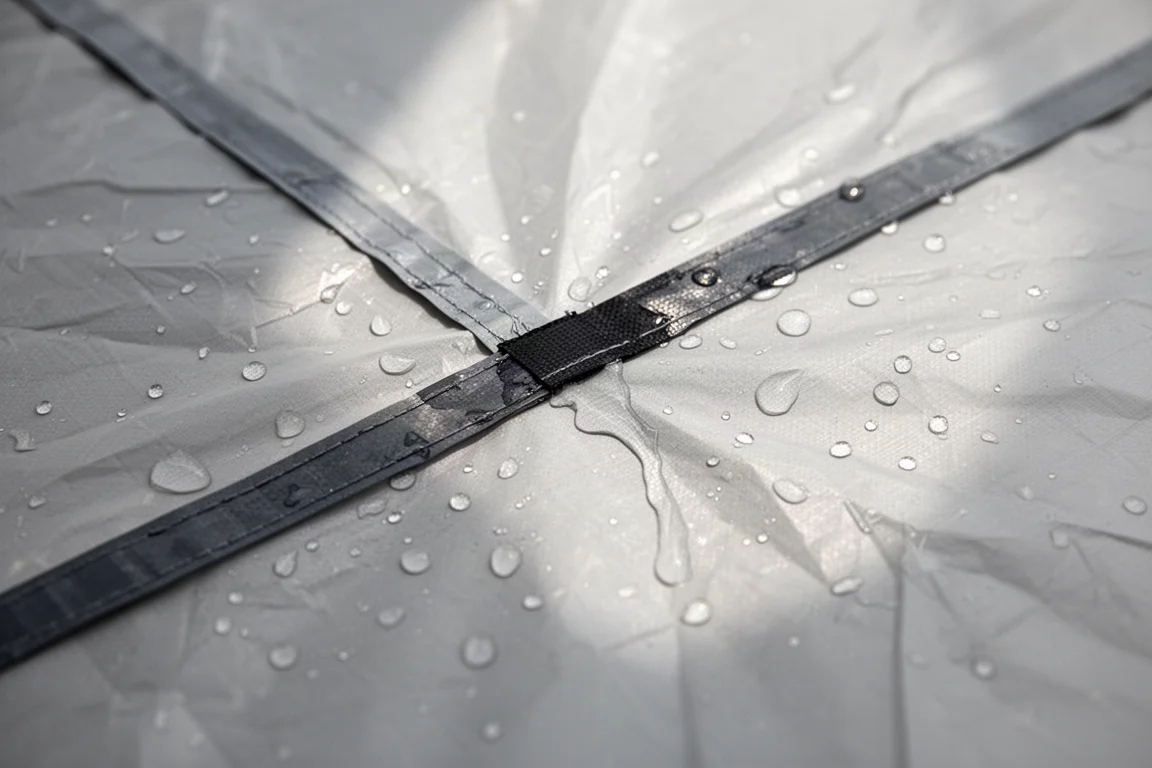
The shelter is built from 0.55 oz per square yard Dyneema composite fabric. The material is lightweight, stiff, and waterproof without an added silicone coating, and the tent is factory taped, so there is no seam sealing step before a first trip.
Weight depends on how you configure it. The bare tent is 13.7 oz. Add the optional 3 oz carbon fiber pole and the minimum six stakes, and the total reaches 19.5 oz, or 1 lb 3.5 oz. Leave the carbon pole at home and rely on trekking poles, and the setup sits right at 1 lb. With titanium stakes it can get as light as 15 oz. That places the Plex Solo among the lightest fully enclosed shelters available, though a small number of alternatives come close and may beat it by only an ounce or two.
Interior Space and Headroom
Despite the low weight, the interior is genuinely usable. There is headroom on both sides, and you do not have to sit against the netting to keep clear of the walls; you can move a fair distance back before your head meets the fabric. There is space at the head and foot ends for gear, and more room along the side for a pack or a dog.
The bathtub floor is specified to extend up to 8 in deep. In early pitches it came closer to 4 in, although that partly reflects technique, since trekking pole shelters reward careful tensioning. Elastic cords hold the floor edges up and they are adjustable, but they tend to stretch rather than pull the sides up further when you tighten them.
Vestibule and Ventilation
The vestibule uses two overlapping flaps instead of a zipper. You clip one or both flaps with a small hook and draw the cord tight, which is simple and removes a zipper that could fail. Doing it from inside the tent is awkward, because the cord has to be pulled away from you, reaching out and below the flaps.
The vestibule roof overhangs the door by roughly 6 to 8 in. That lets you leave the door open in all but heavy rain, which helps airflow through the shelter. Netting runs around the tent at a downward slope so condensation can travel down and out, and there is a small net pocket below the door for small items.
Pitching and Setup
Pitching takes a minimum of six stakes and one 52 in trekking pole. Lay the shelter out flat, loosen the guy lines, and stake them out at roughly 45 degree angles from the corners. Insert the pole into the upper pocket and stand it upright. Shortening the pole slightly, pushing it up, then extending it to the ground makes the process easier, especially on soft ground where the tip will sink.
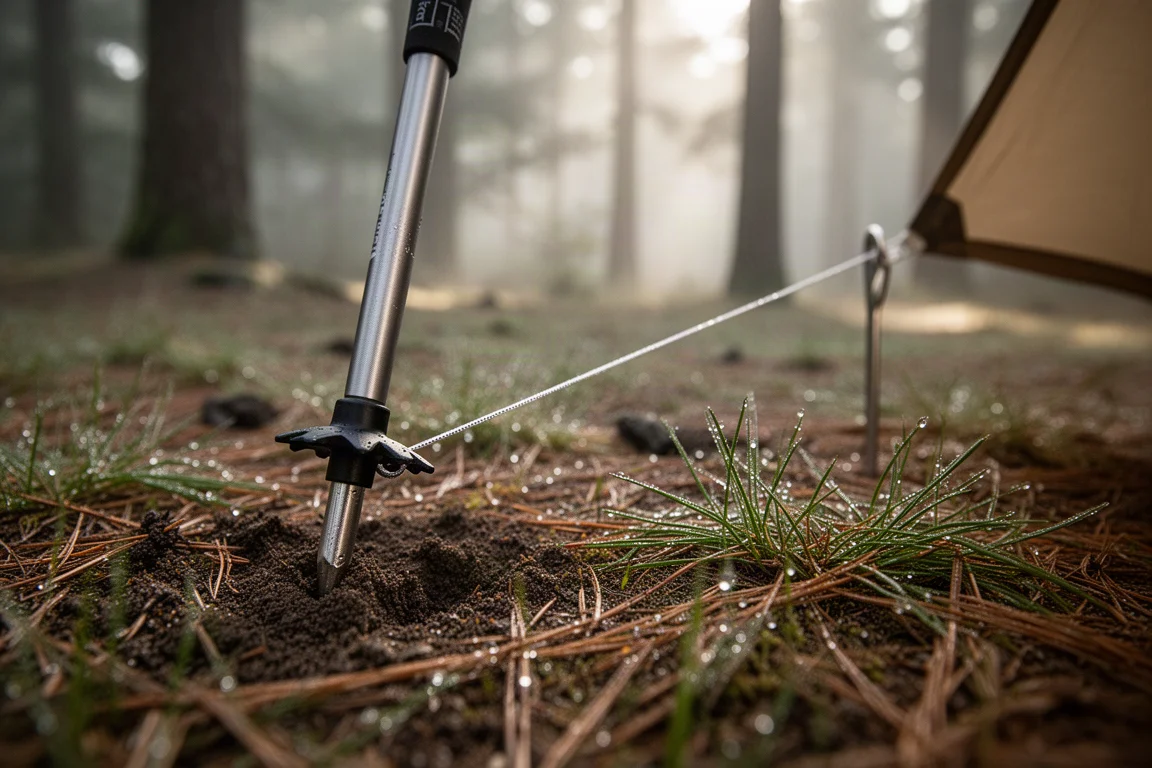
Once the pole is set, stake the front and the back, then any remaining guy lines you want to use. The design accepts up to ten stakes. The first few pitches will likely be slower than with a freestanding tent, and how deep the bathtub floor sits will depend on how evenly the corners are tensioned.
Things to consider before buying
Price is the biggest obstacle. The Plex Solo costs $600, which is a lot even by ultralight standards. It is a reasonable argument that this is competitive for a Dyneema shelter built in small production runs, but the decision still comes down to whether the weight saved justifies the cost for the trips you actually take.
It is a single-wall tent, and that design brings condensation. The inner and outer layers are the same fabric, so brushing the walls overnight can wet you or your gear. The downward-sloping netting and the vestibule overhang are there to manage moisture, but single-wall shelters ask more of campsite selection and ventilation habits.
A few construction details are worth watching. The large rainbow zipper is finicky, and because the netting hangs loosely, it usually takes two hands to open and close. The door folds down onto the ground when fully open rather than hanging out of the way. The factory taping sits on the outside of the seams, and some areas already appeared to be loosening during early handling, so it is worth inspecting the seams on arrival and checking them over time.
Finally, the shelter needs a long pole. Not every trekking pole extends to 52 in, and if yours does not, the carbon fiber pole becomes a requirement rather than an option. Campsites that will not hold at least six stakes are also a poor match.
Buying advice
The Plex Solo makes the most sense for backpackers who already carry trekking poles, count grams, and camp where stakes hold well. In that setup it is close to the lightest fully enclosed shelter you can carry, and the interior is more livable than the weight suggests.
If you want a freestanding shelter, a double-wall design, or a tent that tolerates condensation with less attention, those trade-offs will outweigh the weight savings. If you do not hike with trekking poles, budget for the carbon fiber pole as well, and factor in stakes that suit your terrain. At $600, this is a shelter to buy for a specific style of backpacking rather than as a general-purpose tent.
Conclusion
The Zpacks Plex Solo delivers a fully enclosed, factory taped Dyneema shelter at 13.7 oz for the body, and it stays impressively light even after a pole and stakes are added. The price is high and the single-wall design demands attention to condensation, but for trekking pole hikers who put weight first, it is a compelling option.
Product link
View more details for Zpacks Plex Solo
This product is mentioned in the review. Check the specifications, options, and compatibility before buying.
View more details for Zpacks Plex SoloFurther reading
Related Reviews
Backpacking Tents
3F UL Lanchan Pro 1 Review: A 1 lb 8 oz Single-Wall Trekking Pole Tent
A practical look at the 3F UL Lanchan Pro 1, a single-wall trekking pole shelter with a 1 lb 8 oz weight, 20D silnylon fabrics, and a roomy 90 x 31 x 49 inch interior.
Backpacking Tents
3F UL Taiji 2-Person Tent: A Convertible Backpacking Shelter Worth a Closer Look
A practical look at the 3F UL Taiji two-person tent, covering its materials, true two-person interior, fly-first pitching, and the seasonal inner swap that lets one shelter cover more of the year.
Backpacking Tents
3FUL Lanshan Twoerson Pro Review: A Light Trekking Pole Shelter That Struggled in Rain
A two-person trekking pole shelter with a 2026 redesign, pitched with sticks and put through a night of steady rain. Here is what worked, what did not, and what to check before buying.