Backpacking Tents
Zpacks Duplex L, Duplex, and Triplex Compared: Which Ultralight Dyneema Shelter Fits Your Trip
A practical comparison of three Zpacks Dyneema shelters, covering usable floor space, weight, price, setup, and the trade-offs of single wall camping.
Introduction
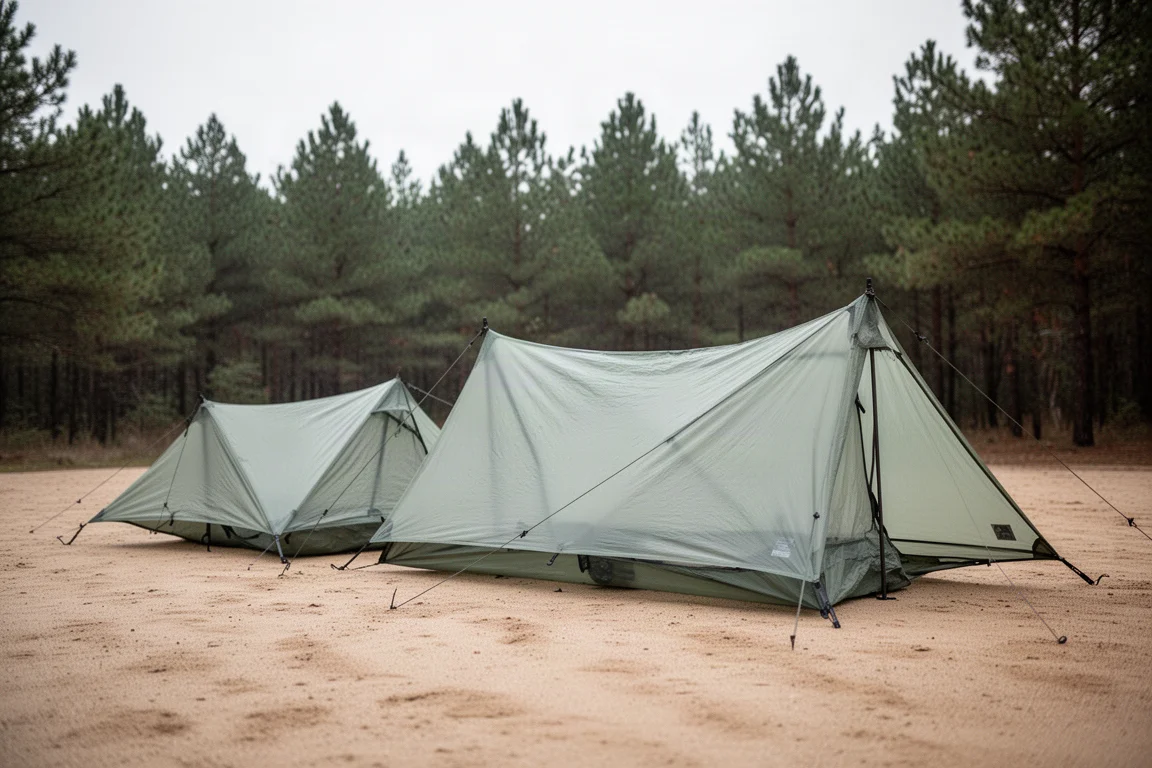
Zpacks has built its lineup around Dyneema composite fabric, and three shelters in that range cover most backpacking needs: the Duplex, the longer Duplex L, and the roomier Triplex. They share a construction philosophy and a factory seam taping process, and they differ mainly in usable floor space, packed weight, and price.
The Duplex L has seen recent field time on a 42 mile stretch at Pictured Rocks National Lakeshore in Michigan, where it was used as a genuine two person shelter with gear inside. That kind of trip is a fair test of whether an ultralight tent is comfortable enough to live with, and it highlights exactly where the extra length helps.
This comparison walks through the dimensions, weights, and prices of all three, then looks at fabric behavior, setup requirements, and the situations where each shelter makes the most sense.
Zpacks Duplex L: Extra Usable Length at 20.8 Ounces
The Duplex L occupies the same campsite footprint as the standard Duplex but changes the proportions of the bathtub floor. Floor length increases by six inches, usable at either the head or the foot end, while floor width is one inch narrower. The extra length is the change most people notice first.
That added space comes from a pair of riser rods mounted on the outside of the shelter, one at the head end and one at the foot end. Each riser rod is staked out to stretch the fabric upward and lift it away from your head and feet. The result is a shelter that needs eight stakes: one at each corner, one for each vestibule, and one for each riser rod.
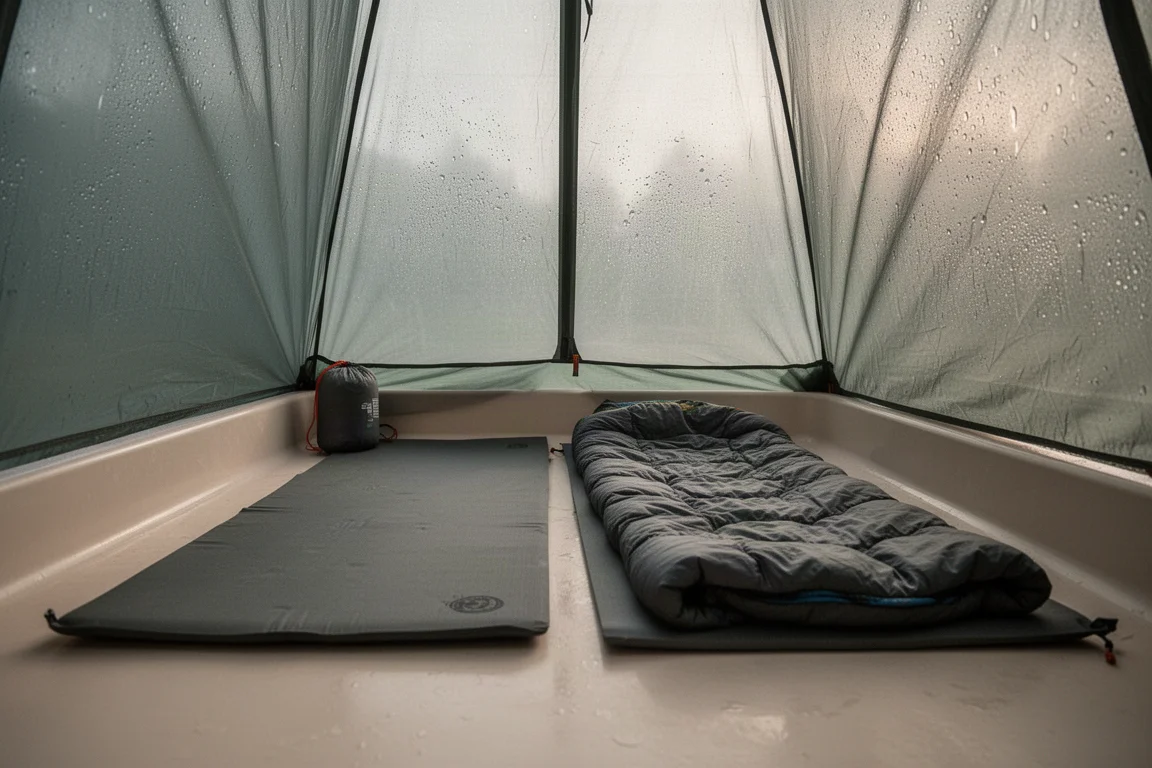
The Duplex L weighs 20.8 ounces and is priced at $749. The body is made from 0.55 ounce per square yard Dyneema, and the floor steps up to 1 ounce per square yard Dyneema for extra abrasion resistance where it meets the ground. Both fabrics are waterproof and do not absorb water the way nylon can, so the shelter stays taut through a wet night instead of sagging. Zpacks ships these tents already seam taped, which means no additional sealing work before the first trip.
Inside, bungee attachments at the head and foot pull the bathtub floor upward so it cannot push past the tent wall. With two people and their gear inside, the one inch reduction in floor width went unnoticed, and the extra length made the bigger difference. The half moon doors also mean the shelter can be pitched in any orientation without worrying about which end is which.
Zpacks Duplex: Lighter, Cheaper, and More Compact
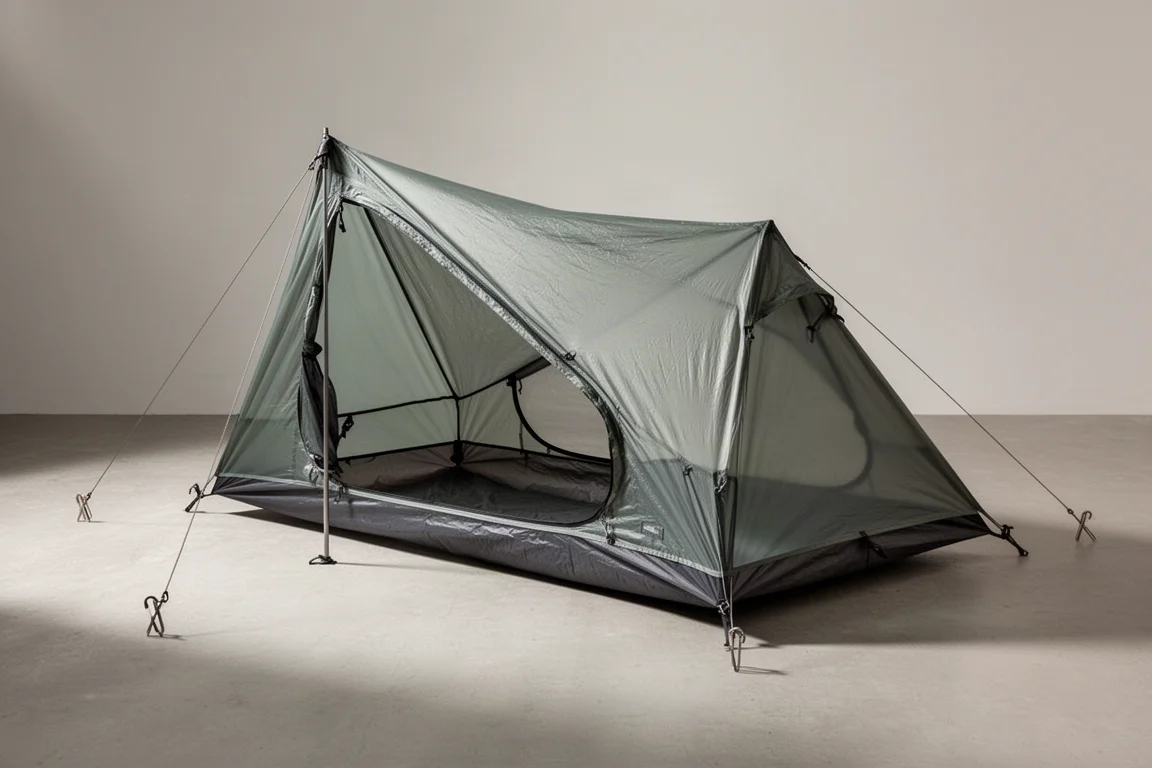
The Duplex is the lighter and less expensive of the two closely related shelters. It weighs 18.5 ounces and costs $699, which is 2.3 ounces and $50 less than the Duplex L. The trade-off is usable bathtub floor length, where the Duplex gives up roughly half a foot.
Because there are no riser rods, the Duplex is also the simpler of the two to pitch. The general setup process is the same across the lineup, and the standard Duplex gets there with fewer steps and fewer stakes.
For solo backpackers who do not need the extra length, or for two people who are comfortable in a tighter floor, the Duplex delivers the same lightweight Dyneema construction with less weight and a lower price.
Zpacks Triplex: More Room for Two and Gear
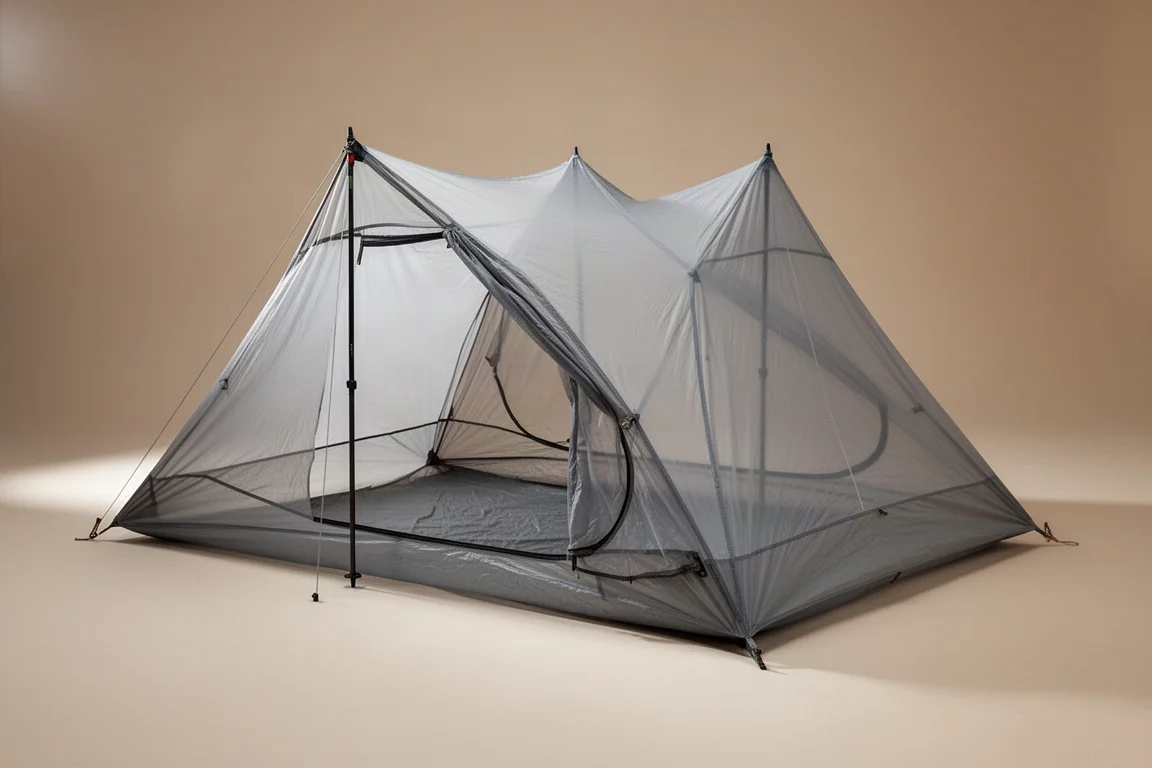
The Triplex is the roomiest option of the three and makes the most sense when the shelter really will be shared. It adds about 0.8 ounces and about $50 compared with the Duplex L, and in exchange two people get noticeably more interior space for sleeping pads and gear.
The Triplex does not carry over the Duplex L’s extra floor length. Its bathtub floor measures 7.5 feet, so the additional six inches that define the Duplex L are not part of this model. What the Triplex offers instead is width and overall volume, which matters more when two people share the space night after night.
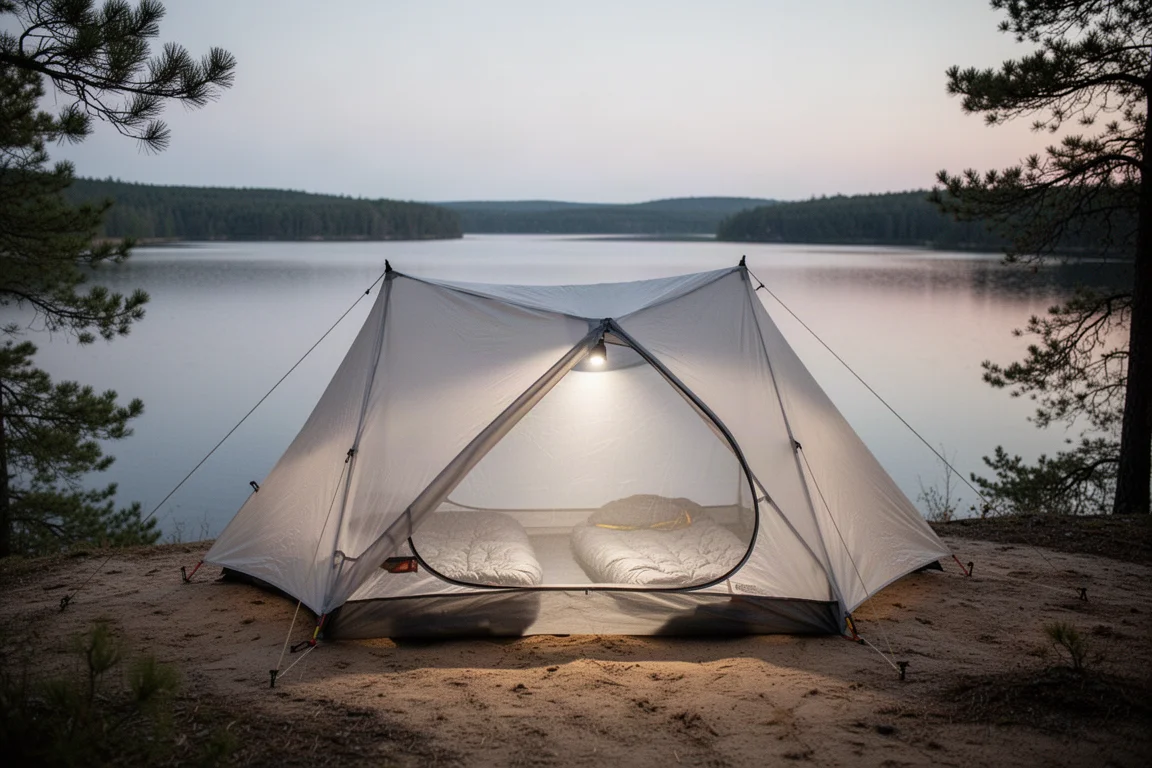
For couples, thru hikers who split a shelter, or anyone who prefers to keep packs inside rather than in the vestibule, that extra interior volume is the main reason to move up to the Triplex.
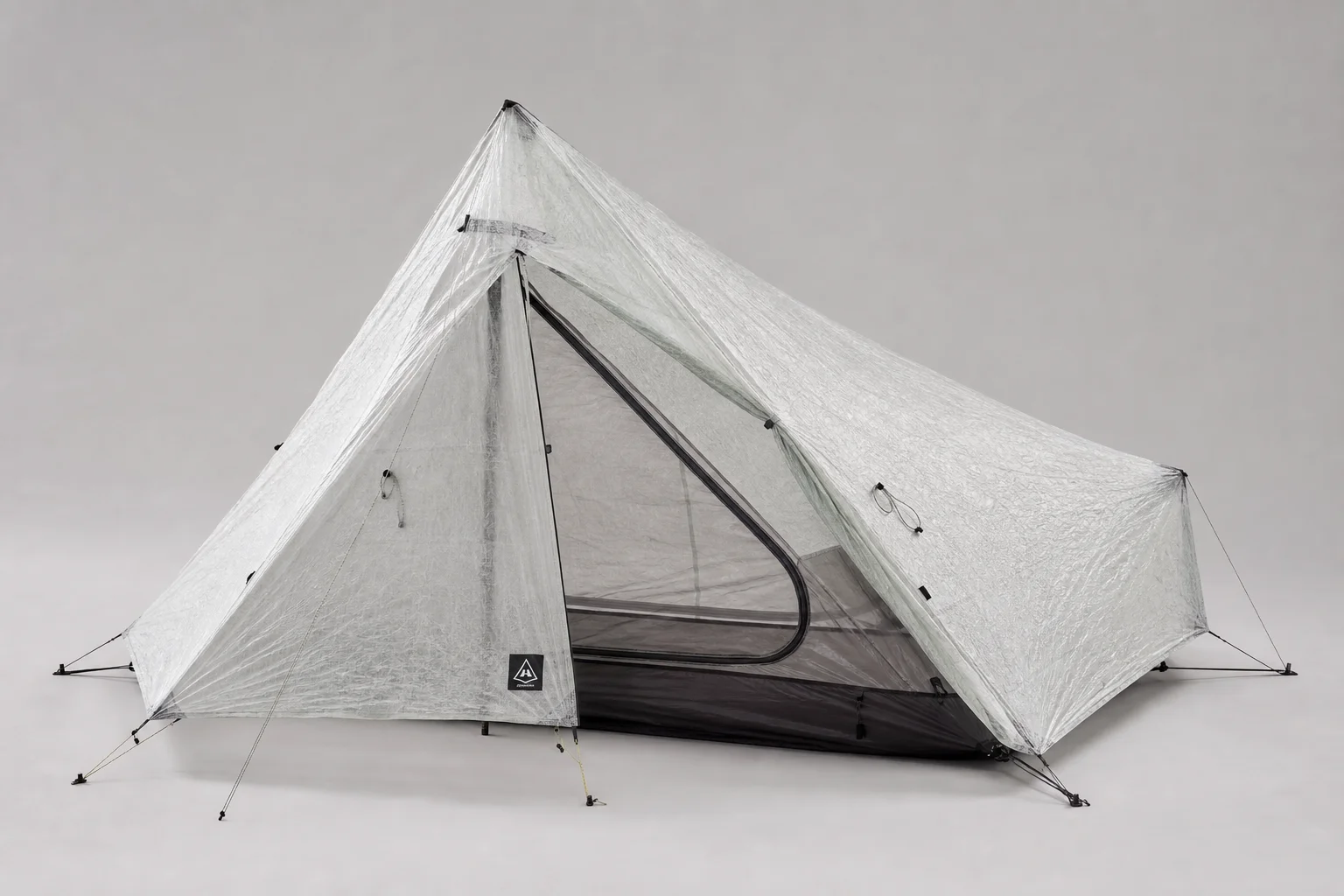
Dyneema Fabric, Condensation, and Sound
Dyneema composite fabric is waterproof, very strong for its weight, and does not soak up water. That combination is why these shelters hold their shape in higher winds and stay taut after a wet night rather than turning soft and saggy, and it is the main reason they are so light for the space they provide.
All three are single wall shelters. A single wall design saves weight but removes the separate inner layer that would otherwise shield you from condensation collecting on the outer fabric, so sleeping bags and quilts need to stay clear of the walls, especially in cold conditions. The Duplex L’s riser rods and longer floor help here, since there is more room to keep a quilt away from the fabric. Single wall shelters are also not as warm as double wall tents, which is worth weighing if you sleep cold.
Two other characteristics are worth knowing before buying. Dyneema can be noisy in wind and when you brush against it, which tends to bother light sleepers more than heavy ones. The thinner Dyneema used in these shelters is also semi transparent, so shapes and colors are visible through the fabric when sunlight hits it or when a headlamp is switched on inside. Zpacks offers the Duplex L in a thicker Dyneema for about $50 more and roughly one extra ounce, which should hold up better over time.
Stakes, Setup, and Packing Time
None of these shelters include stakes. The Duplex L needs eight of them: one at each corner, one for each vestibule, and one for each riser rod, and carrying a spare or two is a sensible habit. Zpacks sells a range of stake options separately, which makes it easy to match hardware to the ground you expect to camp on.
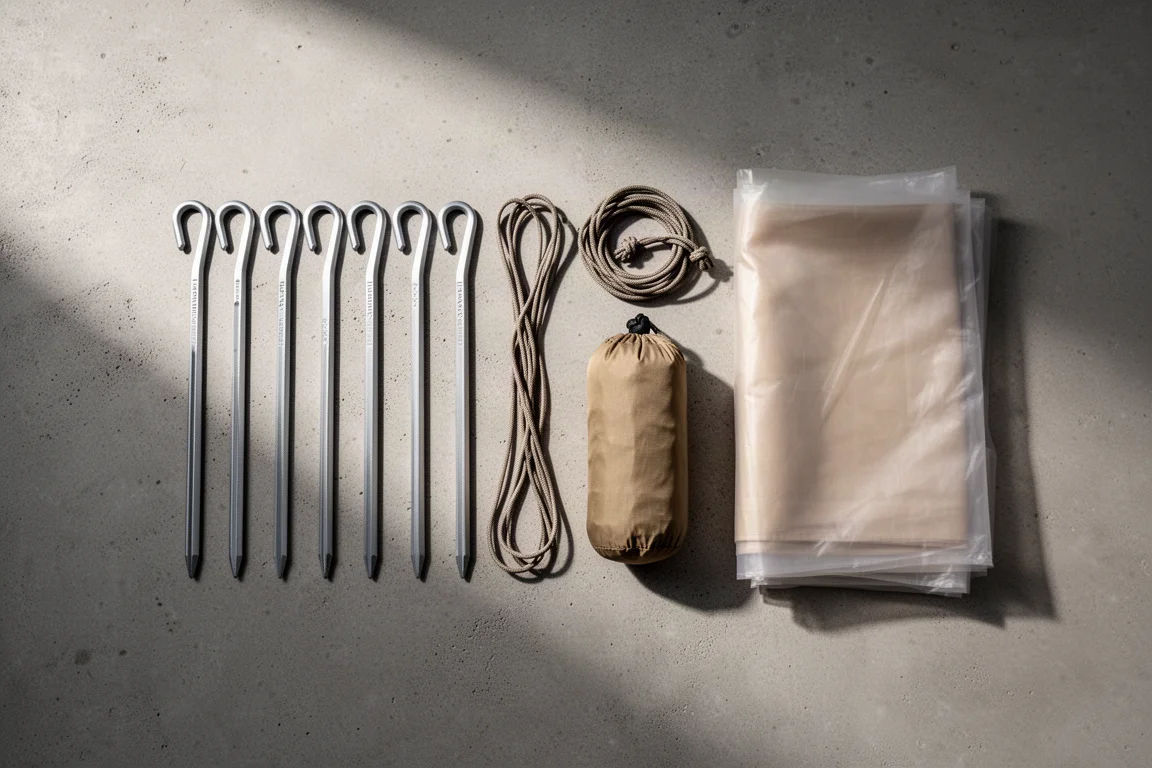
Setup is straightforward across the lineup, and the half moon door shape means orientation is rarely a puzzle. The one extra consideration with the Duplex L is the riser rods, which add a step at pitch time and a little more thought when packing up. Folding or rolling the shelter rather than stuffing it keeps the riser rods manageable and helps the tent slide back into its stuff sack.
Who These Shelters Suit
Shelters in this price range are not the right starting point for everyone. For a beginner who is still deciding whether backpacking will become a regular habit, spending this much on a tent is difficult to justify.
The case for the investment is strongest for thru hikers who spend long stretches on trail, backpackers who need to keep pack weight down for physical reasons such as back trouble, and hikers who carry heavy equipment like cameras and tripods and need to save weight elsewhere. In each of those situations, the weight saved on shelter is worth more than the money spent.
Buying Advice
The decision between the Duplex and the Duplex L comes down to whether six extra inches of usable floor length is worth 2.3 ounces and $50. Anyone who has felt a foot or a hood brushing the wall of a shorter shelter will usually answer yes, since the extra space reduces contact with condensation and makes the tent easier for two people to share.
If the shelter will genuinely be shared, the Triplex is the more comfortable answer at about 0.8 ounces and about $50 more than the Duplex L, with the caveat that it does not include the Duplex L’s longer floor.
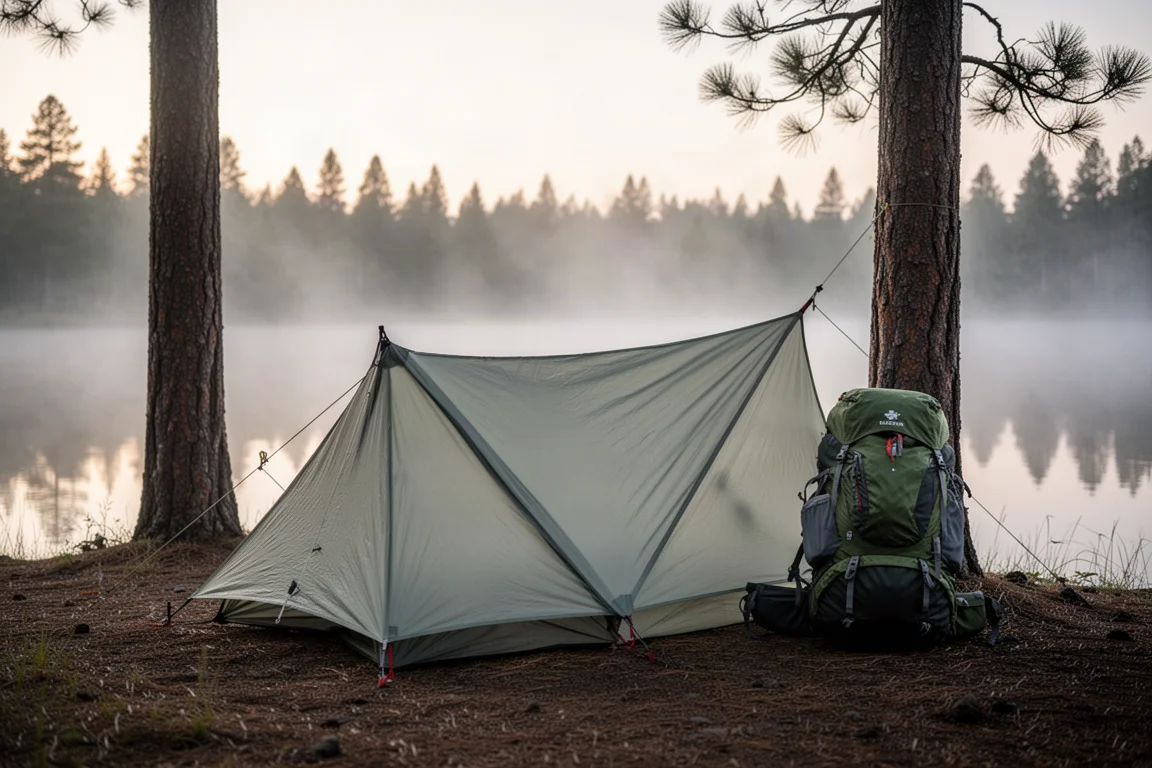
Timing can soften the cost. These tents occasionally go on sale around holiday weekends, and a $50 discount on a Duplex L brings it close to the price of the standard Duplex. If durability matters more than a single ounce, the thicker Dyneema option on the Duplex L is the version to consider.
Conclusion
All three shelters share the same lightweight Dyneema construction and the same simple pitching process, so the choice comes down to space and budget. The Duplex is the lightest and least expensive, the Duplex L trades 2.3 ounces and $50 for six extra inches of usable floor length, and the Triplex adds interior room for two people for roughly 0.8 ounces and $50 more than the Duplex L. Matching the shelter to how you actually camp keeps the weight penalty small and the cost easier to justify.
Further reading
Related Reviews
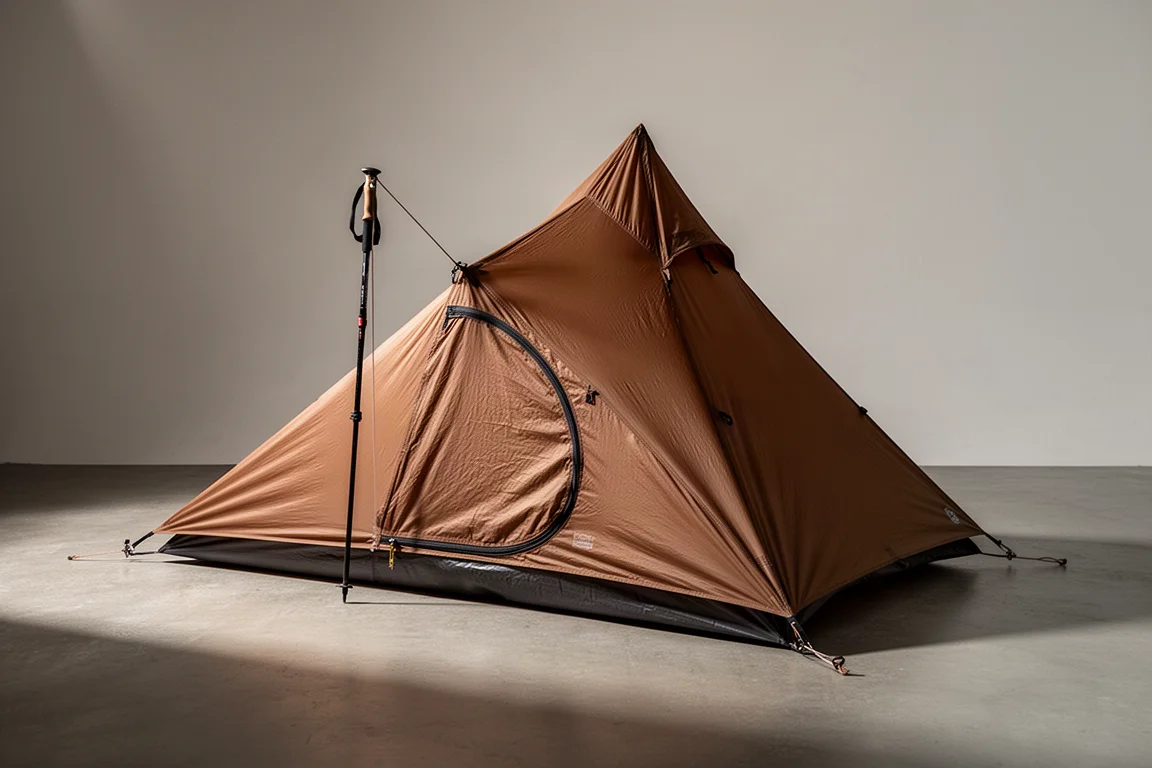
Backpacking Tents
3F UL Lanchan Pro 1 Review: A 1 lb 8 oz Single-Wall Trekking Pole Tent
A practical look at the 3F UL Lanchan Pro 1, a single-wall trekking pole shelter with a 1 lb 8 oz weight, 20D silnylon fabrics, and a roomy 90 x 31 x 49 inch interior.
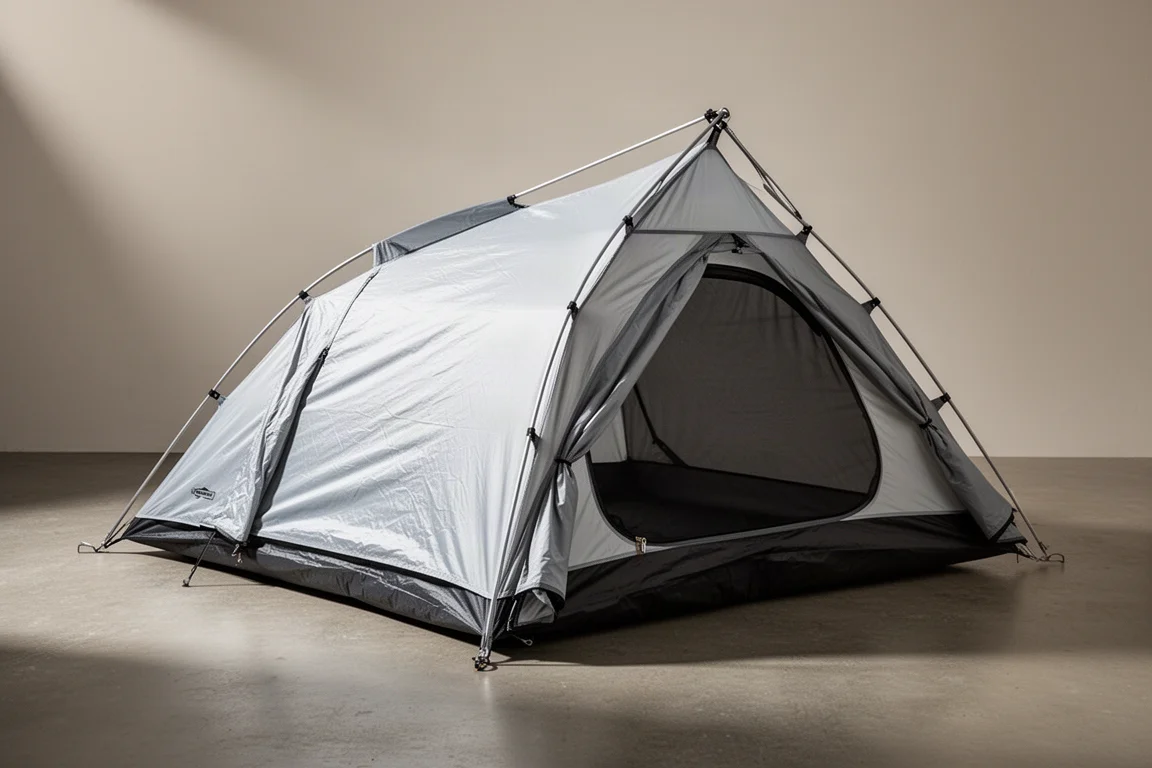
Backpacking Tents
3F UL Taiji 2-Person Tent: A Convertible Backpacking Shelter Worth a Closer Look
A practical look at the 3F UL Taiji two-person tent, covering its materials, true two-person interior, fly-first pitching, and the seasonal inner swap that lets one shelter cover more of the year.
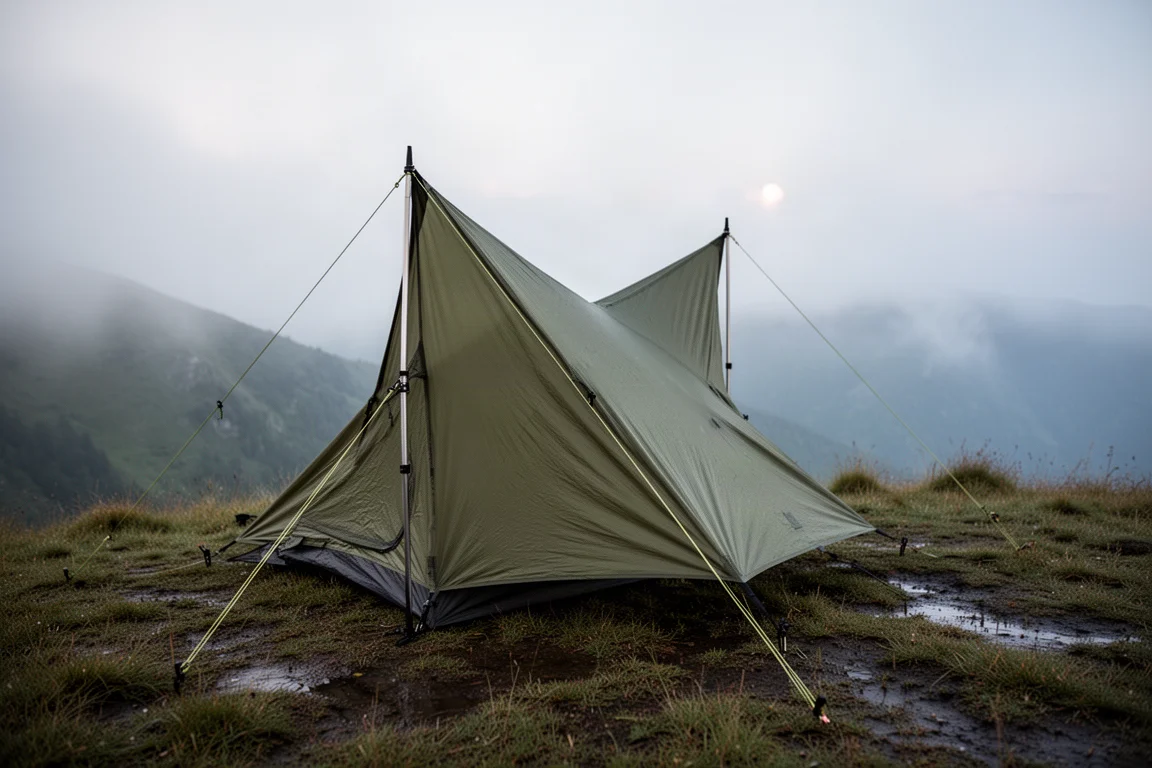
Backpacking Tents
3FUL Lanshan Twoerson Pro Review: A Light Trekking Pole Shelter That Struggled in Rain
A two-person trekking pole shelter with a 2026 redesign, pitched with sticks and put through a night of steady rain. Here is what worked, what did not, and what to check before buying.