Backpacking Tents
Zpacks Duplex L Review: A Dyneema Shelter Put Through Extreme Wind
A balanced look at the Zpacks Duplex L after a night of violent wind and rain on Iceland's Laugavegur Trail, including where the single-wall Dyneema design helped and where it struggled.
Introduction
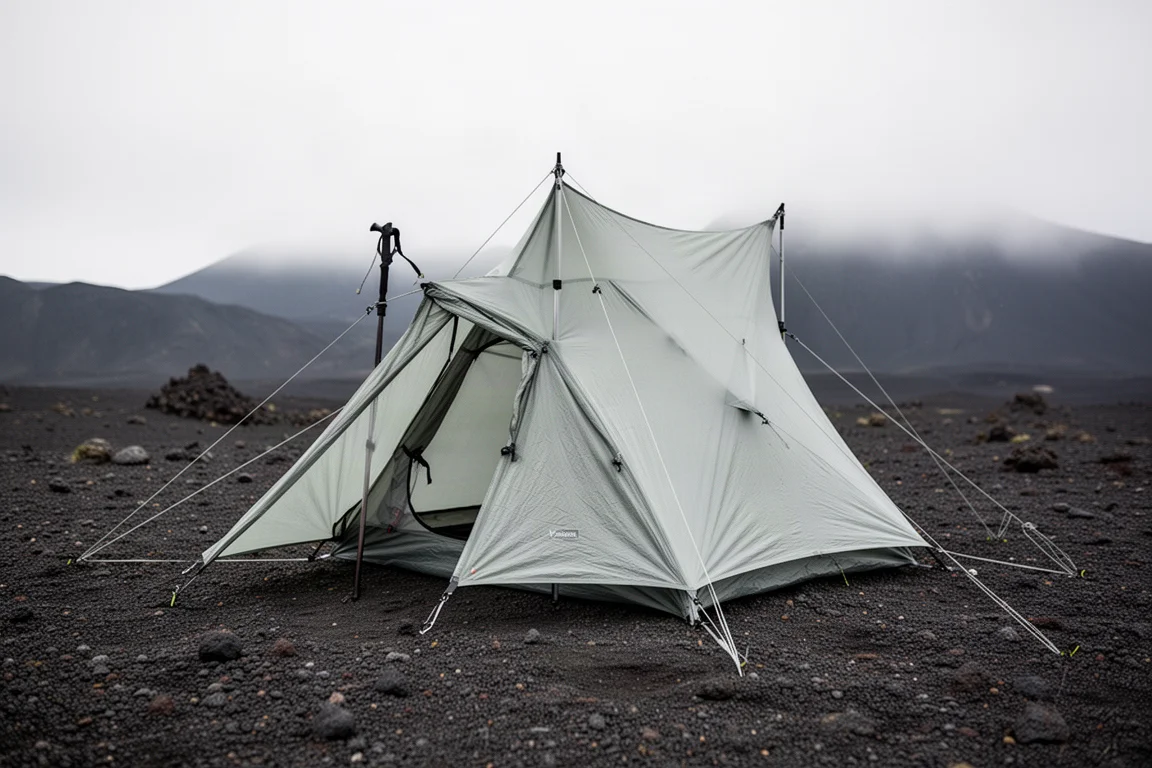
The Zpacks Duplex L is a two-person, single-wall backpacking shelter that pitches with trekking poles and is built from Dyneema, a fabric widely described as the strongest available for tents. That combination is the reason it earns attention: it is light, it packs down small, and it offers unusual tensile strength for its weight.
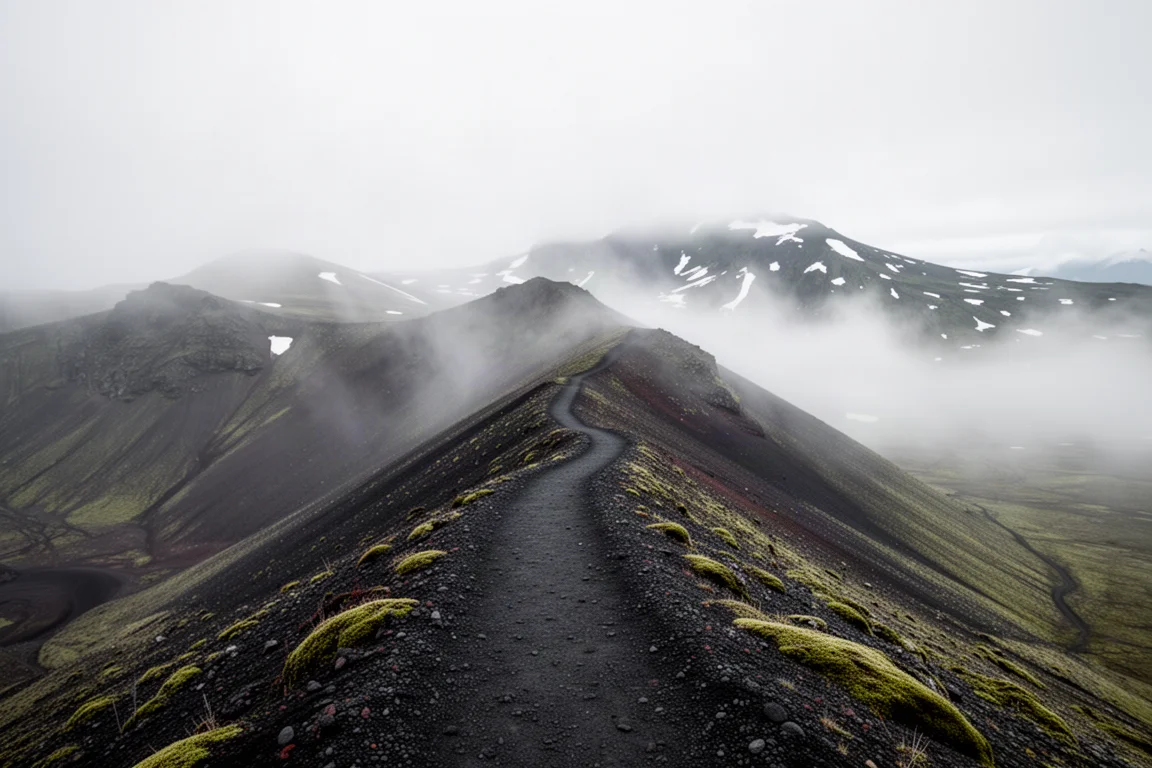
It is also a shelter that has been asked to do something difficult. On Iceland’s Laugavegur Trail, at a campsite near the second hut close to the highest point on the route, the tent spent a night in the strongest wind the trip encountered. That spot is exposed by design, sitting high and open with wind whipping around the terrain. The storm that arrived was extreme even by local standards, and it turned into a long night of rain, collapsing panels, and stakes pulling free from the ground.
This review looks at what the Duplex L did well in those conditions, where its design worked against it, and who should realistically consider it for trips above the treeline.
Who the Zpacks Duplex L Is For
The Duplex L suits backpackers who already understand trekking-pole shelters and who are willing to trade some storm margin for a meaningful weight saving. That trade makes the most sense for people carrying heavy camera equipment, tripods, or other luxury items, where shaving weight off the shelter offsets the load elsewhere in the pack.
It is a less obvious choice for anyone new to this style of tent, or for anyone heading into exposed terrain without prior experience of staking out a shelter in serious weather. A hiker who has never had to get up in the rain and stack rocks on stakes may reasonably prefer a shelter they already trust to stay put, especially when conditions could become more dangerous than a mild summer camp.
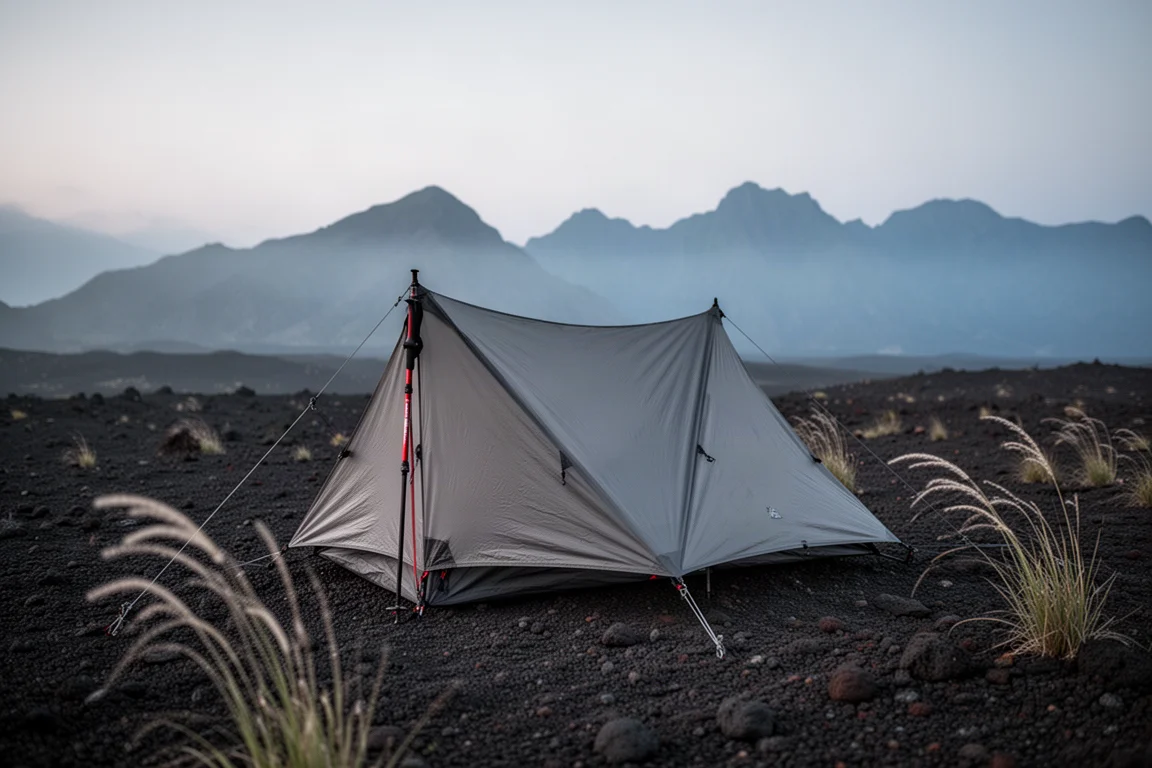
In short, experience matters here. The tent rewards a user who can read ground conditions, tune a pitch, and improvise when the wind changes direction mid-storm.
Main Strengths of the Dyneema Build
The clearest strength is the fabric itself. Because Dyneema has very high tensile strength, the tent held up with no damage at all through a night of violent wind and rain. That is the outcome that matters most, and it is worth stating plainly: the shelter came through intact.
The comparison from the same weather window is telling. Nylon tents at another campsite were torn up by the wind that night, and those tents were not even in the most exposed location. Against that backdrop, a Dyneema shelter offers a different level of confidence about ripping, tearing, and shredding, which is exactly the reassurance a hiker wants when the forecast turns.
Weight is the second strength. Ultralight shelters are the reason a photographer can justify carrying a heavy kit over long distances. For anyone whose pack is already dominated by camera gear, a tent in this category makes the overall load manageable in a way that a heavier, burlier shelter often does not.
How It Handled Extreme Wind on the Trail
The night in question started with ordinary wind through the day. During setup, conditions were manageable, which is part of why the pitch was not as dialed in as it could have been. Then the wind intensified sharply, rain followed, and the campsite turned into a mess.
Stakes began pulling out of the ground, and the shelter started collapsing in the wind and rain. On a first night on the trail, that is a genuinely concerning situation, and there were moments where abandoning the tent for shelter elsewhere seemed like the sensible option. Rock windbreak rings had been set up in the camping area to reduce wind exposure, but the gusts were strong enough that their benefit was hard to judge.
The interior told its own story. Because the Duplex L is a single-wall tent, the moisture driven against the fabric was pushed through the material and into the air inside, landing on the sleeping bag and the occupant. In effect, the tent was raining indoors while it moved around in the gusts. The noise was also a factor: Dyneema flapping in strong wind is loud, and combined with the general chaos of the night, it did not make for restful sleep.
The ending was kinder than the middle. Rain stopped by morning, and the constant wind dried everything out completely, so nothing stayed soaked. Conditions that night sat around the mid 30s Fahrenheit, possibly the lower 30s, which is cold enough that added warmth and less internal moisture would have been genuinely welcome.
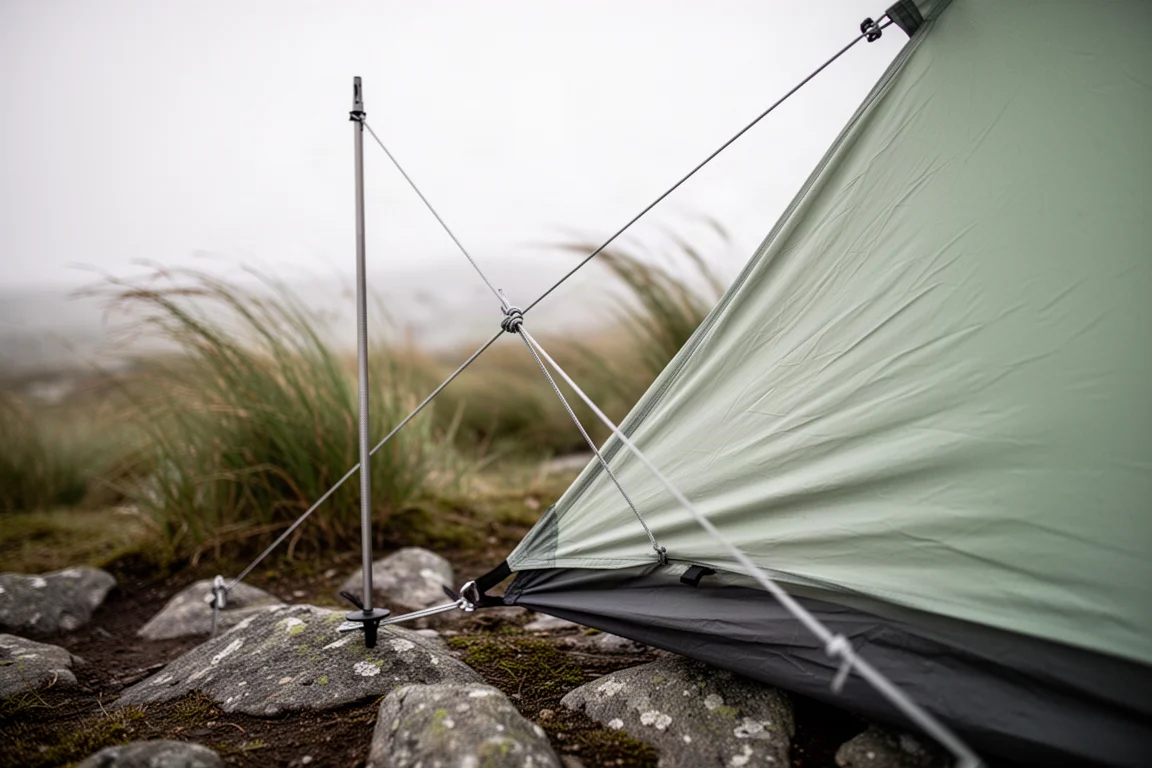
Nothing about that night pointed to a defect in the tent. It pointed to a design that is optimized for weight and strength rather than for maximum protection in a full storm.
Limitations to Consider Before Buying
Several characteristics of the Duplex L are worth understanding before committing to it for exposed terrain.
The gaps below the vestibule doors are large. There are ways to fine-tune the pitch so the shelter hugs the ground more closely, but in a standard setup those openings are bigger than on many competing tents. In high wind, that gives air and driven mist a direct route inside, which is exactly what happened on the exposed campsite.
The closure design is another consideration. A zipper door would have made a meaningful difference in that wind, offering a more sealed edge against gusts and spray. If you are choosing a shelter specifically for stormy, above-treeline conditions, closure style deserves a closer look than it usually gets.
Single-wall construction is the third trade-off. A double-wall tent with a mesh inner, or with a second solid layer, would have blocked some of the mist being driven around inside, and would also hold warmth better. In cold, wet, windy conditions, that extra insulation matters when hypothermia is a realistic concern. This is not a flaw unique to the Duplex L, but it is a real limitation of the category.
Finally, there is the question of where the shelter is used. Above the treeline, in sustained high wind, it is not always the ideal tent for the situation. In hail, nylon may also perform better than Dyneema because nylon has more give and absorbs impact rather than resisting it outright.
Setup and Stake Strategy in Exposed Terrain
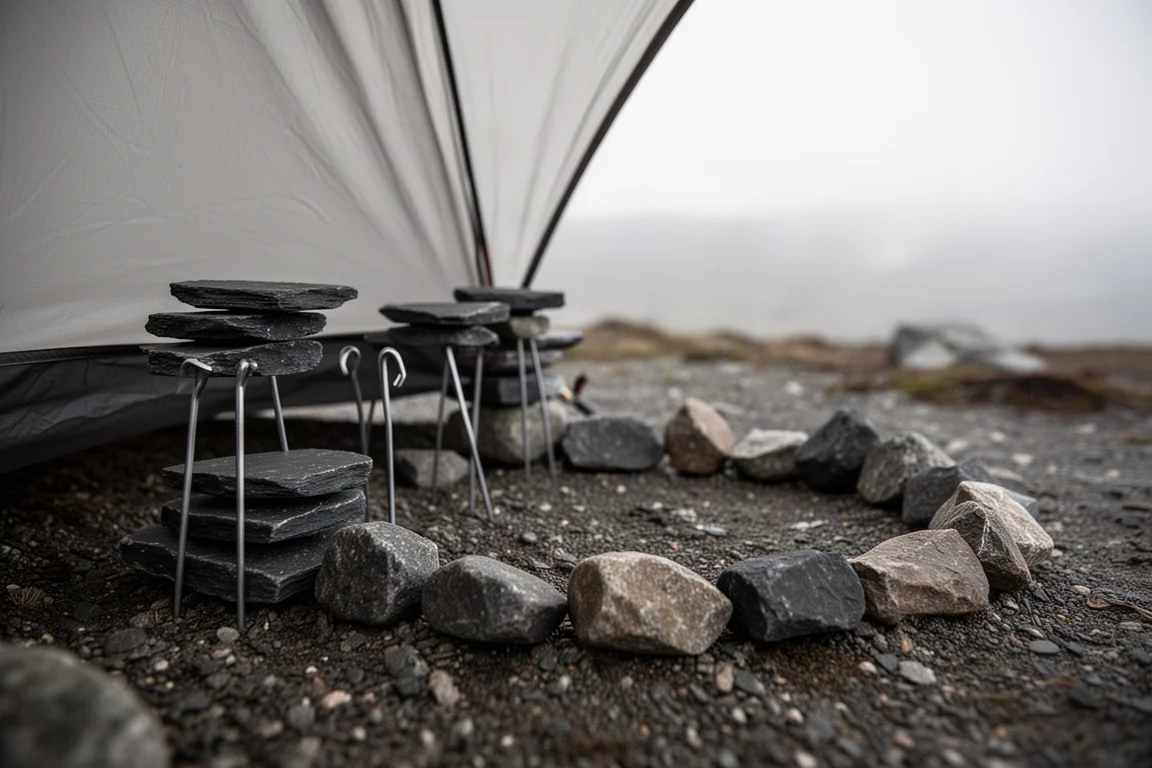
The most significant problem on that stormy night was not the tent. It was the stakes. Standard backpacking stakes were snatched out of the ground repeatedly, and the fix was to get out into the rain and weight them down with rocks, a process that took two or three attempts before it held.
Beefier stakes are one answer, and carrying heavier hardware is a reasonable choice for a trip where high winds are likely. But in genuinely extreme gusts, most reasonable backpacking stakes would probably have pulled free regardless, which means rock stacking is a skill worth having rather than a workaround to avoid. Being willing to pile stones on stakes is part of getting the most out of a shelter like this.
A better initial pitch would have helped too. The wind was not severe during setup, so the shelter was not secured as thoroughly as it could have been, and correcting that later meant working in the rain. If you expect exposure, it pays to pitch as if the worst is coming.
For trips into areas with a lot of wind, it is also worth carrying a pole splint. Tent poles can snap under the force of being blown over repeatedly, and accidents happen during packing as well. Many four-season tents include a splint for exactly this reason, and if a shelter does not come with one, adding it to the kit is a cheap precaution.
Buying Advice and Trip Planning Notes
Would the Duplex L go back into the pack for another Iceland trip? Yes. That answer comes with a caveat, because it depends on experience. A hiker comfortable with Dyneema and with trekking-pole pitching will make it work and appreciate the weight saved. Someone without that background, or without storm-pitching experience, may be better served by a sturdier shelter even at the cost of extra grams.
Two other ultralight trekking-pole shelters were noted as likely better matches for the Laugavegur Trail based on their designs. The Durston X-Mid 2 Pro was ordered when stock became available, and the Tarptent Dipole 2 Lithium is a little heavier and appears as though it would hold up better in wind. Neither was available at the time of the trip, and both were hard to order at short notice. For anyone prioritizing storm performance over the lightest possible weight, a four-season tent is the more protective route, offering the most warmth and the most defense against the elements.
Trip planning matters as much as gear. On the Laugavegur Trail, one option is simply to avoid camping at the most exposed hut area, either by booking a bunk in the hut or by staying at the first hut and hiking a longer first day to skip the second hut entirely. Building slack into the schedule is the broader lesson: reduce your planned daily mileage so you can wait out bad weather at a hut instead of walking or camping in it. Inclement weather in Iceland is normal, and the flexibility to work around it makes a trip both safer and more enjoyable.
Conclusion
The Zpacks Duplex L is an exceptionally strong, remarkably light shelter that survived a genuinely brutal night without a single tear. Its limits in that environment were structural rather than material: large vestibule gaps, single-wall moisture transfer, a loud fabric in high wind, and a reliance on stakes that can pull free in extreme gusts.
For an experienced trekking-pole camper who values low weight, it remains a compelling choice and a favorite among the backpacking tents out there. For a first trip above the treeline, or for anyone who wants maximum storm protection without improvisation, a double-wall or four-season shelter is the more conservative and more comfortable call.
Product link
View more details for Zpacks Duplex L
This product is mentioned in the review. Check the specifications, options, and compatibility before buying.
View more details for Zpacks Duplex LFurther reading
Related Reviews
Backpacking Tents
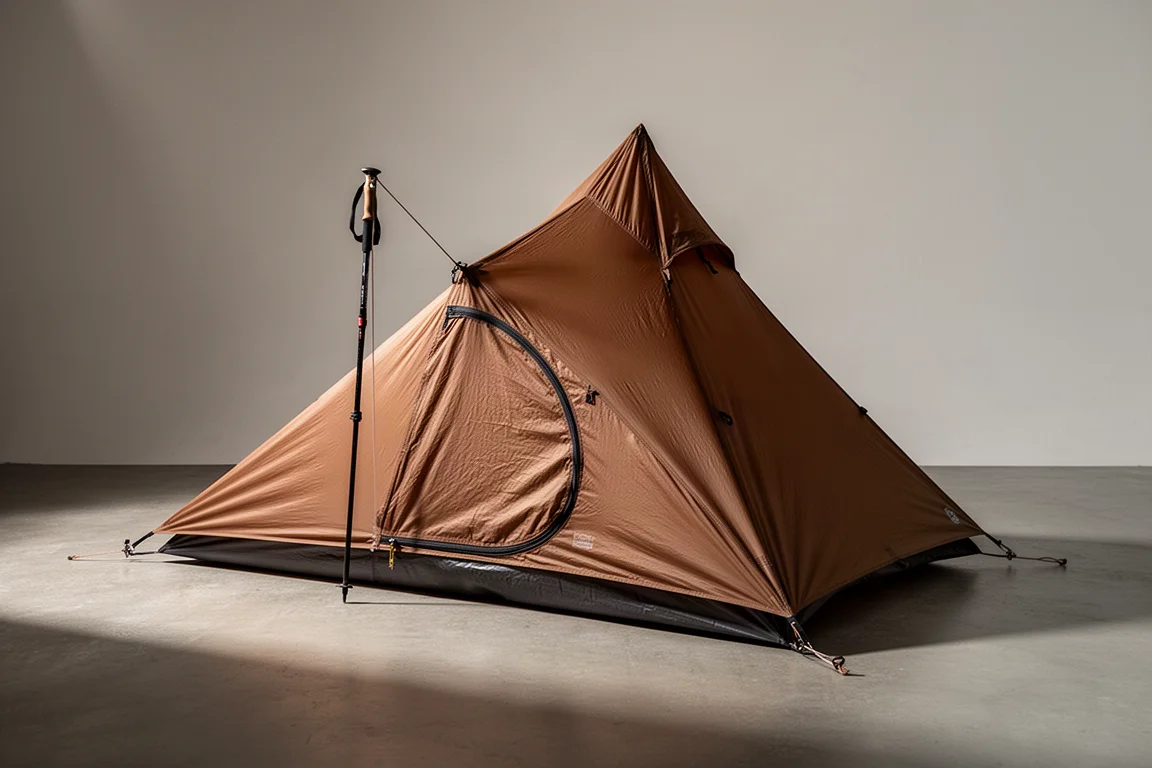
3F UL Lanchan Pro 1 Review: A 1 lb 8 oz Single-Wall Trekking Pole Tent
A practical look at the 3F UL Lanchan Pro 1, a single-wall trekking pole shelter with a 1 lb 8 oz weight, 20D silnylon fabrics, and a roomy 90 x 31 x 49 inch interior.
Backpacking Tents
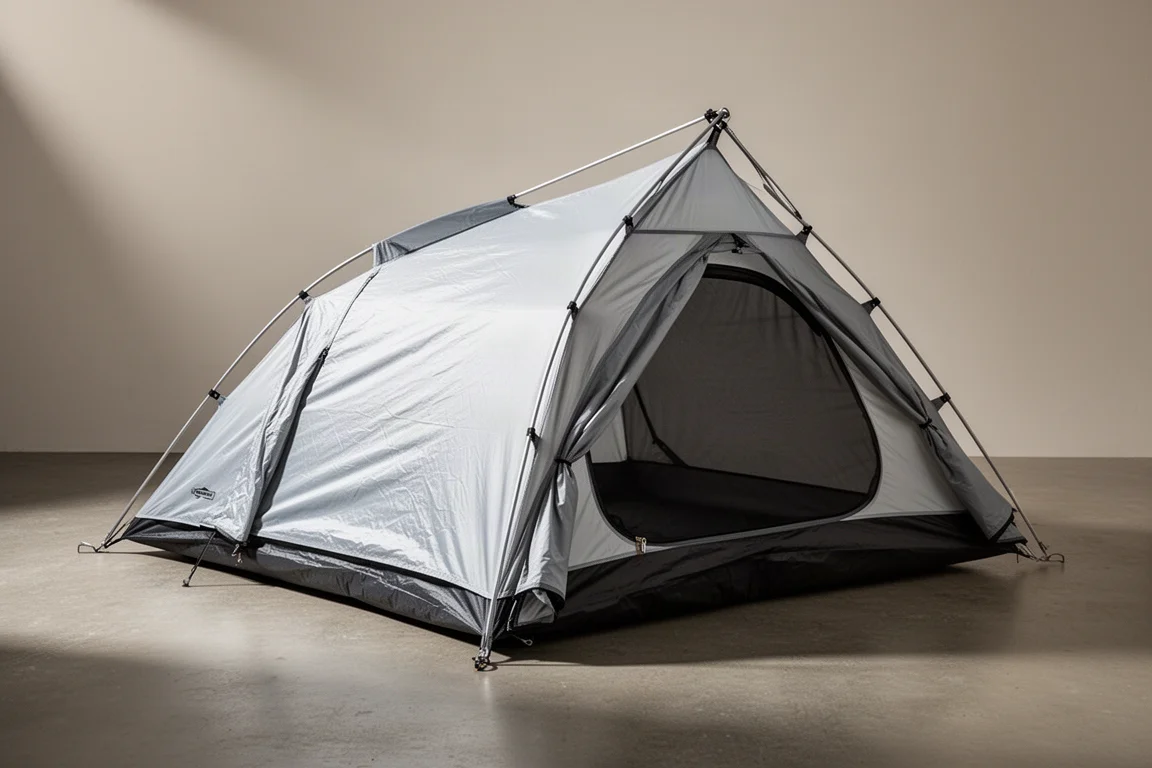
3F UL Taiji 2-Person Tent: A Convertible Backpacking Shelter Worth a Closer Look
A practical look at the 3F UL Taiji two-person tent, covering its materials, true two-person interior, fly-first pitching, and the seasonal inner swap that lets one shelter cover more of the year.
Backpacking Tents
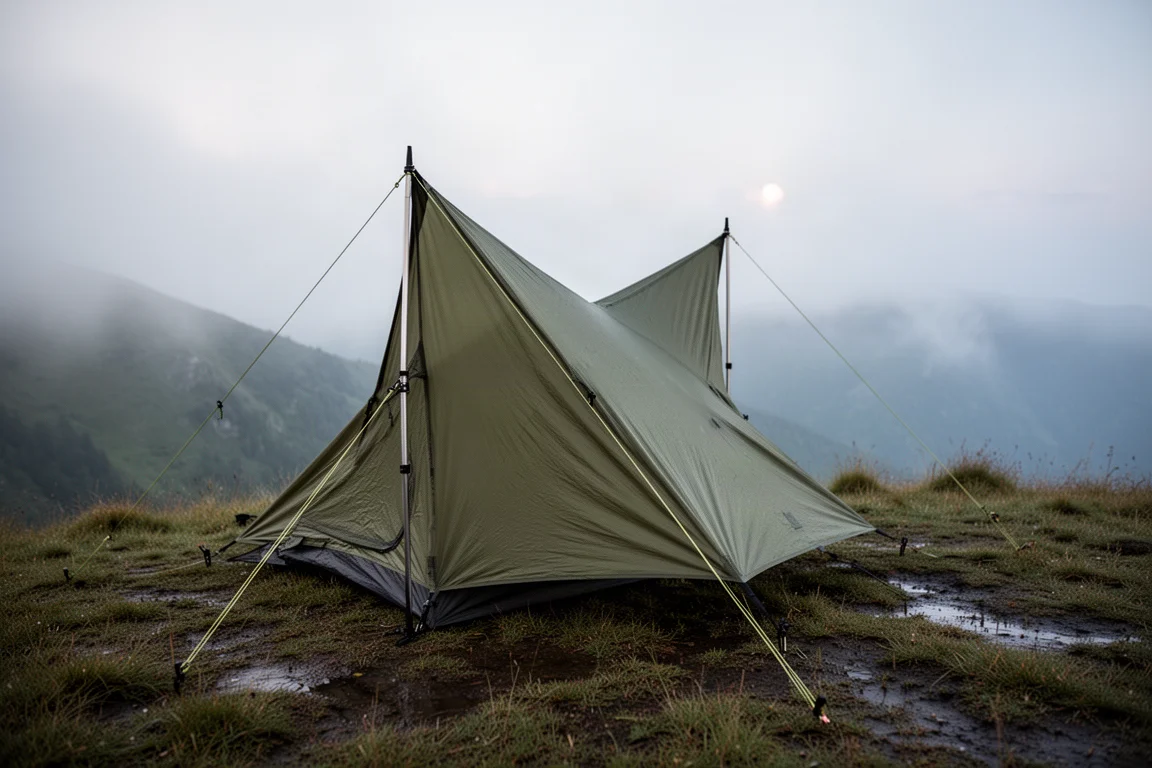
3FUL Lanshan Twoerson Pro Review: A Light Trekking Pole Shelter That Struggled in Rain
A two-person trekking pole shelter with a 2026 redesign, pitched with sticks and put through a night of steady rain. Here is what worked, what did not, and what to check before buying.