Backpacking Tents
Zpacks Altaplex Long-Term Review: Three Years and 4,000 Miles Later
A one-person DCF shelter that pitches with a single trekking pole, assessed after three years of thru-hiking, bikepacking and backpacking.
Introduction
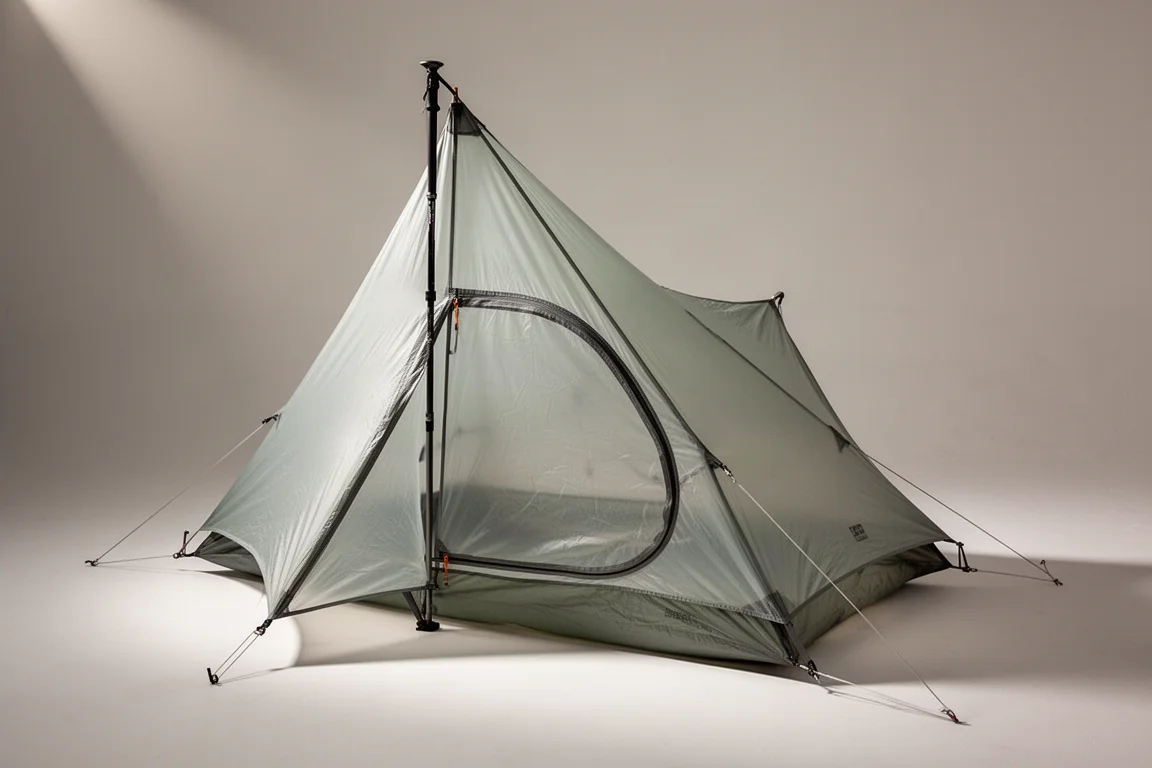
The Zpacks Altaplex is a one-person, single-wall shelter that pitches with one trekking pole. It is built from Dyneema Composite Fabric, usually shortened to DCF, with every seam taped, a fully enclosed body with noseeum bug netting, one large curved door, a single vestibule with double storm doors and an 8-inch bathtub floor. The production model weighs 15.4 oz, and the retail price at the time of writing is $669.
Those numbers explain why the shelter attracted attention in the first place. A very light, fully enclosed tent that uses a pole you are already carrying, packs into a single bag and sets up as one piece is a compelling package for anyone covering long distances.
Three years and more than 4,000 miles of thru-hiking, bikepacking and backpacking across a wide range of environments is enough distance to answer the questions that a short trial cannot: does the fabric hold up, does the pitch stay taut, does the interior stay dry, and is it still worth buying today.
Who this product is for
The Altaplex is aimed at backpackers who want a very light, very simple shelter built from gear they already carry. Because it stands on a single trekking pole, it suits long-distance hikers who count every gram and dislike extra stuff sacks and separate components. The same traits translate well to bikepacking, where the pole can be replaced by a dedicated support and the whole shelter packs down into a small bundle.
It also suits taller hikers. The extra-long peak pushes the walls outward at both ends, so a user around 6 ft 1 in has clearance at the head and foot and can keep a quilt foot box away from the condensation that collects on single-wall fabric. Users closer to 6 ft 3 in or 6 ft 4 in will likely still brush the walls, so the interior dimensions are worth checking closely.
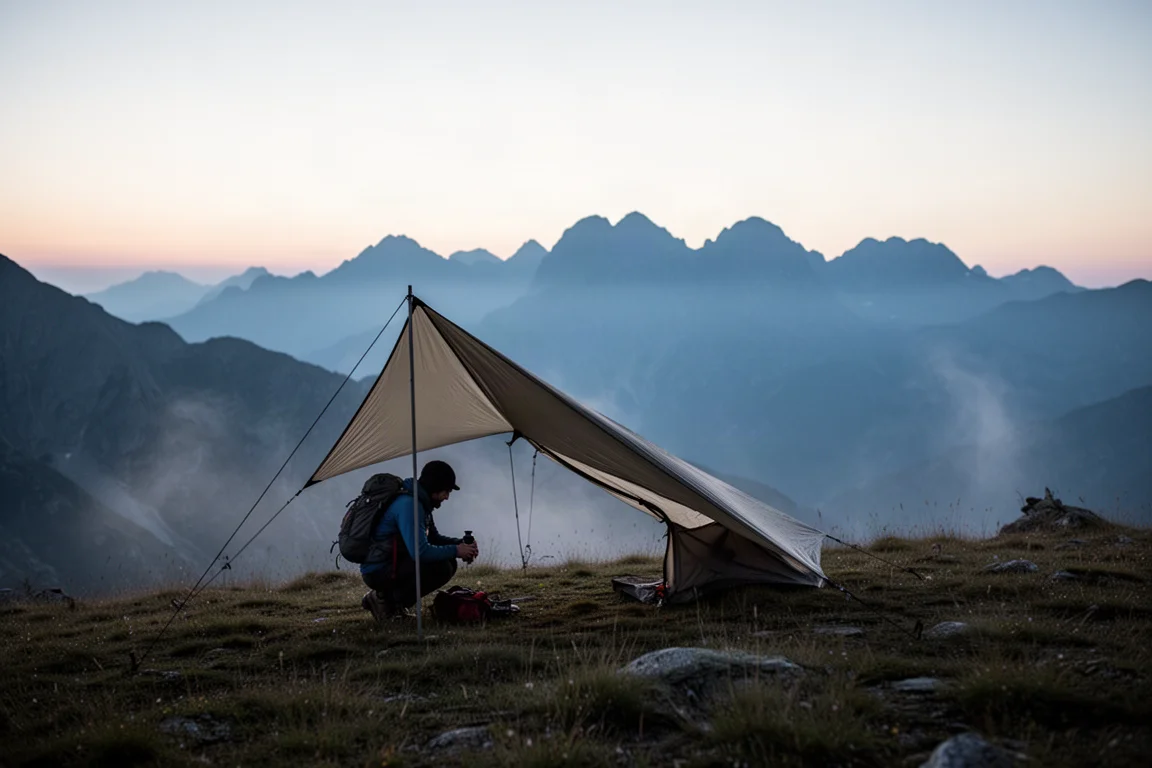
It is a less obvious choice for someone who camps a few nights a month. The price only makes sense when the shelter is used often and used hard, and there are cheaper ways to sleep outdoors comfortably.
Main strengths
Weather Protection and the DCF Advantage
DCF is the heart of the Altaplex and the main reason it performs in wet weather. The fabric does not stretch, so a properly tensioned pitch stays taut through the night instead of sagging as temperatures drop and moisture builds. Water beads off the surface, the shelter dries quickly once the rain stops, and the taped seams have stayed leak-free across three years of hard use.
The material also delivers a lot of coverage for its weight. Compared with silicone-coated fabrics, the practical difference shows up on long, wet trips, where a shelter has to stay dependable night after night without being re-tensioned.
Setup and Simplicity
The Altaplex is one piece. There is no separate inner, no separate fly and no assembly order to remember. The first few pitches involve a learning curve while the geometry and tension points become familiar, but after that the process becomes muscle memory and the shelter goes up quickly, faster than any multi-piece tent.
That matters most in bad conditions. Arriving at camp in the rain means pulling one bag from a pack, staking the corners, inserting the pole and getting inside. Fewer components also means fewer things to lose, tear or leave behind, which is a genuine advantage on thru-hikes and bikepacking trips where a minimal kit is the whole point.
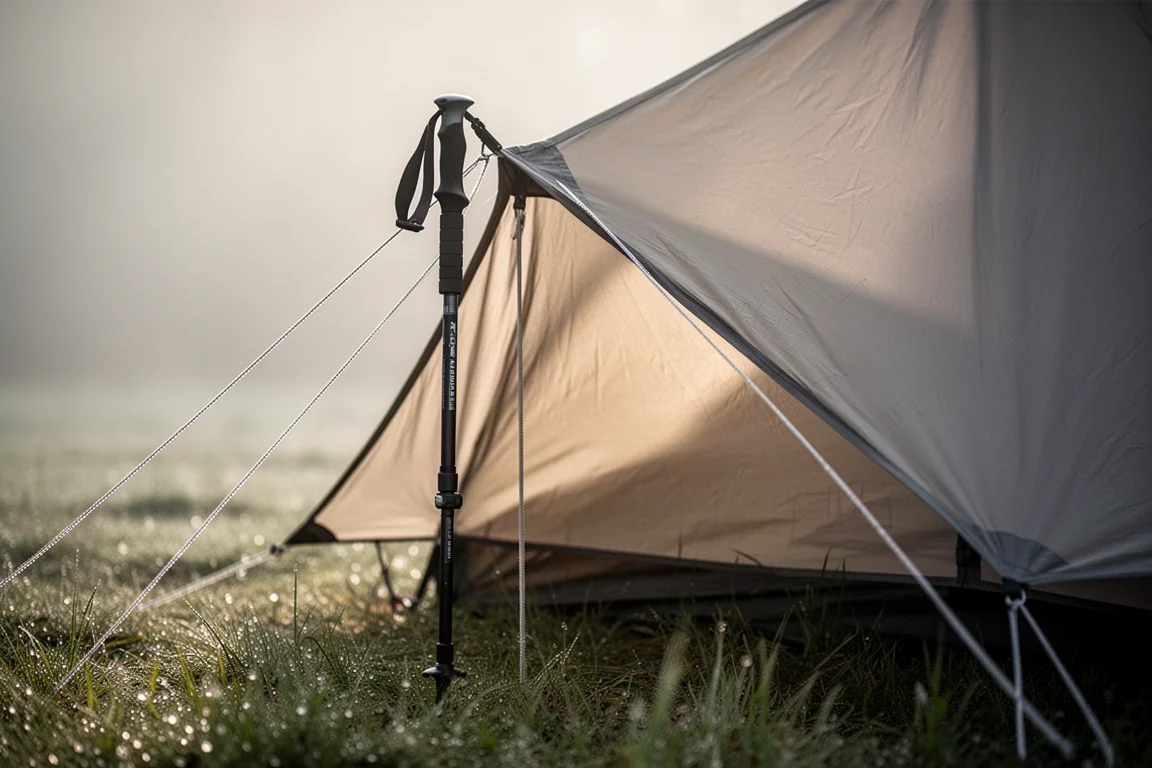
Pole aside, the entire shelter stows into a single stuff sack, which keeps packing simple and predictable.
Interior Length for Taller Hikers
Most single-wall shelters with a slanted wall place the head and foot of a sleeping quilt close to the fabric. In humid conditions that contact transfers condensation onto a quilt or drips onto a sleeper. The Altaplex answers this with an extra-long peak, so the walls angle outward at both ends and keep the head and foot box clear of the fabric.
At around 6 ft 1 in, that geometry leaves comfortable clearance at both ends and keeps condensation off the quilt. For taller buyers this is the defining feature of the design, and it is the reason the shelter has stayed in rotation for long-distance trips rather than being replaced by something lighter or cheaper.
Things to consider before buying
Price and Value
At $669, the Altaplex is a serious purchase and the single biggest factor to weigh before ordering. Two things drive the price: DCF is an expensive fabric, and the tents are made in the United States, where labor costs are higher than in many overseas production facilities.
Whether that price is reasonable depends entirely on use. For someone who spends four to six months a year on trail, the cost spreads across a large number of nights and miles and looks far more sensible. For someone heading out once a month, $669 is a lot to spend on a shelter, and a less expensive design may serve just as well.
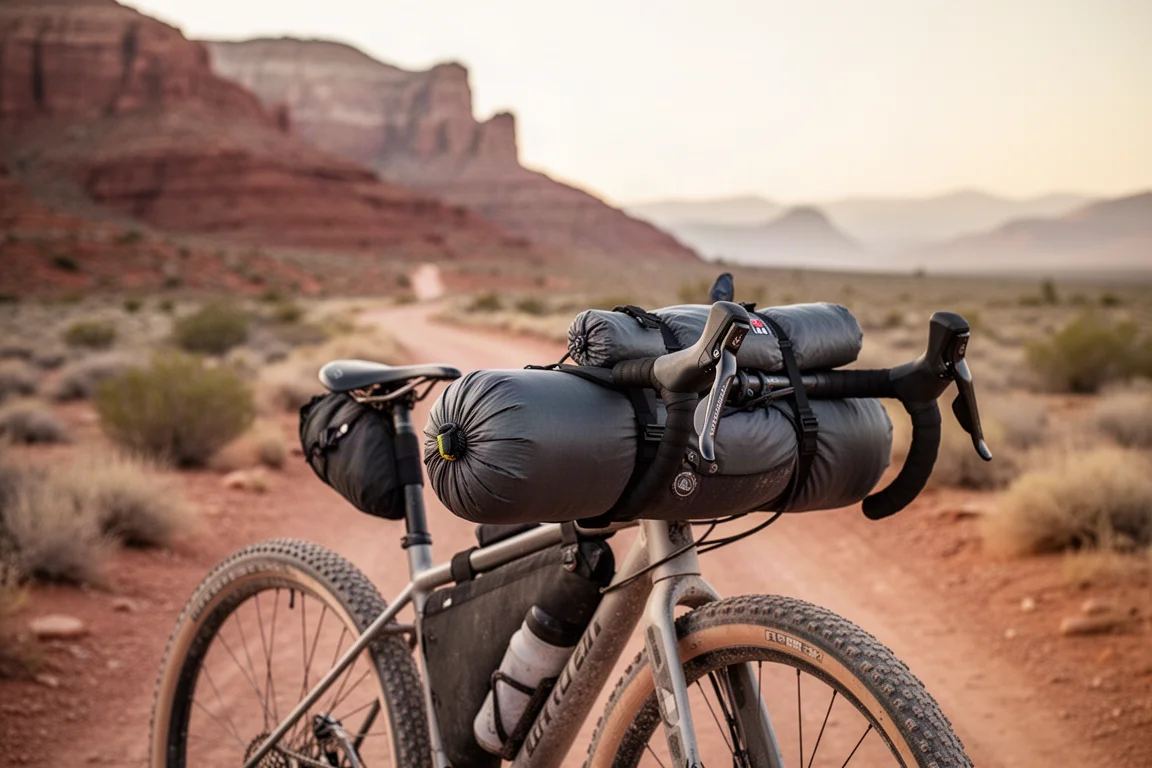
It is also worth remembering that this is a specialist shelter, not a general-purpose tent. The value comes from weight, packed size and a fast one-piece pitch, and those benefits only pay off if they match how you actually travel.
Fabric Lifespan and Guyline Cord
DCF has a lifespan. After three years and more than 4,000 miles, the fabric begins to break down and the shelter reaches the point where replacement makes sense rather than repair. The 8-inch bathtub floor has survived without a single hole and without a ground sheet, simply by choosing clean pitches and avoiding pine cones, sharp needles, sticks and rocks. One sidewall puncture came from accidentally zipping the door closed on the fabric, which was repaired with a patch.
Two smaller details are worth knowing. The production model ships with a thicker guyline cord than earlier Zpacks shelters, and some users prefer the thinner cord and swap it out. The tarp version of this shelter, which pairs a detachable bathtub floor with a tarp and no bug netting, has been discontinued, so the fully enclosed model is the one to look for. The large curved door zipper draws occasional complaints, though folding the door panel keeps it clear of the ground and inside the shelter.
Buying advice
For long-distance hiking and bikepacking, the Altaplex remains one of the strongest options available. It packs small, stands on a single trekking pole or a dedicated support, pitches in one piece and handles wet environments without leaking or sagging. For a long thru-hike or a multi-week bikepacking trip abroad, it is the shelter that keeps getting picked.
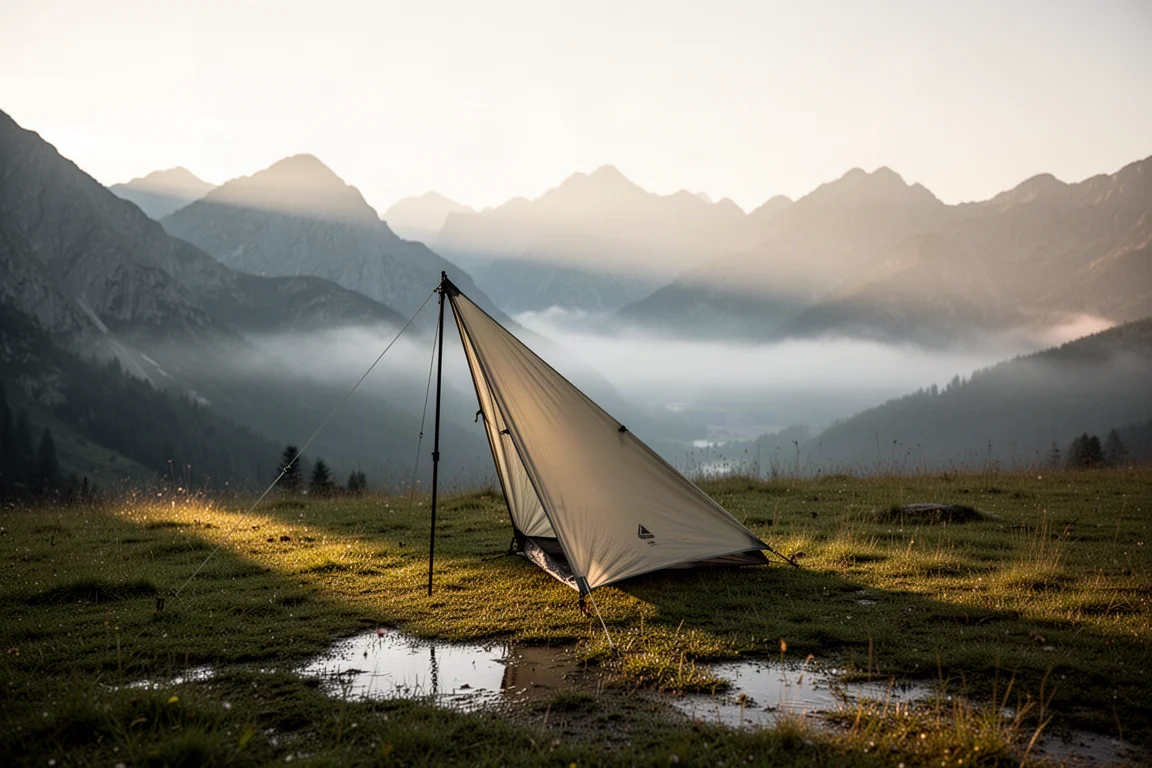
The right way to decide is to match the shelter to the trip. If you cover long distances, sleep out for months at a time and want a fully enclosed DCF tent with room for a tall frame, the Altaplex earns its price. If your trips are shorter, more occasional and less exposed to sustained rain, a cheaper shelter will do the job and leave money for other gear.
Conclusion
There is no such thing as a perfect tent, and after this much distance the Altaplex is not described that way. It does get close for a specific kind of user: someone tall, travelling long distances, wanting a small pack, a single pole and a shelter that performs in the environments they actually encounter.
After three years and more than 4,000 miles, the honest verdict is that it is still worth buying. The fabric has reached the end of its useful life and a replacement makes more sense than another repair, which is itself a fair measure of how well the design has worked. If your use case matches, this is a shelter you can buy with confidence and expect to lean on for years of hard miles.
Product link
View more details for Zpacks Altaplex
This product is mentioned in the review. Check the specifications, options, and compatibility before buying.
View more details for Zpacks AltaplexFurther reading
Related Reviews
Backpacking Tents
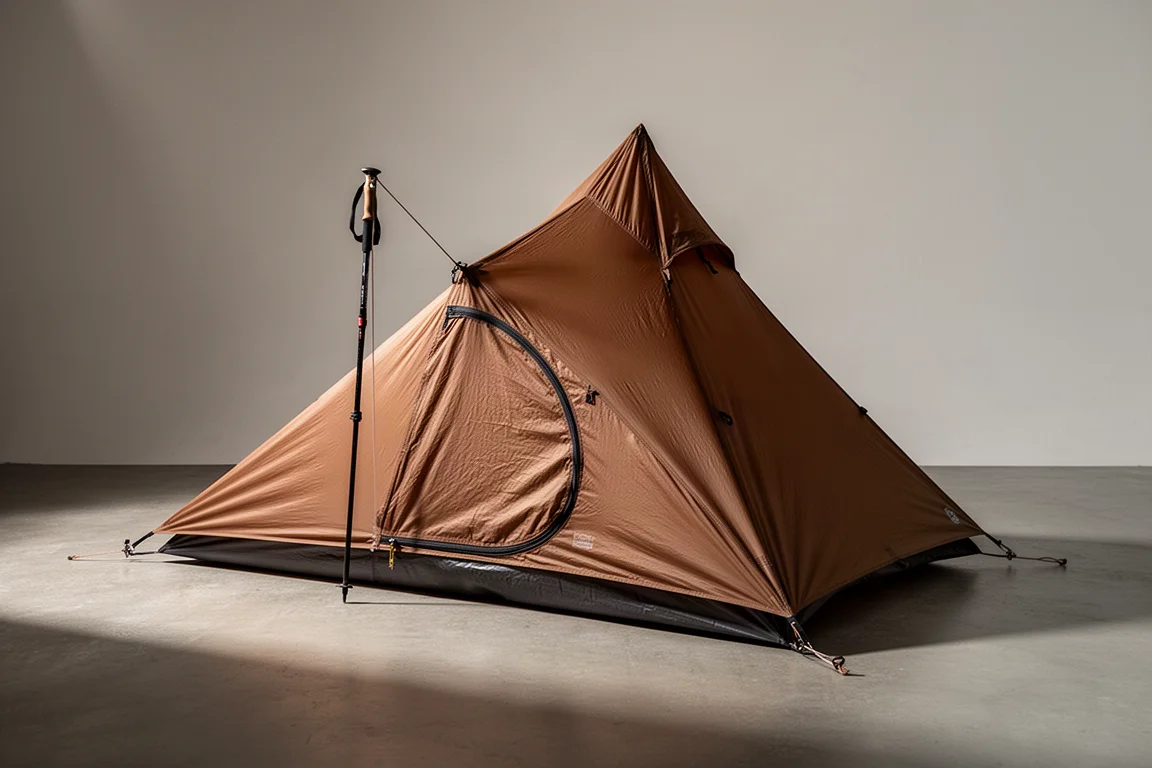
3F UL Lanchan Pro 1 Review: A 1 lb 8 oz Single-Wall Trekking Pole Tent
A practical look at the 3F UL Lanchan Pro 1, a single-wall trekking pole shelter with a 1 lb 8 oz weight, 20D silnylon fabrics, and a roomy 90 x 31 x 49 inch interior.
Backpacking Tents
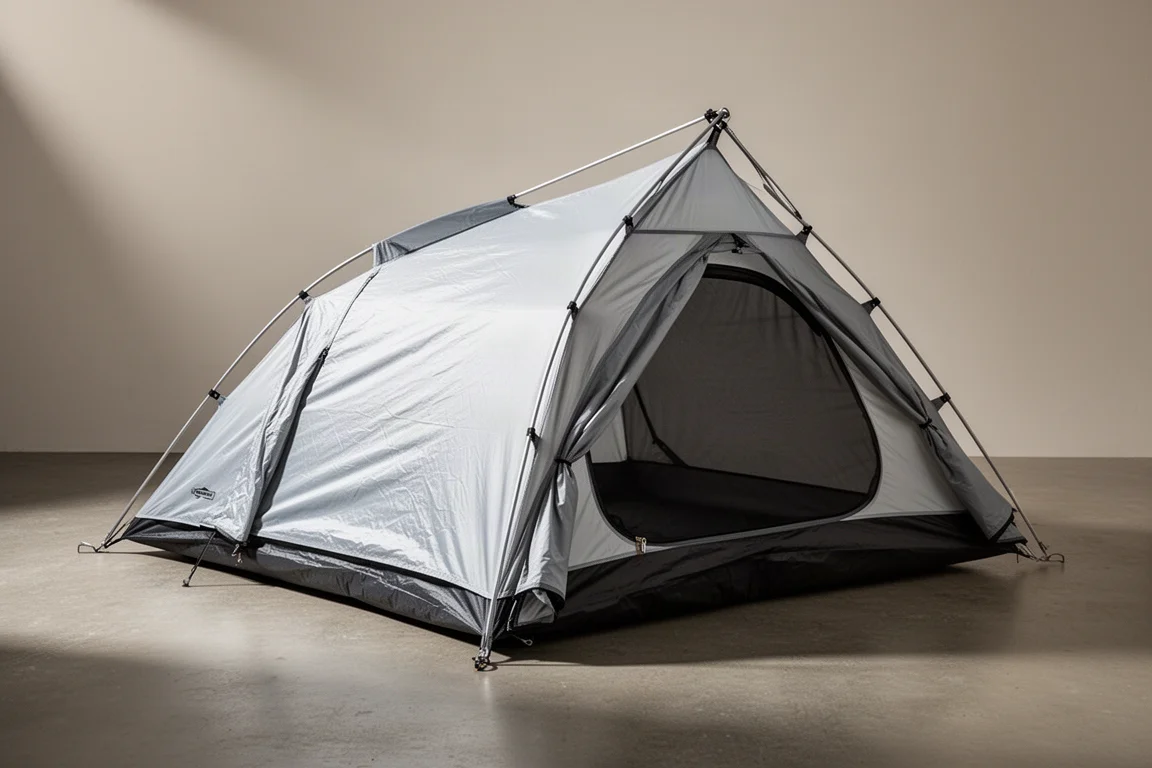
3F UL Taiji 2-Person Tent: A Convertible Backpacking Shelter Worth a Closer Look
A practical look at the 3F UL Taiji two-person tent, covering its materials, true two-person interior, fly-first pitching, and the seasonal inner swap that lets one shelter cover more of the year.
Backpacking Tents
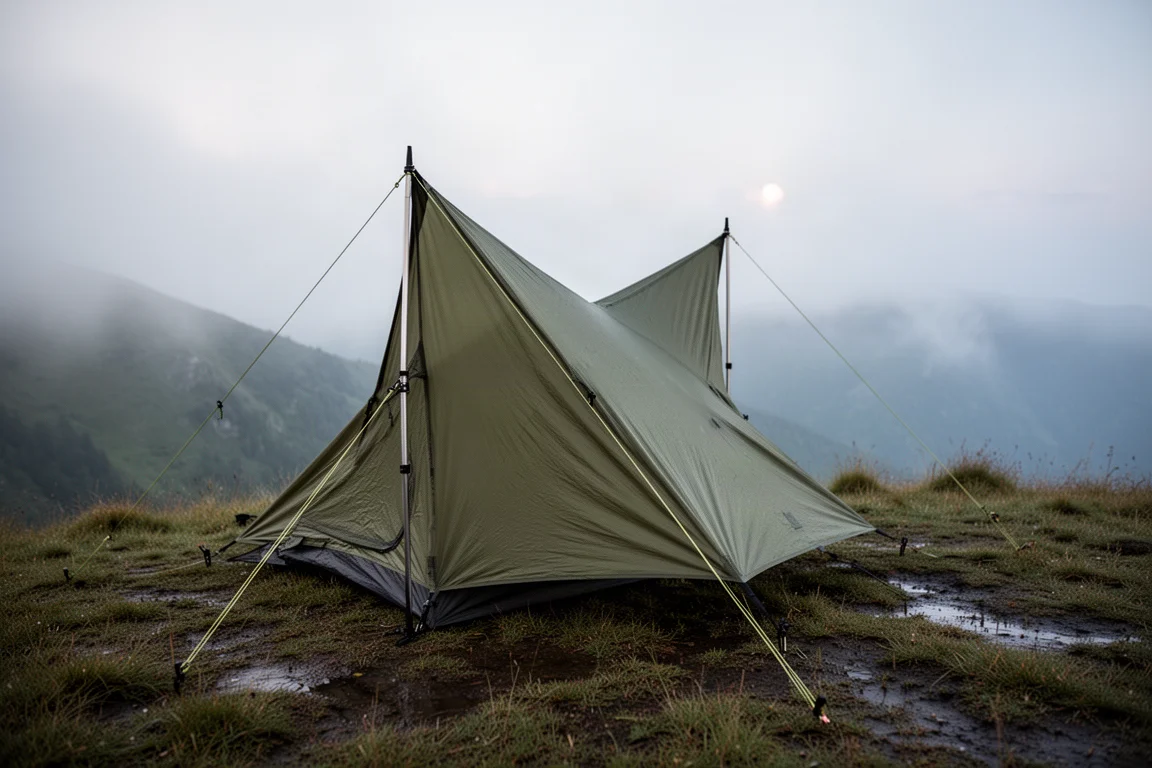
3FUL Lanshan Twoerson Pro Review: A Light Trekking Pole Shelter That Struggled in Rain
A two-person trekking pole shelter with a 2026 redesign, pitched with sticks and put through a night of steady rain. Here is what worked, what did not, and what to check before buying.