Kitchen Appliances
Zojirushi vs Cosori Rice Cooker: Is the Premium Brand Worth It?
After over 50 batches of rice across eight cookers, here is how Zojirushi stacks up against the far cheaper Cosori on white rice, brown rice, sushi rice, cook times, and daily usability.
Introduction
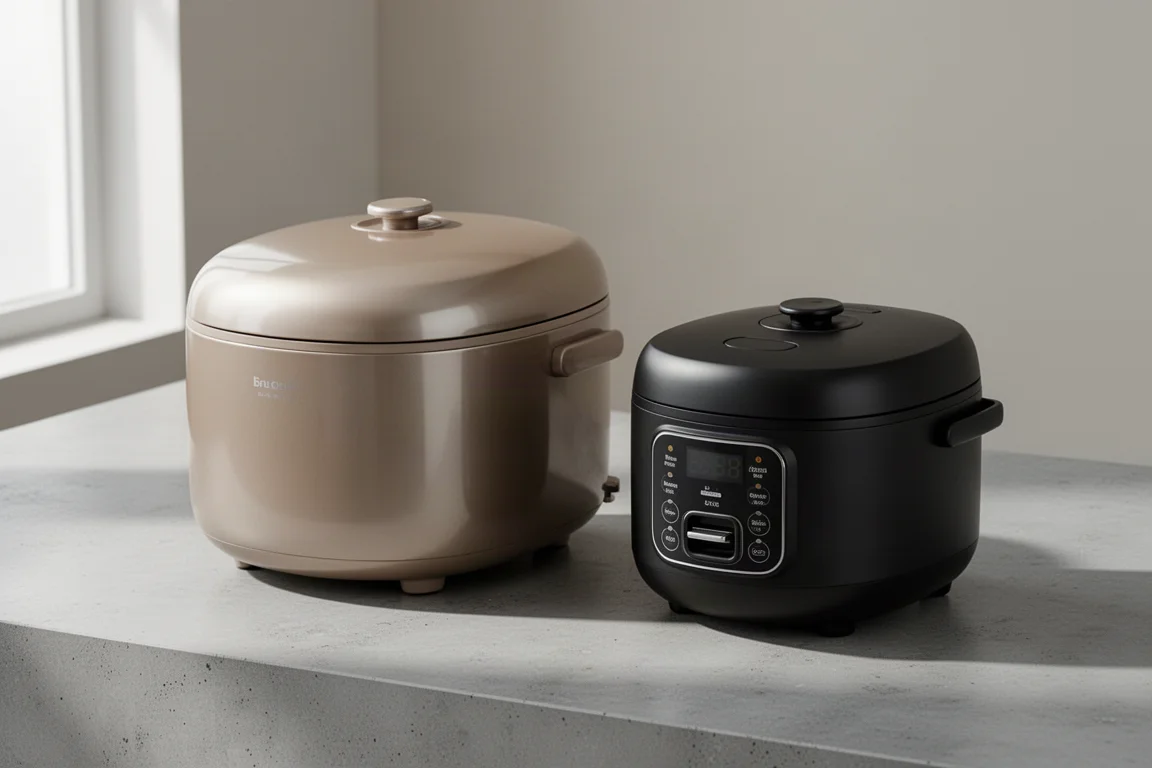
Zojirushi is the rice cooker everyone recommends, but it carries a premium price that makes many buyers hesitate. To see whether the name alone justifies the cost, I put it head to head against seven other rice cookers, including the significantly cheaper Cosori. The testing covered more than 50 batches of rice: small, medium, and large batches of white rice, plus brown rice and sushi rice. I also evaluated quick cook mode, soft and hard texture settings, the keep warm function, power consumption, and the durability of the non-stick coating. For every batch, I judged texture, stickiness, grain separation, moisture, and whether the bottom overcooked or turned mushy. Cook time, controls, water markings, cord length, footprint, cleanup, and cabinet clearance were compared as well.
How Zojirushi Performed in the Rice Tests
In the white rice tests, Zojirushi did exactly what you would hope an expensive rice cooker would do. The medium and large batches came out excellent: fully cooked, tender, slightly sticky, and easy to fluff with clear grain separation and no mushiness. The small one-cup batch was a little softer than the larger batches. It was not the best one-cup result, but it was close, and several other cookers had far bigger problems, producing rice that was too wet, too dry, unevenly cooked, or overcooked on the bottom.
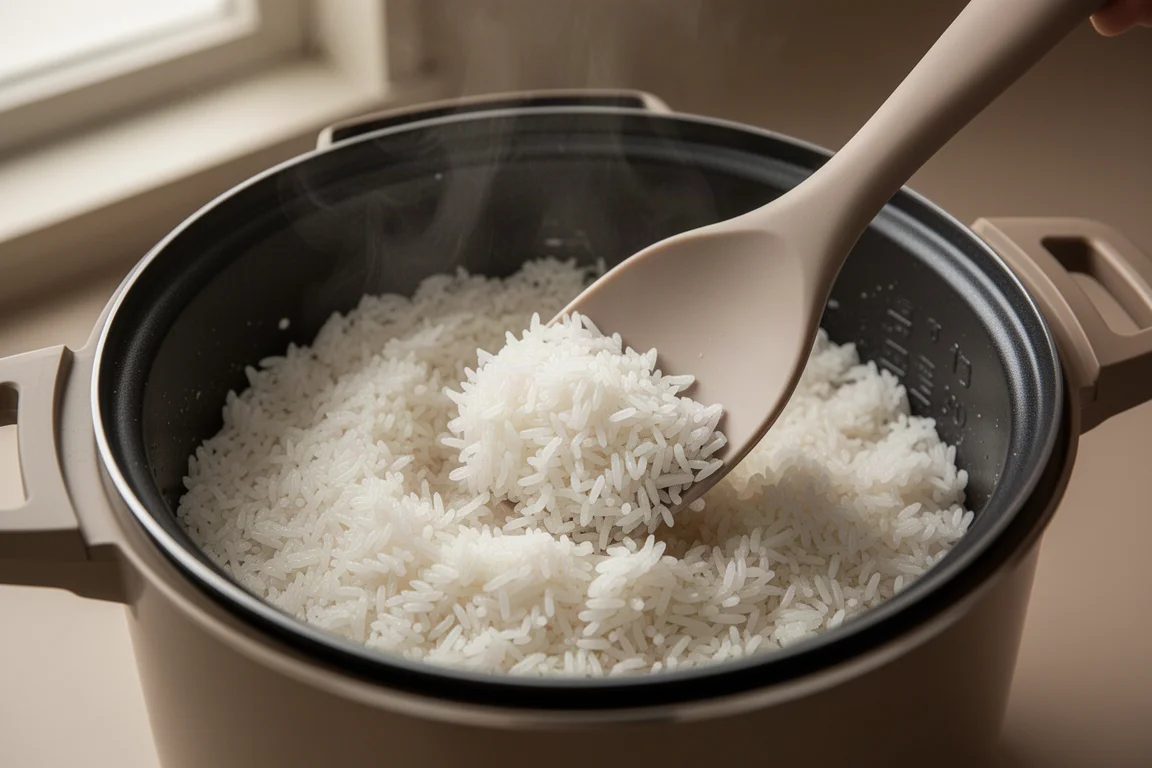
The soft and hard texture settings genuinely work. On the soft setting, the rice came out fluffier, stickier, and more moist while the grains stayed intact with no mushiness. On the hard setting, there was more visible grain separation, a firmer bite, and a little more chew, slightly drier, which is exactly what a harder setting should deliver. Zojirushi was one of the top performers for white rice overall.
Brown Rice: Where Cosori Pulled Ahead
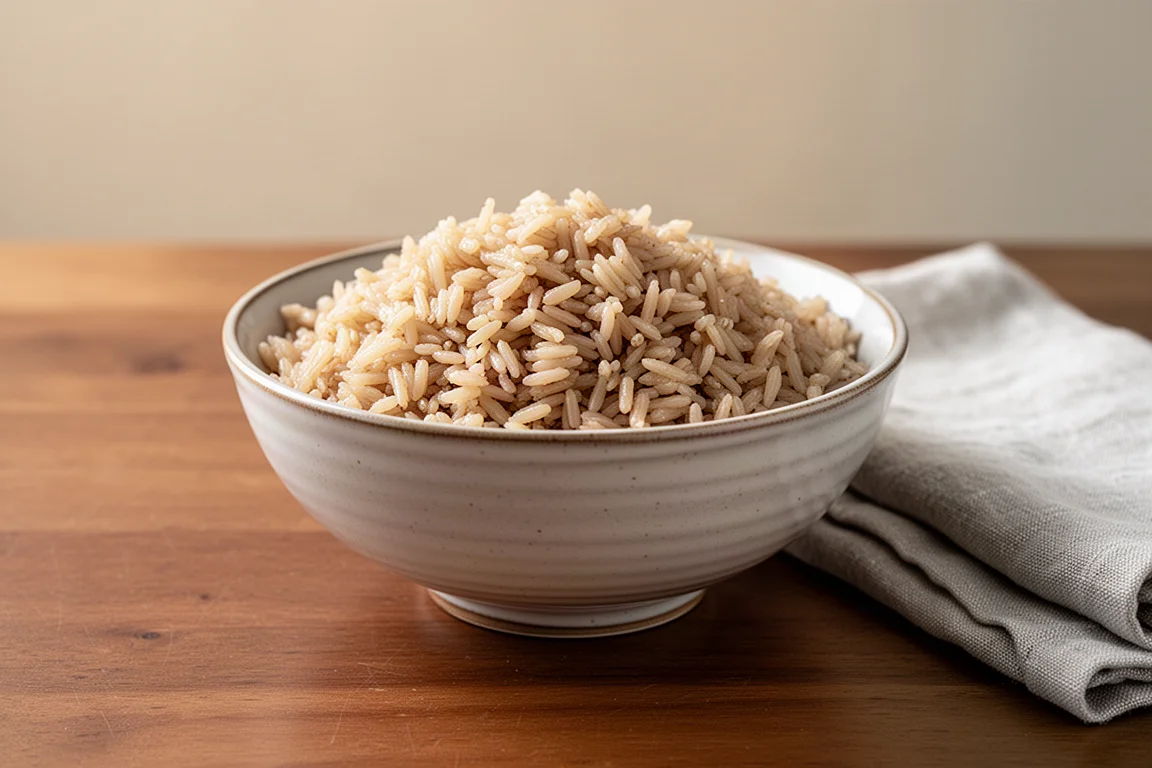
Brown rice told a different story. Zojirushi’s brown rice was fine but not great: tender and evenly cooked, yet softer and clumpier than ideal. The Cosori rice cooker did noticeably better here, producing brown rice that was tender, evenly cooked, and offered better grain separation with no mushiness.
Sushi rice, a naturally stickier medium grain white rice, was another strong result for Zojirushi. The rice was sticky enough to hold together for sushi and rice bowls without turning wet, gummy, or mushy. A few other cookers matched it, but several came out too wet or mushy.
Cook Times: Zojirushi’s Biggest Drawback
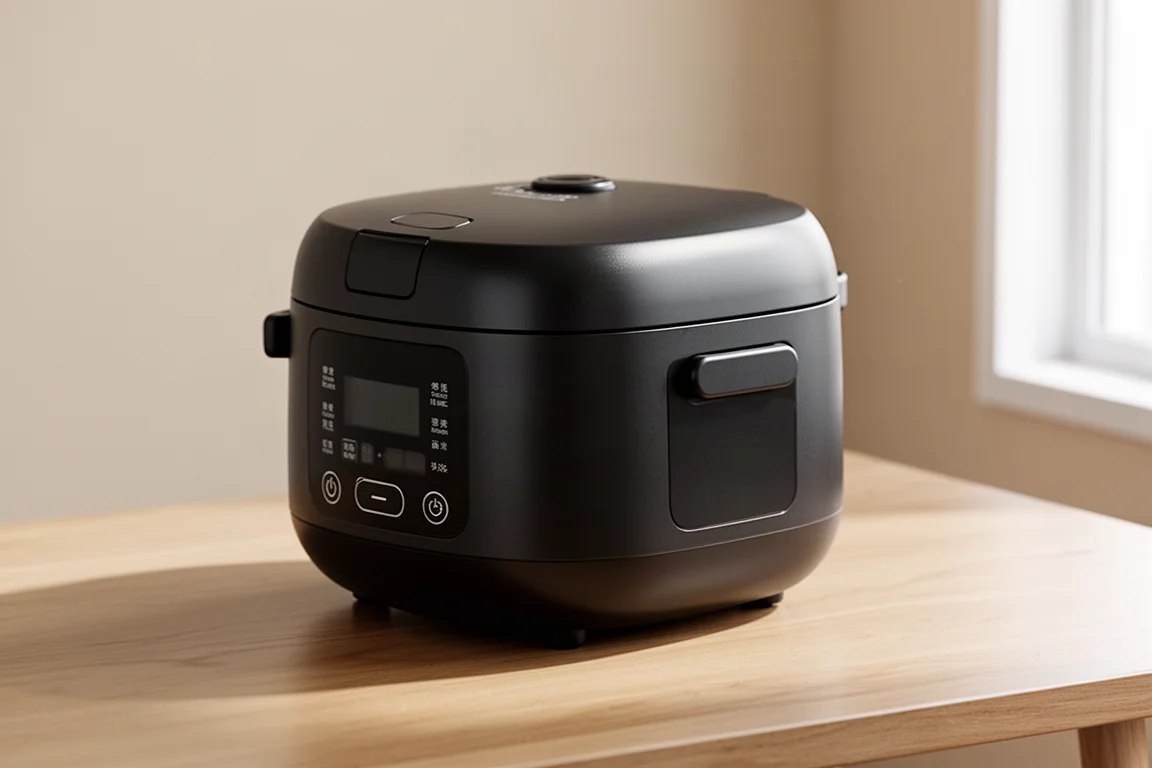
Cook time was one of Zojirushi’s weakest points. The one-cup white rice batch took 49 minutes, the slowest of the group. The three-cup batch took 53 minutes, also the slowest, and the five-cup batch took 59 minutes, tied for slowest. Brown rice was the biggest gap: one hour and 43 minutes, by far the longest brown rice cook time measured. The soft setting also adds roughly 15 minutes over the hard setting.
Quick cook mode helps. With three cups of white rice, it finished in 39 minutes, saving 14 minutes compared with the regular white setting, and the rice was still very good with no noticeable drop-off in texture.
Zojirushi uses fuzzy logic, adjusting heat and cook time as the rice cooks rather than heating at one steady level. A wattage meter showed the power draw cycling up into the 600-watt range and dropping back into the 20s throughout the cook. But these adjustments only go so far: when I deliberately filled the water to the three-cup line for two cups of rice, the result was wet, mushy, and clumpy enough to smash into a paste. Fuzzy logic can handle small adjustments, but it cannot fix a major water-to-rice mistake.
Keep Warm Performance
Keep warm is one of the main reasons to buy a rice cooker at all, and Zojirushi handles it well. After one hour, the rice tasted almost the same: warm, moist, and easy to fluff. After three hours it was still good, though starting to dry out slightly. At six hours it was a little drier than the three-hour mark, but not by much, and the texture remained fine.
One caveat: every time the lid was opened to check, steam escaped, which may have sped up the drying. The temperature stayed well above 140 degrees the whole time, so the rice was held at a safe temperature throughout.
Design and Usability Details That Matter
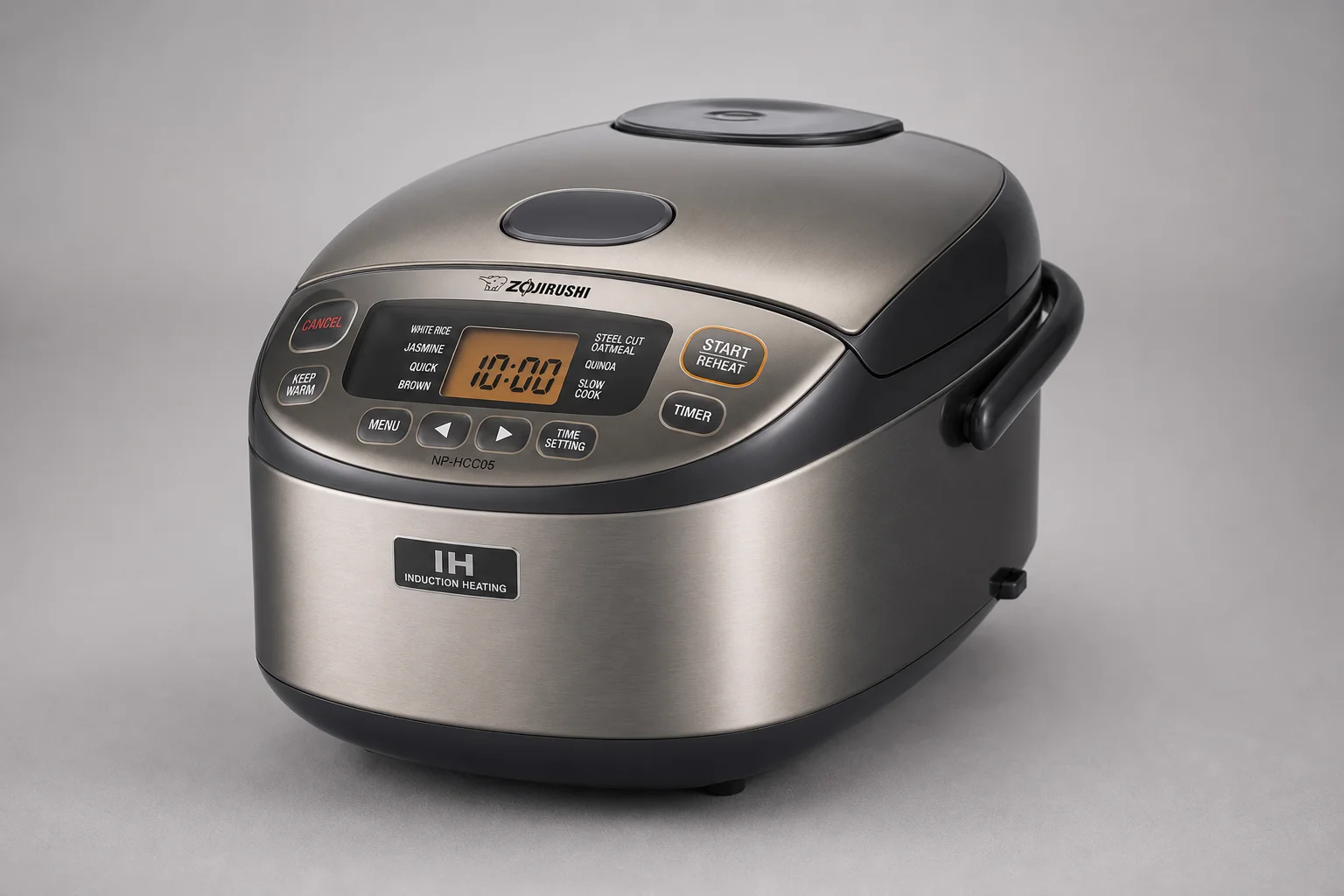
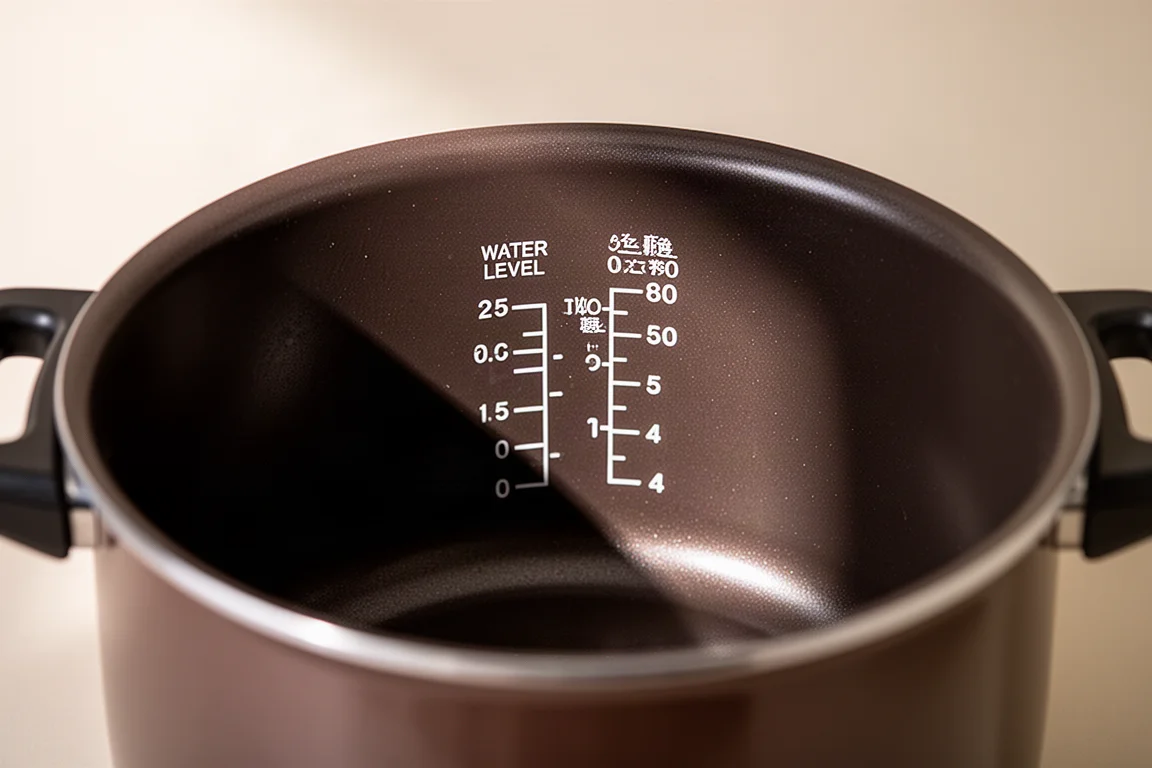
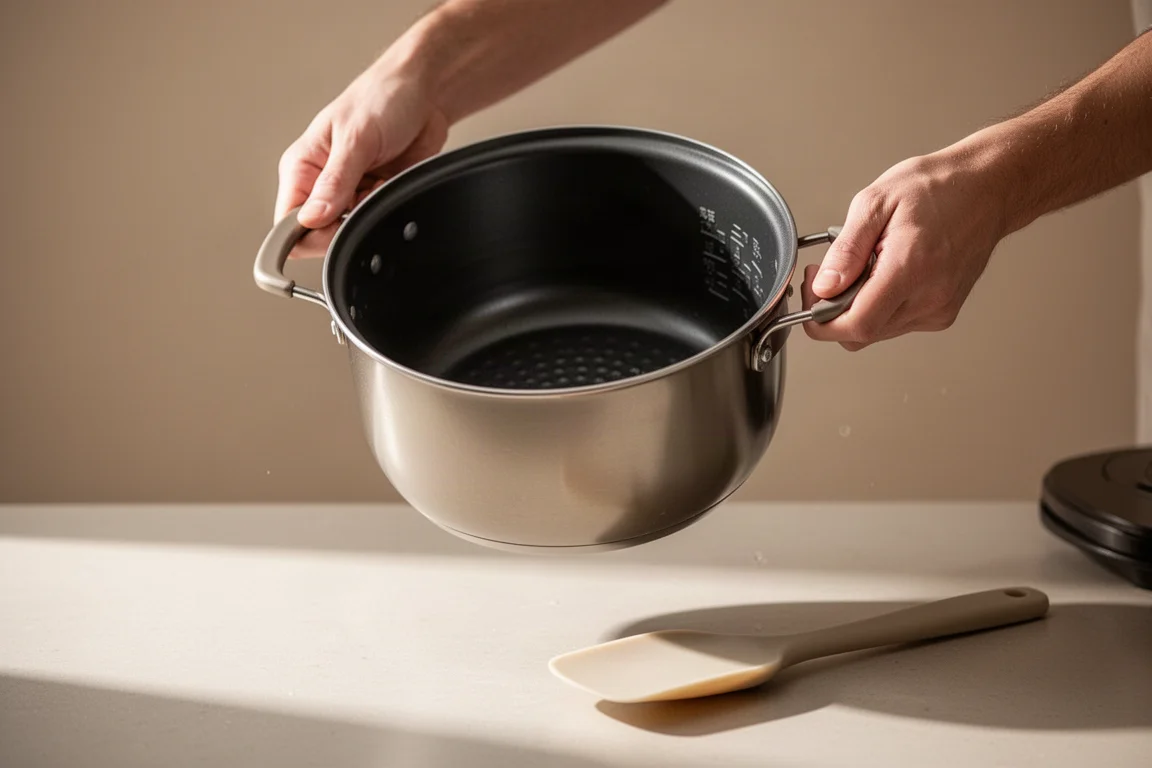
Zojirushi gets many small details right. The lid opens smoothly rather than snapping up and shaking the whole cooker. The inner lid is removable for sink cleaning, and it gives easier access to wipe down the areas around the lid and steam vent where starch and condensation build up. The white water markings against a dark background are far easier to read than the engraved markings on some competing bowls. The inner pot has handles, so you can lift it out while hot, and the handles force the pot into the correct orientation so the markings face you. The retractable cord is a nice touch, and it was the longest cord measured.
The trade-off is the PTFE non-stick coating. It makes cleanup easy, but a gentle rub with a metal fork left visible scratches. Treat the bowl like a non-stick pan: use the included rice paddle or a soft silicone utensil and avoid metal forks, spoons, or anything sharp.
Which One Should You Buy?
Zojirushi is genuinely an excellent rice cooker. It made some of the best white rice tested, the texture settings actually work, the keep warm function holds up for hours, and the design details are handled properly. But as with other legacy kitchen brands, part of what you pay for is the name. Zojirushi has been around for over a hundred years and has made rice cookers for many decades, so if you cook rice regularly and want that established brand, you are unlikely to regret it.
It is simply not the best value. The Cosori costs far less, performed almost the same in the white rice tests, beat Zojirushi in the brown rice test, and cooks faster. Unless you really want the legacy brand, you do not need to spend that much to get consistently great rice.
View more details for Zojirushi Rice Cooker
View more details for Cosori Rice Cooker
Conclusion
Zojirushi earns its reputation with excellent white and sushi rice, working texture settings, and thoughtful design, but slow cook times and a premium price hold it back. Cosori delivers nearly the same white rice results, better brown rice, and faster cooking for much less money. Pick Zojirushi if the trusted name matters to you; pick Cosori if value is the priority.
Further reading
Related Reviews
Kitchen Appliances
Arboleaf Smart Kitchen Scale Review: Connected Cooking Made Simple
A Bluetooth-enabled kitchen scale that syncs with a nutrition-tracking app, offering real-time weight monitoring and recipe guidance for home cooks.
Kitchen Appliances
Best Air Fryer Toaster Ovens Under 100: Five Practical Options for Budget-Conscious Kitchens
Five air fryer and toaster oven combinations that deliver real cooking performance without breaking the bank, each with distinct strengths for different kitchen needs.
Kitchen Appliances
Best Air Fryer Toaster Ovens: Three Top Picks for Multi-Function Cooking
Three high-performing air fryer toaster ovens tested for versatility, ease of use, and real-world cooking results. Find the right fit for your kitchen.