Wheels
Zipp 303 S vs Zipp 353 NSW: Two Carbon Wheelsets Compared
A back to back look at two wide carbon road wheelsets, one at around £1,050 and one at around £3,200, and what the price gap actually buys on the road.
Introduction
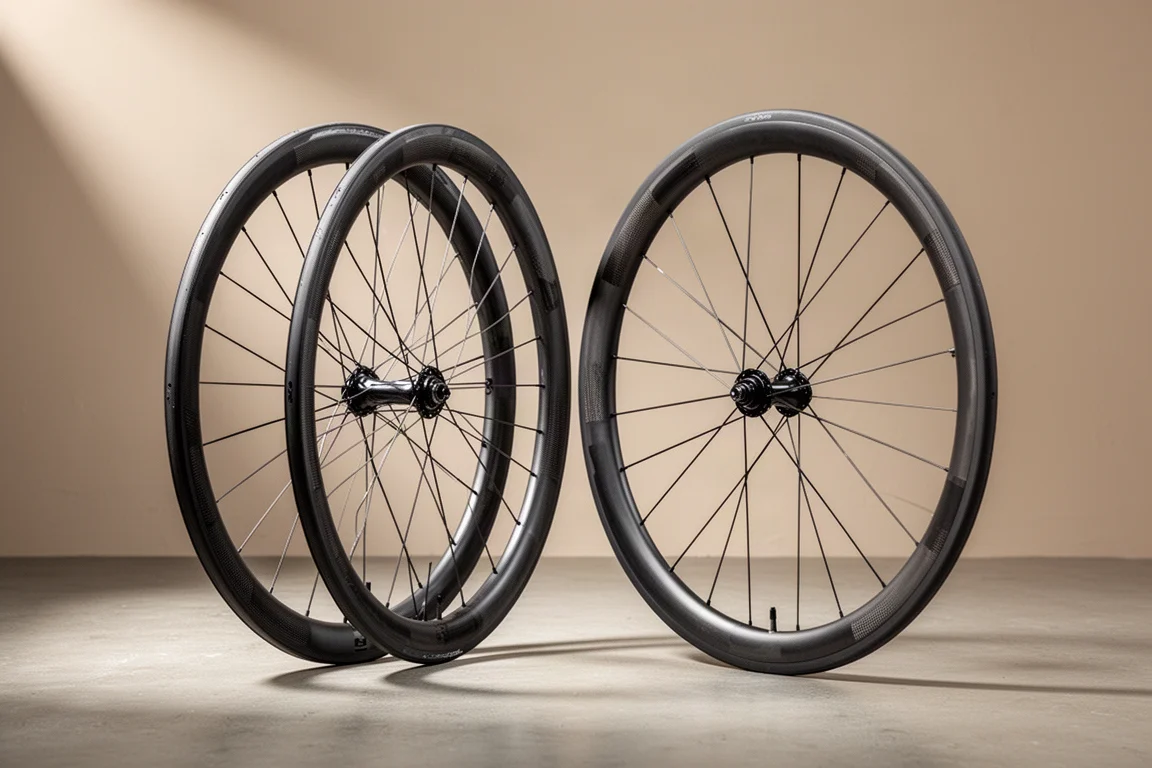
Zipp’s 303 S and 353 NSW sit at opposite ends of the same idea: a wide carbon road wheelset built around 28mm tyres. The 303 S sells for around £1,050. The 353 NSW sells for around £3,200. That is a gap of roughly £2,150 between two wheelsets that share a brand, a depth class and a target tyre size.
The obvious question is what that money actually buys. More speed, a different feeling under power, or something subtler? To find out, both sets were run back to back over a flat time trial style lap and a hill climb, with the same tyres, cassettes and rotors fitted to each.
How We Tested These Wheelsets
Comparing wheelsets in the real world means accepting a certain amount of noise. Wind, traffic and how hard the rider pushes on the day all move the numbers around, and none of them can be fully controlled outside a velodrome or a wind tunnel.
What could be controlled was the hardware. Both wheelsets ran the same tyres, the same cassette and the same disc brake rotors, so any difference in the result came from the wheels rather than from the components bolted to them.
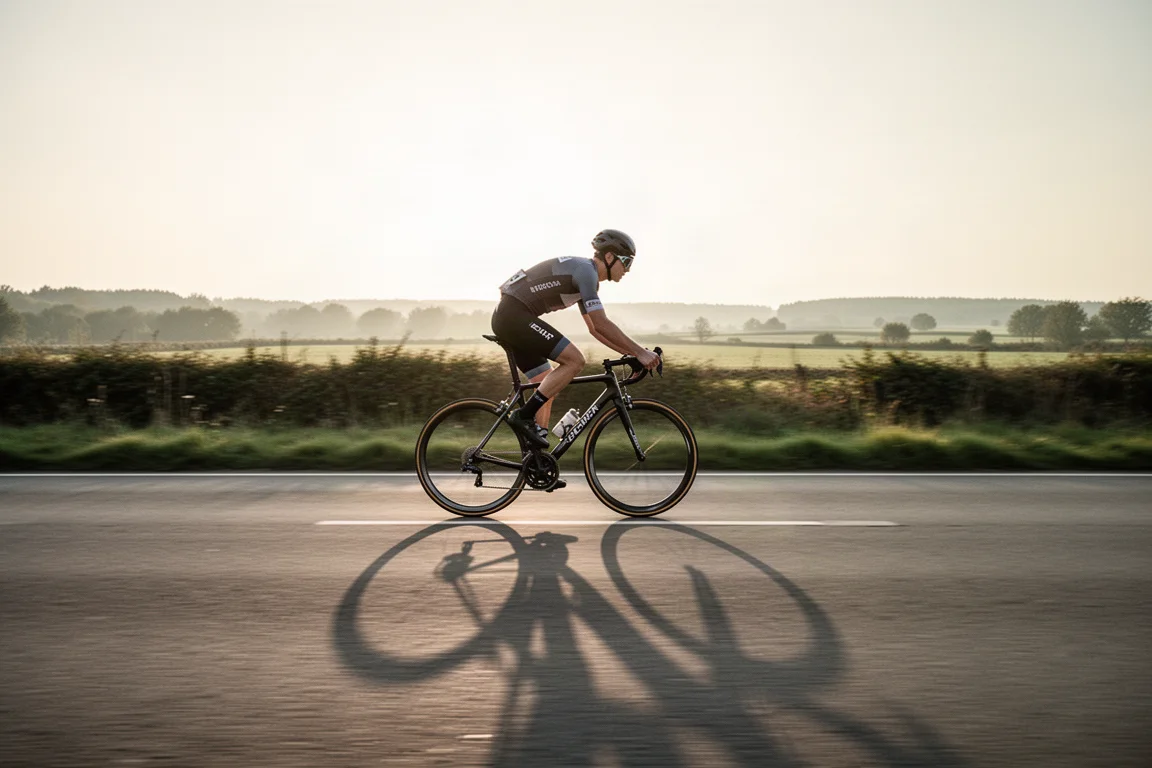
The test had two parts. The first was a flat time trial style lap, used to look at how the wheels behave at sustained speed. The second was a hill climb, which puts the emphasis on weight and on how the wheels respond when the road tilts upward.
Effort was matched as closely as possible between runs, and normalised power came out close to identical across the flat laps. That still leaves traffic, wind and pacing as open variables, which is worth remembering when reading the results further down.
Zipp 303 S: The Affordable Carbon Wheelset
The 303 S is the entry point to Zipp’s wide carbon road range. On the scales, the set weighed 1,544 grams with rim tape fitted, which keeps it in reasonable territory for a carbon disc wheelset at this price.
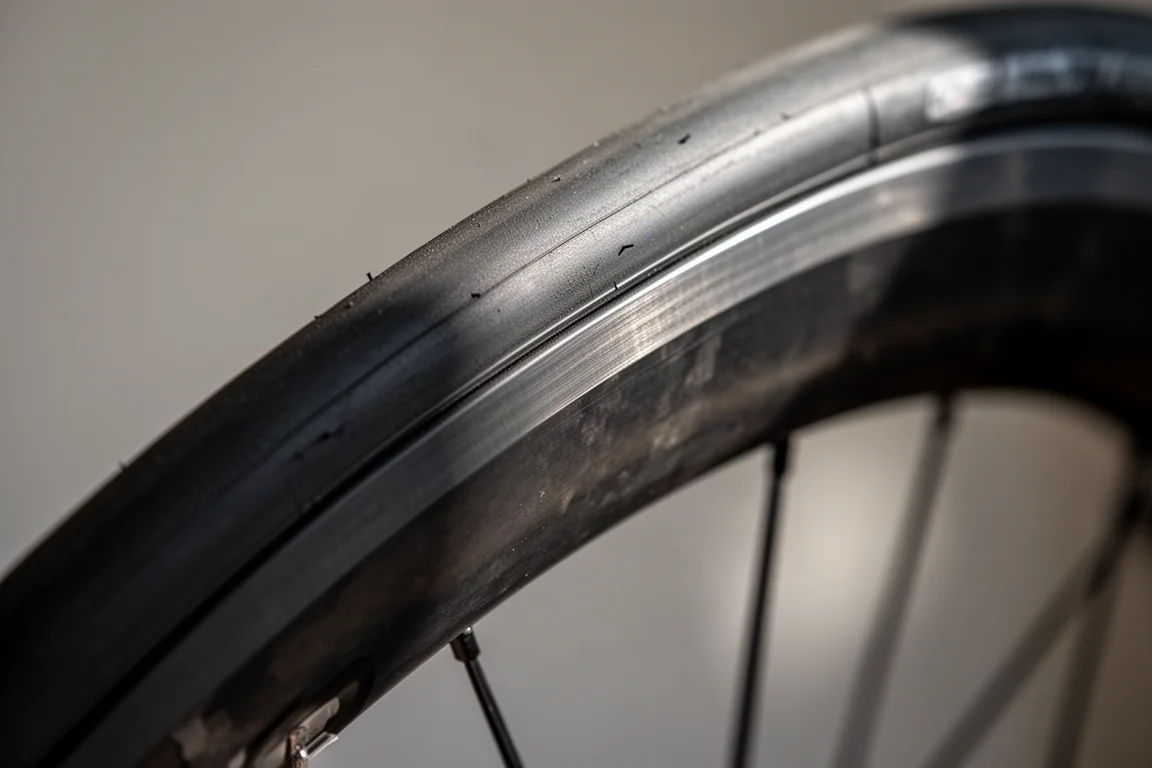
Its internal rim width is 23mm, wide enough to suit a 28mm tyre but not so wide that the tyre sits perfectly flush with the rim edge. The result is a slightly rounder, more mushroom-shaped tyre profile. That is not a fault, and it is the shape most road riders have been running for years, but it does mean the tyre to rim transition is less seamless than on the more expensive set.
At around £1,050, the 303 S is the version most riders can justify without rearranging their finances.
Zipp 353 NSW: The Premium Carbon Wheelset
The 353 NSW is the flagship option here, and it shows in both the construction and the price. The set weighed 1,308 grams with tape, making it the lighter of the two by a clear margin.
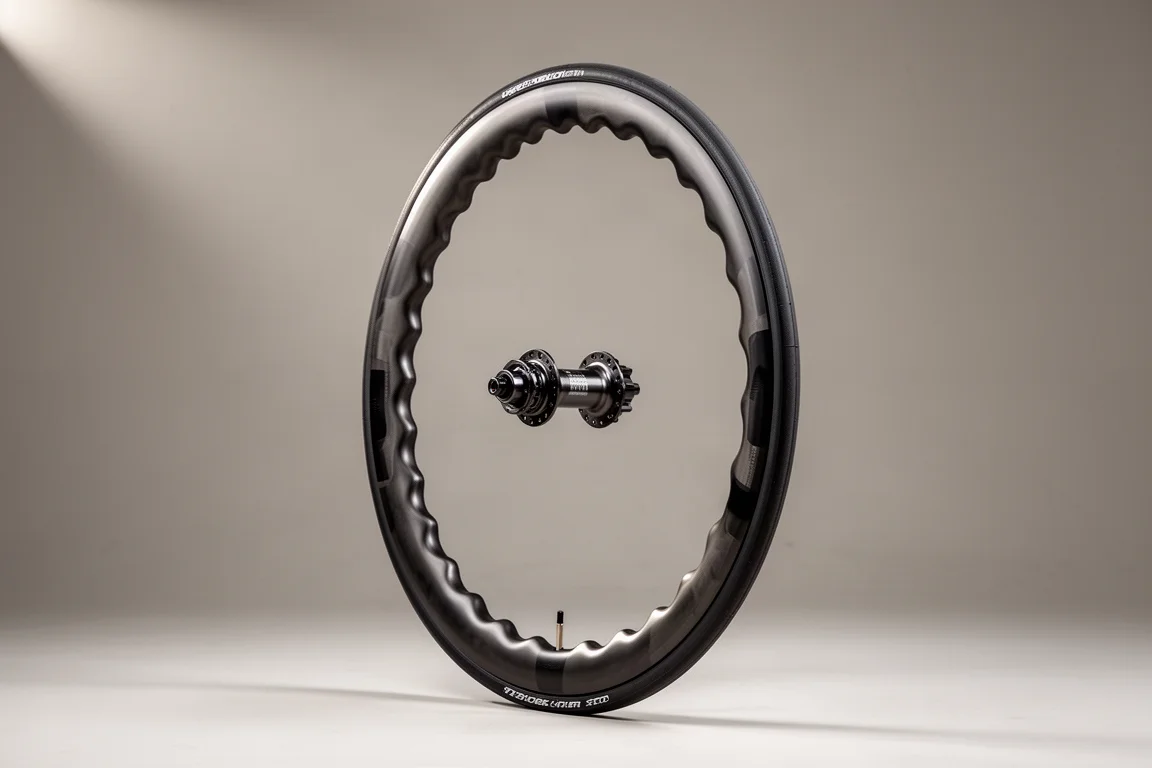
Its internal rim width measures 25mm, with an external width of 30mm. Fitting a 28mm tyre to that rim produces a straighter, smoother transition from tyre to rim edge, a shape that has been shown in wind tunnel testing to be more aerodynamically efficient than a rounder profile.
Two other details stand out. The rim sides carry small moulded dimples, similar in principle to the surface of a golf ball, intended to aid efficiency, and a number of them are partly filled by the stick-on decals. The rim also has a distinctive undulating profile, shaped largely to improve stability in crosswinds.
Those features are the reason the 353 NSW costs what it does. Whether they translate into a faster ride on your local roads is the question the testing was designed to answer.
Where the Extra Money Goes: Rim Width and Rim Design
Strip away the surface impressions and the physical differences between these two wheelsets are narrower than the price gap suggests.
In weight, 236 grams separate them. That is a real difference, but it needs context. A rider weighing around 68kg on a bike under 10kg is moving a system of roughly 78kg up a climb. Against that total, 236 grams is a small fraction, roughly comparable to emptying a phone out of a jersey pocket.
In shape, the difference is more meaningful. The 353 NSW is wider both internally and externally, and that extra width is what produces the straighter tyre profile and the smoother airflow transition. The undulating rim and the dimpled surface are further attempts to manage airflow and crosswind stability rather than to save weight.
In other words, the premium wheelset is not simply a lighter version of the cheaper one. It is a differently shaped wheel with a different aerodynamic strategy behind it.
Flat and Hill Climb Results
On the flat time trial style lap, normalised power was matched closely between the two runs, so the comparison was as fair as an open road allows. The 353 NSW still turned in a slightly slower time than the 303 S.
The reason was traffic. Conditions differed between the two runs and worked against the more expensive wheelset, and the gap was small enough that an uncontrollable variable like that could account for it. The takeaway is not that the 303 S is a faster wheel on the flat, but that the difference between the two is fine enough to be swallowed by ordinary road conditions.
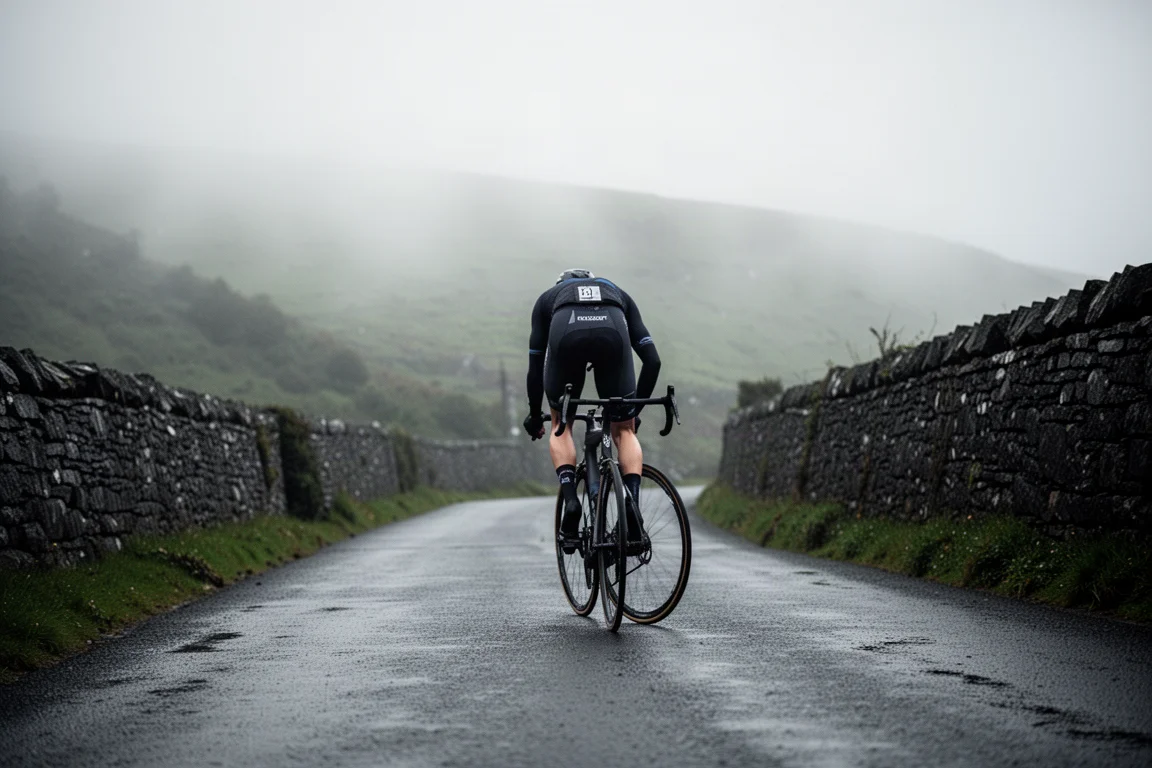
The hill climb produced a similarly tight result. Over a climb lasting roughly six and a half minutes, the two wheelsets were separated by only three to four seconds, and the 303 S was again the faster of the two. That gap came down to pacing and to where power was applied on the gradient rather than to the 236 gram weight difference.
Where the lighter wheelset did show through was in feel. On the steepest sections, the 353 NSW felt a touch more responsive through the pedals. That sensation is real, but it did not convert into a measurably quicker time in this test.
What the Numbers Mean for Real Riders
Both results point the same way. The differences between these two wheelsets are small, and they are small in the places where riders usually expect the biggest gaps.
The 303 S is not a slow wheelset. At around 1,500 grams it is a respectable weight for carbon, and it held its own on both the flat lap and the climb. Nothing in the testing suggested it was holding a rider back.
The 353 NSW does feel different. It is lighter, it responds a little more sharply under hard pedalling on steep gradients, and its wider rim and shaped profile are designed to behave better in crosswinds. Those are genuine qualities, and they are the kind of thing a rider notices on a back to back ride.
What the testing did not show is a performance gap that matches the price gap. On a flat lap and a short climb, the two wheelsets finished within seconds of each other, with the cheaper set ahead on both occasions.
Buying Advice: Which Wheelset Makes Sense
Choosing between these two comes down to what you are actually paying for.
If you race at a high level and every fraction matters, the 353 NSW is built for that mindset: lighter, wider, and with a rim shape designed for stability and airflow. If you simply want the best feeling wheelset you can afford and the price is not a barrier, the same answer applies. The extra money buys a lighter wheel with a more advanced rim design, and that is a legitimate reason to spend it.
For most riders, though, the 303 S is the more sensible purchase. It is a carbon disc wheelset at roughly a third of the price, it weighs a reasonable amount, and in back to back testing it gave away almost nothing in real world speed.
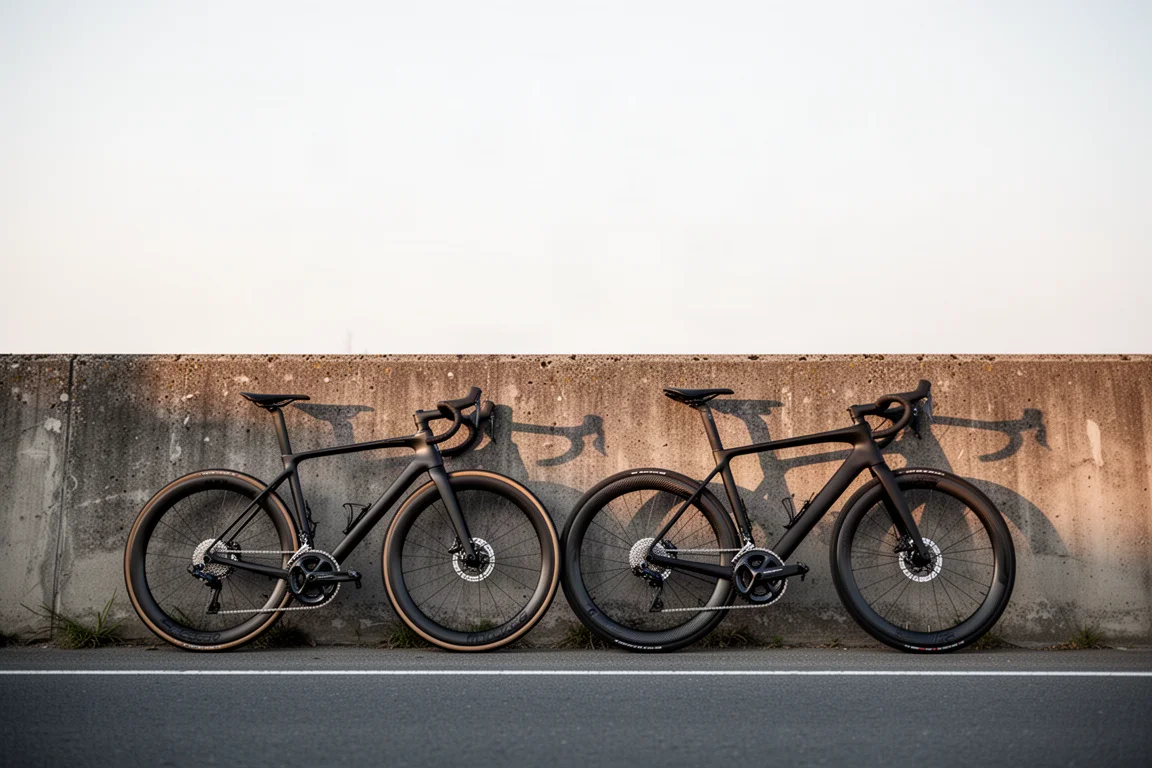
The honest summary is that the gap between these wheelsets is measurable in feel and in grams, but not in the kind of time that changes a ride. If the difference in price matters to you, the cheaper wheelset is unlikely to leave you wanting.
Conclusion
Two wide carbon wheelsets, one at around £1,050 and one at around £3,200, produced a three to four second gap over a six and a half minute climb and a similarly narrow margin on a flat lap, with the cheaper set ahead both times.
The 353 NSW is lighter, wider and more sophisticated in its rim design, and it feels more responsive under hard efforts. The 303 S is close enough in real world performance that the extra money is best justified by wanting the more advanced wheel rather than needing it.
Further reading
Related Reviews
Wheels
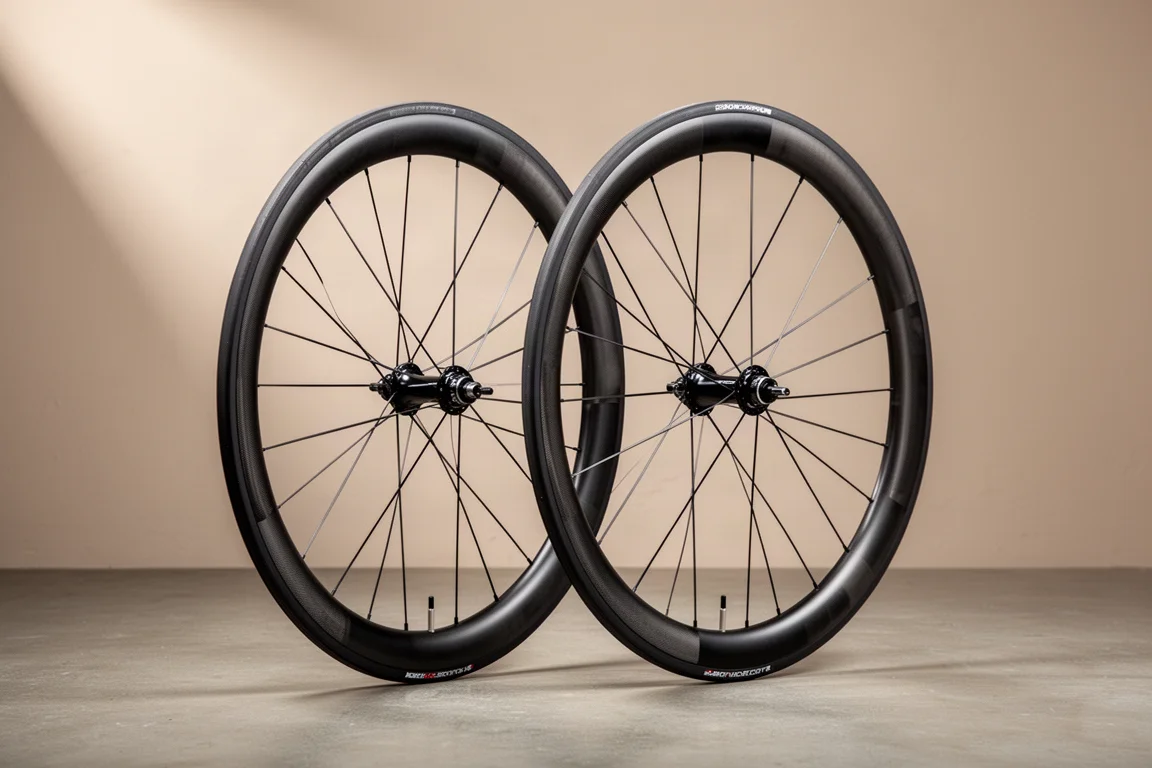
Hunt 50 AM Limitless Review: Inside Hunt's New Flagship Aero Wheelset
A closer look at the Hunt 50 AM Limitless, the flagship road wheelset that replaces the Sub 50 with a 58mm front rim, a 55mm rear and a hooked rim standard.
Wheels
Roval Alpinist CLX Review: A 1,250 g Tubeless Climbing Wheelset
A shallow 33 mm carbon wheelset built for steep gradients, now tubeless ready, with a measured gain on a benchmark climb and a clear aero trade-off at speed.
Wheels
Vision SC48 i25 Review: A 48 mm Carbon Wheelset Built for Gravel Speed
A performance-focused 48 mm carbon wheelset with a 25 mm internal width, handmade construction, and serviceable Vision hubs, aimed at gravel racers and wide-tire road riders.