Wheels
Roval Alpinist CLX Review: A 1,250 g Tubeless Climbing Wheelset
A shallow 33 mm carbon wheelset built for steep gradients, now tubeless ready, with a measured gain on a benchmark climb and a clear aero trade-off at speed.
Introduction
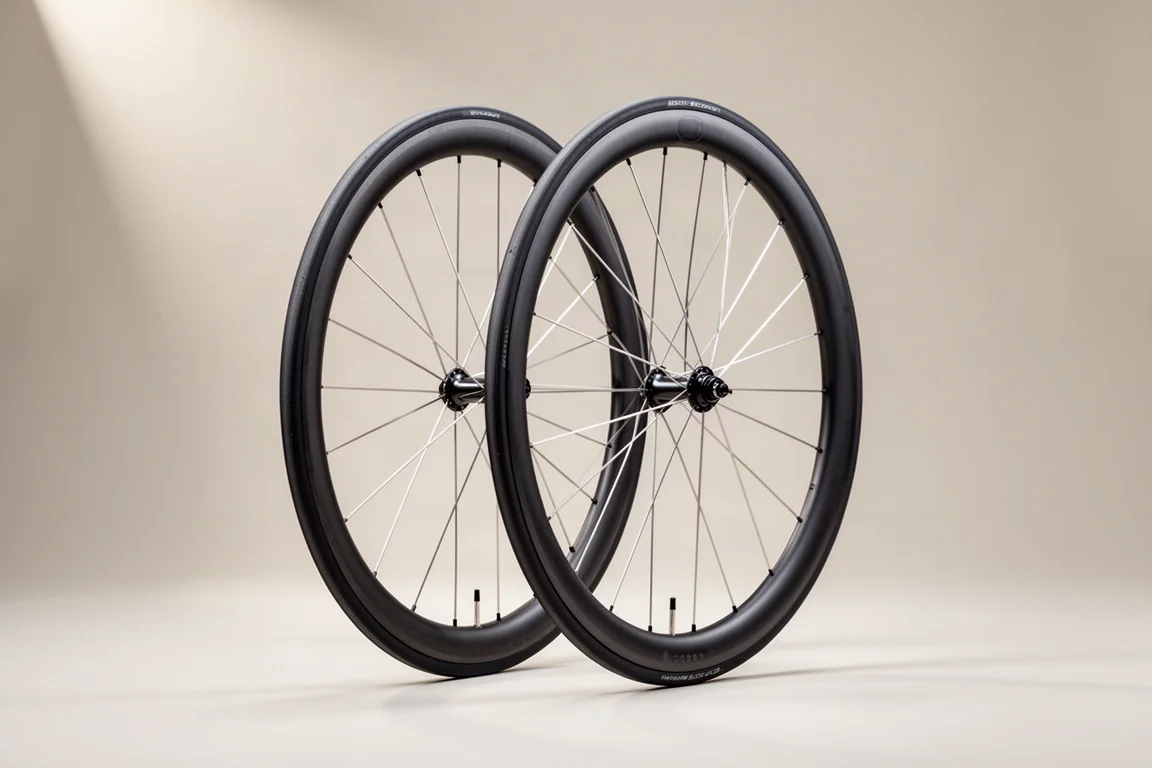
Light wheels matter most where gravity and gradient decide the pace rather than air resistance. The Roval Alpinist CLX is built squarely around that idea, with a quoted weight of just 1,250 g for the pair and a deliberately shallow 33 mm full carbon rim.
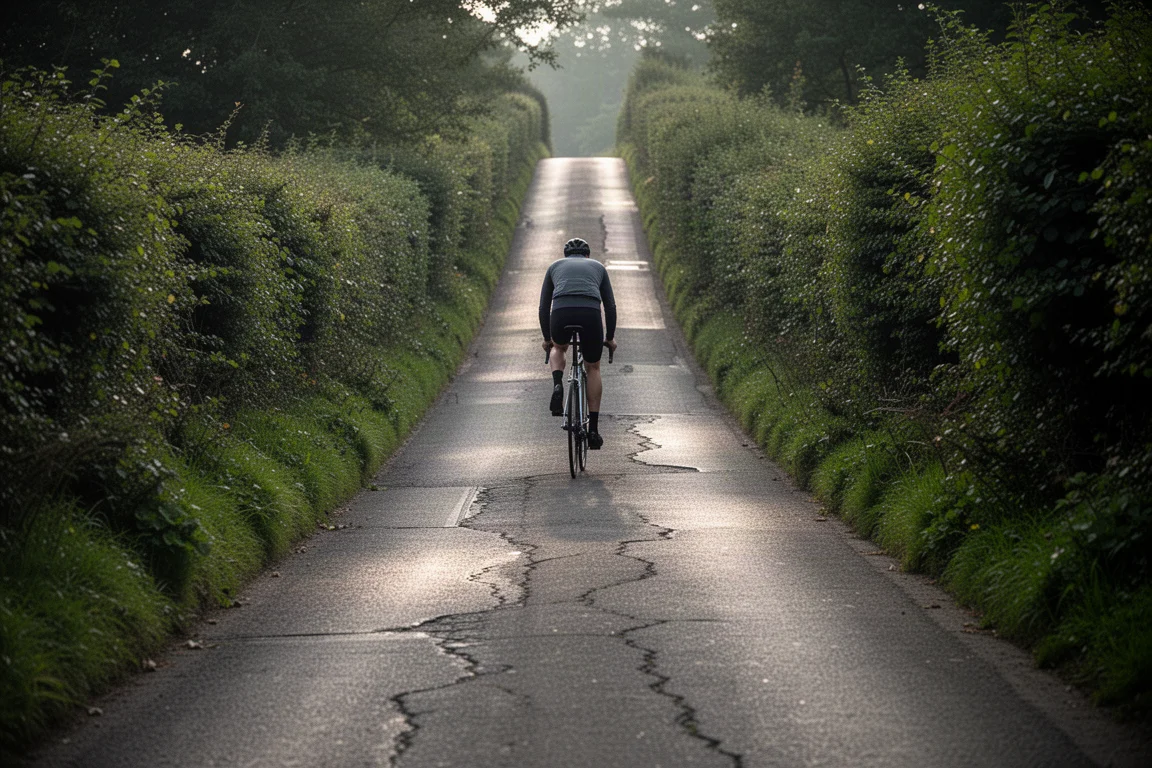
The clearest illustration of what that weight buys comes from a benchmark climb measuring 1.3 km with 156 m of elevation gain, an average gradient of 12 percent and sections that climb above 25 percent, topping out around 30 percent. Run on the same bike, with average power and perceived effort held close between attempts, the Alpinist CLX recorded 6 minutes 40 seconds against 7 minutes 13 seconds on a deeper-section set. That is a 33-second gain on a climb that lasts well under ten minutes.
On that kind of road the wheels feel immediately urgent. The bike kicks forward without delay, and the stiffness under load means there is very little sense of the wheels flexing away from the power going into the pedals. It is a distinctly lively feeling rather than a merely lighter one.
Who This Product Is For
These wheels suit riders whose local roads go up hard and often. If the terrain is steep, punchy and repeated, the low rotating weight translates into something you can feel on every ramp. They also make sense for anyone who wants a single lightweight set that copes well with rolling, up-and-down roads rather than a dedicated race-day wheel.
They are less obviously aimed at riders chasing a high average speed on flat, fast roads, where a deeper rim will still have the advantage. Riders who regularly deal with strong crosswinds should take note of a different strength, however, because the shallow profile stays calm and predictable rather than being pushed around.
Main Strengths
The case for the Alpinist CLX rests on three things that reinforce each other: how little it weighs, how that weight was achieved without obvious compromise, and how composed the wheels remain when the road surface and the weather are less than ideal.
Climbing Performance Where the Road Points Up
On steep gradients the difference is not subtle. The bike feels lighter underneath the rider, with a forward kick that arrives without hesitation, and the stiffness keeps the effort going into forward motion rather than into rim deflection. Even when the gradient forces a full-effort effort just to keep moving, the wheels stay planted and responsive.
That combination of low weight and high stiffness is what makes the wheelset feel quick to accelerate and easy to keep turning over on a sustained ascent. Away from the gradient, the same characteristics make the bike feel nimble and eager, which is a large part of why the wheels work as an all-round option rather than a climbing-only curiosity.
How the Weight Was Achieved
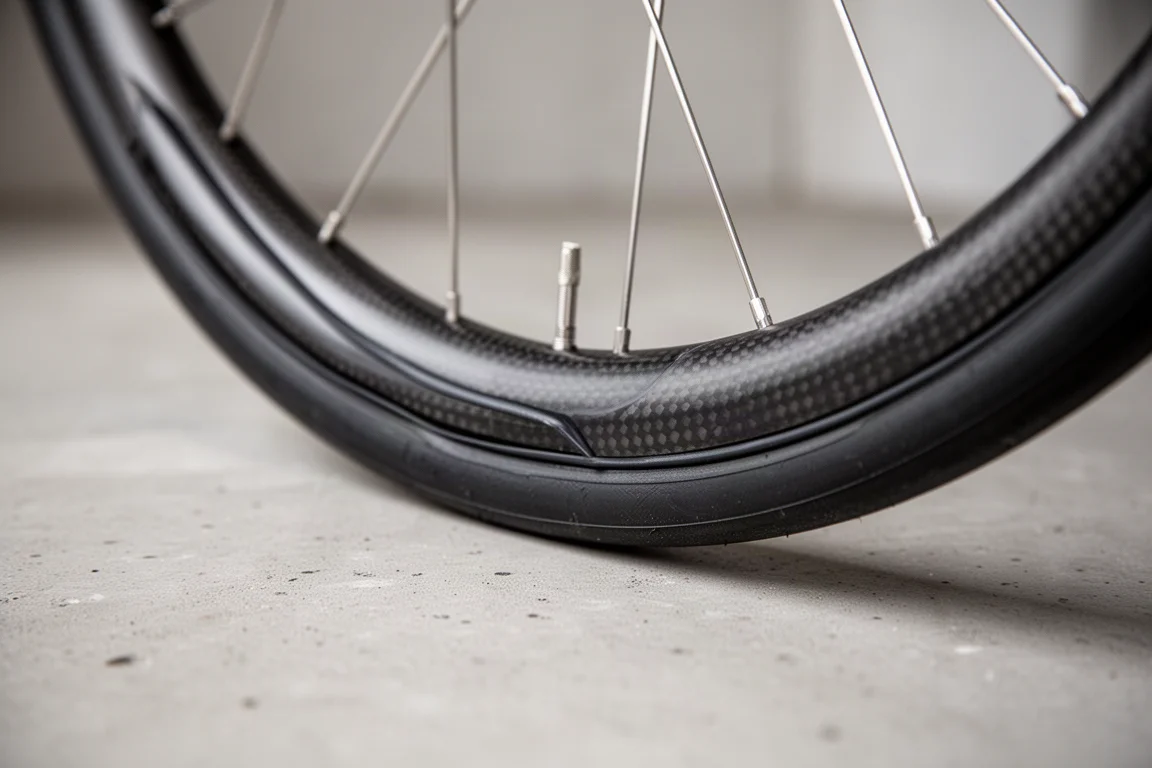
Roval starts with a shallow full carbon rim measuring 33 mm tall. Less rim depth means less carbon, and less carbon means less weight, which is the foundation of the whole design.
The hub shells are new and noticeably more angular than the smoother aero styling used on the previous generation. Inside, the hubs run ceramic bearings front and rear, and the freehub uses the DT Swiss Ratchet EXP design, which is a well-established formula for reliability and quick engagement under power. Spokes are DT Swiss aero-lite, 18 at the front and 24 at the rear, keeping the count low to hold the weight down.
The bigger news is that the wheelset is now tubeless ready, which it was not at launch. Roval claims a rolling resistance benefit worth up to eight percent at 40 km/h, but for most riders the practical gains are ride quality and a reduced risk of punctures. The rim uses a hooked bead design, so tyre compatibility is not a concern, and pressure can go up to 110 psi with a 26 mm tyre.
The tubeless conversion story behind this generation is substantial. What began with a prototype failure set off a lengthy development programme involving roughly 1,000 prototypes and 150 different carbon fibre layups. The original wheels had already passed the relevant UCI crash test, but to make sure that failure could not repeat itself, Roval developed its own test procedure using double the weight of the UCI standard, with the goal of surviving a big impact while keeping the tyre seated on the rim.
Handling, Comfort, and Crosswind Stability
A shallow rim is not only a weight decision. On blustery days these wheels stay calm and stable, and they are not knocked around in crosswinds the way a deep-section wheel can be, which matters particularly for lighter riders.
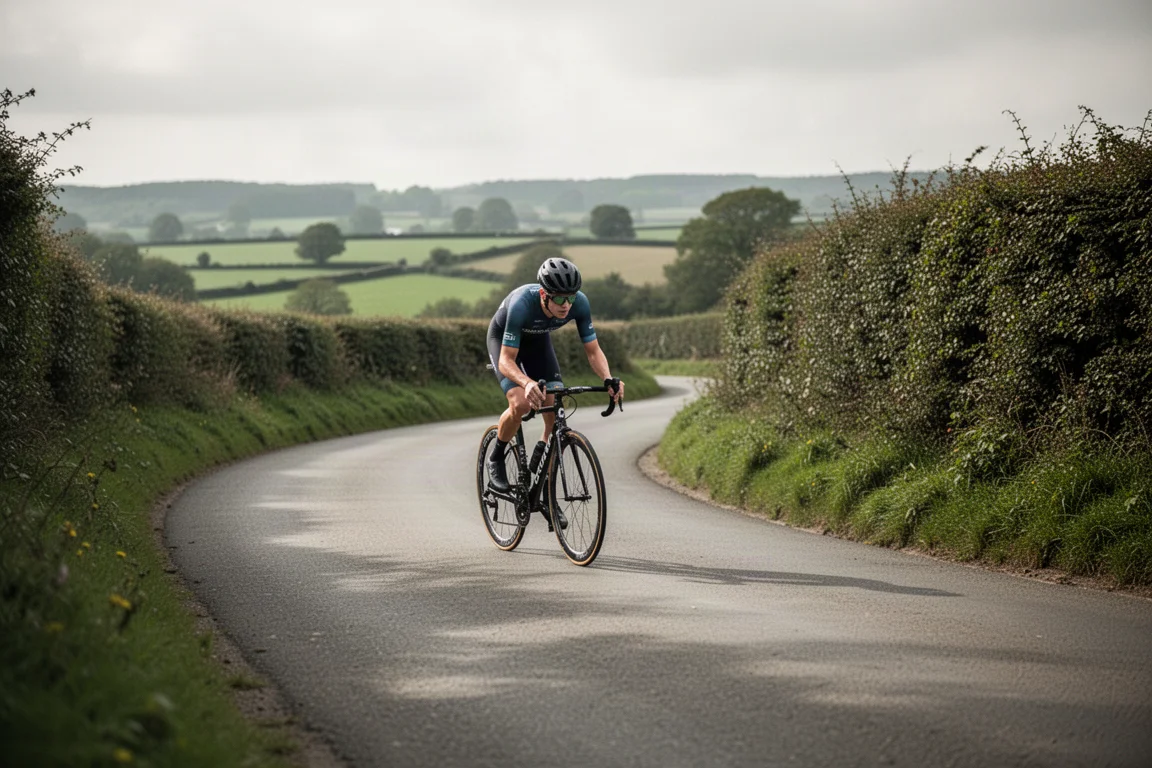
Cornering is sharp and direct, and over broken tarmac, potholes and cracks the ride is smooth. Even on a 26 mm tyre, which is narrower than a 28 mm, and at around 70 psi front and rear, comfort is good and pairs well with a race-oriented frame, giving the bike a more flickable and engaging feel than a deeper wheelset typically does.
The honest trade-off is outright speed. Above roughly 30 to 35 km/h a deeper rim is faster, and that gap is noticeable. On constantly undulating roads, where speeds swing high and low, the wheels perform very well indeed, but riders who chase every aerodynamic gain on flat roads should factor that in.
Things to Consider Before Buying
The first consideration is cost. At around £2,500, this is a serious outlay for a set of carbon wheels, even if it sits at roughly a third of the price of some ultra-premium lightweight options.
The second is the aerodynamic compromise. There is no way to have a 33 mm rim behave like a deep-section wheel at speed, and riders who spend most of their time on fast flat roads will be giving something away. The flip side is that crosswind stability and low weight are exactly what the shallow profile delivers.
The third is tubeless setup. The wheels are tubeless ready with a hooked bead, and a dry installation reaches a reliable seal, with sealant added afterwards through the valve. That is straightforward for anyone already comfortable with tubeless, but it is a change in routine for riders coming from inner tubes.
Buying Advice
Buy these wheels if climbing is the point. On steep, repeated gradients the low weight and stiffness produce a fast, lively, responsive bike, and the measured 33-second improvement on a hard benchmark climb shows the difference is real rather than psychological.
They also work as an all-round option for riders who prefer undulating roads, good comfort and calm handling in the wind over pure aerodynamic performance. Pairing them with a 26 mm tubeless tyre at around 70 psi front and rear is a sensible starting point for a balance of grip, comfort and rolling speed.
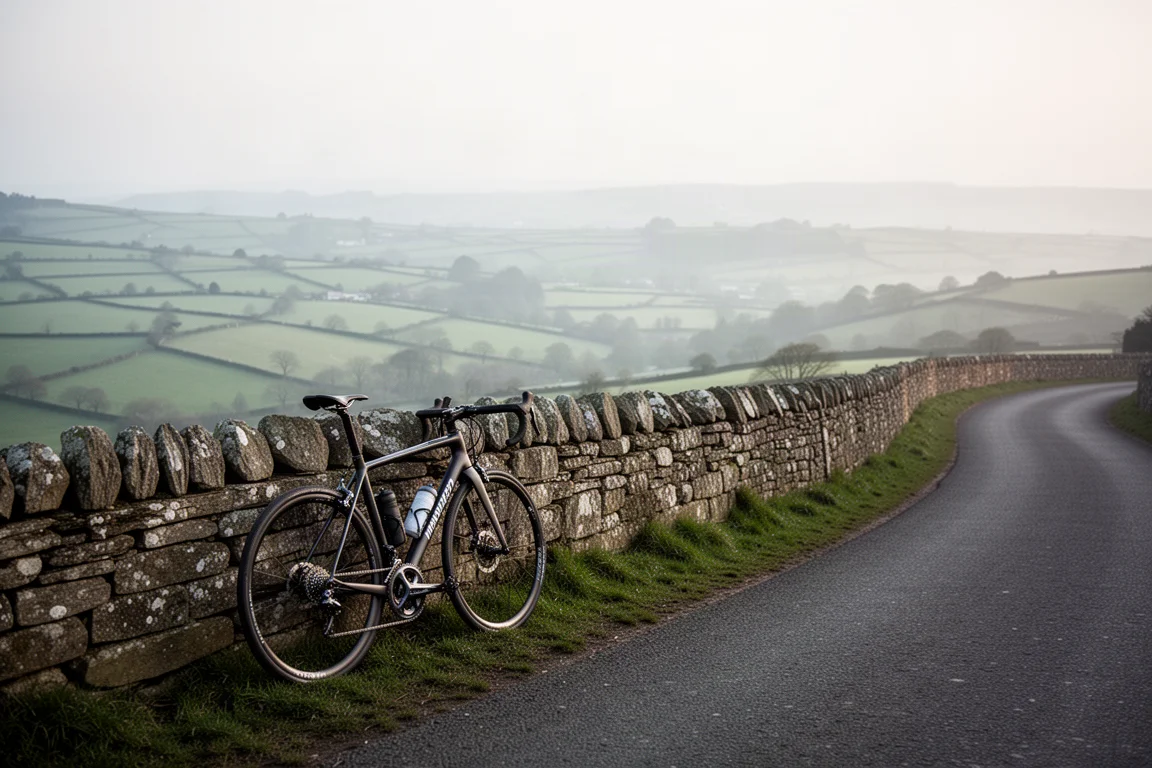
If your riding is mostly fast and flat, or you already own a good deep-section set for race days, the case is narrower. If instead you want one light, tubeless, disc brake ready wheelset that makes a stiff race frame feel more agile and more fun, these are among the very lightest ways to get there.
Conclusion
The Roval Alpinist CLX is a purpose-built climbing wheelset that does not limit itself to climbs. At a quoted 1,250 g with a 33 mm rim, new hub shells, ceramic bearings and a DT Swiss Ratchet EXP freehub, it brings genuine speed on steep gradients, welcome stability in crosswinds and a smooth ride on rough tarmac. The trade-offs are the price and the loss of aerodynamic advantage above 30 to 35 km/h. For riders whose roads point upward, those are easy compromises to accept.
Product link
View more details for Roval Alpinist CLX
This product is mentioned in the review. Check the specifications, options, and compatibility before buying.
View more details for Roval Alpinist CLXFurther reading
Related Reviews
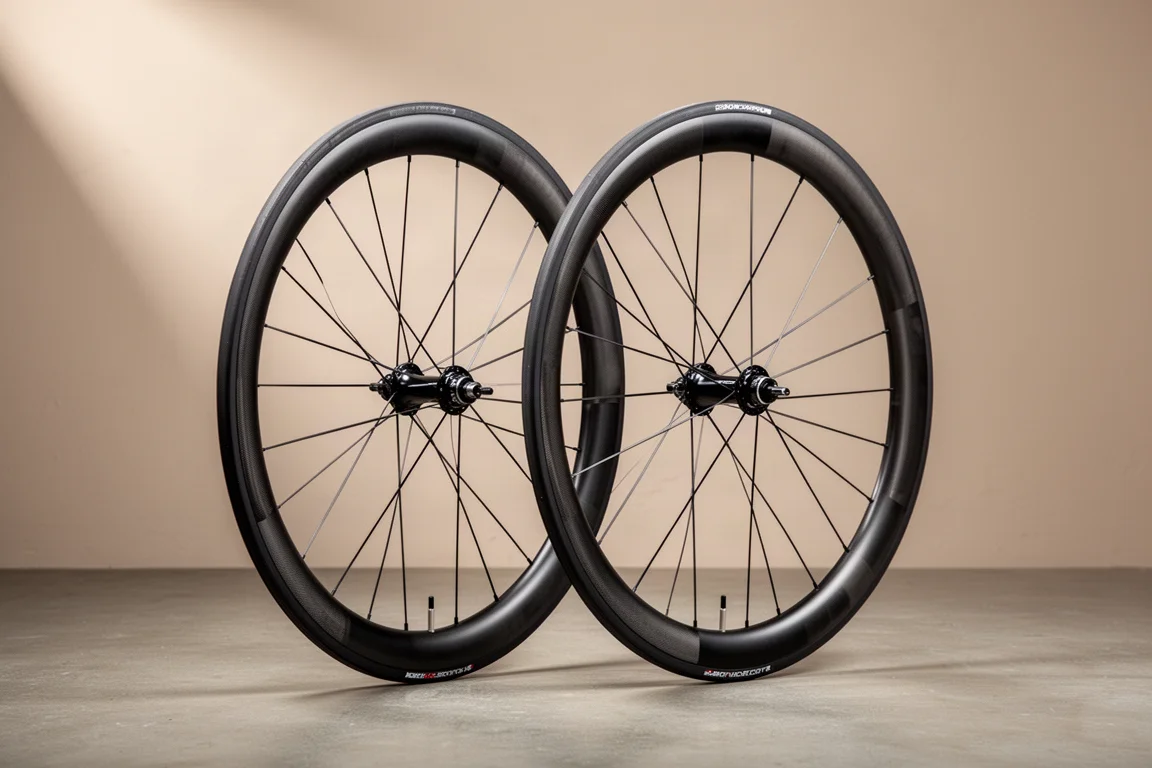
Wheels
Hunt 50 AM Limitless Review: Inside Hunt's New Flagship Aero Wheelset
A closer look at the Hunt 50 AM Limitless, the flagship road wheelset that replaces the Sub 50 with a 58mm front rim, a 55mm rear and a hooked rim standard.
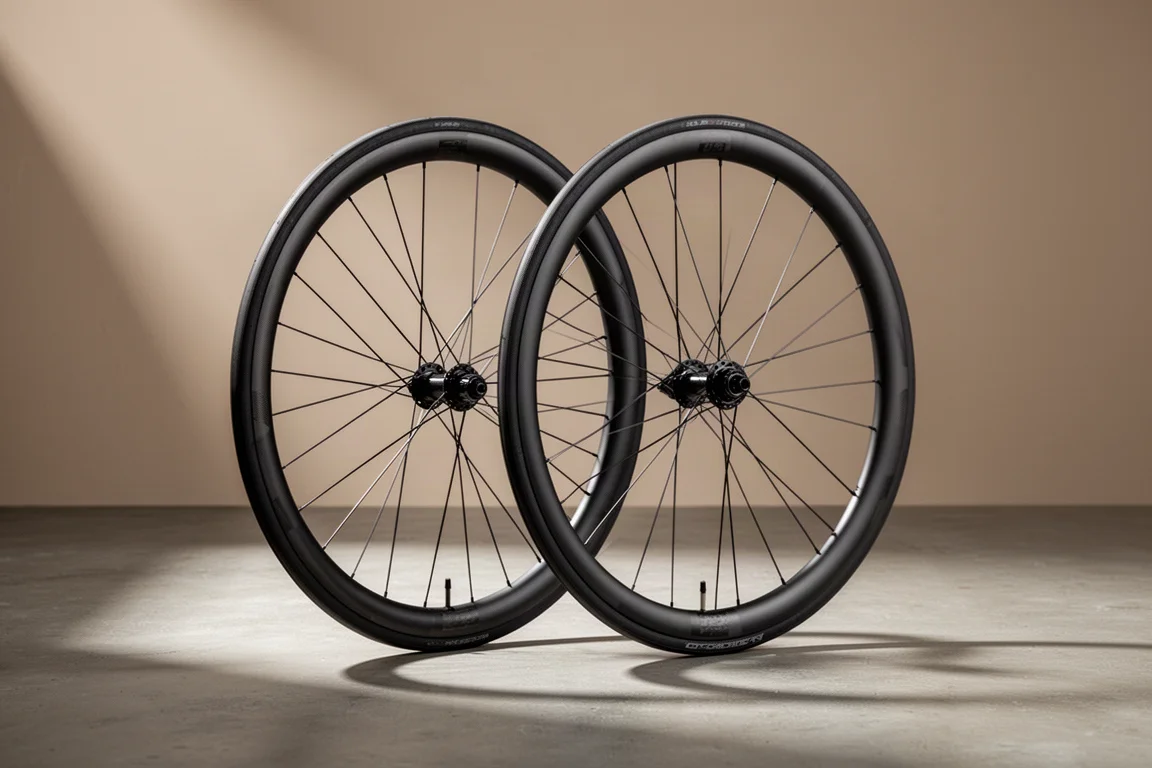
Wheels
Vision SC48 i25 Review: A 48 mm Carbon Wheelset Built for Gravel Speed
A performance-focused 48 mm carbon wheelset with a 25 mm internal width, handmade construction, and serviceable Vision hubs, aimed at gravel racers and wide-tire road riders.
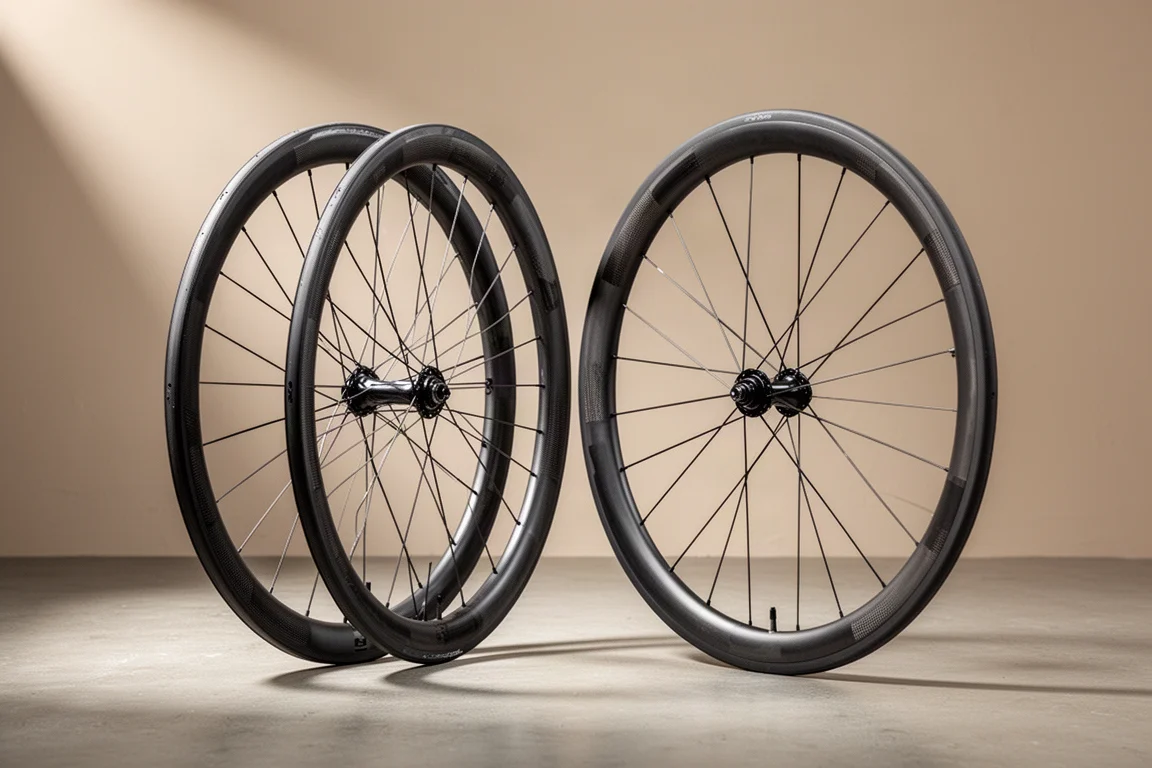
Wheels
Zipp 303 S vs Zipp 353 NSW: Two Carbon Wheelsets Compared
A back to back look at two wide carbon road wheelsets, one at around £1,050 and one at around £3,200, and what the price gap actually buys on the road.