Ski Gear
ZipFit Ski Boot Liners Review: Premium Comfort for High-Mileage Skiers
ZipFit ski boot liners promise cork-filled comfort and a longer service life. Here is what a full season reveals about fit, break-in, price, and value.
Introduction
Walk through any ski forum or social feed in winter and ZipFit liners show up fast. They are bright, colorful, and hard to miss, and the price is just as striking. Liners start at around $500, which for plenty of skiers is more than they spend on the ski boots themselves when they buy in the offseason.
That raises an obvious question. What can an aftermarket liner do that a stock liner cannot, and is the gap large enough to justify the spend? The pair used for this article was bought independently on the secondhand market rather than supplied by the brand, and after a full season of use the answer turned out to be more favorable than expected.
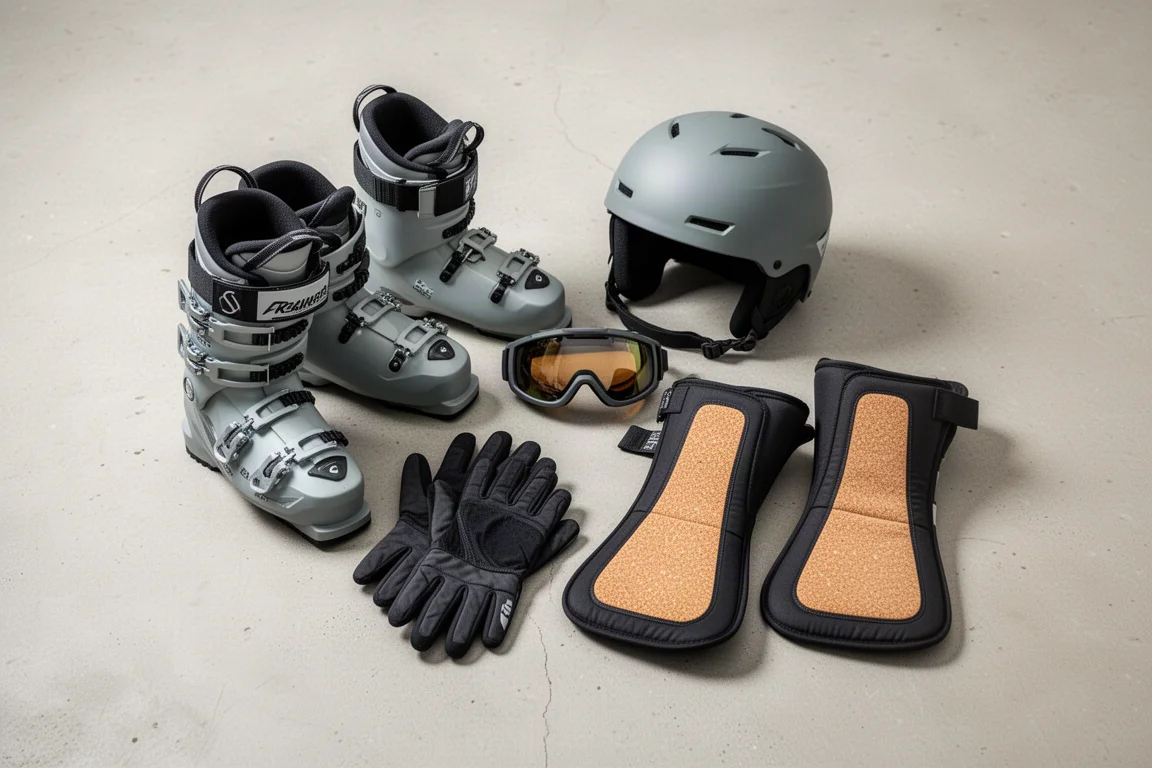
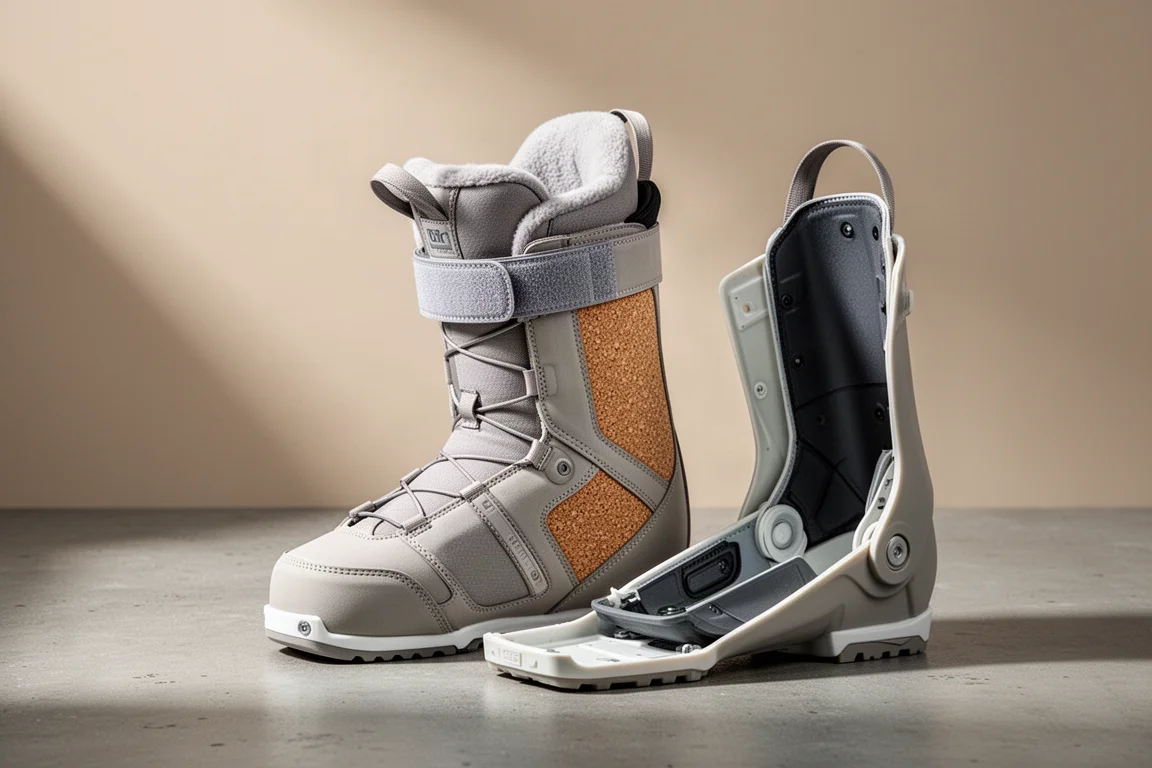
Part of the story is in the construction. ZipFit liners use a softer material than most stock liners, add straps that many liners do not have for a tighter wrap, and use Velcro around the shin to hold everything in place. The side panels are filled with cork, which explains both the long break-in period and the comfort that follows it.
The short version: these liners earn a 9.6 out of 10. They are expensive, they demand patience, and they are not for everyone, but for skiers who put in serious mileage they solve problems most liners never touch.
Who These Liners Are For
This is an enthusiast product aimed at high-mileage skiers, roughly 20 to 30 days a season and up. That is the group most likely to feel the comfort and performance difference, and the group most likely to get the value back over several seasons.
Occasional skiers, or anyone getting out 10 to 15 days a year, will spend a meaningful share of those days simply breaking the liners in. For that group, the money is usually better spent making sure the boot itself fits properly.
One important boundary: these liners are not a fix for a shell that does not fit. The boot still needs the right volume, the right flex, and a proper fit before a liner upgrade makes sense. A premium liner improves a good boot. It does not rescue a bad one.
Main Strengths
Once the break-in is behind you, the gains are concrete rather than subtle. They show up in three places: pressure points, edge control, and how long a day on the mountain can comfortably last.
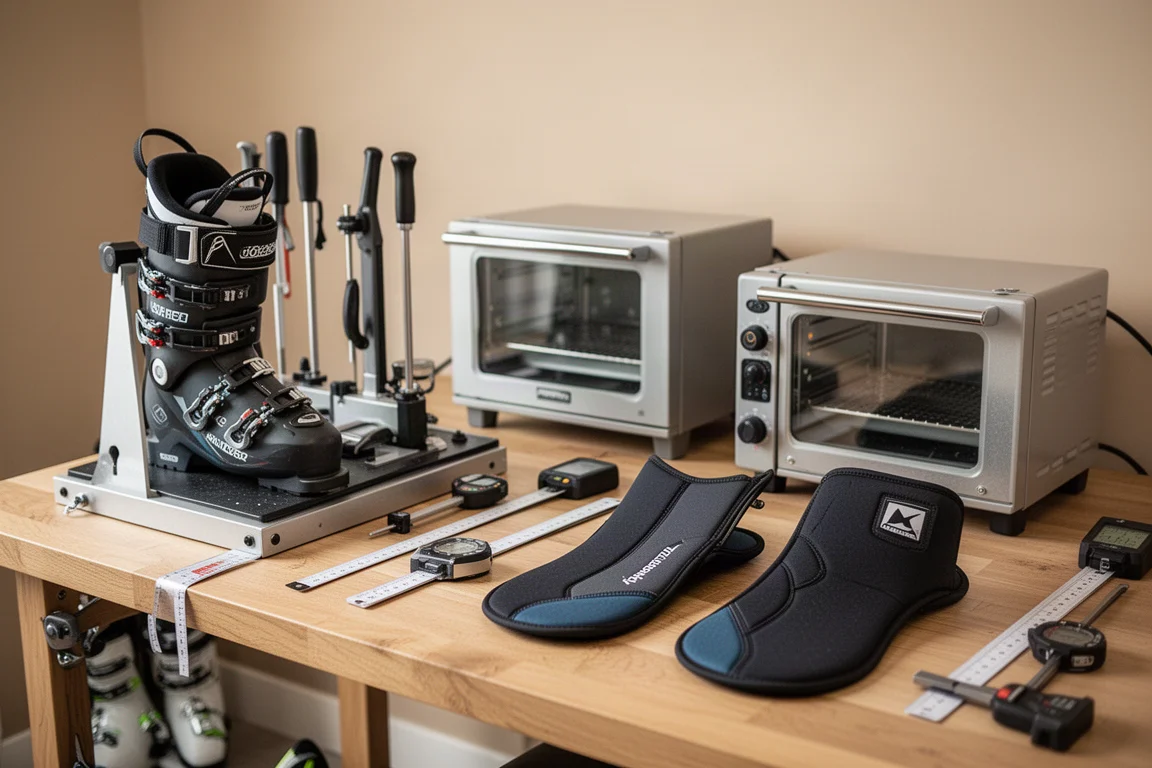
Everything below comes from a full season on a single pair, including the heat-molding process used for the initial fit.
All-Day Comfort and Fewer Pressure Points
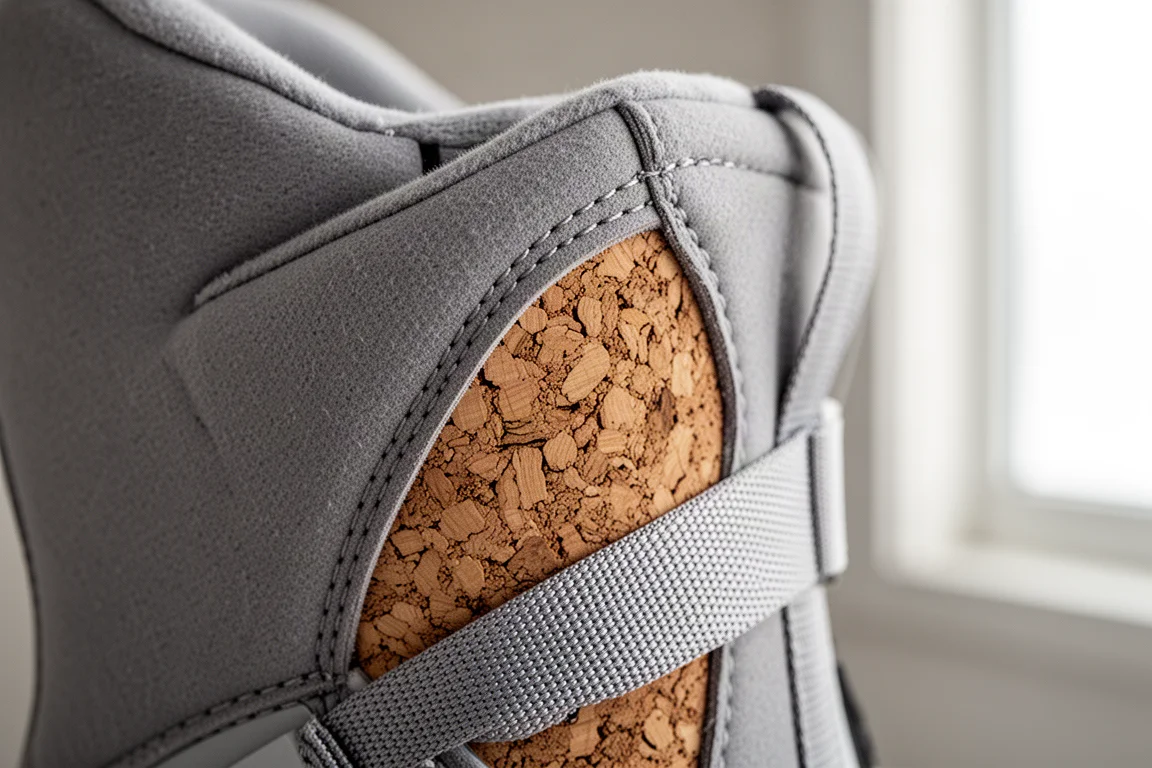
The cork-filled side panels are the headline feature, and they deliver. The liner does not pinch or bunch up over the course of a day, and the pressure that normally builds along the sides of the foot simply does not appear in the same way.
Anyone who skis powder, trees, or quick hop turns knows the side-of-foot ache that comes with hard, repeated turns. With these liners it was absent for the first time, and that alone changed how a full day on the mountain felt.
There is also the end-of-day routine to consider. Most skiers unbuckle their boots the moment the lifts stop so their feet can breathe. That urge never arrived here, and the boots could stay buckled without discomfort.
Shin comfort improved as well. While carving, the tongue area stays comfortable instead of turning into a pressure point by mid-afternoon, which keeps the last runs of the day as enjoyable as the first.
Better Edge Control and Longer Days
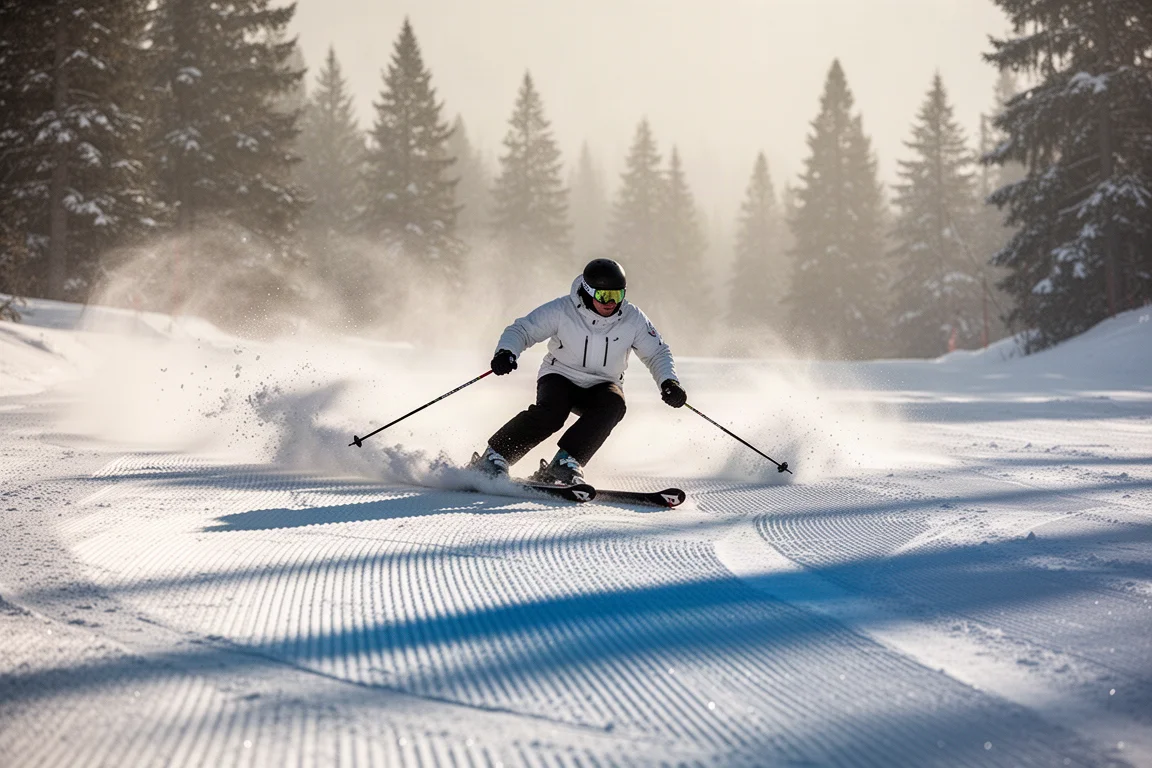
Performance improves in a way that is easy to feel but hard to quantify. Turns can be pinned more easily, and the connection between foot and ski feels more direct through the whole arc of a carve.
A fair estimate is a gain of roughly 10 to 15 percent in carving performance. That is not enormous on paper, but it is noticeable run after run.
The bigger number is time. Days that used to end at four or five hours stretch toward six, adding two to three hours of comfortable skiing compared with a stock liner. For a high-mileage skier, that is where the real return on the purchase lives.
Longevity is part of the pitch too. These liners are designed to outlast typical liners and to move from one shell to the next. That claim has not been proven here, since the pair has seen only one season, but it is a reasonable expectation to factor into the cost per day.
Things to Consider Before Buying
The break-in is the biggest hurdle. It takes longer than with other liners, and the cork panels need time and heat to mold to the shape of the foot. Expect the first few ski days to feel like an adjustment period rather than a finished product.
These liners are also particular about footbeds. They work best with a specific low-volume footbed and did not pair as cleanly with standard footbeds as other third-party liners do. If you already own a custom footbed, check compatibility before buying.
Getting them on is genuinely awkward early on. A slightly twisted foot can turn the process into a five to ten minute wrestle, especially if you lace the liner before sliding it into the shell. It does get easier as the liner packs out. Eventually the liner can stay in the shell: open it up, slide the foot in, pull the laces, close the Velcro, and pull up on the tongue to reseat everything.
There is no clean way to attach a spoiler. Many skiers will not need one, because the liner already sits in a more forward position. If a spoiler is essential, the workaround is to undo the strap, tuck the spoiler behind it, and let the strap hold it in place.
Claims about these liners being noticeably warmer than others did not hold up in practice. They felt similar to other liners in that respect, so warmth should not be the reason to buy.
At around $500 new, the cost is significant, and the math only works for skiers who spend a lot of time on snow. It is also worth remembering that boot manufacturers generally sell complete boots rather than bare shells, so buying aftermarket liners usually leaves a stock liner sitting unused on a shelf.
Buying Advice
If comfort and fit are the priority and you ski enough days to justify it, these liners are the strongest option for that goal. They are the most comfortable way into a ski boot tested so far, and the difference is large enough that returning to a stock liner is hard to imagine.
Budget still matters. Intuition liners get roughly 90 percent of the way there for about half the price, which makes them a sensible starting point for anyone exploring aftermarket liners for the first time. What they did not do was eliminate the side-to-side foot pain, and they delivered about an hour less of comfortable ski time per day.
Cheaper comfort upgrades exist as well. A Remind insole and a booster strap together cost a fraction of a liner and can improve fit and performance meaningfully. For skiers who want a modest improvement rather than a transformation, that combination is the better value.
If the budget allows and the shell already fits well, the ZipFit liners address the widest range of comfort problems at once.
Conclusion
ZipFit ski boot liners earn a 9.6 out of 10. The price is high, the break-in takes patience, and they are not the right purchase for a skier who only gets out a handful of days each season. For high-mileage skiers, though, they eliminate pain that many people assume is simply part of wearing ski boots.
They live in the shell now, they get used every ski day, and they are the first piece of gear in years that changed how long a day on the mountain can last. That is a strong endorsement, and it is earned.
Product link
View more details for ZipFit Ski Boot Liners
This product is mentioned in the review. Check the specifications, options, and compatibility before buying.
View more details for ZipFit Ski Boot LinersFurther reading
Related Reviews

Ski Gear
2023 Blizzard Hustle vs Rustler: Six Freeride Skis Compared
Blizzard's 2023 Hustle collection rebuilds the Rustler shape with a lighter core and no metal. Here is how all six skis differ, and which one suits your riding.

Ski Gear
2023 Skis of the Year: Atomic Maverick 88 TI, Salomon QST 106, and Look SPX 12 Pro
Three standout ski picks for all-mountain carving, powder days, and reliable binding performance, with practical buying notes for 2023 models.

Ski Gear
2025 Nordica Enforcer 104 Review: A Directional Charger Replaces the 104 Free
The 2025 Nordica Enforcer 104 drops the Free name and the twin-tip personality, gaining weight, stiffness and composure in rough snow. Here is what changed and who it suits.