Ski Gear
2023 Blizzard Hustle vs Rustler: Six Freeride Skis Compared
Blizzard's 2023 Hustle collection rebuilds the Rustler shape with a lighter core and no metal. Here is how all six skis differ, and which one suits your riding.

Introduction
Blizzard’s 2023 freeride lineup gives skiers two ways to ride the same silhouette. The Rustler collection returns with its established construction and fresh graphics, while the new Hustle collection takes that identical shape, profile, and size run and rebuilds it around a lighter core with no metal. The result is a six-ski family: Hustle 9, Hustle 10, and Hustle 11 for riders who want a lighter, more energetic ski with touring potential, and Rustler 9, Rustler 10, and Rustler 11 for riders who want the damp, grippy feel the line is known for.
Because the shapes are shared, the decision comes down to construction, flex pattern, and how much weight actually matters to you at each width. This guide walks through what changed, what stayed the same, and who each model suits.
What Sets the Hustle Apart From the Rustler
Put a Hustle and a Rustler of the same number side by side and you would struggle to tell them apart. Shape, profile, and available sizes are identical, so everything that separates them sits inside the ski.
The Hustle uses a TrueBlend freeride core that mixes vertical stringers of beech, poplar, and paulownia. Beech does the heavy lifting, poplar adds energy and snap, and paulownia is where the weight savings come from. Blizzard also removes the metal plate found in the Rustler and replaces it with vertical carbon stringers woven into the fiberglass laminate above the core.
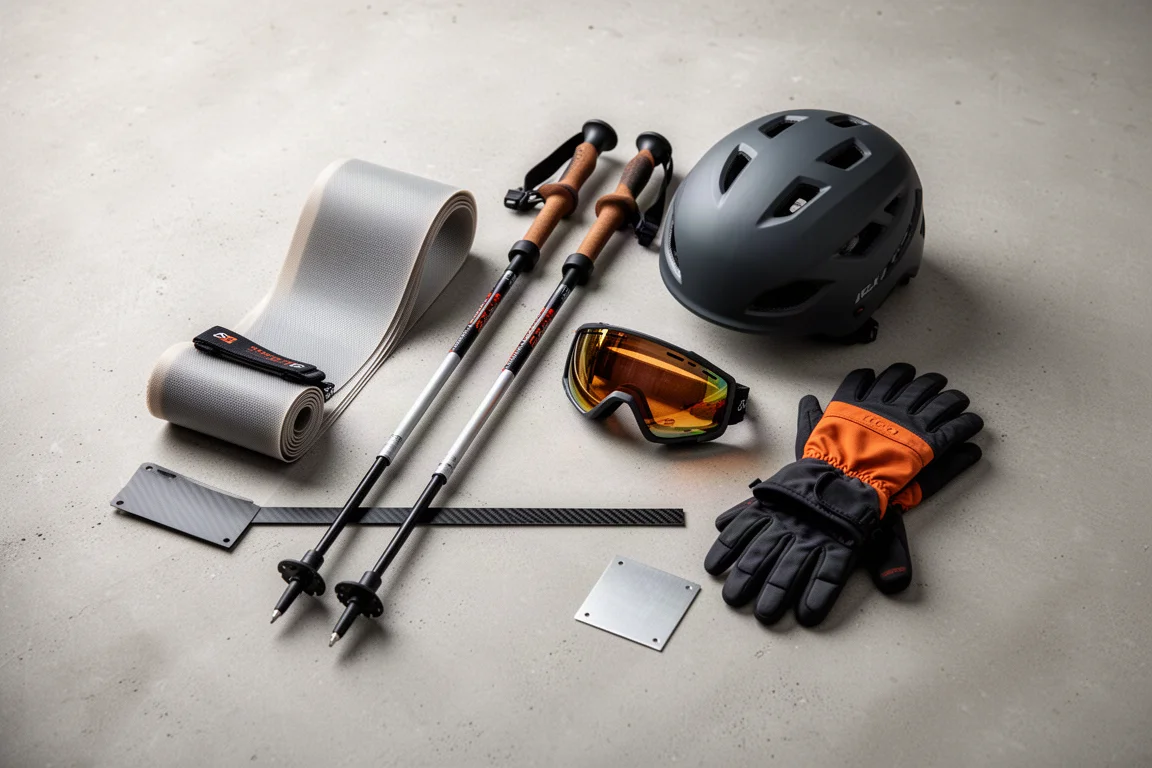
One more practical difference: the Hustle carries a skin tail notch, while the Rustler keeps a rounded tail that holds skins less securely.
Weight savings shrink as the skis get wider, and that pattern matters more than any single number. At the 9, the Hustle is roughly 12 percent lighter, with the Hustle 9 sitting in the 1,700-gram range. By the 11, the gap narrows to under 100 grams, with the Hustle 11 around 1,930 grams against roughly 1,990 grams for the Rustler 11. Wider skis in a given line also tend to feel stronger simply because there is more material to work with, which is why the wider Hustles give up less to their Rustler counterparts.
Blizzard Hustle 9
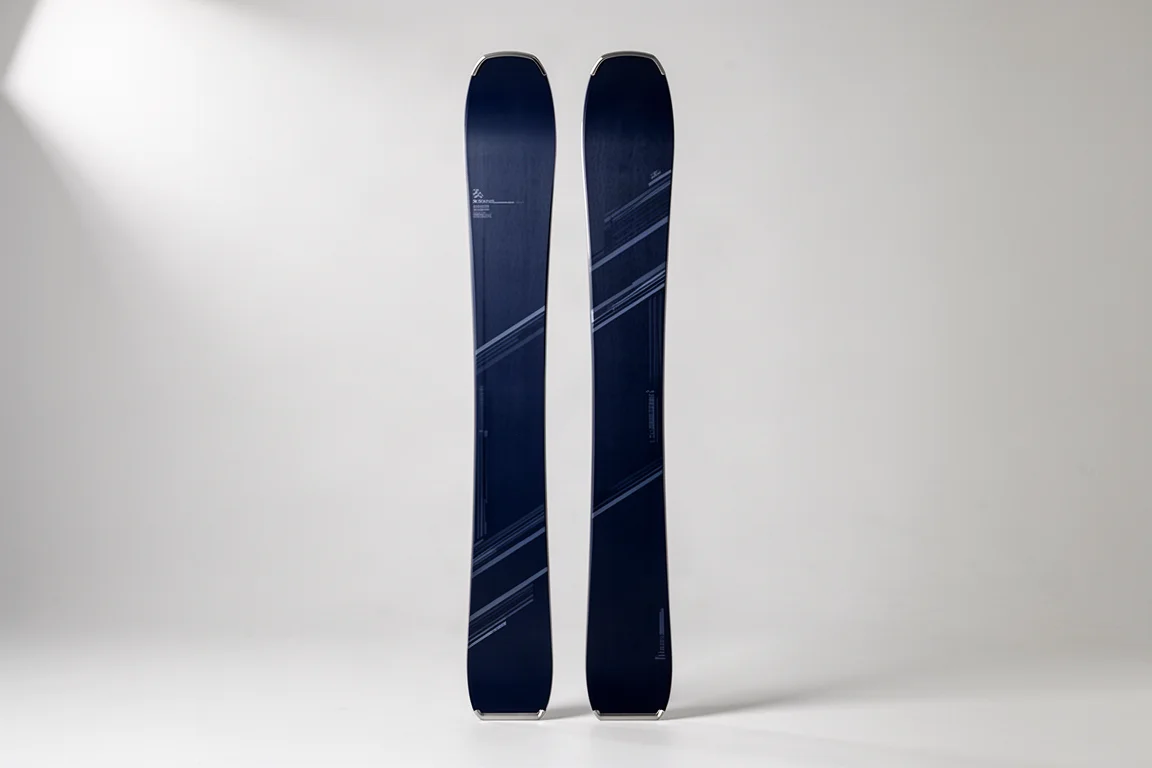
The Hustle 9 is the most touring-leaning ski in the collection, finished with a blue topsheet. On soft snow it feels light and quick, happy to bounce off features and flick from turn to turn. Push it onto firmer snow and it gives up some of the carving grip, stability, and dampness of the Rustler 9, and it can feel a touch twitchy by comparison.
That makes it a natural fit for something close to a 70/30 split between touring and resort days. It is a strong option for tree skiing and short backcountry laps, and it stays capable of everyday resort use with an alpine binding, even if it is heavier than dedicated lightweight all-mountain skis. The absence of metal and carbon in the tips and tails makes the flex a little less consistent than some narrower alternatives.
Binding choice runs wide, from alpine-touring style options up to full alpine bindings, though Blizzard positions the Duke PT 12 as roughly the upper limit.
Blizzard Rustler 9
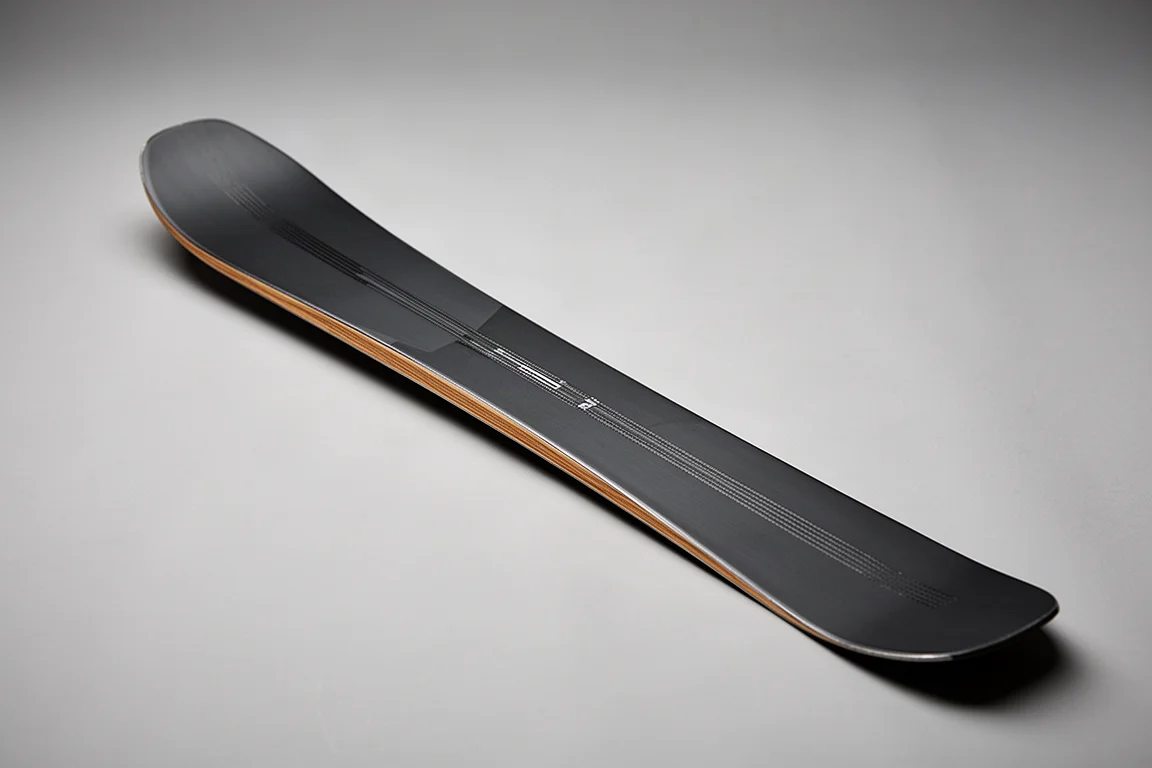
The Rustler 9 returns unchanged apart from its graphics. Its DRT metal plate runs full edge underfoot and, on the 9, extends further up into the ski and down through the tail than it does on the wider models. That translates into noticeably better edge grip and a calmer ride when the snow turns firm.
For skiers who want one ski to handle groomers, bumps, and whatever else the resort throws at them, the Rustler 9 remains the more versatile everyday choice of this pair. The trade-off is weight, plus a less energetic feel than the Hustle.
If your days are mostly lift-served and you want a dependable all-mountain platform that rewards a confident, forward stance, this is the safer pick. Riders who value a lively, lightweight feel more than metal-backed grip will prefer the Hustle 9.
View more details for Blizzard Rustler 9
Blizzard Hustle 10
The Hustle 10 wears an orange topsheet and sits in the middle of the range, which is exactly where it feels most balanced. It is bouncy and playful, with quick energy out of turns and a clear preference for popping and jumping over laying down long carved arcs.
In powder it floats better than the Rustler 10, which is the usual benefit of a lighter ski with the same shape. On firm, icy bumps it can be deflected a little more easily, so it rewards a lighter touch in harsh conditions.
Positioned around 50/50 between resort and backcountry, it pairs naturally with hybrid bindings such as the Duke PT 12 or 16, or a Shift setup, and it is the model most riders will find easiest to justify as a single-ski quiver.
View more details for Blizzard Hustle 10
Blizzard Rustler 10
The Rustler 10 keeps the damper flex pattern that comes with the metal construction. Where the Hustle 10 feels bouncy, the Rustler 10 has a slower rebound and a calmer, more planted feel, and it prefers carving over popping. It is the stronger of the two for speed and for firmer snow.
If you spend most of your time in bounds and want a ski that stays composed through chop and holds an edge on hardpack, the Rustler 10 is the more reassuring option at pace. The Hustle 10 answers back with less weight on the skin track and better float when the snow is deep.
View more details for Blizzard Rustler 10
Blizzard Hustle 11
The Hustle 11 is the widest ski in the new collection, with a black topsheet, pink sidewalls, and a base with pink tones that nods to the brand’s orange team color. On snow it feels light, playful, and snappy, with a surprisingly stout flex underfoot for a ski at this weight.
Its application runs roughly 80/20 in favor of backcountry and soft snow, and snow conditions matter more here than the uphill-downhill split. With a full tech binding it becomes a dedicated backcountry powder setup. With a hybrid binding such as a Shift or a Duke PT it turns into a soft-snow ski you can tour on or ride lifts with, and a Pivot 15 with a 115 brake is a natural match for the width.
The skin tail notch gives it a genuine advantage over the Rustler 11 when you are attaching skins.
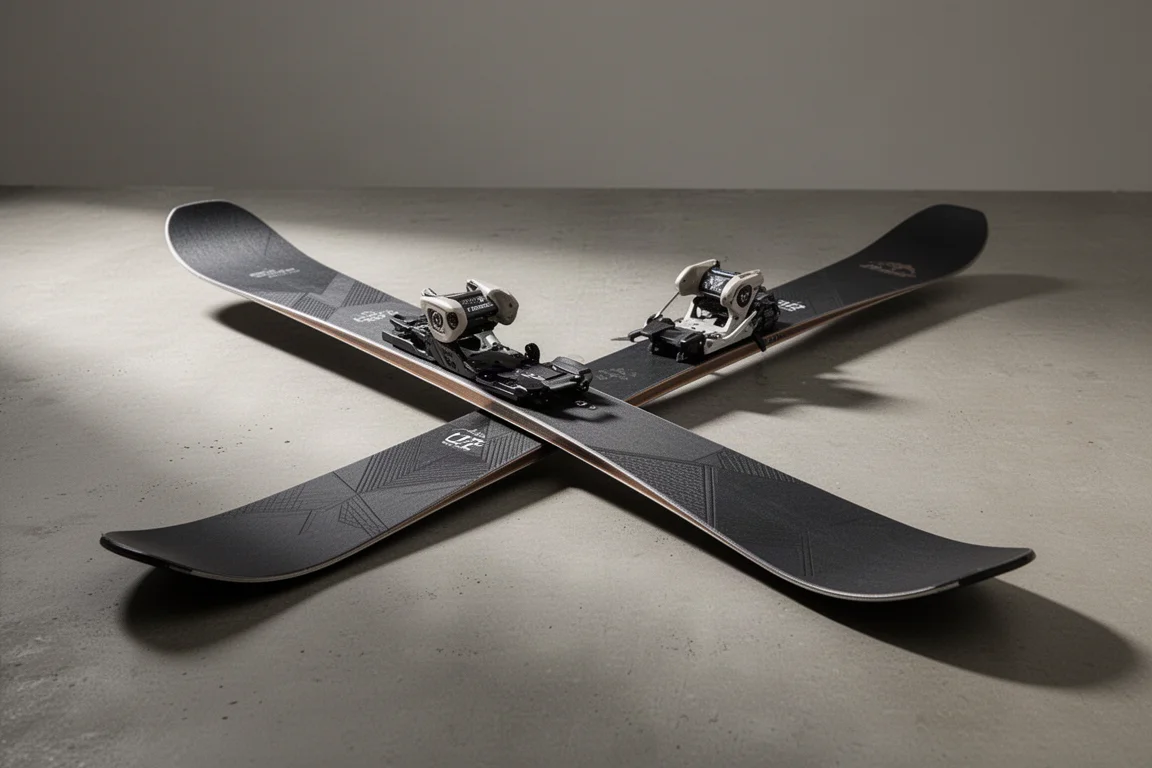
Blizzard Rustler 11
At the 11 width the two skis are at their closest in weight, so the decision rests almost entirely on the metal. The Rustler 11 comes in just under 2,000 grams and keeps the DRT metal plate, which brings better edge grip underfoot and more dampness at speed through chopped snow. It is the more confidence-inspiring option for technical lines and for firm, wind-scoured snow.
The trade-offs are a heavier feel on the skin track and a rounded tail that holds skins less securely than the notched tail on the Hustle 11. If your priority is soft, fresh snow, the Hustle 11 makes more sense; if you want grip and composure when conditions get rough, the Rustler 11 earns its extra grams.
How to Choose Between the Hustle and the Rustler
Start with how you plan to use the ski. If you want a light, energetic ride that can tour and still handle resort days, the Hustle range is the natural pick, and the number you choose sets the balance. The Hustle 9 leans toward touring, the Hustle 10 sits close to an even split, and the Hustle 11 is a soft-snow specialist.
If you want metal, edge grip, and a damper ride, the Rustler range is the safer choice at every width. At the 11, where the weight gap is smallest, pay attention to flex pattern and skin attachment rather than grams.
Binding and boot choice matter as much as the ski itself. A heavier freeride boot paired with a hybrid binding suits riders who split their time between lifts and the skin track, while a light boot and a full tech binding make more sense for long tours. Alpine bindings remain a reasonable option on the narrower models for riders who stay in bounds.
Conclusion
The 2023 Hustle collection is not a replacement for the Rustler, it is an alternative built from the same shape. If you already like how a Rustler turns and hooks up, a Hustle will feel familiar, just lighter and more energetic underfoot. Choose the Rustler when you want metal-backed grip and composure, and choose the Hustle when you want a ski that climbs, floats, and plays.
Further reading
Related Reviews

Ski Gear
2023 Skis of the Year: Atomic Maverick 88 TI, Salomon QST 106, and Look SPX 12 Pro
Three standout ski picks for all-mountain carving, powder days, and reliable binding performance, with practical buying notes for 2023 models.

Ski Gear
2025 Nordica Enforcer 104 Review: A Directional Charger Replaces the 104 Free
The 2025 Nordica Enforcer 104 drops the Free name and the twin-tip personality, gaining weight, stiffness and composure in rough snow. Here is what changed and who it suits.
Ski Gear
2025 Powder Ski Comparison: 15 Wide Skis for Deep Snow
A detailed look at 15 powder skis for 2025, covering shape, flex, weight, and the conditions where each one makes the most sense.