Backpacking Tents
Zen Bivy Giblin Review: A Sub-2 lb Trekking Pole Tent Built Around a Lean-To Awning
Zen Bivy's first tent is a single-wall trekking pole shelter with a lean-to front awning, a drop door, and a layout designed to keep you connected to the outdoors in the rain.
Introduction
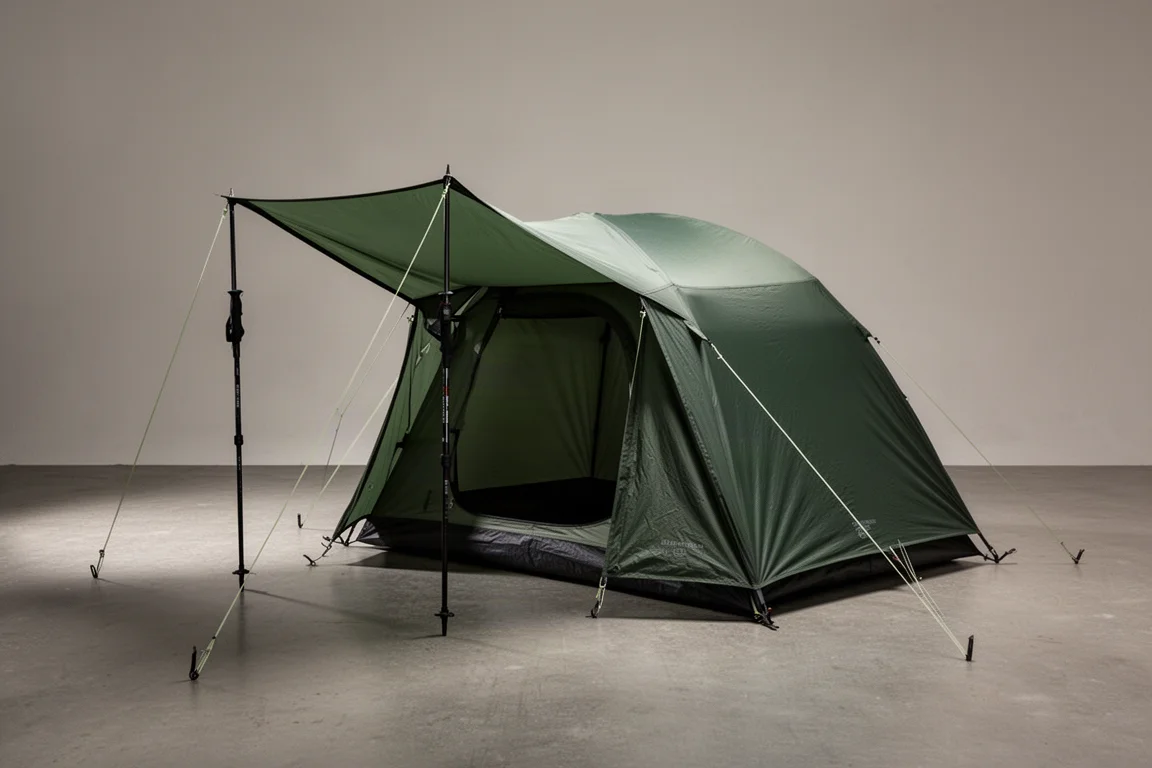
Zen Bivy built its reputation on sleep systems, the modular quilt and mattress combinations that a lot of backpackers now treat as their default setup. The company’s first tent, the Giblin, applies the same willingness to rethink familiar gear. It is a trekking pole shelter, just under 2 lb, and it replaces the conventional double-wall layout with something closer to a lean-to tarp built around a small sleeping space.
The name comes from Jim Giblin, who worked on the original design roughly two decades ago. That earlier shelter was conceived as an avalanche shelter before being adapted into a lean-to style tarp, and the Giblin is a direct descendant of that idea. The result is unusual enough that it takes a moment to understand what you are looking at: a 40 inch wide shelter with a covered front porch, a drop door, and a footprint that prioritizes living space over a tight, technical pitch.
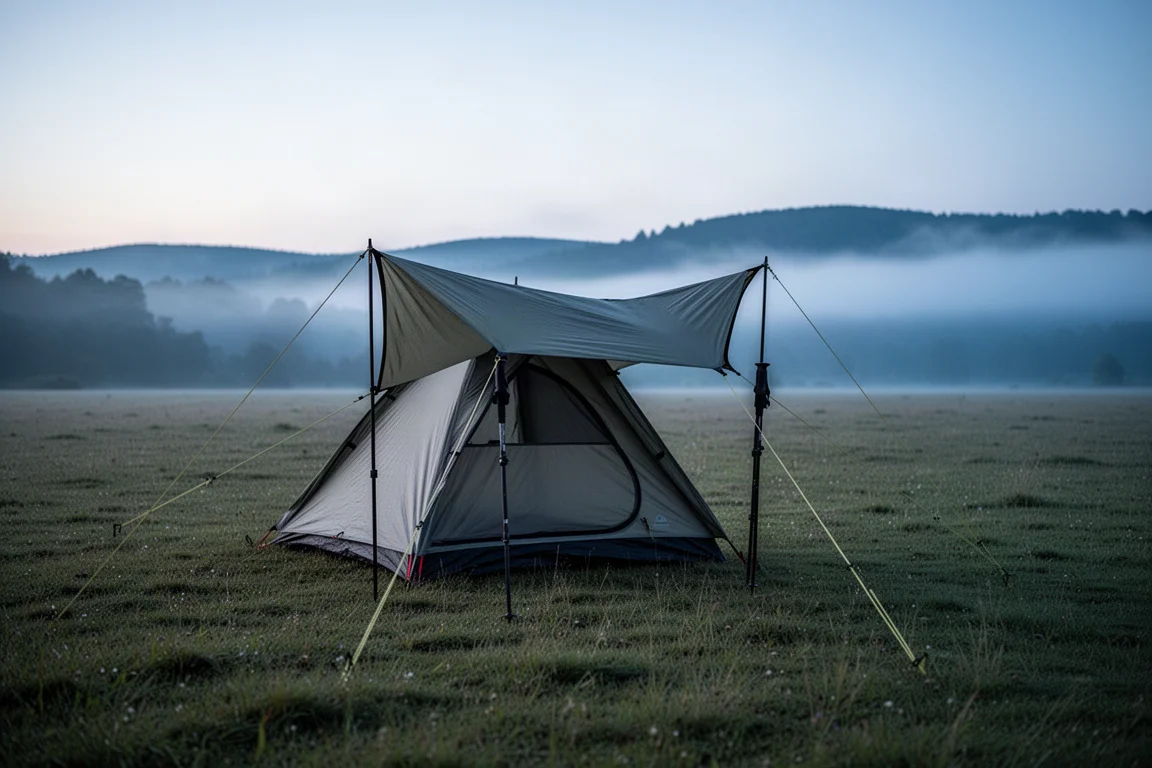
What makes the Giblin interesting is not a single feature but the way its parts work together. Most tents separate you from the weather in order to protect you. This one is built so you can stay protected and still watch the rain come down, cook, sort gear, or simply sit upright without feeling closed in. That trade-off is the whole point of the design, and it shapes everything from the ventilation to the stake count.
Who the Zen Bivy Giblin Is For
The Giblin is aimed squarely at solo backpackers and campers who spend long hours in shelter when the weather turns. If you have ever waited out an all-night rain inside a sealed tent and felt like you were staring at a wall, this is the scenario the design answers. The 40 inch width is comfortable for one person, and it will stretch to two in a pinch, or one person plus a dog. Long mattresses fit, and the interior widens toward the back.
It suits trips where you are camping on your own or in small, spread-out groups, with enough open ground to run guy lines. Think open meadows, alpine basins, and shoreline camps where you can pick a pitch without stepping on someone else’s tent. It is also a natural fit for paddling trips and other outings where weight is less critical but rain is likely, because the front awning makes wet evenings far more liveable.
Where it struggles is the busy campground. The shelter needs a wide, unobstructed area to pitch properly, and its guy lines spread well beyond the sleeping footprint. Set up in a packed site surrounded by other campers, the Giblin becomes little more than a bedroom with lines running through everyone’s space, and much of its value disappears.
Main Strengths: Rain Protection and a Connected View
The defining feature is the front awning, a lean-to style tarp that covers the doorway and extends the protected area forward. The drip line sits out in front of the shelter rather than directly over the entrance, so water falls clear of the space where you sit. Arrive in a downpour, drop your pack inside, and you can manage yourself and your gear while staying out of the rain, with the wet zone kept to the porch.
The door itself is a drop door, which means it lays flat on the ground and can be used from inside the shelter. With no bugs around, you can leave it dropped and sit right at the edge of the tent, essentially on the ground but under cover. When the wind picks up, the sides of the drop door can be raised to cut the airflow while still leaving a view outward. A rain panel outside handles angled weather, and an inner wind panel can be zipped up when you want a full barrier. That wind panel stores into a small pocket when it is not needed, so the front door looks clean and disappears into the wall.
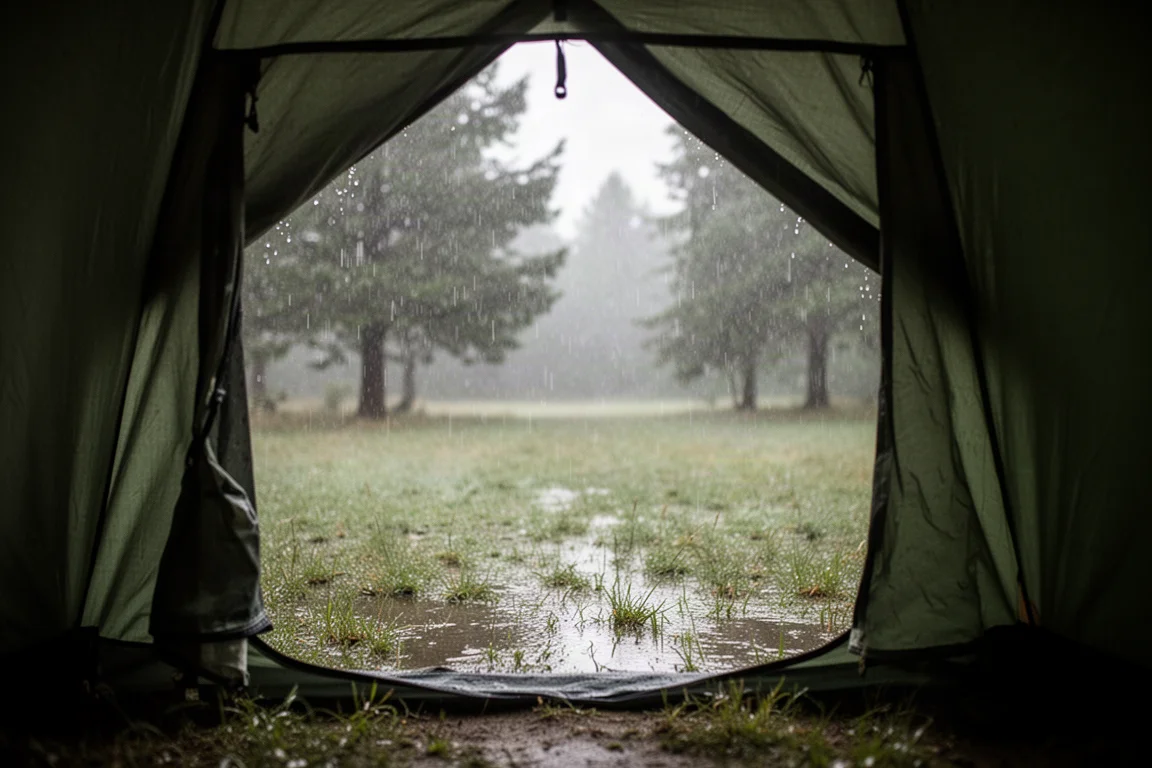
One detail worth noting is the zipper on the wind panel. It deliberately stops short of the top, which saves a long run of zipper across the peak and keeps a strip of visibility open even when the panel is closed. Small decisions like that are what make the Giblin feel considered rather than merely different.
Main Strengths: Ventilation, Weight, and Materials
This is a single-wall tent, which normally raises condensation concerns, but the front of the shelter is effectively one large covered vent. With the awning up and the front opening working as an exhaust, airflow is generous and condensation should stay minimal in most conditions. That matters because the whole point of the design is spending time inside, and a shelter that fogs up would defeat it.
The fabric is a 20D polyester. Polyester yarns do not absorb water the way some alternatives do, so the material stays crisp when it gets wet instead of sagging, which is a real advantage in a shelter this open to the weather. All of that comes in just under 2 lb, which is genuinely light for the amount of usable living space on offer. You are not carrying a heavier double-wall tent to get a comparable sense of room.
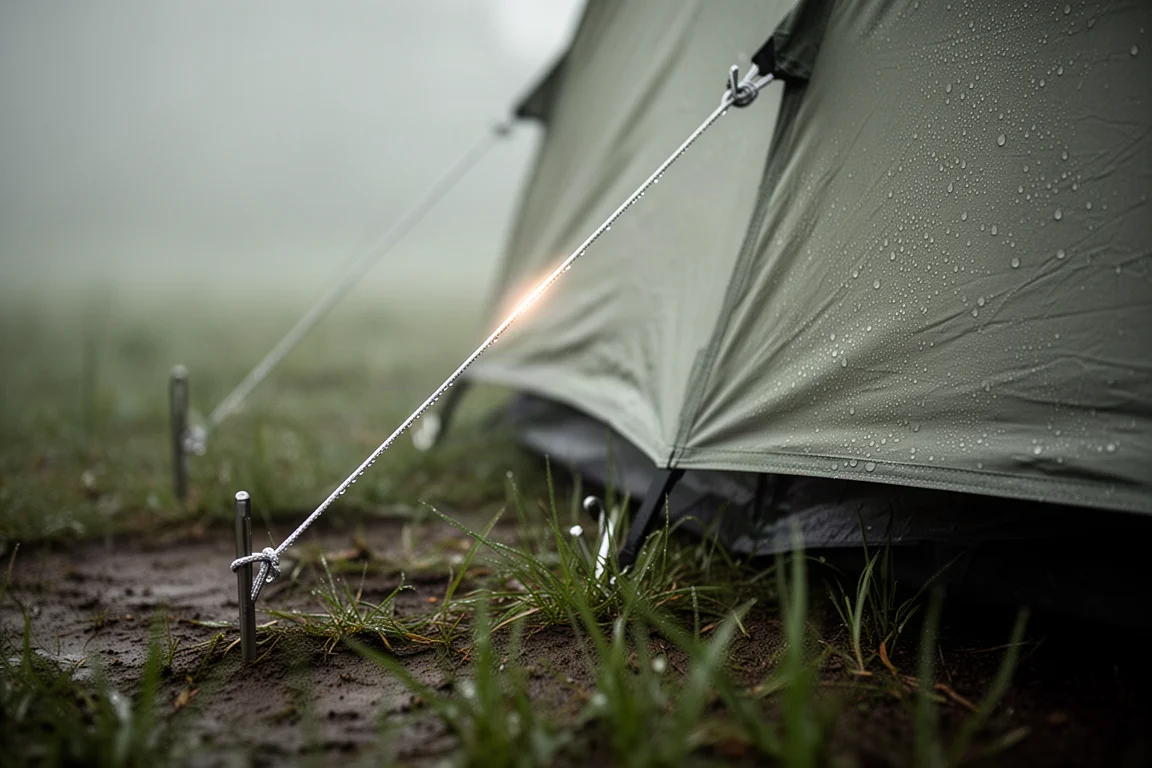
Reflective guy lines run throughout the pitch, which makes the shelter far easier to find and far less hazardous to walk around after dark. Given how much line the Giblin uses, that is not a minor nicety.
Living With the Giblin: Setup, Footprint, and Details
Pitching starts with the floor: stake out the four corners, then set the trekking poles tip down into the reinforced side pockets, with the pole height adjusted until the seam runs tight. From there you tune the long guy line at the front awning, shortening it until the awning holds its angle. The process is not difficult, but it is different from a standard freestanding tent, and the awning geometry means a little fiddling on the first few pitches. Expect to want open space around the shelter while you get the lines set.
The stake count reflects that. There are eight stakes in a normal pitch, with an optional ninth that adds shoulder room at the back. The overall footprint is large by backpacking standards, though the area you actually sleep on is modest. In practice you only need to find one clear patch for your mattress, and the rest of the pitch spreads over ground that can tolerate lines rather than stakes. Since the vestibule area does not need to reach the ground, the Giblin can often fit where a conventional tent’s doors would not.
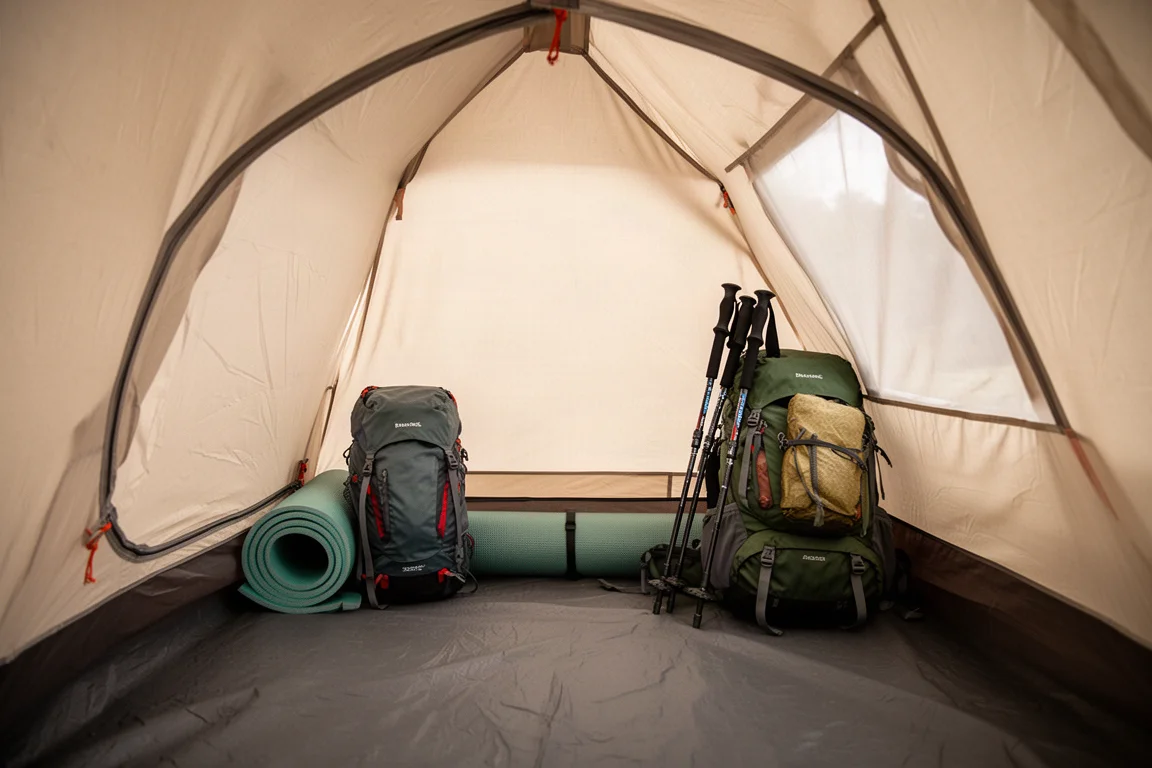
Storage is organized around the sleeping position. There is a shallow space along the back wall for internal gear and roughly 8 inches of depth at the front, with the interior widening toward the back. Deploying a wind panel also lets the shelter stay standing on its own at that point, which opens up improvised pitches where a stake position is unavailable, such as wrapping a line around a tree.
The pre-production sample is not finished in every respect. There is currently no headlamp loop at the top of the interior, only loops in the corners, and that addition is under consideration. It is a small thing, but it is the kind of detail that determines how the tent feels on a long night.
Things to Consider Before Buying
The Giblin asks for space and rewards solitude. If your camping is mostly in popular, crowded sites, the wide footprint and long guy lines will work against you, and the shelter will feel like more effort than it is worth.
Setup has a learning curve. Staking four corners and inserting trekking poles is straightforward, but the front awning and its guy line need to be angled correctly, and the pitch takes more attention than a simple freestanding tent. Budget a couple of practice pitches before you rely on it in bad weather.
It is a single-wall shelter. Ventilation is strong and the front opening is large, but you are still managing one layer of fabric rather than two, and that is a different ownership experience. Finally, this is not yet a finished production tent. The current version is a pre-production sample, and details such as the missing headlamp loop and the final color treatment could still change.
Buying Advice and Availability
Zen Bivy is not launching the Giblin as a finished, high-volume product yet. The plan is a short pre-production run followed by a summer of field testing, with feedback gathered from a variety of users before any tweaks are made and a further short production run follows. A limited number of early testers are being given tents to use and report on, and those testers keep the tent afterward.
Pricing has not been finalized. The expected range is somewhere around $300 to $400, with roughly $350 looking like a reasonable guess for a shelter of this type. If that holds, you are paying for a lightweight, unusually liveable design rather than a conventional tent, and the value depends entirely on how you camp.
If you mostly backpack in fair weather and move fast, a simpler shelter will serve you fine. If you have spent enough rainy nights sealed inside a tent to know you would rather watch the weather than hide from it, the Giblin is worth watching closely as it moves toward full production.
Conclusion
The Zen Bivy Giblin is the most interesting thing to come out of the company since its sleep systems. Under 2 lb, 40 inches wide, single wall, with a lean-to awning that keeps the drip line away from the door and a drop door that turns the front of the shelter into a covered porch, it is built around one clear idea: staying protected without being cut off from the outdoors.
The trade-offs are real. It wants open ground, it asks for a careful pitch, and it is still being refined. For the right camper, though, those are acceptable costs for a shelter that makes a long rainy evening something to look forward to rather than endure.
Product link
View more details for Zen Bivy Giblin
This product is mentioned in the review. Check the specifications, options, and compatibility before buying.
View more details for Zen Bivy GiblinFurther reading
Related Reviews
Backpacking Tents
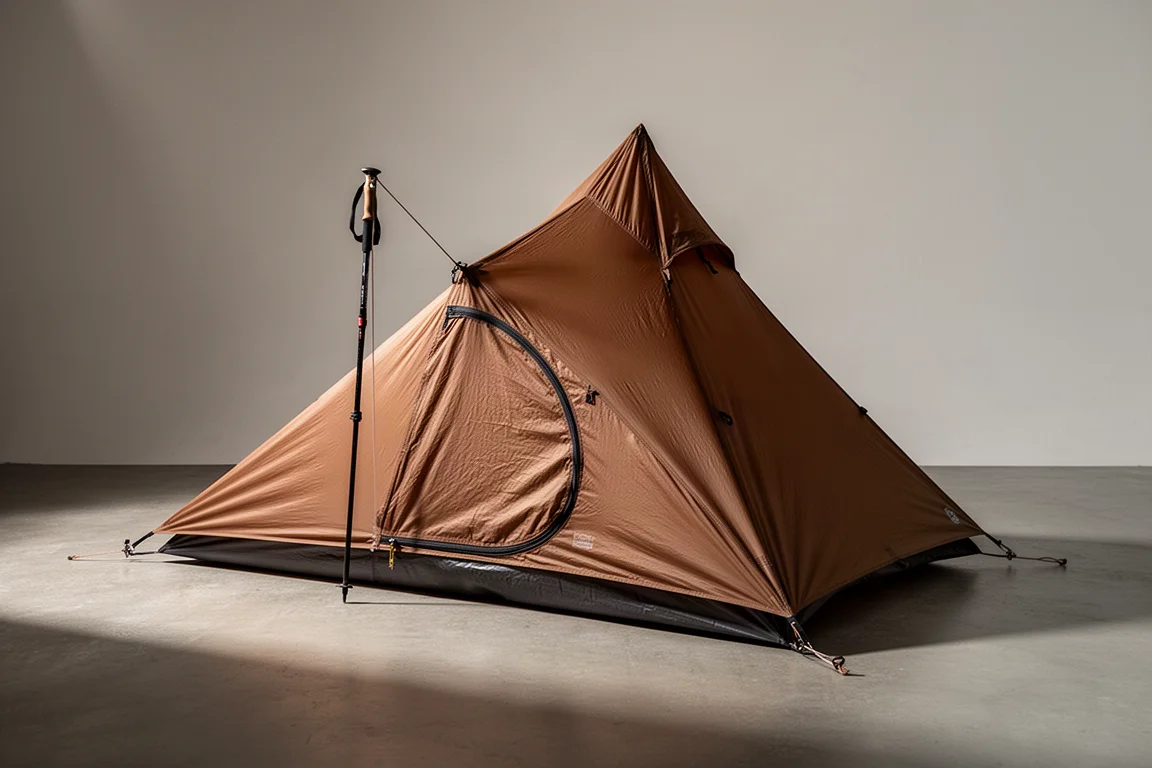
3F UL Lanchan Pro 1 Review: A 1 lb 8 oz Single-Wall Trekking Pole Tent
A practical look at the 3F UL Lanchan Pro 1, a single-wall trekking pole shelter with a 1 lb 8 oz weight, 20D silnylon fabrics, and a roomy 90 x 31 x 49 inch interior.
Backpacking Tents
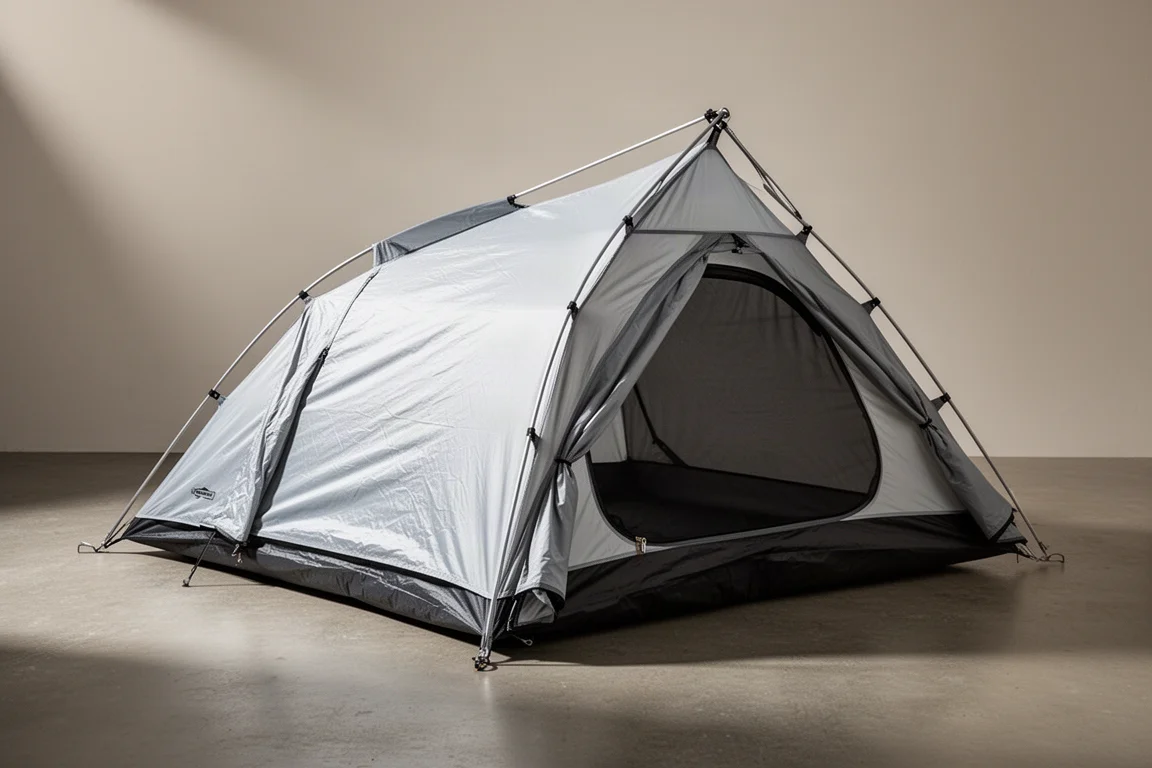
3F UL Taiji 2-Person Tent: A Convertible Backpacking Shelter Worth a Closer Look
A practical look at the 3F UL Taiji two-person tent, covering its materials, true two-person interior, fly-first pitching, and the seasonal inner swap that lets one shelter cover more of the year.
Backpacking Tents
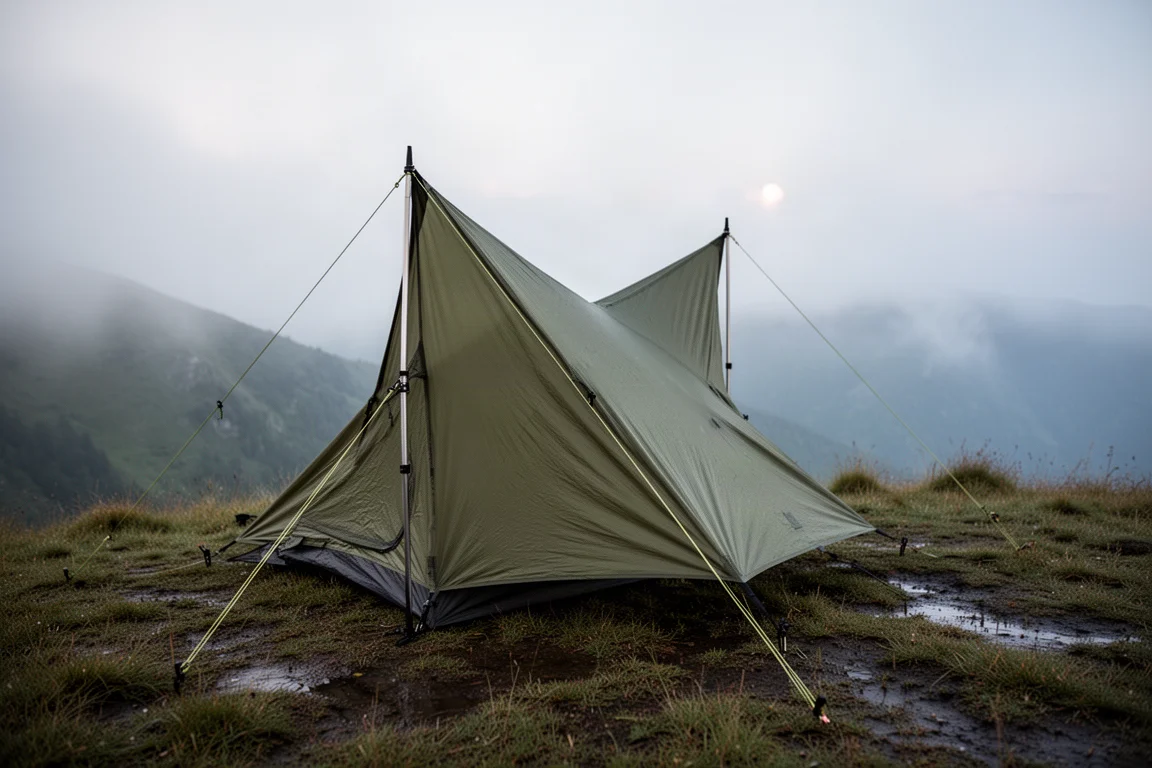
3FUL Lanshan Twoerson Pro Review: A Light Trekking Pole Shelter That Struggled in Rain
A two-person trekking pole shelter with a 2026 redesign, pitched with sticks and put through a night of steady rain. Here is what worked, what did not, and what to check before buying.