Home Appliances
Yui G30 vs Yeti Robot Vacuum: A Budget-Minded Comparison
Two affordable robot vacuums compared after weeks of real household use, covering pathfinding, maintenance, and why buying three cheap units can beat one expensive one.
Introduction
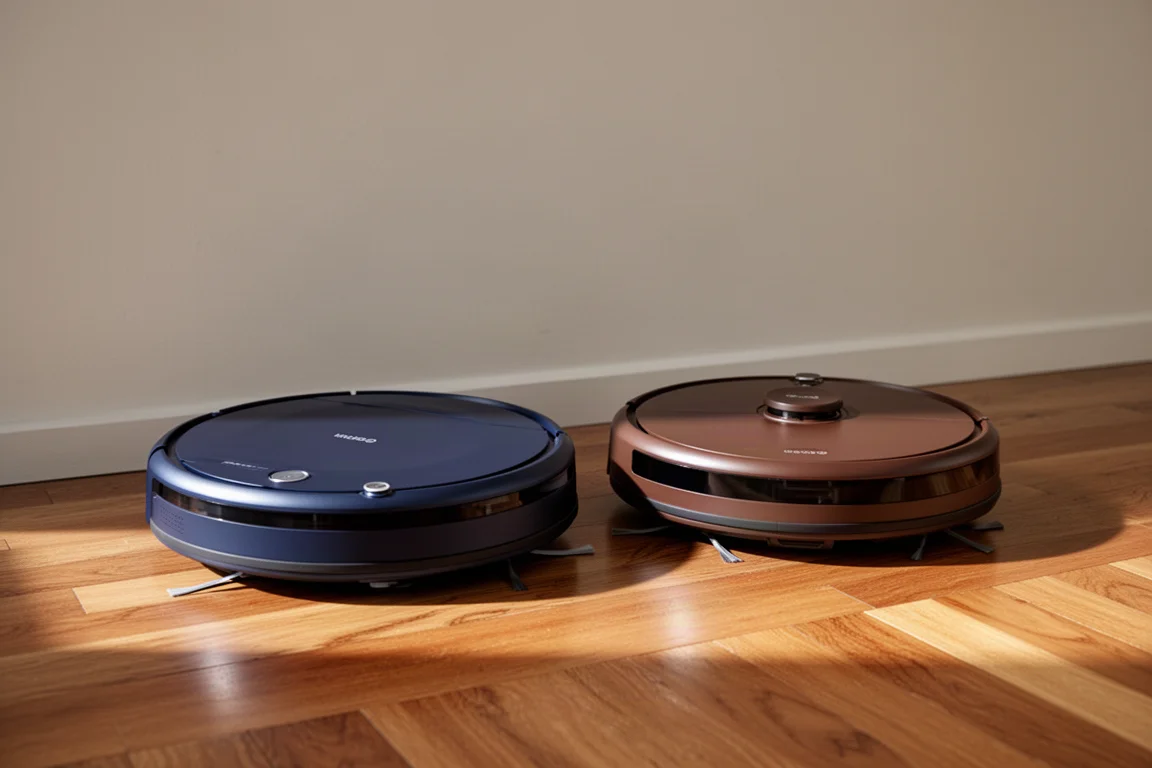
After two months of living with budget robot vacuums, one thing became clear: this category is bigger and more confusing than most people expect. There are dozens of brands, overlapping model lines, and feature lists that make comparison shopping genuinely difficult. This comparison focuses on two affordable options that keep coming up in the mid-range conversation: the Yui G30 series and the Yeti robot vacuum.
The goal here is not to crown a single perfect vacuum. Every home is different. But after real use on hardwood, tile, and long shag rugs, the differences between these two machines turned out to be significant.
Why Pathfinding Matters More Than Suction
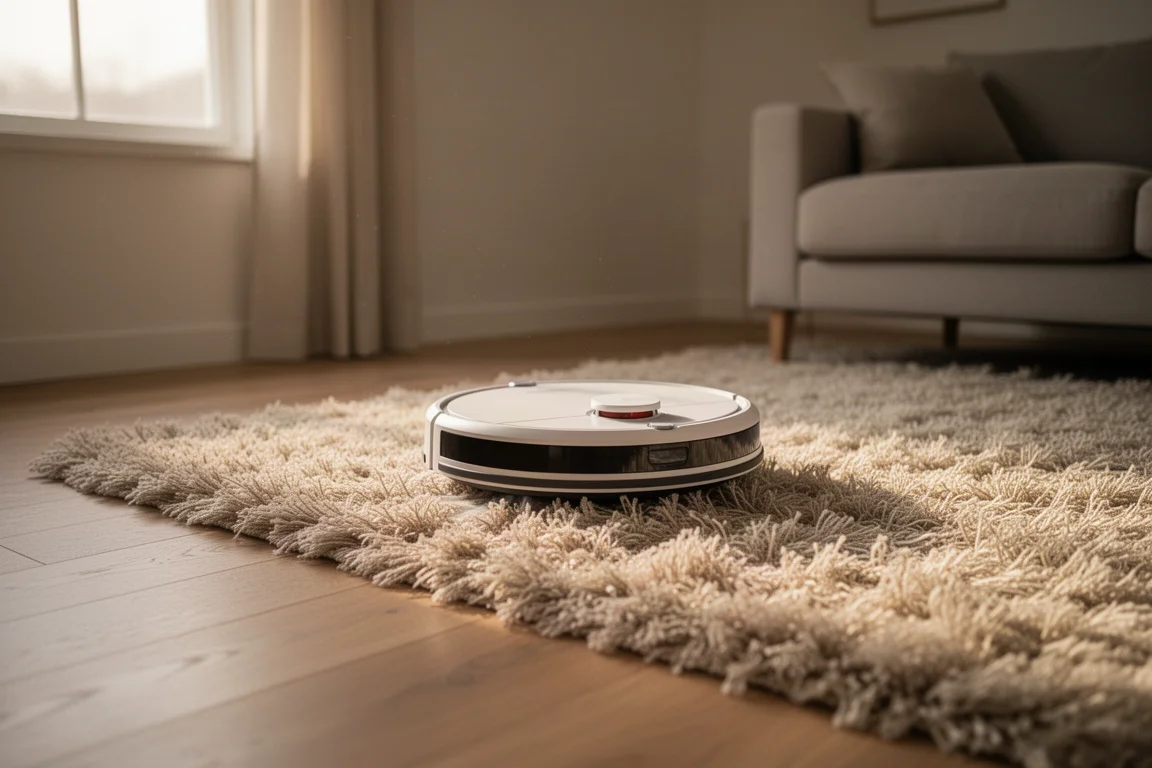
The Yeti robot vacuum, available on Amazon and eBay for around $200 including the base station, gets a lot right. The overall design is attractive, the app is clean, the suction is genuinely strong, and the base station does a great job emptying the onboard dustbin automatically. On paper, it ticks nearly every box.
The problem is pathfinding. In real use, the Yeti would go out, clean one small area of carpet repeatedly, ignore the rest of the room, and then declare the job finished and return to the dock. No matter how good the suction is, a vacuum that only covers a fraction of the floor is not doing its job. That single flaw was serious enough to return the unit, and with better navigation it would have stayed.
The Yui G30 Series
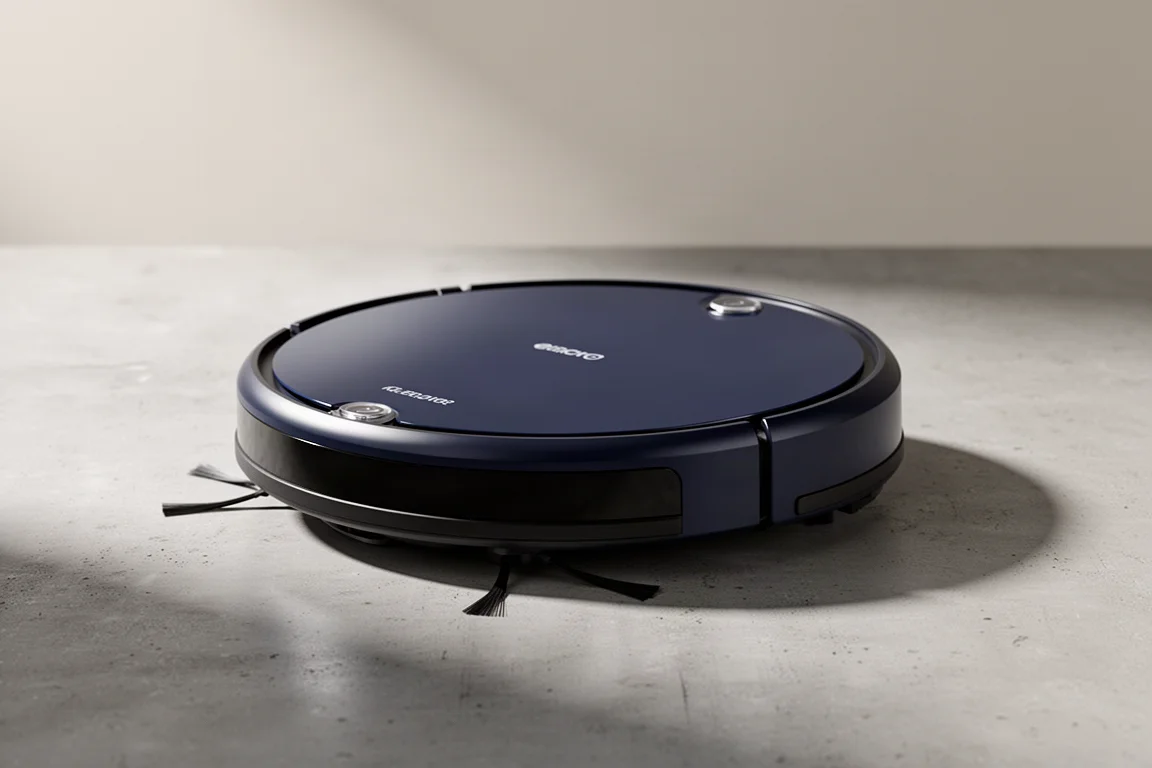
The Yui G30 is the brand’s mid-range offering, sitting neither at the cheapest nor the most expensive end of the lineup. This particular unit was picked up used on eBay for around $60, complete with a base station, extra side brushes, and no remote, which is fine because the app is the primary control method anyway. It runs a 2.0 dynamic pathfinding system that actually navigates the whole space rather than circling one spot.
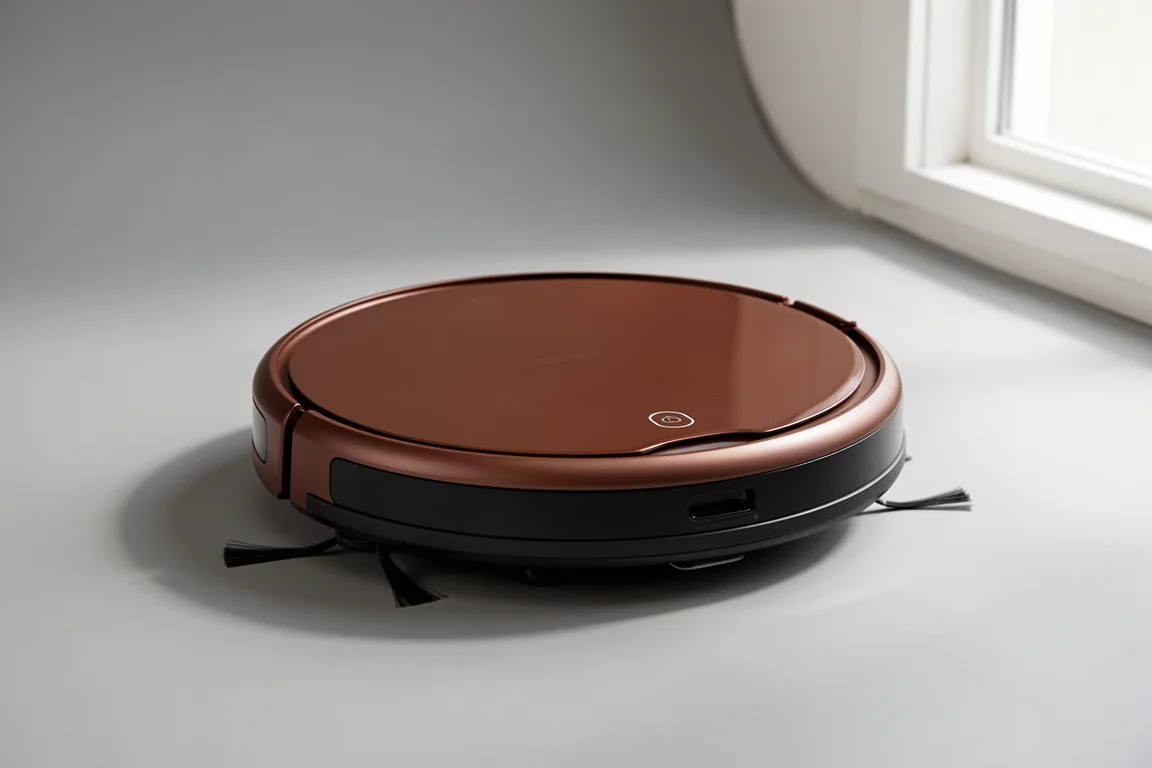
Yui’s lineup can be confusing. The G30 Edge is nearly identical to the standard G30, with a slightly newer brownish finish instead of blue, and parts are largely interchangeable between versions. Yui also sells simplified models without pathfinding or Wi-Fi, controlled only by remote, which can be a genuinely good fit for a small apartment or a single room.
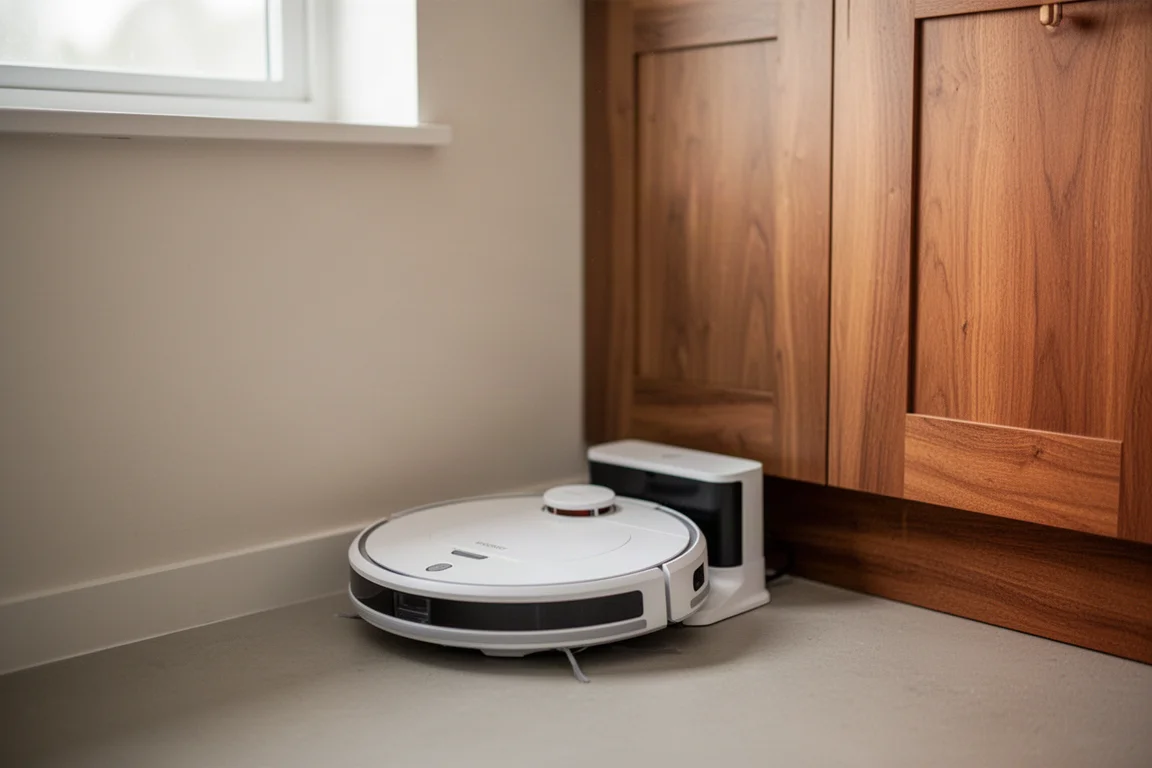
The strategy that worked here was buying three of them: one for the kitchen and east side of the living room, one for the office, guest bathroom, and entryway, and one dedicated to the master bedroom and bath. All three were lightly used eBay purchases totaling about $200. Because the robots try to discover new areas and can miss old ones while doing so, assigning each unit a fixed zone keeps coverage consistent. One quirk worth knowing: when multiple units run at once, they occasionally charge at each other’s base stations, which can block another robot from docking.
The Yui G30 Edge
The G30 Edge is the slightly newer variant in the same series. Functionally it behaves the same as the standard G30, with the same pathfinding system, the same app experience, and interchangeable parts. The difference is largely cosmetic, a brownish color scheme replacing the earlier blue.
For anyone shopping the used market, this is good news. There is no meaningful reason to pay extra for the Edge over the standard G30, and finding lightly used units on eBay is realistic. One seller even included a bag of filters, brushes, and side brushes worth about $25 with the purchase. Two and a half weeks of patient searching was enough to find all three units used.
Maintenance and Servicing
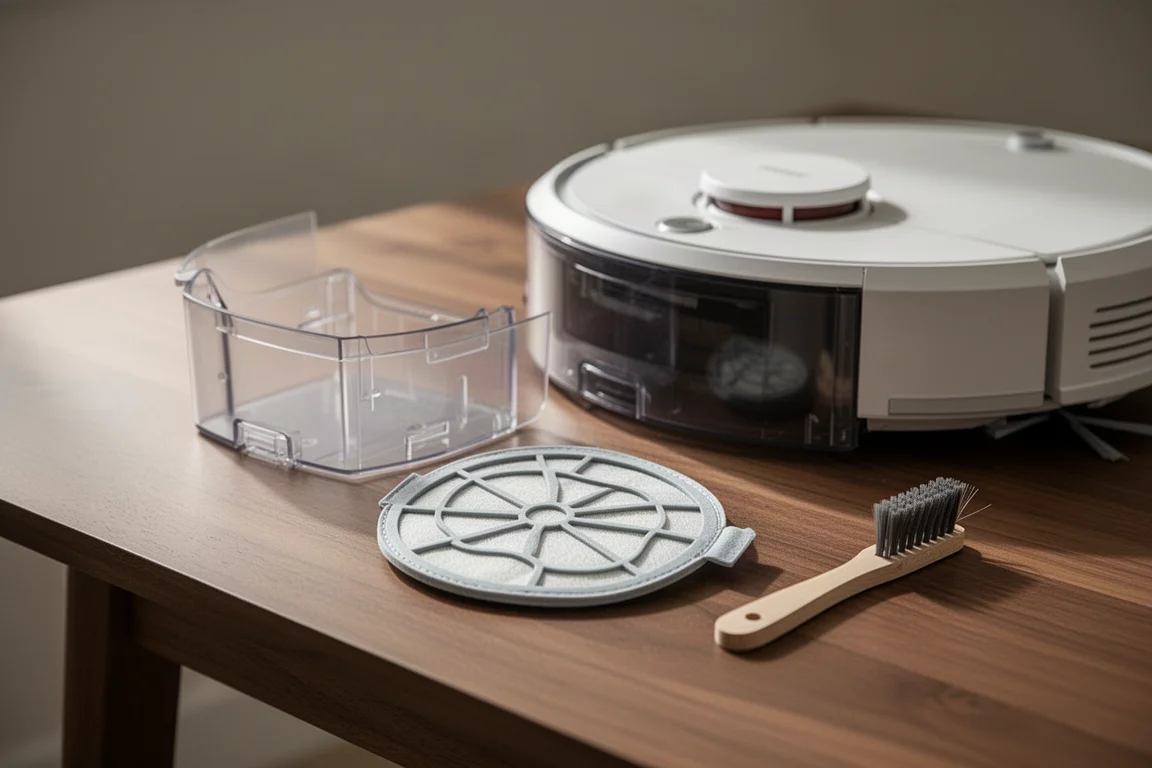
One of the best things about the Yui machines is how easy they are to service. Emptying the bin is a one-button push, the filter pops out for cleaning, and replacement filters are inexpensive and widely available on Amazon. Yui also reuses the same parts across half of its series, which makes sourcing spares simple.
Expect some hands-on time. The roller regularly picks up yarn and debris, the side brush can snag on rug tassels, and the machine will announce when something is clogged or stuck. The upside is that roughly nine times out of ten, simply pressing start again lets it resume and finish the whole cleaning run on its own. Total maintenance for all three units runs about three or four minutes per session.
Where the Higher-End Options Fit
It is worth noting what the money saved can buy. High-end home robot vacuums from brands like Roborock have a strong reputation, particularly for sensing and avoiding small objects. That is a genuine advantage, but it cuts both ways: a vacuum that avoids objects leaves dirty spots around them, while the Yui pushes items like dog toys out of the way and cleans underneath.
Mopping was deliberately skipped here. It adds complexity, price, and unreliability, and it was not needed. Features like scheduling and voice control are appealing on paper, but if you never want the vacuum running while you are out of the house, a fixed schedule loses much of its value. Simpler and more affordable won out.
Buying Advice
If strong navigation and a polished app matter most and the budget is around $200, the Yeti is tempting but the pathfinding flaw is disqualifying based on this experience. The Yui G30 series, whether the standard or Edge version, delivers dependable coverage, easy maintenance, and cheap consumables.
The used market is a legitimate route here. Lightly used units are common, refurbishing is straightforward, pull out the dust tray, swap filters, blow the unit out, wipe it down, and a $60 purchase can look nearly new. The trade-off is skipping the manufacturer warranty entirely, which was a comfortable bet at this price point.
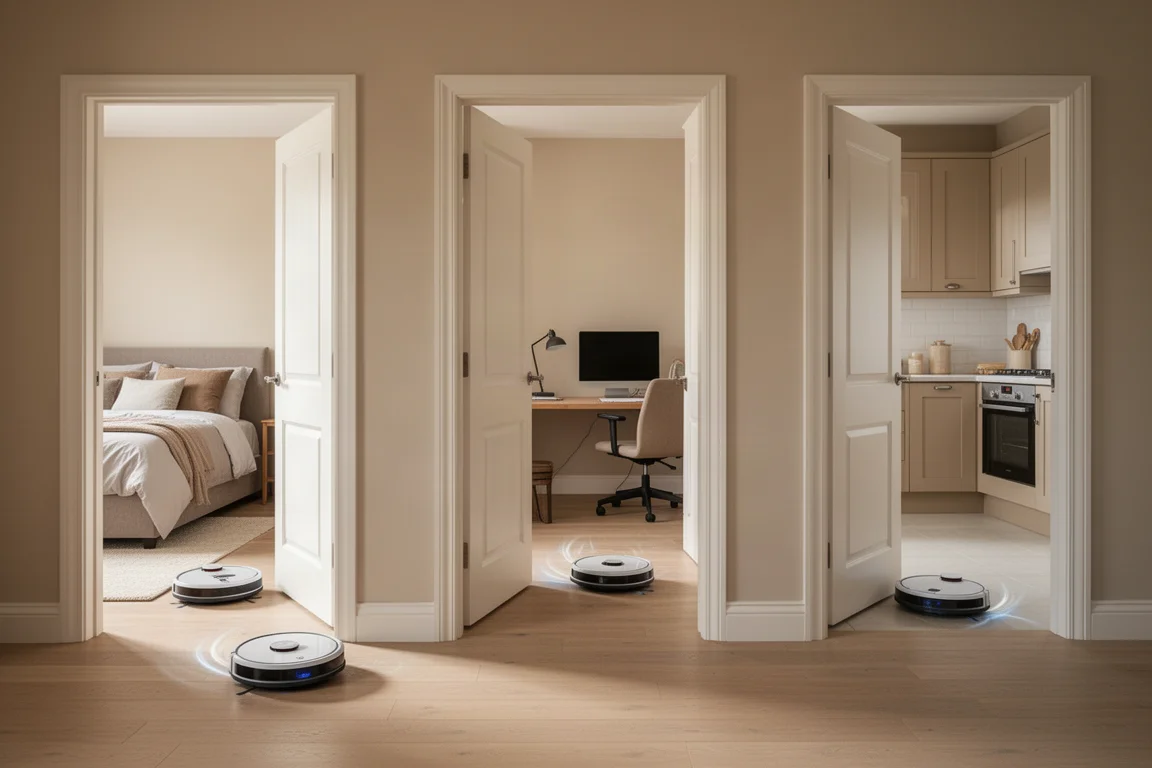
Buying three affordable units also has a practical advantage over one expensive one: when guests are a few hours away, three robots cleaning three zones at once finish far faster than a single unit working sequentially and recharging between areas. Just avoid running any robot vacuum unsupervised in a home with pets, for reasons a friend’s carpet replacement bill makes painfully clear.
Conclusion
The Yeti robot vacuum proves that good suction and a nice app are not enough if the machine cannot cover the floor. The Yui G30 and G30 Edge are not flawless, they need occasional intervention and get confused by each other’s docks, but for around $200 total across three units, they deliver clean floors with minimal maintenance. For budget-conscious buyers willing to do a few minutes of upkeep, the Yui G30 series is the stronger buy.
Further reading
Related Reviews

Home Appliances
Best Upright Vacuums 2026: Top Picks for Every Budget
We tested 23 plus upright vacuums to find the best performers across cleaning, sealing, usability, and value. These are the models worth considering.

Home Appliances
Best Vacuums 2024: Top Picks for Every Floor Type and Budget
A data-driven roundup of the best upright, cordless, and robot vacuums of 2024, with performance scores and buying advice for every budget.

Home Appliances
Best Vacuums 2026: Budget to Premium Roundup
Eight vacuums tested across carpet, hard floors, hair wrap, crevice cleaning, and air filtration. Find out which budget model beats the premium flagships.