Snowboards
YES Why Snowboard Review: A Forgiving Freeride Carver for Resort Riders
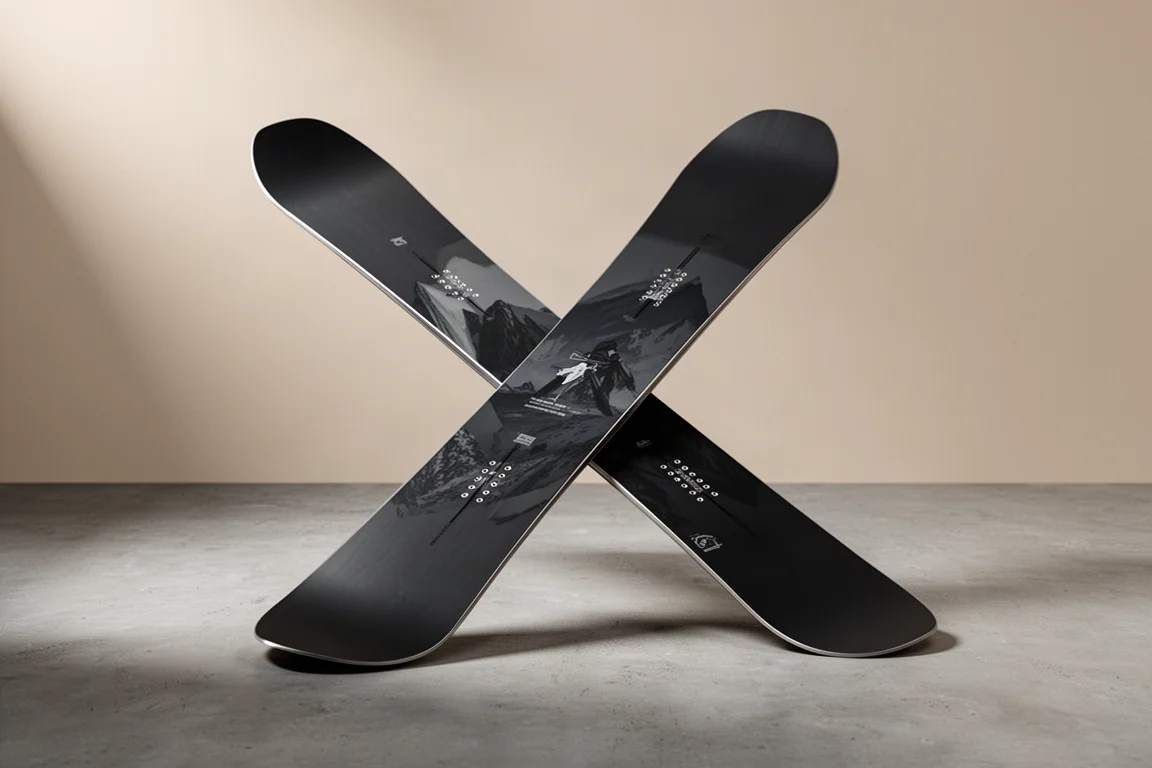
A directional freeride snowboard with camber underfoot, rocker in the nose and tail, and a forgiving flex that balances groomer carving with powder float.
Introduction
Freeride snowboards usually ask riders to pick a side: a locked-in, aggressive deck that demands attention, or something easier to live with across an entire resort. The YES Why aims at the space between those two, pairing a directional shape with a CamRock profile that keeps camber underfoot while lifting the nose and tail.
The board is offered in four lengths: 151, 154, 157, and 161. Its Directional CamRock 242 profile places more camber through the feet and shifts the rocker rearward, which leaves a longer rocker section in the nose.
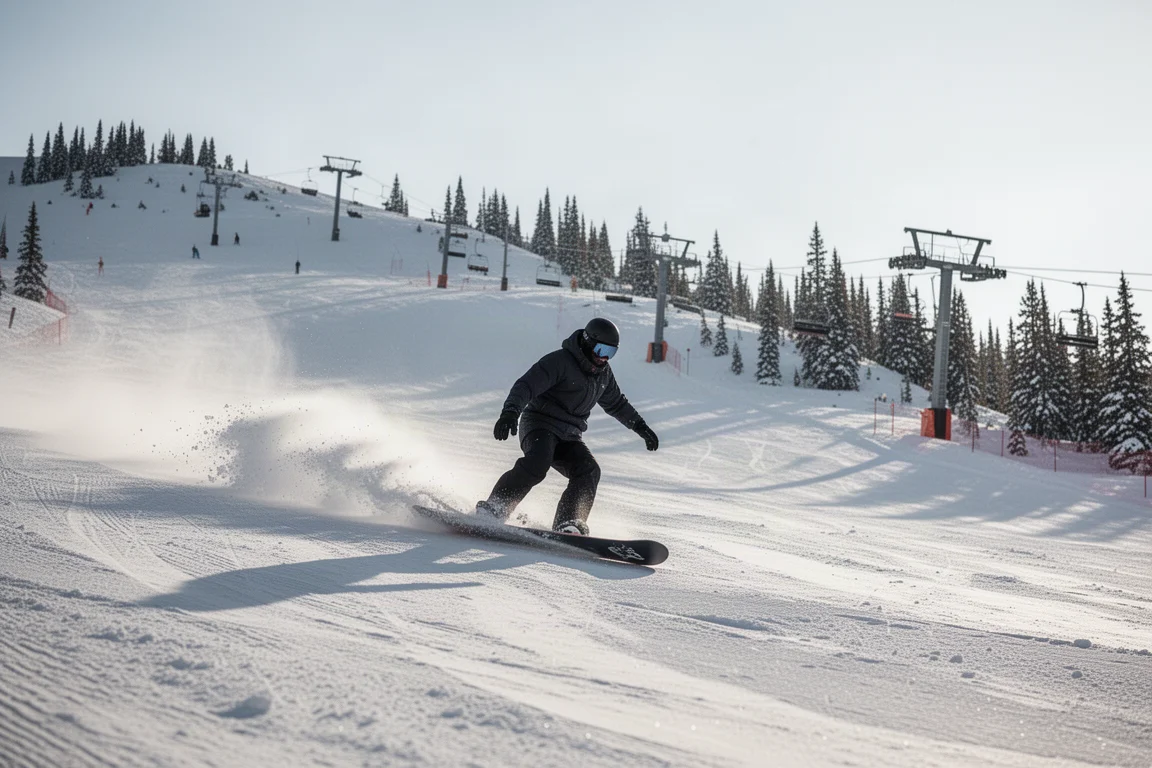
That combination is the core of the Why’s character. Traditional camber underfoot supplies load and snap, the rocker sections make turn entry and exit easier, and the extended nose rocker adds float once the snow gets deep. It is a design that prioritises predictability over drama.
Who this product is for
The Why is built for the resort rider who rips groomers, rides freeride terrain, and will chase powder when it shows up. It suits someone who wants one board that covers most days on the mountain without needing to be ridden at full commitment every run.
It also fits riders who want a more accessible take on a stiff freeride deck. The Why sits below the brand’s Optimistic in stiffness, which positions it as the more forgiving option of the two, and as a friendlier entry point into that style of ride.
Main strengths
The flex is directional, with a softer nose that progressively stiffens toward the tail, plus a moderate amount of torsional flex. Overall it lands just past the middle of the road for freeride flex, and it stays predictable in the way it responds. Conditions during testing ranged from firm, fast groomers to light, fluffy fresh snow, then heavy, choppy chunder, and the board held its composure across all of it.
Stability is a genuine strength. A little chatter shows up in the nose, but it fades well before the front insert pack, and the mid body takes over from there. In rutted, chopped-up terrain the Why plows through rather than getting pushed around.

Loading the camber section and letting the tail rocker release is straightforward. The board never fights the input, and the pop that follows is enough to clear an obstacle or set up a slash before laying a trench.
Carving and Edge Feel
Carving is where the Why is at its most convincing. The ride is smooth, fluid, and nimble: edge-to-edge transitions come quickly, the edge holds without chattering or kicking out, and the shift from toe to heel stays solid as the board moves across the trail.
Part of that comes from how the board steers. It steers outside the front foot and inside the back foot, which changes the power dynamic. A rider can set the edge deep, then shift weight so the board steers under the front foot before elevating the front part of the edge, at which point steering moves inside the back foot and delivers more power into the camber to drive out of the turn. That works for deep, low carves and for a more laid-back, flowing style across the run.
Flex, Pop, and Playfulness
Ground tricks are realistic here, with the softer, rockered nose doing most of the work. Pressing hard into the nose and popping out of a 180 comes back around easily, because the camber section through the middle is reactive and wants to snap back.
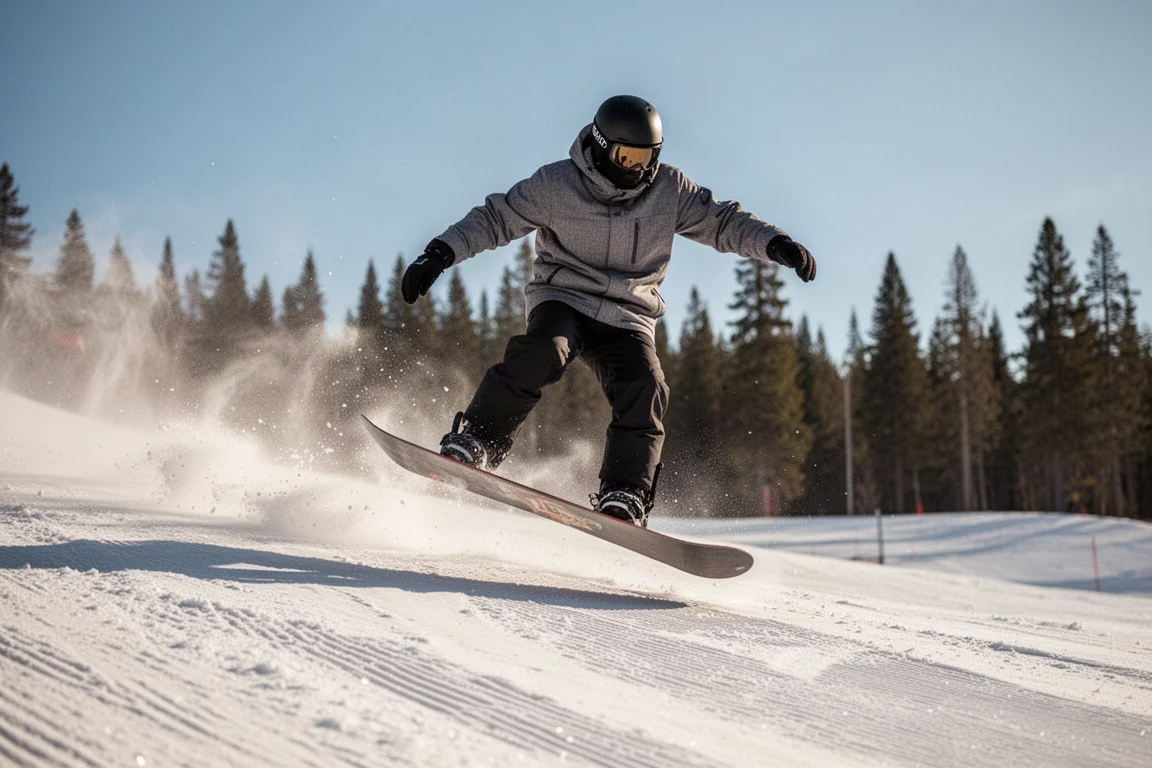
The tail is a different story. High-speed wheelies leave limited room to work with, though sitting on the back binding to get sideways on a groomer is possible, and the board will snap out of it. Pop off the tail is present rather than spectacular, which fits a board designed around control instead of airtime.
Things to consider before buying
Chatter in the nose is the most noticeable trade-off, even though it stops well before the front insert pack. Riders who want maximum snap from a freeride board may find the Why a touch restrained, since the pop gets the job done without being remarkable.
Because the design leans toward forgiveness, it is neither the stiffest nor the most aggressive option in its class, and it is not meant to be. Anyone chasing the hardest-charging, most demanding freeride feel should look at stiffer models.
Powder performance is solid rather than specialised. The board floats well in fresh snow, but it is not a dedicated powder shape, so the deepest days will still favour a board built specifically for that.
Buying advice
Binding pairing matters less than usual here. The Why works with a mid-range freeride binding, and setups such as the Now Pilot, the K2 Formula, and the Ride C8 all suit its flex. Riders cross-shopping should also look at the Rome Stalefish, the Ride Super Pig, and the K2 Instrument, which occupy similar territory.
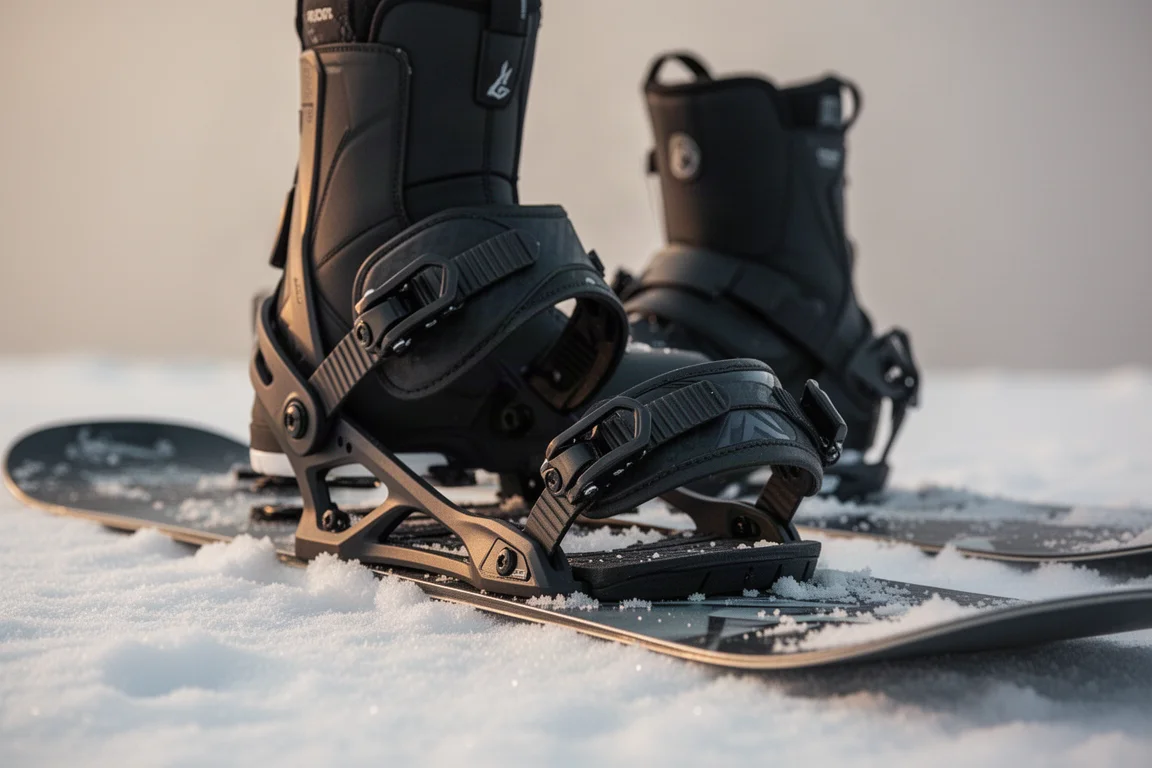
Length selection is straightforward given the four available sizes: 151, 154, 157, and 161. The set-back stance and directional flex favour a forward-facing, freeride-oriented setup, so riders who spend most of their time carving groomers and only occasionally ride switch will get the most from it.
For anyone who wants a single board for resort laps, freeride lines, and the occasional powder morning, the Why covers that range without demanding much effort. It is best treated as a versatile resort deck rather than a specialist park or deep-powder board.
Conclusion
The YES Why earns its place as a smooth, predictable freeride snowboard that is easy to load, easy to carve, and stable once the terrain gets rough. Its directional CamRock 242 profile delivers the snap of camber underfoot with the easier turn entry and added float that rocker sections provide, while the forgiving flex keeps the ride approachable.
The trade-offs are modest but real: some nose chatter, tail pop that is capable rather than thrilling, and a flex that deliberately stops short of the stiffest freeride builds. For the resort rider who carves hard, rides freeride terrain, and chases powder between groomer laps, that balance is exactly the point.
Product link
View more details for YES Why Snowboard
This product is mentioned in the review. Check the specifications, options, and compatibility before buying.
View more details for YES Why SnowboardFurther reading
Related Reviews

Snowboards
32 Middle Earth Scott Stevens Pro Model Snowboard Review: A Park Board With a Reversed Flex
A medium traditional camber park board with carbon V reinforcement that is stiffer in the tips and more playful between the feet. Here is how it rides and who it suits.

Snowboards
32 Snafu Review: A Directional All-Mountain Freestyle Board with Serious Pop
The 32 Snafu pairs a directional camber-rocker profile with a stiffening tail for powerful carves, big ollies, and a surprisingly damp ride.

Snowboards
32 XXX Pat Fava Pro Snowboard Review: A Stiff Camber Beast for Hard-Charging Riders
A full-width traditional camber deck that rewards aggression with stability and edge power, but demands effort everywhere else.