Snowboards
Yes Typo Review: An All-Mountain Freestyle Snowboard Built to Do It All
The Yes Typo pairs a 242 CamRock profile with a flex that sits just past middle-of-the-road, making it a genuinely versatile one-board option for riders who carve, jump, and press.
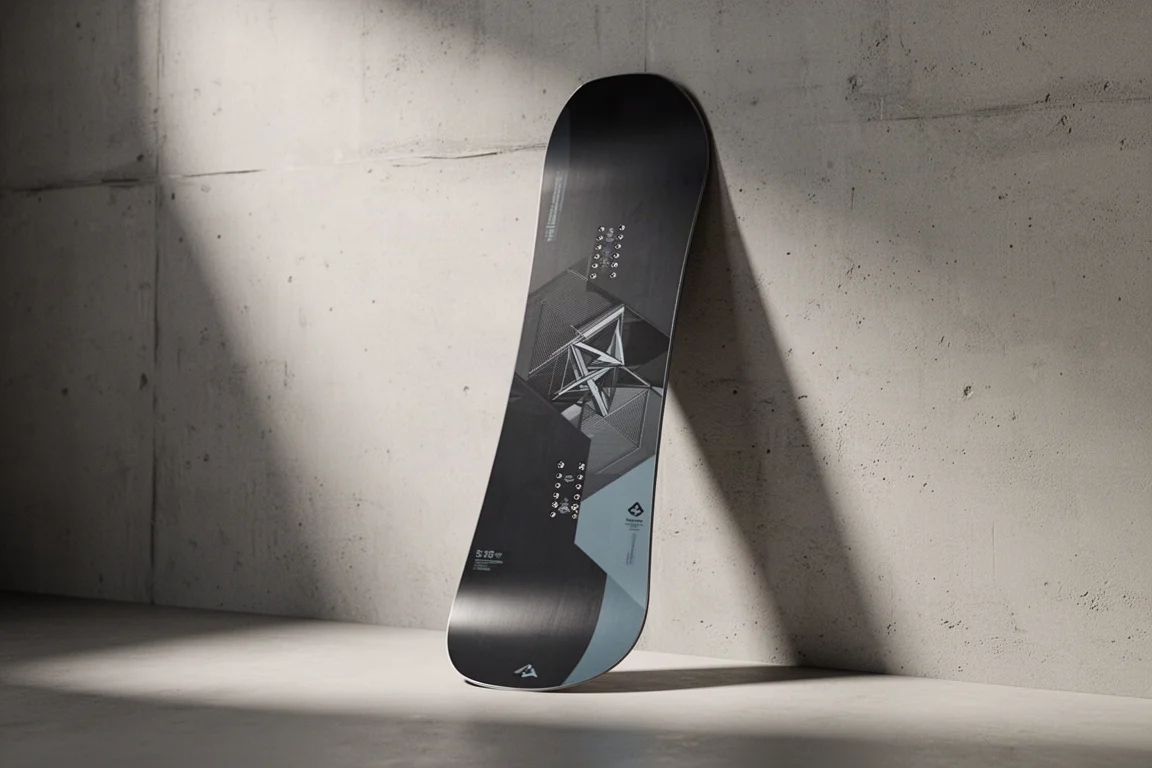
Introduction
The Yes Typo is an all-mountain freestyle snowboard built around the brand’s 242 CamRock profile, which pairs a more prevalent camber section with a mellower rocker in the nose and tail. The intent behind that combination is straightforward: keep the load and snap of traditional camber underfoot while making turns easier to enter and exit, and add more optimal float in powder.
It is offered in 149, 152, 155, 156 wide, 158, 159 wide, 161, and 163 wide.
Time on the Typo came in mid-season solid conditions: mostly bluebird weather, cooler temperatures, moderate winds at times, ice chunder, and frozen corduroy. That mix is a useful test bed for a board that claims to cover carving, jumps, and presses in a single package.
Who This Board Is For
This is a board for the all-mountain freestyle rider, and it makes its strongest case as a one-board quiver. If you can only own a single snowboard, the Typo is designed to rail turns when you want it to, stay stable where you need stability, and lean on the rocker in the nose and tail for powder float and a more playful feel where that helps.
The overall flex sits just past a middle-of-the-road all-mountain build. That translates to more play in the tips and a stiffer section through the middle. The nose is slightly softer than the tail, and the midsection carries a fair amount of torsional flex without ever feeling overwhelming.
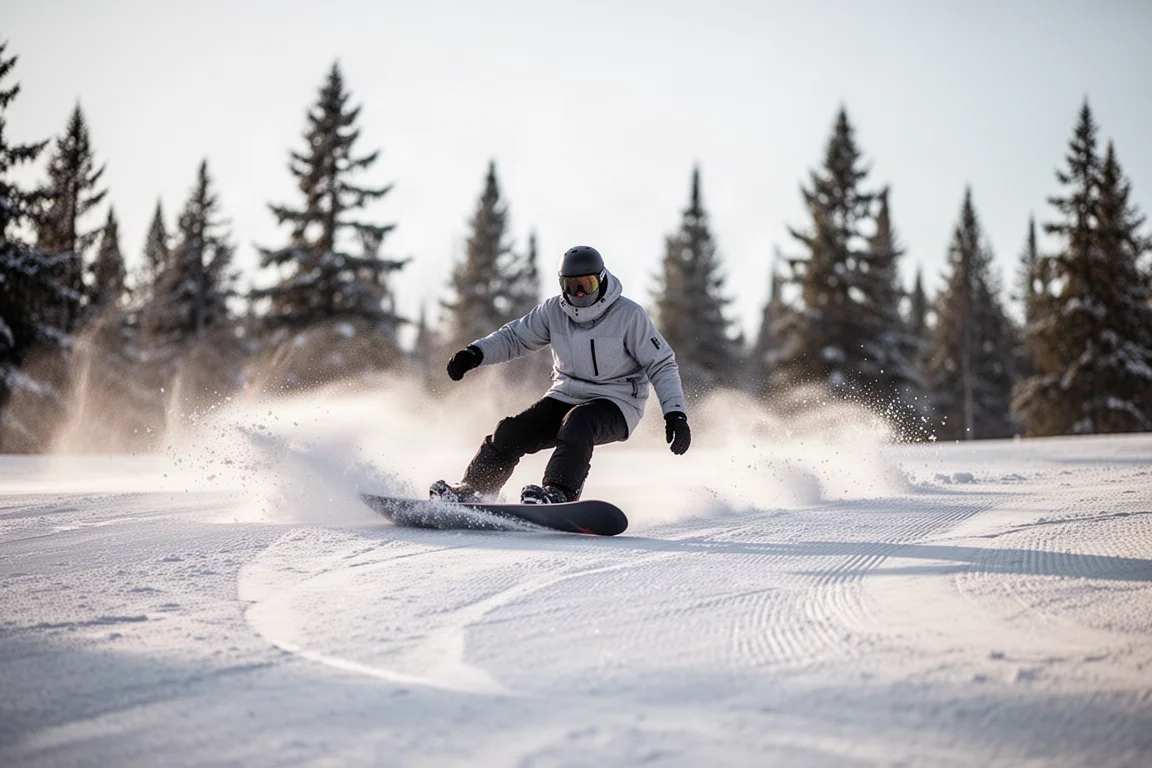
Riders who split their days between groomers, park laps, and the occasional powder morning will get the most out of it. Riders looking for a dedicated jib board or a purely freestyle feel should look elsewhere, because this board sits firmly on the all-mountain side of the all-mountain freestyle category.
Main Strengths
The Typo’s strengths cluster around three areas: predictable pop, intuitive carving, and enough tip and tail rocker to stay playful without giving up camber’s drive.
Pop, Jumps, and Playfulness
Loading the camber section engages the rocker, and that is where the board pops from. It does not need a full hard load on the camber to get it working; the engagement is mellower, but the snap out of the tail or the nose is decent. For an ollie or a nollie there is more than enough pop to get the job done. You feel it engage, snap off a roller or a side hit, and carry on.
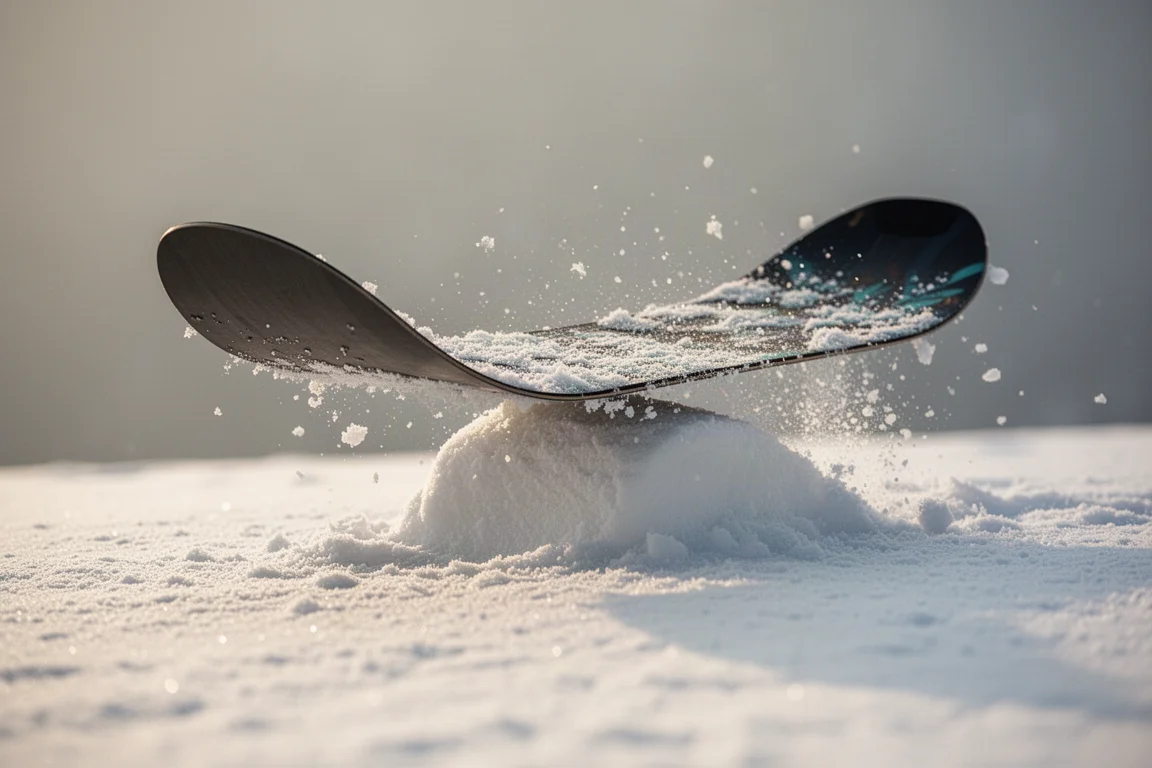
Over jumps, small through large, the Typo has you covered. There is more than enough snap in reserve, and the response is predictable: it pops off the lip with ease and you know what you are going to get. That reliability matters more than raw aggression on a board meant to cover this much ground.
Carving and Edge-to-Edge Feel
Carving is where the board feels quick and nimble. Edge-to-edge transmission is smooth, and flowing from toe to heel feels intuitive rather than something you have to actively think about. There is an underbite right at the contact points, which adds grip underfoot and lets you ankle steer with a mellower input.
When you want to be aggressive, you drive the board from inside the back foot, which loads the camber and pushes power through the tail to slingshot you out of the turn. Short, tight, quick turns and medium, mellow, drawn-out carves are the strong suits. Lay it over and the underbite grip lets you wrench it from the center back and lay a clean trench.
Buttering and Jibbing
The 242 CamRock profile puts rocker in the tip and tail, so you can get your weight out over the ends and press into them. The nose engages more easily than the tail. On the tail you end up sitting further back and pushing harder to get sideways. There is some fight in it because of the camber underfoot, so expect the board to pop out when you are trying to butter around. Getting your weight way out toward the tips is the key.
Jibbing asks for a little speed and a little muscle. The nose locks in easily when you press into it, then the camber takes over and gives you pop off the end. The tail demands more effort: you sit on it, bend your knee, and manhandle it into the position you want before it pops out. Going sideways, you need to get the board underfoot just right in the camber section so it locks in. Even then it feels more like a teeter-totter than a cradle, and while the stiffer flex means it will not clap out on you, you are doing a balance act. This is not a jibstick, and jibbing is not its strong suit.
Things to Consider Before Buying
The trade-offs are worth knowing before you commit, and most of them trace back to the same camber and rocker combination that gives the board its pop and its float.
None of these are deal-breakers for the right rider. They are simply the cost of a board that tries to cover a lot of ground in one shape, and understanding them up front makes it easier to judge whether the Typo fits how you actually ride.
High-Speed Chatter and Rutted Terrain
At high speeds there is some chatter in the nose and tail. Part of that comes from the flex pattern and part from the cam rocker profile, since the rocker section gets a little fluttery. It does not fully resonate back underfoot, but you do feel some of it. In really rutted-out terrain the board can get knocked around, so keep your knees bent and stay aware of the surface you are on.
Pressing and Locking In
The camber underfoot is what makes the Typo feel planted and drivey, but it also means the board resists being muscled into press positions. The nose is friendlier than the tail, and the tail rewards a deliberate, committed technique rather than a casual lean. If you expect a soft, forgiving press, this is not that board.
Buying Advice
If you are shopping for one board that can handle groomers, jumps, and the occasional powder day, the Typo is a solid pick. It rails turns when you need it to, it is stable where you want stability, and the rocker in the nose and tail helps with powder float while keeping the ride playful where it counts.
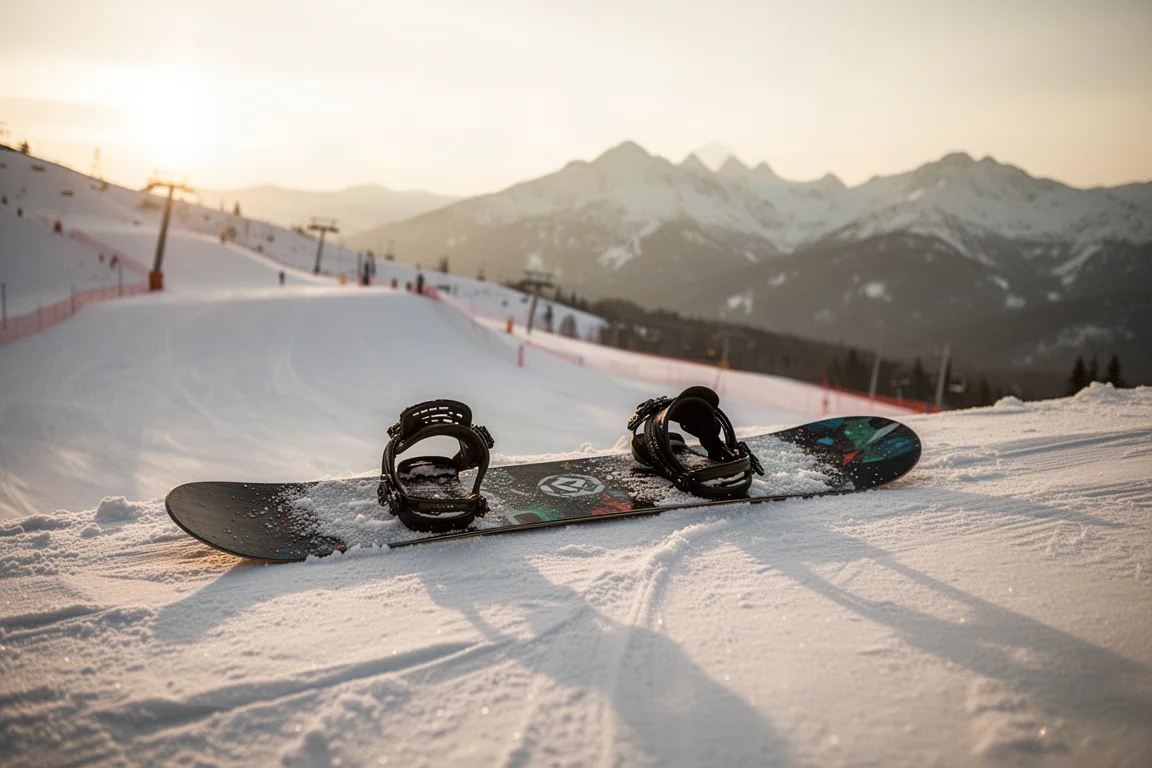
If you are cross-shopping, comparable all-mountain freestyle boards include the Capita Mercury and the Rome National. Bindings that suit this style of riding include the Now Select Pro, the Union Force, and the Ride C8. As a reference build, the Typo has been ridden with Rome Black Label bindings and K2 Thraxis boots.
Conclusion
The Yes Typo is a versatile all-mountain freestyle snowboard that rewards riders who want one deck for the whole mountain. Its 242 CamRock profile delivers camber drive with rocker ease, the flex sits just past middle-of-the-road, and the pop is predictable across small, medium, and large jumps. Go in knowing about the high-speed chatter in the tips and the effort required to press and jib, and it is an easy board to build a season around.
Product link
View more details for YES Typo
This product is mentioned in the review. Check the specifications, options, and compatibility before buying.
View more details for YES TypoFurther reading
Related Reviews

Snowboards
32 Middle Earth Scott Stevens Pro Model Snowboard Review: A Park Board With a Reversed Flex
A medium traditional camber park board with carbon V reinforcement that is stiffer in the tips and more playful between the feet. Here is how it rides and who it suits.

Snowboards
32 Snafu Review: A Directional All-Mountain Freestyle Board with Serious Pop
The 32 Snafu pairs a directional camber-rocker profile with a stiffening tail for powerful carves, big ollies, and a surprisingly damp ride.

Snowboards
32 XXX Pat Fava Pro Snowboard Review: A Stiff Camber Beast for Hard-Charging Riders
A full-width traditional camber deck that rewards aggression with stability and edge power, but demands effort everywhere else.