Snowboards
Yes Standard UnInc Snowboard Review: Traditional Camber for All-Mountain Freestyle
A camber-forward all-mountain freestyle snowboard with strong pop, a wider platform, and a clear sweet spot at the contact points for butters and presses.
Introduction
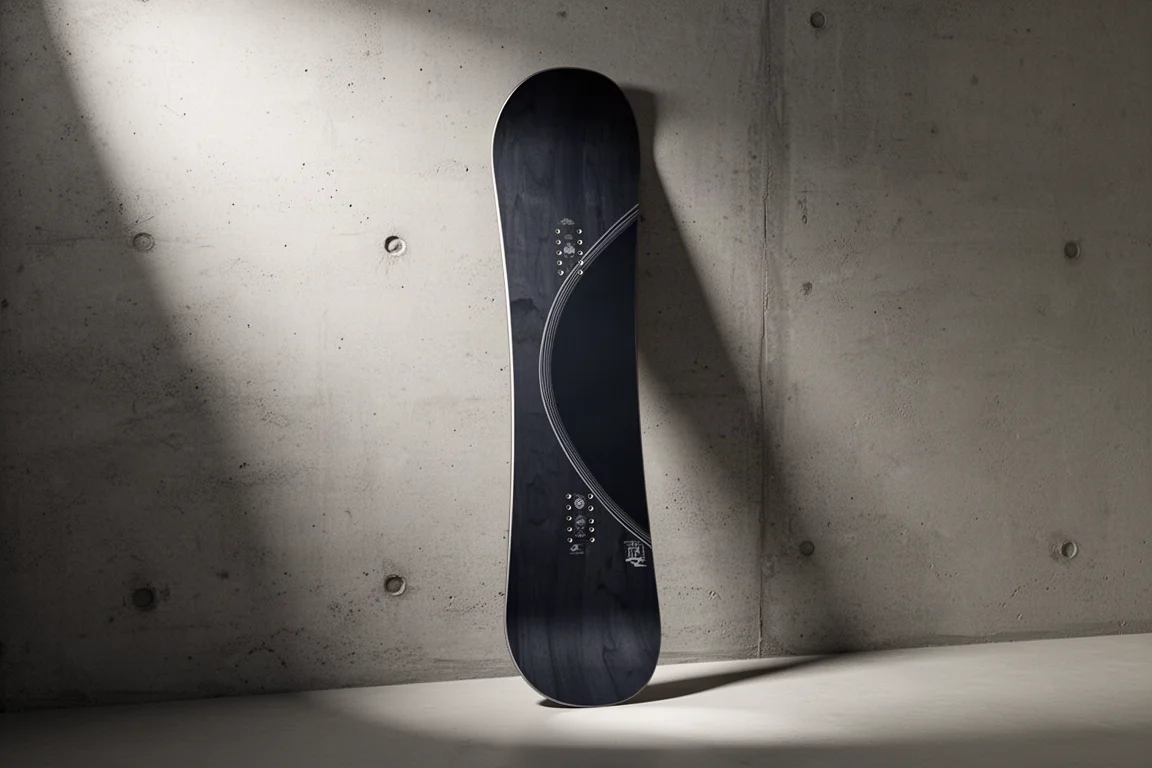
The Yes Standard UnInc takes the familiar Standard shape and pushes it toward a camber-first, all-mountain freestyle personality. From contact point to contact point, it runs a full arc of traditional camber, and that single design decision shapes almost everything the board does. You get rebound, load, pop, snap, and drive, delivered with the directness that a classic camber profile is known for.
It is offered in 153, 156, 159, and 162 centimetres. Ride testing took place at Copper Mountain on a sunny bluebird day with a couple of inches of light blown snow that warmed as the day went on, turning into chopped chunder crust and general spring-like conditions.
Who This Snowboard Is For
This board is aimed squarely at the camber-loving all-mountain freestyle rider. If your idea of a good day mixes jumps, butters, presses, and aggressive carving on the same run, the Standard UnInc is built around exactly that routine. It is not a dedicated park jib deck and it is not a pure freeride plank, but it handles a wide spread of terrain without feeling like a compromise in any one direction.
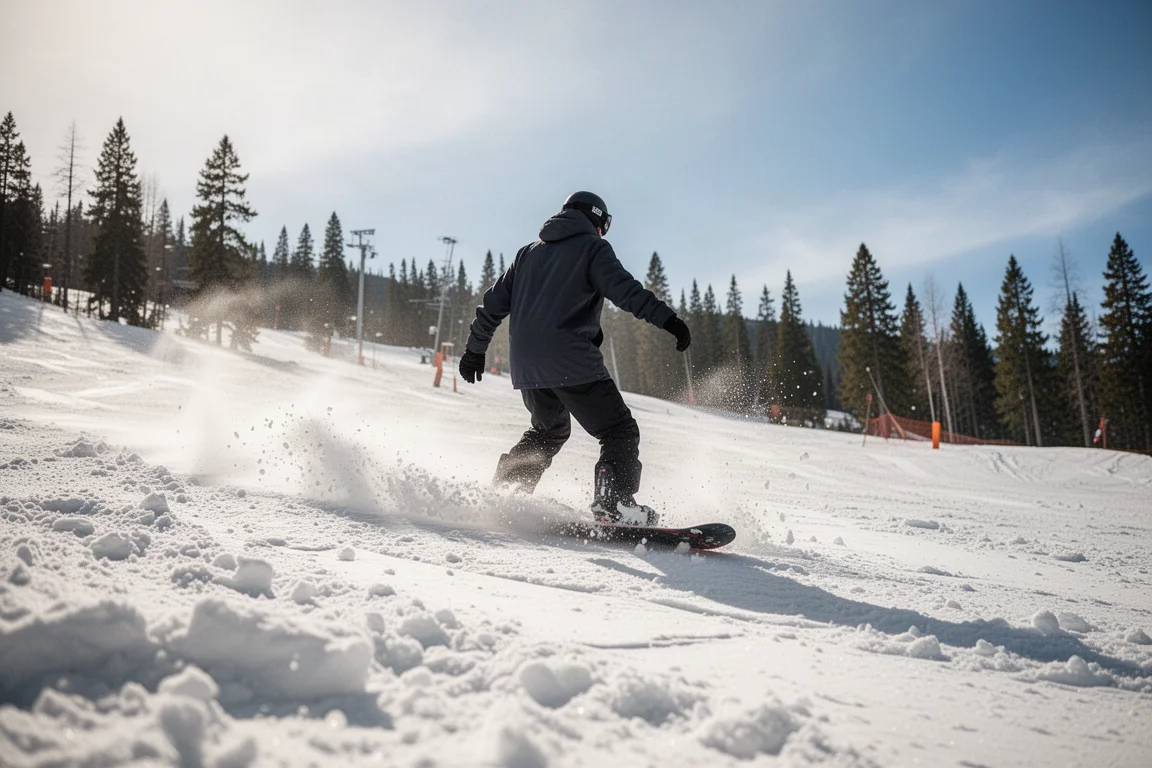
Riders who already like the feel of traditional camber will recognise the ride immediately. The board rewards deliberate input, so it suits someone who wants to load the tail, feel the snap come back, and use that energy rather than simply coast. Anyone who prefers a loose, surfy, low-effort feel may find it more assertive than they want.
Camber-Driven Pop and Rebound
Traditional camber gives the Standard UnInc its snap, and the board does want to pop. Loading it takes a little more effort and a slightly more aggressive approach, because the tail is genuinely reactive. Push downward weight into the tail to roll it back and release off the contact point, and the amount of rebound that comes back is noticeable. Go faster and the board goes further and higher. Go slower and it pops straight up. Either way, it wants to boost.
That same trait carries into presses. The sweet spot sits out at the contact points, so you have to get your weight well outside the bindings and really press into it. When you do, the board locks in, holds the press for as long as you are comfortable, and then rebounds you back up. It is a rewarding loop once you find the timing.
Stability and Rough-Terrain Performance
Stability comes from three things working together: the flex pattern, the width, and the camber profile, all of which help dissipate kinetic energy. There is a small amount of chatter out at the nose, but most of it is gone by the time it reaches the front foot, and through the centre the board feels smooth. When you are just cruising, you barely feel anything underfoot.
In rough, ruddered terrain the board does one of two things. It either crushes straight through the chop or it climbs on top of it and keeps going. That predictability is a big part of why it works as an all-mountain board rather than a fair-weather park deck.
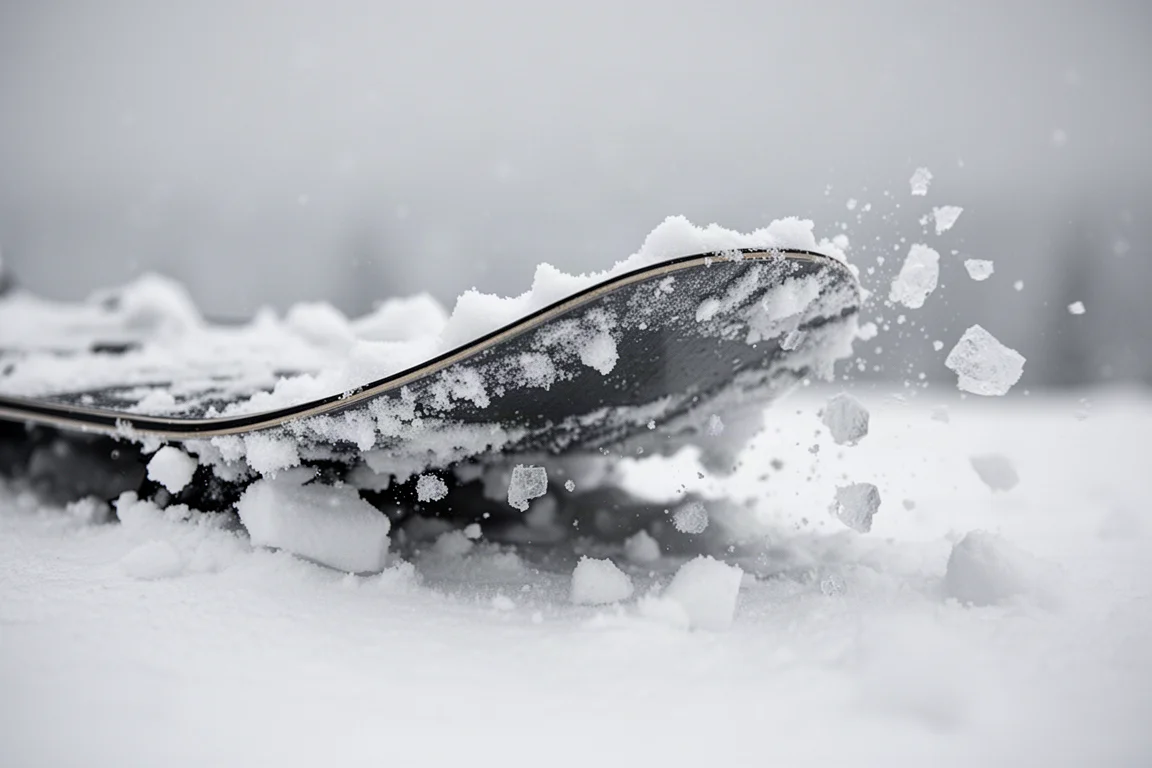
The overall flex sits just a hair past the middle of the road, so it leans slightly to the stiffer side without becoming unmanageable. The tips are softer at the contact points, progressively stiffen through the middle, and then there is a flex point dead centre where the board softens again. That is tied to the torsional flex, and you can genuinely twist this board. The twist is there, but it comes with solid rebound, so it never feels like the board refuses to snap back.
Jumps, Butters, and Jibs
On jumps, the Standard UnInc is completely at home, and size does not matter much. Small, medium, or large, it wants to get in the air. The wider platform sets down better and locks in, which makes for a more stable landing and a more confident takeoff.
Buttering plays to the same contact-point sweet spot described above. Get your weight outside the bindings, press in, and the board holds the press securely before rebounding you upright.
Jibbing is where this would not be a first choice. It takes speed and a bit of muscle to make it work, and you still have to engage that same sweet spot. When you do, the board holds, but the camber means it actively wants to rebound and snap out of the feature, which delivers a monster pop off anything you jib. Pressed sideways, the camber slightly hugs the feature without clapping out or turning into a balance-board act, though it stays a little more assertive than a dedicated jib board would be.
Edge-to-Edge Performance and Carving
Edge-to-edge transmission is smooth, fluid, and powerful. The transition from toe to heel rolls in and out however you ask it to, and you never really have to worry about it. Steering can be lazy, using minimal ankle movement, or you can crank it hard. Drive your knee into the centre, push the camber down, and the tail delivers all of that stored power before popping you back into a standing position.
On edge, the board feels locked in, and you can lay it over aggressively or keep things mellow. Short tight quick carves, medium mellow carves, and deep hero carves are all covered. One thing worth flagging: on deep heelside carves the board occasionally kicked out, roughly two turns out of a hundred. It is not a consistent behaviour, and it showed up mainly when sitting hard on the heel edge with the knee driven forward. For the vast majority of turns, the edge hold is solid.
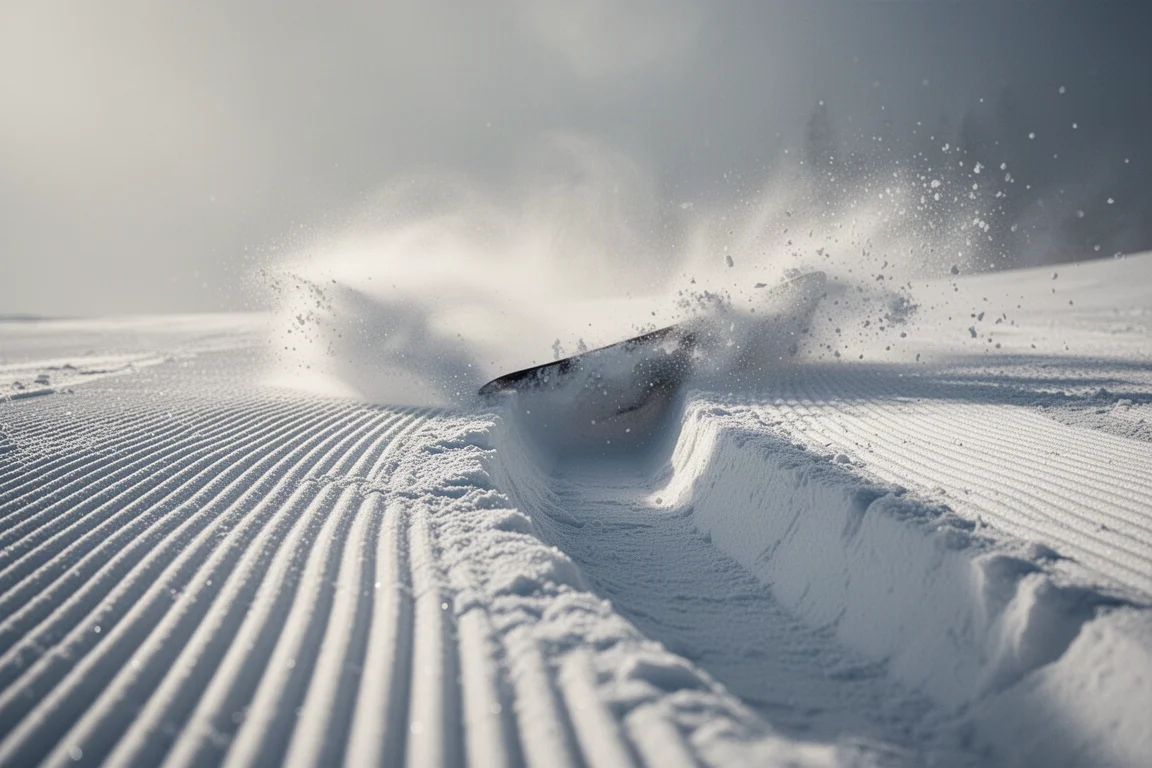
The low-effort steering is one of the nicer surprises here, because a camber board is not always this easy to guide at low input. Being able to choose between lazy and aggressive on the same run is what makes the board feel versatile rather than demanding.
Things to Consider Before Buying
The main thing to understand is that this board asks for input. It is slightly stiffer than middle of the road, and it rewards riders who load it deliberately rather than those who want the board to do the work for them. The pop and rebound are the payoff, but they come from a more aggressive press and release cycle.
The occasional heelside kick-out is worth knowing about, even though it appeared rarely and only under specific, hard-driven heel edge pressure. Riders who spend most of their time on deep, locked-in heelside carves should factor that in.
Finally, if jibbing is the core of your riding, this is not the board to build a quiver around. It will handle features, but the camber profile makes it want to snap out of them rather than sit and balance.
Buying Advice
The Standard UnInc pairs well with a stiffer binding setup, and the pairings worth looking at are the Now Select Pro, the Union Atlas Pro, and the Nitro Team Pro. Comparable boards in the same all-mountain freestyle space include the Capita Mega Merc, the Ride Benchwarmer, and the Nitro Team Pro. With sizes running from 153 to 162, riders at the lighter and heavier ends of the range both have an option, so match length to your weight and to how much float you want on softer days rather than to the terrain you ride most.
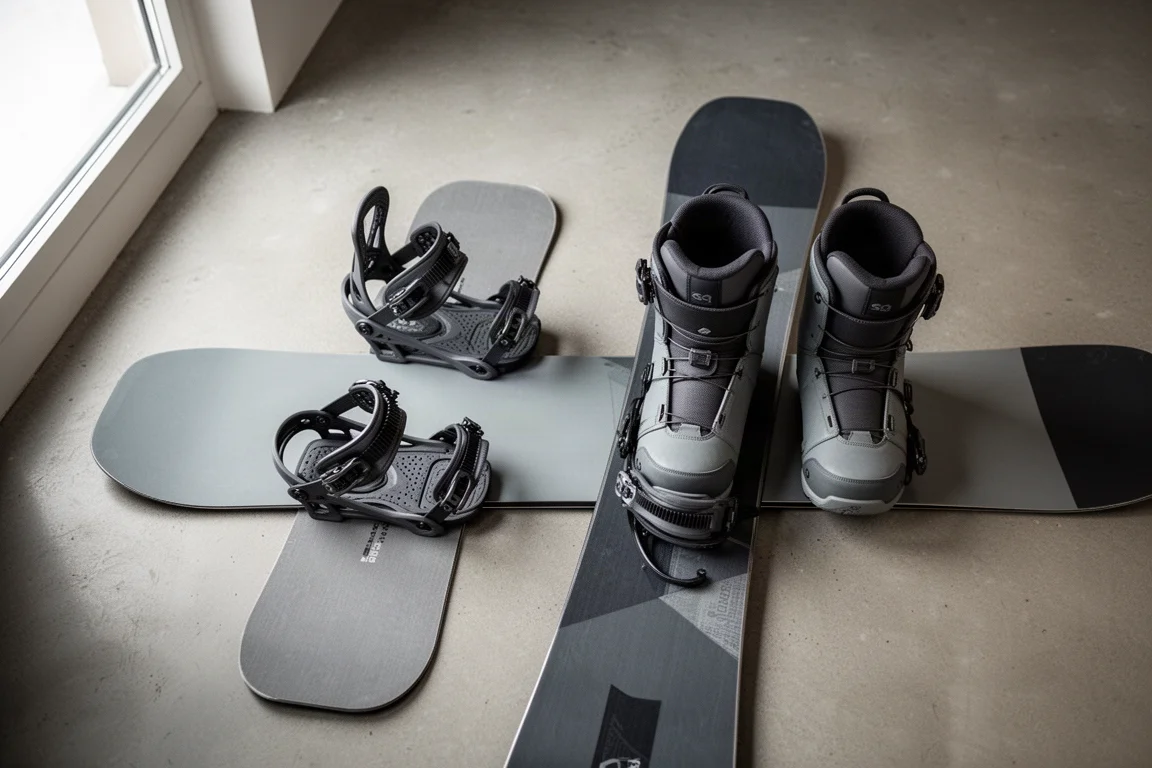
If you are deciding between this and a more forgiving hybrid profile, the question to ask is simple: do you want the board to generate energy for you, or do you want to generate it yourself and feel it come back? The Standard UnInc sits firmly in the second camp, and for riders who enjoy that exchange it is a genuinely fun board across the whole mountain.
Conclusion
The Yes Standard UnInc delivers power, precision, and play in one package, with traditional camber supplying the load and snap, a wider platform adding landing stability, and a contact-point sweet spot making butters and presses rewarding. It is best suited to the camber-loving all-mountain freestyle rider who wants a board that can rail a turn when needed and still enjoy the jump line on the way down. Understand the input it asks for and the occasional heelside quirk, and it is an easy board to feel confident about.
Product link
View more details for Yes Standard UnInc Snowboard
This product is mentioned in the review. Check the specifications, options, and compatibility before buying.
View more details for Yes Standard UnInc SnowboardFurther reading
Related Reviews

Snowboards
32 Middle Earth Scott Stevens Pro Model Snowboard Review: A Park Board With a Reversed Flex
A medium traditional camber park board with carbon V reinforcement that is stiffer in the tips and more playful between the feet. Here is how it rides and who it suits.

Snowboards
32 Snafu Review: A Directional All-Mountain Freestyle Board with Serious Pop
The 32 Snafu pairs a directional camber-rocker profile with a stiffening tail for powerful carves, big ollies, and a surprisingly damp ride.

Snowboards
32 XXX Pat Fava Pro Snowboard Review: A Stiff Camber Beast for Hard-Charging Riders
A full-width traditional camber deck that rewards aggression with stability and edge power, but demands effort everywhere else.