Snowboards
Yes Standard Extreme Review: One Board for Everything
A stiffer-than-mid flex all-mountain snowboard with Midcamber profile, big pop, and a tail that catches backseat landings. Here is what to know before buying.
Introduction
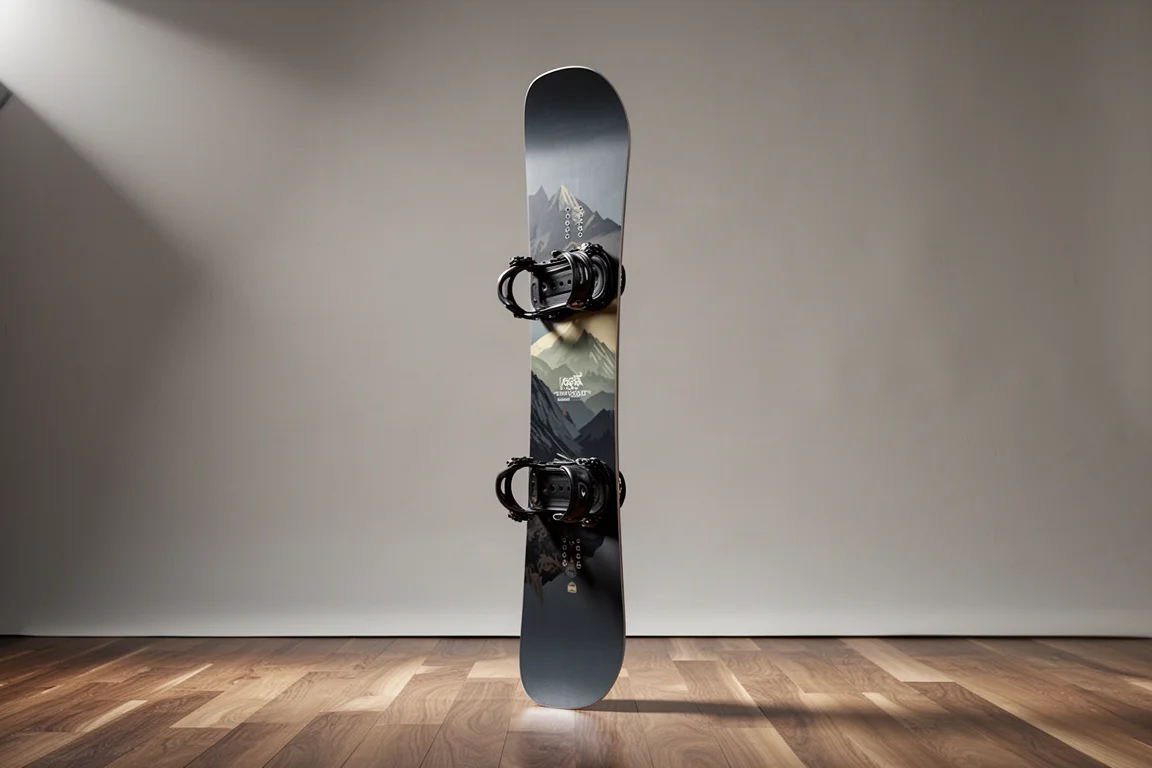
The Yes Standard Extreme is aimed at advanced riders who want a single board that can handle everything: powder, park, jibs, and hard carving. After a full day riding it on soft spring snow at Copper Mountain, it comes across as one of the most complete daily-driver boards of the season. It is stiffer than the middle of the road, but not punishing, and it rewards confidence rather than demanding perfection.
The Midcamber Profile
The board uses YES’s Midcamber profile: a medium-sized camber between your feet that mellows out toward the nose and tail. In practice, that gives you plenty of pop, stability, and drive, while making the board noticeably easier to get up in fresh snow and smoother getting in and out of turns.
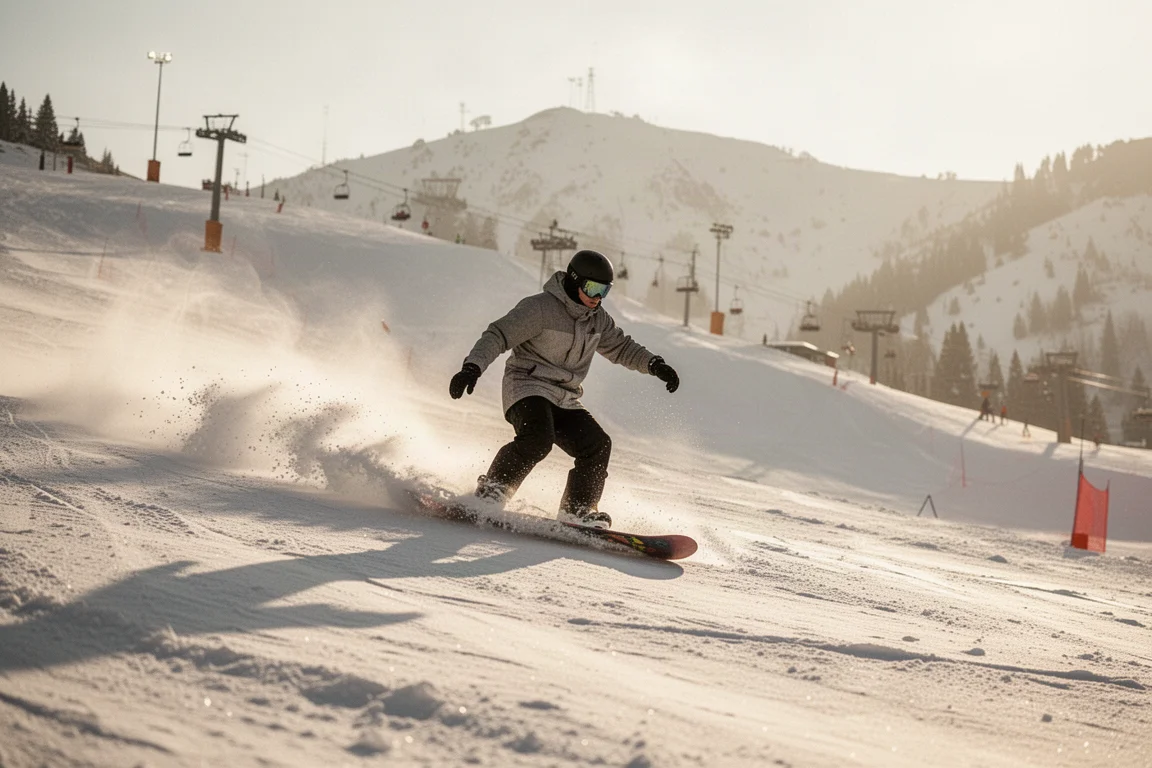
The result is a profile that feels traditional when you charge hard, but forgives you when conditions get sloppy. On a warm, soft-snow day it stayed fast from morning until late afternoon without ever feeling like it was fighting the terrain.
Flex and Ride Feel
Overall flex sits stiffer than the middle of the road, with the stiffest section right between your feet. The nose and tail do get softer, though not to the point of feeling like noodles, and the torsional flex matches that center stiffness. You will have to work a little harder to foot-steer it, but it remains fully foot steerable.
This year’s version also feels like the mid-bite has been mellowed out compared to earlier impressions. When charging through wetter snow, the board did not feel like it was trying to drag or catch. In terms of damp versus lively, it leans damp with lively tendencies. Riding over firmer snow in shaded areas, you can feel the change in terrain, but it does not send harsh vibrations up through your knees or hips.
Pop, Stability, and Jump-Line Confidence
Where this board genuinely stands out is the jump line. The tail is wide, giving you a huge load-up zone and a huge surface area, and it returns everything you put into it. Load it up, let go, and the spring on this board is no joke.
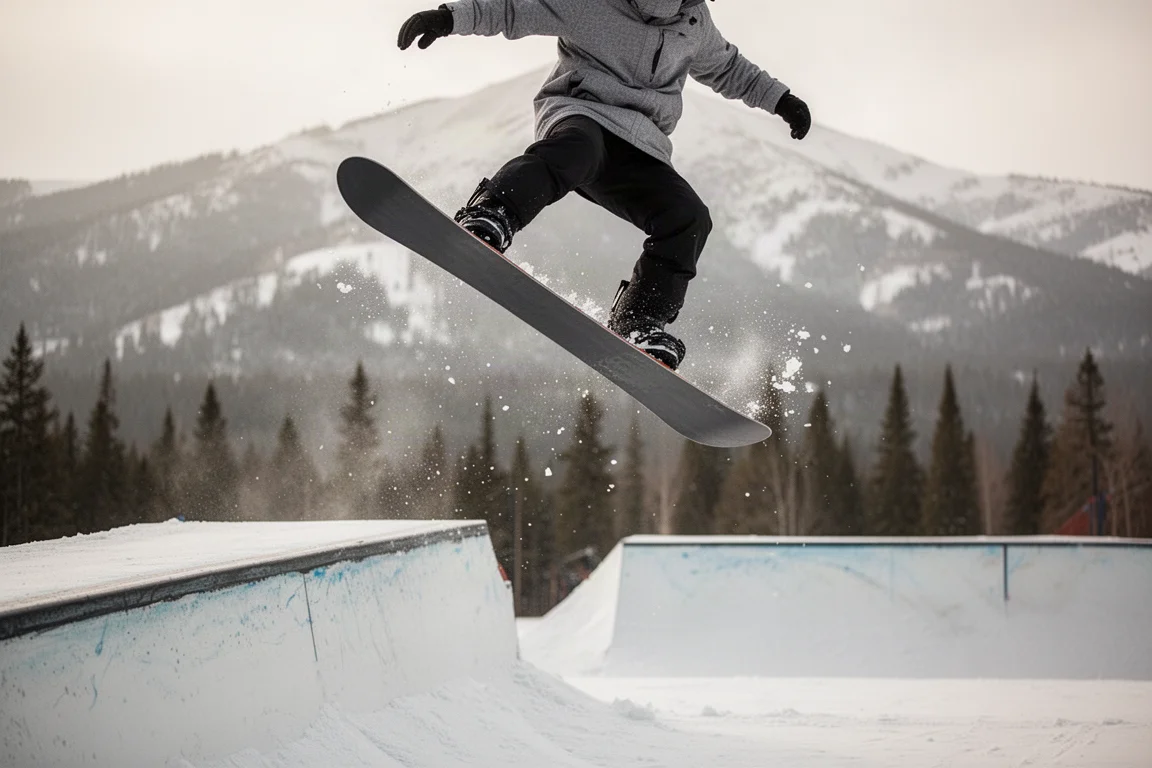
On icier side hits in the shade, other riders were struggling to hold their edge. On this board there was zero issue: hold the edge, pop, and trust everything under you. Backseat landings that would normally spell disaster were simply caught by that wide tail and put right back to bolts. On softer lips, the sheer width gave a stable platform to pop, spin, and stomp landings without issue. It is one of the most confidence-building jump boards tested all season.
Jibbing and Buttering
You might expect a board this jump-focused to sacrifice on jibbing and buttering, and you would be partly right. But the mellowed nose and tail sections make locking in presses easier than the flex numbers suggest. The giant nose and tail give you a big platform to work with when buttering sideways, and there is loads of pop for spinning out of a press.
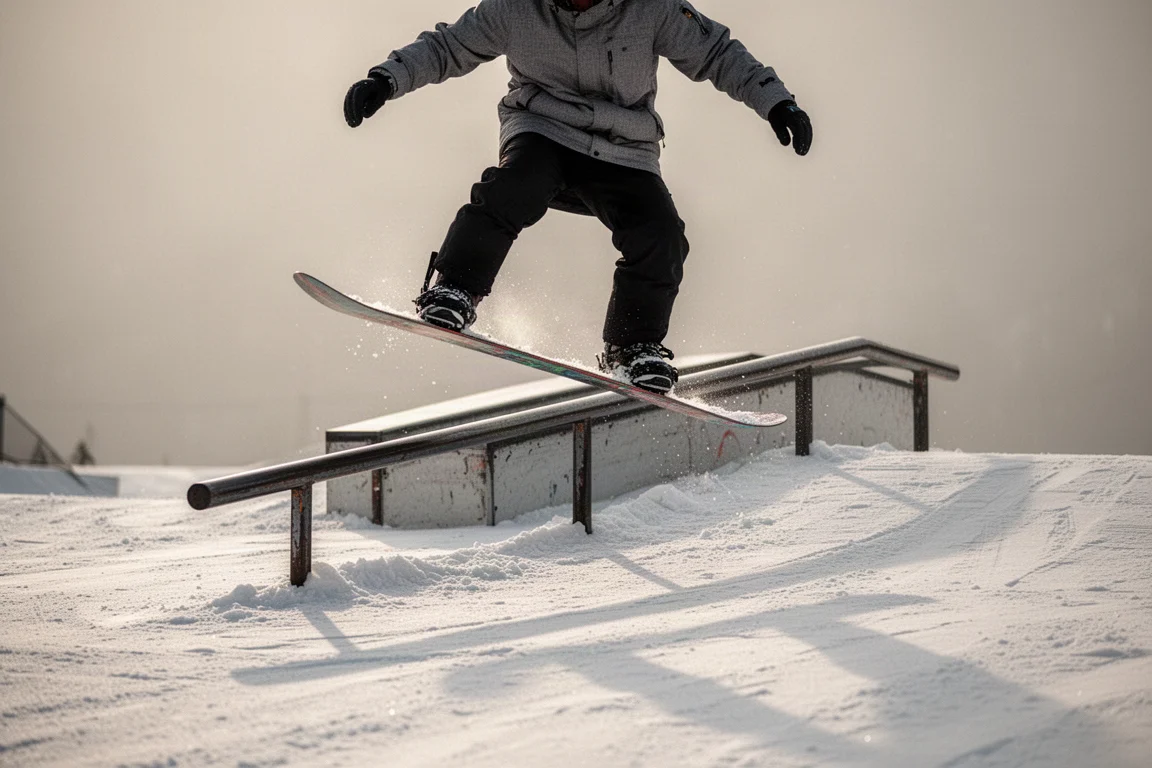
Jibbing was also better than expected. On rails, the board did not load up and try to buck you off sideways, and the mellowed mid-bite no longer seemed to engage and catch on the feature. The wider platform makes it easier to get the board under your foot and hold it there. Tail presses on rails do take a bit more effort than buttering, but coming in with a little more speed solves that.
Carving and Edge Hold
This board will hit any carve, and it excels at medium and larger arcs. The edge feels built for speed and holds aggressive carves well. Short, quick carves are good too, just with a fraction of a second more to get over edge to edge when you first commit.
On Euro carves over changing snow, going from soft back onto firm or ice, the edge simply digs in and holds. Riding the upper mountain on firmer morning snow, the board handled everything thrown at it. The slight extra width does not make it a slow edge-to-edge rider, so do not let that put you off.
Who This Board Is For
The Standard Extreme is made for the advanced rider who wants one board to do everything: a pow board, a park board, and a daily driver that does not require swapping boards when conditions change through the day. There is even a set-back powder stance if you want to go extreme and ride the deepest days alongside dedicated powder boards.
Things to Consider Before Buying
The stiffer-than-middle flex means you have to put in a bit more work to foot-steer it, so it is not the best pick for beginners or riders who want a soft, playful cruiser. Tail presses on rails take more effort than on a dedicated jib board. And if you only ever ride short, quick carves, the fraction of a second slower edge transition is worth thinking about.
Buying Advice
If you are replacing a daily driver and you do not like swapping boards out for changing conditions, this board earns a strong recommendation. It was one of the favorite boards of the season precisely because it does everything and does it well. Comparable boards worth looking at are the Jones Mountain Twin Pro, the Rome Stala Cruiser, and the Nitro Team Pro. For bindings, the recommended pairings are the Yes Airmaster Extreme, the Jones Mercury, and the Rome Katana Phase, with a Skate Tech binding being a particularly good match for this deck and your riding style.
Conclusion
The Yes Standard Extreme is a genuinely fun, confidence-building all-mountain board. It charges through most conditions, holds an edge on ice, launches and catches on the jump line, and surprises on rails. For the advanced rider after one board that answers every call, it should be near the top of your shortlist.
Product link
View more details for Yes Standard Extreme
This product is mentioned in the review. Check the specifications, options, and compatibility before buying.
View more details for Yes Standard ExtremeFurther reading
Related Reviews

Snowboards
32 Middle Earth Scott Stevens Pro Model Snowboard Review: A Park Board With a Reversed Flex
A medium traditional camber park board with carbon V reinforcement that is stiffer in the tips and more playful between the feet. Here is how it rides and who it suits.

Snowboards
32 Snafu Review: A Directional All-Mountain Freestyle Board with Serious Pop
The 32 Snafu pairs a directional camber-rocker profile with a stiffening tail for powerful carves, big ollies, and a surprisingly damp ride.

Snowboards
32 XXX Pat Fava Pro Snowboard Review: A Stiff Camber Beast for Hard-Charging Riders
A full-width traditional camber deck that rewards aggression with stability and edge power, but demands effort everywhere else.