Snowboards
Yes Pyzel Snowboard Review: Traditional Camber With Mixed Results
The Yes Pyzel brings classic camber and a firm flex, but its on-snow performance leaves plenty to be desired. Here is what to know before buying.
Introduction
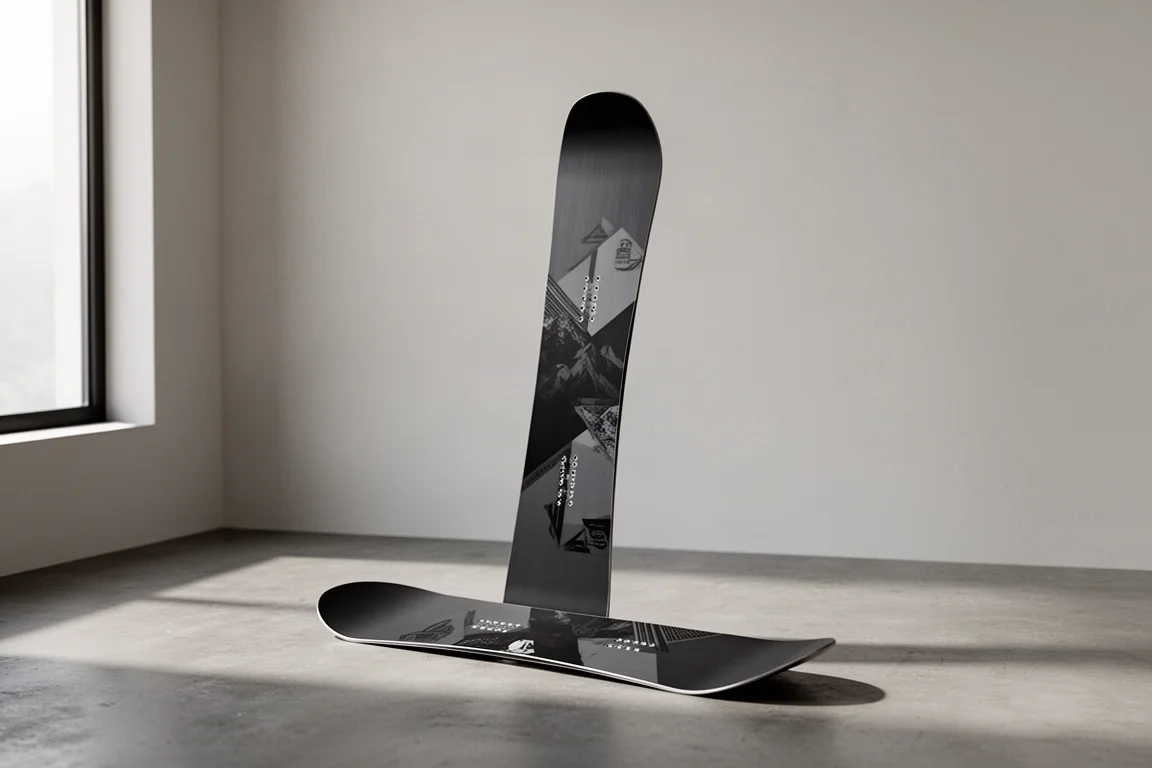
The Yes Pyzel is an all-mountain snowboard built around good old-fashioned traditional camber. From contact point to contact point, you get a full arc of camber, which in theory should deliver load, pop, snap, and drive out of the deck. In practice, this board turned out to be one of the more middling rides we have spent time on, and the gap between its spec sheet and its actual performance is worth understanding before you spend money.
On-Snow Testing Conditions
The Pyzel was ridden at Copper Mountain on a mostly bluebird day with 4 to 6 inches of light blower powder that turned heavier and chunkier as the day went on. The snow mix covered everything from chunder to perfect corduroy, which is a fair spread for judging an all-mountain deck. It was ridden with Rome Black Label bindings and K2 Maysis boots, a solid, supportive setup that gives the board every chance to perform.
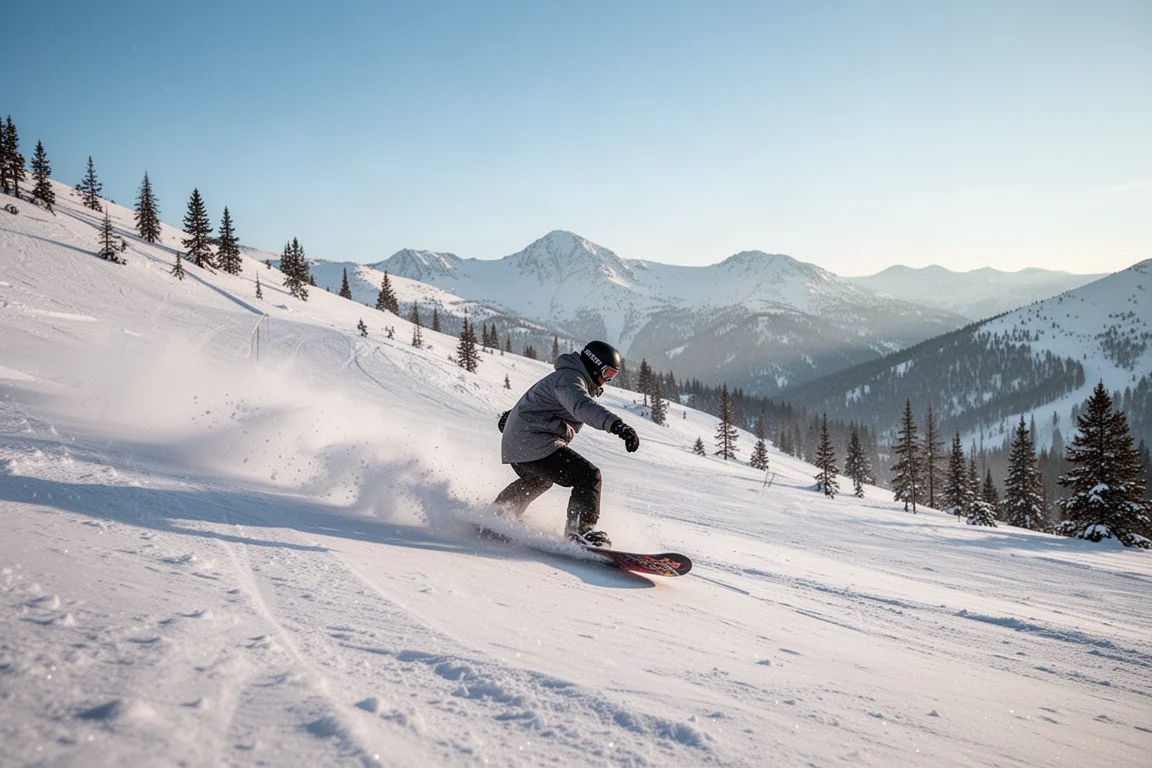
The board is available in sizes 148, 150, 154, 155 wide, 158, 160 wide, 162, and 164 wide, so there is a wide range of lengths and wide options for bigger-footed riders.
Flex, Dampness and Ride Feel
The overall flex sits just past the middle of the road. There is slightly more play in the tips than the midsection, but not enough to bring the board down to a true mid-flex. Torsional flex is present but not abundant, and it actually takes a fair bit of effort to twist this board.
The ride feel is where things get uncomfortable. This is not a damp board by any stretch of the imagination. You feel everything, and it all resonates back underfoot. Chatter in the tip translates straight into your feet. Bumpy terrain sends hammering up into your knees, ankles, and hips, and you take that pounding all day. Even on corduroy you feel every groove, including the zip as you cross it. If you like feeling everything your board does, this will appeal. If you ride all day, expect foot fatigue.
Pop, Buttering and Jibbing
You would think a stiffer board with traditional camber would deliver exceptional pop. It does not. You actually get less pop out of what you put into this board when you load it. It will do the job: you can send a side hit, ollie a cat track gap, and it throws you off the lip of a jump. But it is not fun, not predictable, and not consistent. It just does the job and nothing more.
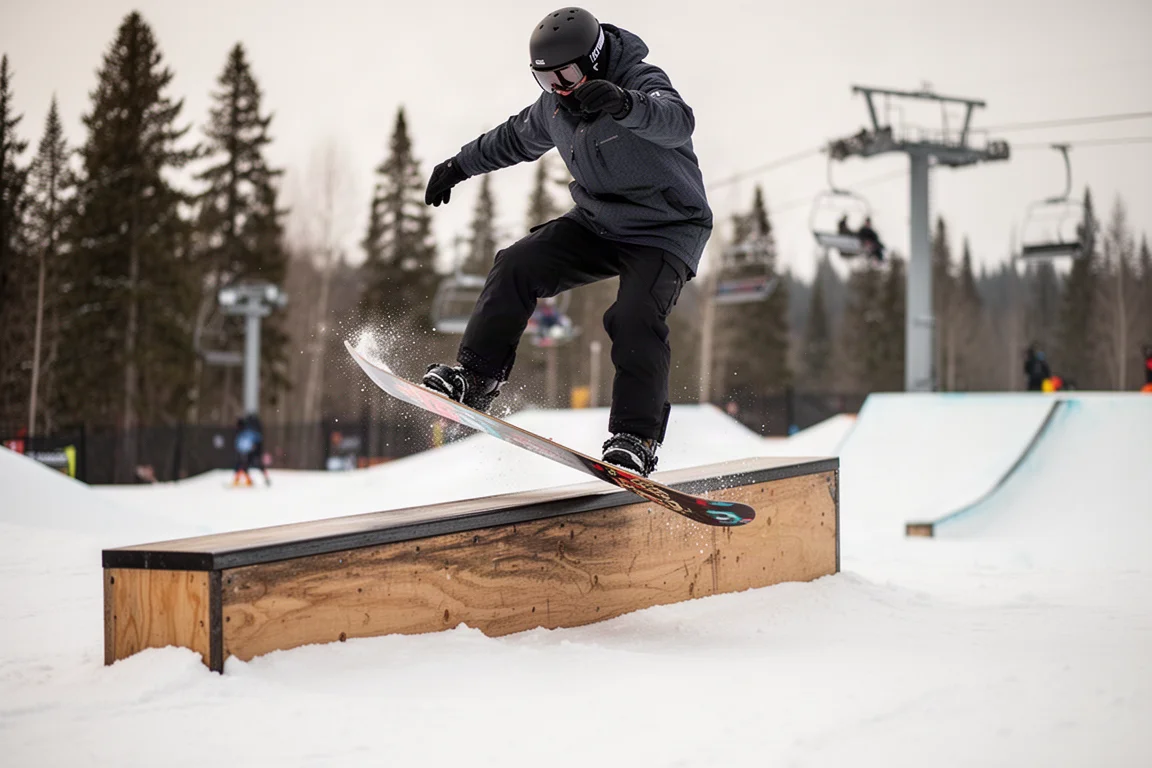
There is no sweet spot in the tips for buttering. When you press out at the contact points and put your weight in, the board fights you the whole time and wants to set back down. You need more speed and more muscle than you think to get very minimal results. The same holds true for jibbing: pressing on a feature, the board wants to set down, and going sideways there is only a tiny bit of give that cradles around the feature. It can handle a lap through the park and a rail, ledge, or tube if you must hit one, but it is not a board you will enjoy riding while you do it.
Edge Hold and Carving
Edge to edge, the Pyzel is sluggish. It is one of those decks that does not engage quickly. Once you are on edge, the tapered mid bite does genuinely grip, which is nice on firmer or icier snow, but it still leaves more to be desired.
Mild carves are not a strong suit either. When you lay this thing over, it tends to kick the tail out. It does not rip you through the carve and slingshot you out; it just gets over, then goes goodbye, and the tail washes out. It can handle carving, but it is a very mediocre deck on edge overall.
Who the Yes Pyzel Is Actually For
This is the awkward part. Even in powder, the ride was mediocre, and it takes real effort to make a snowboard subpar at riding powder. A twin tip can give you a great pow day; this board simply left too much on the table. Comparable boards worth considering in the same space include the Jones Flagship, the Ride Deep Fake, the Capita Mercury, the Nitro Select Pro, the Ride C8, and the Union Atlas.
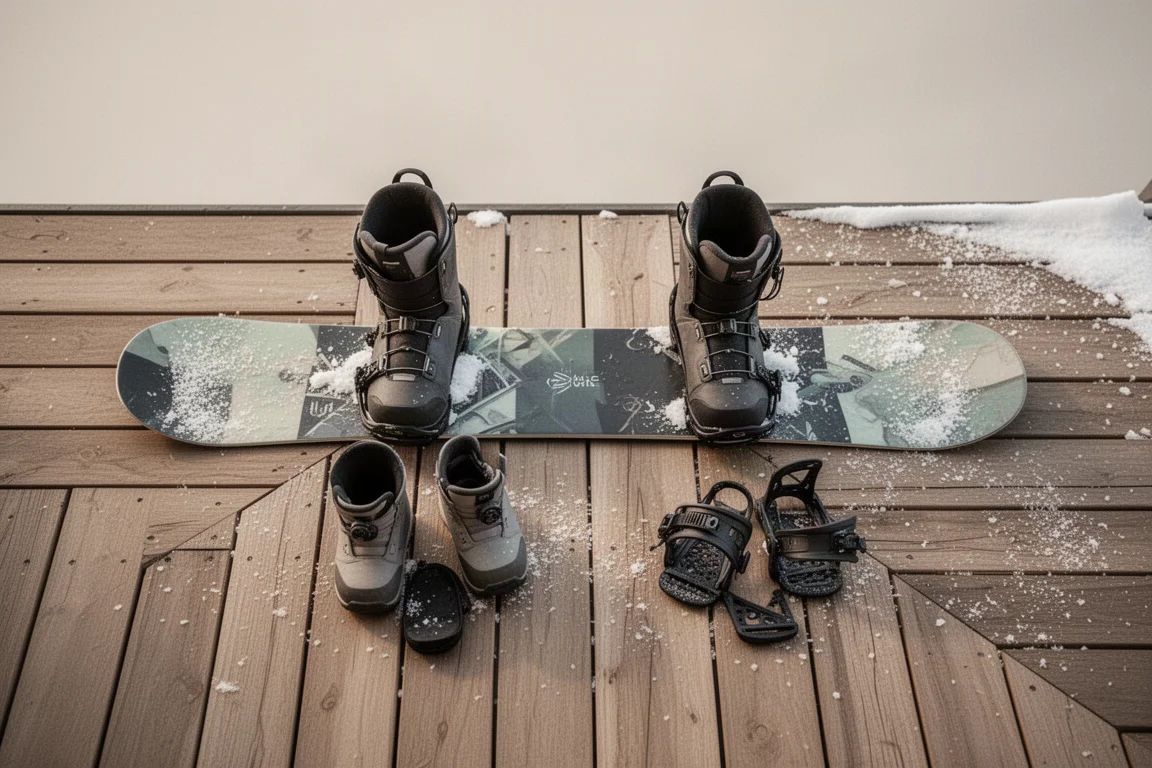
If you want a full camber deck with a firm-ish flex and you are not bothered by chatter, sluggish edge transitions, or muted pop, the Pyzel will get you down the mountain. It is a snowboard, and it does the job. It just does not do anything well enough to stand out, and Yes has clearly better boards in its own lineup.
Conclusion
The Yes Pyzel pairs traditional camber and a slightly stiffer than mid flex with a ride that is mediocre across the board: mediocre pop, mediocre edge hold, mediocre dampness, and mediocre float. If it matches a very specific taste for a raw, chatter-heavy camber feel, it can work. Most riders will find better value and better performance elsewhere in Yes’s lineup or among the comparable boards listed above.
Product link
View more details for Yes Pyzel Snowboard
This product is mentioned in the review. Check the specifications, options, and compatibility before buying.
View more details for Yes Pyzel SnowboardFurther reading
Related Reviews

Snowboards
32 Middle Earth Scott Stevens Pro Model Snowboard Review: A Park Board With a Reversed Flex
A medium traditional camber park board with carbon V reinforcement that is stiffer in the tips and more playful between the feet. Here is how it rides and who it suits.

Snowboards
32 Snafu Review: A Directional All-Mountain Freestyle Board with Serious Pop
The 32 Snafu pairs a directional camber-rocker profile with a stiffening tail for powerful carves, big ollies, and a surprisingly damp ride.

Snowboards
32 XXX Pat Fava Pro Snowboard Review: A Stiff Camber Beast for Hard-Charging Riders
A full-width traditional camber deck that rewards aggression with stability and edge power, but demands effort everywhere else.