Snowboards
Yes Optimistic Review: A Stiff Directional Camber Board Built for Carving
A traditional camber freeride board with a directional flex, underbite edge grip, and a carve-first personality. Here's how it rides and who should buy it.
Introduction
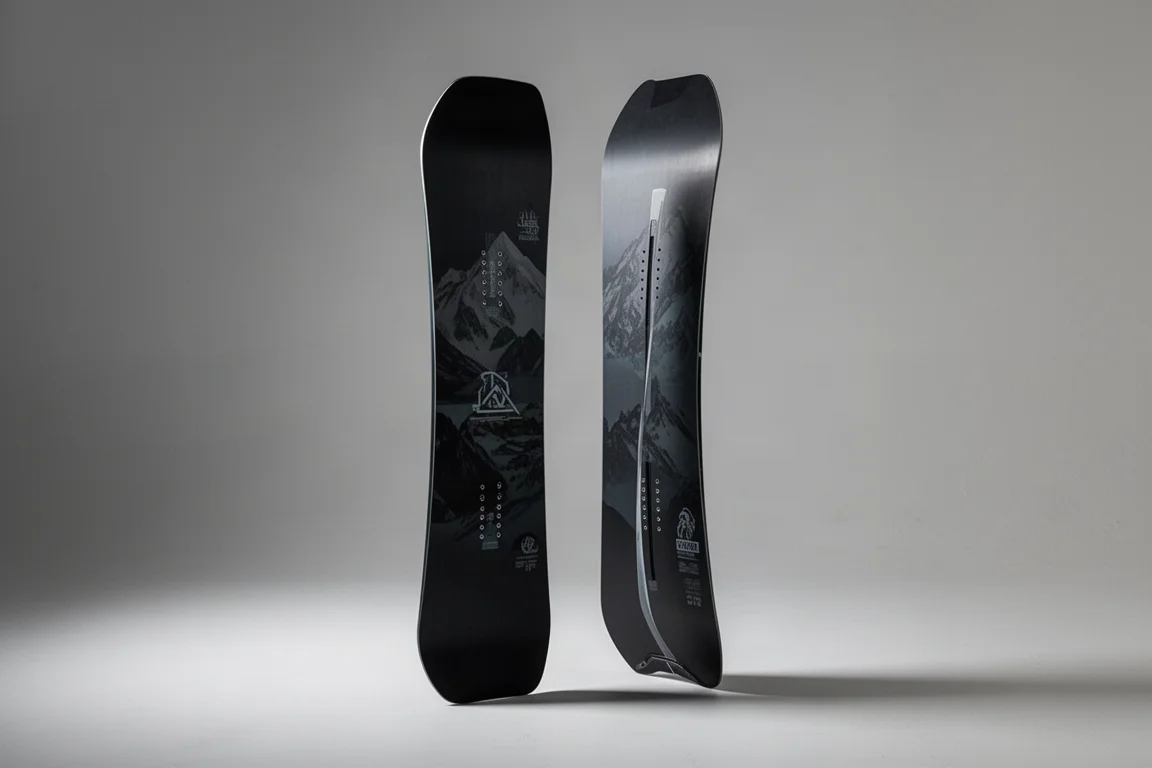
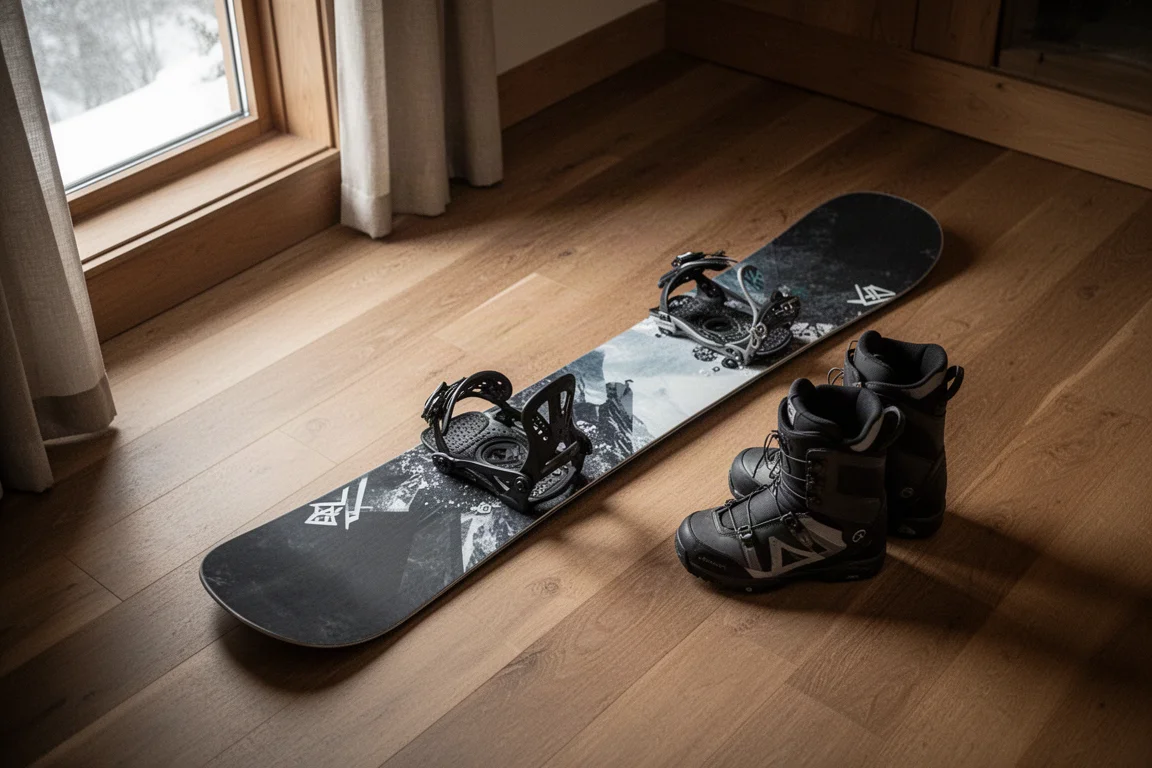
The Yes Optimistic is a directional freeride snowboard built around good old-fashioned traditional camber. From contact point to contact point, you get that classic arc that delivers load, pop, snap, and drive, and it comes in 151, 154, 157, and 161 cm sizes. This is a stiff, carve-oriented board with a clear personality: fast, fluid, and stable, but not built for lazy presses and playful noodling.
On-Snow Test Conditions
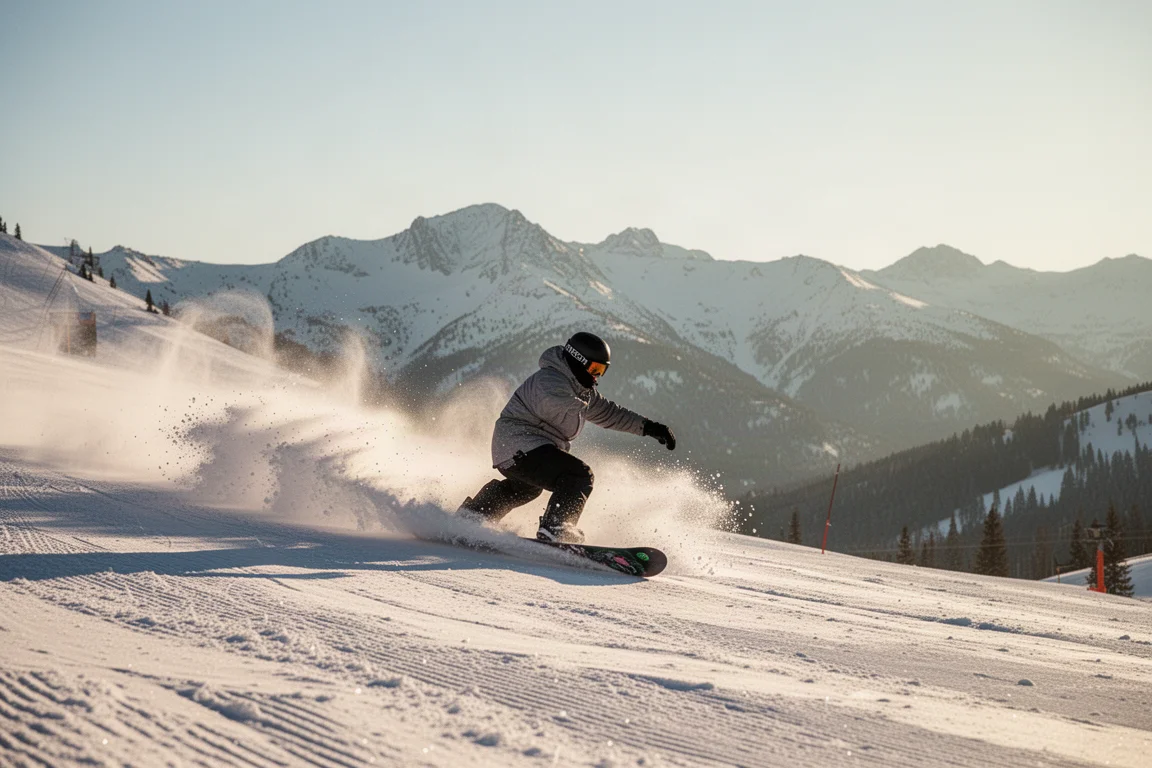
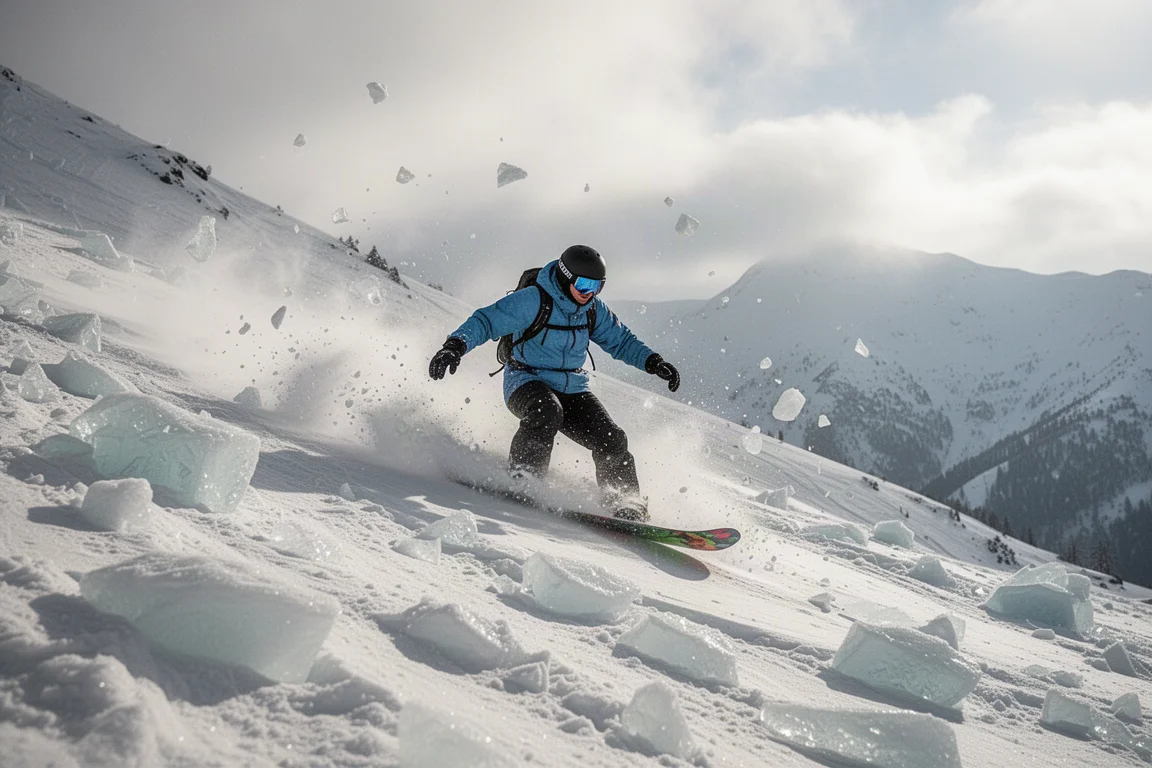
The board was ridden at Basin on a sunny bluebird day with warmer, spring-like temperatures and moderate winds at times. The snow mix covered nearly everything you would want a freeride board to handle: frozen chunder, death cookies, firm fast groomers, creamy groomers, and a bit of ice in the shade. The setup paired it with Rome Black Label bindings and K2 3axis boots.
Flex and Construction
The Optimistic carries a full directional freeride flex, and it sits firmly on the stiffer side. The nose is slightly softer, stiffens up about midway back to the insert pack, and then progressively stiffens through the tail. There is a small amount of torsional flux, so you can still ankle-steer the board a little, but do not expect to really twist it.
Riding the Optimistic on Firm and Variable Snow
Stability is clearly a design priority here. It is camber-based, slightly wider, fully directional, and built to stay composed when the snow gets ugly. Chatter in the nose is tiny and never makes its way back underfoot. When plowing through chop, chunder, or ice, the midsection takes over and cuts right through it, so you rarely feel anything under your feet. On a fully frozen groomer, if you get sideways enough to trigger the zipper effect, you might feel a bit of feedback, but never enough to affect the ride.
Pop, Buttering and Playfulness
Because this is traditional camber, you have to load the board up to access its pop. The good news is that it does not fight you or feel aggressive when loaded, and the snap it delivers is predictable and reactive. It is not mind-blowing, just right for what the board is.
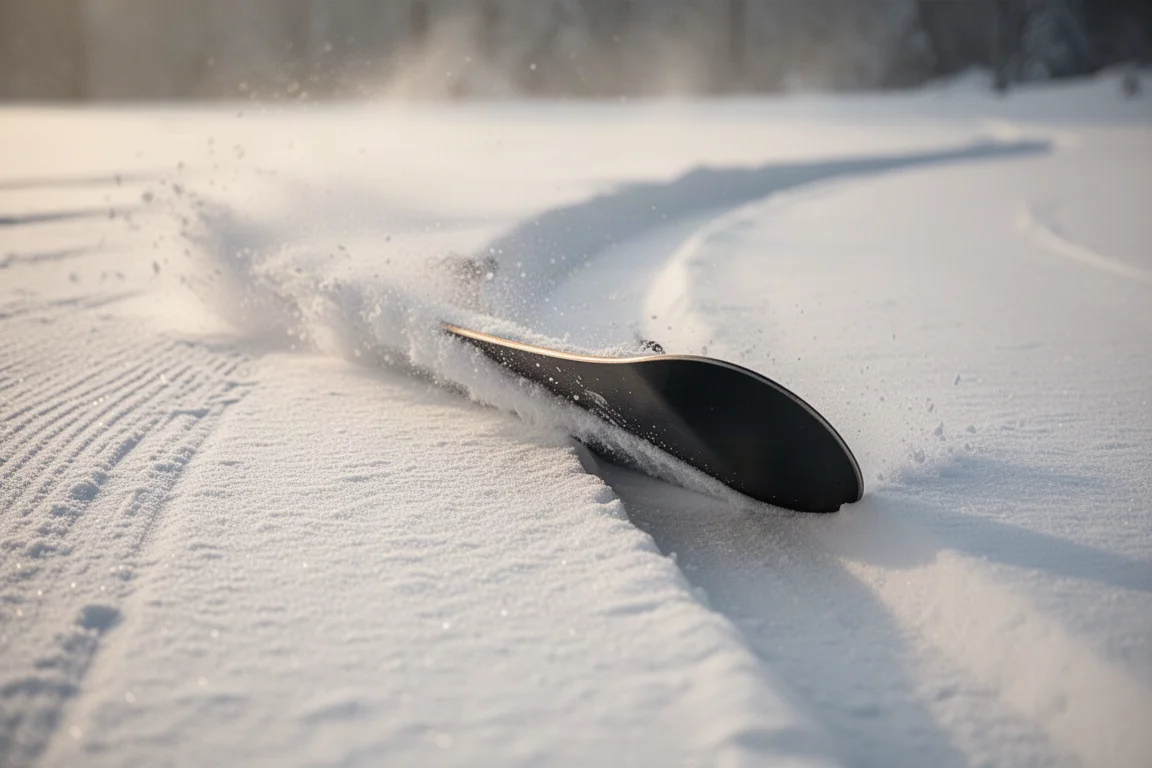
Buttering is possible but not the point. To press the nose, you need to get your weight way out over the tip, right by the upkick, and flex into it hard to eke out even a small press. Tail presses require leaning way back, weight on the outside of the binding, to get a wheelie effect. If playful buttering is your priority, this is not your board.
Carving Performance
Carving is what this board is known for. You steer it from the contact point in the tip, with underbite underfoot helping you initiate, and then drive the turn from the tip. The board is fast and fluid once on edge rather than quick and nimble, so there is a bit of work involved, though it never feels sluggish.
The underbite grips and lets you leverage even further over, so you can lean hard into toe-side and heel-side carves and feel the board lock in. It also helps when pushing your knee into the center of the board to flex the camber and drive power from the tail out through the turn. Short tight quick carves, medium mellow carves, long hard drawn-out carves, and deep Euro carves are all covered. This is a board for laying trenches, going fast, and looking back with satisfaction.
Who the Yes Optimistic Is For
This board suits the resort-ripping carver who wants something stiffer and can downsize a size or two. It is for riders who value stability at speed, edge grip in variable snow, and powerful drawn-out turns over freestyle playfulness.
Comparable Boards and Binding Pairing
Comparable boards worth considering include the Keel Aggressor, the K2 Excavator, and the Amplid UNW8. For bindings, recommended pairings are the Now Drive, the Burton Cartel X, and the Ride A-10, all of which match the stiff, directional character of the board.
Buying Advice
If your ideal day is firm corduroy, big carved arcs, and plowing straight through whatever the afternoon snow serves up, the Optimistic delivers. If you want a softer, butter-friendly all-mountain deck, look elsewhere. Riders between sizes or looking to go stiffer should also note the option to downsize given the board’s width and stiffness.
Conclusion
The Yes Optimistic is a focused, stiff directional camber freeride board that excels at carving and high-speed stability. It is predictable when loaded, composed in chopped and icy snow, and rewarding for strong carvers who know what they want.
Product link
View more details for Yes Optimistic
This product is mentioned in the review. Check the specifications, options, and compatibility before buying.
View more details for Yes OptimisticFurther reading
Related Reviews

Snowboards
32 Middle Earth Scott Stevens Pro Model Snowboard Review: A Park Board With a Reversed Flex
A medium traditional camber park board with carbon V reinforcement that is stiffer in the tips and more playful between the feet. Here is how it rides and who it suits.

Snowboards
32 Snafu Review: A Directional All-Mountain Freestyle Board with Serious Pop
The 32 Snafu pairs a directional camber-rocker profile with a stiffening tail for powerful carves, big ollies, and a surprisingly damp ride.

Snowboards
32 XXX Pat Fava Pro Snowboard Review: A Stiff Camber Beast for Hard-Charging Riders
A full-width traditional camber deck that rewards aggression with stability and edge power, but demands effort everywhere else.