Snowboards
Yes Optimistic Review: A Softer, More Approachable Freeride Carver
The Yes Optimistic pairs 242 cam rocker with a directional flex that is softer than previous versions, making it stable in chop and easy to carve.
Introduction
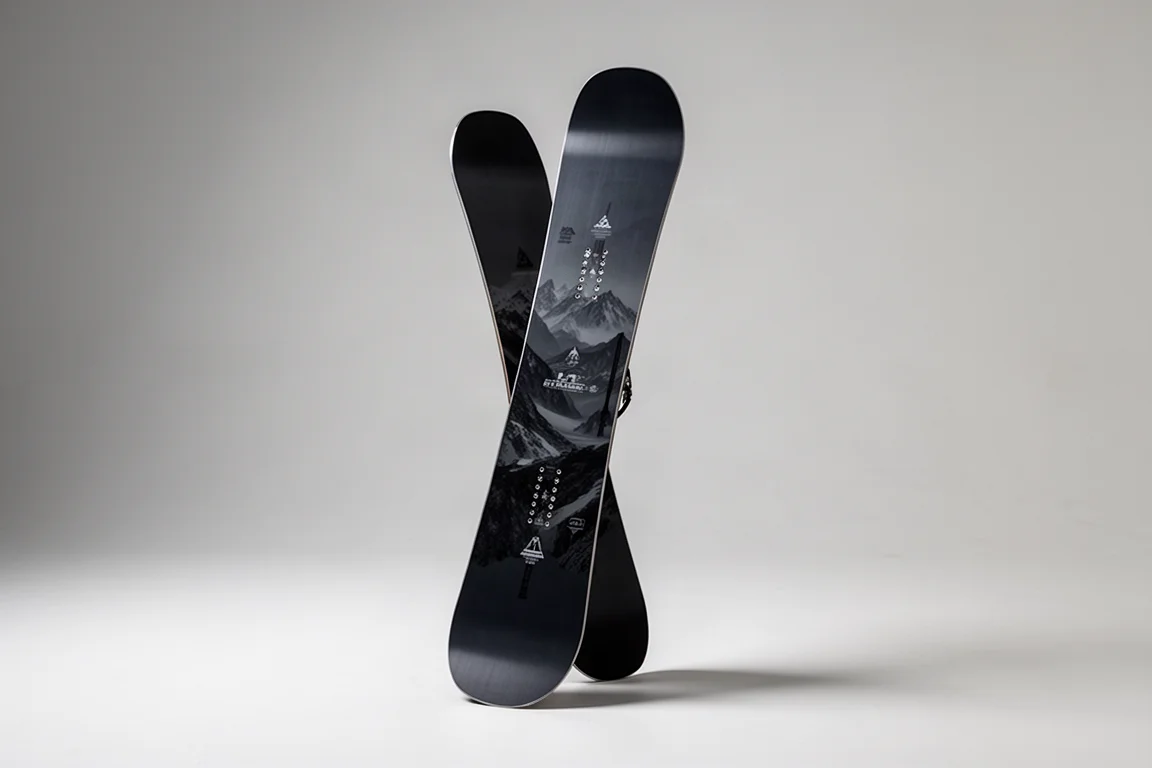
The Yes Optimistic is a directional freeride snowboard built around Yes’s 242 cam rocker profile. That construction pairs a mellower rocker section in the nose and tail with a more dominant, pronounced camber section through the inserts. The camber supplies load, pop, snap and drive, while the rocker sections keep turn entry and exit easy and help the board float in powder. It is offered in 151, 154, 157 and 161.
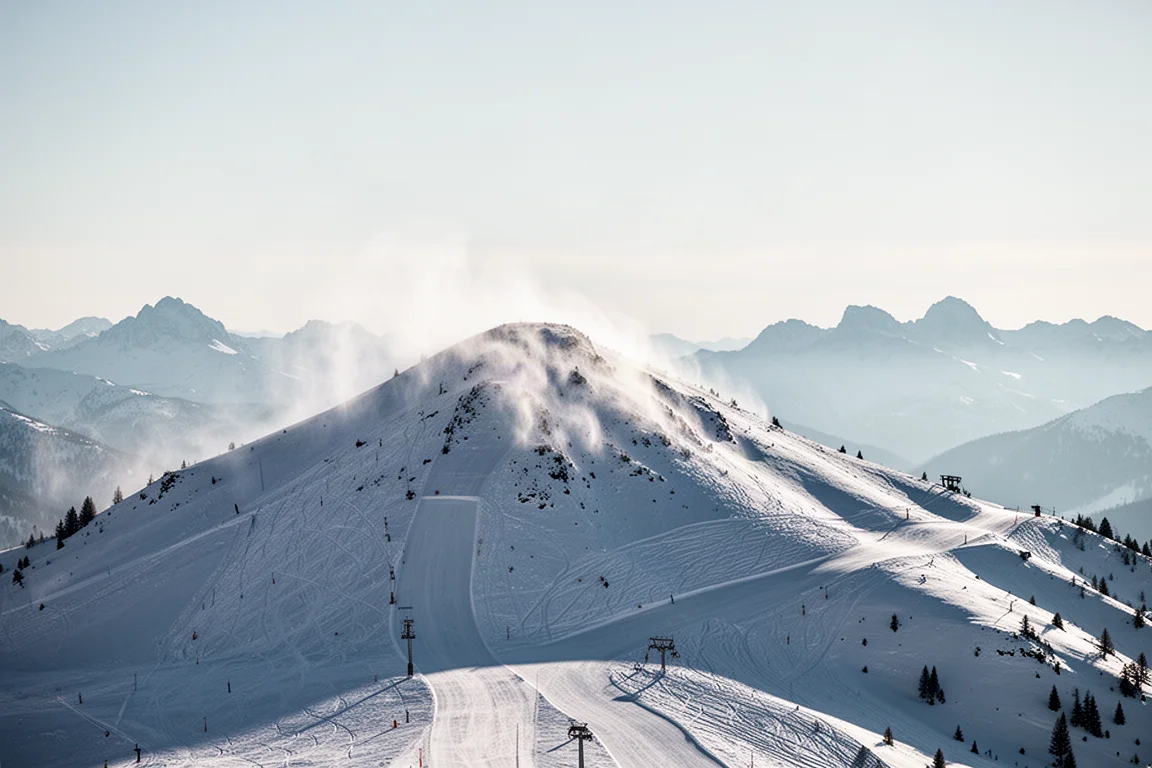
The board was ridden at Arapahoe Basin on a sunny bluebird day with moderate to high winds on the upper portion of the mountain, and chop, chunder and ice crust everywhere else. It was set up with Rome Black Label bindings and K2 Thrax boots, which gives a useful read on how the shape behaves across a genuinely mixed day rather than one pristine surface.
This review covers what changed relative to the previous season’s Optimistic, how the flex translates on snow, and who will get the most out of it.
Who the Yes Optimistic Is For
The Optimistic is aimed squarely at the resort ripping, carving freeride rider. This is the softest version of the Optimistic to date, and that shift is deliberate. The extra torsional flex makes the board a little more playful and noticeably more approachable. You give up some of the raw power earlier versions carried, and you cannot lay it over quite as aggressively as before, but you still can when the terrain calls for it. The overall character is a fun resort carving cruiser.
It is worth cross-shopping against a few boards in the same space: the Korua Otto Plus, the Telos DST and the Amplid Souly Grail. On the binding side, the Now Drive, Rome Cleaver and Ride A9 are all sensible pairings for this flex profile.
Flex, Stability, and Choppy Terrain
Compared with the previous season’s Optimistic, this board has gone a little softer, most noticeably in torsional flex. The flex itself is directional: a softer nose that progressively stiffens toward the tail, with a moderate amount of torsional flex overall. Even with the change, it still sits on the stiffer end of the spectrum, past middle of the road.

Stability is where the design comes together. The width, the camber profile and the flex all work in conjunction to produce a smooth, stable ride. There is a little chatter in the nose, but most of it dissipates well before it reaches the front insert pack, so it never translates into a distracting ride. In genuinely choppy terrain the board crushes everything in its path and simply wants to push right through it.
Snap, Pop, and Playfulness
Softer flex has not cost this board its snap. If anything, the decrease in flex brought an increase in pop. The camber profile is easier to engage, and when you roll back onto the tail rocker it springs you up in the air. What stands out most is what happens at speed: when you are hauling, the board wants to launch you. Loading it is less aggressive than it once was, which makes it more forgiving, yet it still snaps excessively well.
It is not exactly a board built for buttering. You can butter it, but that is not really the point of the shape. Riders who know how to butter and want to pop a 180, land on the nose in powder and press into it will find it works, but the design rewards turning above everything else.
Carving Performance
Carving is where this board truthfully excels. The softer flex makes it more manageable, and you can essentially sit on the edge going from toe to heel and ankle steer with very minimal movements. It engages right outside the front insert pack to initiate the turn, but it steers from inside the front insert pack and outside the rear.
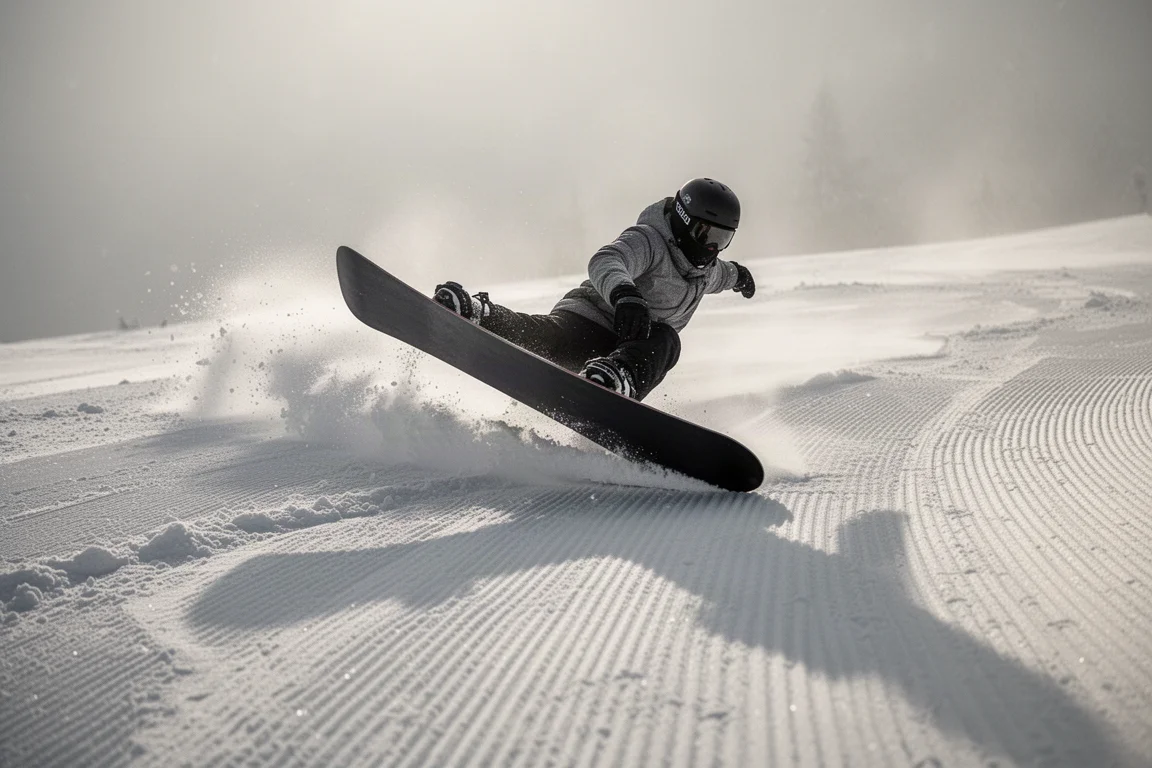
If you want to drive it hard, this is a board that can lay trenches when you need to, and it can also be mellow and forgiving when you would rather cruise. It is not as assertive as it once was, which is exactly what makes it more approachable. Short, tight, quick carves become easier, and when you lay a trench over there is a little more room to work with: drive your knee into the center of the board, push your foot down under that insert, and drive the tail out of the turn. If carving is what you want to do, this board should let you do it.
Things to Consider Before Buying
The main trade-off is power. Choosing the softer build means you lose some of the raw aggression that earlier Optimistic models carried, and you cannot lay it over quite as hard as you could on the old version. Riders who want the most assertive, demanding ride in this shape’s history may prefer an earlier iteration.
It is also worth being honest about how you ride. This is not a buttering-focused deck, and it is not trying to be. If your days are built around pressing, spinning and playing on low-angle features, the shape’s strengths will largely go unused. The 242 cam rocker profile, the directional flex and the stability in variable snow are all pointed at riders who spend their time making turns at speed.
Sizing runs from 151 through 161, so matching the board to your weight and boot size matters more than picking the middle of the range by default.
Buying Advice
Buy the Yes Optimistic if you ride resorts and want a carving-focused freeride board that stays composed through chop, chunder and crust while remaining easy to turn. The softer flex and extra torsional give make it a genuinely friendlier board than previous versions without turning it into something vague or washed out. You still get strong snap, a stable platform and the ability to lay it over when you want to.
If maximum raw power and a more demanding, aggressive feel are what you are after, look at the earlier Optimistic builds or cross-shop the Korua Otto Plus, Telos DST and Amplid Souly Grail, all of which occupy similar territory with different personalities. Pair it with bindings that suit a moderate-to-stiff freeride flex, such as the Now Drive, Rome Cleaver or Ride A9, and the whole setup stays coherent.
Conclusion
The Yes Optimistic has moved in a clear direction: softer than before, most noticeably in torsional flex, with a directional build that stiffens from nose to tail. That change costs some of the old board’s raw power, but it buys a more playful, more approachable ride that still holds up in choppy terrain and still snaps hard when you load it. For the resort ripping, carving freeride rider who wants a stable board that is easier to turn, this is the most accessible version of the Optimistic yet.
Product link
View more details for Yes Optimistic
This product is mentioned in the review. Check the specifications, options, and compatibility before buying.
View more details for Yes OptimisticFurther reading
Related Reviews

Snowboards
32 Middle Earth Scott Stevens Pro Model Snowboard Review: A Park Board With a Reversed Flex
A medium traditional camber park board with carbon V reinforcement that is stiffer in the tips and more playful between the feet. Here is how it rides and who it suits.

Snowboards
32 Snafu Review: A Directional All-Mountain Freestyle Board with Serious Pop
The 32 Snafu pairs a directional camber-rocker profile with a stiffening tail for powerful carves, big ollies, and a surprisingly damp ride.

Snowboards
32 XXX Pat Fava Pro Snowboard Review: A Stiff Camber Beast for Hard-Charging Riders
A full-width traditional camber deck that rewards aggression with stability and edge power, but demands effort everywhere else.