Snowboards
YES Greats Snowboard Review: An Asymmetrical All-Mountain Freestyle Deck
A close look at the YES Greats, an asymmetrical all-mountain freestyle snowboard built on 242 cam rocker, with its strengths and the trade-offs worth checking first.
Introduction
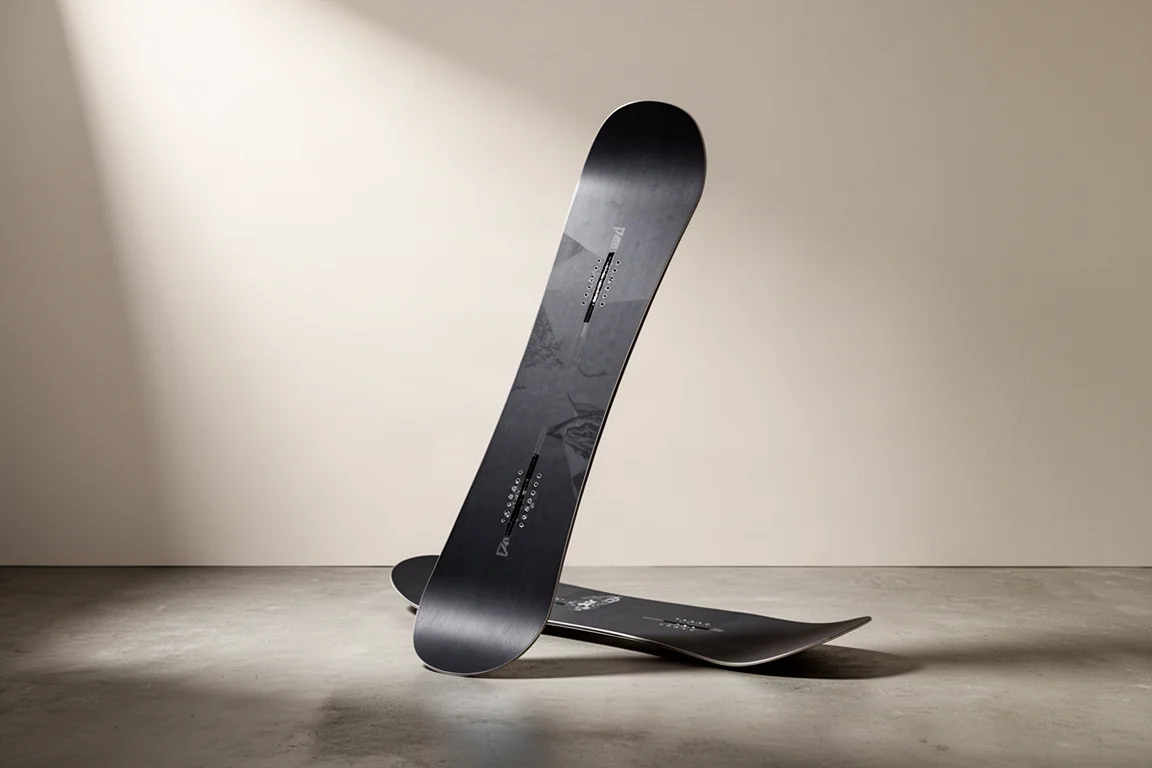
The YES Greats is an asymmetrical all-mountain freestyle snowboard built around YES’s 242 cam rocker profile. Rather than splitting camber and rocker evenly along the board, that profile keeps a more prevalent camber section through the insert pack and mellows into rocker at the tip and tail. The result is the load and pop of traditional camber underfoot, paired with easier entry and exit into turns and more float and play in powder.
It is offered in five lengths: 149, 151, 154, 156, and 159.
Who This Board Is For
The Greats is aimed at the asymmetrical all-mountain freestyle rider, someone who wants one board for carving groomers, hitting jumps, buttering, and jibbing without having to stay on top of the ride all day. The flex is a predictable all-mountain freestyle build: softer at the tip and tail, stiffer through the midsection, with a noticeable amount of torsional flex.
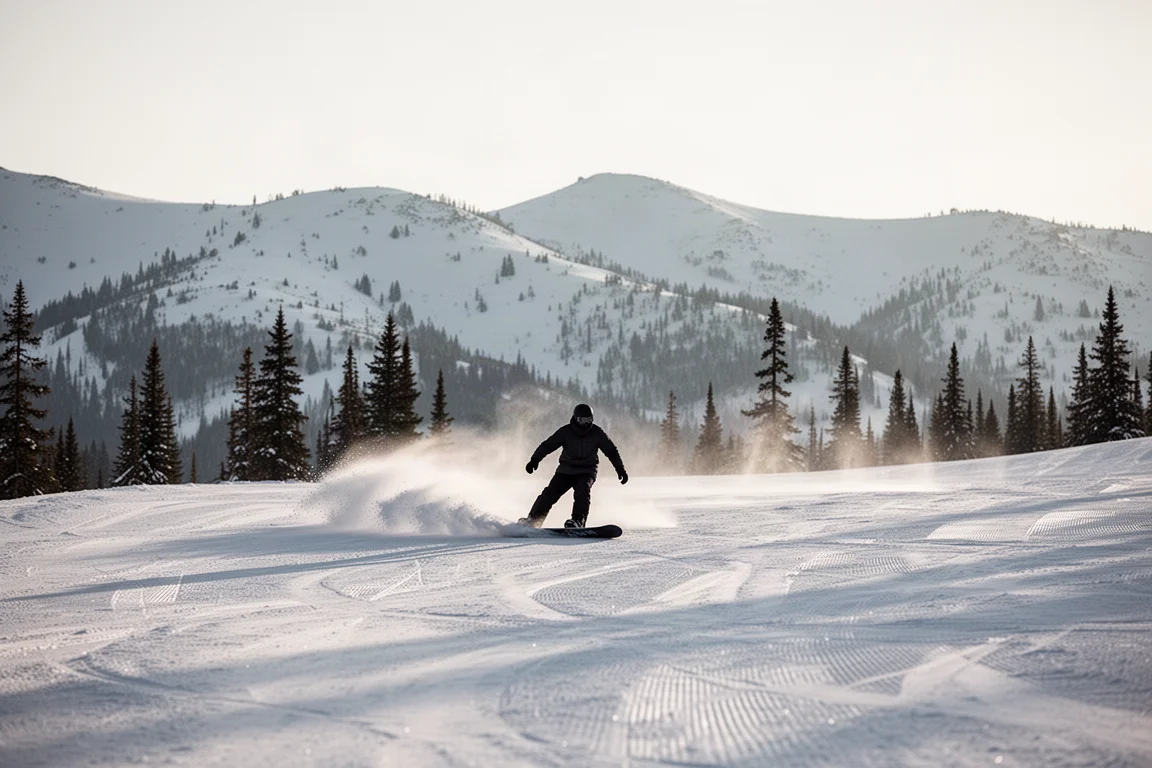
Overall it sits slightly stiffer than a middle-of-the-road freestyle deck, but it stays playful where it actually counts, which is what makes it a plausible daily driver for riders who move between terrain types instead of specializing in one.
Main Strengths
Camber, Pop, and Jump Performance
The camber section loads up relatively easily and reacts quickly, wanting to return to its original shape. It also loads the rocker section in the tail, which adds a springboard effect off the end of the board. With a bit of speed, this is a deck that boosts more than you might expect from its flex.
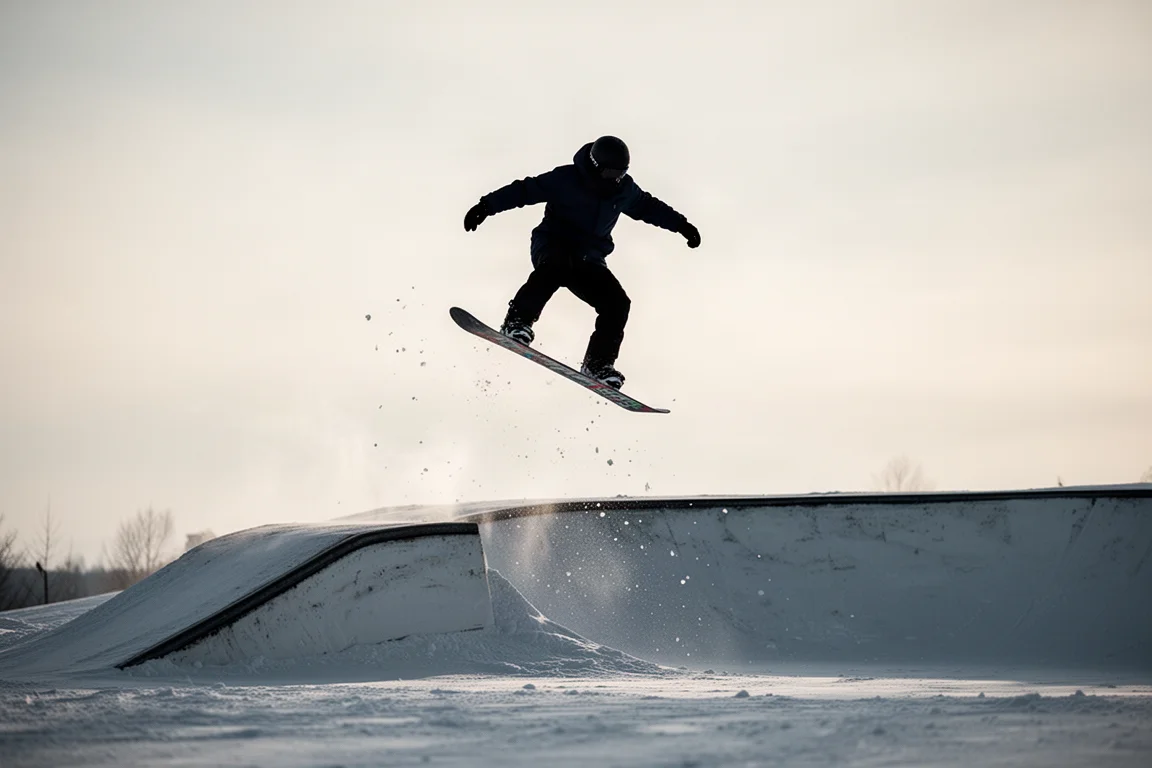
On jumps the behavior is predictable rather than surprising. Load it up and it pops; let the lip throw you and it does the same thing. There is enough girth and stability to handle larger jumps, and still enough forgiveness for small and medium features, including casual laps through softer, playful park setups.
Buttering and Playfulness
The rocker sections in the nose and tail, combined with slightly softer flexing tips, create an effective platform for butters. Get your weight out over the nose or the tail and it locks in. There is a little resistance from the camber section in the middle, so expect to work with the board slightly, but it keeps its snap through every butter variation.
Worth knowing before you buy: the distinctive tip and tail shape can occasionally hook up in heavier, mashed-potato snow. That is a possibility rather than a certainty, and it does not show up in every condition.
Carving and Edge Grip
Edge to edge, the Greats rails with a noticeable amount of power and grips well. The asymmetrical mid bite changes where the board steers: instead of turning far out at the contact points, it steers right at the end of the camber zone where it meets the rocker, and that is where it stays locked in.
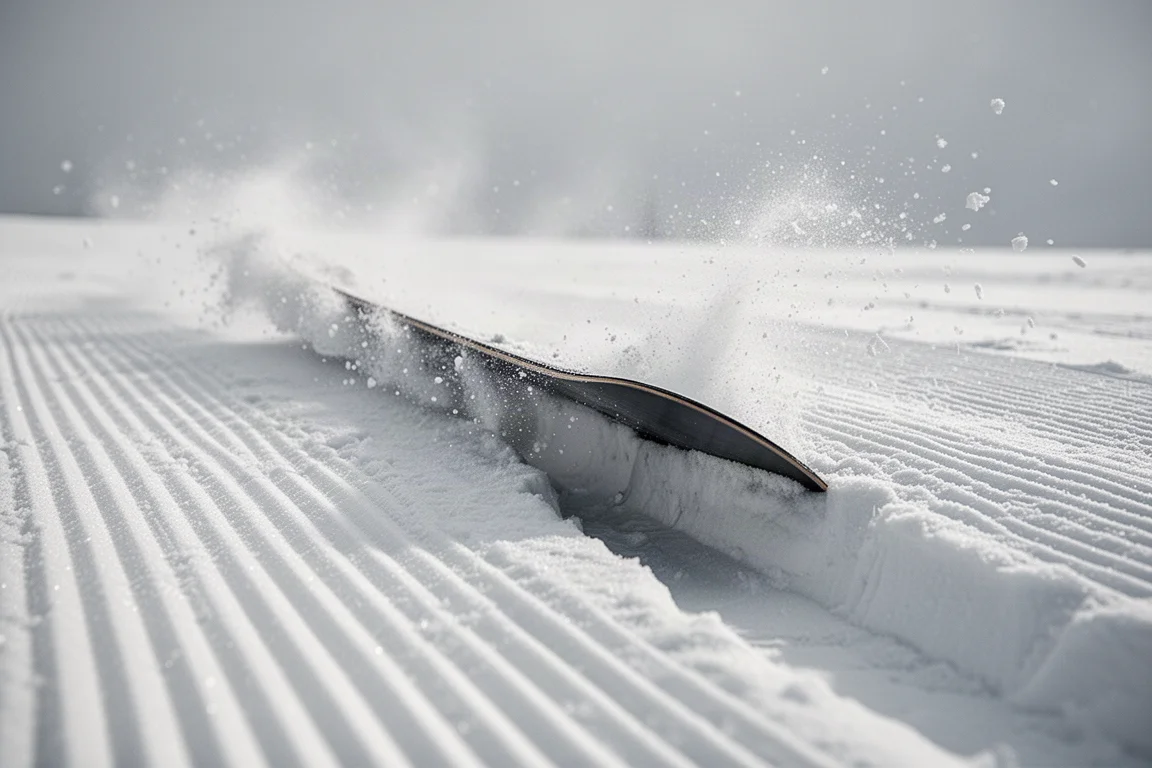
You can center flex the board and push off the tail for power on either edge, and the heel side can be laid over further than you might expect. Short, tight, quick carves, medium mellow carves, and deep hard euro carves all fall inside its range, and the asymmetrical sidecut is noticeable in how the board reacts on the toe side versus the heel side.
Jibbing and Park Feel
The flex blend here is reactive and responsive without requiring you to overpower the board. Presses lock in once you get weight over the nose or tail, and there is only a small amount of fight from the camber section. On board slides, the camber cradles around the feature so the board feels locked in and secure rather than clapping out.
Stability
The Greats is mostly stable. There is some chatter at the nose and a little resonance underfoot, but not a great deal. In heavily rutted terrain where the ride gets jarring, feedback comes through the midsection, which is also the stiffest part of the board.
Things to Consider Before Buying
- The distinctive tip and tail shape can hook up in heavier, wet snow.
- The camber section through the middle adds a small amount of resistance to butters, so the board is not entirely passive underfoot.
- It is slightly stiffer than a middle-of-the-road freestyle deck.
- Some nose chatter and underfoot resonance appear in rough, rutted terrain.
- This is a specific asymmetrical all-mountain freestyle design, not a soft dedicated park noodle.
Buying Advice
Sizing spans 149, 151, 154, 156, and 159, so there is a length for a wide range of riders. For bindings, the Bent Metal Transfer, the K2 Formula, and the Nitro Team are all sensible pairings for this flex profile. If you are cross-shopping, comparable boards to weigh against it include the Ride Bench Warmer, the Capita A Simulator, and the GNU Rider’s Choice C3.
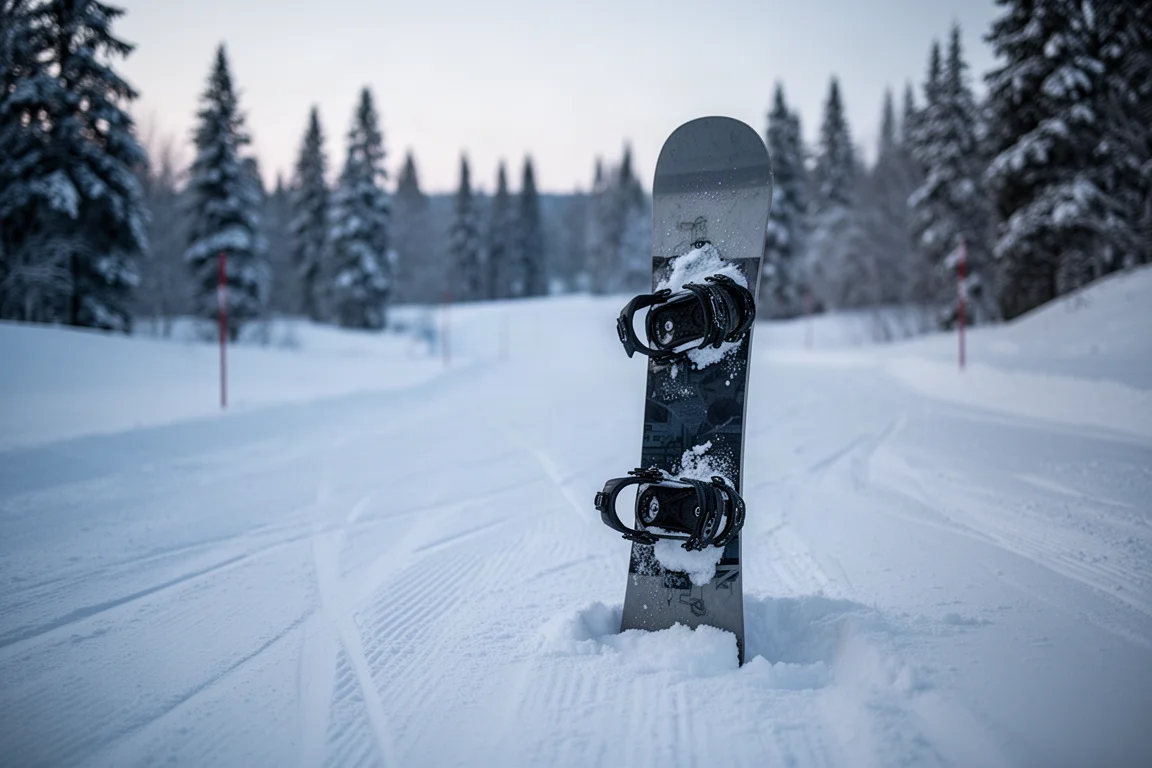
Tweaks to the core profiling changed the flex on the current version, and the asymmetrical mid bite is more dialed in, which makes this iteration feel more refined than some earlier ones. For a rider who wants one board for carving, jumps, butters, and jibs, the Greats covers that range without demanding constant attention. Riders who mostly chase deep powder or want a dedicated rail board may find a more specialized shape suits them better.
Conclusion
The YES Greats makes its case through balance rather than extremes. The 242 cam rocker gives it camber’s load and pop with rocker’s ease and float, the asymmetrical mid bite sharpens turn initiation, and the flex is powerful where you push and forgiving where you play. It is a strong fit for the asymmetrical all-mountain freestyle rider who wants a versatile twin that can genuinely do a bit of everything.
Product link
View more details for Yes Greats
This product is mentioned in the review. Check the specifications, options, and compatibility before buying.
View more details for Yes GreatsFurther reading
Related Reviews

Snowboards
32 Middle Earth Scott Stevens Pro Model Snowboard Review: A Park Board With a Reversed Flex
A medium traditional camber park board with carbon V reinforcement that is stiffer in the tips and more playful between the feet. Here is how it rides and who it suits.

Snowboards
32 Snafu Review: A Directional All-Mountain Freestyle Board with Serious Pop
The 32 Snafu pairs a directional camber-rocker profile with a stiffening tail for powerful carves, big ollies, and a surprisingly damp ride.

Snowboards
32 XXX Pat Fava Pro Snowboard Review: A Stiff Camber Beast for Hard-Charging Riders
A full-width traditional camber deck that rewards aggression with stability and edge power, but demands effort everywhere else.