Snowboards
Yes Great Extreme Review: A Premium All-Mountain Freestyle Deck
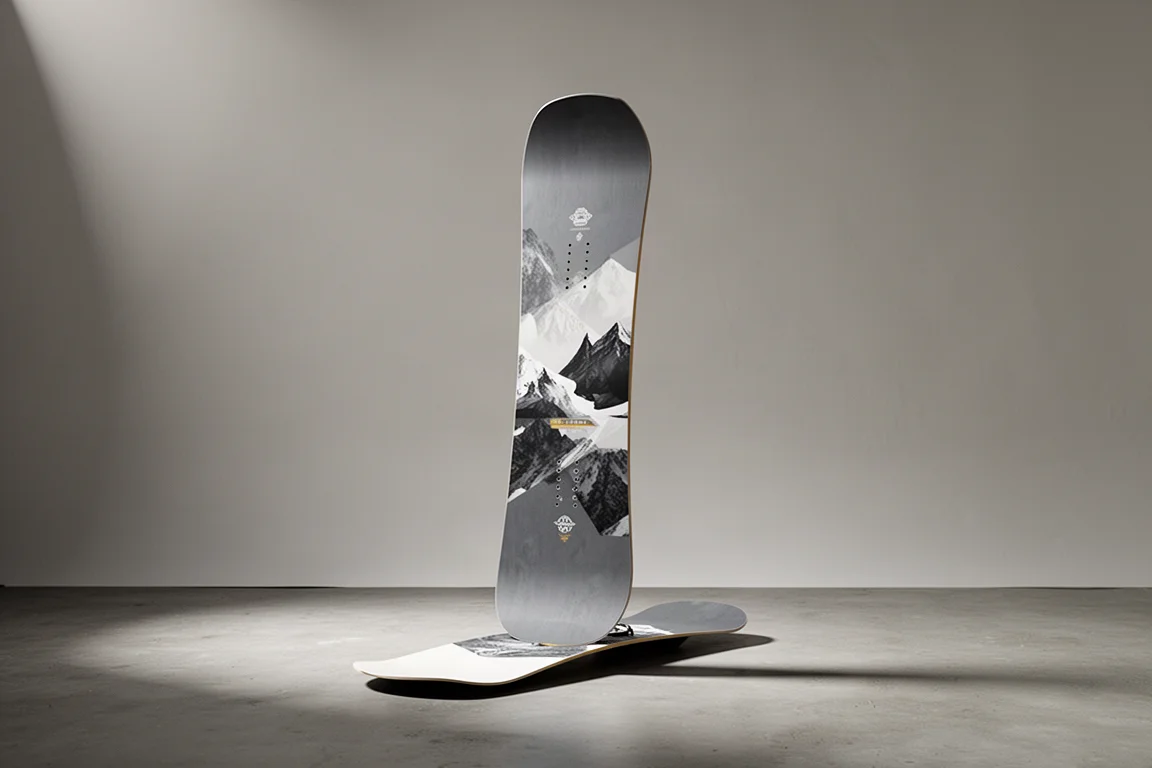
The Yes Great Extreme takes the regular Great and adds lighter, higher-end materials without tipping the flex into overly stiff territory.
Introduction
The Yes Great Extreme is the beefed-up take on the regular Great, and the most useful way to think about it is simple: it is a high-end version of the same board. The premium material changes bring a slight weight reduction and a small step up in stiffness and response, but the flex stays remarkably close to the regular Great. Nothing here feels overwhelming or aggressively overbuilt.
This review is based on riding at Copper Mountain on a sunny day where conditions shifted from firm and icy in the morning to soft, slushy chop lower down, with Rome Black Label bindings and K2 Thoraxis boots. The board is available in 154, 156, and 159.
Board Profile and Construction
The Great Extreme uses Yes’s cam rocker profile: rocker in the tips and camber through the middle of the board. The camber section delivers load, pop, snap, and drive, while the rocker in the tips adds float, easier turn entry, and a more optimal sweet spot to press into.
Because this is the Extreme version, most riders assume it will be just over the top stiff. It is not. The flex is slightly past middle of the road. The real story is the materials: Yes reduced the weight and kept the flex almost identical to the regular Great. It is a tad stiffer and more responsive than its counterpart, but only by a small incremental step.
Ride Feel and Flex
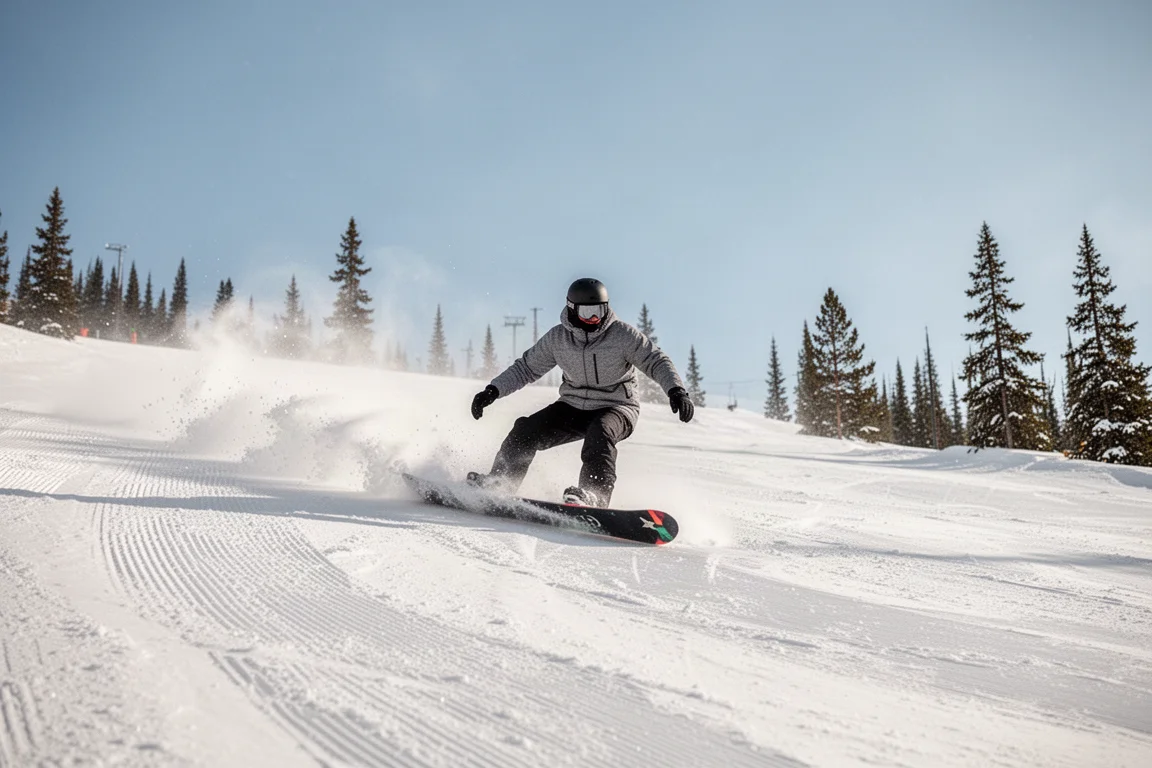
On the Great Extreme, the tips have noticeably more play, which the rocker accentuates. The middle is slightly stiffer with a torsional flex that is easy to engage but quick to rebound, and there is a good snap when you load it up.
Stability depends heavily on the snow surface. On frozen firm groomers, you feel everything underfoot, with vibrations resonating back from the tips. Get over ice chunks and frozen chop and you will feel every one of them, though that is true of just about any board. In softer snow, all of that disappears. The board charges with minimal tip flap and cuts through lumpy, softer snow, pushing through chop without complaint. That softer-snow charging is where it really excels.
Pop and Jumping Performance
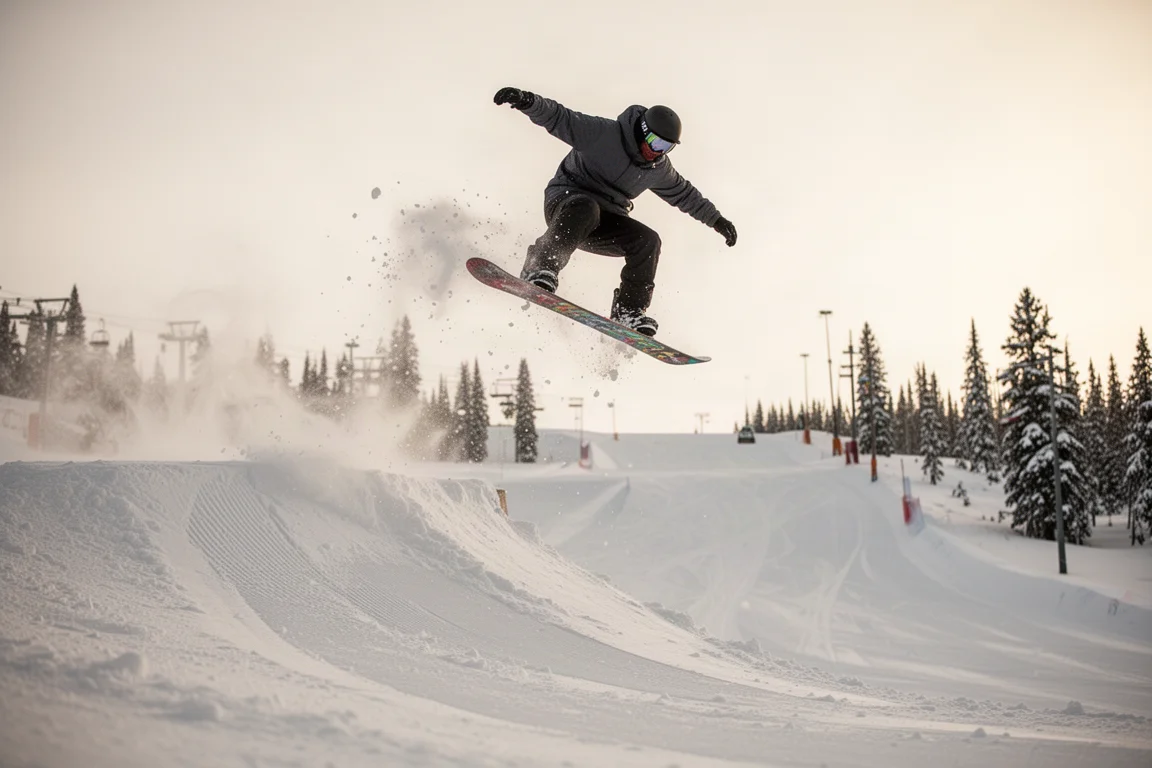
The camber section is a little more aggressive here, with more camber in the middle. Load it up, roll back on the tail, and it acts like a springboard: you can launch off a roller or side hit, or pop a flatland ollie. Because of the higher-end materials, the board wants to pop a little higher, though it takes no extra effort to load.
That pop translates across jump sizes. Small features for playing around, medium jumps, or big lines, the landing gear stays solid, and you go higher and further off the lift tower drops and rollers. Basically, you can do just about anything on this board.
Pressing and the Asymmetrical Sweet Spot
One of the nice things about this board is the rocker in the tips, and the sweet spot is big. As an asymmetrical twin, you get an immense pressable area on the nose or tail depending on how you set it up, and it locks in. You can feel right where the camber meets the rocker as a leverage point that helps you push into a press, and when you want to disengage, you can.
One thing to watch: when you push hard into softer snow and ride aggressively, the tip shape can hook and spin you around. It will not happen to everyone, but it is worth knowing about.
Buttering and Jibbing
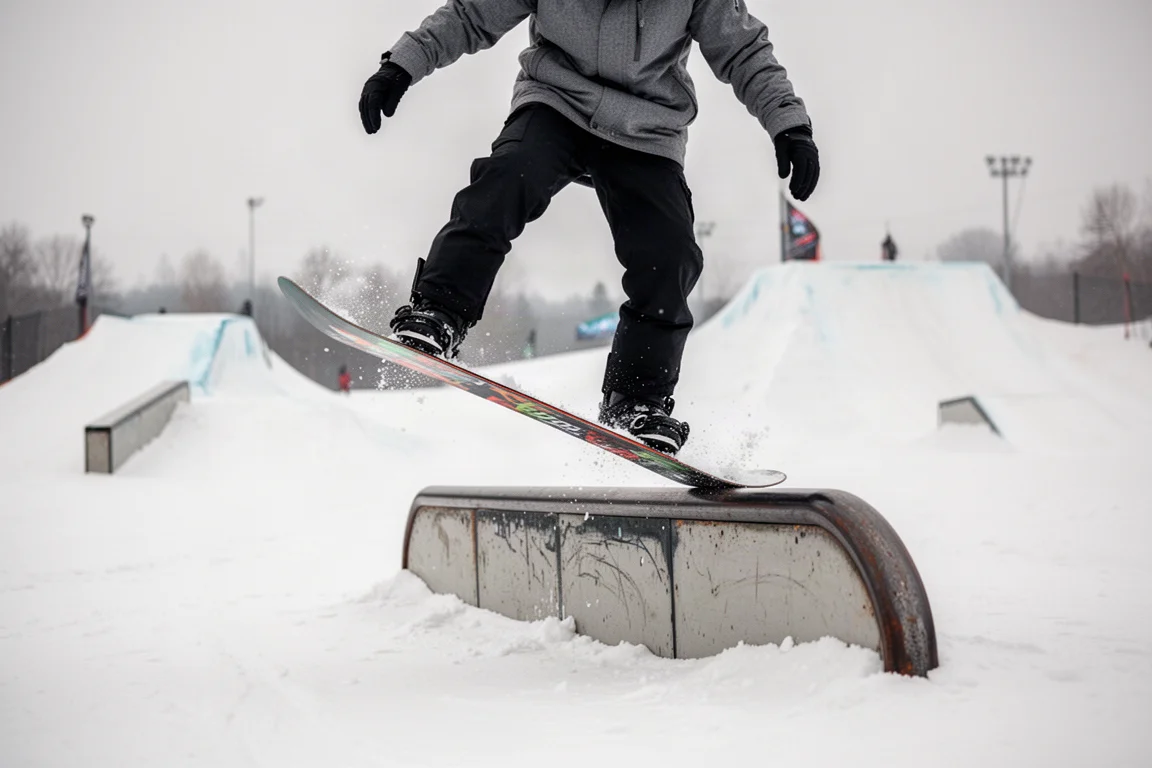
Jibbing is not what this board is built for, but it handles it. The same asymmetrical sweet spot applies to buttering: it locks into a nose press, tail press, or both, holds to the end of the feature, then snaps out when you go sideways. The abundant camber section cradles around the feature in a way you can genuinely feel.
A little speed is your friend in any form of jibbing on this board, but it will lock in and slide just fine.
Carving and Edge-to-Edge Speed
This thing is zippy edge to edge. It rolls toe to heel fast and grips hard, with the asymmetrical mid-bite taking hold and locking you in on the heel edge. There is a level of performance and drive here that stands out among asymmetrical boards, making it a favorite asymmetrical deck for carving.
When you want to rail a carve, you can drive your knee into the center of the board, push down into the camber, and get it to drive off the tail and slingshot you out. Short, tight, quick carves and medium, mellow turns all work, and the board stays predictable even at speed.
Who This Board Is For
The Great Extreme is built for the all-mountain freestyle rider: someone who wants a single deck to do everything. If you want the regular Great feel with lighter, more premium materials and a small step up in response, this is that board.
Comparable boards worth cross-shopping include the Spring Break Resort Twin, the Ride Bench Warmer, and the Nidecker Gamma APX. Binding pairings that make sense include the Yes Select, the Ride C-8, and the Union Force.
The one real downside is chatter: on really firm, icy runs you tend to feel a bit more vibration underfoot. Otherwise, this board rides remarkably well across the mountain.
Buying Advice
If you spend most of your time riding all-mountain freestyle and want one board that carves hard, pops well, handles jumps of any size, and still presses and butters comfortably, the Great Extreme fits that role cleanly. If your home mountain is dominated by frozen boilerplate ice and chatter bothers you, test before committing. Riders who want a softer or cheaper version of the same shape should look at the regular Great instead.
Conclusion
The Yes Great Extreme earns its premium positioning through materials rather than stiffness. It is lighter, slightly more responsive, and just as playful as the regular Great, with strong carving performance, dependable pop, and a big, forgiving press sweet spot. For the all-mountain freestyle rider looking for one do-it-all deck, it is an easy board to recommend.
Product link
View more details for Yes Great Extreme
This product is mentioned in the review. Check the specifications, options, and compatibility before buying.
View more details for Yes Great ExtremeFurther reading
Related Reviews

Snowboards
32 Middle Earth Scott Stevens Pro Model Snowboard Review: A Park Board With a Reversed Flex
A medium traditional camber park board with carbon V reinforcement that is stiffer in the tips and more playful between the feet. Here is how it rides and who it suits.

Snowboards
32 Snafu Review: A Directional All-Mountain Freestyle Board with Serious Pop
The 32 Snafu pairs a directional camber-rocker profile with a stiffening tail for powerful carves, big ollies, and a surprisingly damp ride.

Snowboards
32 XXX Pat Fava Pro Snowboard Review: A Stiff Camber Beast for Hard-Charging Riders
A full-width traditional camber deck that rewards aggression with stability and edge power, but demands effort everywhere else.