Snowboards
Yes Dicey Snowboard Review: An Approachable Park Deck With Real Versatility
A close look at the Yes Dicey, the park-focused freestyle board built on Yes's 242 CamRock profile, with easy pop, a playful flex, and clear limits to know before buying.
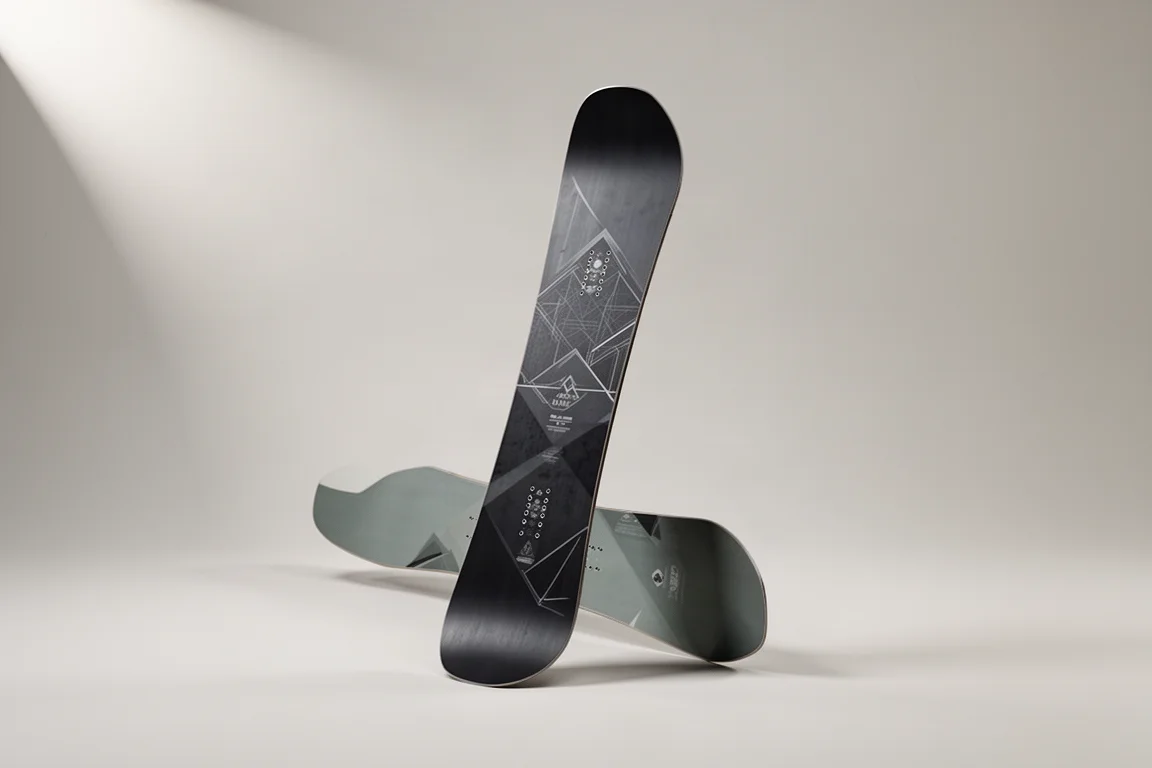
Introduction
The Yes Dicey is the current name for a shape that park riders may already know well, since it carries the geometry of the older Jackpot. It is built around Yes’s 242 CamRock profile, which places a more pronounced camber section through the middle of the board and a mellower rocker in the tip and tail. The intent is straightforward: easier entry and exit through turns, a nose and tail that press without a fight, and the familiar drive of camber underfoot.
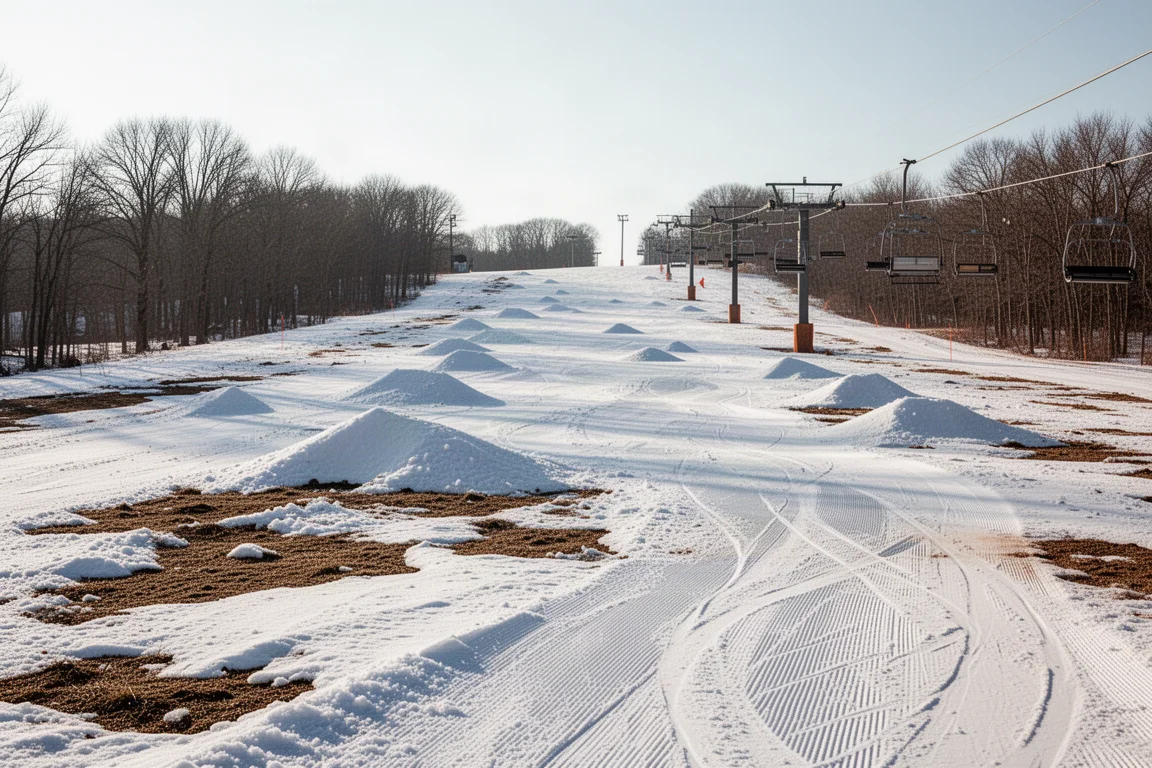
The board is offered in 152, 154, 156 and 158. It has been ridden in early season conditions at Copper Mountain on a warm, sunny day, across slush, ice, chunder, death cookies, push mounds and frozen corduroy. That mix of soft, wet and scraped snow is a useful stress test for a park deck, and the Dicey stayed lively through all of it.
For riders who want a freestyle board that feels immediately familiar rather than demanding, that combination of approachable profile and genuine energy is the headline.
Who This Board Is For
The Dicey is aimed at the all-around park rider who wants an approachable camber profile and an approachable flex. Think of it as a board you can step onto and trust in the park straight away, while still having enough composure to handle the rest of the mountain when you venture out.
That makes it a strong fit for riders who spend most of their laps on features: buttering, jibbing, side hits and small to medium jumps. If your priority is a dedicated freestyle deck rather than a stiff all-mountain charger, this is the category where the Dicey makes the most sense.
Camber Profile and Flex
Overall flex sits just a hair below middle of the road. The tip and tail are softer, and that softness is accentuated by the rocker out there, while the middle of the board is stiffer. There is also a fair amount of torsional flex, so the board can be twisted and worked rather than feeling locked onto a single rail.
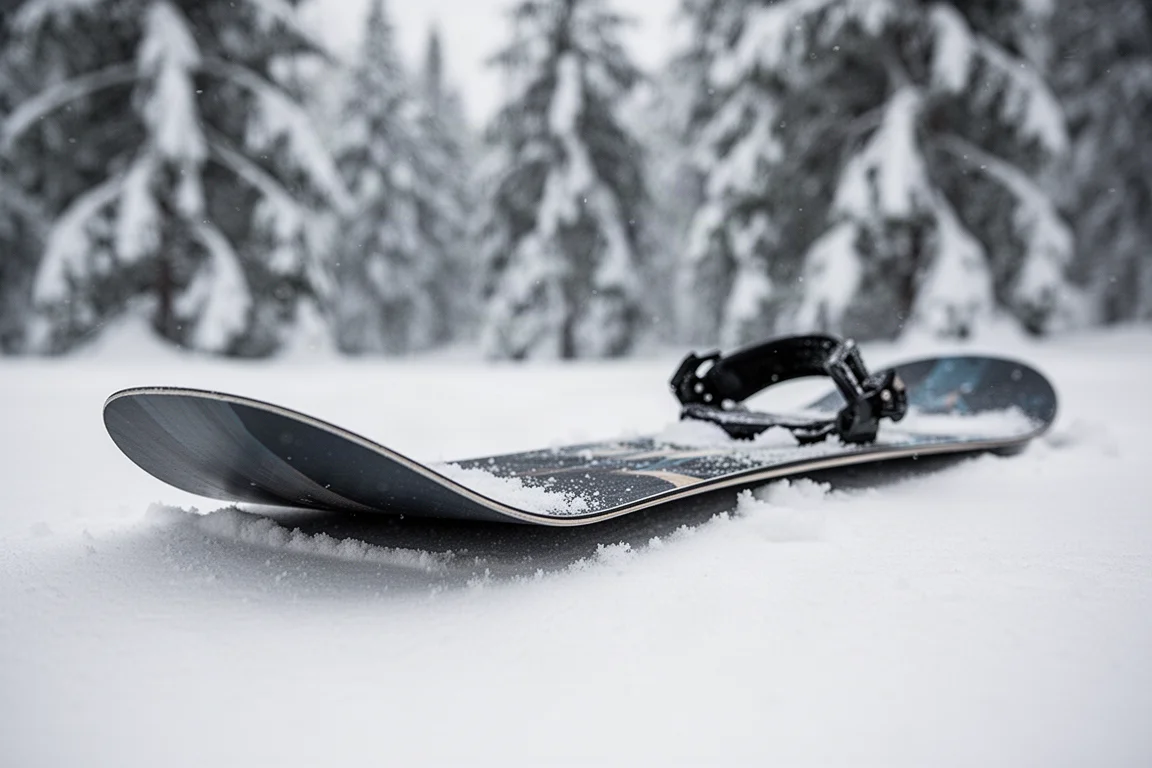
Stability is where the shape shows its character. There is some flap in the tip and tail, and it resonates back underfoot, so keeping your knees bent is worthwhile to absorb hits and impacts in uneven terrain. The camber section is the stiffest part of the board, and that is exactly what gives it the springy, skate-like feel described below.
Park Performance and Pop
The Dicey is a lively board. With the mellow rocker in the tip and tail and the more accentuated camber underfoot, pop arrives with an almost skate-like quality: you do not have to aggressively load the camber section to get the tail to engage like a springboard. It is not the snappiest board out there, but it has more than enough for popping off a roller, launching off a slow sign, or simply ollieing over the family of skiers who just fell in front of you.
For jumps, the board handles small to medium features, with medium meaning roughly 20 to 25 feet and possibly up to 30 feet. The design explains the ceiling: the softer tip and tail mean that setting down hard on a bigger jump can wash out. Off the lip, the pop is there, and you can either stay laid back and let the lip throw you or put a little more into it for extra height and distance.
Buttering and jibbing is where this board truly shines. The softer flex in the nose and tail lets you get your weight out over it, and you can go sideways and feel it lock in while still getting spring and rebound from the camber through the middle and underfoot. You slide, you pop, and you bring it right back around. On jibs there is an optimal sweet spot in the nose and tail that locks into presses and feels secure, so you can snap off the end of a feature. When you get sideways, the camber section cradles around the feature without fully clapping out, hugging it the whole way.
Carving and Edge Control
The Dicey uses Yes’s MidBite, which technically grips inside the insert pack but is felt more underfoot than anywhere else. The practical result is that you can ankle steer the board, with a smooth and fluid transition from toe to heel. When you are locked in, you stay locked in, and flexing from the middle back through the tail keeps that engagement alive as you disengage the front foot and apex a carve.
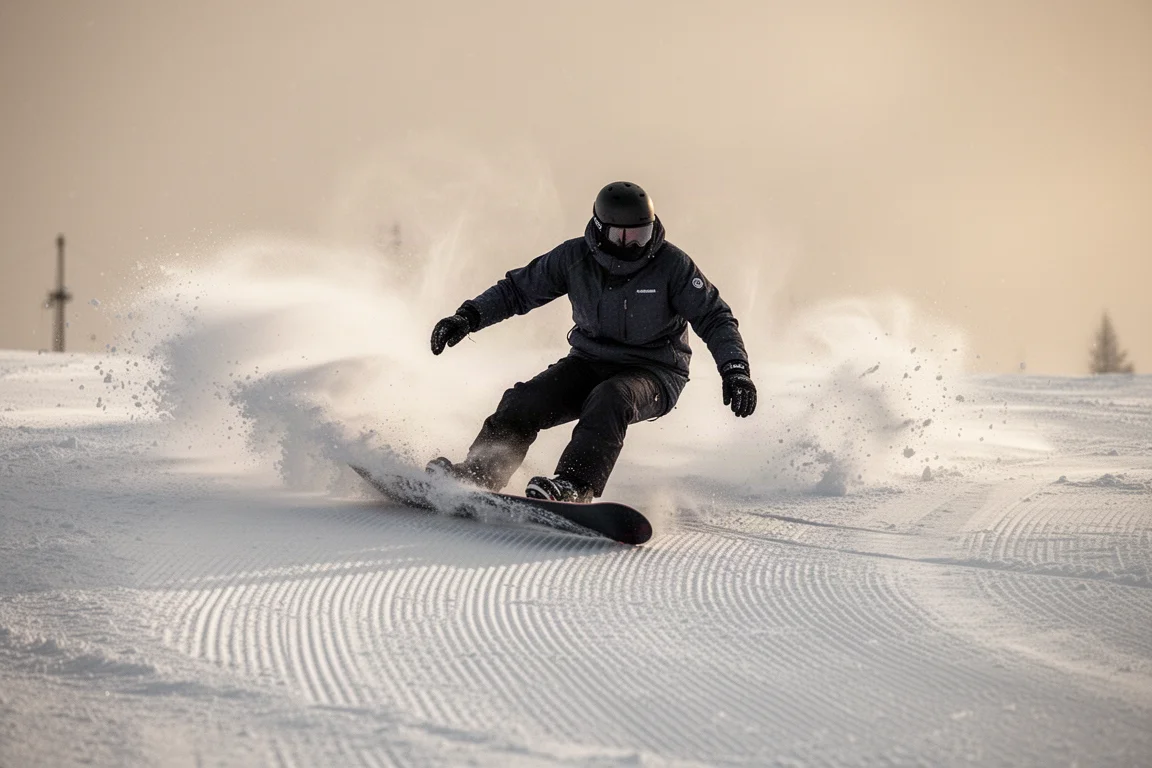
Laying a full trench is possible when the conditions cooperate, though it will not happen every day. Push the board to its limits and the tail wants to kick out a little, but hard park carves are well covered. Where it really stands out is medium mellow carves and short, tight setup turns, which is exactly what you use most in the park: zipping around features or people in your way and setting up for the next hit.
Things to Consider Before Buying
The softer tip and tail flex is the source of the Dicey’s best qualities, and it is also the main limitation. Riders who want to stomp large jumps or charge through chopped-up terrain at speed should expect the nose and tail to be the weak point, and should plan on keeping their knees bent to absorb the chatter that resonates back underfoot.
The board is not the snappiest option in its class either. Its pop is easy to access rather than explosive, which suits relaxed park laps better than a hyper-aggressive riding style. Buyers should also pair it with a freestyle-oriented binding rather than a stiff, aggressive setup, since the softer nose and tail reward a more playful build.
Buying Advice
Sizing runs from 152 up to 158, so there is a reasonable spread to match rider weight and boot size. Because the profile and flex are approachable rather than demanding, the Dicey is a forgiving choice for riders moving into freestyle terrain or for anyone who wants a park deck they can ride without fighting it.
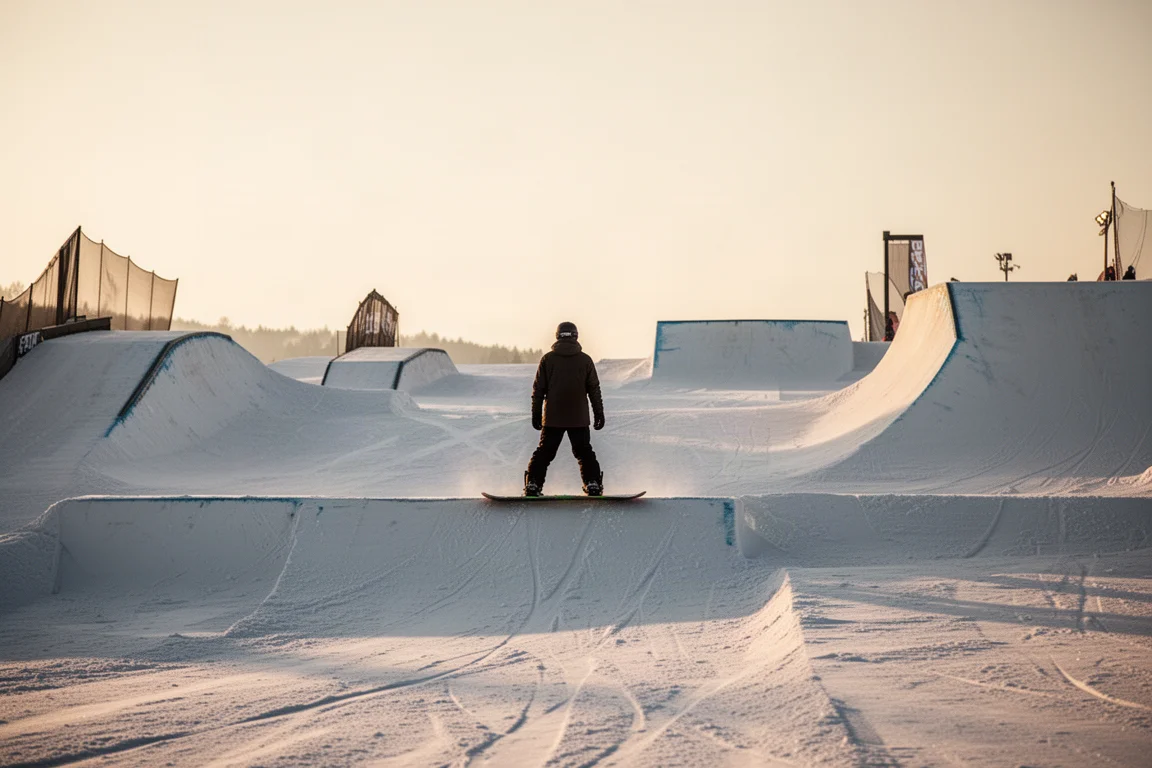
On value, the Dicey lands in a competitive spot for this category: the tech, flex and camber profile line up well against other freestyle boards at a similar price point. Riders cross-shopping this space may also look at the Ride Kink, the Rome Gang Plank and the Capita Scott Stevens, while bindings such as the Now Brigade, Rome Vice and Bent Metal Actions are sensible pairings to consider.
Conclusion
The Yes Dicey is essentially the old Jackpot with a new name, and that is a good thing. Its approachable camber profile, softer tip and tail, and camber-driven pop make it a blast in the park, while the MidBite edge feel and lively flex keep it capable when you take it elsewhere on the mountain. There is no difference between this season’s version and the previous graphic, so anyone who liked the shape before will find the same ride. For the all-around park rider, it is one of the better freestyle boards in this category at this price point.
Product link
View more details for Yes Dicey Snowboard
This product is mentioned in the review. Check the specifications, options, and compatibility before buying.
View more details for Yes Dicey SnowboardFurther reading
Related Reviews

Snowboards
32 Middle Earth Scott Stevens Pro Model Snowboard Review: A Park Board With a Reversed Flex
A medium traditional camber park board with carbon V reinforcement that is stiffer in the tips and more playful between the feet. Here is how it rides and who it suits.

Snowboards
32 Snafu Review: A Directional All-Mountain Freestyle Board with Serious Pop
The 32 Snafu pairs a directional camber-rocker profile with a stiffening tail for powerful carves, big ollies, and a surprisingly damp ride.

Snowboards
32 XXX Pat Fava Pro Snowboard Review: A Stiff Camber Beast for Hard-Charging Riders
A full-width traditional camber deck that rewards aggression with stability and edge power, but demands effort everywhere else.