Snowboards
Yes Basic Outdoor Extreme Review: A Stiff, Aggressive Freeride Charger
A mid-camber, stiff directional board that rewards speed and power with huge stability and snap, but demands effort from the rider.
Introduction
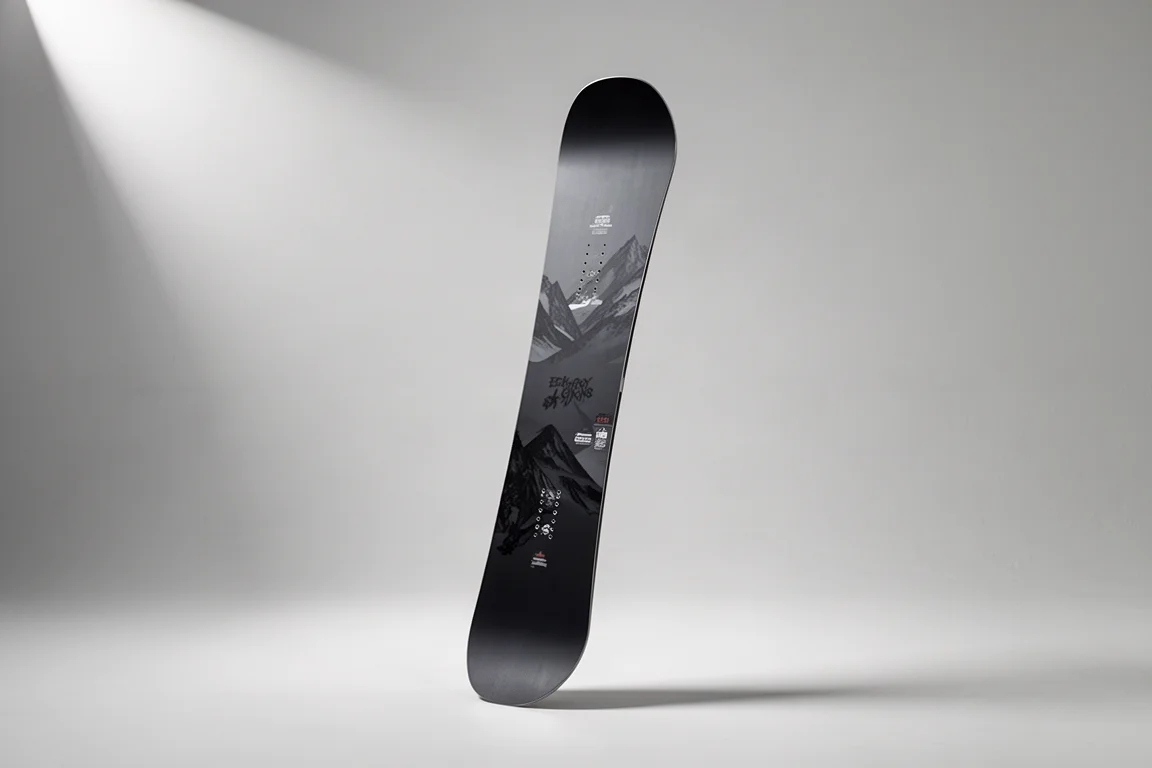
The Yes Basic Outdoor Extreme sits in that interesting space between all-mountain and freeride. It is stiff, directional, and clearly aimed at riders who charge hard and want a board that pushes back. If you have been thinking about picking it up, the links below lead to its listing, and if you would rather support a local shop, your local dealer is always a good option.
First Impressions on the Mountain
We rode this board at Copper Mountain on a mostly blue-sky day with a couple inches of fresh snow on top of leftovers from the day before. The groomers were fast and firm, which turned out to be ideal conditions for what this board does. The test setup paired it with Rome Black Label bindings and K2 Thraxis boots.
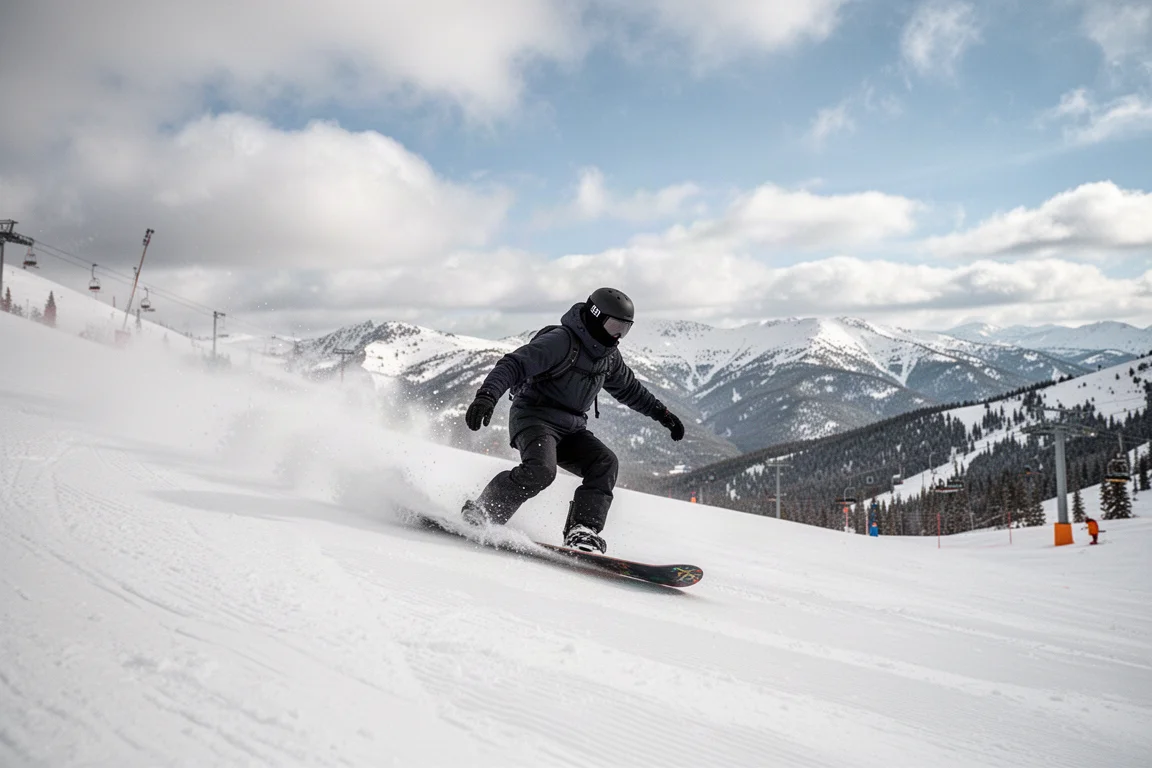
The board uses Yes’s mid camber, a mellow traditional camber that delivers strong load, pop, snap, and drive. It is available in 148, 150, 154, 155 wide, 158, 160 wide, 162, and 164 wide, so there is decent coverage for different boot sizes.
Construction and Flex Profile
This is a stiff, directional board. That means a slightly softer nose, a more consistent flex that is stiffer in the midsection, and a stiffer tail. The torsional flex fights you a little, and there is plenty of rebound to match.
It leans more toward the freeride category than pure all-mountain, though it is not a full freeride plank either. Consider it a directional twin freeride board at heart, even if the marketing says all-mountain. Compared with the regular Basic Outdoor, the difference is huge: that one is more of an all-mountain freestyle board, while this one borders on freeride.
Stability: Plow Through Everything
If you ever wanted to just go fast and plow through crud without worrying about feeling anything underfoot, this board will do it. It sends it through everything in its path, and you do not feel any chatter. Any kinetic energy coming up underfoot is pretty much killed off by the additives in the core.
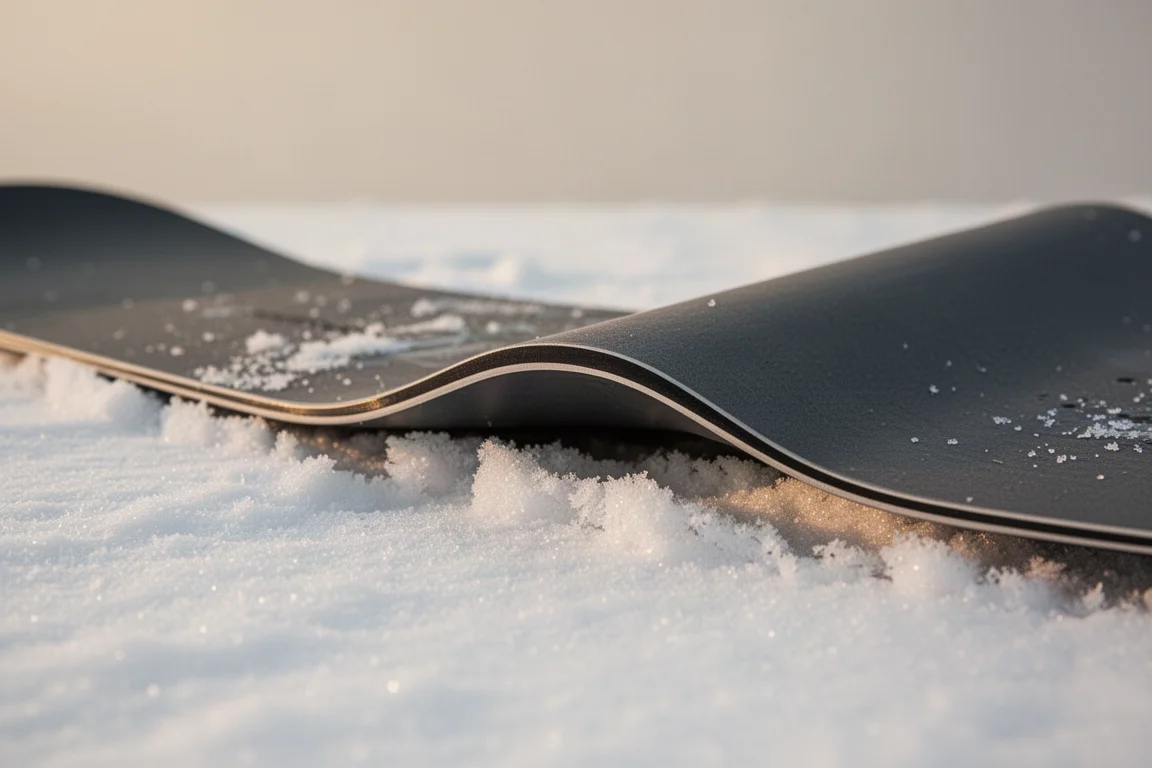
The trade-off is that it takes a bit more to load the board up and get it to rebound. What you put in is what you get out. Go fast, load hard, pop hard, and you can send it. Take it easy, and the board can feel a little soggy.
Riding Style and Performance
Be prepared to work for it. Pressing, butters, and nose or tail presses all take real effort: you have to put your full weight into the nose or tail and sit on it, and the board will fight you the whole time. The upside is that going faster and pressing harder might genuinely make you a better snowboarder.
Where this board shines is in aggressive, powerful riding. It is quick to get on edge but drives hard. Short, tight, quick carves produce a ton of snap. Mellow medium carves lock you in as you swoop across the trail, just with more power. Deep, hard, aggressive carves let you lay a trench and have people get out of your way.
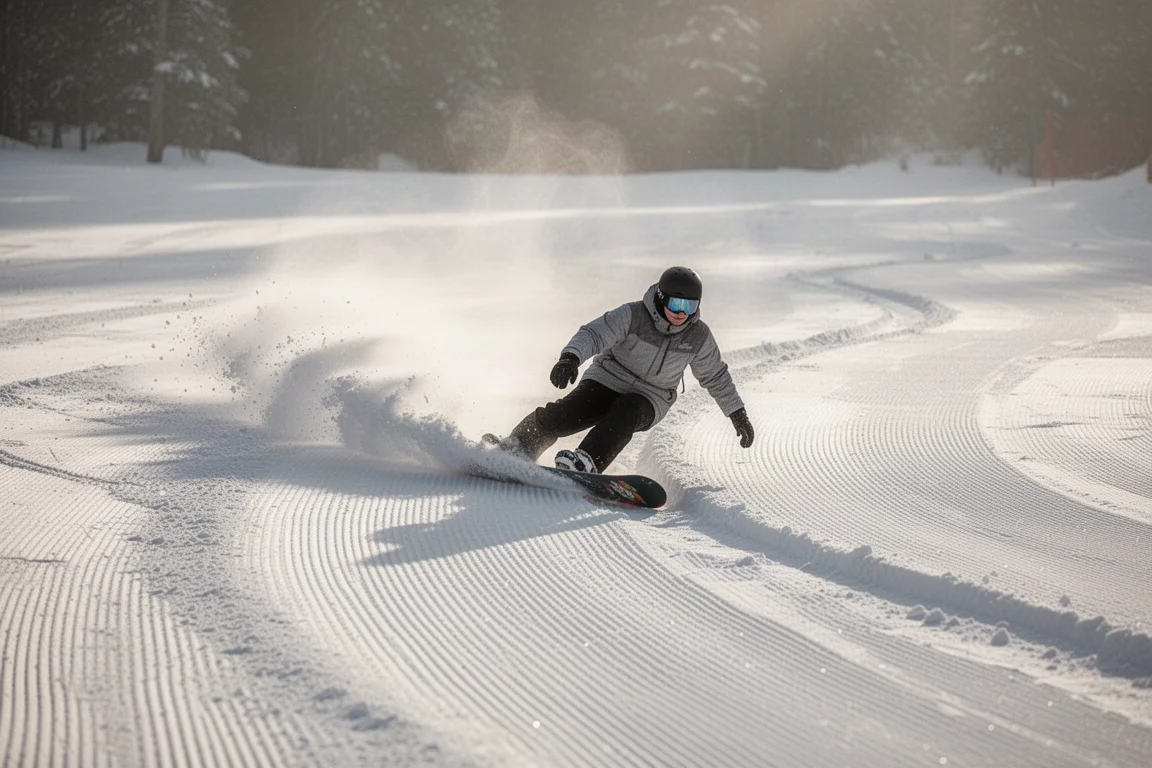
At speed, it comes alive and feels surprisingly maneuverable. At slower speeds, it takes more work, but the effort pays off and pushes your riding to the next level.
Things to Consider Before Buying
This board demands speed and precision. Riders who do not bring power to every turn will find it unforgiving. It is aggressive and assertive, and there is nothing wrong with that, as long as that matches your style.
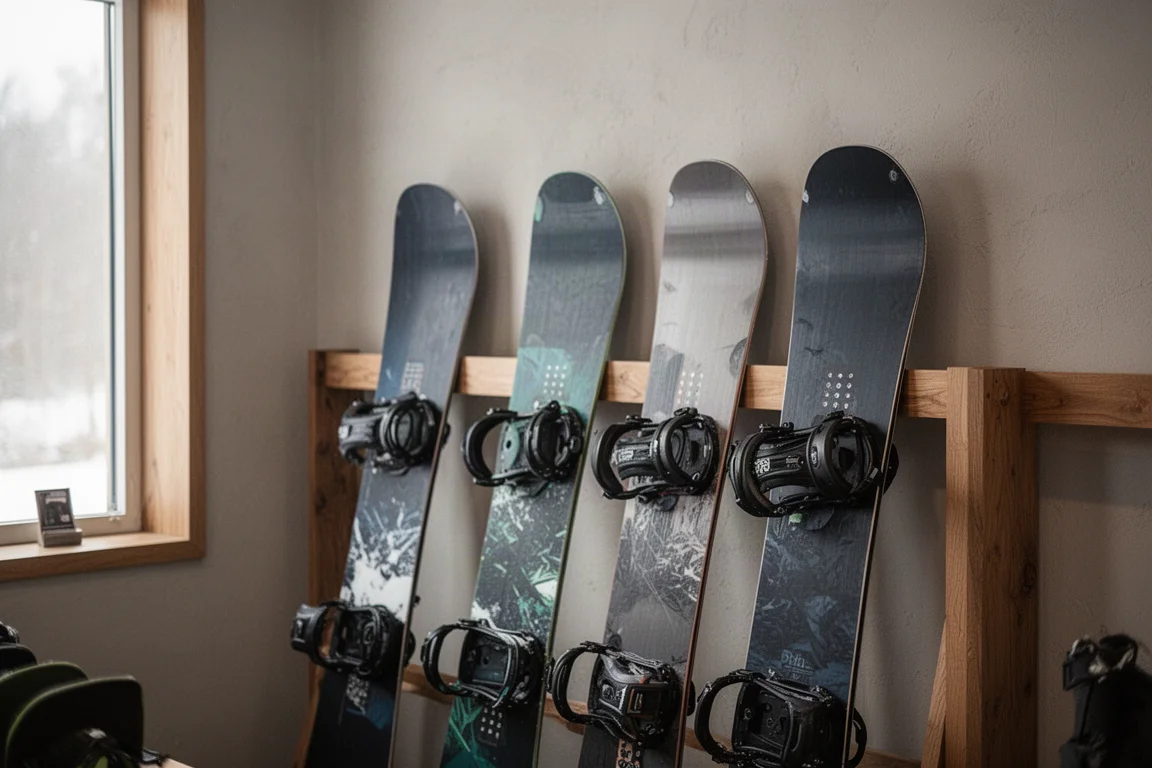
The target rider is the hard-charging all-mountain freerider who wants a bit of freestyle focus. If this flex sounds like too much, the regular Basic Outdoor is the more forgiving alternative. For comparable boards, look at the Stranded Descender, the Rossignol Revenant, or the Jones Aviator 2.0. For bindings, the Yes Airmaster Extreme, the Ride A-10, and the Union Atlas Pro are recommended pairings.
Conclusion
The Yes Basic Outdoor Extreme is a stiff, powerful freeride-leaning board that rewards precision, speed, and commitment with excellent stability, snap, and carving performance. If you charge hard and want a board that keeps up, it deserves a serious look. If you ride more casually, the softer regular version may suit you better.
Product link
View more details for Yes Basic Outdoor Extreme
This product is mentioned in the review. Check the specifications, options, and compatibility before buying.
View more details for Yes Basic Outdoor ExtremeFurther reading
Related Reviews

Snowboards
32 Middle Earth Scott Stevens Pro Model Snowboard Review: A Park Board With a Reversed Flex
A medium traditional camber park board with carbon V reinforcement that is stiffer in the tips and more playful between the feet. Here is how it rides and who it suits.

Snowboards
32 Snafu Review: A Directional All-Mountain Freestyle Board with Serious Pop
The 32 Snafu pairs a directional camber-rocker profile with a stiffening tail for powerful carves, big ollies, and a surprisingly damp ride.

Snowboards
32 XXX Pat Fava Pro Snowboard Review: A Stiff Camber Beast for Hard-Charging Riders
A full-width traditional camber deck that rewards aggression with stability and edge power, but demands effort everywhere else.