Snowboard Bindings
Yes Airmaster Binding Review: One Binding for the Whole Quiver
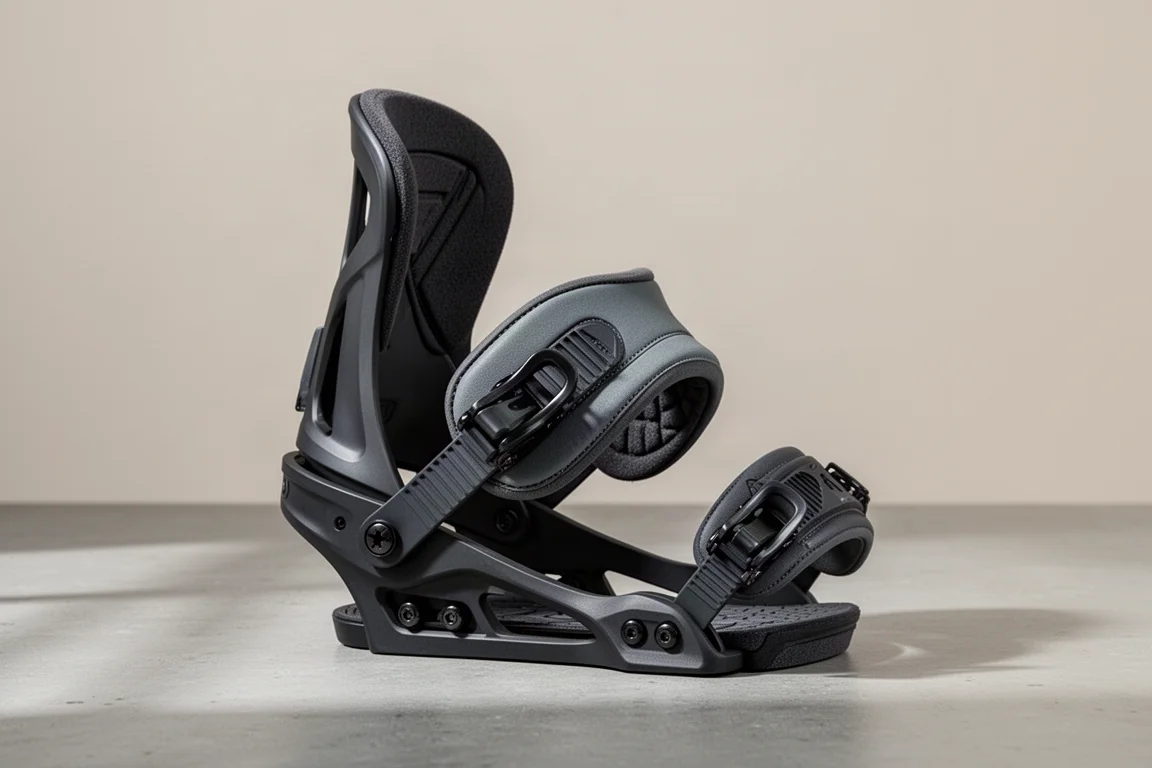
A Skatech snowboard binding with a cushioned, chatter-free ride and a comfortable middle-flex feel that suits riders who want one setup for everything.
Introduction
Some bindings chase a specialty. The Yes Airmaster goes the other way: it is built for the rider who wants one set of bindings that can move across every board in the quiver without feeling too soft or too stiff. After riding it through a full day of variable conditions, the case for it as an everyday, do-everything binding is easy to make.
Ride Impressions
The first thing you notice after a few turns is how damp these bindings feel. A large foam pad sits underneath the footbed, and combined with the bushings under your feet, they cut down on chatter considerably. The only firm part of the binding actually touching the board is the disc mount, so the binding absorbs a lot of vibration rather than passing it on.
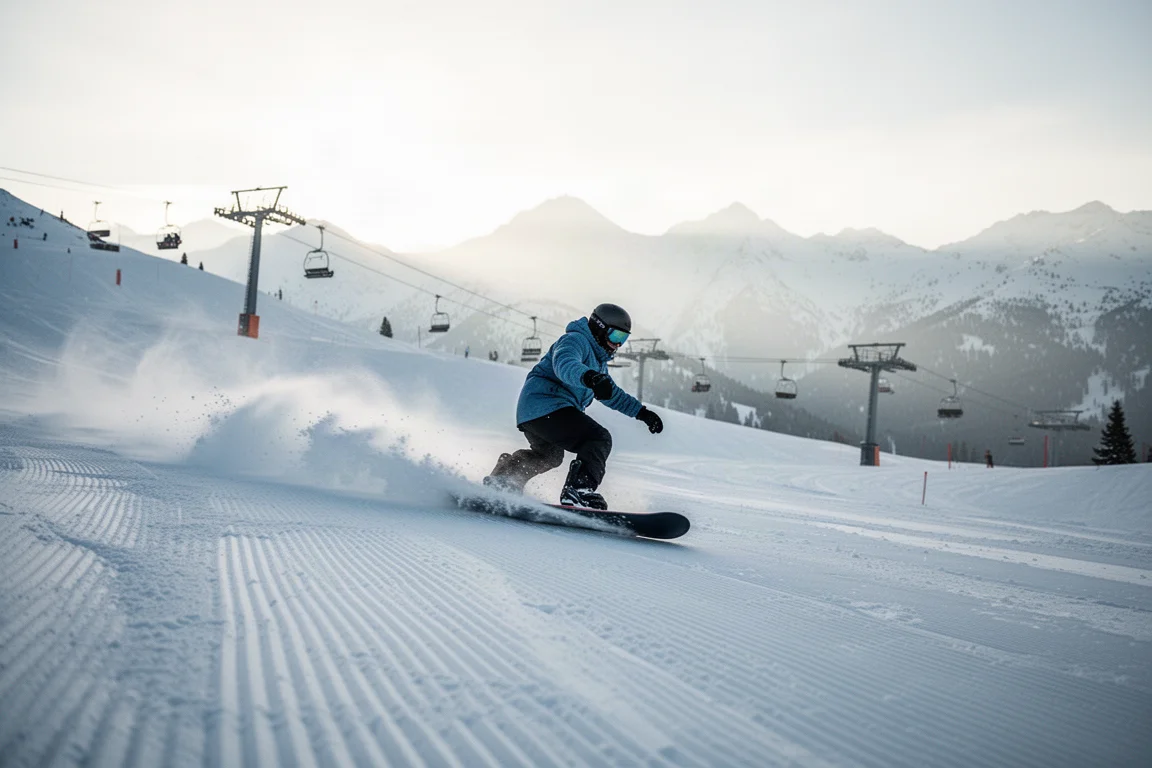
That damping also makes for a more comfortable, cruisy ride overall. The ankle strap does not crush your foot, and the flex of the binding matches the ride instead of fighting it. On soft morning snow it felt smooth and fast; as the surface softened through the day, the ride stayed predictable. Laterally, the chassis and hanger limit flex at the lower part of the binding, so whatever lateral play you get comes from the highback and straps rather than the base.
Adjustability: Standard and Idiot-Proof
Adjustability here is deliberately simple. Because the heel cup is fixed, you center the binding over the board using the disc rather than sliding the heel cup. Turning the disc sideways lets you slide the binding to get it centered for your stance width. Once it is dialed in, that is it; you do not have to touch it again.
The highback adjusts with a flip tab: flip it down, slide it down, flip it back up. The key warning is to never twist it, since twisting is a breakage that will not be covered by warranty. The straps also use a flip tab, and it needs to be fully open before you move them, otherwise it stays partially engaged and becomes difficult to work with. You can tighten them by hand or with a Phillips screwdriver.
You also get two sets of bushings in the box. The medium set comes mounted, and a soft set is included if you want a plusher feel. The medium ones work well as-is, so most riders can leave them alone.
Straps: Comfort Over Rigidity
The ankle strap looks unusual at first because it is neither a fully molded strap nor a fully padded one. It has substantial padding on the inside without the rigid exoskeleton of a molded design, which makes it very comfortable and forgiving if you tend to overtighten.
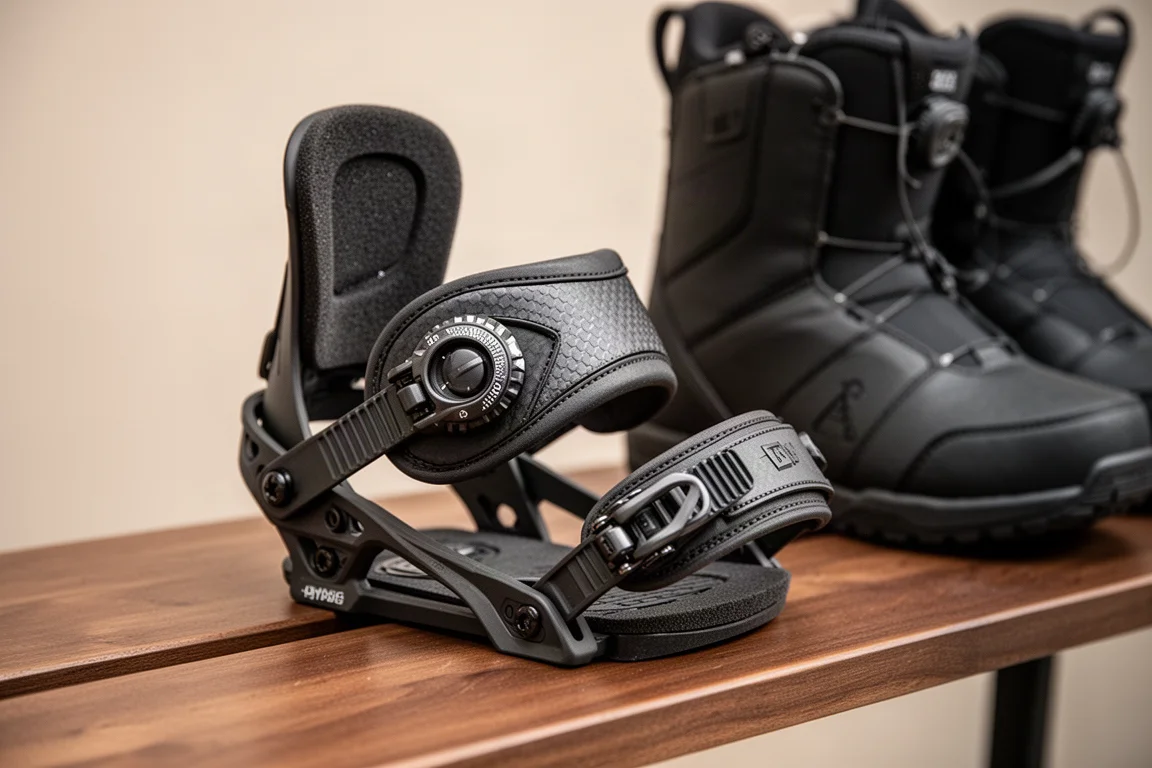
Because it lacks that rigid shell, it allows some lateral movement and is not the stiffest strap out there, but it is not loose either. It locks you in well when positioned with the narrow section in the middle of the boot, and the extra ankle padding means no crushing feeling even when cranked down.
The toe strap has some mesh built in to help it stretch. Ridden on top of the toe, it feels comfortable and centers itself as you tighten it, even if it looks off-center at first. Over the toe, the fit is less convincing in our experience. The odd shape out of the box comes from the new hinge-style connector and the way the strap sits when packed; it returns to its normal shape with use.
Ratchets: Big Grips, One Caveat
The ratchets are massive, and that is a good thing. You can grip the ankle ratchet with a full mitten on, and the toe ratchet is larger than most, so both are easy to work with in cold conditions. There is very little play in the ratcheting system; the ladders engage seamlessly and hold without skipping teeth.
The one caveat is the release. The toe ratchet has no dedicated release lever, so you grab the teeth on the side and pull the strap off. It released without problems in testing, but if you insist on a large toe release lever, that is something to think about before buying. The ankle side has a giant release that works easily even with mittens on.
Highback: Short, Wide, and Forgiving
The highback is short and wide, which holds up well under pressure. You keep responsive toe-to-heel movement without feeling locked down when you want lateral play. There is a good amount of flex in it, so you still get tweakability without losing support when you drive into the outside of the binding.
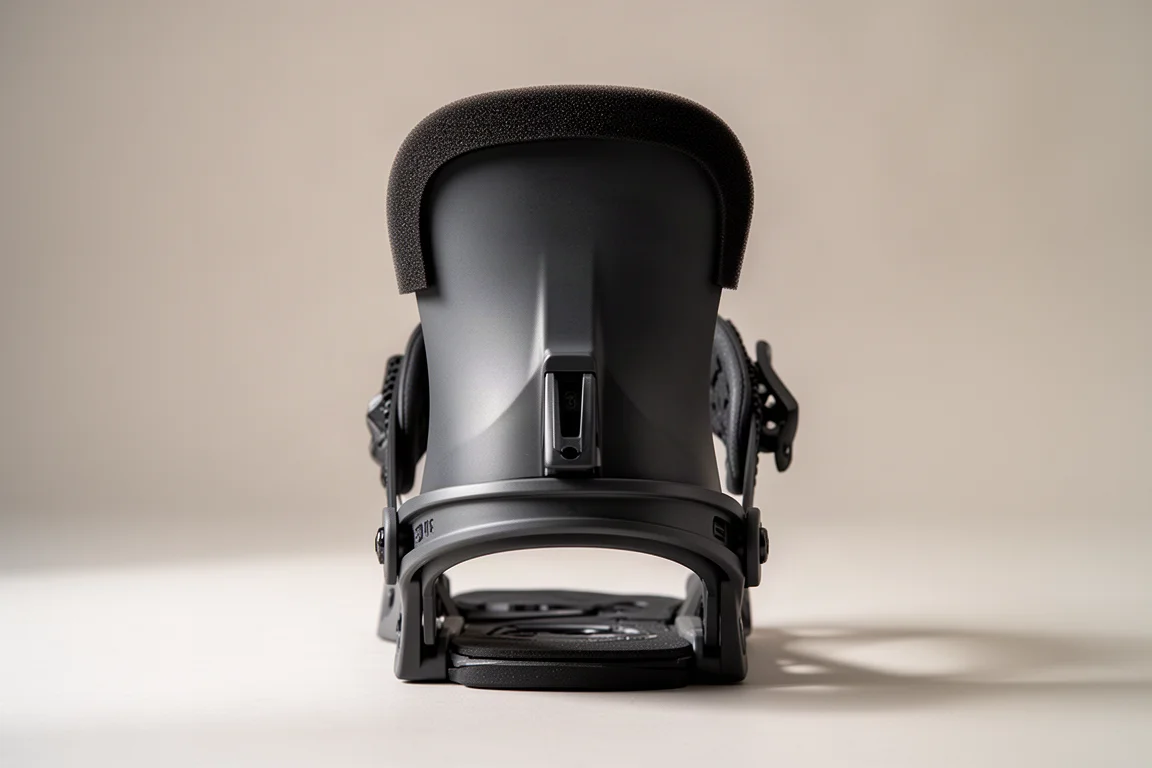
A large foam pad at the top eliminates calf bite, and because the highback sits low, it should work fine even with lower-cut boots. Forward lean is handled by the same flip tab system: flip it, slide it down, flip it back into place. One design decision worth noting: the highbacks cannot be rotated. They come out of the box ready to ride, which removes a setup step that many riders get wrong anyway. That no-fuss approach matches the rest of the binding well.
Flex and Board Feel
Laterally, the lower chassis and the hanger at the base limit flex near the boot, while the softer straps and the highback provide the play higher up. Because so little of the binding actually touches the board, with just four contact pods, the disc mount, and some foam making contact, the board flexes freely underneath. That gives the Airmaster a lively, connected board feel that pairs especially well with Skatech-style boards.
Who the Airmaster Is For
This binding is made for the rider who does everything and goes everywhere. It is not a stiff charger-focused binding, and it is not a soft park binding either. It is the one set of bindings you can transfer from board to board across your whole quiver without worrying whether it will feel too soft or too stiff, then run into the ground until it is time for a new pair.
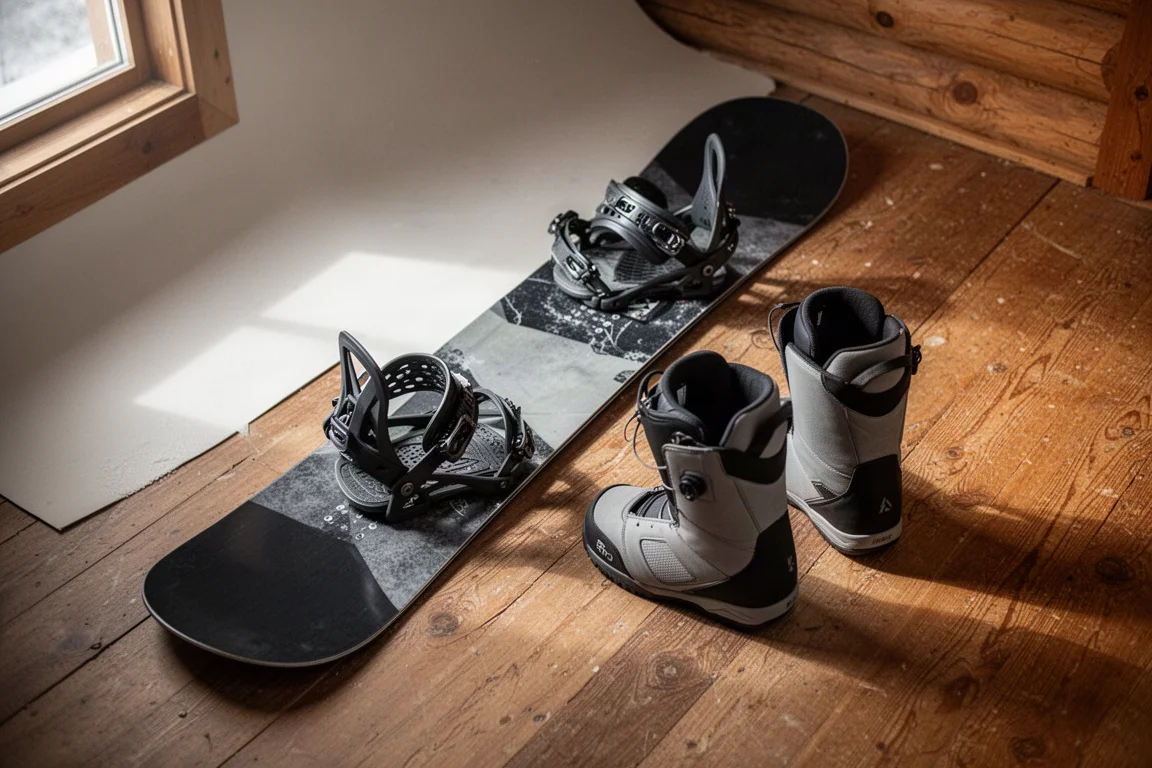
If it is too much of a stretch to go from the softer end to something like a freeride-oriented binding, this sits comfortably in the middle. Comparable options worth cross-shopping include the Jones Mercury, the K2 Edition, and the Union Force. If you are hesitant about Skatech technology, those alternatives are worth a look.
Buying Advice
Take a few minutes to set the binding up properly: center it with the disc, set the highback height, position the ankle strap so the narrow part sits mid-boot, and ride the toe strap on top of the toe rather than over it. If you want a plusher feel, swap in the included soft bushings. After that, the Airmaster requires no ongoing fiddling, which is exactly what an everyday binding should ask of you.
Conclusion
The Yes Airmaster is a genuinely solid all-around binding: damp enough to cut chatter, flexible enough to stay comfortable, and supportive enough for all-mountain riding. The unusual hybrid ankle strap has been refined to the point where it holds its own, and the oversized ratchets make cold-day strap-ins painless. For riders who want one dependable pair of bindings for every board they own, it is an easy recommendation.
Product link
View more details for YES AirMaster
This product is mentioned in the review. Check the specifications, options, and compatibility before buying.
View more details for YES AirMasterFurther reading
Related Reviews

Snowboard Bindings
2024 Union Ultra Snowboard Bindings Review: A Cushy, Freestyle-Focused Favorite
Two seasons on the 2024 Union Ultra: a lightweight, tweakable freestyle binding with standout comfort, a damp molecular bushing, and thoughtful hardware fixes.

Snowboard Bindings
32 Team Phase Binding Review: A Fast Entry Binding Built for Freestyle Laps
The first binding from 32 uses the Phase chassis for quick step-in entry with a softer, freestyle-leaning flex. Here's how it performed on the snow.

Snowboard Bindings
Arbor Cypress Snowboard Binding Review: A Laid-Back Cruiser That Can Charge
A closer look at the Arbor Cypress binding's adjustability, strap feel, and that oddly tall highback before you decide to buy.