Snowboard Bindings
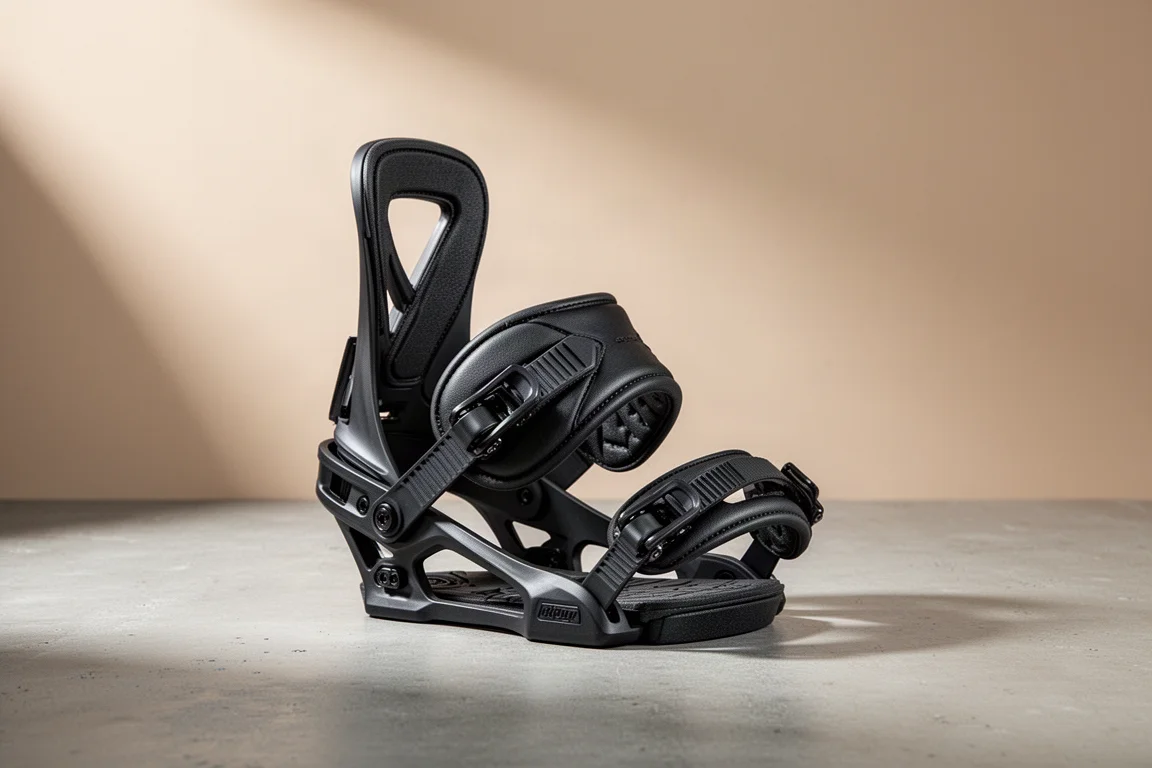
32 Team Phase Binding Review: A Fast Entry Binding Built for Freestyle Laps
The first binding from 32 uses the Phase chassis for quick step-in entry with a softer, freestyle-leaning flex. Here's how it performed on the snow.

Introduction
The Team Phase is the first ever binding from 32, and it leans on the same Phase chassis platform that has already proven itself on other fast entry bindings. The idea is simple: a quick step-in binding that is genuinely about performance rather than pure convenience, tuned here with a softer, more freestyle-friendly flex.
I rode it at Copper Mountain on a day that kept flipping between sunshine and flat light, with a few inches of fresh snow that left the groomers smooth and easy to lay an edge into. The test setup was Ride Fuse boots on a Jones Stratos board, which gave a realistic look at how the binding behaves with a mid-flex freeride deck.
Straps and Adjustability
Adjustability is almost entirely toolless, and that is not an exaggeration. Both the toe and ankle straps adjust without a Phillips head anywhere. One habit worth forming: open the strap fully before ratcheting in, otherwise it can twist and become a pain to untangle.
The highback adjustment works differently from most bindings. Instead of a flip tab, you spin the adjuster, set your position, and spin it back to lock it in. It can be done on the fly, which is a nice touch. Centering the binding uses the full-size disc, sliding toe to heel as needed, and the toe ramp has two positions with two small holes to line up depending on how much toe coverage you want. Since it uses a fixed steel cup, there is nothing to adjust there, and the highbacks cannot be rotated at all.
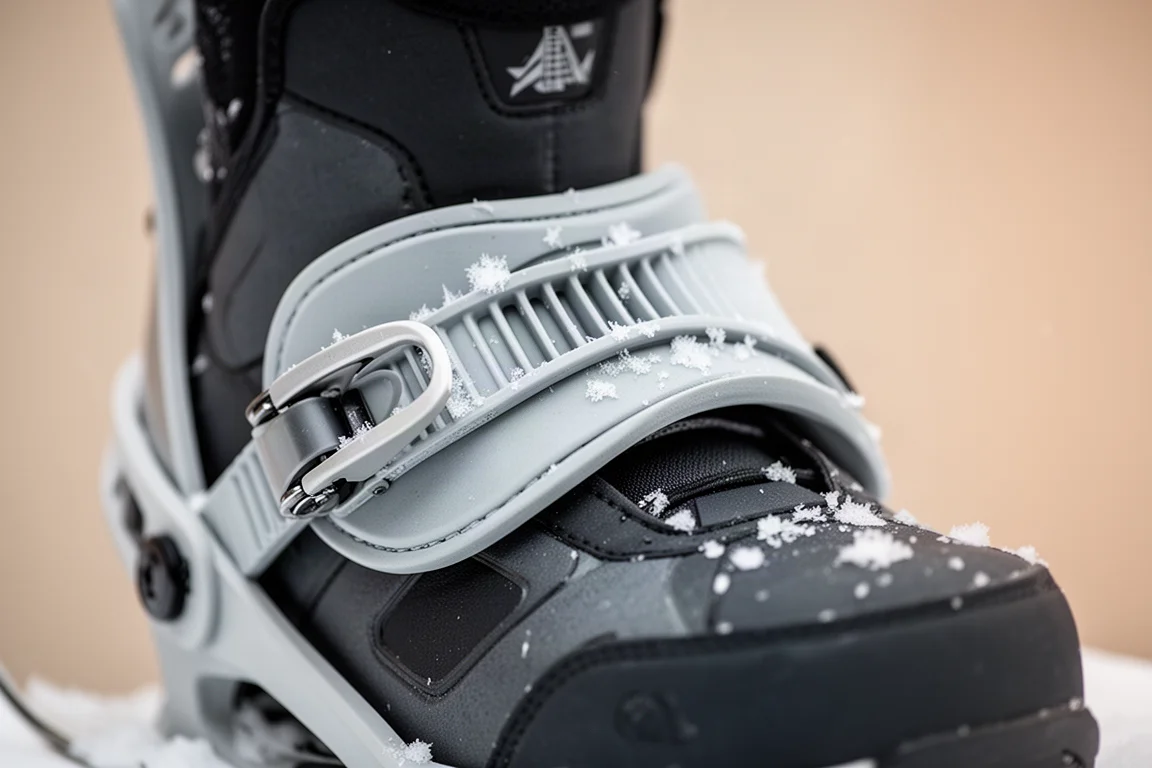
The ankle strap feels identical to the one on the Jones Phase Mercury, with an exoskeleton spine for rigidity over a softer molded strap. That means no padding under the strap itself; all the comfort comes from your boot. When cranked down tight, I did notice a mild pressure point right where the exospine sits, starting about halfway down the mountain. Loosening it slightly, especially on the front foot, sorted it out. Ridden at normal tightness, it is a comfortable strap.
The toe strap is the same one used on the Jones Phase Mercury. On a square toe box like mine, there is a small gap at the top or bottom depending on how the foot slides in, so it does not caress the whole boot. That said, it stays locked in place with zero lift when going heelside, is not overly stretchy so it does not pull away when kicking in, and fits on just about anything. For a first-year design, it is solid.
Ratchets
The toe ratchet is shared across the entire Phase line. It is standard, with no play, and easy to lock in and leave. The locking mechanism is not the strongest part: if you kick the binding around, the mechanism can sometimes move, so you may need to reposition it before sliding your foot in.
The ankle ratchet has slightly more play but nothing you feel while ratcheting in or releasing. It also barely wears the ladders; after riding all day and ratcheting as tight as possible, there were no visible wear marks. A solid, unremarkable ratchet, which is exactly what you want.
Highback and Entry System
The highback sits way open when the binding is idle, and the reason is a small stirrup inside the heel cup. When you step in, the boot pops the highback forward and closes it, locking you in fully. The stirrup itself can be kicked down when getting on a low chairlift, and it pops back up easily by stepping on the back of it before sliding your foot in.
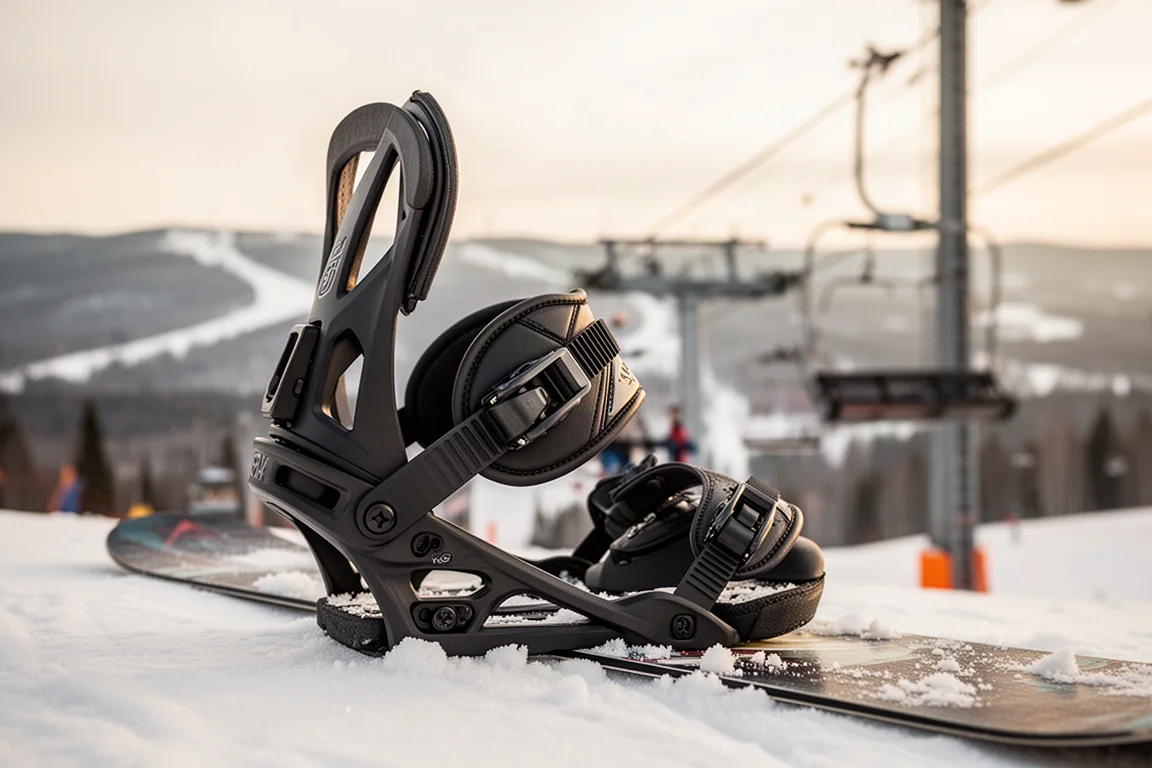
Durability here held up well. I tried to really wrench on these bindings all day with zero problems and no discoloration or wear on the stirrup mechanism. If you do break it, the tabs on the heel cup pop off to reveal a pin and a couple of springs for an easy replacement, or a shop can handle it if you would rather not touch a screwdriver.
The highback flex is soft, likely the softest of the whole Phase family, which makes sense given the freestyle riders who ride it. There is a bit of cushion up top to prevent calf bite, and a forward lean adjuster that uses the same flip, spin, and lock motion as the rest of the adjustments.
Riding Experience and Flex
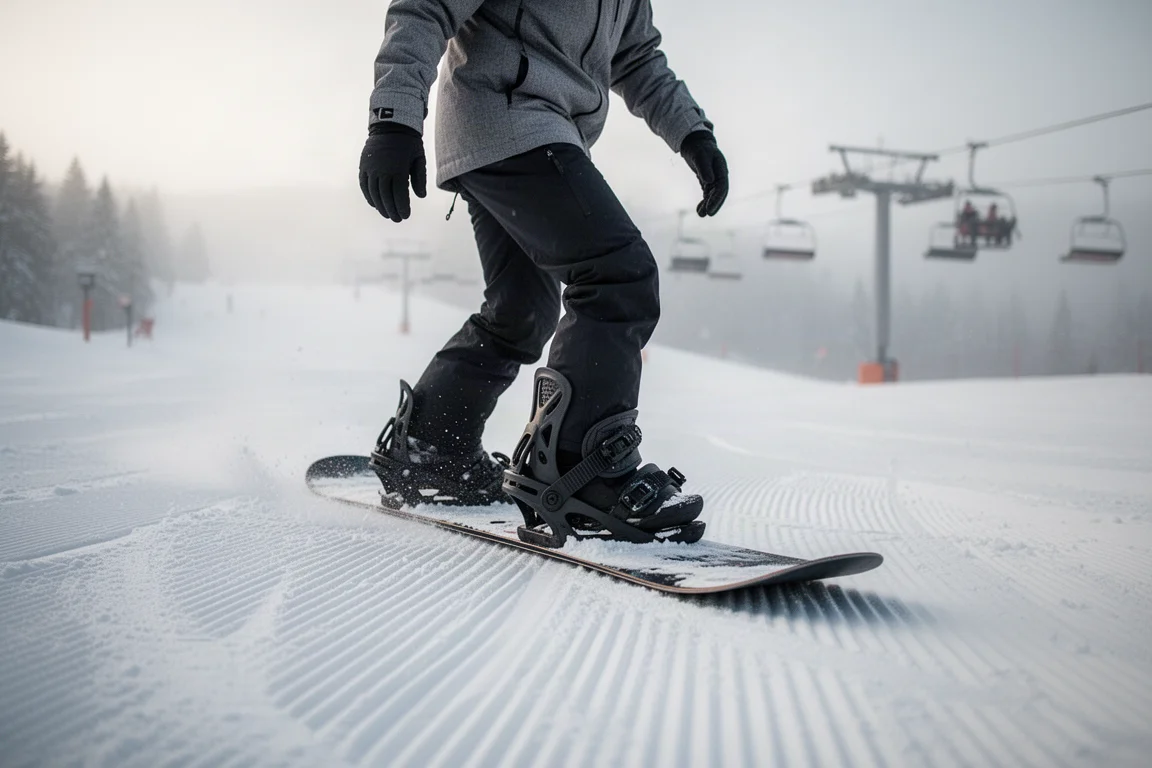
Overall flex lands in the middle of the road, possibly slightly softer, since the chassis does not have the highest build. Twisting the binding laterally, you feel some movement underneath, and the ankle strap plus soft highback add to that lateral give. Toe-to-heel response, however, stays nice and responsive, and the foam padding on the base and underfoot prevents any dead spots while still allowing a bit of roll.
It is not ultra soft either. You will not be touching your knee to the nose on presses, but you get that playful give while keeping solid edge response. As for dampening, it is not the most damp binding out there, but you also will not feel every little chunk of snow. Over smaller push piles I felt them underneath my feet, but nothing jarring or violent through the ankles or knees. The firmer foam under four toes versus a slightly softer spot under the big toe made little difference in practice.
Where the lack of urethane underfoot shows is on icy, man-made snow that has not seen fresh in weeks. There, you will feel more vibration coming through. For cruising, popping in and out, and hunting for little stashes around the mountain, it handles the job comfortably.
Who This Binding Is For
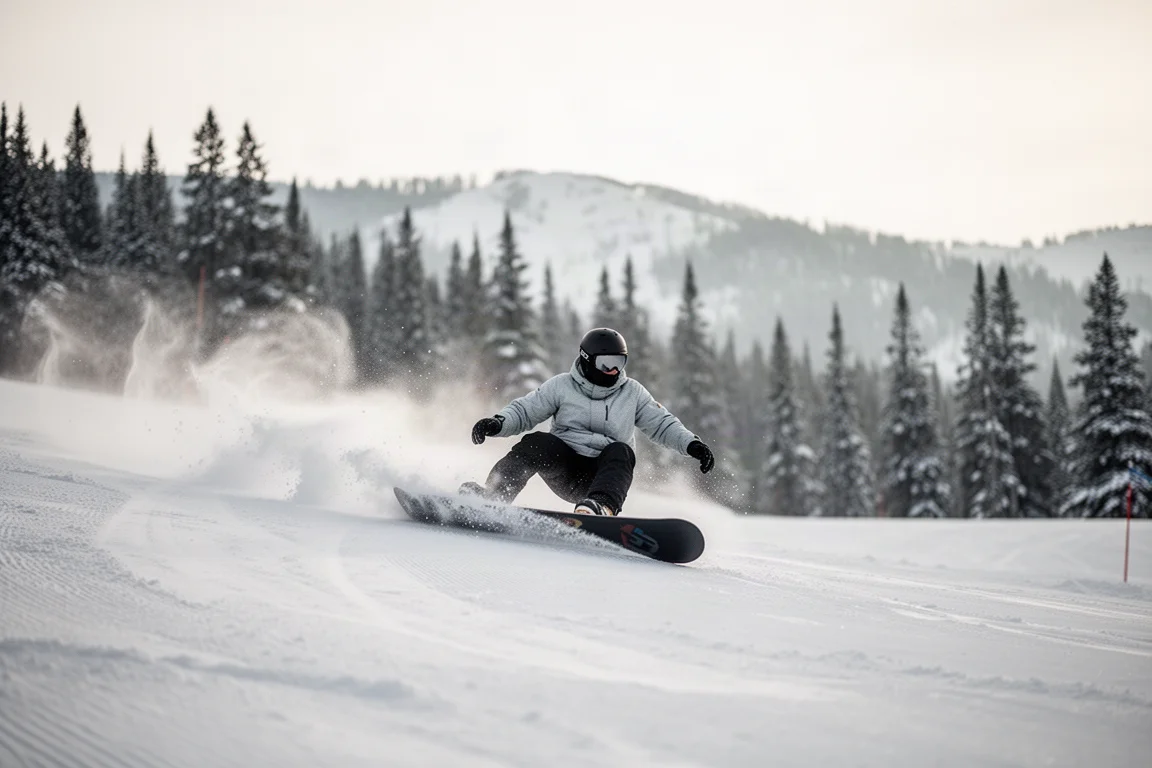
This binding is made for the freestyle-oriented rider. Think the Midwest tow rope rider who hikes the park, laps as many runs as possible, pops in and out constantly, and can even undo the ankle strap, pull themselves up the rope, and click back in at the top. The key is that these riders do not want to sacrifice performance for the sake of lap count.
If you are the type who tweaks grabs, butters, and presses around the mountain, this is a great fit. Comparable options in the same Phase platform include the Jones Mercury Phase, the Rome Katana Phase, and the Battalion Blaster Phase.
Conclusion
For a first ever binding, 32 did a really good job. The chassis is proven, the ankle strap is comfortable once you respect its pressure point, and the fast entry system is genuinely idiot proof after a full day of abuse. This is not a convenience binding; it is a fast entry performance binding, and that is exactly what it delivers. If you want something slightly softer and freestyle-leaning in the Phase family, the Team Phase deserves a spot on your shortlist.
Product link
View more details for 32 Team Phase Binding
This product is mentioned in the review. Check the specifications, options, and compatibility before buying.
View more details for 32 Team Phase BindingFurther reading
Related Reviews

Snowboard Bindings
2024 Union Ultra Snowboard Bindings Review: A Cushy, Freestyle-Focused Favorite
Two seasons on the 2024 Union Ultra: a lightweight, tweakable freestyle binding with standout comfort, a damp molecular bushing, and thoughtful hardware fixes.

Snowboard Bindings
Arbor Cypress Snowboard Binding Review: A Laid-Back Cruiser That Can Charge
A closer look at the Arbor Cypress binding's adjustability, strap feel, and that oddly tall highback before you decide to buy.
Snowboard Bindings
Arbor Hemlock Binding Review: A Playful Jib Binding with Serious Give
The Arbor Hemlock is a soft, lively snowboard binding built for jibbing, with adjustable straps and one of the softest highbacks around. Here's what to know before buying.