Snowboards
Yes 420 Un Inc JPS Review: A Wide, Stable Powder Freeride Snowboard
A practical look at the Yes 420 Un Inc JPS, a volume-shifted powder freeride board that charges hard and floats well, with real trade-offs in pop and playfulness.
Introduction
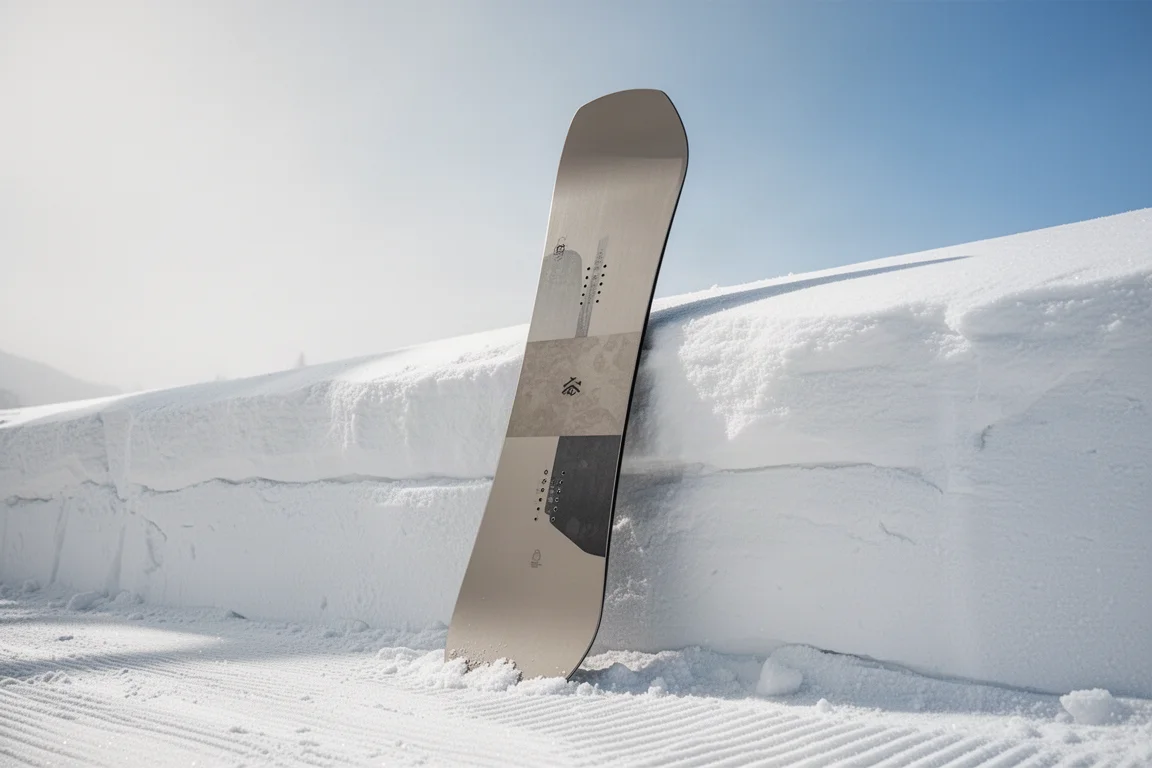
The Yes 420 Un Inc JPS is a wide, volume-shifted powder freeride snowboard built around Yes’s blended camber plus rocker profile. That construction places more rocker in the nose, a set back camber section through the middle, and a micro rocker just before the up kick in the tail. The result is a board that loads the back foot for pop in powder while the aggressive nose rocker and extra width deliver float and easier entry and exit through turns.
It is offered in four lengths: 141, 145, 148 and 152. The deck was put through a full range of conditions on a sunny bluebird day with low winds and cooler temperatures, including heavy wind loaded snow, lighter wind loaded snow, chunder, patches of ice and perfect corduroy. It was ridden with Rome Black Label bindings and K2 Thraxis boots.
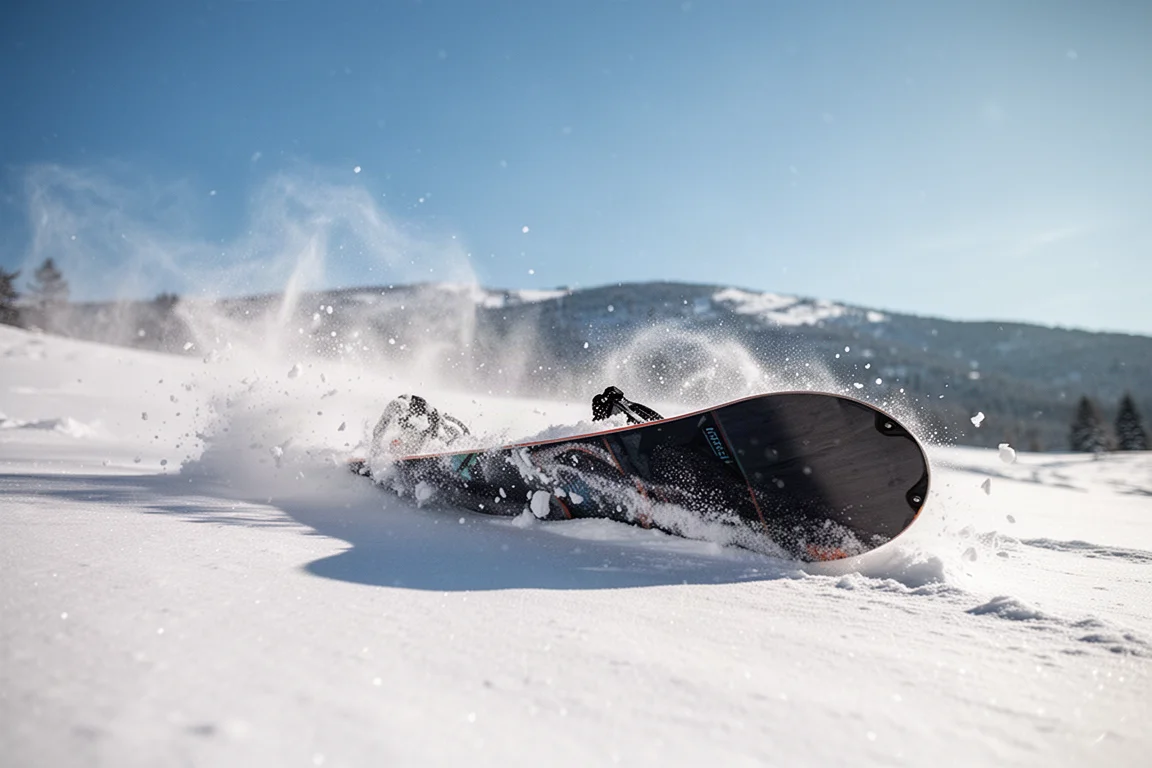
What stands out first is how purpose-built the shape feels. This is not an all-mountain compromise with a powder bias; it is a wide powder board with a clear point of view, and almost everything about how it rides flows from that decision.
Who the Yes 420 Un Inc JPS Is For
The clearest match is the surfy, low angle powder rider. The wide, volume-shifted platform lets you sit back and let the board do the floating, and it rewards a relaxed, drawn-out turn shape over aggressive edge-to-edge snapping. If your ideal day involves soft snow, open terrain and a loose, surf-influenced style, the shape is aimed directly at you.
It also makes sense for riders who spend time in heavier, denser snow. The board punches through heavier snow well and plows through chop, so it holds up in the kind of conditions that punish narrower, more nervous shapes.
Main Strengths: Stability, Float, and Charging
Stability is the headline. The set back camber creates an optimal platform for charging, and the board is remarkably quiet underfoot. There is very little chatter out at the nose, and what little there is never really registers under the foot. Undulations and variations in the snow surface largely disappear beneath you. The only time you genuinely feel the terrain is when you jar your body coming off a drop or slam into something buried under fresh snow. Otherwise, the board plows through whatever is in its path.
Float is the other clear win. The nose rocker takes up a lot of space and eases entry and exit from turns, while the set back camber and volume-shifted width give you a stable rear platform to load. In powder, the combination works: the front of the board stays up and the back of the board stays planted.
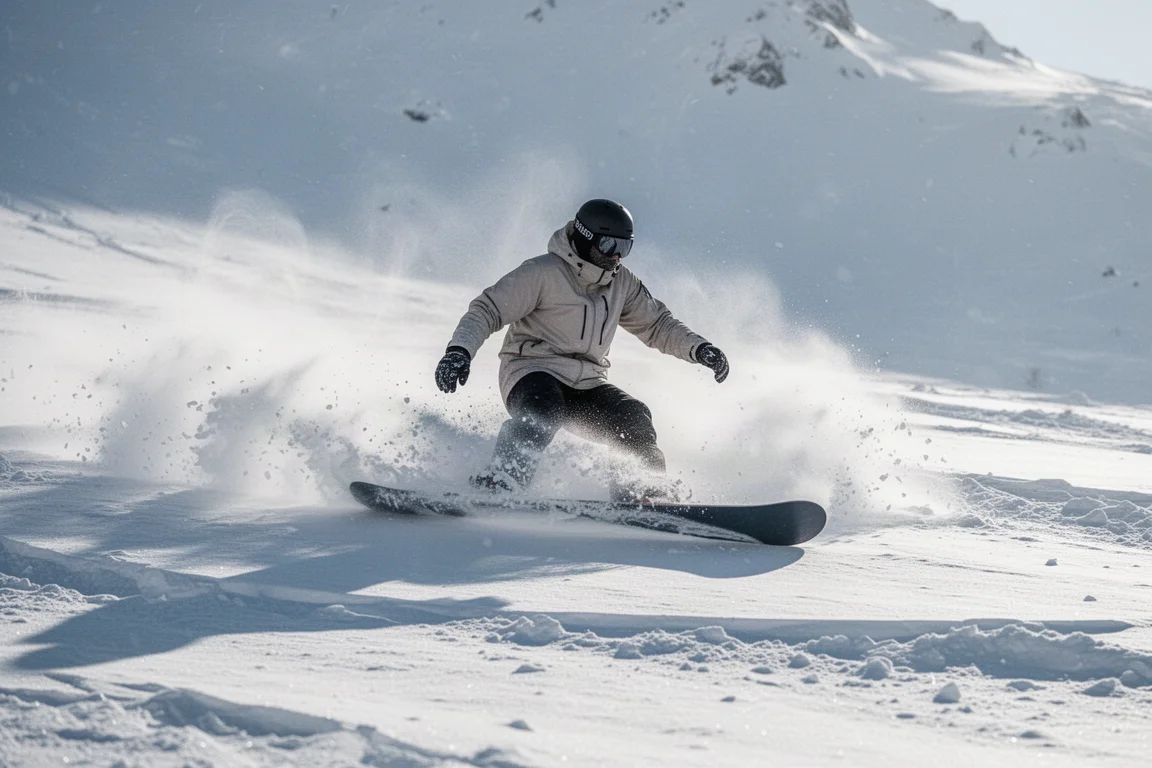
Edge-to-edge performance is better than the width suggests. In proportion to your boot size, it is relatively easy to get the board up on edge. It is not quick and it is not nimble, but it is easy enough. You can roll it up and transition from toe to heel smoothly. You will not feel a lot of power or rapid initiation, but the transitions are clean.
Drive is concentrated under the back foot, which follows directly from the camber profile. That is where the board’s forward drive comes from. Weighting it up and pushing through disengages the front foot and lets you transition side to side with a planted, predictable feel.
Camber Profile, Flex, and Edge-to-Edge Feel
With this width, camber profile and core profile, the Yes 420 Un Inc JPS lands as a stiffer directional powder freeride board. The flex is directional in a subtle way: the nose is slightly softer than the rest of the board, though the difference is barely noticeable. From there it progressively stiffens toward the tail, with a small amount of torsional flex in the mix.
That flex pattern explains a lot of the ride character. The stiff rear half supports hard charging and keeps the board composed at speed, while the marginally softer nose helps the front of the board stay up without folding. Torsional flex gives it just enough give to roll onto an edge without feeling locked or dead.
The important framing is that this is a powder board first and foremost, and a wide one at that. It is not going to be the best choice on a groomer for carving. What you get out of it on hardpack is a bonus rather than the point, and the shape avoids the worst outcome for a board this wide, which would be a deck that simply will not grip. When you can turn it, turn it. When you cannot, point it.
Things to Consider Before Buying
Pop is the most obvious weakness. In the volume-shifted powder freeride category, this is not the poppiest board available. Loading up the camber section gives you very little return for the effort you put in, and you end up sucking your knees up rather than being launched. It charges exceptionally well, but it does not pop well.
Buttering is similarly limited. On a steep pitch with fresh snow, getting out over the nose puts a lot of weight on the front of the board, and even with the rocker section and the added width, the board does not respond the way you would hope. On the tail, leaning back as hard as you can essentially turns it into a wheelie rather than a butter. For a board with this camber profile, shape and width, that is a genuine surprise, and it is worth factoring in if freestyle-influenced riding matters to you.
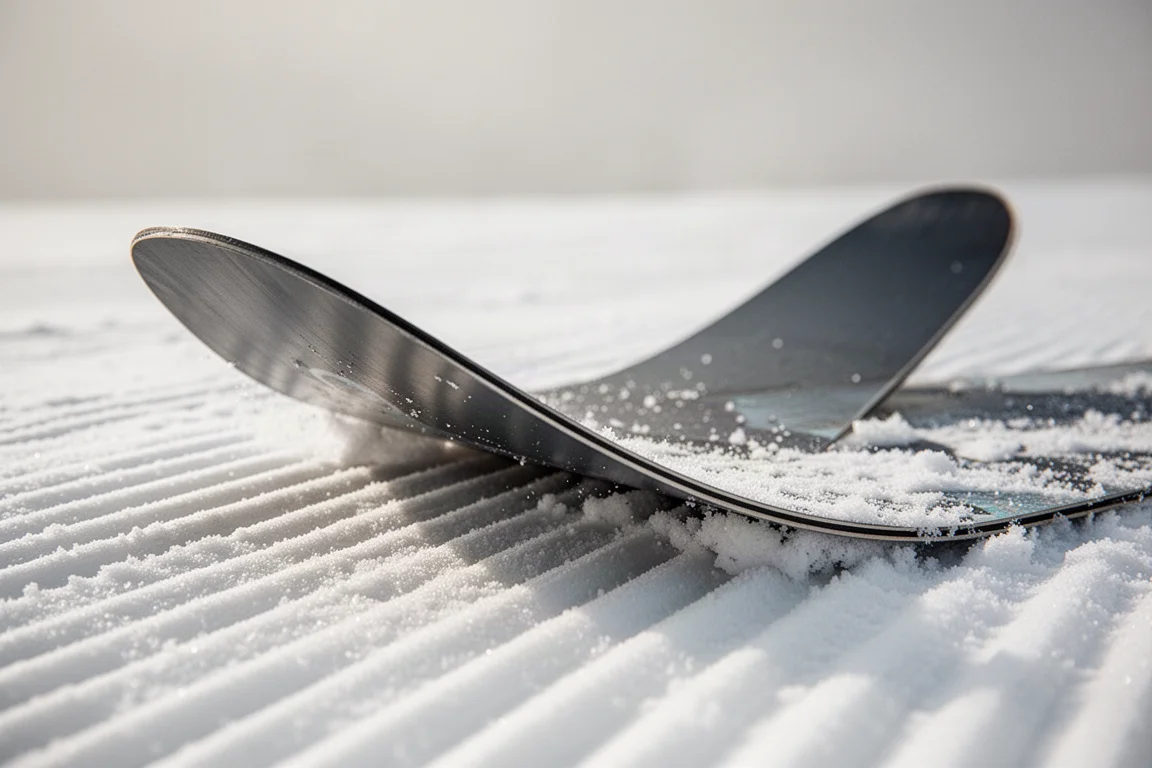
Versatility is the other trade-off to weigh honestly. The stiffness that makes the board so composed in chop and heavy snow also limits how well it travels around the rest of the mountain. It is a specialist, and it behaves like one.
Comparable Boards and Binding Pairings
If this shape appeals to you, several boards sit in the same conversation: the Lib Tech Apex Orca, the K2 Excavator and the Ride Mountain Pig. They occupy similar territory as wide, volume-shifted powder-focused decks, so comparing them side by side is a sensible way to decide which flex and shape profile suits your riding.
On the binding side, pairings that suit the board’s character include the Now Select Pro, the Ride 88 and the Burton Cartel X. All three are capable of transferring the kind of load this board wants without over-softening the ride.
Buying Advice
Buy the Yes 420 Un Inc JPS if you want a wide powder board that punches through heavier snow, plows through chop and gives you a stable, planted platform for charging. Buy it if your riding leans surfy and low angle, and if you value composure and float over pop and playfulness.
Think twice if you want a single board that covers groomer carving, butters and freestyle laps with equal competence. The stiffness that makes it excellent in powder and chop is the same quality that narrows its range elsewhere. Match it to the conditions you actually ride most, and choose a binding that can drive a stiffer directional deck.
Conclusion
The Yes 420 Un Inc JPS does a very specific job well. It floats, it stays quiet, it punches through heavy snow and it charges with a stability that few wide powder shapes manage. It is not the poppiest deck in its category and it is not especially buttery, and its stiffness keeps it from being a true all-mountain one-board solution. If a wide, surfy powder board is what you are shopping for, it deserves a place on your shortlist. If you need one board to do everything, this is a specialist rather than a generalist.
Product link
View more details for Yes 420 Un Inc JPS
This product is mentioned in the review. Check the specifications, options, and compatibility before buying.
View more details for Yes 420 Un Inc JPSFurther reading
Related Reviews

Snowboards
32 Middle Earth Scott Stevens Pro Model Snowboard Review: A Park Board With a Reversed Flex
A medium traditional camber park board with carbon V reinforcement that is stiffer in the tips and more playful between the feet. Here is how it rides and who it suits.

Snowboards
32 Snafu Review: A Directional All-Mountain Freestyle Board with Serious Pop
The 32 Snafu pairs a directional camber-rocker profile with a stiffening tail for powerful carves, big ollies, and a surprisingly damp ride.

Snowboards
32 XXX Pat Fava Pro Snowboard Review: A Stiff Camber Beast for Hard-Charging Riders
A full-width traditional camber deck that rewards aggression with stability and edge power, but demands effort everywhere else.