Snowboards
YES 420 Powderhull Review: A Stiff Camber Powder Board That Rewards Committed Riding
A detailed look at the YES 420 Powderhull, a traditional camber powder board with 3D nose and tail shaping, a stiffer-than-expected flex, and a very specific rider in mind.
Introduction
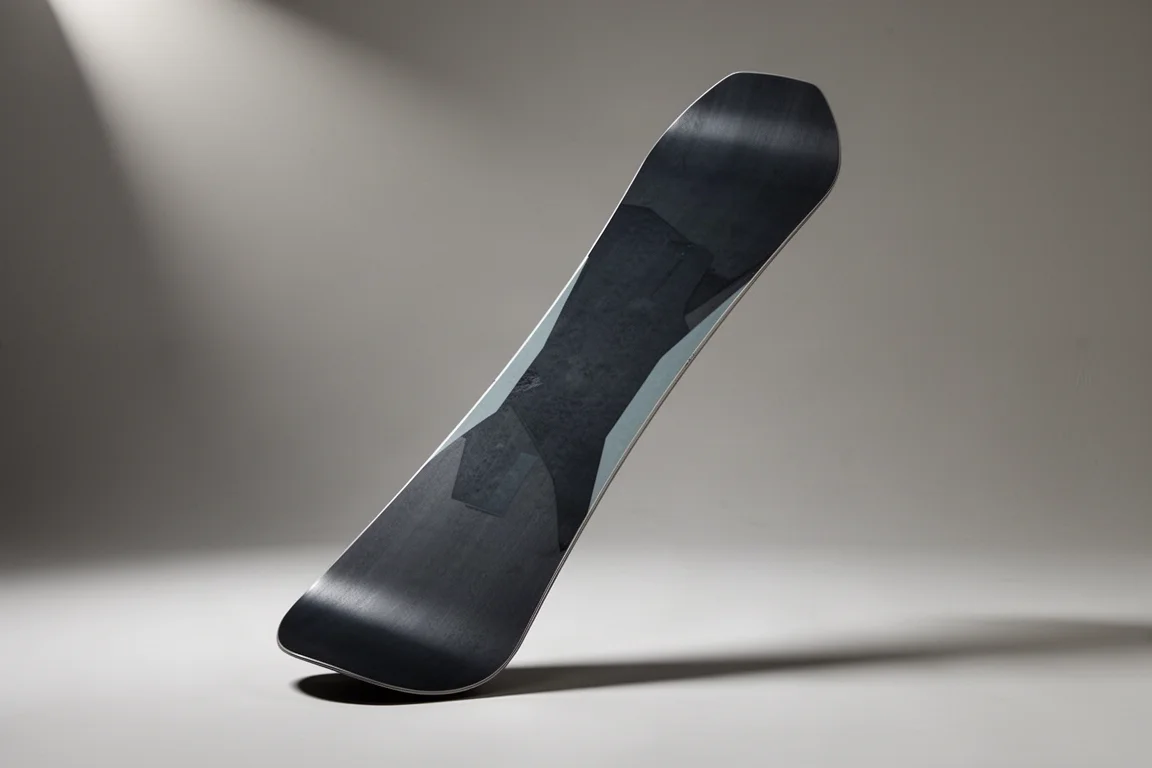
The YES 420 Powderhull pairs traditional camber with a 3D-shaped nose and tail, a combination the brand calls the Powder Hull. In practice, that shaping breaks up the suction that a flat base creates on soft snow and funnels fresh powder out to the sides, which helps the board plane on top of the surface instead of ploughing through it. Traditional camber sits underneath the whole package, and that profile is what supplies the load, pop and snap the board is built around. It is offered in a single size, 154.
That is an unusual starting point for a powder board. Most deep-snow shapes lean on rocker or a tapered swallowtail. Here, the float comes from geometry in the nose and tail rather than from a lifted profile, which shapes everything about how the board rides.
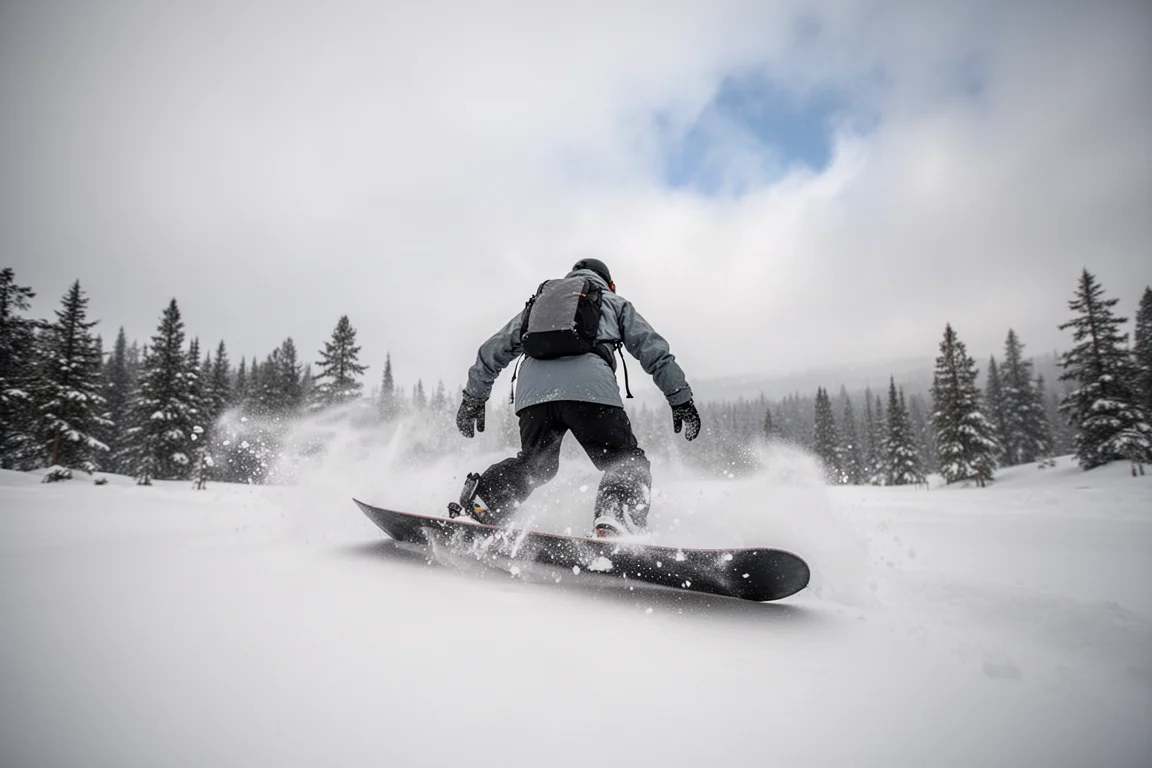
The 420 Powderhull was ridden in mixed conditions: grey skies with pockets of blue, low wind, six to eight inches of fresh snow sitting over chunder and older, crusty snow from a couple of days earlier. That is a useful test window for a powder shape, because it shows how the board behaves when the snow is not uniformly perfect.
Who This Board Is For
This is a board for the camber-loving powder hound. Riders who enjoy the feel of a loaded camber section underfoot, who plan a line rather than react to one, and who want a powder shape that still feels planted and fast will get the most from it.
It is less suited to riders who want a loose, surfy, immediately playful feel in deep snow. The flex is stiffer than the numbers might suggest, and it sits past the middle of the road on the freeride powder board spectrum. That stiffness is a deliberate part of the design, but it does mean the board asks something of the rider.
Main Strengths: Float and Powder Performance
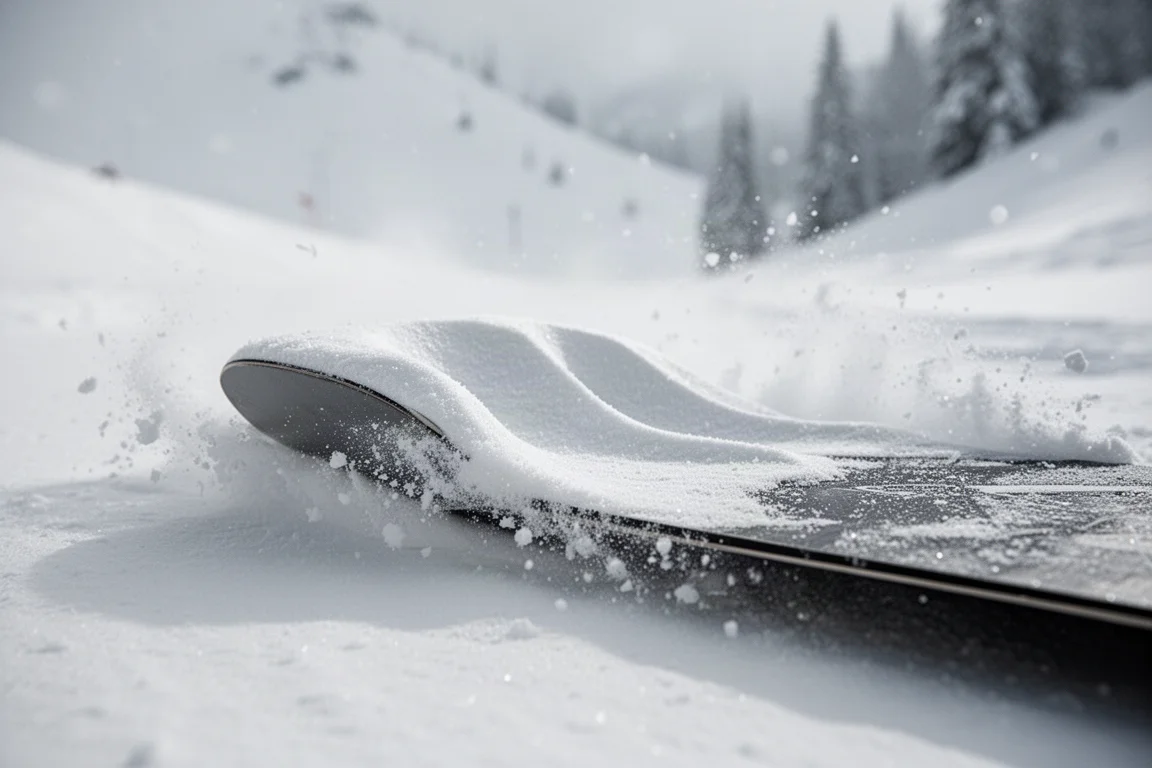
Float is the headline. The Powder Hull funnels snow away from the contact area and lets the board plane and get on top of fresh snow rather than sink into it. The shaping has been refined across several generations of the model, and this version is the most dialled-in of the line so far.
In fresh snow the effect is easy to feel. The nose breaks the surface, the hull releases the suction, and the board settles into a stable, planing ride. It behaves like a consistent, short, wide surfboard: predictable, composed, and comfortable at speed when the snow is soft.
That said, the board is built to be ridden in powder first. It is not a quiver-killer that transforms into a groomer specialist, and the design choices that create the float are the same ones that shape its limits elsewhere.
Main Strengths: Stability and Pop
The flex profile is worth understanding before buying. The nose is ever so slightly softer, then stiffens up right in front of the insert pack. From there, the stiffness stays consistent through the tail with just a small amount of torsional flex. The result is a board that feels remarkably stable from the insert pack back: nothing deflects, nothing washes out, and the tail holds its shape under load.
The nose is the one place where some chatter can appear, and it can reverberate faintly back onto the front foot. It is a minor trait rather than a flaw, and it disappears entirely once you are standing over the camber section.
Pop takes work. Because the board is traditional camber and on the stiff side, it has to be loaded properly before it releases, and that costs a little more effort than a softer freeride shape. What you put in is what you get out. The payoff is a board designed for popping pillows, clearing cat track gaps and launching small cliffs, provided the rider is calculated about engagement. This is not a shape you roll into and snap at the last second. It is a shape you load, aim and land.
Things to Consider: Carving and Edge Hold
Carving is not the 420 Powderhull’s strongest suit, and that is worth being honest about. Steering initiates outside the front foot and carries through the rest of the board, which is how it locks in and drives. On edge, it feels secure most of the time.
On genuinely icy terrain, the back foot can kick out. It is not a constant occurrence, but it happens often enough to notice, even when weight is driven from the centre of the board into the camber section to push through the apex of a turn.
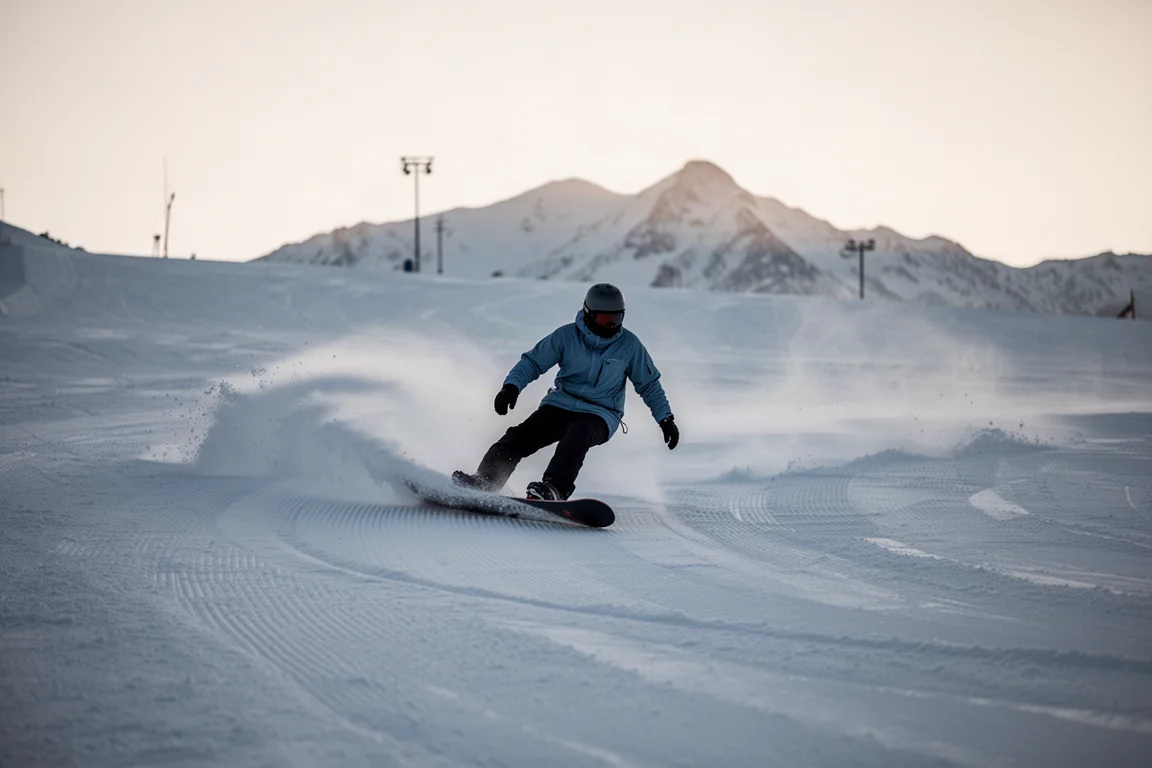
Where the board shines is long, swooping carves. Swooping from one side to the other while traversing the mountain in search of fresh snow is the natural way to ride it. Short, tight, quick carves take more effort because of the board’s width, and laying it right over into a hero carve is something it simply does not enjoy.
Things to Consider: Buttering and Firm Snow
Powder butters are not this board’s territory, and the shape makes that fairly obvious. Pressing into the nose requires getting weight way out over the front and pushing hard, and the camber fights back the whole way. The good news is that you can pop out of any butter you commit to. The trade-off is that the press itself takes real force.
For tail butters, speed helps: go fast and lean back hard, get the board up on top of the fresh snow and wheelie through it. That is the method that works.
There is one more trait to know about. On firmer snow, when skidding to a stop, the Powder Hull can grip and produce a jarring, skipping sensation. It is not a criticism of the design so much as a characteristic of a powder-first shape, and it is the only thing that stands out as a genuine quirk.
Buying Advice
The 420 Powderhull makes the most sense for riders who already know they like camber, ride powder regularly, and want a stiff, stable, directional shape that rewards a planned approach. It is available in a single 154 length, so sizing decisions are simple, and the flex means it pairs naturally with a responsive freeride binding and a supportive boot. A stiff binding and boot setup is the right match for a board that has to be loaded deliberately.
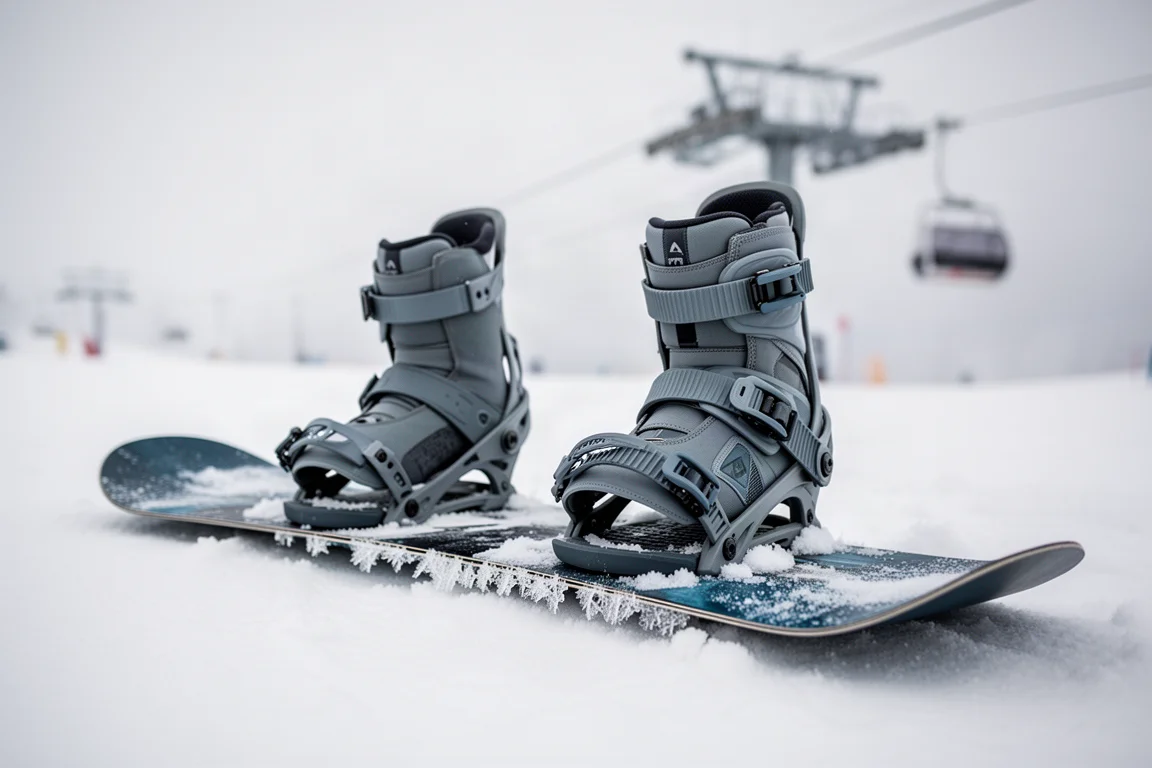
If you are cross-shopping, the closest alternatives in this category include the Rome Stalefish and the K2 Special Effects. Responsive freeride bindings such as the Now Select Pro and the Ride C8 are sensible pairings for a board of this flex. Riders who want a soft, surfy powder board, or who spend most of their time on hardpack and ice, will likely be happier elsewhere.
Conclusion
The YES 420 Powderhull is the most refined version of this shape so far, and it does exactly what a camber-driven powder board should do: it floats, it planes, it funnels snow out of the way, and it holds a stable, planted line from the insert pack through the tail. It is stiffer than expected, it demands commitment to pop and butter, and it prefers long swooping turns over tight aggressive carving.
For the camber-loving powder hound, those are features rather than compromises. Buy it if you want a powder board with backbone and you are willing to ride it with intent.
Product link
View more details for YES 420 Powderhull
This product is mentioned in the review. Check the specifications, options, and compatibility before buying.
View more details for YES 420 PowderhullFurther reading
Related Reviews

Snowboards
32 Middle Earth Scott Stevens Pro Model Snowboard Review: A Park Board With a Reversed Flex
A medium traditional camber park board with carbon V reinforcement that is stiffer in the tips and more playful between the feet. Here is how it rides and who it suits.

Snowboards
32 Snafu Review: A Directional All-Mountain Freestyle Board with Serious Pop
The 32 Snafu pairs a directional camber-rocker profile with a stiffening tail for powerful carves, big ollies, and a surprisingly damp ride.

Snowboards
32 XXX Pat Fava Pro Snowboard Review: A Stiff Camber Beast for Hard-Charging Riders
A full-width traditional camber deck that rewards aggression with stability and edge power, but demands effort everywhere else.