Studio Monitors
Yamaha NS10M Studio Review: A Studio Classic Measured and Explained
A practical look at the Yamaha NS10M Studio, covering its horizontal console design, measured response, the famous mid-range peak, and what to check before buying a vintage pair.
Introduction
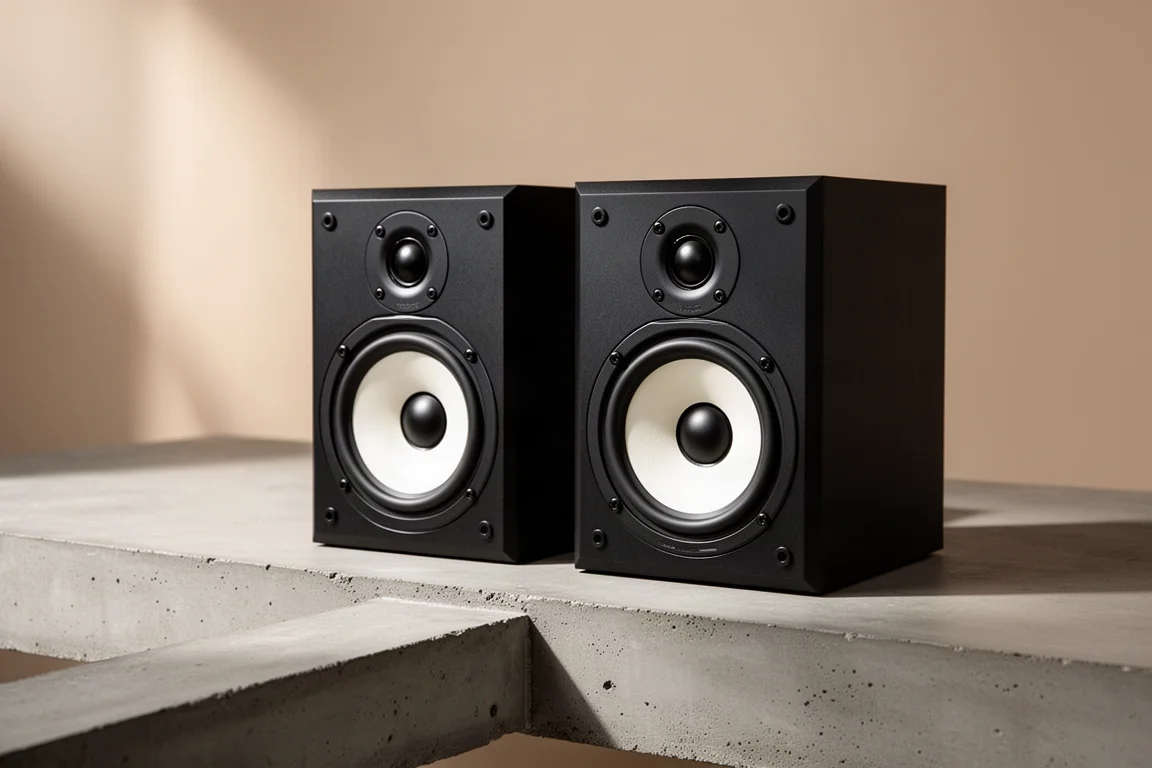
The Yamaha NS10M Studio is the follow-up version of a speaker that was never intended to be a studio monitor. The original NS10M was designed by Yamaha engineer Akira Nakamura for home hi-fi use, and it did not win many admirers in that role. It was in studios that the speaker found its audience, and once engineers began treating it as a nearfield reference, Yamaha paid attention.
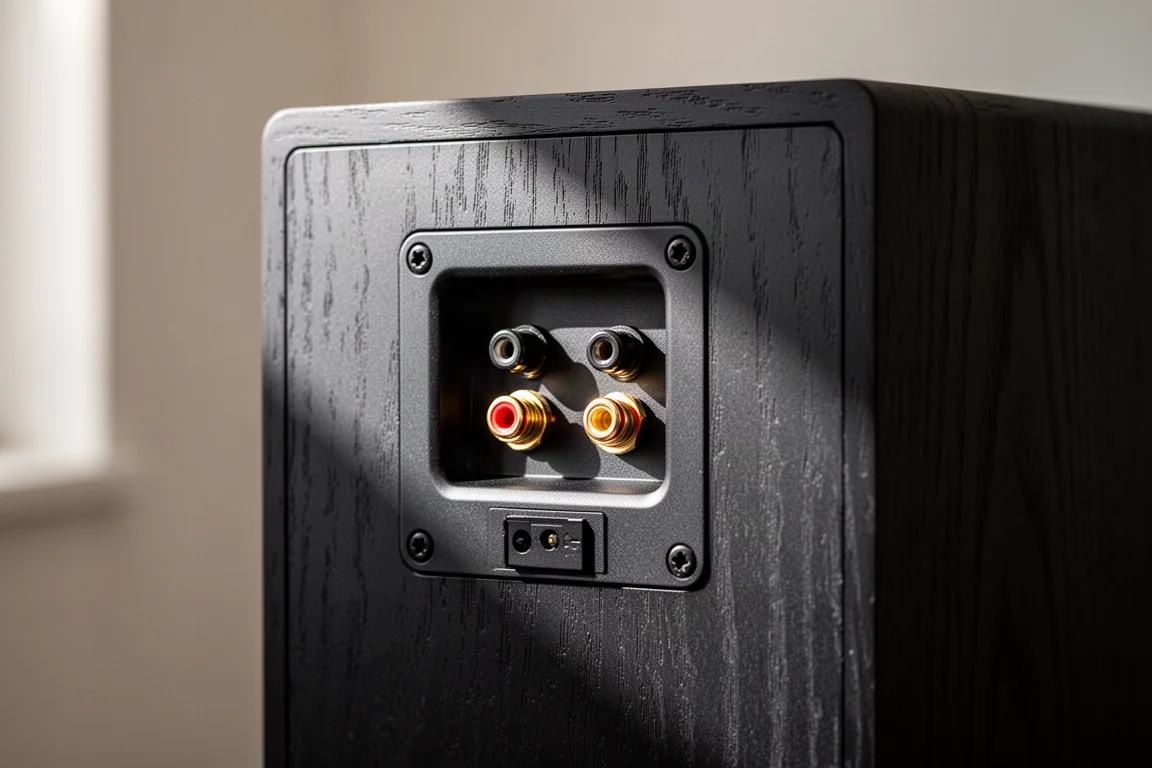
Roughly a decade after the original NS10M arrived, Yamaha released the NS10M Studio. The changes were practical rather than dramatic: the tweeter level was adjusted, the cabinet was made more robust, the crossover received small tweaks, and the rear terminals were upgraded. The result is the version that ended up in a great many control rooms.
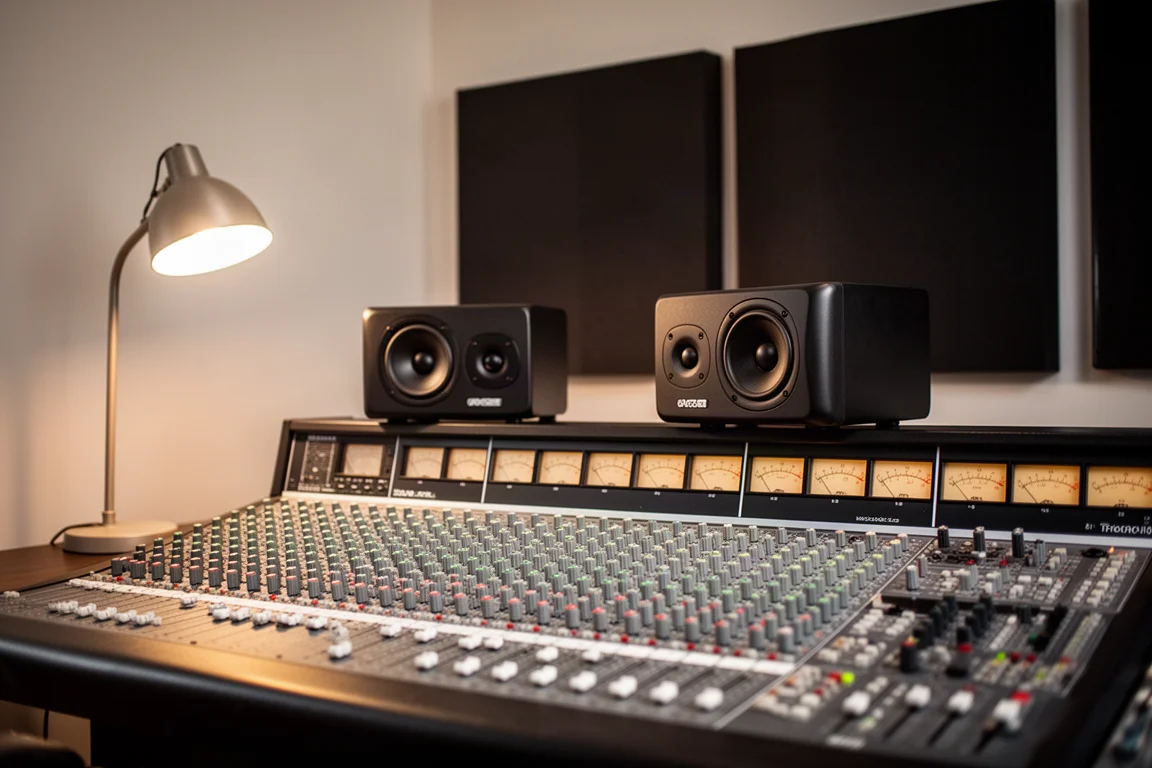
One physical detail reveals a lot about the intent. The original NS10M was meant to stand vertically like a typical home speaker. The NS10M Studio was designed to lie horizontally on top of a mixing console, and the lettering on the front is oriented so that it reads correctly in that position.
Who the Yamaha NS10M Studio Is For
This speaker suits producers and engineers who want a known reference rather than a neutral one. Its character is part of the appeal: the mid-range lift is audible, consistent, and familiar to anyone who has worked on a pair.
It also suits anyone setting up a console-based room. The horizontal orientation and the sealed cabinet make it straightforward to place on a meter bridge or close to a wall, and the compact cabinet does not dominate a workspace.
Finally, it appeals to listeners and collectors drawn to studio history. The NS10 family shaped the sound of a great deal of recorded music, and the Studio version is the iteration built specifically for that job.
Main Strengths
Yamaha’s own documentation for this generation of speakers was unusually thorough. The published material included frequency response, distortion, impedance, polar response, and impulse response data rather than a single headline number, which was uncommon at the time and is rarer still today.
The Studio version carries several practical advantages over the original. The sturdier cabinet and improved rear terminals make it easier to live with in a control room, and the reduced tweeter level addresses one of the most common complaints about the earlier model.
The cabinet is sealed, so the low-frequency rolloff is gentle and predictable. That makes the speaker easier to position close to a wall without the boominess a ported design can introduce.
Measured performance is better than the reputation suggests. Harmonic distortion at 86 dB and at 96 dB stays within reasonable bounds, multi-tone distortion is not alarming, and compression behaviour across the dynamic range is acceptable for a design of this age.
What the Measurements Show
The measurement data was captured with a nearfield scanner, which allows anechoic-style results to be gathered in a normal room. That means the numbers reflect the speaker itself rather than the space around it.
Average sensitivity lands around 90.2 dB when referenced to the 300 Hz to 3 kHz band, with the mid-range closer to 87 dB. The defining feature of the response is a pronounced peak at roughly 1.7 kHz that rises about 7 dB above the mid-range, while the high frequencies sit around 4 to 5 dB above the average sensitivity.
Bass extension is limited. F3 is at 126 Hz and F10 at 75 Hz at that measurement level, and in a typical room the practical F3 is likely to sit nearer 100 Hz.
Overlaying the original NS10M’s published response against the Studio version is revealing. The Studio’s tweeter level was pulled down by roughly 2 to 3 dB in places, yet the mid-range peak remains, and the original actually looks flatter through the upper range. A parametric EQ starting point of about 1.6 kHz, with a Q of around 2 and a cut of roughly 7 dB, helps, though two bands are needed to smooth the region properly. Burst decay shows some cone breakup, most likely midwoofer ringing above a crossover point near 2 kHz.
Things to Consider Before Buying
Horizontal directivity is the biggest limitation. The usable listening window is about 20 degrees either side of the tweeter axis. Move further off axis and the tonal balance shifts noticeably. Vertical response is more even, with some flaring in the upper mid-range and lower treble.
Because the off-axis behaviour is uneven, room reflections in a farfield setup are difficult to correct. Equalising the on-axis dip also lifts the off-axis peak, so the two problems work against each other.
The tissue paper trick that became associated with the original NS10M does not help here either. Covering the tweeter adds diffraction and comb filtering rather than taming brightness, because the real issue sits lower, in the 1 to 2 kHz region. On the original, that region measured about 5 dB above the tweeter and mid-range average; on the Studio version the peak is larger still.
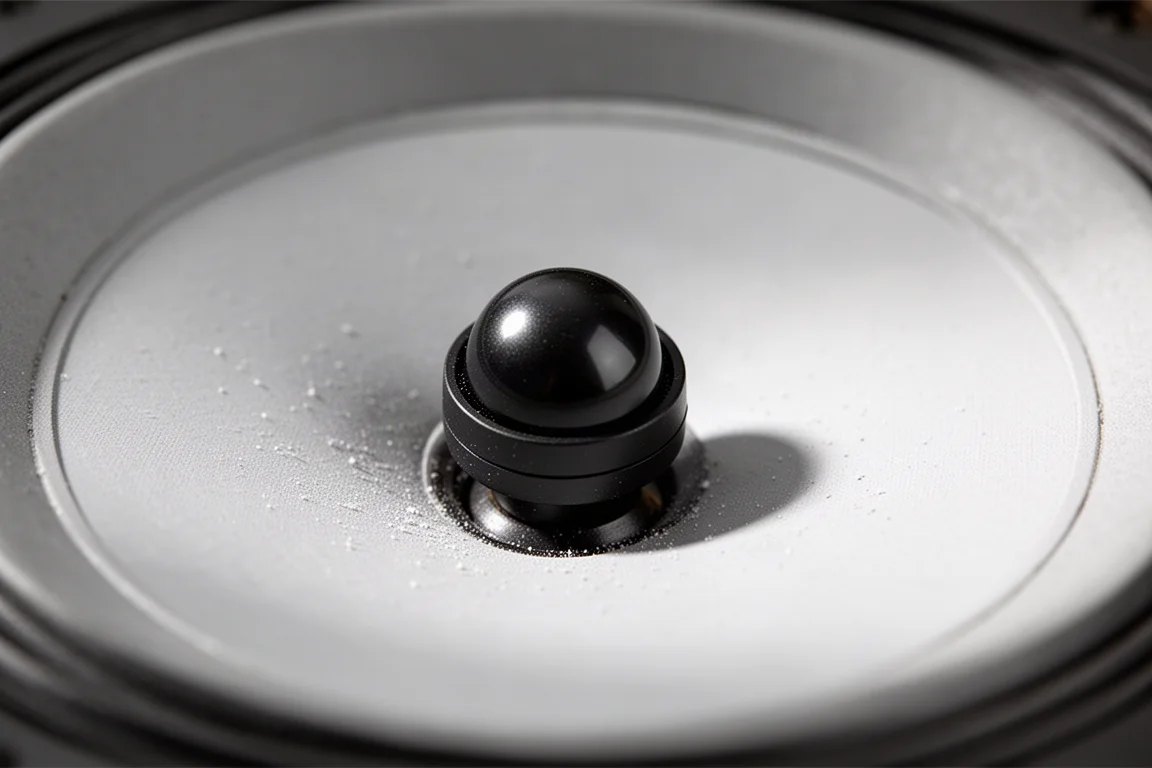
One further caveat concerns age. The higher compression seen at elevated levels, up to about 102 dB, may point to dried ferrofluid in the tweeter, which would reduce cooling at high drive voltages. That is a possibility rather than a confirmed fault, and the speaker otherwise measures as a working unit.
Placement and Room Interaction
The Studio version is meant to sit horizontally on a console bridge, and that is how it was measured. Placed that way in a larger room, a metre or more back, the in-room response simply tilts downward relative to the on-axis result. A downward tilt is generally a good outcome for room response, and targeting a flat in-room curve is not a sensible goal.
The sealed cabinet helps with placement as well. Close-to-wall positions will not add excessive low-end bloom, though they will not add missing bass either.
Staying inside the horizontal window matters more than any placement tweak. Within roughly 20 degrees of the tweeter axis the speaker sounds consistent. Outside it, the tonal shift is large enough to undermine a mixing decision.
Buying Advice
The NS10M Studio is a vintage item with no current retail channel, so the second-hand market is the only realistic route. Pricing for the earlier NS10M gives a sense of the territory: a single original unit in good condition has been cited at around $600, and the Studio version trades in a similar space.
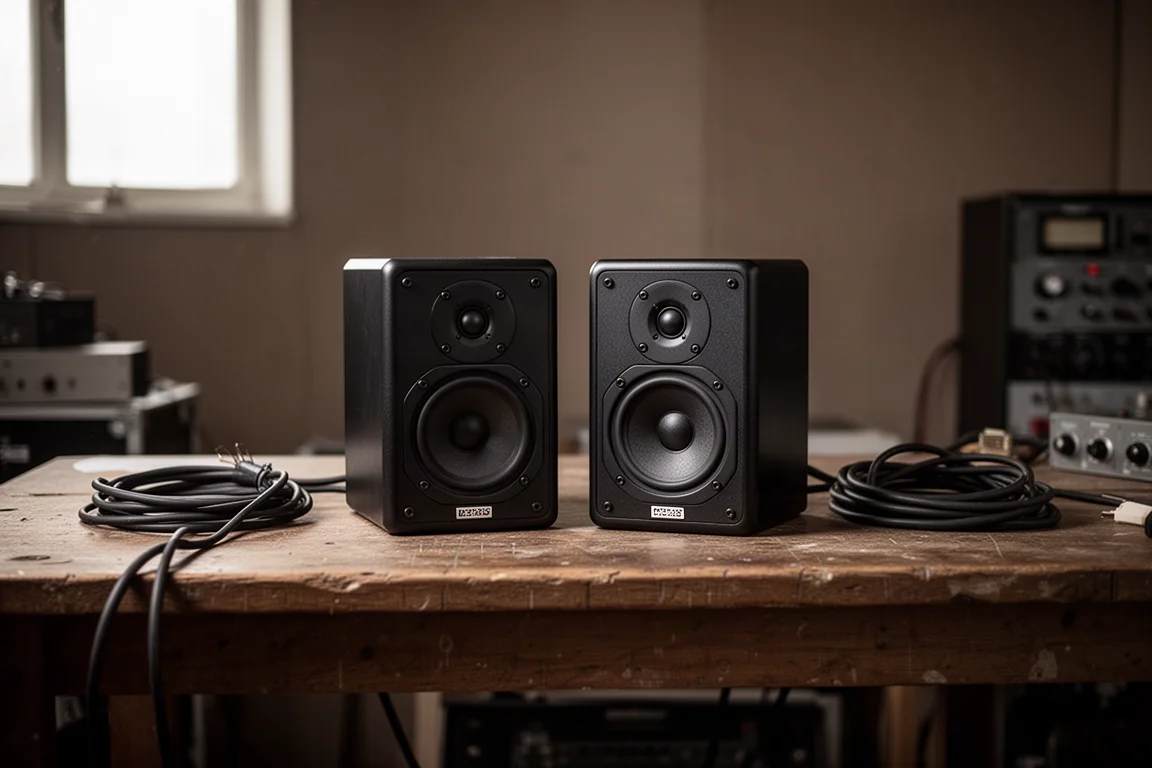
Condition checks matter more than cosmetics on a speaker this old. Confirm that both tweeters produce output, check that the rear terminals are intact, and inspect the cabinet for repairs. A pair that has spent years in a working studio is often a good sign rather than a bad one, since it means the drivers have been exercised rather than left in storage.
The honest guidance is that this is a characterful monitor, not a neutral one. Producers who know the mid-range peak can compensate by ear, but a more linear modern speaker removes the need for that mental correction entirely. Choose the NS10M Studio for the sound it is known for and for its place in studio history, not because it is the most accurate option available.
Conclusion
The Yamaha NS10M Studio is a purposeful revision of a speaker that studios adopted despite its flaws. The horizontal layout, sturdier cabinet, tidier rear terminals, and lowered tweeter level all make sense for console work, and the measured performance holds up better than its reputation would suggest.
Its limitations are just as clear. A peak around 1.7 kHz, a narrow horizontal listening window, and modest bass extension mean it rewards careful placement and, ideally, a little equalisation. Buyers who want that specific reference sound, and who understand what they are getting, will find a great deal to like here.
Product link
View more details for Yamaha NS10M Studio
This product is mentioned in the review. Check the specifications, options, and compatibility before buying.
View more details for Yamaha NS10M StudioFurther reading
Related Reviews
Studio Monitors
ADAM Audio A8H Review: A Three-Way Studio Monitor That Also Knows How to Have Fun
A three-way active studio monitor with an 8-inch woofer, a handmade AMT tweeter, and two distinct tunings, the ADAM Audio A8H aims to satisfy both critical work and everyday listening.

Studio Monitors
Best Studio Monitors 2026: Six High-End Options Compared
We tested six premium studio monitors in a real studio space to see which ones deliver the best mix of accuracy, musicality, and value.
Studio Monitors
Focal Alpha 65 Evo Review: An Honest Studio Monitor With Real Bass
A bi-amplified active studio monitor with deep bass, useful tone controls and a truthful, uncoloured voicing, assessed for small studios and home setups.