Trail Running Shoes
Xero TerraFlex vs Topo Athletic Terraventure 3: Two Trail Runners, Two Very Different Rides
A zero drop, low profile trail runner compared with a cushioned, rock-plated trail shoe, based on real trail and backpacking use.
Introduction
Two trail runners, tested on real trails, that sit at opposite ends of the same conversation: how much should a shoe let you feel the ground?
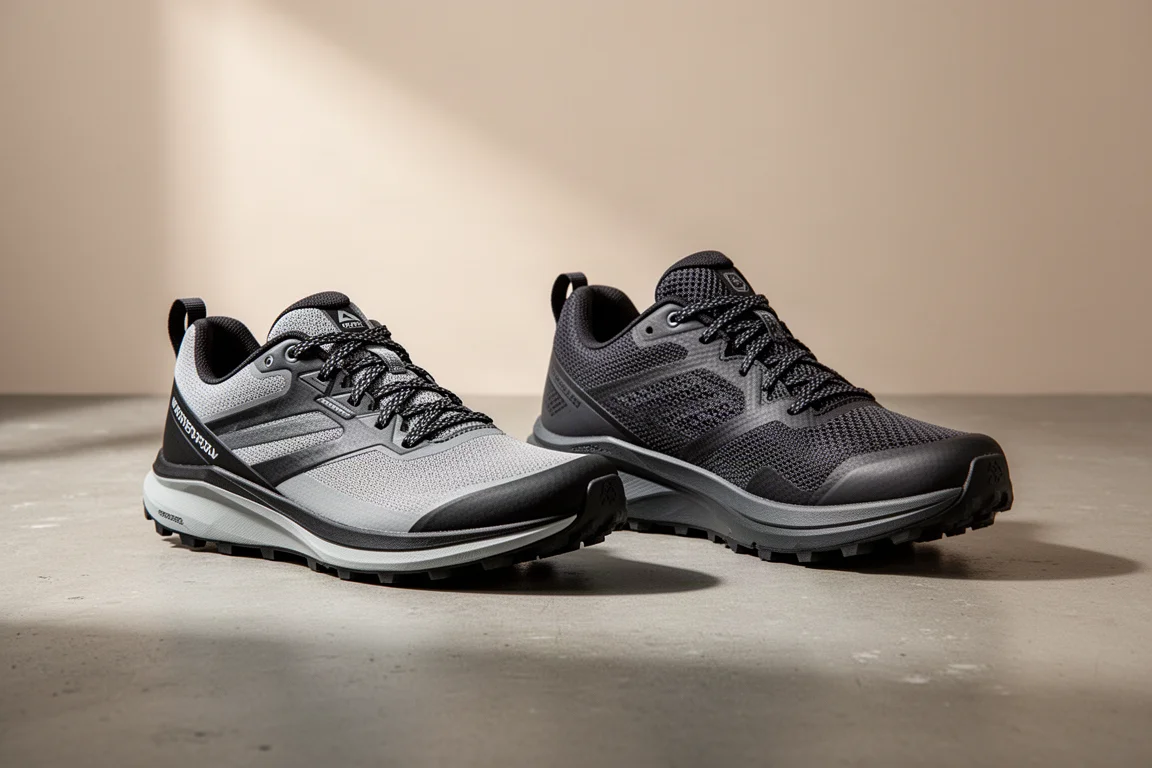
The Xero TerraFlex is a zero drop, low profile design built around flexibility and ground feel. The Topo Athletic Terraventure 3 is a cushioned, rock-plated trail shoe with a shallow but non-zero drop. Both were worn over long distances on rugged terrain, and both left clear impressions about who they suit.
This comparison looks at stack height, weight, underfoot protection, fit, durability backing, and price, so you can work out which philosophy fits your feet and your trails.
Xero TerraFlex: Low Profile and Barefoot Feel
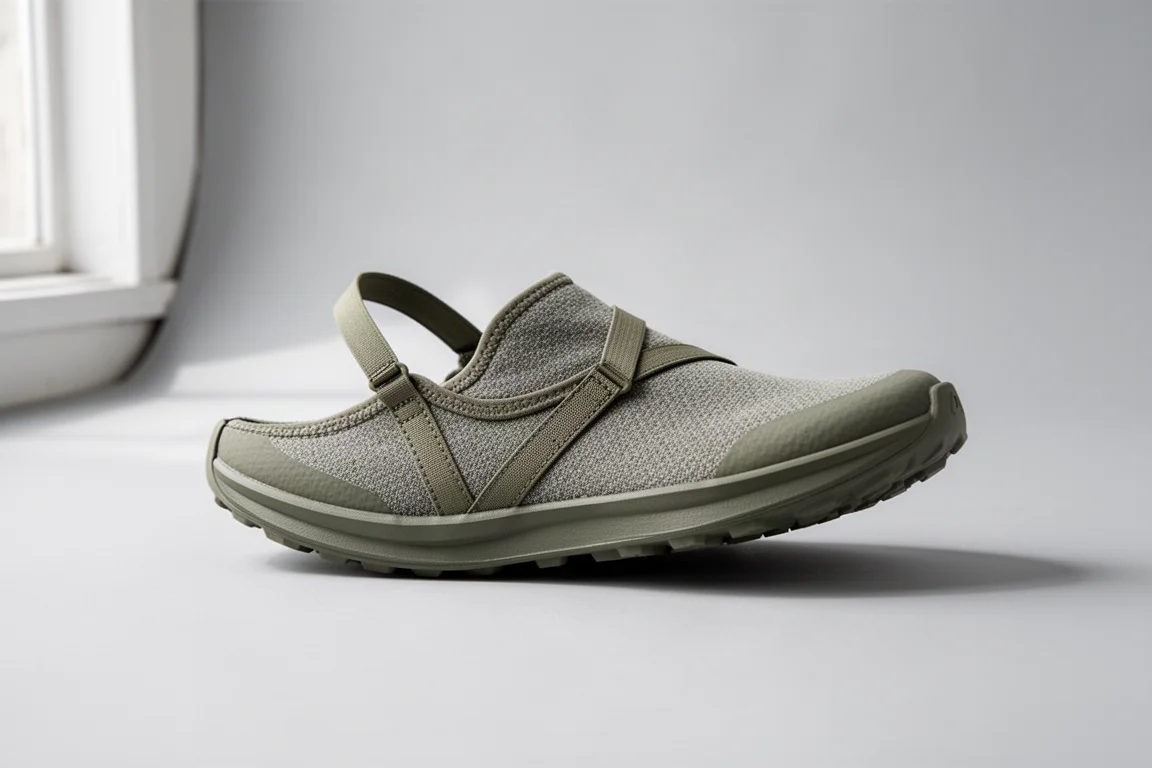
The TerraFlex is a zero drop shoe designed to be highly flexible and to let you feel the ground beneath you. Its stack height is just 12 mm, roughly half of what many trail runners use, and a men’s size 9 weighs about 9.6 ounces. That combination makes it one of the lighter options in this comparison.

The upper is smooth on the inside and built so it can be worn without socks if that is your preference. Fit can be tuned with small V-straps that are not stitched in place, so you can cinch them down instead of cranking hard on the laces, which helps riders and hikers with narrower feet. The toe box is wider than some trail runners, the shoe dries quickly, and the low platform reduces the leverage that can contribute to rolled ankles.
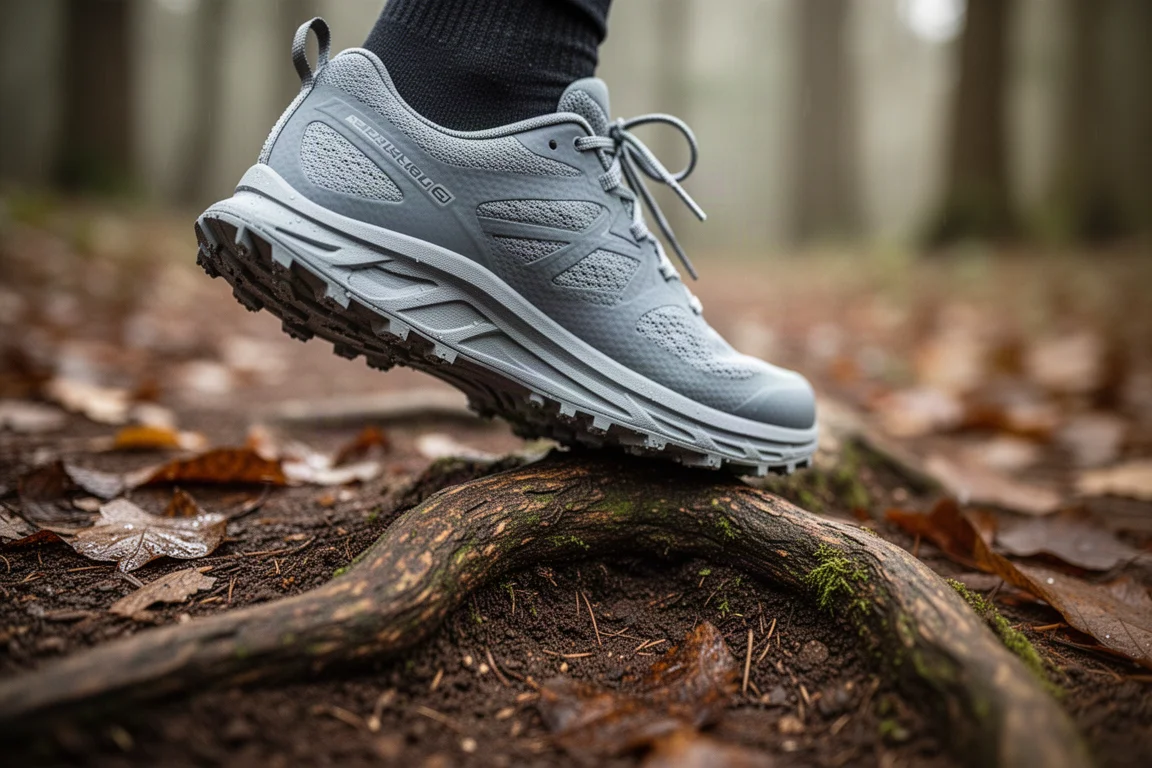
Ground feel is the headline here, and it is also the main trade-off. On a root-heavy trail with miles of walking over exposed roots, the lack of rigidity underfoot became noticeable, and there were moments when a more cushioned and stiffer shoe would have been more comfortable. Riders and hikers moving from a conventional trail shoe into a zero drop or barefoot style are generally advised to transition gradually. The TerraFlex is well made, feels durable, and carries a reasonable price of around $110, and the soles are backed by a 5,000 mile warranty: if the sole wears below one millimetre at the heel or ball, the shoe can be replaced at 60 percent off.
Topo Athletic Terraventure 3: Cushioned Protection with a Shallow Drop
The Terraventure 3 uses a 25 mm heel stack and a 23 mm toe stack, so it is not a zero drop shoe, but the 3 mm drop is still shallow by the standards of athletic footwear. A breathable mesh upper makes up most of the shoe and helps it dry quickly, while a rock plate and a Vibram sole add structure and protection against rocks and roots.
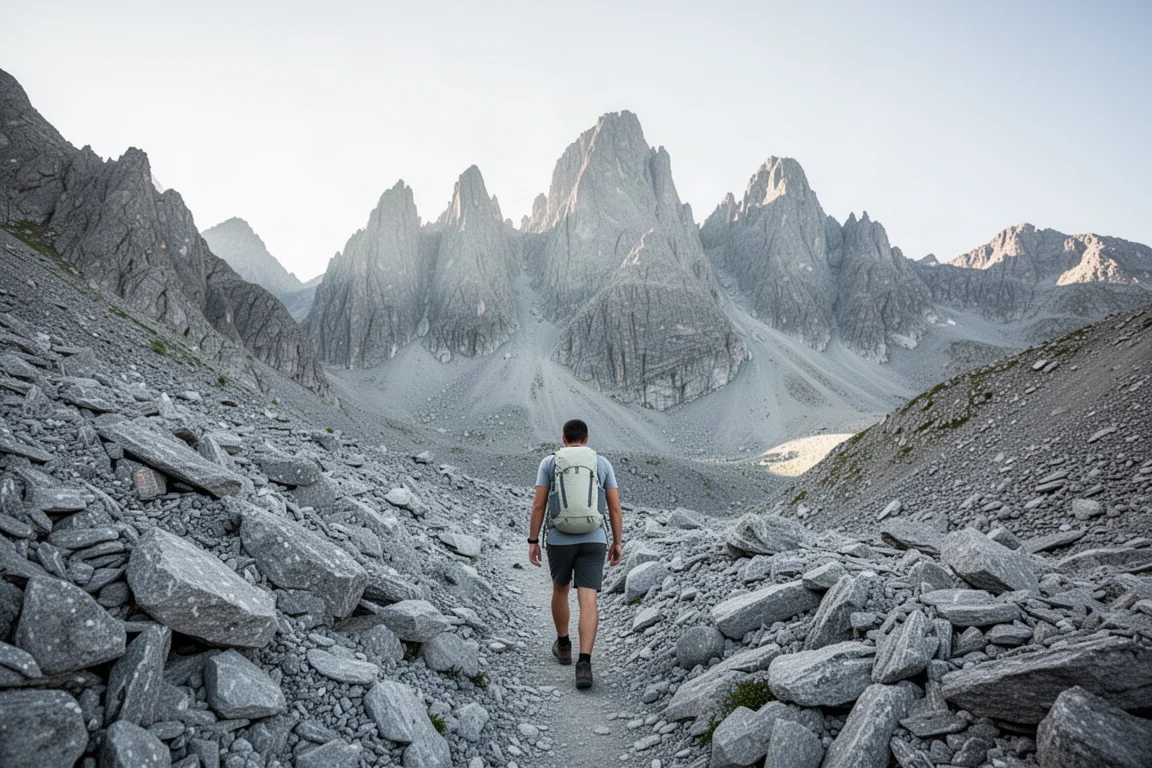
Despite that added protection, a men’s size 9 weighs only about 10.2 ounces, just 0.6 ounces more than the TerraFlex, so it stays light for a cushioned trail shoe. Pricing sits in the typical trail runner range at around $125.
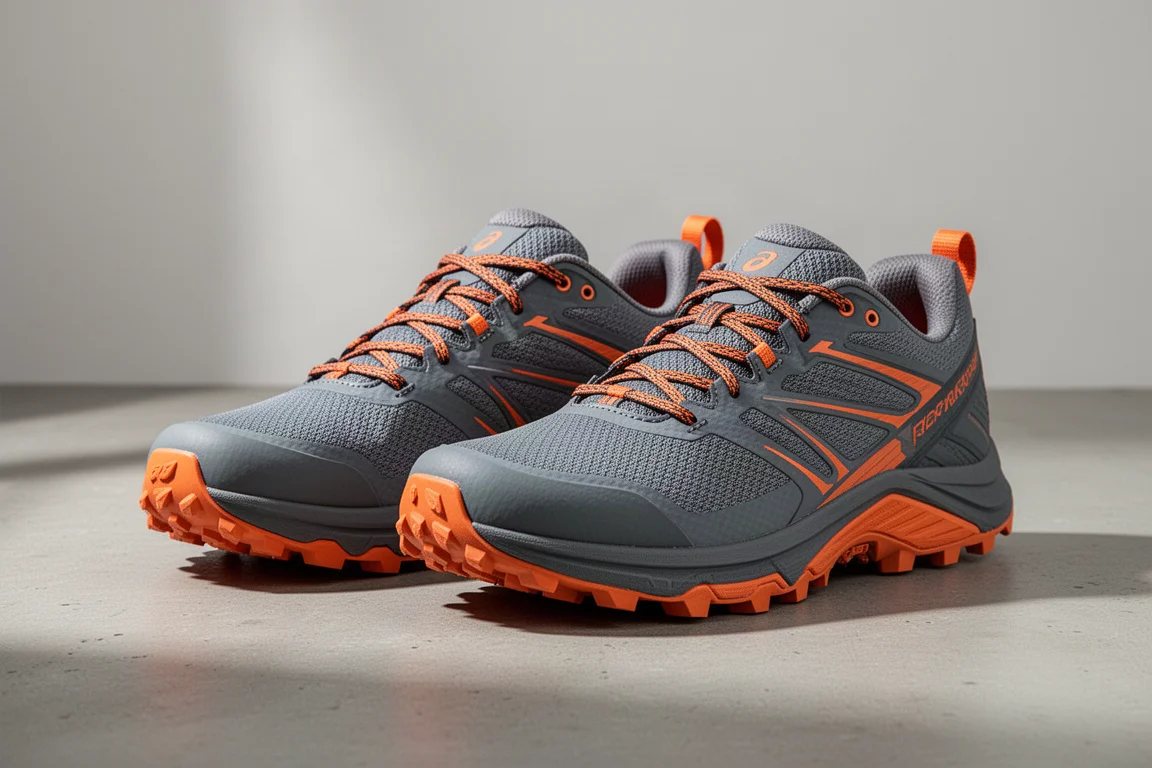
The Terraventure 3 is less cushioned than the Terraventure 2, but it remains more cushioned and comfortable than the Altra Lone Peak. It is sturdier and more protective than a barefoot style shoe while still transmitting enough feel to read the trail. The toe box has been narrowed slightly compared with the previous generation, which reduces toe splay, though colour options have improved over the men’s Terraventure 2.
Which Trail Runner Suits Which Rider
The decision comes down to what you want underfoot. The TerraFlex rewards hikers and runners who want a light, flexible, zero drop shoe with maximum ground feel and a sock-free option, and who are willing to accept less cushioning and rigidity on root-covered terrain. It also suits anyone who wants a lower platform and less ankle leverage.
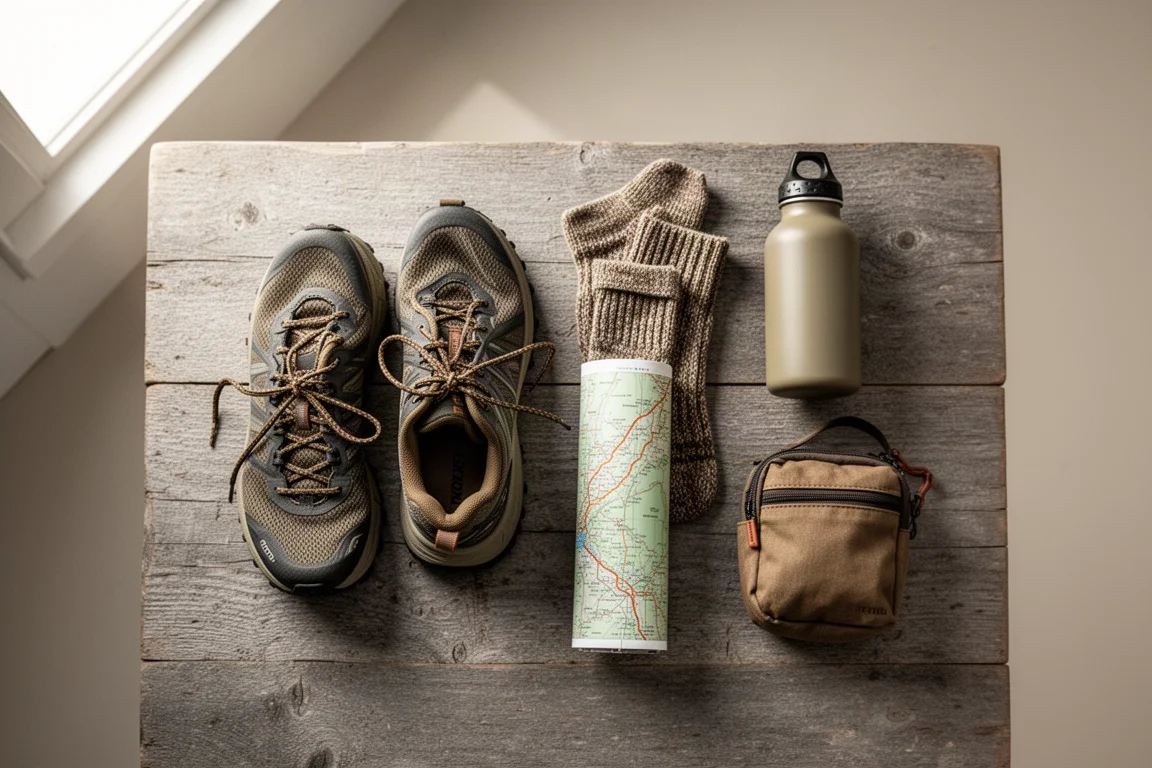
The Terraventure 3 suits those who want cushioning and protection from a rock plate and Vibram sole while keeping the drop shallow and the weight low. It is the more forgiving choice on rocky, rooty ground and the easier transition for most people coming from a standard trail shoe.
Buying Advice
If you are new to zero drop or barefoot style footwear, plan a gradual transition rather than jumping straight in, and expect the TerraFlex to feel firm underfoot on root-heavy trails. Riders and hikers who want protection first and ground feel second will find the Terraventure 3 the more comfortable long-distance companion. Both sit in a similar price bracket, around $110 and $125 respectively, so budget is unlikely to be the deciding factor. Fit, drop preference, and the surfaces you actually walk on should drive the choice.
Conclusion
The Xero TerraFlex and the Topo Athletic Terraventure 3 are both well-made trail shoes that simply solve different problems. One strips things back for feel, flexibility, and a low platform; the other adds cushioning, a rock plate, and a Vibram sole for protection on rough ground. Match the shoe to your terrain and your feet, and either can serve you well over long miles.
Further reading
Related Reviews
Trail Running Shoes
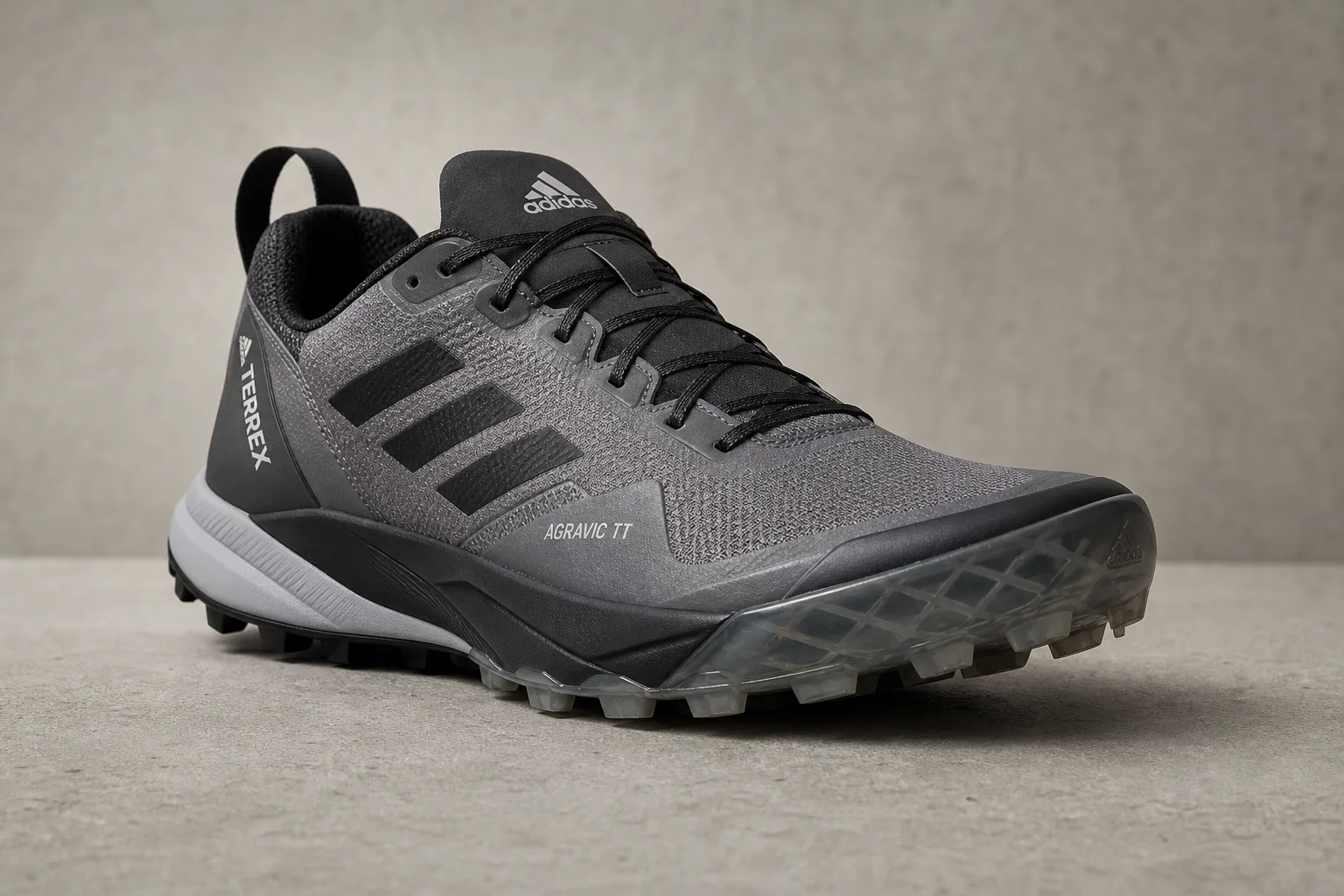
Adidas Terrex Agravic TT Review: A Technical Trail Shoe Built for Rocky Terrain
The Adidas Terrex Agravic TT combines a full-coverage rock plate with a firmer midsole to deliver protection and stability on technical, rocky trails. A capable choice for runners who prioritize underfoot defense over lightweight cushioning.
Trail Running Shoes
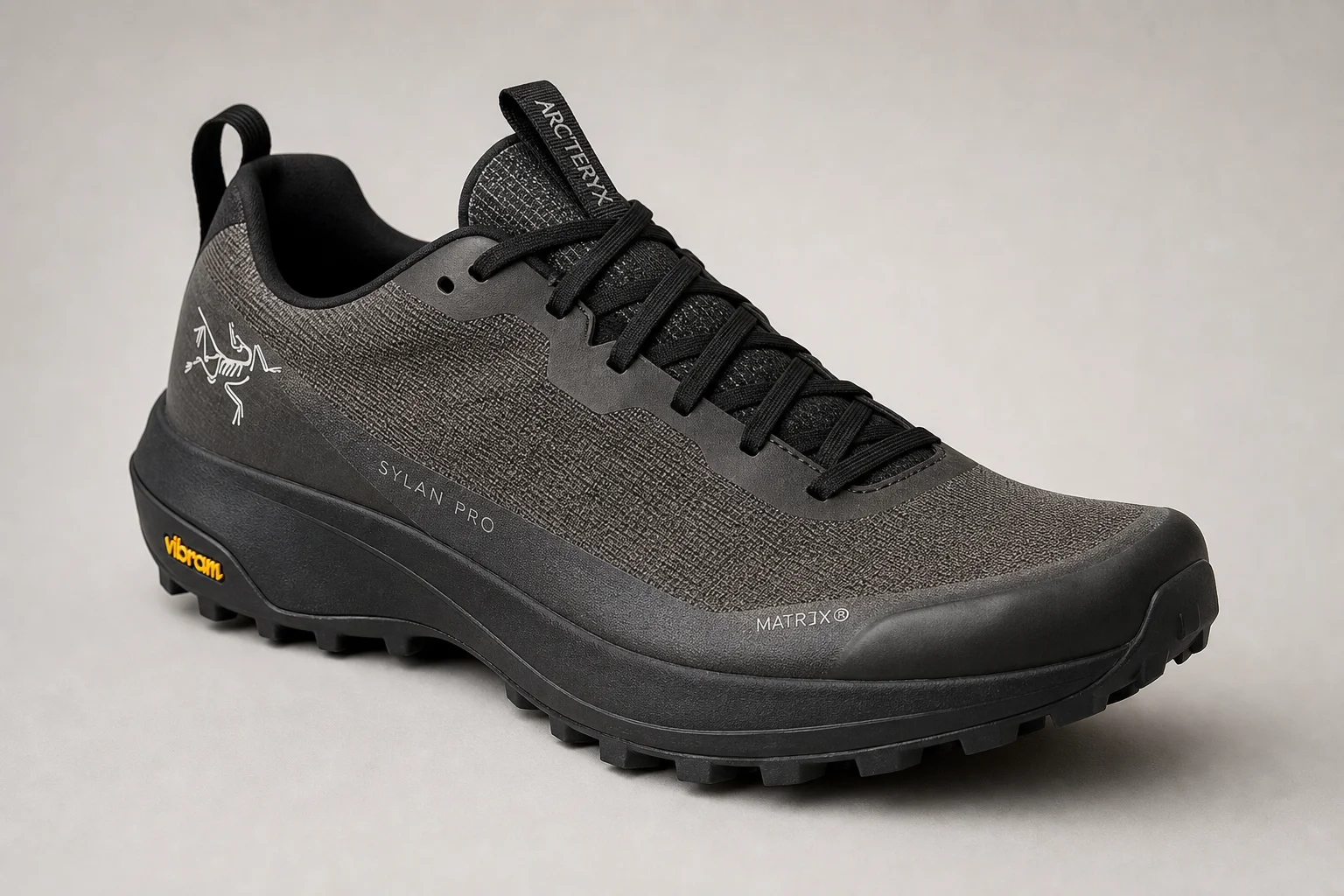
Arc'teryx Sylan Pro Review: A Rocker-Focused Mountain Running Shoe Tested on 20 Miles
The Arc'teryx Sylan Pro brings a pronounced rocker geometry and secure fit to mountain terrain. We tested it on a 20-mile Sawtooth loop to evaluate its climbing efficiency, protection, and handling of technical descents.
Trail Running Shoes
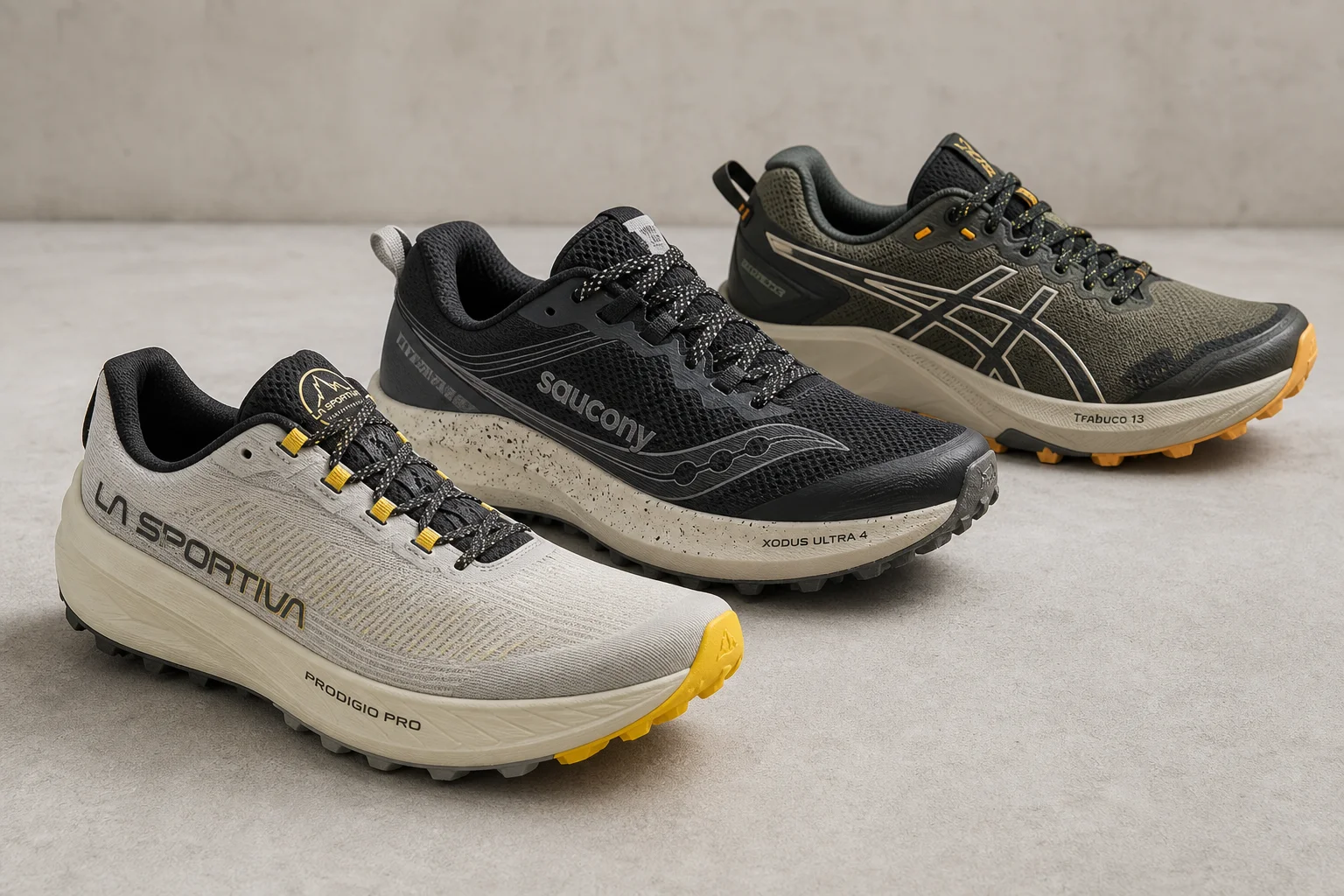
Best All-Mountain Trail Running Shoes: Three Versatile Options for Any Trail
A focused roundup of three all-mountain trail running shoes that handle technical terrain, long distances, and variable conditions with real strengths and practical trade-offs.