Trail Running Shoes
Xero Terraflex and Topo Athletic Terraventure 3: Two Trail Runners Compared
A ground-feel zero drop shoe against a light, protective trail runner with a rock plate and Vibram outsole, compared on weight, fit, durability and price.
Introduction
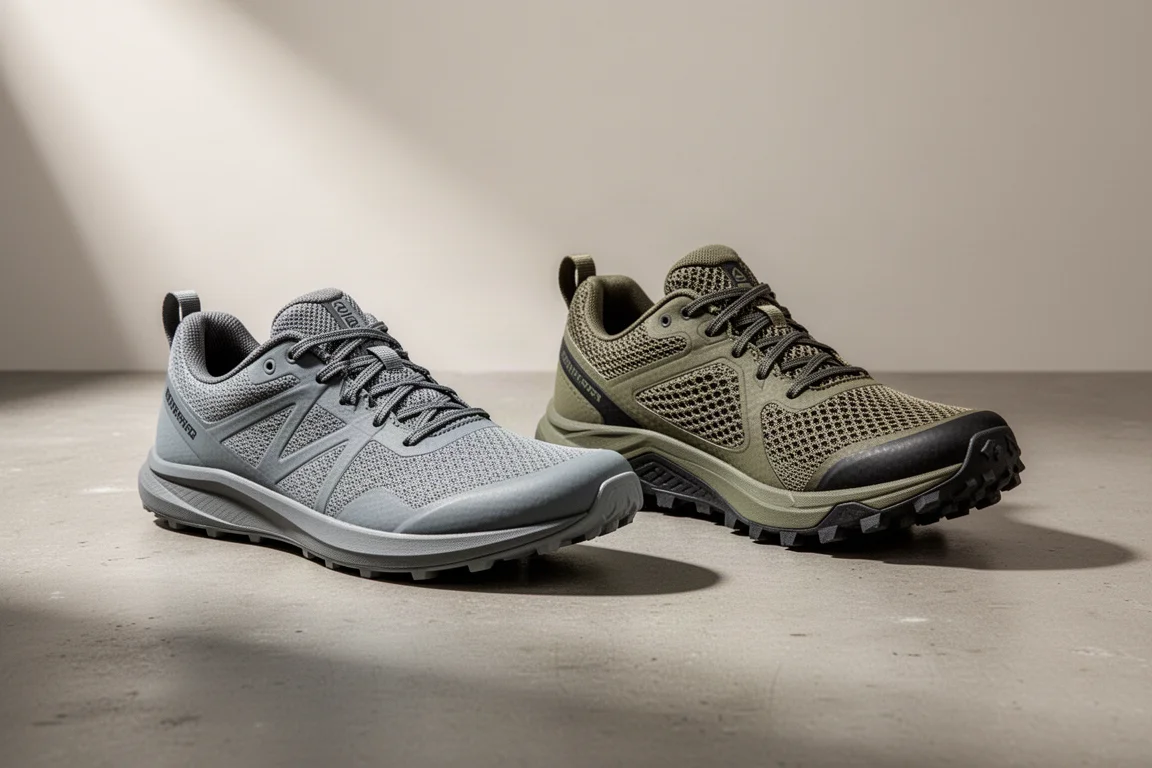
Trail runners have to balance two things that pull in opposite directions: protection from rocks and roots, and the feel of the ground underfoot. The Xero Terraflex and the Topo Athletic Terraventure 3 sit at different points on that scale, and both were put through long-distance testing on real trails.
The Terraflex is a zero drop, highly flexible shoe built around ground feel and a low profile. The Terraventure 3 is a light trail runner that adds a rock plate, a Vibram outsole and a modest 3 mm drop. Here is how each one performed, what each does well, and how to decide which approach fits your feet and the trails you actually run.
What Sets These Two Trail Runners Apart
The biggest difference is underfoot. The Terraflex uses a 12 mm stack height, roughly half of what many trail runners use, and there is very little rigidity through the sole. The Terraventure 3 stacks 25 mm at the heel and 23 mm at the toe, with a rock plate and a Vibram outsole to soften the sharp edges of rocks and roots.
Weight is much closer than those numbers suggest. A men’s size 9 in the Terraflex weighs 9.6 oz, while the same size in the Terraventure 3 comes in at 10.2 oz. That is a difference of 0.6 oz, so the more protective shoe does not give away much on the scale.
Xero Terraflex: A Barefoot-Style Trail Shoe
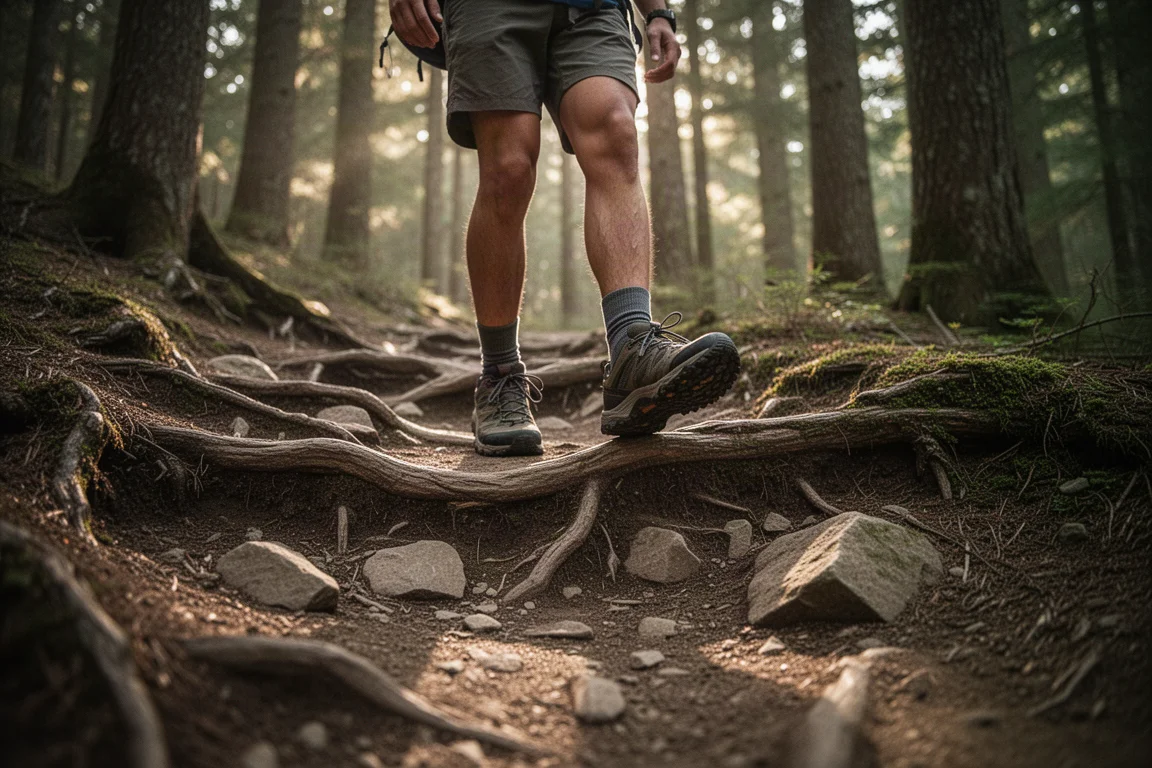
The Terraflex is designed to let you feel the world, and it delivers on that promise. With a 12 mm stack height and a flexible sole, it sits much lower to the ground than a typical trail runner. That low platform is part of its appeal: a lower stack height can mean less of the platformy feeling that some runners associate with rolled ankles, and it keeps the shoe light on the foot.
The upper is smooth on the inside and built so it can be worn without socks. That works well in warm conditions, though in cooler weather many runners will still want socks for insulation. The shoe dries quickly, and the toe box is wider than a lot of trail runners, which gives toes room to spread.
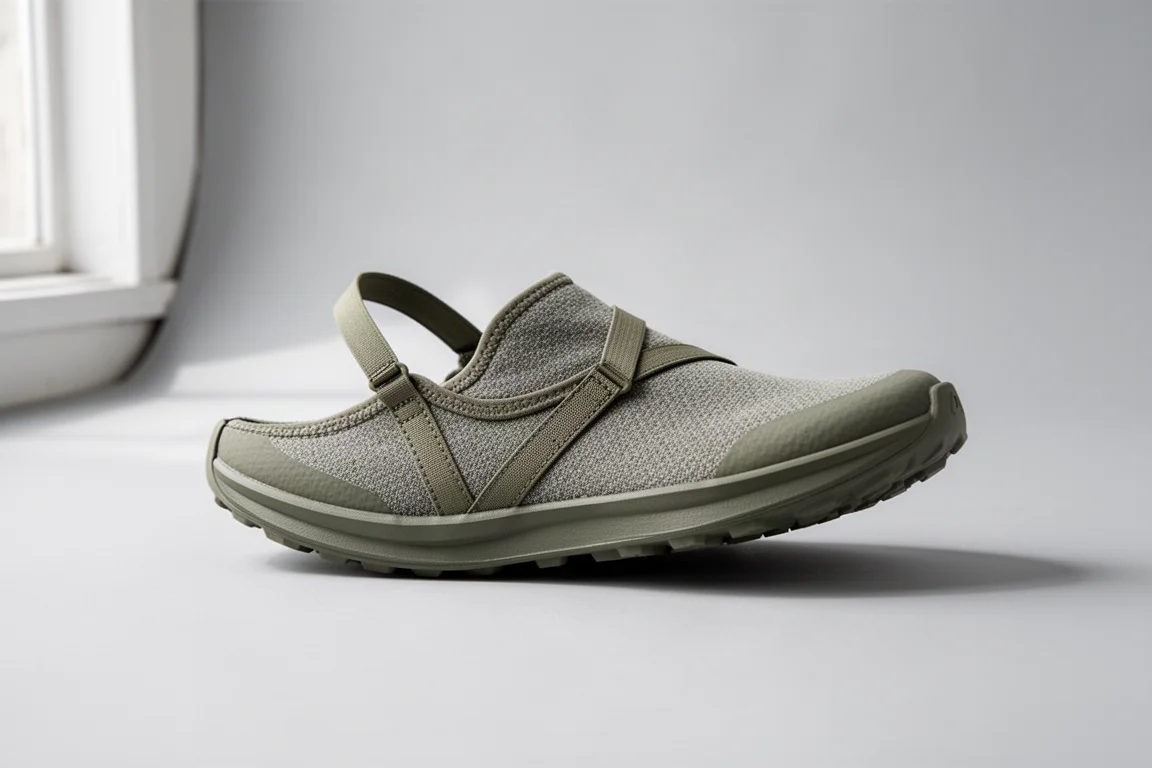
Fit is adjustable in an unusual way. Instead of relying only on the laces, the Terraflex uses small v-straps that are not stitched into the upper. You cinch those straps down to tune the fit, which is useful for narrower feet that would otherwise need the laces cranked tight.
Moving into a zero drop shoe is usually best done gradually so the calves and feet can adapt. Runners who already spend time in zero drop footwear may find the change straightforward, but a slow transition is the safer approach for anyone coming from a conventional trail runner.
The trade-off is real, though. On a rooty trail, the lack of rigidity underfoot makes root strikes noticeably less comfortable, and there were moments on long root-covered sections of the Foothills Trail where a more cushioned, more rigid shoe would have been welcome. Ground feel is the whole point of this shoe, but it is a compromise rather than a free upgrade.
Build quality holds up well. The Terraflex feels well made and durable, and at $110 it is a reasonable price for a specialist shoe. The sole is also backed by a 5,000 mile warranty: if the sole wears below one millimetre at the heel or the ball of the foot, the shoe can be replaced at 60 percent off. The upper will likely wear out long before the sole reaches that point, but the policy is a meaningful vote of confidence in the product.
Topo Athletic Terraventure 3: Cushion and Protection at a Light Weight
The Terraventure 3 takes the opposite approach. Its 25 mm heel and 23 mm toe stack gives a 3 mm drop, which is shallow by the standards of athletic footwear but still not zero drop. Most of the upper is mesh, so the shoe is breathable and dries quickly after water crossings or rain. A rock plate and a Vibram outsole add structure and protection against rocks and roots.
Despite that extra material, a men’s size 9 weighs 10.2 oz. That is only 0.6 oz more than the Terraflex, which makes the Terraventure 3 a genuinely light option rather than a heavy, overbuilt trail shoe. At $125 it sits in the same price range as most trail runners.
The comparison with the previous generation is worth noting. The Terraventure 3 feels slightly less cushioned than the Terraventure 2, though it remains more cushioned and comfortable than Altra Lone Peaks. Color options have also improved considerably over the Terraventure 2, which had a limited and largely unappealing selection. The one clear step backwards is the toe box, which has been narrowed slightly compared with the Terraventure 2.
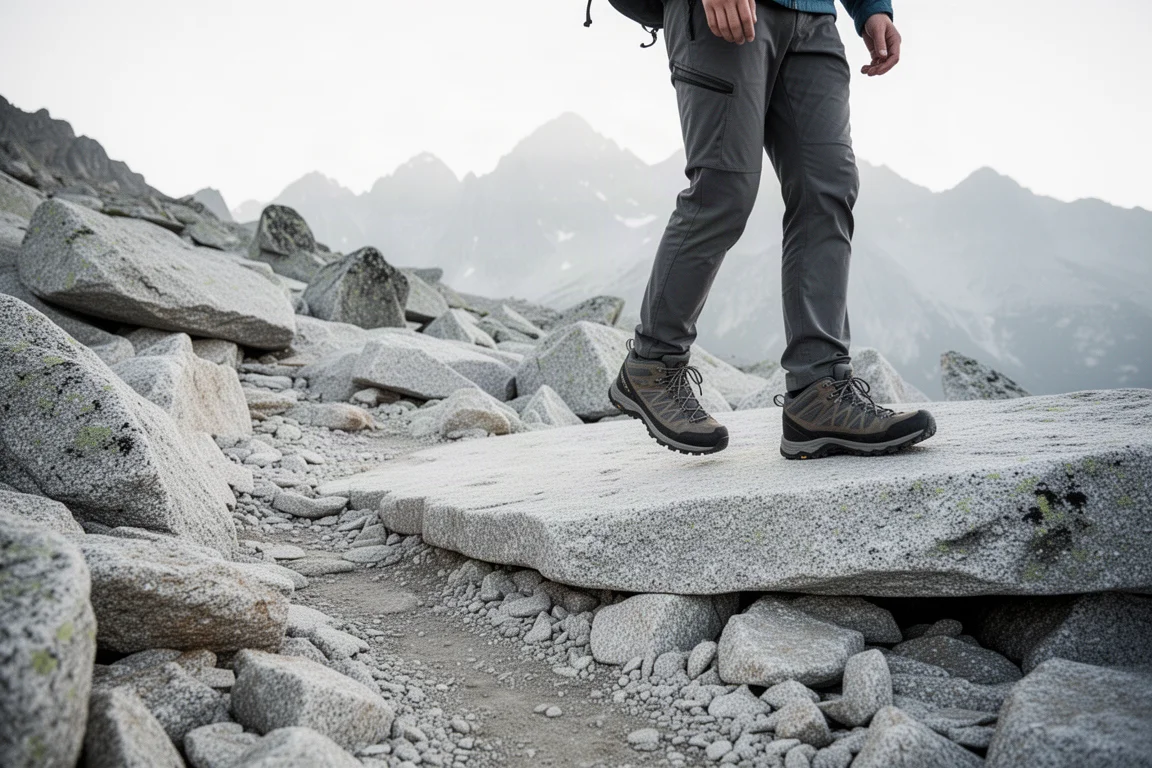
For runners who want a protective trail shoe without a lot of weight, that combination of a rock plate, a Vibram outsole and a shallow drop is the core appeal. It protects the foot on rough ground while still letting you read the trail beneath you, which is the balance that made the earlier version a favourite on long hikes.
Fit, Toe Box, and Sizing Notes
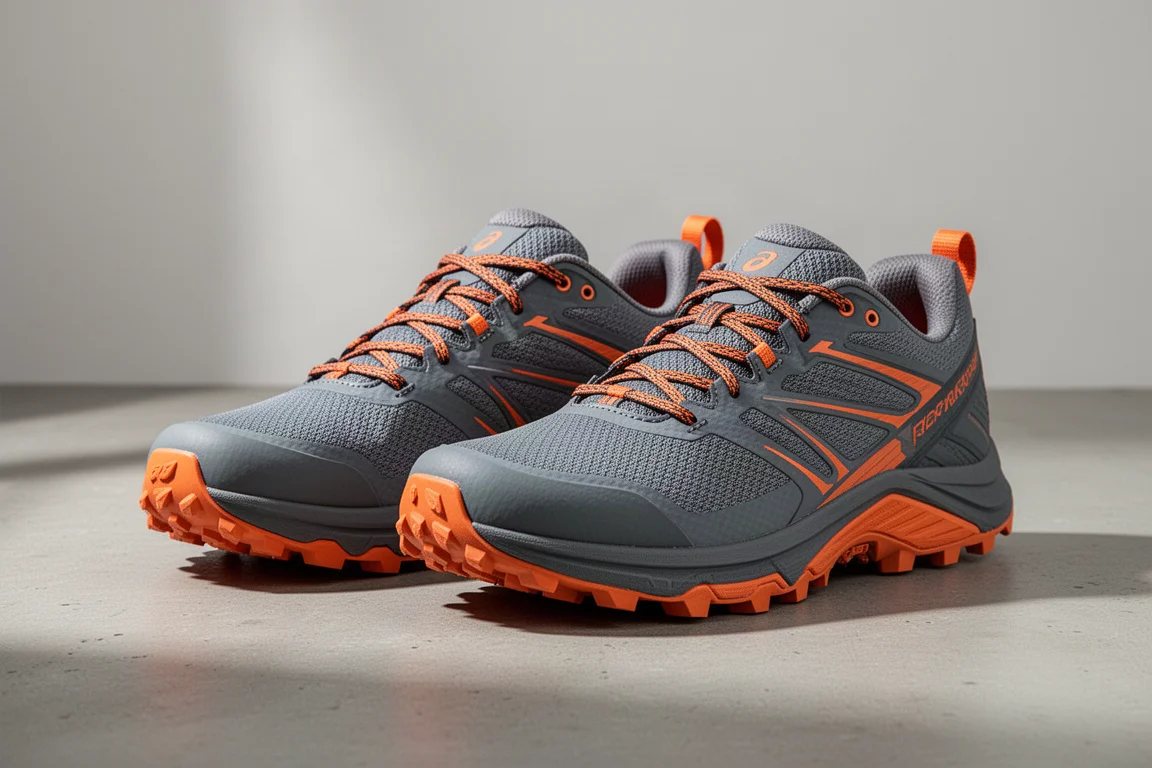
Toe box shape may be the deciding factor for many runners. The Terraflex is wider than many trail runners and lets the toes spread naturally. The Terraventure 3 is narrower than its predecessor, so anyone who valued the roomier fit of the Terraventure 2 should pay attention to that change before ordering.
The Terraflex also offers more ways to adjust volume. The unstitched v-straps let you tighten the midfoot independently of the laces, which helps with narrow feet and reduces the need to over-tighten the laces to feel secure.
Durability and Long-Term Value
Both shoes are built to take a beating, but in different ways. The Terraflex relies on a flexible sole and a simple upper, and it feels well made and durable in use. Its 5,000 mile sole warranty is unusual in this category and adds long-term value to the $110 price.
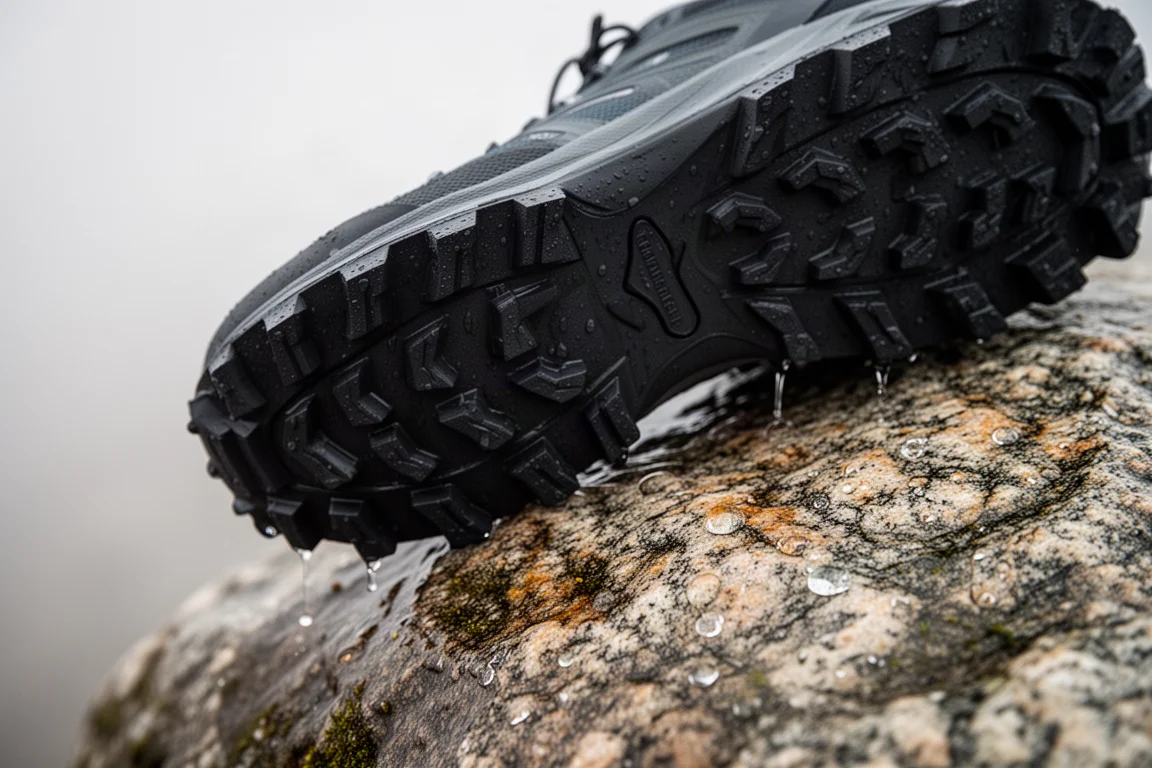
The Terraventure 3 leans on its rock plate and Vibram outsole for longevity and protection. Quick-drying mesh uppers on both shoes help them recover from wet conditions, which matters on multi-day trips where shoes stay damp for hours.
Who Each Shoe Suits Best
The Terraflex suits runners who want ground feel, a zero drop platform, sockless wear and the lightest possible shoe. It is also a good fit for anyone curious about barefoot-style running who wants a well-made, reasonably priced entry point with a sole warranty behind it.
The Terraventure 3 suits runners who want protection and cushioning without much weight, and who are comfortable with a shallow but non-zero drop. It is the more forgiving choice on rocky and rooty terrain, and the safer pick for anyone who is not ready to give up structure underfoot.
Buying Advice: Matching the Shoe to Your Feet
Match the shoe to the trail and to your own adaptation. If most of your running happens on smooth, forgiving surfaces and you want to feel the ground, the Terraflex makes sense, provided you ease into zero drop gradually. If your trails are rooty, rocky and rough, the Terraventure 3 offers more protection for very little extra weight and a similar price.

Neither shoe is universally right. Feet differ in length, width and volume, and the toe box change on the Terraventure 3 shows how much a single generation can shift the fit. If you can try both, do. If you cannot, decide first on stack height and drop, then on toe box width, then on the small differences in weight.
Conclusion
The Xero Terraflex and the Topo Athletic Terraventure 3 answer the same question in two different ways. The Terraflex is the ground-feel option: zero drop, a 12 mm stack, 9.6 oz in a men’s 9, sockless-friendly, and backed by a 5,000 mile sole warranty at $110. The Terraventure 3 is the protective option: a 3 mm drop, a rock plate and a Vibram outsole at 10.2 oz and $125. Pick the one that matches the terrain you run and the amount of ground feel you actually want.
Further reading
Related Reviews
Trail Running Shoes
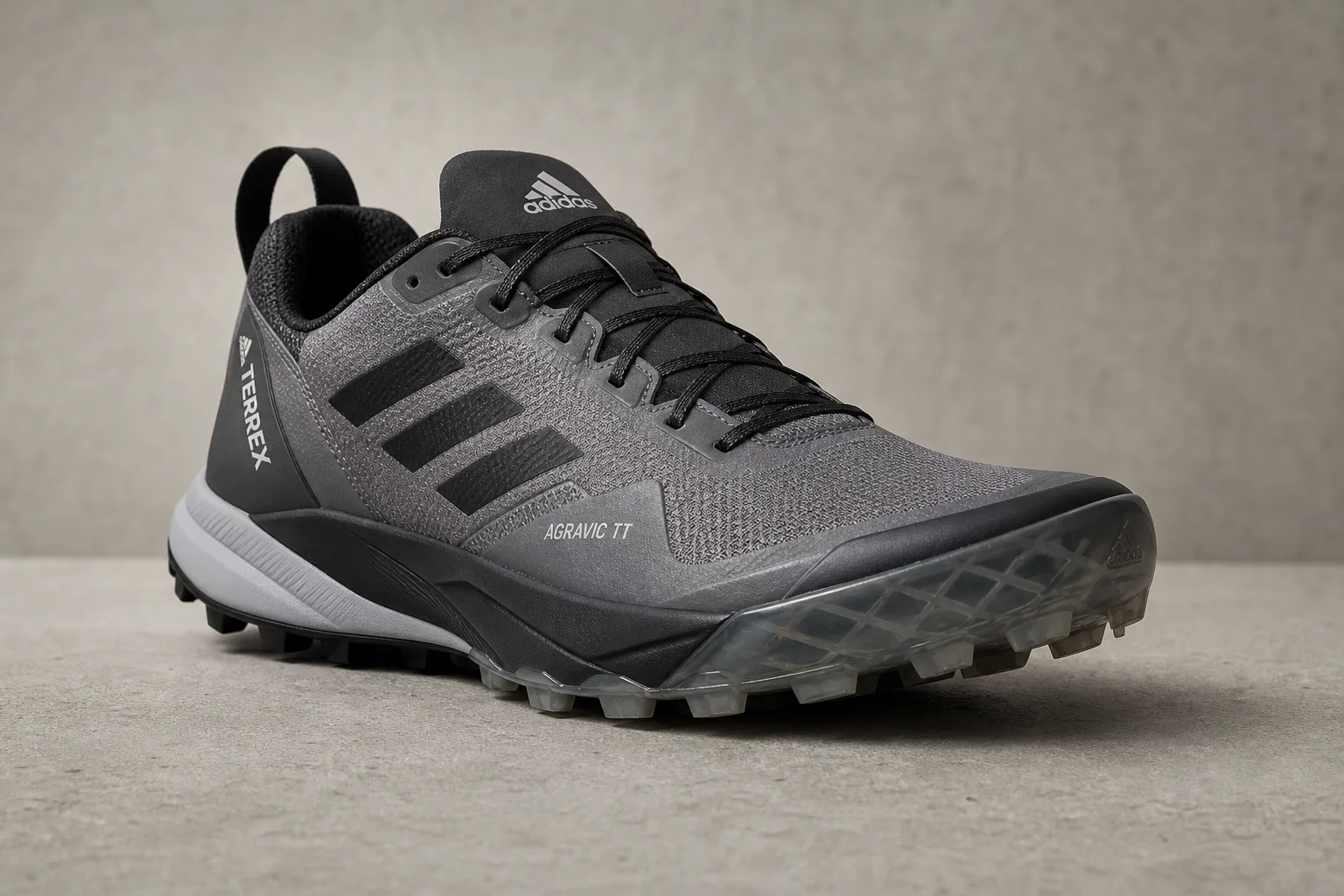
Adidas Terrex Agravic TT Review: A Technical Trail Shoe Built for Rocky Terrain
The Adidas Terrex Agravic TT combines a full-coverage rock plate with a firmer midsole to deliver protection and stability on technical, rocky trails. A capable choice for runners who prioritize underfoot defense over lightweight cushioning.
Trail Running Shoes
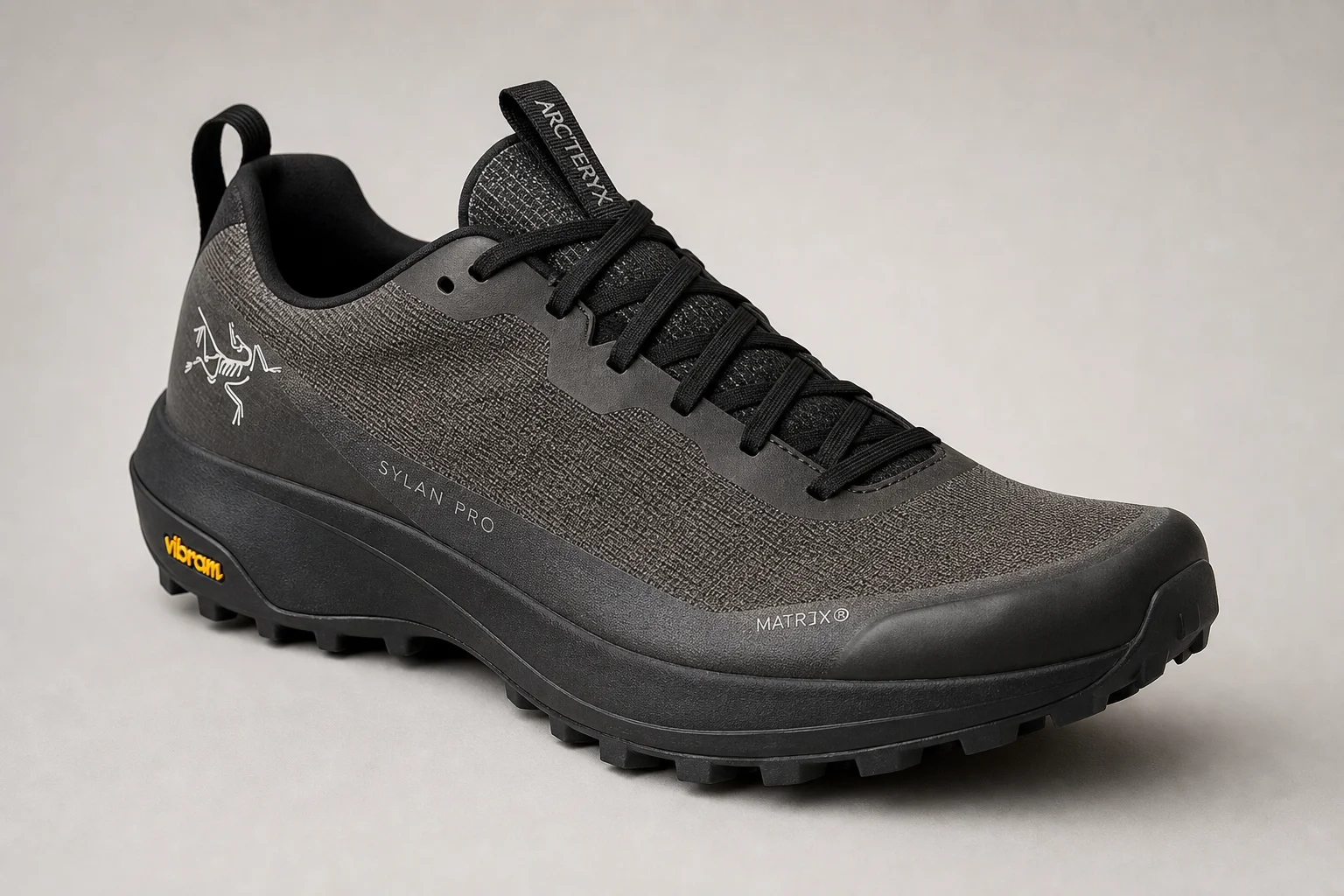
Arc'teryx Sylan Pro Review: A Rocker-Focused Mountain Running Shoe Tested on 20 Miles
The Arc'teryx Sylan Pro brings a pronounced rocker geometry and secure fit to mountain terrain. We tested it on a 20-mile Sawtooth loop to evaluate its climbing efficiency, protection, and handling of technical descents.
Trail Running Shoes
Best All-Mountain Trail Running Shoes: Three Versatile Options for Any Trail
A focused roundup of three all-mountain trail running shoes that handle technical terrain, long distances, and variable conditions with real strengths and practical trade-offs.