Backpacking Tents
Xed Mira UL1 Review: A 950 g Solo Backpacking Tent With Four Setup Modes
A lightweight one-person backpacking tent with quick colour-coded pitching, four fly configurations, and a genuinely compact packed size.
Introduction
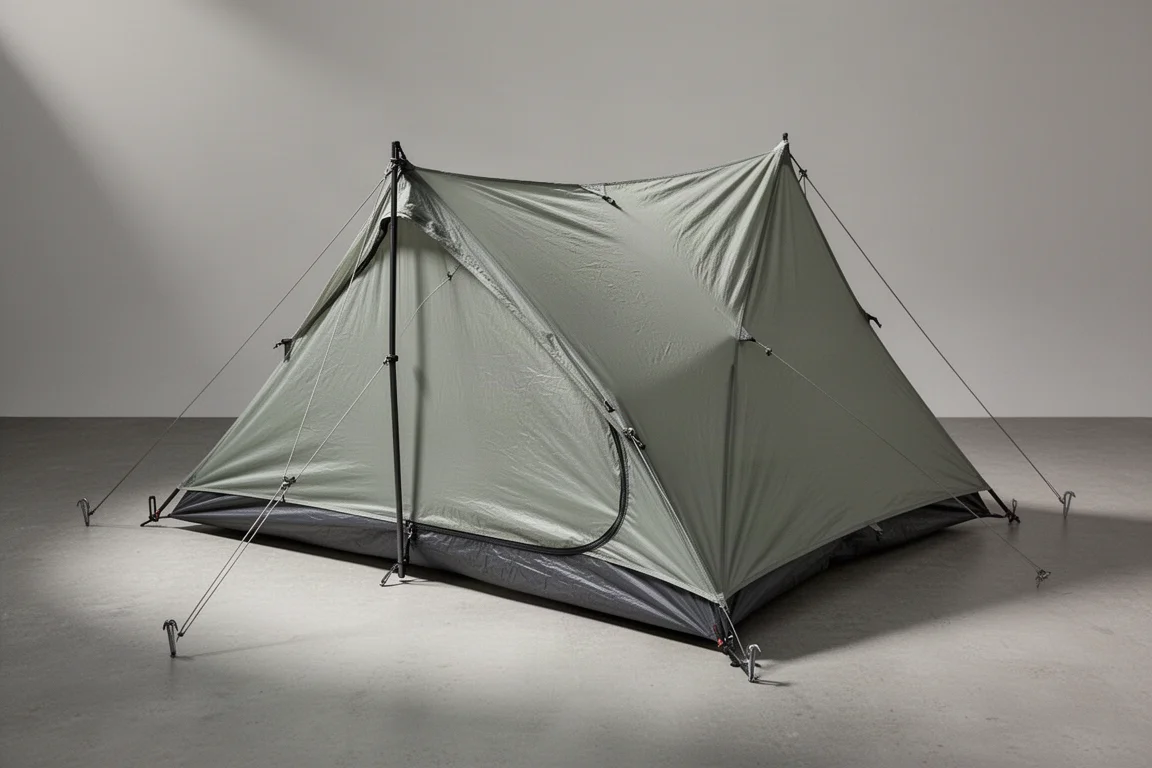
The Xed Mira UL1 is a one-person backpacking tent built around a straightforward goal: keep the weight down without sacrificing usable living space or pitching flexibility. The minimum weight is 950 g, the packed weight is 1,050 g, and the whole package compresses small enough to disappear into a multi-day pack.
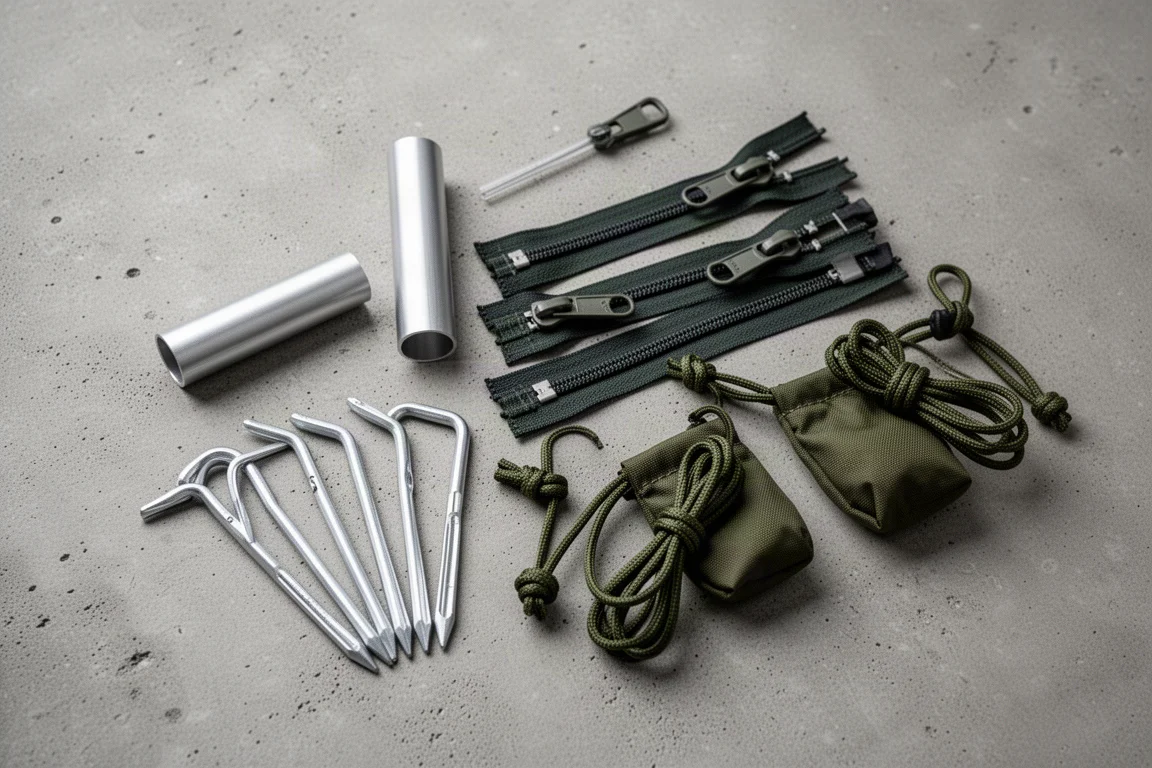
It ships in a compact stuff sack with the poles and pegs stored together, which reduces the chance of leaving something behind at camp. Also in the bag are a pole repair sleeve and spare zips in two sizes, a small detail that matters on longer routes where a failed zip can end a trip early. The fly attachment points are colour-coded, with red matching red and green matching green, so pitching stays quick in low light or after a long day on the trail.
The pitch itself uses slim 9.3 mm featherlight poles with clip-in eyelets, which give the fly a taut, streamlined shape rather than a flapping one. Long line-lock adjusters on the guy lines let you fine-tune tension without untying anything, and the door can be opened one-handed, a small convenience that becomes genuinely useful when you are holding a stove or a headtorch.
Who This Tent Is For
This is a solo shelter, and it makes the most sense for backpackers covering long distances in warmer months. The inner is highly breathable, and the mesh construction keeps midges and other small insects out on sticky nights when you want the fly rolled back. Internal width is 70 cm, so it fits a solo sleeping pad comfortably, while the 103 cm internal height leaves enough room to sit up and change layers.
It also suits campers who value packing options. If you store the poles separately in your pack, the tent body squashes down remarkably small, which helps on trips where volume is as tight as weight.
For anyone who camps alone regularly and wants a shelter that sets up fast, packs tidy, and does not dominate the inside of a rucksack, the format is a good match.
Main Strengths: Pitching and Four Setup Modes
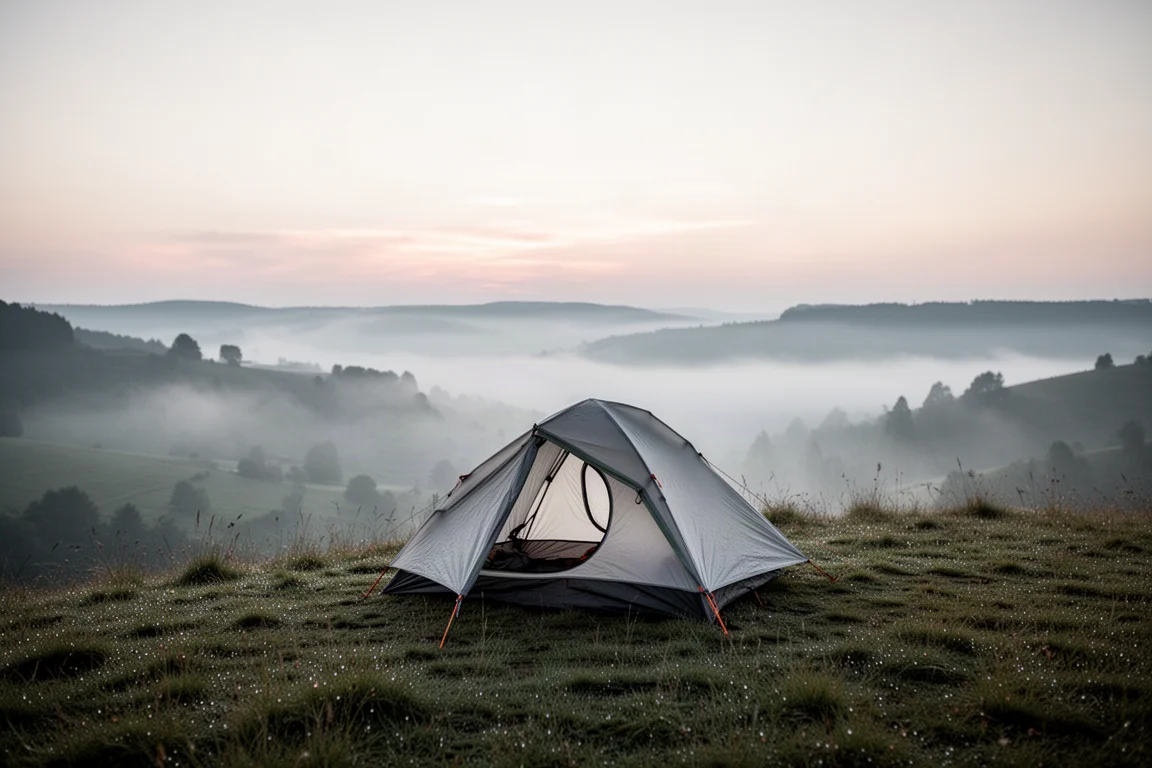
The most distinctive feature is the range of fly configurations. Optimus mode is the standard fully closed pitch, privacy mode closes the shelter down for wind and weather, breezeway mode lifts the fly for cross ventilation, and stargazer mode rolls the fly back at the head end so you can lie inside and look up at the sky.
Stargazer mode works by unclipping the two pole sections at the head end and rolling the fly back, which takes only a moment. Just as importantly, it takes seconds to reverse if rain arrives suddenly. The fly can also be set low to the ground for storm protection or raised higher when you want more airflow, and the clip-in eyelets and line-lock adjusters make those changes quick rather than fiddly.
The guy lines stay attached to the tent and tuck into small fabric pouches when you pack up, so they are ready to deploy the next time without untying and rethreading them. A storm flap with a Velcro closure sits over the main entry.
Main Strengths: Interior Space, Materials, and Weather Protection
Internal dimensions are 70 cm wide by 215 cm long, with 103 cm of height. Inside there is a small washing line across the ceiling, a set of hanging loops, and two pockets at the foot end. A zip through the inner gives access to the vestibule on the other side, and the vestibule itself is a decent size, with room for a pack and enough floor space to cook under cover.
The materials are chosen with weight in mind but not at the expense of durability. The fly is a 10 denier silicone-coated nylon with taped seams and double stitching throughout. The inner is a 15 denier fabric with no-see-um mesh, and the floor is a 20 denier ripstop nylon bathtub with a 1500 mm hydrostatic head.
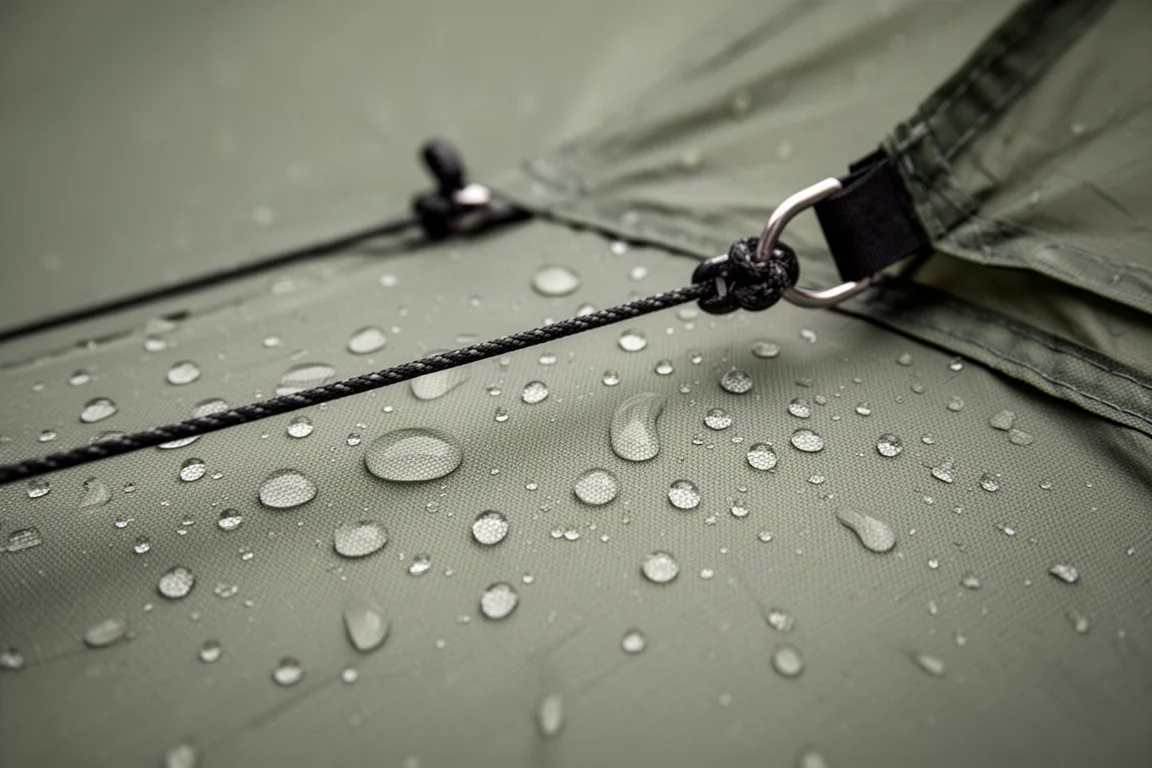
That combination is what makes the tent feel airy on warm nights while still sealing out insects, and the taped, double-stitched fly is the part that does the heavy lifting when the weather turns.
Things to Consider Before Buying
The floor rating of 1500 mm sits right at the level generally considered waterproof, so it is adequate rather than generous. If you regularly pitch on saturated ground or camp in sustained heavy rain, a footprint or an additional groundsheet is a sensible addition. The two interior pockets are both at the foot end, so items you want close to your head need to hang from the ceiling loops instead.
At 70 cm wide, the interior is comfortable for one person on a solo pad but compact for broader or taller sleepers who like to spread out. Finally, the four fly modes are simple once you have used them, but they are worth practising on a first pitch at home rather than learning them in wind and fading light.
Buying Advice
The Xed Mira UL1 is priced at around £400, and it was on offer at the time of writing. At that level it competes in the specialist ultralight category, where the value comes from the low packed weight, the small packed volume, and the flexibility of the four fly configurations rather than from a long list of accessories.
It is the right choice if your trips are mostly three-season and long-distance, where every gram and every litre of pack space counts, and where being able to open the shelter up on a warm evening matters as much as storm protection. If your camping leans toward exposed winter conditions or you want a heavier-duty floor as standard, it is worth weighing up shelters with more robust fabrics instead.
Budgeting for a footprint and treating the floor rating as the one specification to keep an eye on will get the most out of this tent over a full season of use.
Conclusion
The Xed Mira UL1 delivers what a lightweight solo backpacking tent should: a 950 g minimum weight, a compact pack size, quick colour-coded pitching, and a set of fly modes that let the shelter adapt to the weather instead of the other way around. The taped 10 denier fly, breathable 15 denier mesh inner, and 20 denier bathtub floor show that the low weight has been achieved through material choice rather than shortcuts.
For solo backpackers covering long summer routes, it is a well-considered option that packs small and pitches fast. Just plan for a footprint if you expect wet ground, and you have a shelter that should serve many seasons of multi-day hiking.
Product link
View more details for Xed Mira UL1
This product is mentioned in the review. Check the specifications, options, and compatibility before buying.
View more details for Xed Mira UL1Further reading
Related Reviews
Backpacking Tents
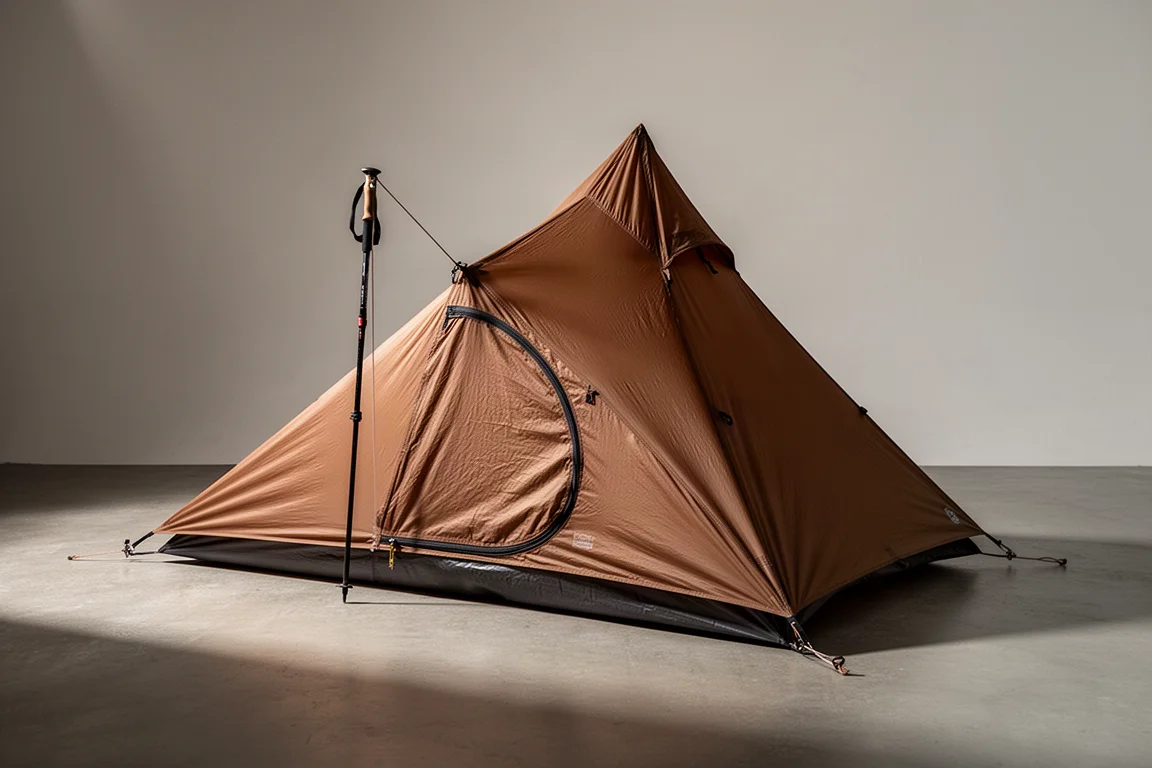
3F UL Lanchan Pro 1 Review: A 1 lb 8 oz Single-Wall Trekking Pole Tent
A practical look at the 3F UL Lanchan Pro 1, a single-wall trekking pole shelter with a 1 lb 8 oz weight, 20D silnylon fabrics, and a roomy 90 x 31 x 49 inch interior.
Backpacking Tents
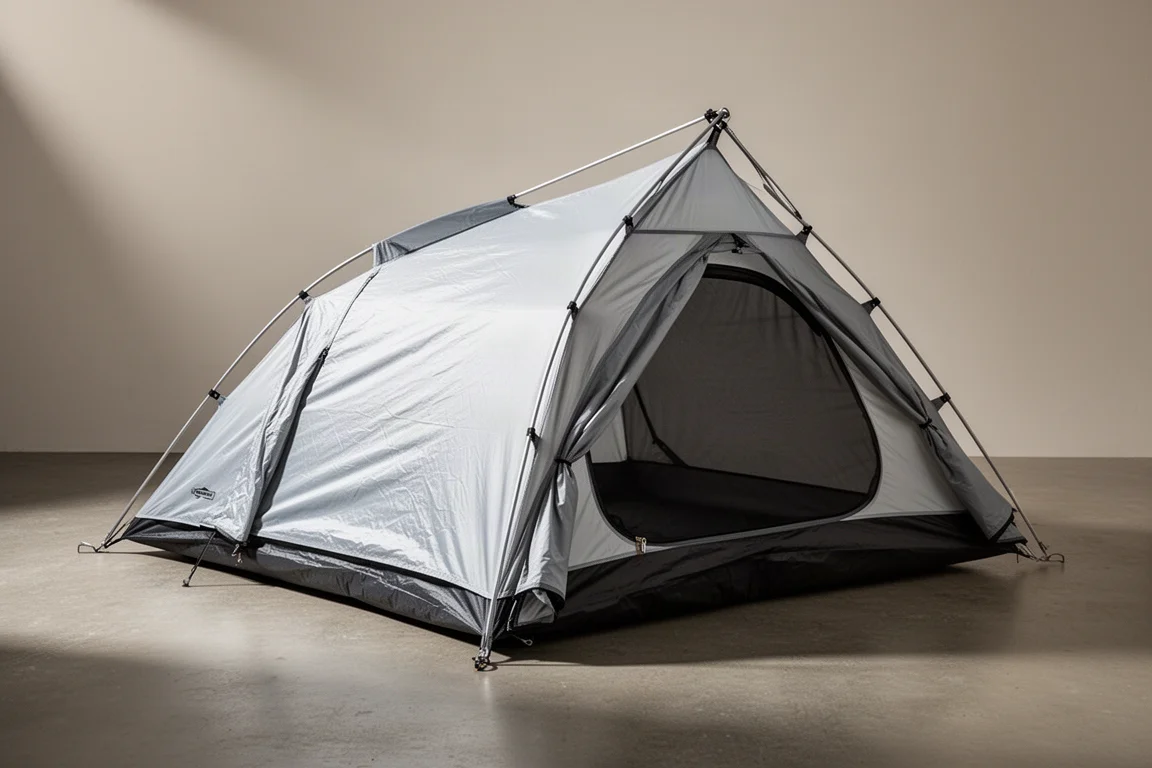
3F UL Taiji 2-Person Tent: A Convertible Backpacking Shelter Worth a Closer Look
A practical look at the 3F UL Taiji two-person tent, covering its materials, true two-person interior, fly-first pitching, and the seasonal inner swap that lets one shelter cover more of the year.
Backpacking Tents
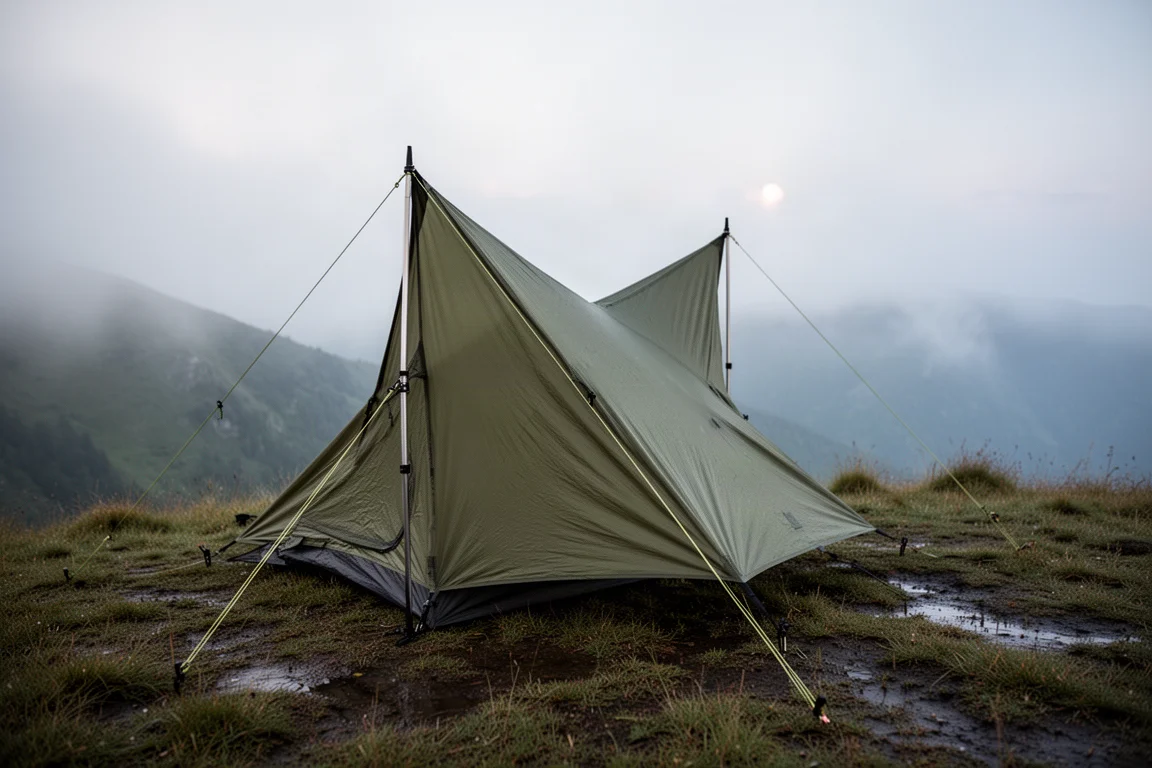
3FUL Lanshan Twoerson Pro Review: A Light Trekking Pole Shelter That Struggled in Rain
A two-person trekking pole shelter with a 2026 redesign, pitched with sticks and put through a night of steady rain. Here is what worked, what did not, and what to check before buying.