Backpacking Tents
X-Mid Pro 1 vs X-Mid Pro 2: Which Trekking Pole Tent Fits Your Backpacking Style
The X-Mid Pro 1 and X-Mid Pro 2 share the same single-wall design, doors, vestibules, and materials. The real decision comes down to floor width, interior volume, and packed footprint.
Introduction
The X-Mid Pro 1 and the X-Mid Pro 2 are built to look almost identical on purpose. Both are single-wall shelters pitched with two trekking poles, and both carry the same door layout, the same materials, and the same finishing details. Set them up next to each other and the family resemblance is unmistakable.
That deliberate consistency makes the buying decision unusually clean. There is no meaningful difference in feature set to weigh up, so the question becomes a practical one: how much interior space do you want, and how large a footprint are you willing to carry?
This guide covers what both tents share, then looks at how the one-person and two-person versions differ in floor width, interior volume, and packed weight, and closes with advice on matching the right size to the way you camp.
Shared Design and Materials Across the X-Mid Pro Series
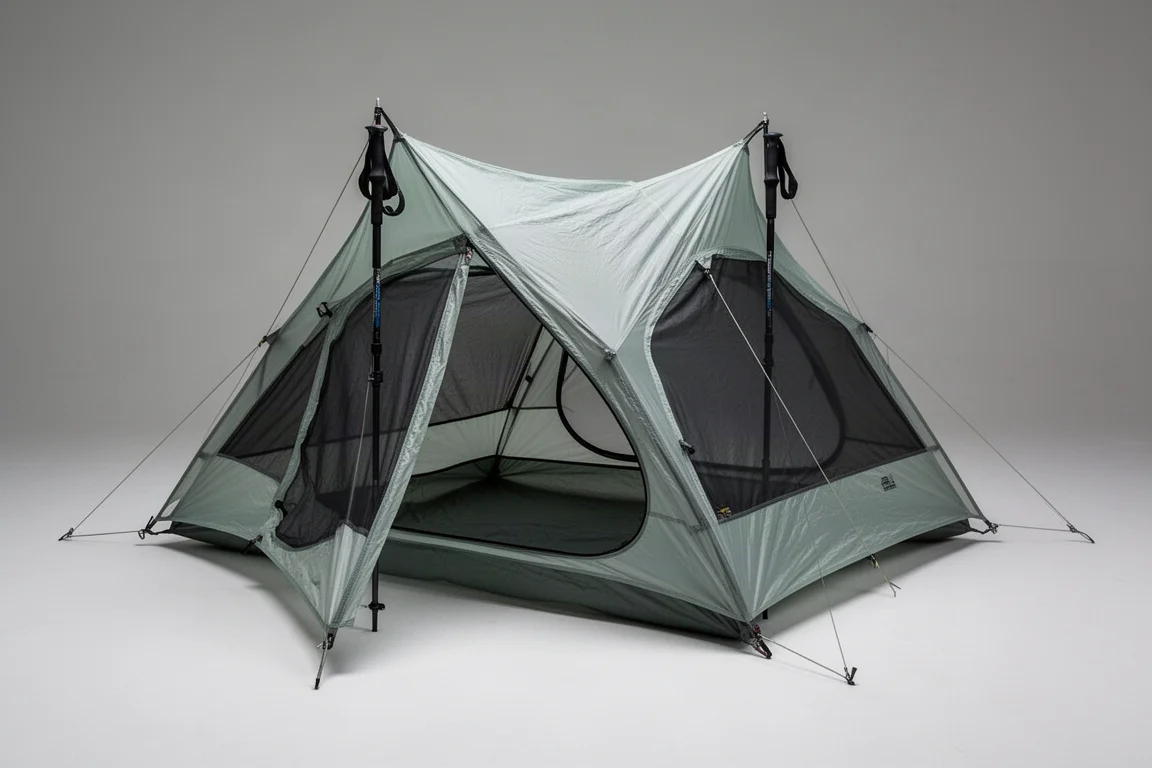
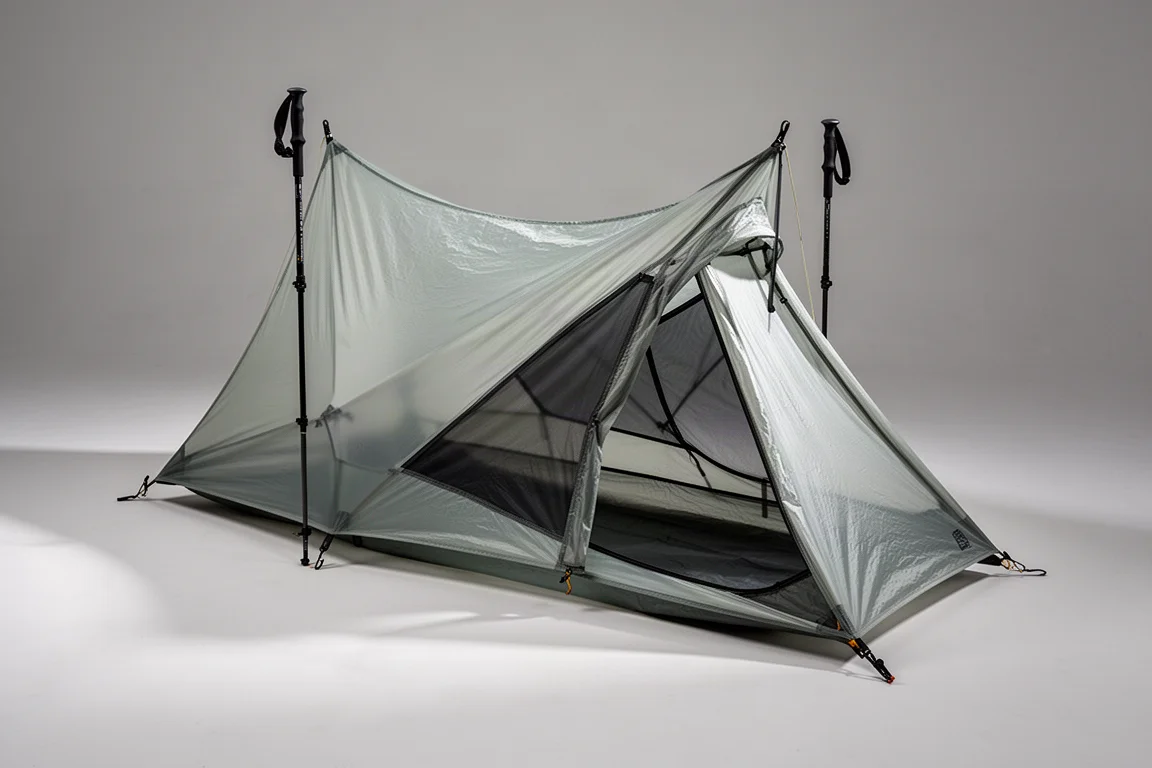
Both tents are trekking pole shelters that need two poles to pitch correctly. Each one has two doors and two vestibules, which matters more than it sounds on the one-person version, since single-person tents in a series often come with a noticeably smaller vestibule. Here, the vestibules stay large on both sizes.
Access is a strong point. The door opening is wide, the zipper is a lightweight number three, and the trekking pole sits out of the way of the doorway, so getting in and out does not require awkward manoeuvring. The fly sheet ties back with a magnetic closure, which keeps the door out of the way when you want an open view.
Ventilation comes from two peak vents, which help move moist air out of the tent and reduce condensation inside. There are also two pockets on each side, even in the one-person version.
The materials are consistent across the series: a 0.55 ounce Dyneema Composite Fabric fly, a 15 denier nylon coated tension floor, and no-see-um mesh. Both are single-wall tents, and both use a number three watertight zipper on the outer doorway. Both also support a skinny pitch, which pulls the vestibule in slightly to reduce the overall footprint when a campsite is tight.
X-Mid Pro 2: Interior Volume and Two-Person Comfort
The two-person version has an 80 by 100 inch footprint and a floor that measures 90 inches long by 48 inches wide. That floor is asymmetrical: rather than running straight down the centre of the tent, it sits offset and runs diagonally, which increases interior volume. Peak height is 46 inches, and the tent weighs 19.6 ounces, or 555 grams, before you add the weight of poles, stakes, and bags.
The offset pole system gives this shelter a notably storm-worthy structure, and that stability holds up even with the larger footprint.
The obvious question about a 48 inch floor is whether two pads actually fit. Two 25 inch wide pads can be squeezed in, and a 25 inch pad paired with a 24 inch pad works in a pinch, though it is tight. Smaller mummy-shaped pads fit more comfortably. What stands out beyond pad fit is how much room there is to move around. The offset pole design avoids the steep, cramped walls common in trekking pole tents, so you are not restricted to sitting at the single highest point. Two people can spread out and each use a different end of the tent.
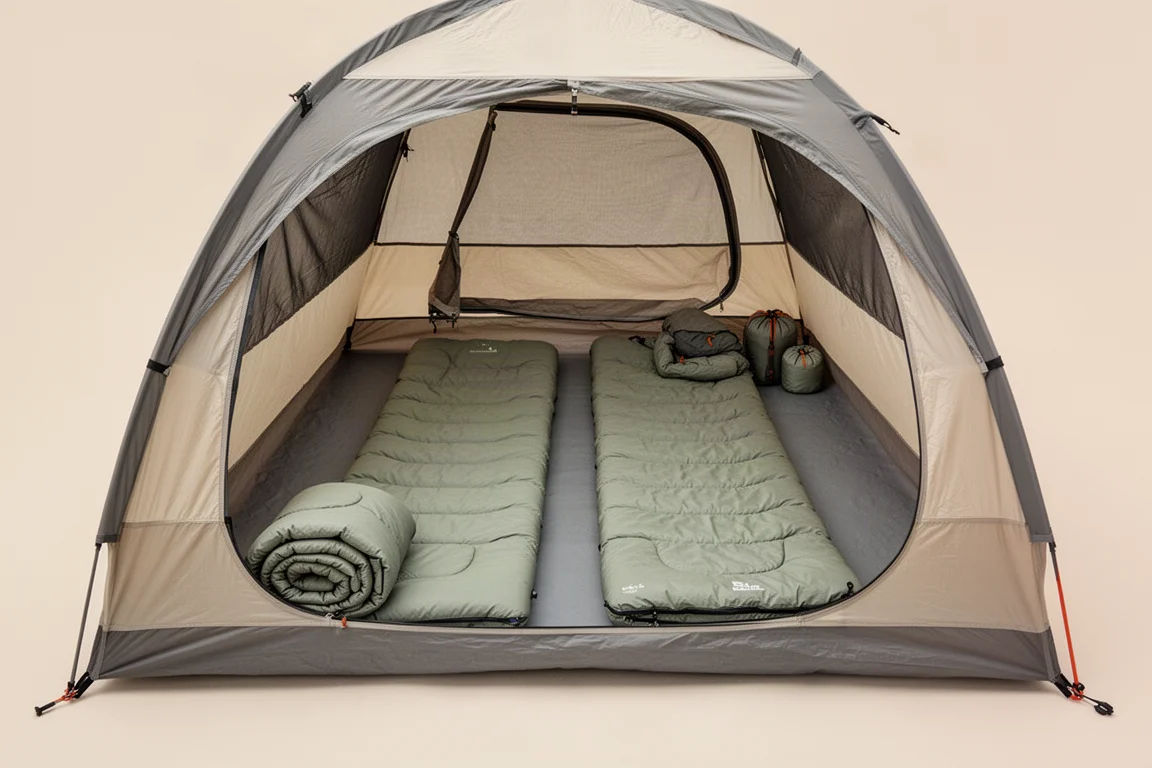
As a solo shelter, the two-person version offers more space than most people need, but it is hard to argue with the comfort it provides.
X-Mid Pro 1: Solo Space That Does Not Feel Cramped
The one-person version reduces the footprint to 63 by 98 inches and the floor to 32 inches wide, but keeps the same 90 inch floor length as the two-person tent. Because the floor is asymmetrical and runs diagonally, the full width carries through the whole length instead of tapering at the foot end, which is what usually makes a one-person tent feel narrow.
Peak height is 45 inches, and the tent weighs 16.4 ounces before poles and stakes. That long floor leaves a generous amount of unused space at whichever end you do not place your pad, which is useful for storing gear inside rather than leaving everything in the vestibule.
In practice this is one of the most liveable tents in its weight class. You can sit up, move around, and turn over without feeling confined. Combined with the large vestibules on both sides, it does not have the claustrophobic feel that small solo tents often have.
Weight, Footprint, and Packed Size Compared
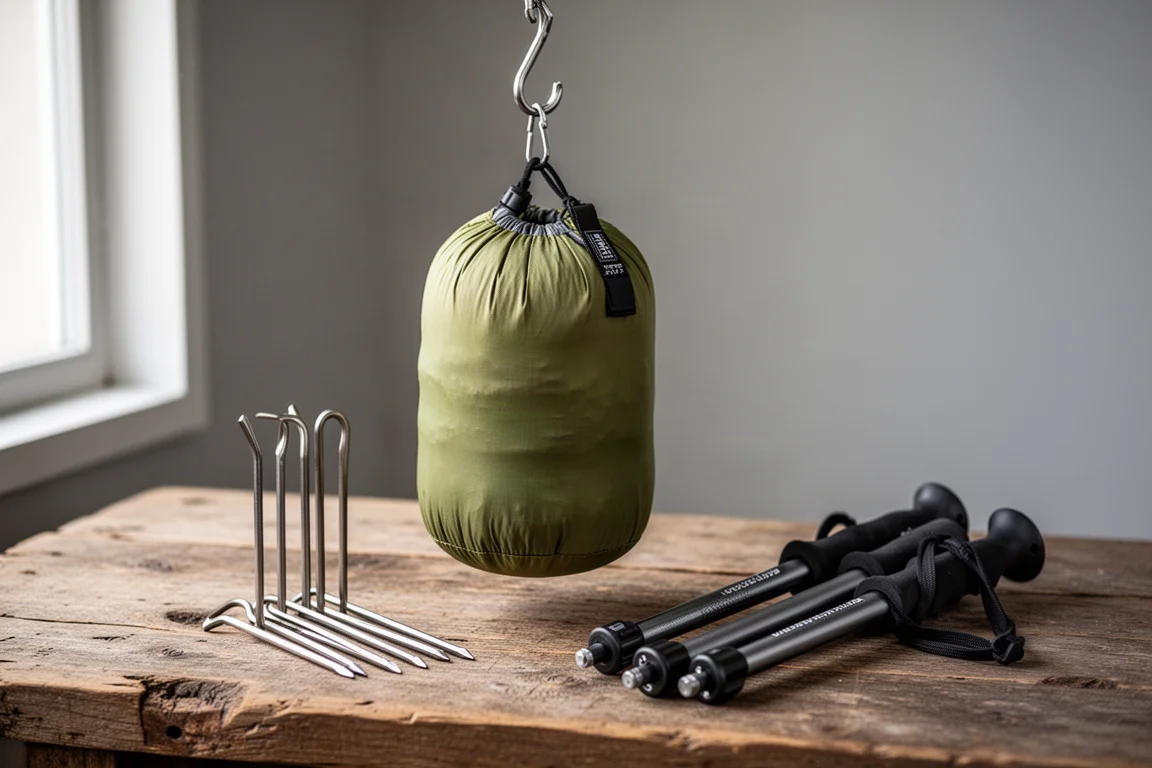
The gap between the two tents is a few ounces. The one-person version comes in at 16.4 ounces and the two-person at 19.6 ounces, and neither figure includes poles, stakes, or stuff sacks, so your packed weight will be higher on both. Even so, the tent body alone stays close to a pound, which is remarkable for a shelter with this much interior space.
Footprint is the bigger practical difference. At 63 by 98 inches, the one-person version asks noticeably less of a campsite than the 80 by 100 inch two-person version. On a trip where you are squeezing onto a small tent pad or a narrow ledge, that difference is easier to feel than the weight. The skinny pitch option helps either tent fit into tighter spots.
If you expect to camp in exposed or stormy conditions, the two-person version’s offset pole structure is a real asset. Both tents carry the same two peak vents and the same watertight outer door zipper, so ventilation and weather protection stay consistent across the series.
How to Choose Between the X-Mid Pro 1 and the X-Mid Pro 2
For most backpackers, the one-person version is the realistic pick. If you almost always sleep solo, the smaller footprint and lighter packed weight make a difference on every trip, and you still get a genuinely roomy interior plus two large vestibules.
Choose the two-person version if you regularly share a tent with another adult, if you bring a dog or a child along, or if you simply want the maximum amount of space and are happy to accept a small weight penalty and a larger pitch area. Solo hikers who value a wide, open interior often prefer it for exactly that reason.

One way to settle it is to think about your last few trips. If you slept alone and rarely used the extra floor area, the smaller tent is the better match. If you found yourself wanting more room to spread out gear, or you expect company on future trips, the two-person version earns its extra ounces.
Conclusion
Because the X-Mid Pro 1 and X-Mid Pro 2 share the same construction, materials, doors, vestibules, and vents, the choice comes down to space and size rather than features. The one-person version is the more versatile option for solo trips, with meaningful weight and footprint savings. The two-person version is the better answer when you want maximum interior volume, whether that is for a second person, a dog, or simply more room to live in.
Further reading
Related Reviews
Backpacking Tents
3F UL Lanchan Pro 1 Review: A 1 lb 8 oz Single-Wall Trekking Pole Tent
A practical look at the 3F UL Lanchan Pro 1, a single-wall trekking pole shelter with a 1 lb 8 oz weight, 20D silnylon fabrics, and a roomy 90 x 31 x 49 inch interior.
Backpacking Tents
3F UL Taiji 2-Person Tent: A Convertible Backpacking Shelter Worth a Closer Look
A practical look at the 3F UL Taiji two-person tent, covering its materials, true two-person interior, fly-first pitching, and the seasonal inner swap that lets one shelter cover more of the year.
Backpacking Tents
3FUL Lanshan Twoerson Pro Review: A Light Trekking Pole Shelter That Struggled in Rain
A two-person trekking pole shelter with a 2026 redesign, pitched with sticks and put through a night of steady rain. Here is what worked, what did not, and what to check before buying.