Backpacking Tents
X-Mid Pro 1 vs X-Mid Pro 2: Which Trekking Pole Tent Suits Your Trip?
A practical comparison of the X-Mid Pro 1 and X-Mid Pro 2 trekking pole tents, covering shared features, interior space, footprint, and weight.
Introduction
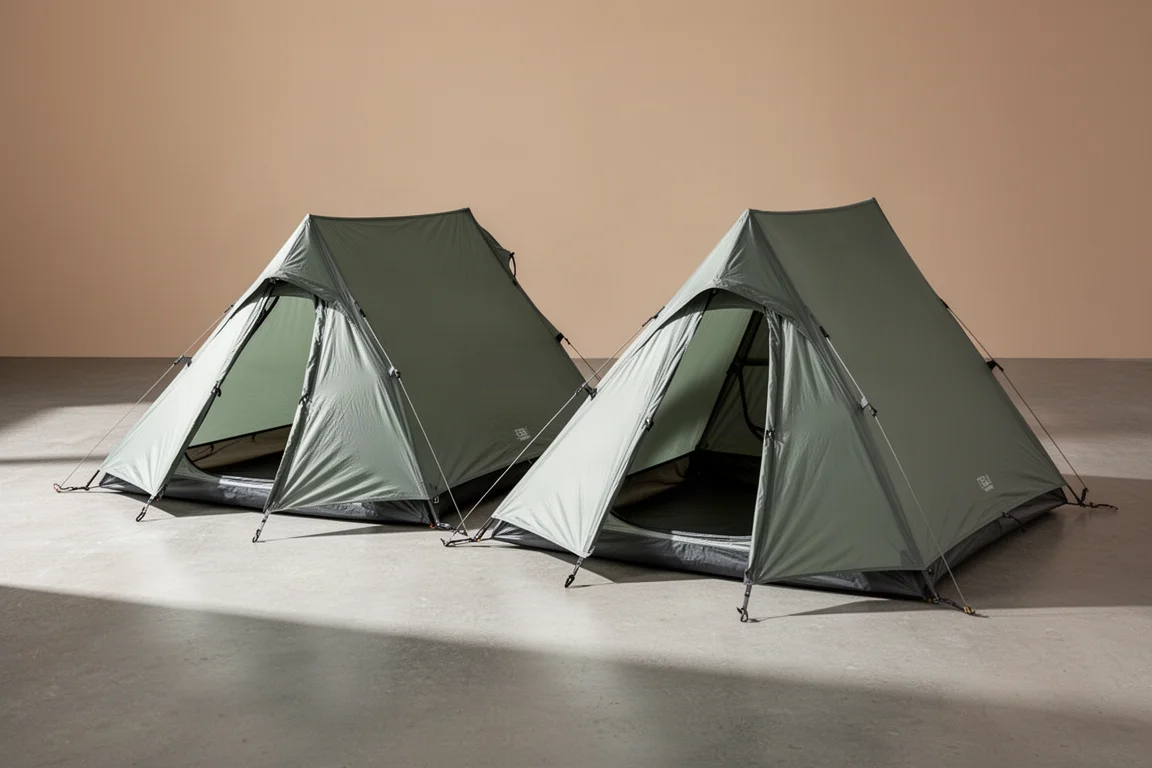
The X-Mid Pro 1 and the X-Mid Pro 2 look almost identical when you set them side by side, and that is deliberate. Both shelters are built around the same feature set, the same materials, and the same pitching method, so the choice between them is not really about which one is better. It comes down to how much interior space you want and how large a footprint you are willing to carry.
This comparison walks through what the two tents share, where they genuinely diverge, and which size tends to make more sense for different kinds of backpackers.
Shared Features Across the X-Mid Pro Series
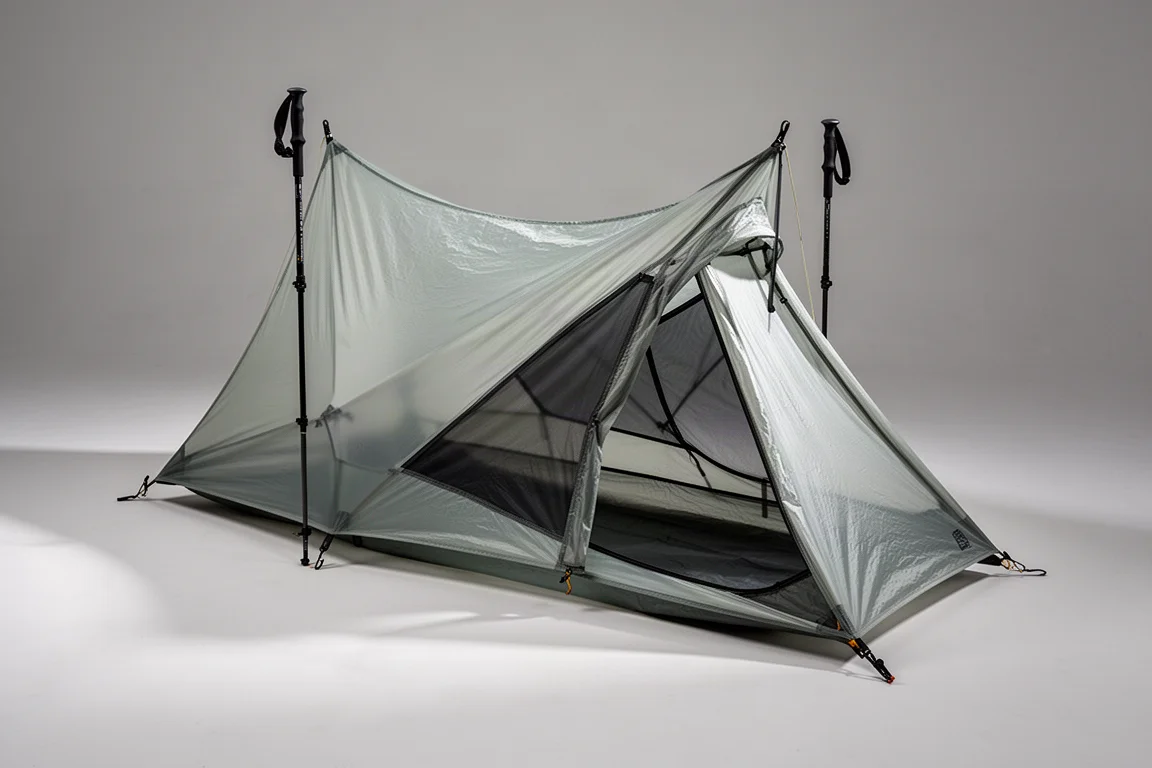
Both tents are trekking pole shelters, which means you need two trekking poles to pitch them correctly. Each one has two doors and two vestibules, and the vestibules are notably large on both sides. That matters most on the one-person version, since solo tents in a series often end up with a compromised vestibule. Here the storage space is generous on both shelters.
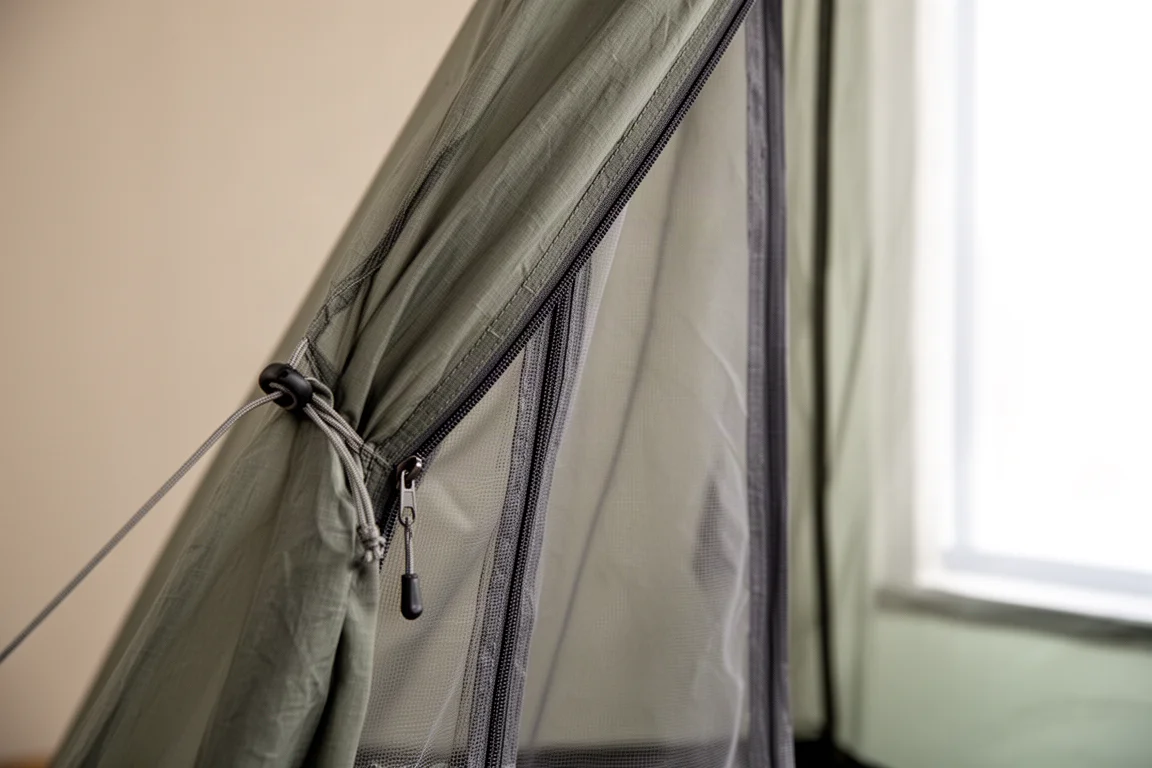
Entry and exit are handled well. The door opening is large, the zipper is a lightweight number 3, and the trekking pole sits out of the way of the doorway rather than blocking it. The fly sheet ties back with a magnetic closure. Two peak vents help move air through the shelter and reduce condensation, and there are two pockets on each side, including on the one-person version.
Materials are shared across the series as well. The outer fly uses a 0.55 ounce Dyneema composite fabric, the floor is a 15 denier nylon coated tension floor, and the inner mesh is no-see-um. Both are single wall tents, and the outer doorway uses a number 3 watertight zipper. Each tent can also be pitched in a skinny configuration that pulls the vestibule in slightly to reduce the overall footprint.
Taken together, the shared platform means you are choosing between two versions of the same shelter rather than two different designs. That makes the size question much easier to answer, because almost everything you like about one tent carries over to the other.
X-Mid Pro 1: The Solo Shelter That Does More
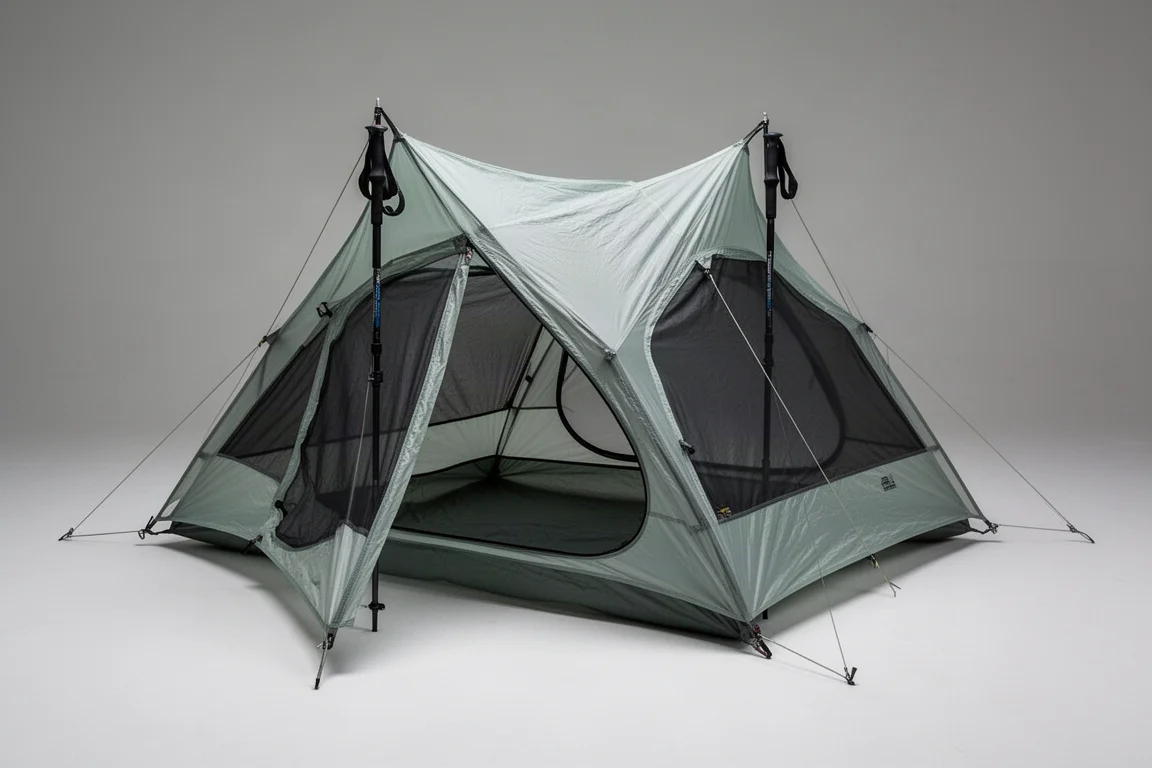
The X-Mid Pro 1 measures 63 inches wide by 98 inches long with a 45 inch peak height, and it weighs 16.4 ounces. The floor is 90 inches long and 32 inches wide, and it is asymmetrical. Instead of running as a straight rectangle down the centre, it sits offset and runs diagonally through the tent. That geometry keeps the full floor width available all the way to the foot end, so you do not get the tapered, narrower foot section that many one-person tents have.
In practice the interior feels far more livable than the numbers suggest. There is enough room to sit up and shift around, and because the floor is so long, a large amount of space is left over at either the head or the foot end, depending on where you place your pad. That leftover area is genuinely useful for gear, and it works alongside the very large vestibules on each side.
X-Mid Pro 2: The Two-Person Option With Room to Spare
The X-Mid Pro 2 has a footprint of 80 inches by 100 inches, a floor of 90 inches by 48 inches, and a 46 inch peak height. It weighs 19.6 ounces, or 555 grams. The offset pole system gives it a very stable, storm-worthy structure, even with the larger footprint. The floor is asymmetrical in the same way as the solo version, running diagonally to increase usable interior volume.
The most common question about the two-person model is whether two wide pads actually fit on a 48 inch floor. They do, with a caveat. A 25 inch wide pad and a 24 inch wide pad can both be placed inside, though the arrangement is tight. Smaller mummy-shaped pads fit more comfortably, and the setup works well for occasional trips with two people.
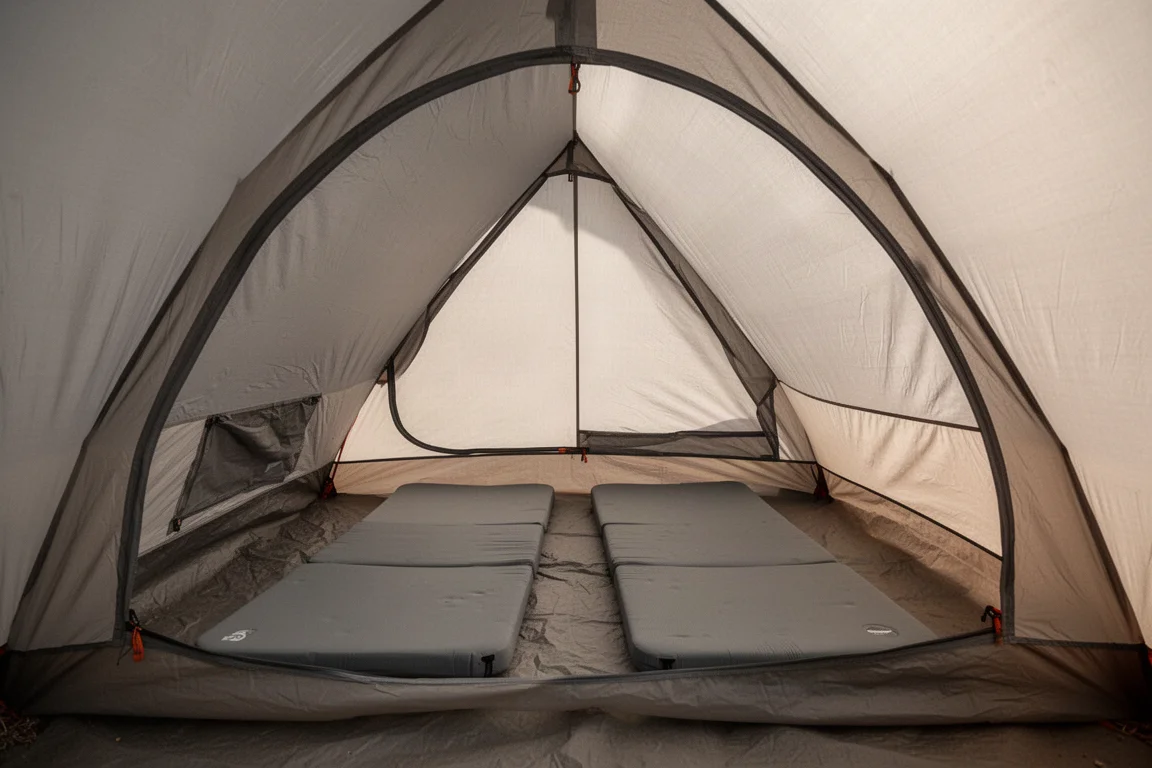
What stands out more is how much room there is to move around. Trekking pole tents often have steep walls that force you to sit at the highest point, but the offset pole design here leaves open space at both ends, so two people can spread out and still have room to shift position. For anyone who regularly shares a shelter with a partner, a child, or a dog, that extra volume is the whole point of stepping up.
Living Space and Interior Volume in Practice
Living space is where the two tents feel most different, and it is mostly a question of width. The Pro 1 gives you 32 inches of floor width, so the difference between the models is side to side rather than front to back. Length and peak height stay strong on both, which is why the solo version still feels open rather than cramped.
The diagonal floor layout is the reason both tents avoid the usual one-person compromise. Because the floor runs offset through the shelter, the usable width carries to the far end instead of narrowing, and the sleeping position can sit slightly off centre. Combined with the long 90 inch floor, that leaves a large area for a pack, shoes, and other gear at one end of the tent.
Storage is covered twice over. Inside, there are two pockets on each side of both tents. Outside, the two vestibules on each shelter are large enough to keep a pack and wet layers out of the sleeping area.
Footprint and Weight: What Changes Between the Two Sizes
The gap between the two shelters is smaller than the names suggest. The Pro 1 covers 63 inches by 98 inches on the ground, while the Pro 2 covers 80 inches by 100 inches. Length is nearly identical, so the real difference is the extra width. Weight moves from 16.4 ounces on the solo version to 19.6 ounces on the two-person version, a difference of a little over three ounces.
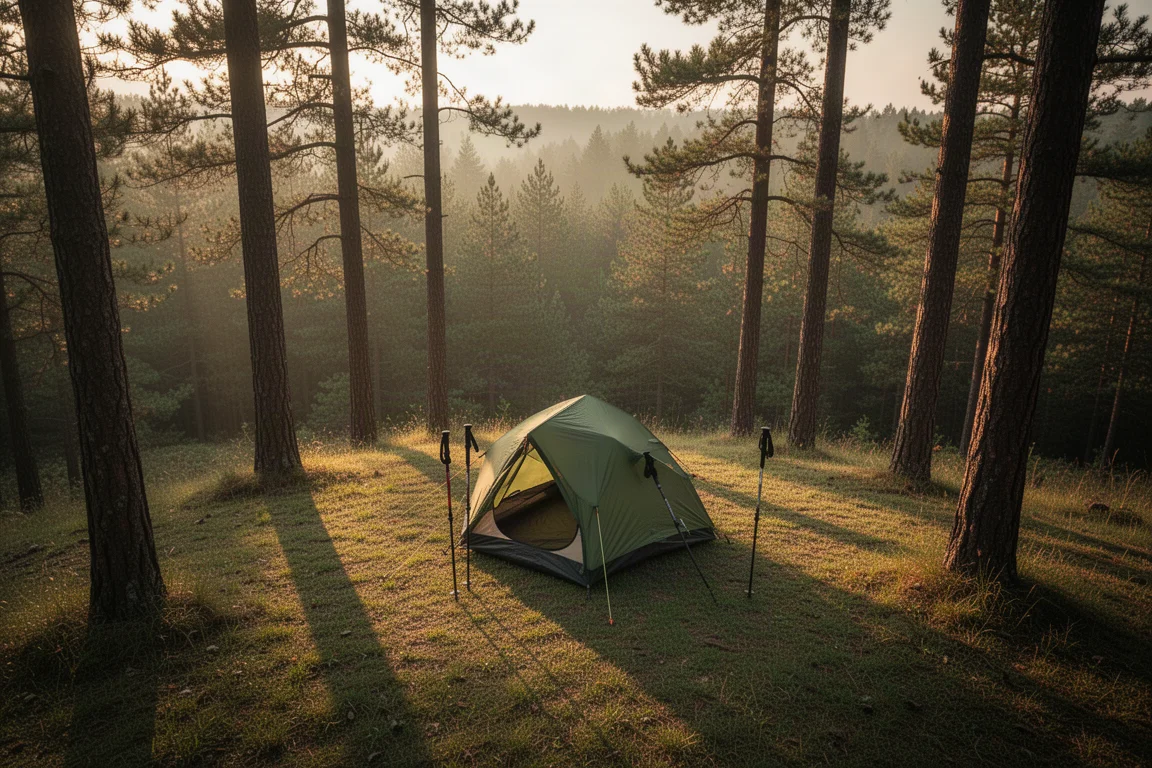
That footprint difference matters on tight campsites. When a pitch is smaller than you would like, both tents can be set up in the skinny configuration, which brings the vestibule in slightly and trims the overall footprint without changing the sleeping area.
Packed Weight and the Extras You Need to Add
The listed weights are for the tent itself and do not include the poles. Once you add stakes, the stuff sack, and the trekking poles you are already carrying, the total goes up by a few ounces. Even so, the solo version stays at roughly a pound for the tent alone, which is a remarkable figure for a shelter with this much interior room.
That is worth keeping in mind when you compare the two. The three-ounce penalty for the larger tent is real, but it is small relative to the amount of space you gain, and it is offset by the fact that the poles and stakes you carry are the same either way.
Which X-Mid Pro Size Should You Choose?
For most backpackers, the X-Mid Pro 1 is the more realistic pick. Most trips are solo trips, and the smaller footprint and lower weight make a practical difference over a full season of hiking. You still get an unusually livable one-person tent with two doors, two large vestibules, and enough length to keep gear inside with you.
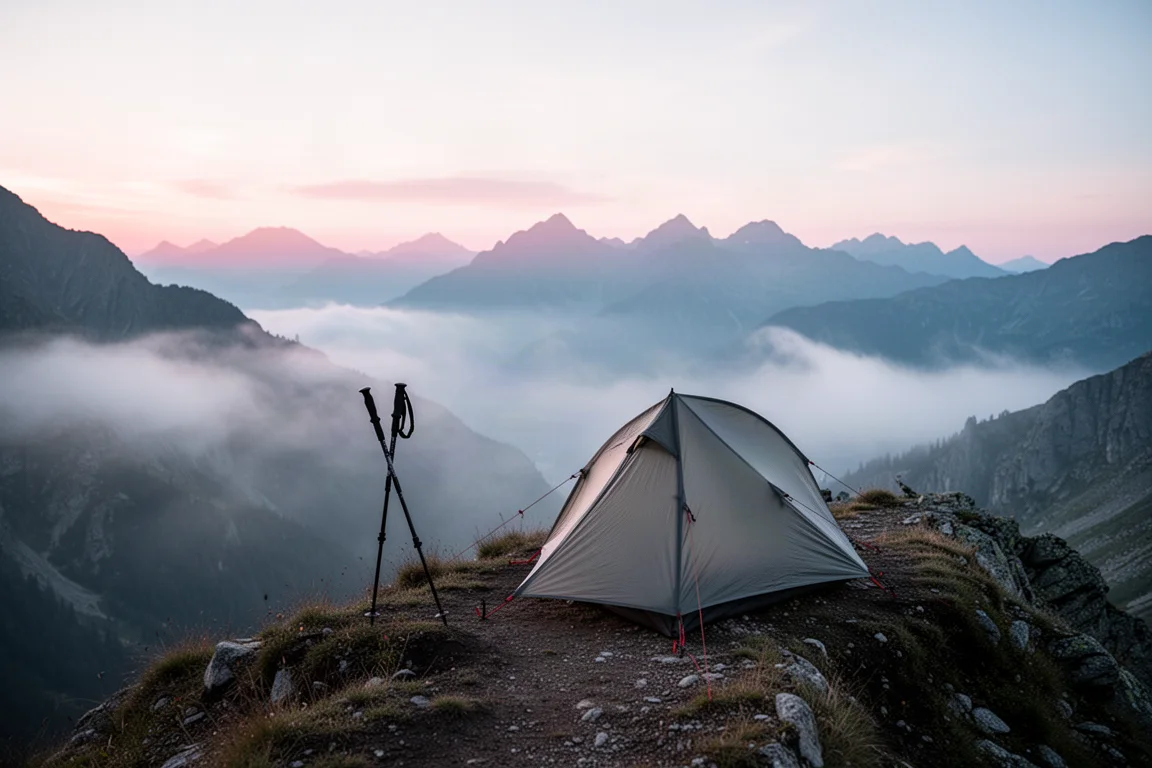
The X-Mid Pro 2 makes sense when you know you will be sharing the shelter, whether that is another adult, a child, or a dog. It also suits anyone who simply wants the most interior space available and is willing to carry a few extra ounces for it. If comfort inside the tent is a priority and you would rather not feel boxed in, the larger model delivers that directly.
If you are torn between the two, think about the trips you actually take rather than the trips you might take. Solo hikers who occasionally host a guest are usually better served by the lighter shelter, while anyone who shares a tent often will feel the difference in width immediately.
Conclusion
The X-Mid Pro 1 and X-Mid Pro 2 share the same design language, the same materials, and the same pitching approach, so the decision comes down to space and footprint. Choose the solo version for the lightest, most versatile setup that still feels roomy. Choose the two-person version when you need genuine room for two, or when interior comfort matters more than a few ounces.
Further reading
Related Reviews
Backpacking Tents
3F UL Lanchan Pro 1 Review: A 1 lb 8 oz Single-Wall Trekking Pole Tent
A practical look at the 3F UL Lanchan Pro 1, a single-wall trekking pole shelter with a 1 lb 8 oz weight, 20D silnylon fabrics, and a roomy 90 x 31 x 49 inch interior.
Backpacking Tents
3F UL Taiji 2-Person Tent: A Convertible Backpacking Shelter Worth a Closer Look
A practical look at the 3F UL Taiji two-person tent, covering its materials, true two-person interior, fly-first pitching, and the seasonal inner swap that lets one shelter cover more of the year.
Backpacking Tents
3FUL Lanshan Twoerson Pro Review: A Light Trekking Pole Shelter That Struggled in Rain
A two-person trekking pole shelter with a 2026 redesign, pitched with sticks and put through a night of steady rain. Here is what worked, what did not, and what to check before buying.