Kitchen & Home
Trending Kitchen Products Worth the Hype? We Tested a Composter and Two Fine Kombuchas
A countertop home composting machine from Sage and two low-alcohol fine kombuchas from Ama Brewery, put through a real taste-and-try session to see what deserves a place in your kitchen.
Introduction
Some kitchen trends arrive with genuine substance behind them, and others are pure novelty. In this roundup we put four trending products through a hands-on session: a countertop composting machine, a quirky spice-grinding idea, a flight of plant-based fish alternatives, and two fine kombuchas from a Basque Country brewery. Two of them stood out enough to earn a full recommendation, and we will explain exactly why, including the honest price conversation.
Sage Home Composting Machine: Turning Scraps Into Soil
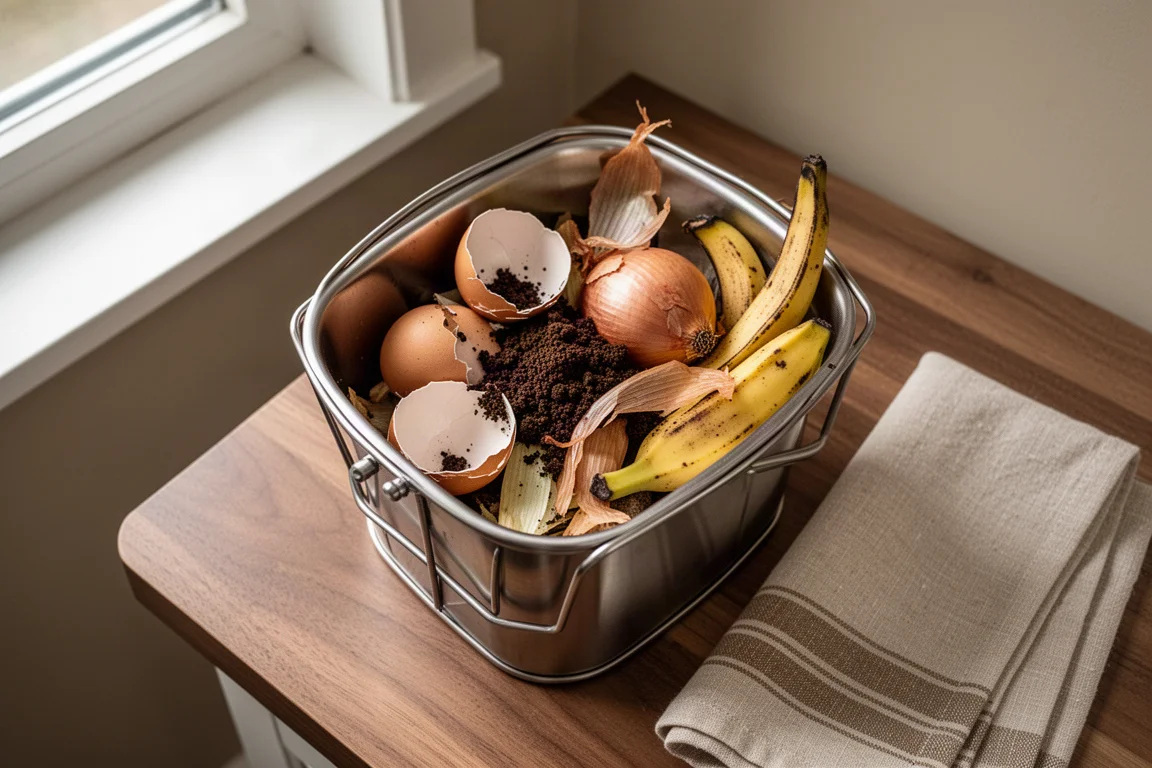
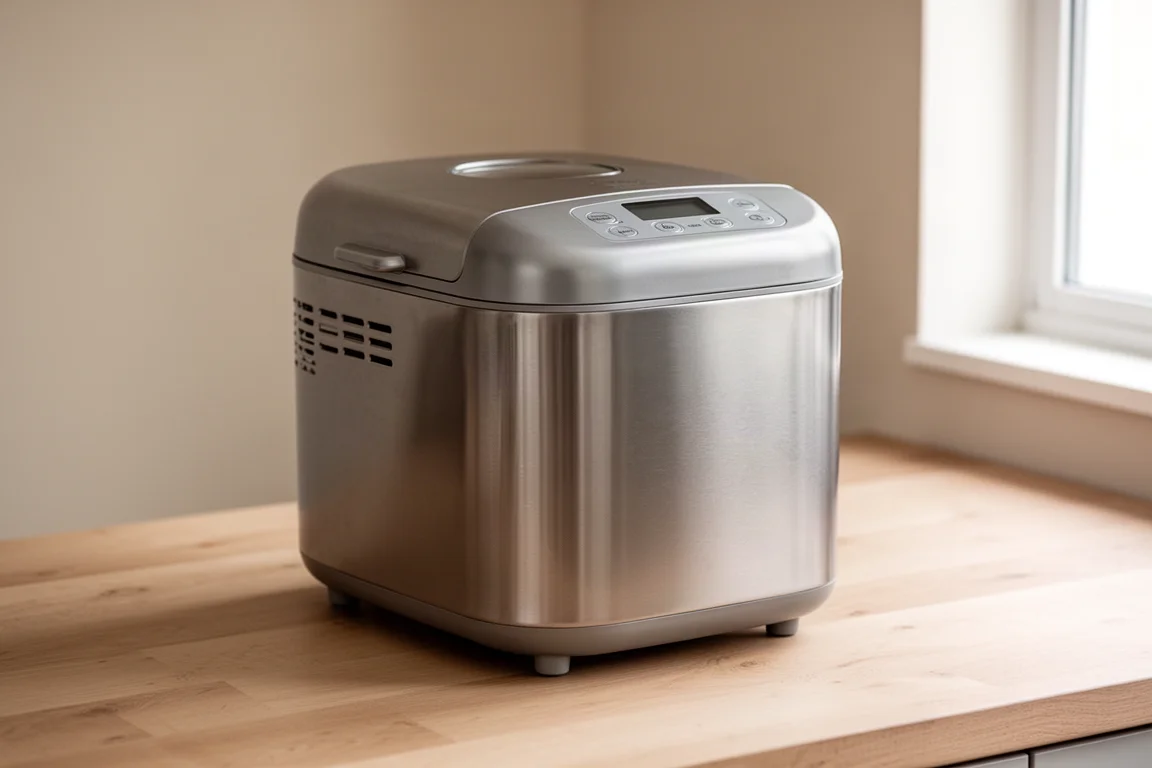
The Sage home composting machine looks, at first glance, like a compact bread maker or even an ice cream maker. The control panel reads change filter, cooling, grinding, and drying, and that sequence describes exactly what it does. Food waste is a genuine problem in most households: onion peelings, eggshells, coffee grounds, half-finished plate scrapings. This machine is designed to handle the organic waste you simply cannot reuse.
The workflow is simple. You keep a bucket in your preparation area, fill it with trimmings as you cook, and drop the contents into the machine. It works out what is inside, then dries, grinds, and cools everything down. A full load takes four to six hours, which means you can run it overnight or while you are out, and it is quiet enough to tick away like a washing machine. It is also described as very energy efficient. Fill the bucket to the line and the contents reduce dramatically in volume.
Once finished, the output is a dry, odour-free organic material with two clear uses: mix it into soil or compost where microbes and worms take it on board, or store it for a composting collection. Either way, bags and bags of smelly food waste become something far more manageable. The team using it daily found it easy to build into a routine: run it overnight, empty it in the morning, repeat.
The honest downside is price. At 420 pounds, it sits somewhere between a posh bin and a coffee machine, and it is genuinely out of reach for most households. If you have the budget and the commitment to reduce your food waste footprint, it does the job well. If not, the traditional bin still exists for a reason.
The DIY Spice Grinder Idea That Stole the Show
One of the most interesting ideas from the session was not a product at all but a technique: filling ordinary hand mills with things other than salt and pepper. The starting point was a Cinnamon Dream mill filled with sugar and spice, and from there the possibilities opened up quickly.
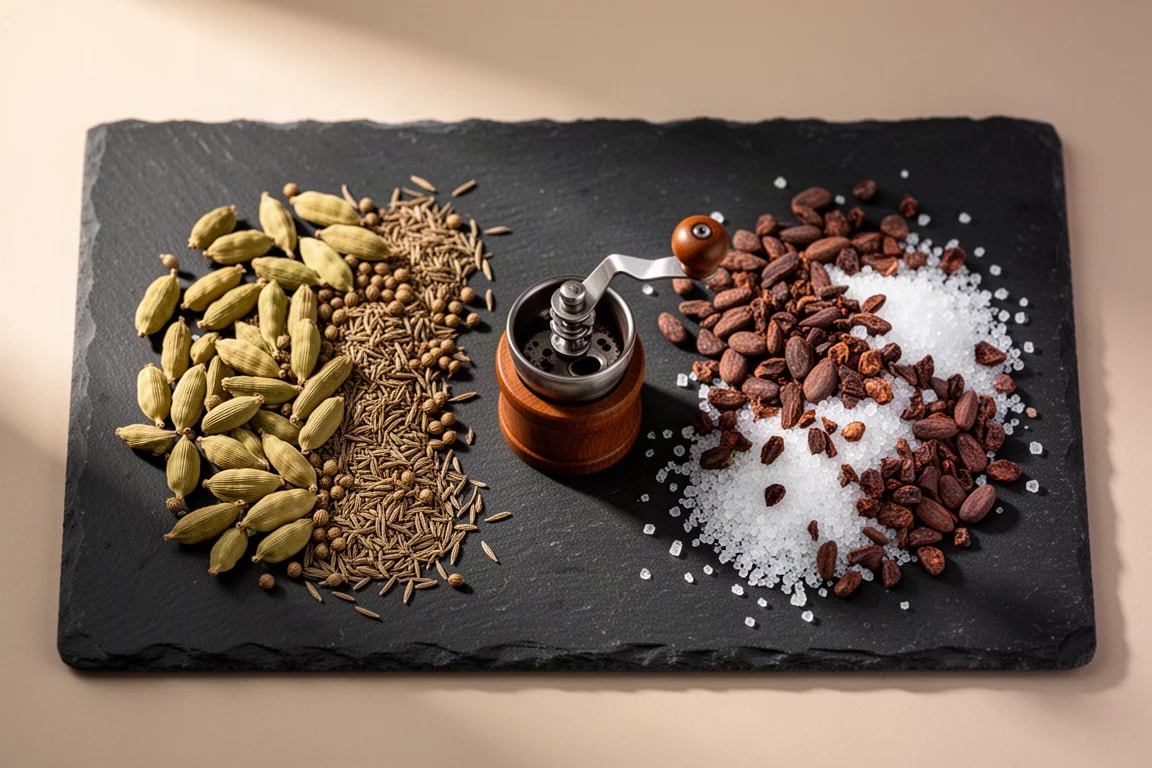
Two house blends showed the range. One mill held lightly toasted spices: cardamom, cumin seeds, coriander seed, and chilli, filling the air the moment the lid came off. The other combined cocoa nibs with cane sugar for a sweet topping. The savoury blend works as an instant barbecue rub for a big hunk of meat, and the concept extends naturally to furikake-style mixtures or shichimi togarashi.
The appeal is convenience plus personalisation. You can buy whole spices cheaply, build your own signature blends, and grind them fresh over whatever you are cooking. It is an annoyingly smart, cost-effective way to add a flavour bomb without grating chocolate or mixing a rub by hand.
Plant-Based Fish Alternatives: Close, But Not Convincing
A flight of breaded fish alternatives, all bought frozen from UK retailers, made for a fascinating blind taste. One option built from banana blossom, jack fruit, and mushroom with added soy and wheat protein had a convincing flake and even the slight wet layer between the crumb and the filling, to the point that one taster could not tell it apart from a real fish finger. Other options leaned on mycoprotein mixed with wheat flour protein, or rice flakes and rice proteins.
The honest assessment: as a substitute for people who do not eat fish, they are enjoyable and surprisingly close in texture. But they are more expensive than the fishy originals, involve heavy processing, and come with the usual trade-offs of ultra-processed convenience food. For anyone who does eat fish, buying sustainable fish and breading it at home remains the better call.
Ama Brewery Kombucha: Fine Wine Energy, No Funk
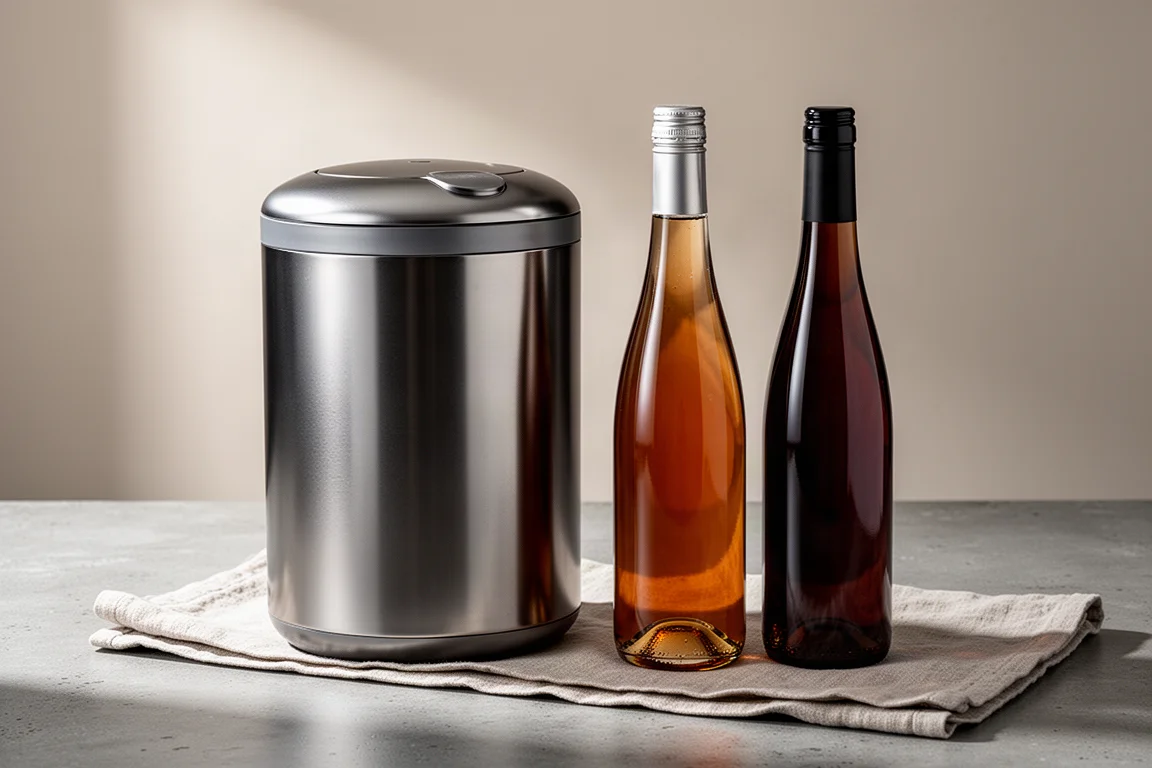
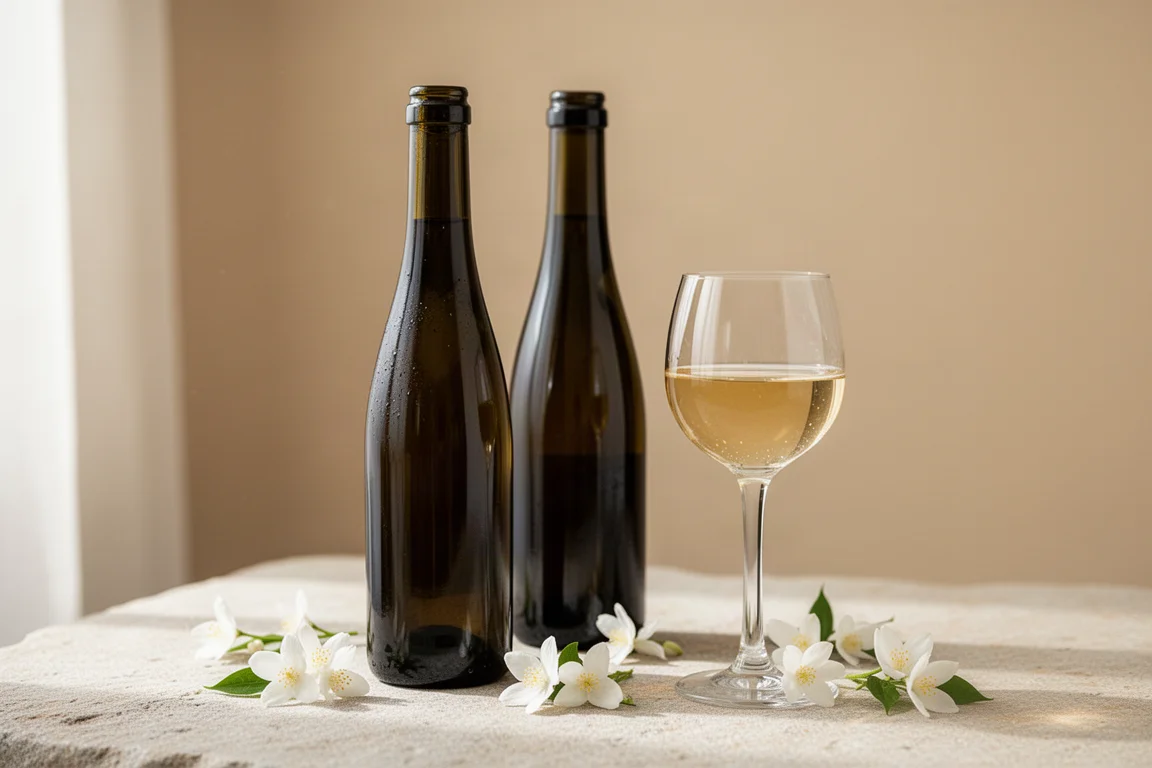
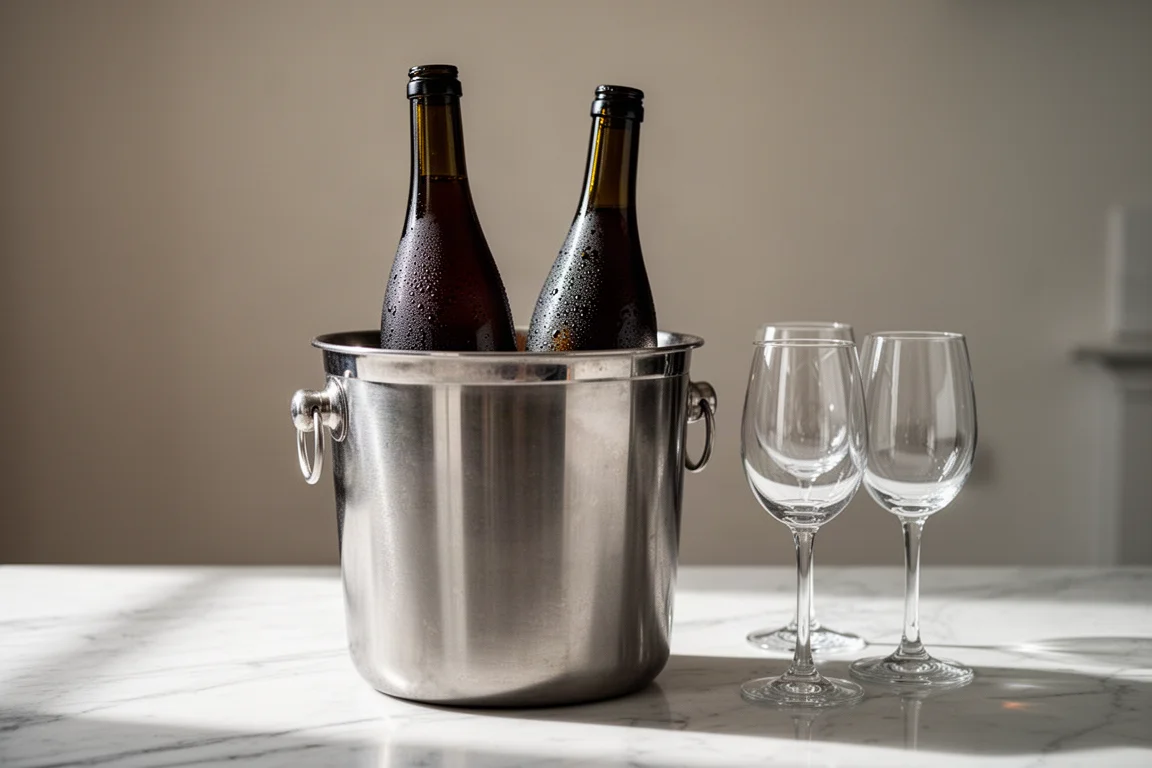
The final cloche hid something genuinely unexpected: kombucha in wine bottles. These two brews from Ama Brewery are low in alcohol, lightly sparkling, and crafted to be deliciously complex. The founders, Chef Ramon and Dani, previously worked at the two Michelin star restaurant Mugaritz in the Basque Country, and the drinks were originally created to pair with an 18 course tasting menu so guests could enjoy a full pairing and still walk out at the end.
The Milk Oolong Lao uses milk oolong tea from Taiwan, sits at 2% alcohol, and impresses with its lack of kombucha funk: less sourness, more elegance. Each bottle still contains the scobi, which you can leave in or serve as you prefer. The Jasmine Silver Needle Bost, at 1.5%, uses jasmine flowers alongside the tea and tastes noticeably sweeter, with honey and floral notes and a silkier finish.
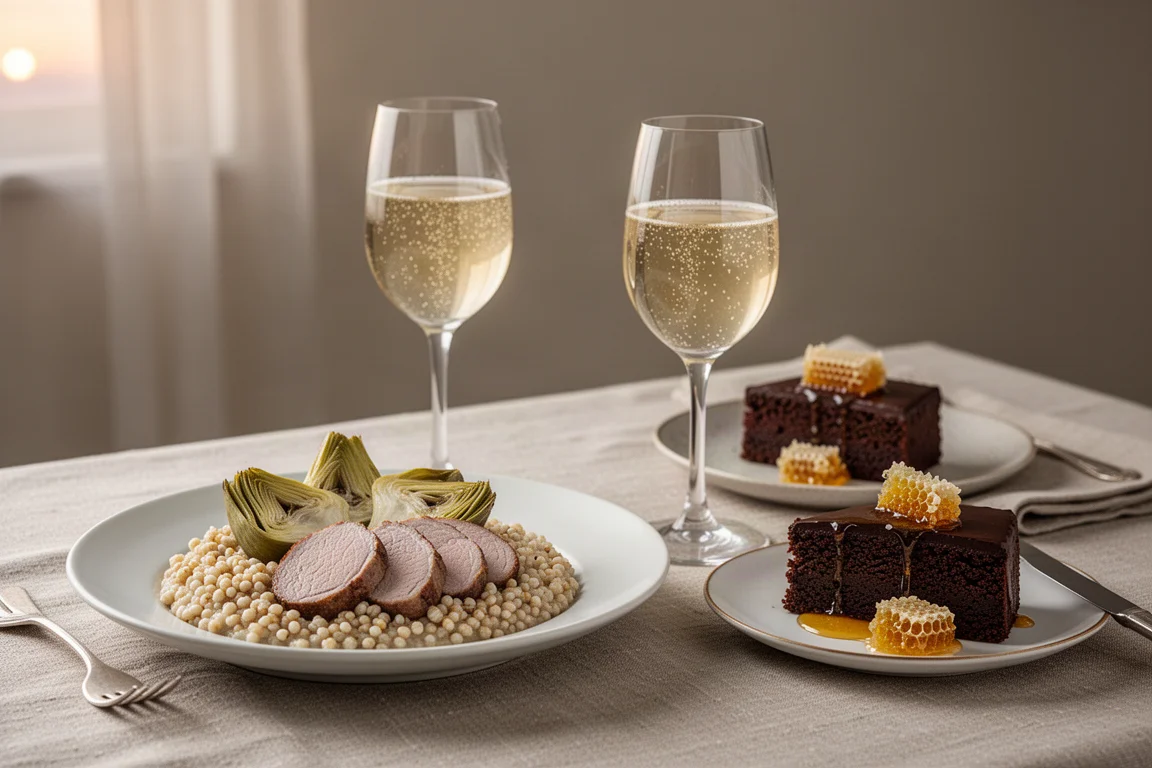
The pairings sealed the deal. With the savoury dish, a pearl barley risotto with artichokes and pork loin, the Bost’s hints of honey, acacia, and white flowers complemented the richness beautifully and made the barley feel even more luxurious. The Lao, with hints of caramel, milky tea, and cooked chestnuts, worked as a subtle palate cleanser alongside a rich dark chocolate and honey cake with honeycomb.
The tea credentials are serious too: the brewery works closely with tea expert Henrietta Lovell, who sources directly from organic farmers in some of the world’s most remote tea-growing regions. At 26 pounds a bottle, this sits at the higher end of supermarket wine pricing but mid-range for a bespoke wine retailer. For a special-occasion, low-alcohol alternative that actually pairs with food, it earns its price.

Should You Buy Ama Brewery Kombucha?
If you enjoy wine pairings but want to keep the alcohol low, these bottles are a sparkling success. They are complex, food-friendly, and free of the sour funk that puts many people off kombucha. The main barrier is availability and price: these were bought from a specialist retailer rather than a supermarket shelf, so treat them as an occasional indulgence rather than a weekly staple.
Overall Buying Advice
The Sage composting machine is the rare gadget with a genuine environmental payoff, but only buy it if the 420 pound price and daily routine genuinely fit your household. The spice mill trick costs almost nothing and delivers outsized flavour rewards, making it the easiest win of the whole session. And if you want a memorable low-alcohol drink for a dinner party, Ama Brewery’s kombuchas are the most surprising delight here, worth seeking out for a special meal.
Conclusion
Not every trending product deserves the hype, but the Sage composter proves that food waste technology has real substance for committed households, and Ama Brewery’s fine kombuchas show how far fermented tea has come. Add a spice mill full of your own blend to the shopping list and you have three genuinely useful takeaways from this taste test.
Further reading
Related Reviews
Kitchen & Home
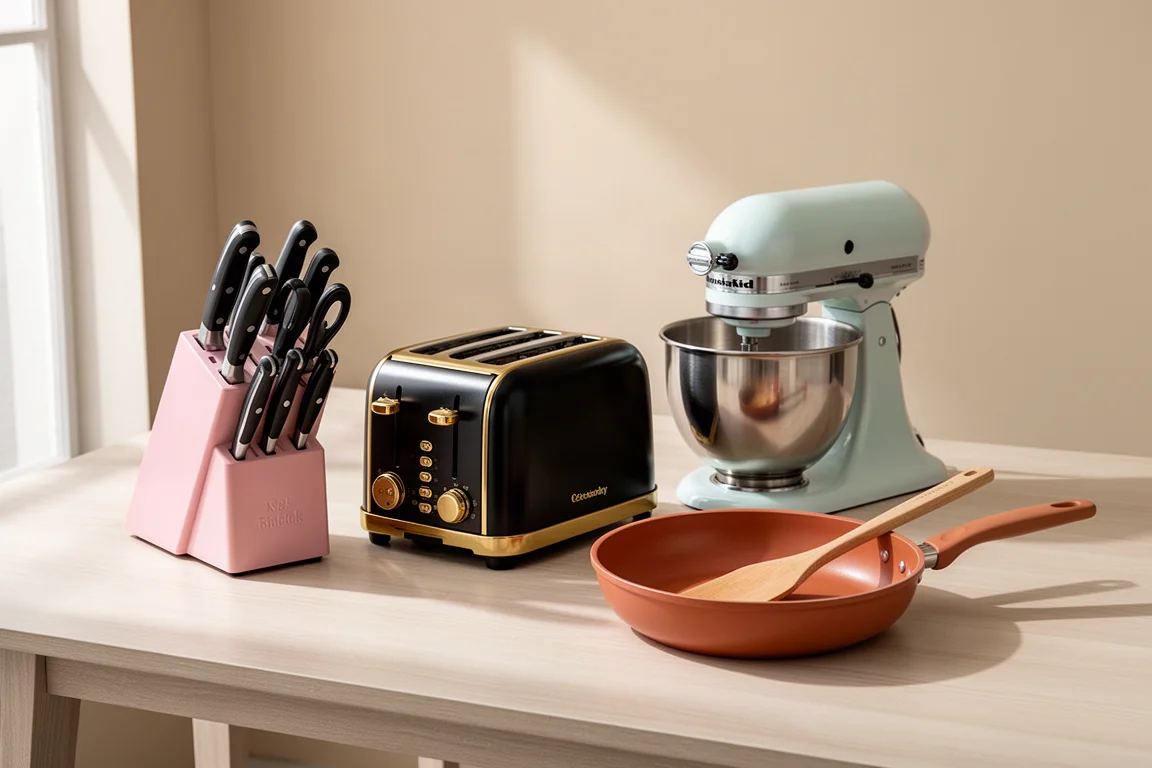
Celebrity Kitchen Lines Tested: Paris Hilton, Drew Barrymore, Selena Gomez and Kris Jenner
We put five celebrity-branded kitchen products to the test, from Paris Hilton's knife block to the Our Place Always Pan, to see which ones are actually worth buying.
Kitchen Tools
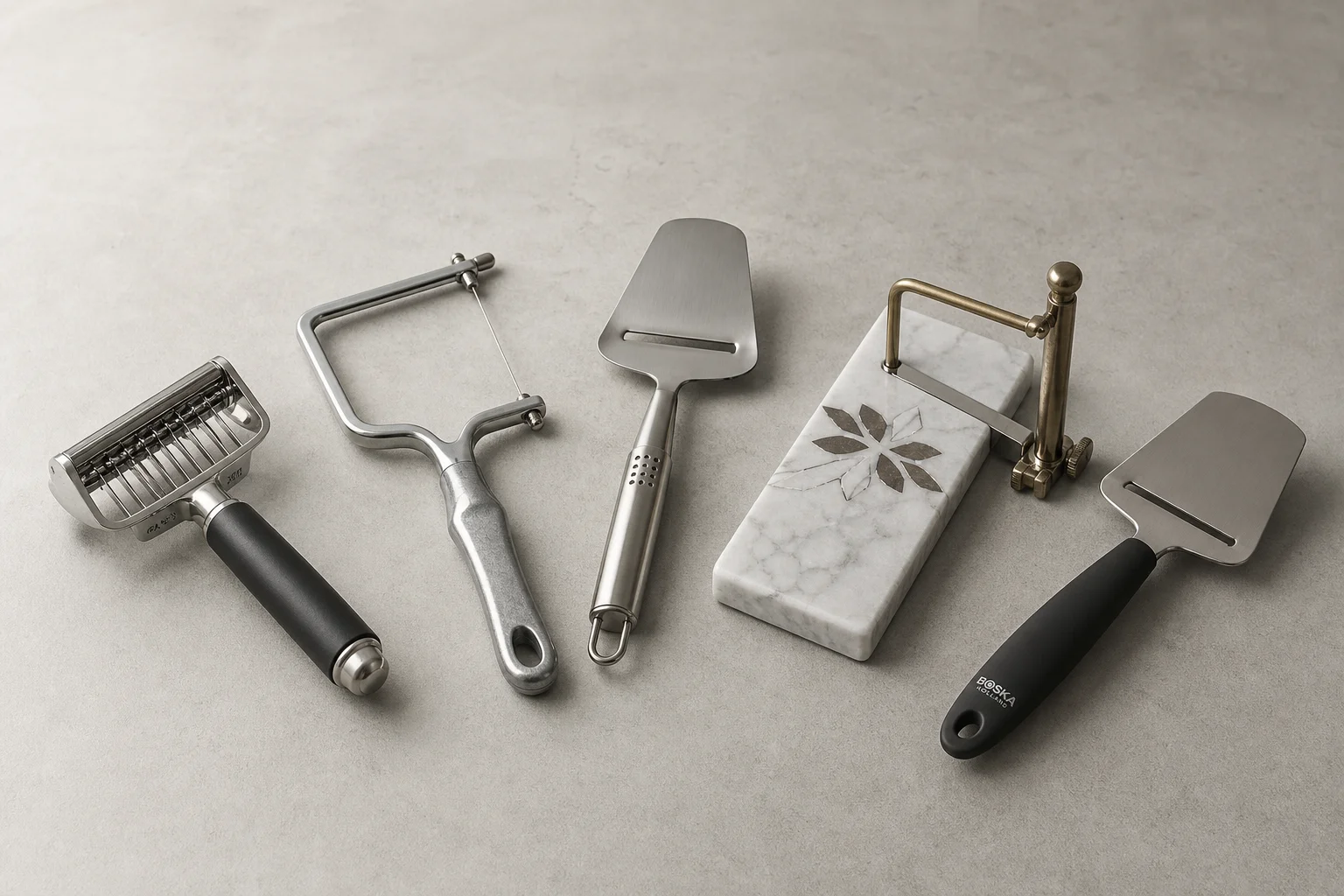
Best Cheese Slicers: Five Practical Options for Consistent Slicing
Five cheese slicers with different designs and features, from multi-blade versatility to wire-based precision, each suited to different kitchen needs and cheese types.

Kitchen Appliances
Best Cordless Blenders 2026: Five Portable Options for On-the-Go Blending
A practical guide to five cordless blenders, from budget-friendly to premium models, with clear strengths and trade-offs for different blending needs.