Tools & Workshop
Workbench Roundup: 10 Workshop and EDC Tools Worth a Closer Look
From an inexpensive borescope and a diagnostic smoke machine to screw extractors, carpenter pencils, and monster flashlights, ten tools currently earning bench time.
Introduction
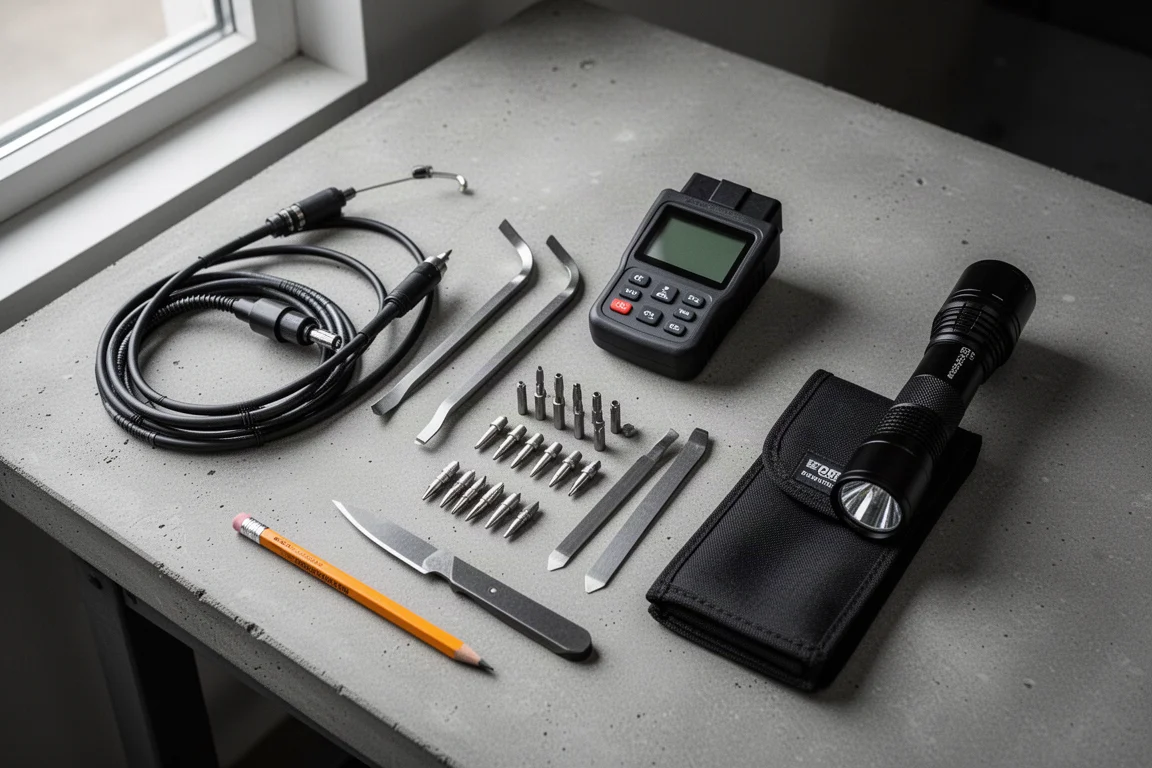
Sometimes the most useful buying advice comes from a messy workbench rather than a spec sheet. This roundup collects ten tools currently in active use or testing: diagnostics gear, hand tools, writing instruments, an EDC pouch, and a couple of flashlights. Some are budget finds, some are premium American-made pieces, and each one earned its spot for a practical reason.
The goal is simple: highlight what each tool does well, note the trade-offs, and help you decide whether it belongs on your own bench.
Depstech Borescope
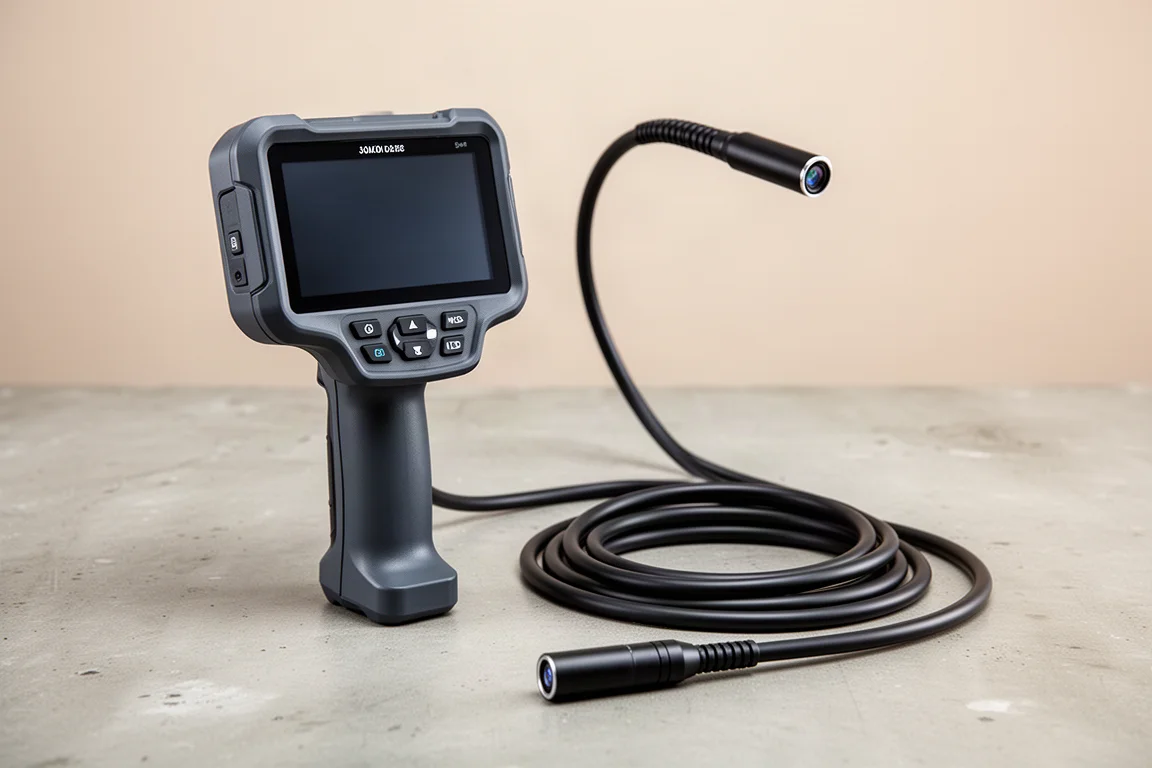
Borescopes, also called fiber optic cameras, have dropped dramatically in price compared to just a few years ago, and the Depstech is a good example of how capable the budget tier has become. It has handled every inspection task thrown at it so far and outlasted two more expensive options previously owned. Simple cable ties on the cable keep the coiled length manageable in storage.
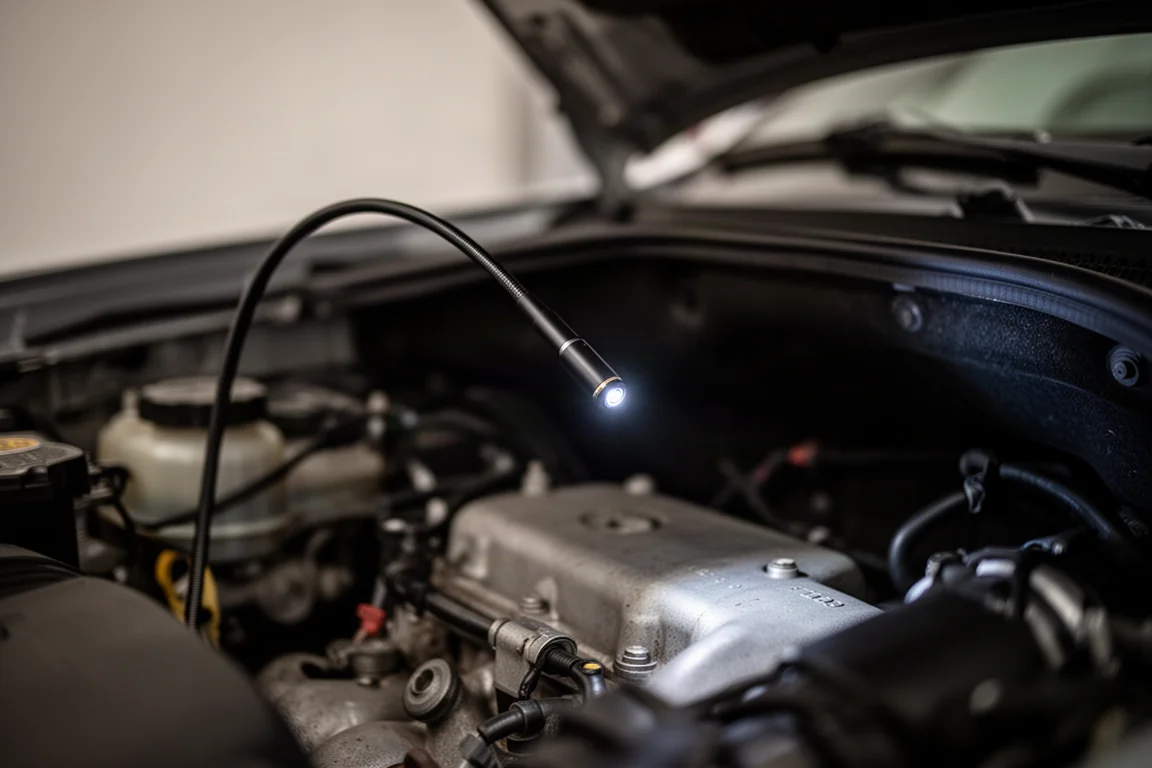
If you work on vehicles, plumbing, or wall cavities, an inexpensive borescope like this is one of the highest-value diagnostic tools you can add. Expect to pay well under what premium-brand scopes cost.
Gato Mini Pry Bars
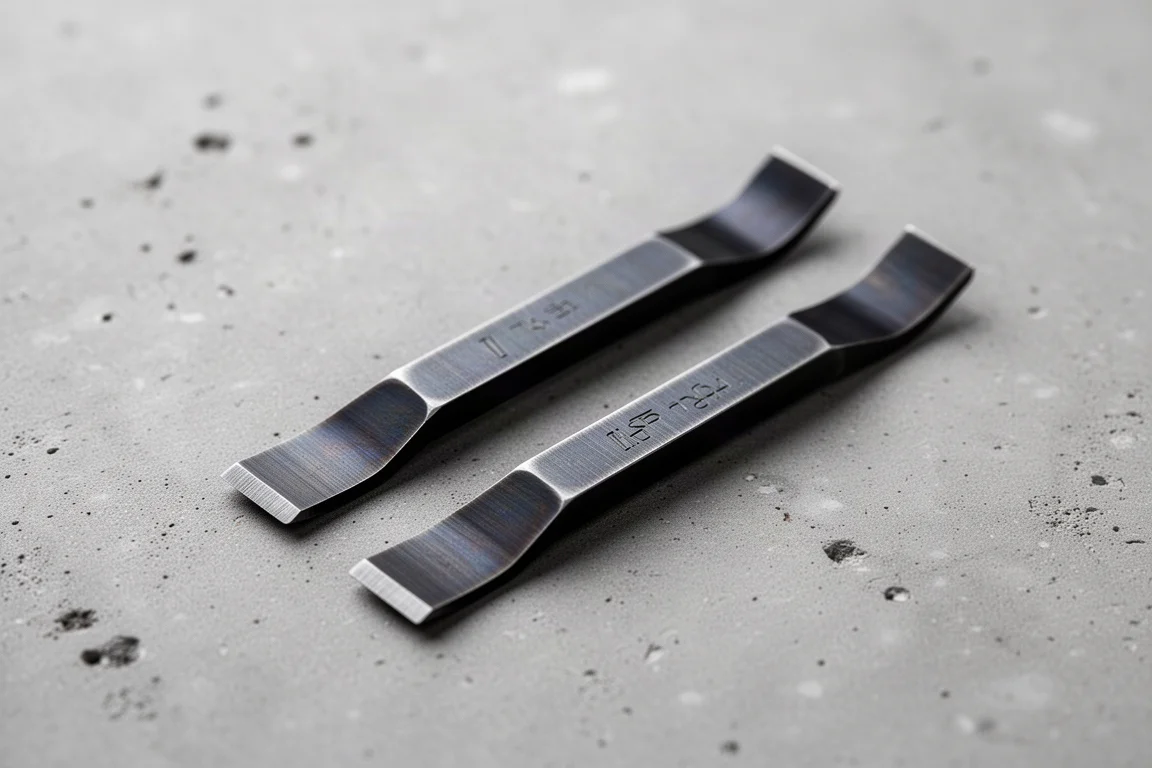
Still waiting on a back-ordered set of premium pry bars, it made sense to try the Gato mini pry bars as an interim option. These small steel pry bars cover the fussy little jobs where a full-size bar is overkill: lifting trim, nudging panels, opening paint lids.
They are a reminder that small hand tools do not need to be expensive to be genuinely useful. For light-duty prying in tight spaces, these make sense at a modest price.
Topdon Code Reader
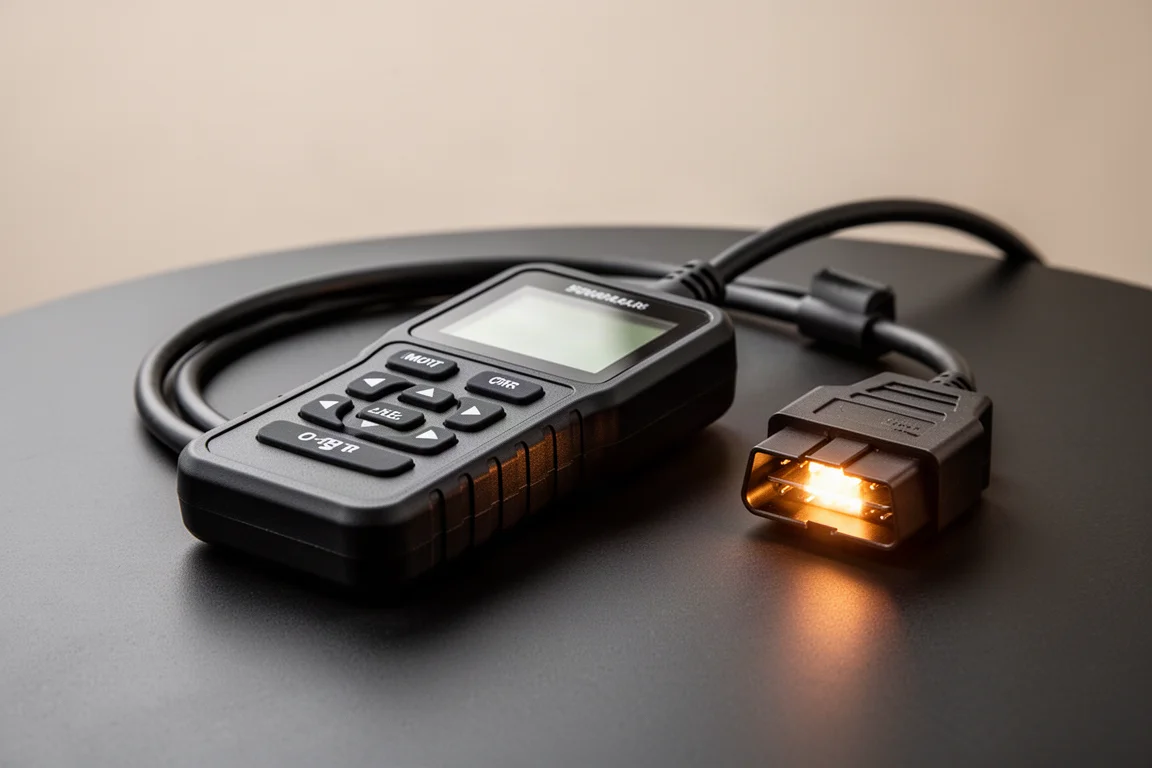
The Topdon code reader covers the classic diagnostic functions with an onboard library of codes, which means you are not dependent on a phone app to interpret results. The standout detail is a small light built around the OBD port connector, so you can actually see what you are doing when reaching under the dash in a dark footwell.
It is also a wired unit, which is a deliberate choice here: sometimes cords are better than Bluetooth. No pairing, no batteries dying mid-scan, just plug in and read.
Moody Screw Extractors
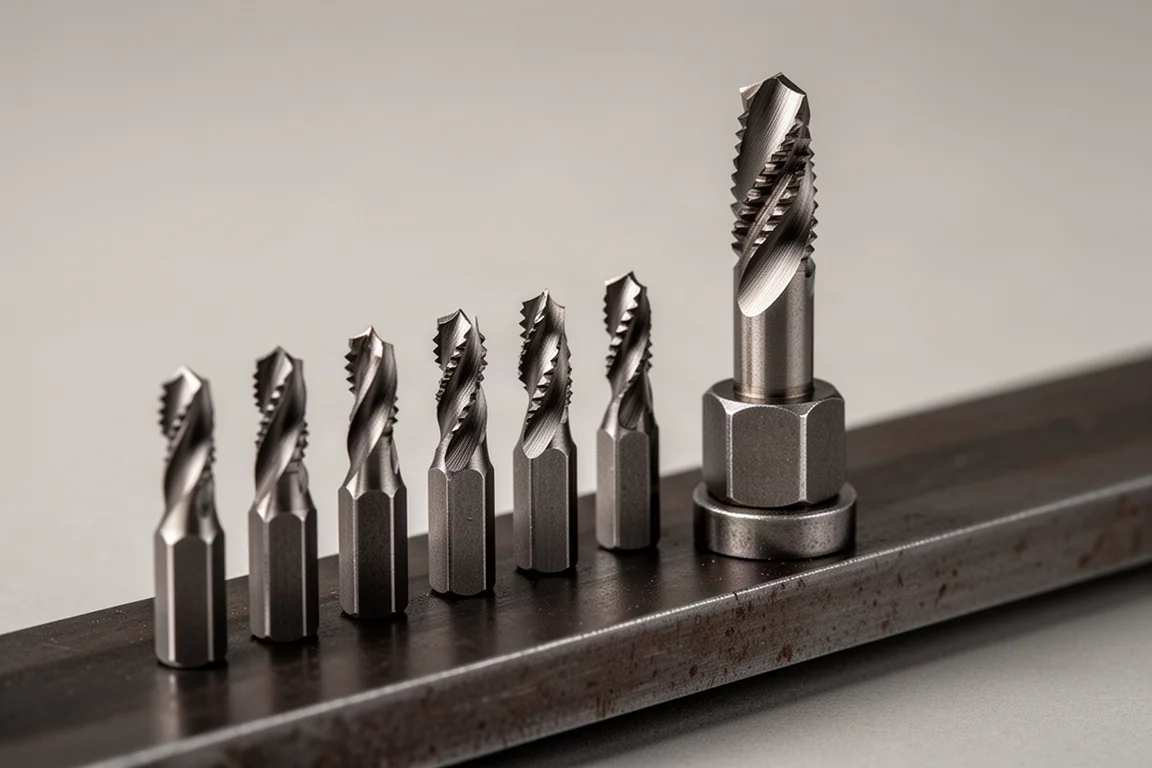
Stripped-out screws are one of the most frustrating small repairs, and tiny stripped screws are worse. Moody screw extractors are reverse-tip bits designed to grab screws that are stripped, and the small sizes here handle the miniature fasteners that most extractor sets ignore.
Moody has a long-standing reputation for top-notch quality, and these are made in the United States. They are not cheap, but they are the kind of tool you buy once and keep for decades.
Hultafors Knife
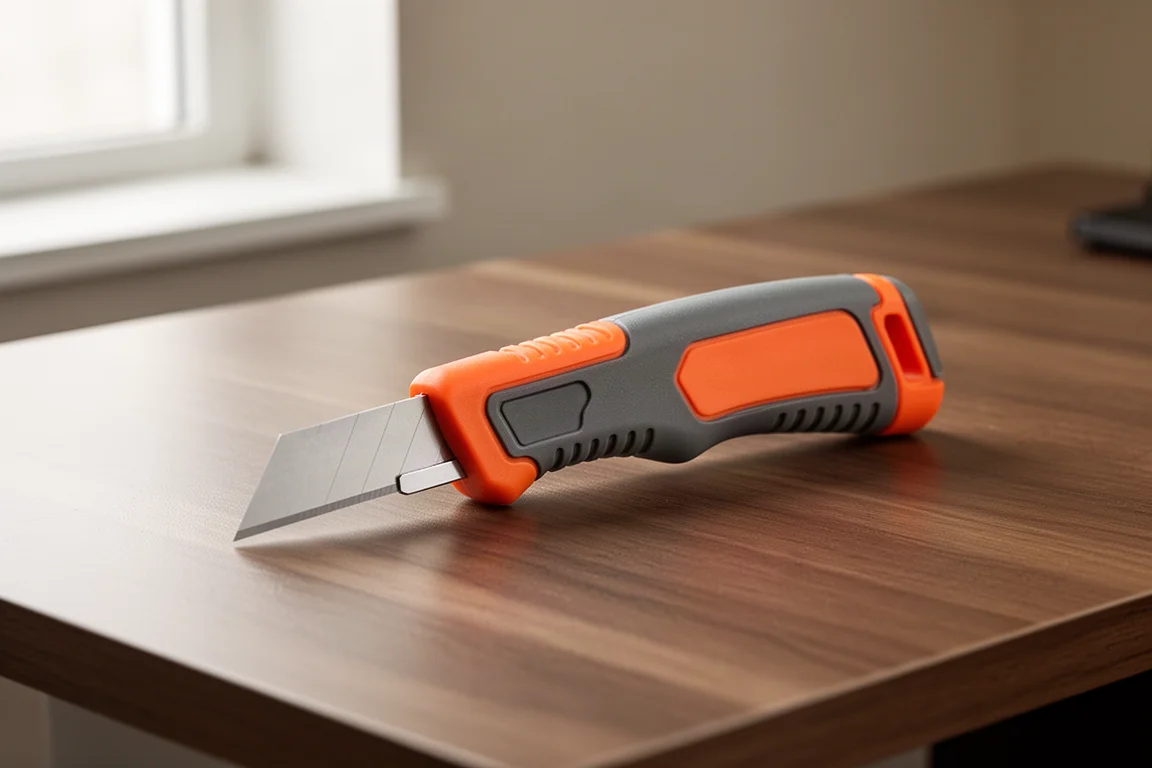
The Hultafors knife stands out for fit and feel. It sits comfortably in the hand, the blade deploys confidently, and the overall build quality reads as a genuine carpenter’s tool rather than a generic hardware-store knife. It has been compared against several other knives in the same role and keeps earning pocket time.
For framing, site work, or general utility cutting, this is an easy recommendation at a reasonable price.
Pica Carpenter Carpenter Pencil
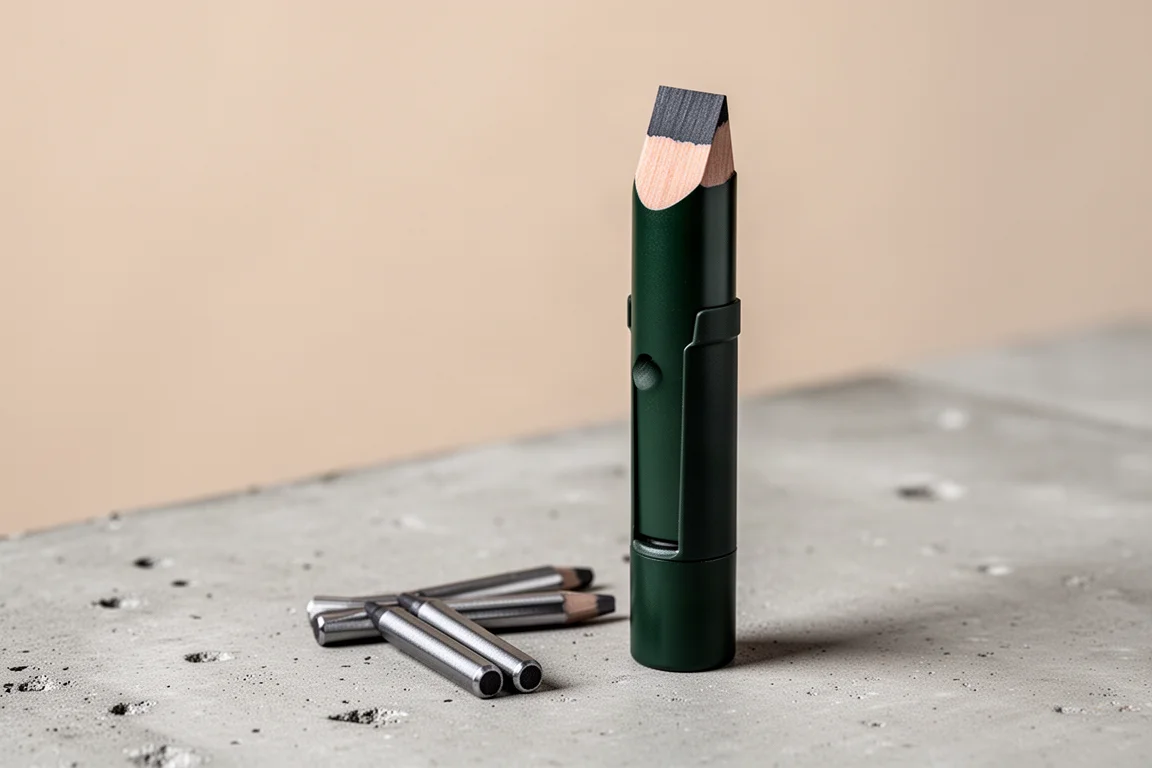
Carpenter pencils have quietly become an interesting category of writing instruments, and the Pica is the one that comes up again and again. After trying several alternatives, the Pica seems rock solid: a well-machined holder, consistent marks, and thoughtful details that generic flat pencils lack.
It is a small purchase that improves a surprisingly frequent task. If you mark lumber, drywall, or metal regularly, this is a worthwhile upgrade.
Ansel Smoke Machine
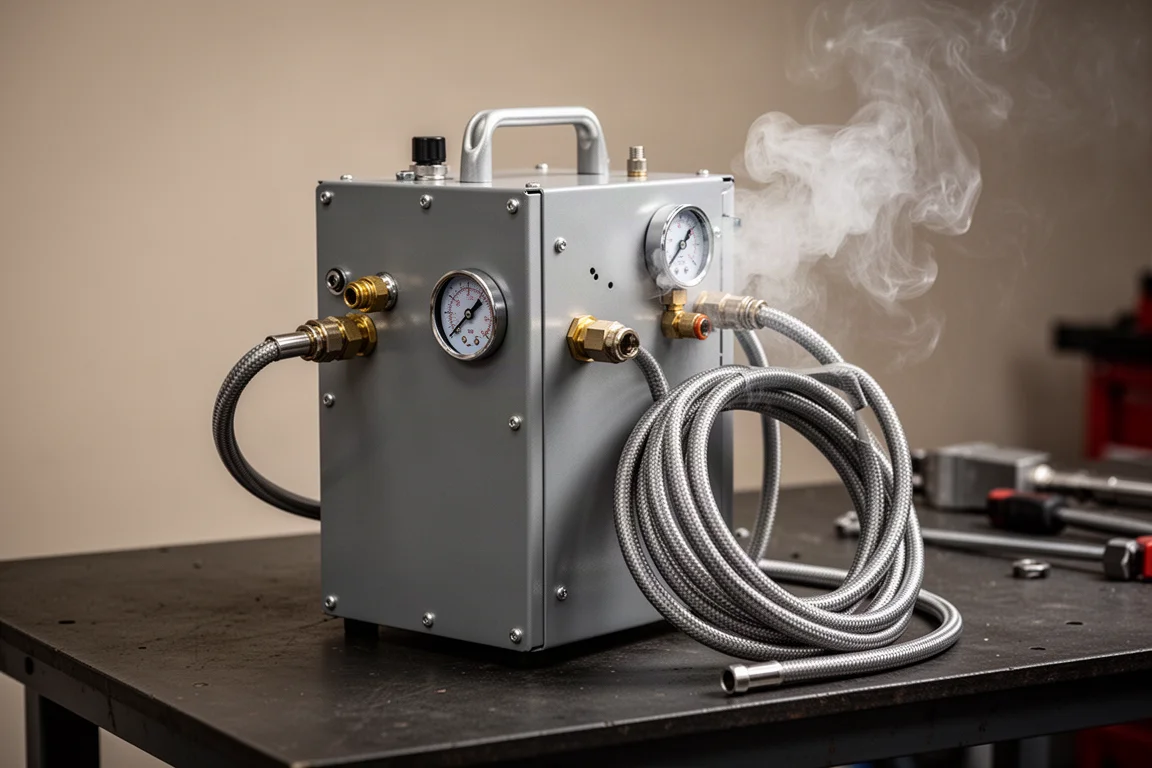
The Ansel smoke machine is serious diagnostic equipment designed for finding leaks in automotive intake, exhaust, and EVAP systems. It requires shop air and runs on baby oil, which is the recommended fluid. That combination makes it a specialized purchase rather than a casual one.
What makes it interesting is the operating pressure of around half a psi, which opens up uses beyond automotive work. At that low pressure, small containment setups may work instead of a full compressor hookup, and there is active exploration into running it from a remote battery rather than the vehicle’s battery. If you chase leaks for a living, this kind of tool pays for itself quickly.
Roaring Fire EDC Pouch
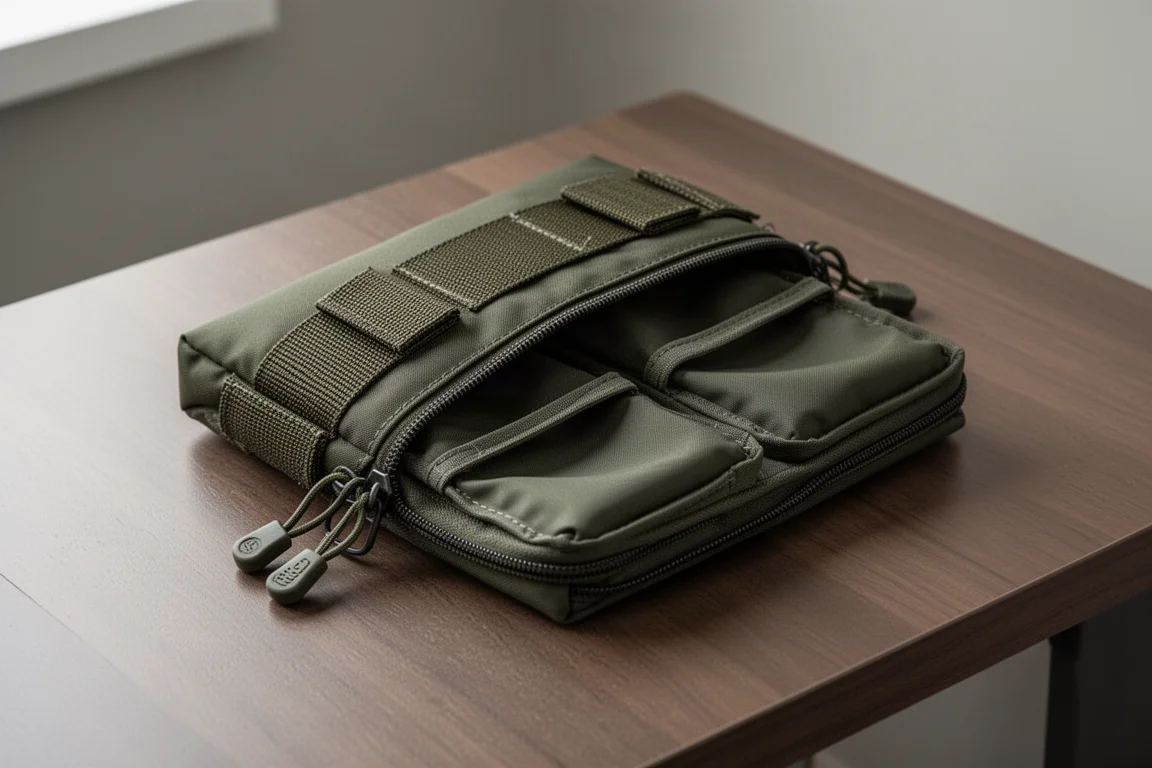
Roaring Fire makes a couple of genuinely good EDC pouches. One has already proven itself over extended use, and a second model competes directly with well-established tactical pouch options. The key difference is organization: instead of one big pocket, it splits into two separate components, which makes small items far easier to find.
For anyone carrying cables, tools, first aid, or daily essentials, that two-compartment layout is a real quality-of-life improvement.
ThruNite TN50
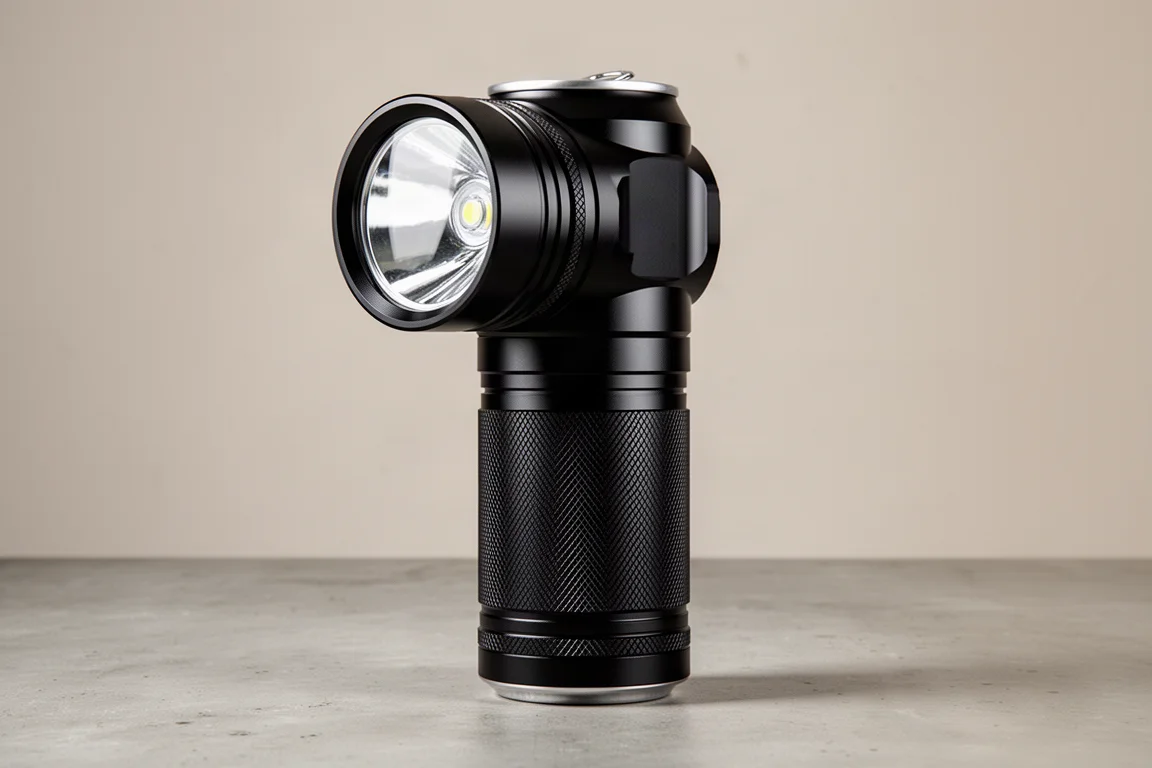
This is ThruNite’s biggest light, and it is a monster: a pop-can style flashlight with output measured in the tens of thousands of lumens and special charging arrangements to match. It is not an everyday pocket light. It is a flood-everything light for search, outdoor trips, and situations where you want daylight on demand.

One practical note from real use: finding true darkness to appreciate it is harder than expected, even on a weekend trip, thanks to a full moon. If you need serious throw and flood in one package, this is the category to look at.
SureFire Flashlight
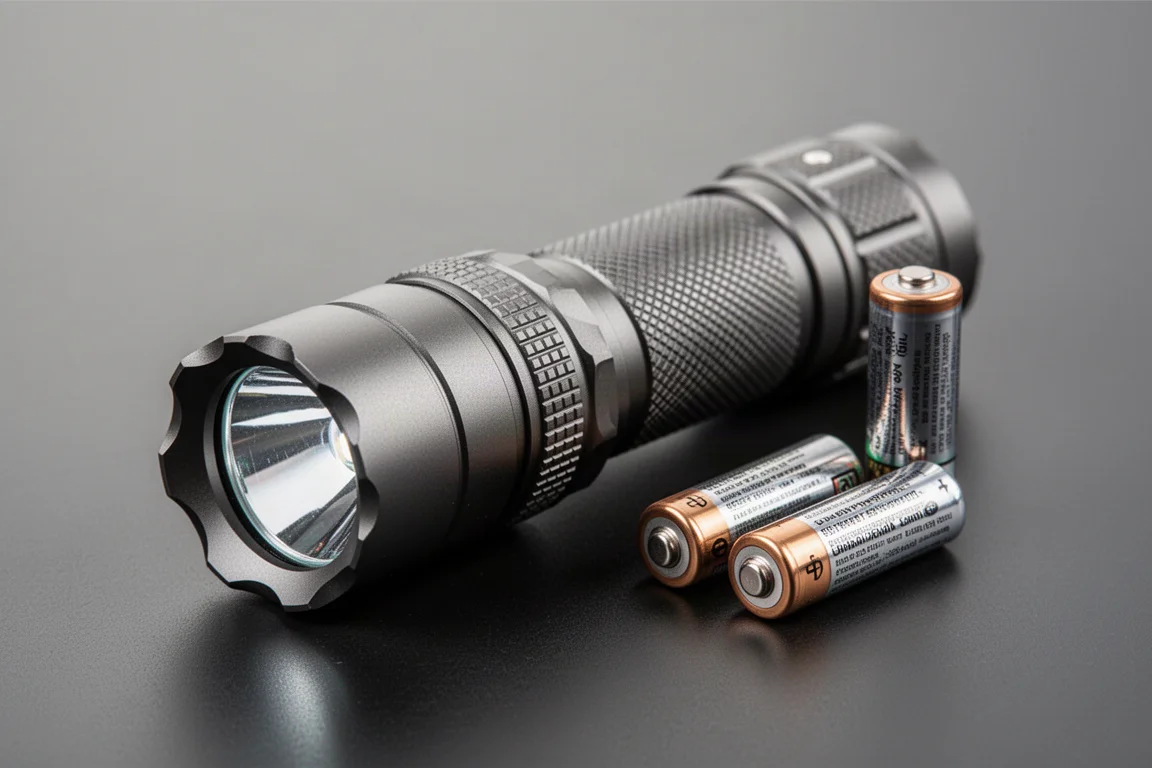
SureFire lights run on two CR123 batteries and remain extremely popular despite the rise of rechargeable options. That popularity raises a fair question: with rechargeable lights dominating, why do conventional battery lights still matter?
Long trips provide the answer. On extended outings, swap-in disposable batteries mean no dependence on charging infrastructure, and some rechargeable lights even accept conventional batteries as a fallback. The longer the trip, the more appealing that flexibility becomes, and it is a genuinely useful factor to weigh when choosing a light.
Buying Advice
A few patterns emerge from this bench full of tools. Budget diagnostics gear like the Depstech borescope has matured to the point where there is little reason to overspend. Meanwhile, certain categories, like American-made screw extractors and premium flashlights, still justify paying more for durability and support.
For vehicle owners, the Topdon code reader and Ansel smoke machine cover different ends of the diagnostic spectrum: quick code reading versus serious leak tracing. For general handwork, the Hultafors knife, Pica pencil, and Gato pry bars are affordable upgrades that get used daily. For outdoor use and emergencies, think about your battery strategy first, then choose between rechargeable powerhouses like the ThruNite TN50 and battery-swap reliability like SureFire.
Conclusion
None of these tools is flashy for the sake of it. Each one solves a specific, recurring problem, which is exactly what separates a useful purchase from shelf clutter. Match the tool to the job you actually do most often, and any of these ten can earn its place on your bench.
Further reading
Related Reviews
Tools & Workshop
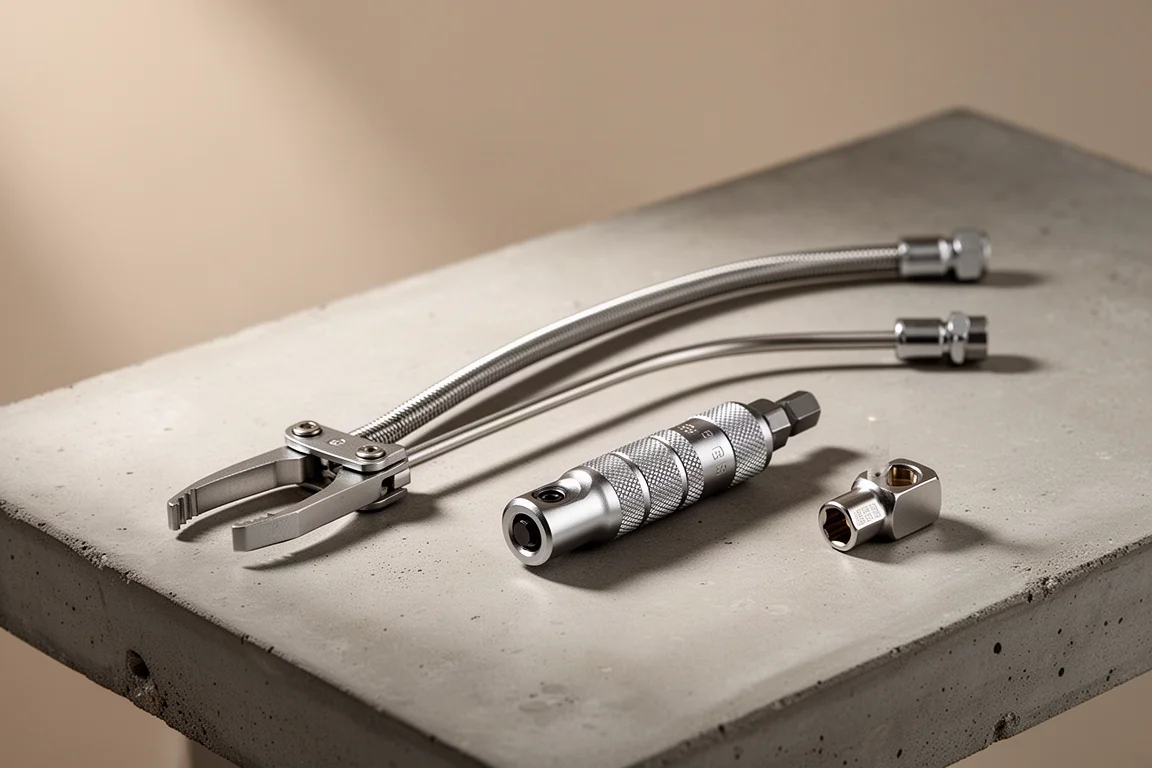
Three Tools That Saved a Tight Dishwasher Installation
A long-reach hose clamp tool, a locking ratcheting bit driver, and a flip socket that earned their spot during a cramped appliance install.
Tools & Workshop
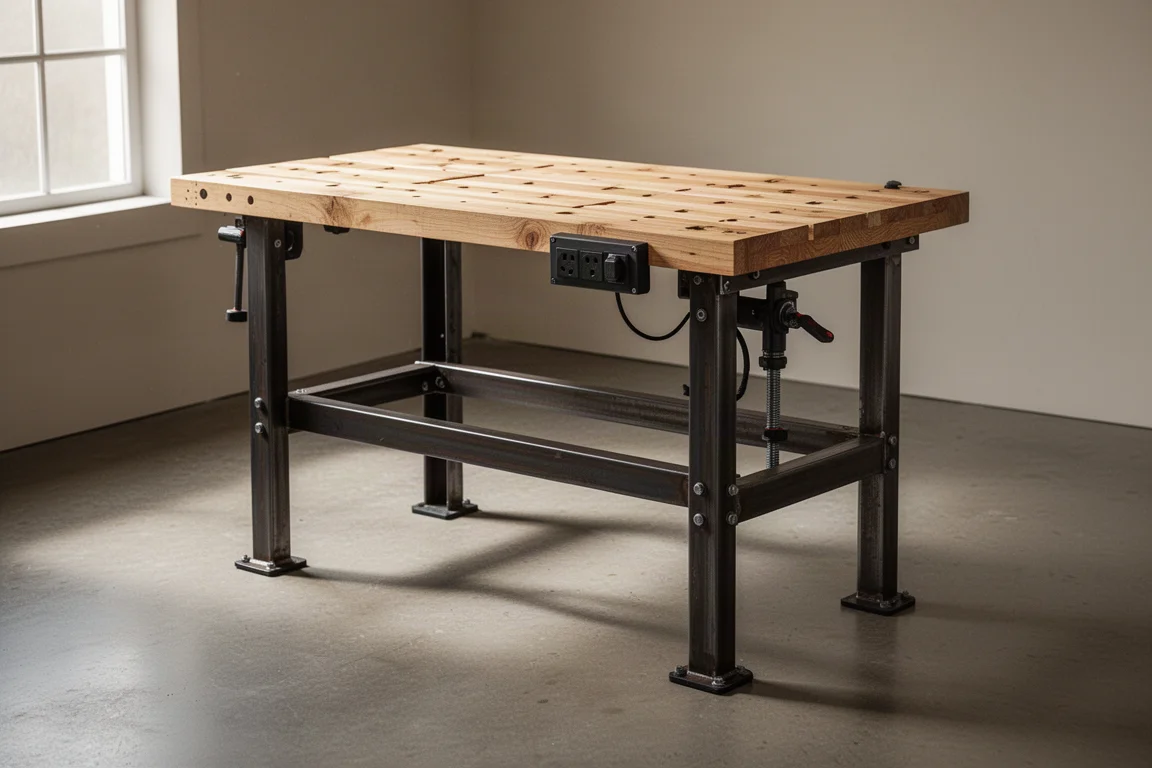
Banggood WB0102 Pro Workbench Review: A Stable, Height-Adjustable Bench for Small Workshops
A heavy, well-priced workbench with a pine top, built-in power strip, height adjustment, and a straightforward assembly that takes under 30 minutes.
Tools & Workshop
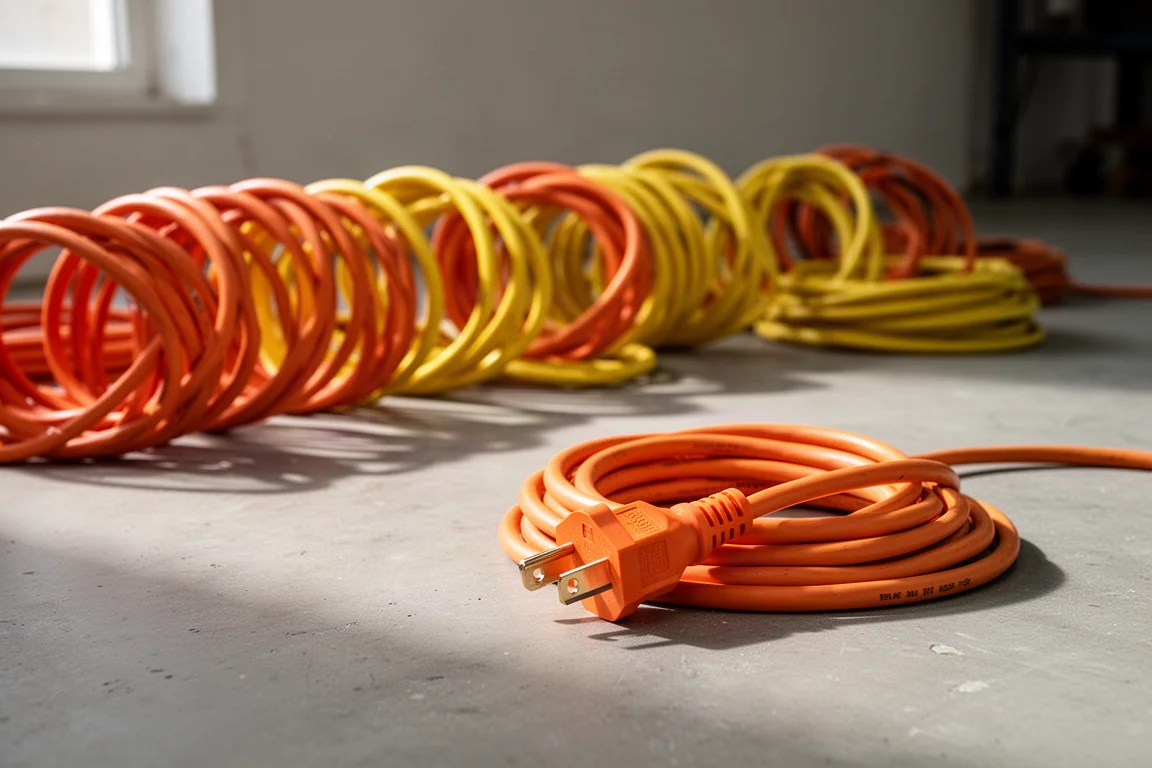
Best 50 ft Extension Cords: 15 Cords Put Through Real-World Testing
Fifteen 50 ft extension cords compared on blade strength, abrasion resistance, voltage drop, plug retention, and cold weather flexibility.