Tools
Work Pro vs Snap-on Hose Clamp Pliers: What $10 Gets You
A budget hose clamp plier takes on a premium tool costing eight times as much. Here is where the cheap option holds up and where it gets risky.
Introduction
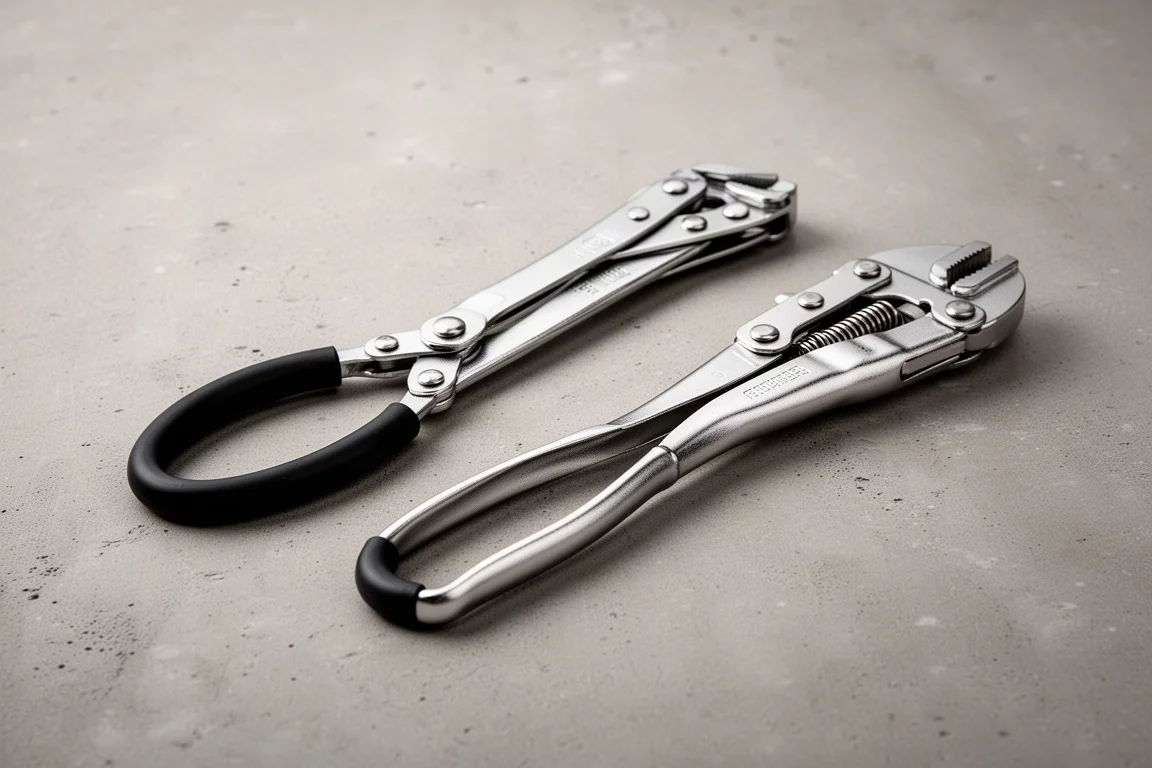
Hose clamp pliers are one of those tools most people rarely use, which makes the price question interesting: do you really need a premium option, or does a sub-$10 tool get the job done? This comparison looks at the Work Pro hose clamp pliers against the Snap-on version, which sells for over $82, and considers whether they work, whether they are safe, and whether they are durable.
Why Compare These Two?
The value gap is enormous. The Work Pro sells for $9.99 on Amazon with a 5% off coupon, bringing it to roughly $9.50. The Snap-on runs over $82. That means for the price of one premium plier you could buy eight of the budget option.
Premium pricing also pushes many people toward using the wrong tool entirely, like wedging a pair of slip joint pliers or similar into the clamp, which introduces real safety risk with spring clamps. A dedicated, affordable option changes that calculus.
One caution worth repeating before using any hose clamp plier: test them while tied down to something. A spring clamp that slips free under compression can launch hard enough to cause an injury.
Work Pro Hose Clamp Pliers: Budget Pick
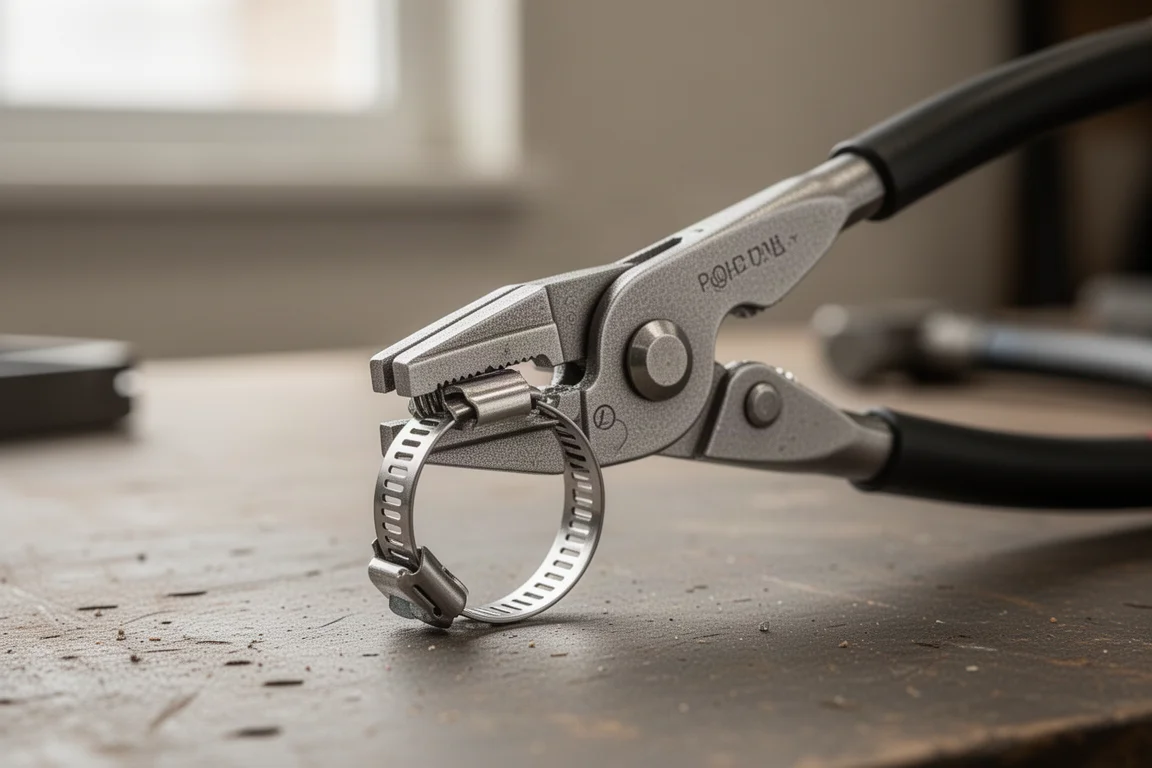
The Work Pro is built from pressed or stamped steel with folded handles and rubber grips. The rotating head gives you plenty of different angles to grab a compression clamp, which makes it more versatile than just jamming a generic plier in there.
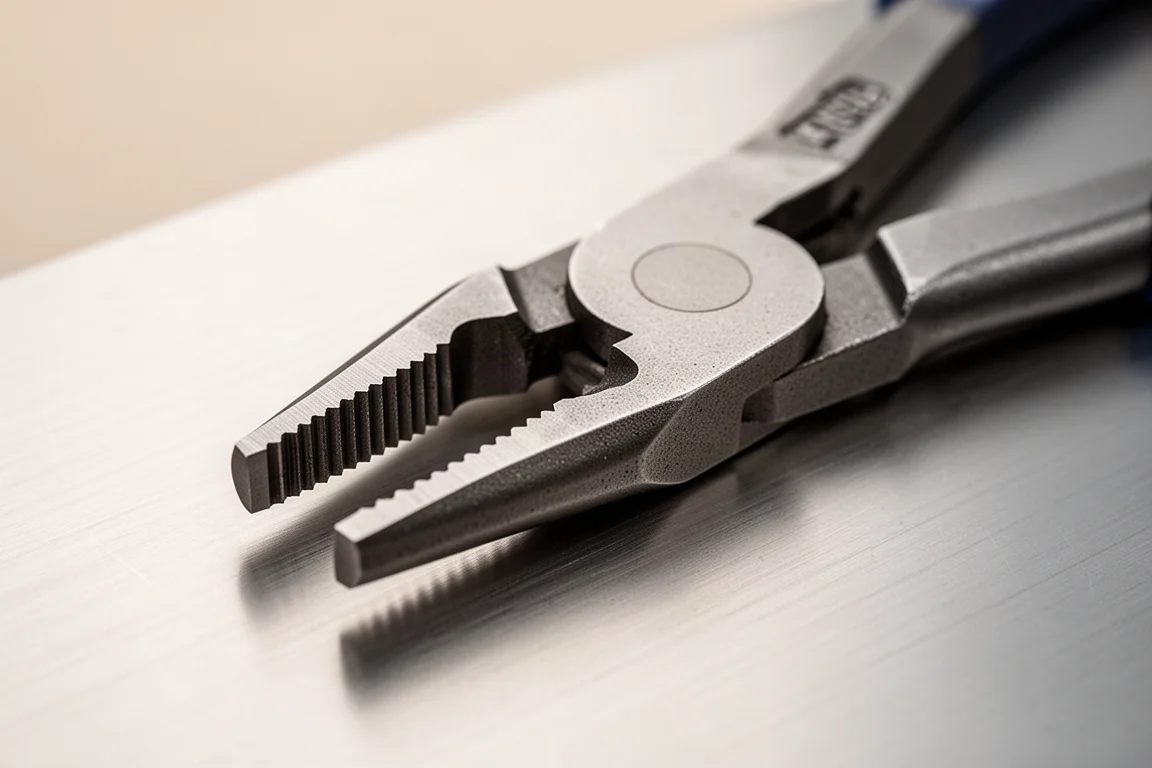
The trade-offs show up in the details. It is not spring loaded, so you have to fiddle with it more, and the locking mechanism keeps getting in the way, forcing you to reopen the jaws repeatedly. The jaws are also noticeably smaller than the Snap-on’s, which limits the range of clamp sizes it grabs confidently. On very large clamps it can technically reach, but the grip is questionable, especially on uniform clamps where the contact is less secure. On the smallest clamps, like those on an old fuel line or a fuel filter, it may not open far enough or have enough spring to loosen the clamp properly.
The gearing is the main durability concern. Under pressure there is a chance the mechanism could wear or pop free, and the rivet cannot easily be popped to service it. If it were your only tool, filing the contact surfaces sharper would be the improvement to attempt. Still, for occasional use with reasonable care, it works, and at this price that matters.
Snap-on Hose Clamp Pliers: Premium Design
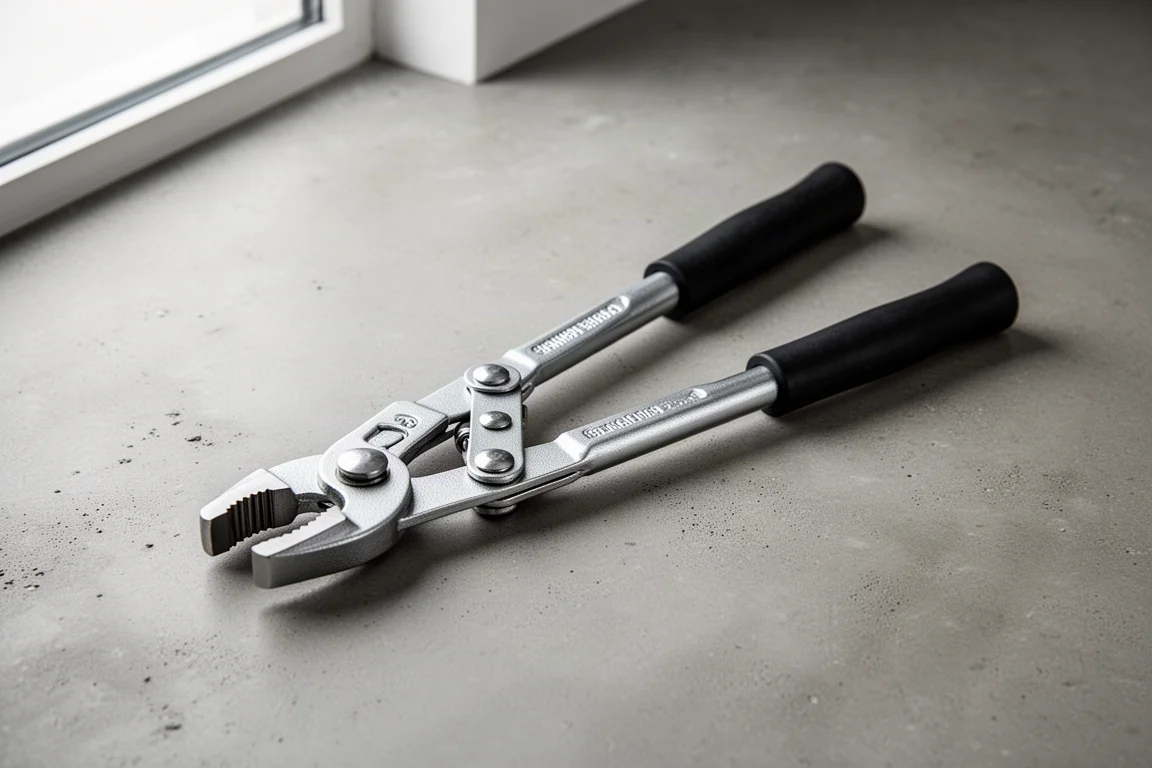
The Snap-on has an unusual system that takes some learning; hand it to anyone and they probably would not figure out how to use it for at least a minute. Once you get used to it, it works great. It is spring loaded, and the locking mechanism can be removed entirely, which solves the interference problem the budget tool suffers from.
The heads are clearly better: more positions, a bigger jaw size, and a much stronger grip, which directly affects both safety and the range of clamps it can grab. On larger clamps it gets a solid hold, and once it engages, the clamp is not coming out. In practice it is probably the safest design of the two.
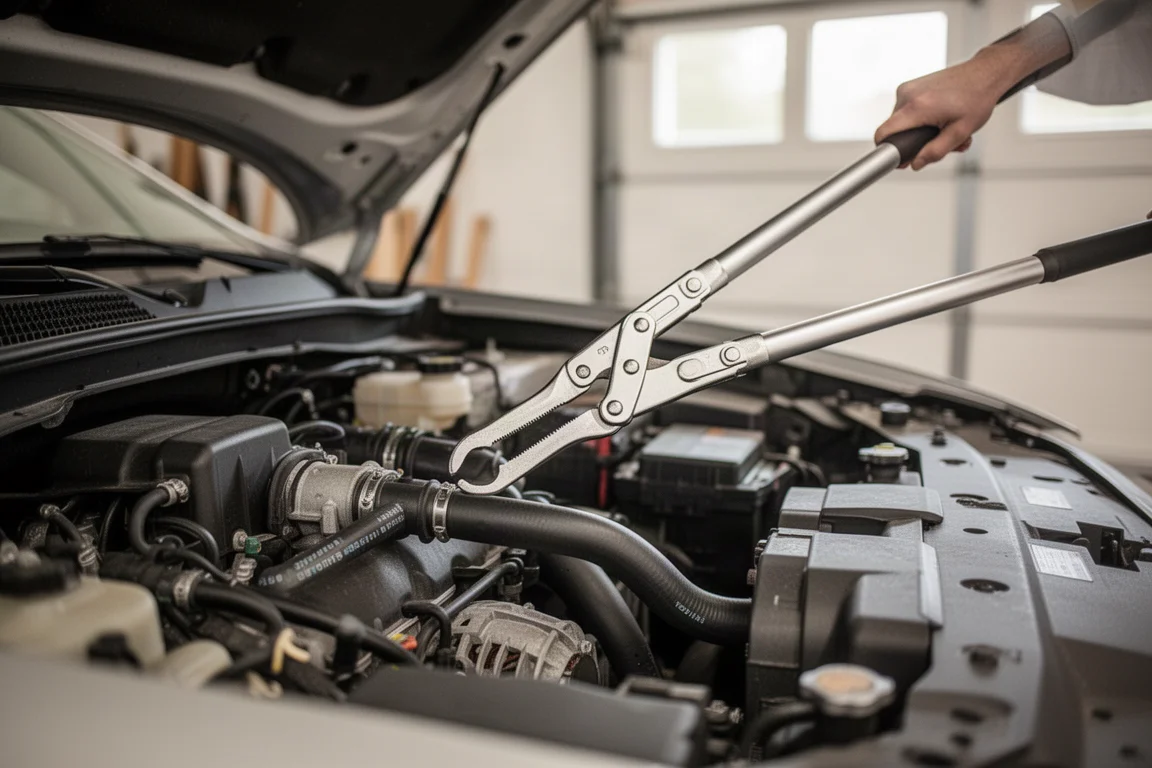
That safety and grip come at the price mentioned earlier: over $82 off the truck. For people who work on spring clamps constantly, especially on older vehicles, that reliability may be worth it.
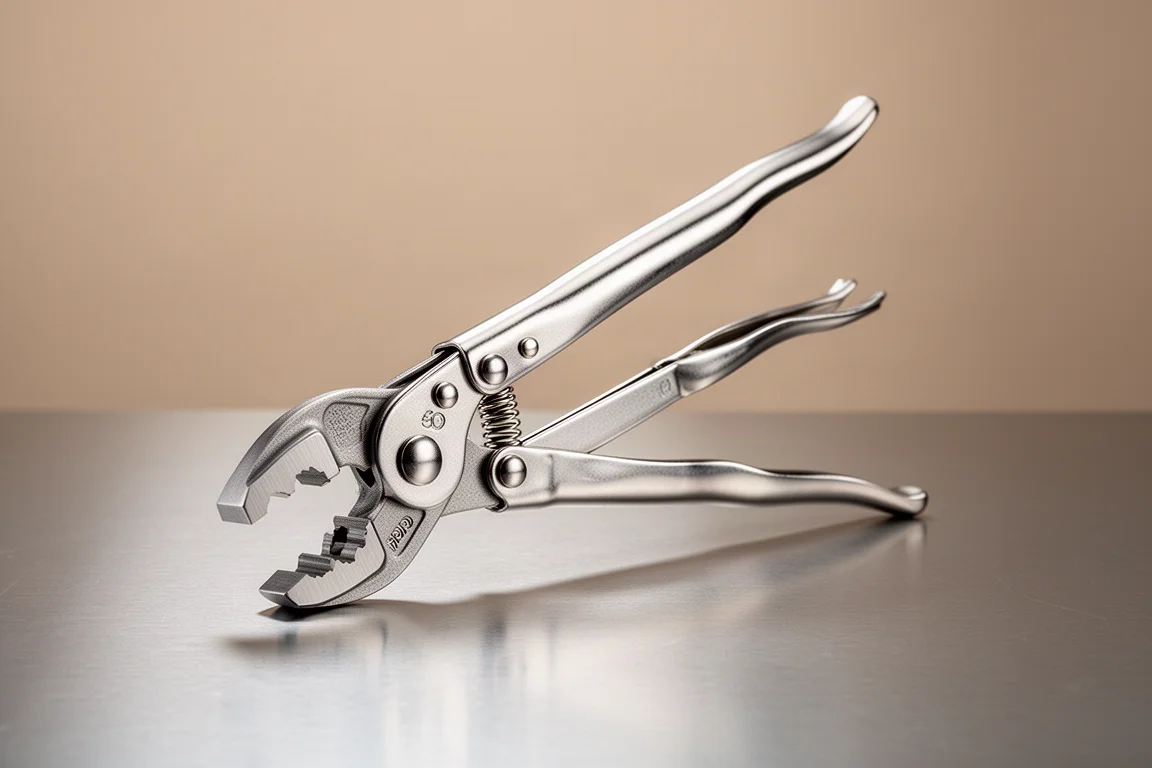
Everyday Use on Small and Medium Clamps
In a controlled, workbench-style test, the Work Pro handled small and medium spring clamps adequately once the right head position was found. Grabbing and squeezing works, but the clamp can start to wiggle down in the jaws, and a squeeze done carelessly can send the clamp flying. It is usable, but it demands attention.
The Snap-on, by contrast, engaged solidly even at the bowl end of a clamp, offered many grip positions, and held without slipping. That difference in confidence is the core of what the extra money buys.
Which One Should You Buy?
If you occasionally need hose clamp pliers, work reasonably carefully, and do not want to spend premium money on a tool that sits in a drawer, the Work Pro at around $9.50 is easy to recommend. It is far better than improvising with the wrong plier, which is what most people without a dedicated tool end up doing.
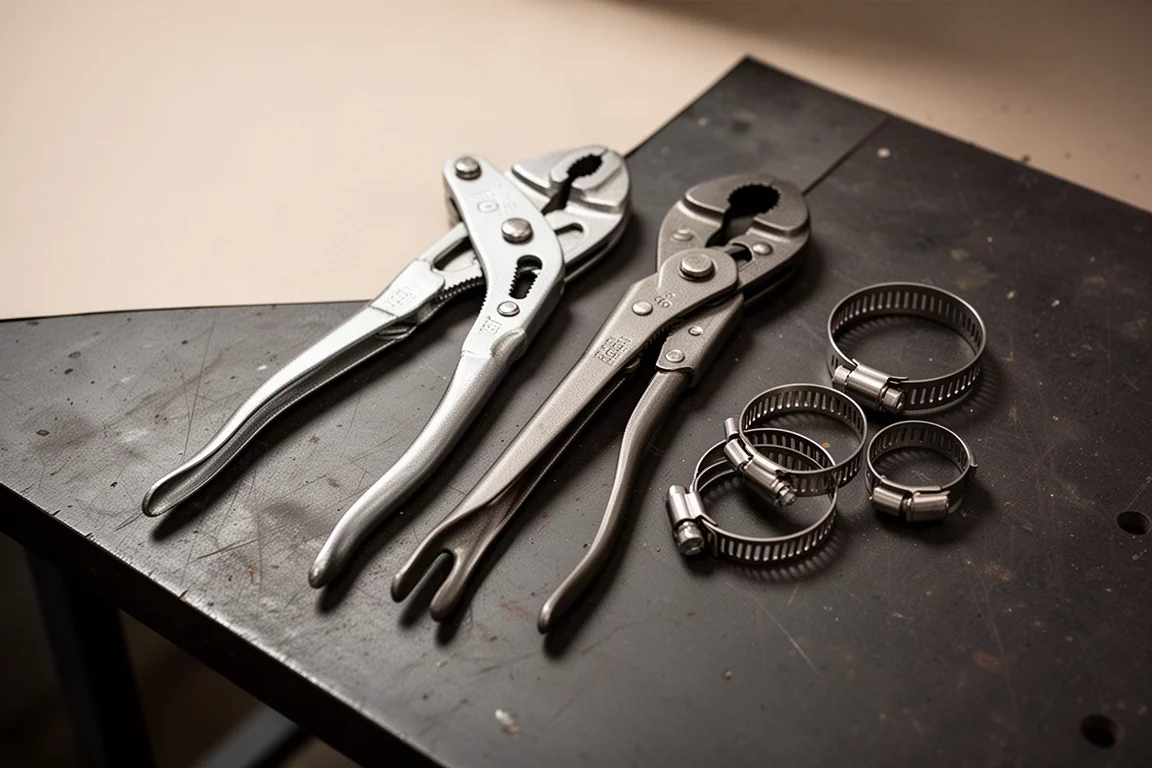
If you use hose clamp pliers frequently, work on many older vehicles, or value the safest possible grip on larger clamps, the Snap-on design justifies its price with better jaws, spring loading, and a removable lock.
Conclusion
Both tools do the job; the difference is confidence and durability. The Work Pro is a capable budget option with real limitations around jaw size, spring loading, and long-term gear wear. The Snap-on is the safer, more refined tool at eight times the price. Match the tool to how often you will actually reach for it.
Further reading
Related Reviews

Tools
Best Contractor Grade Tape Measures 2026: Eight Models Tested Head to Head
We tested eight contractor grade tape measures from Milwaukee, DeWalt, Crescent Lufkin, Tajima, Stanley, Irwin, Gelan, and Craftsman to find the best value and performance.

Tools
Best Precision Screwdriver Sets 2026: Manual and Electric Options Compared
We compare 19 precision screwdriver sets, from budget manual kits to electric drivers, to find the strongest bits and best value.

Tools
Best Stud Finders 2026: Five Popular Models Put to the Test
We tested five popular stud finders on drywall, firewall, and lath and plaster surfaces to see which ones really find studs and avoid false readings.