Ski Gear
Best Women's All-Mountain Skis 80 to 86 mm: 20 Options Compared
A practical comparison of 20 women's skis between 80 and 86 mm underfoot, from premium metal carving builds to lightweight touring shapes and true twin tips.
Introduction
Skis in the low to mid 80s underfoot are easy to overlook. They sit between dedicated carving models and the wider all-mountain shapes, yet most skiers spend the majority of their days on groomed runs, which is exactly where this group performs best.
This comparison covers 20 women’s skis between roughly 80 and 86 millimeters underfoot, ordered from narrowest to widest. Prices run from under $400 to over $1,000, and the range of construction is wider than those narrow waist numbers suggest.
How This Category Fits Most Skiers
The 80 to 86 mm waist band blends edge grip on firm snow with enough width to stay usable when conditions soften or when you duck into the trees. Within the group there is a genuine spread of personalities: lighter carving skis at one end, twin tips and touring-friendly builds at the other, and a broad middle ground of well-rounded all-mountain options.
Weights here range from about 1,290 grams up to roughly 1,800 grams for a ski with a system plate, so swing weight matters if you ski a lot of bumps or shorter turns. Several models include bindings, which changes the value equation considerably.
A useful way to read the list is by intent rather than by width alone. Skis with metal underfoot lean toward grip and stability, skis built around carbon lean toward energy and lower weight, and skis with blended sidewalls lean toward freestyle and soft snow use.
Stöckli Nela 80
At $1,049, the Nela 80 is the narrowest and by far the most expensive ski in this group. What stands out is the precision of the build: a high-tech metal top sheet and an even flex make the ski react to every input, and the 157 cm length weighs around 1,400 grams, staying under 1,500 grams despite the metal. It feels quiet and smooth underfoot, with a frontside-oriented tail and a narrow all-mountain shape that suits a confident cruiser.
Salomon Stance W 80
At $499.95 with a system binding included, the Stance W 80 costs roughly half of the Nela. It uses metal underfoot with carbon stringers in the tips and tails, giving grip and stability through the middle of the ski with a lighter, more playful feel at the ends. With the plate it weighs about 1,800 grams, and most of that structure sits underfoot, which keeps the swing weight manageable. It is an approachable, well-rounded ski that has impressed over several seasons, and it is also offered as a package with boots and poles.
Head Kore 85 W
At $389, the Kore 85 W is one of the better value picks here. A karuba wood core with two carbon laminates in a shaped pattern makes it stiff, yet it still weighs only about 1,322 grams at the test length. The flex is consistent from tip to tail with no surprises, which makes it predictable on groomers and firm snow while staying maneuverable enough for trees and bumps. Note that the width changes with length: this shorter build measures about 81 mm underfoot, while a 170 cm version lands closer to a true 85 mm.
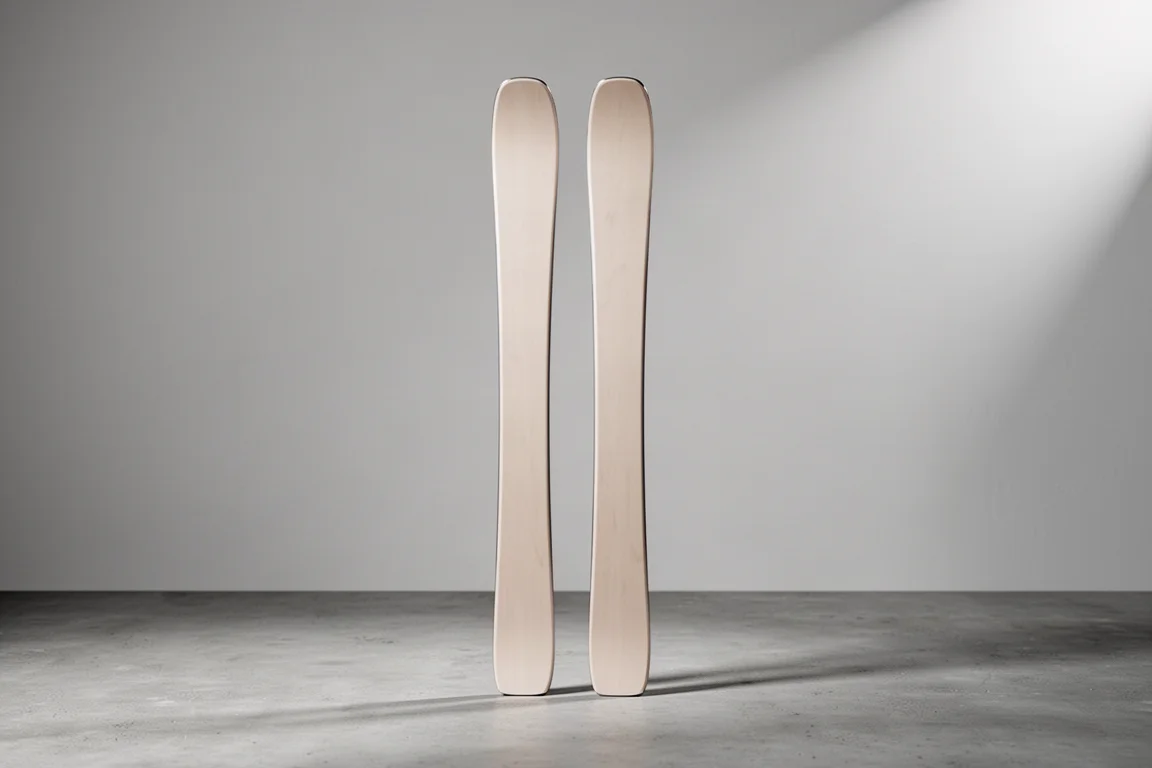
Blizzard Black Pearl 82
The Black Pearl 82 is the narrower sibling of the long-running Black Pearl 88, priced at $599.95. A TrueBlend wood core keeps it sophisticated but approachable, and it turns quickly edge to edge with an energetic feel. It does not have the top-end power of skis with multiple metal sheets, but it is confidence-inspiring on firm snow and remains willing to explore off-piste. Skiers from beginner through advanced tend to get along with it, and the narrower waist sharpens the quickness without giving up the all-mountain shape.
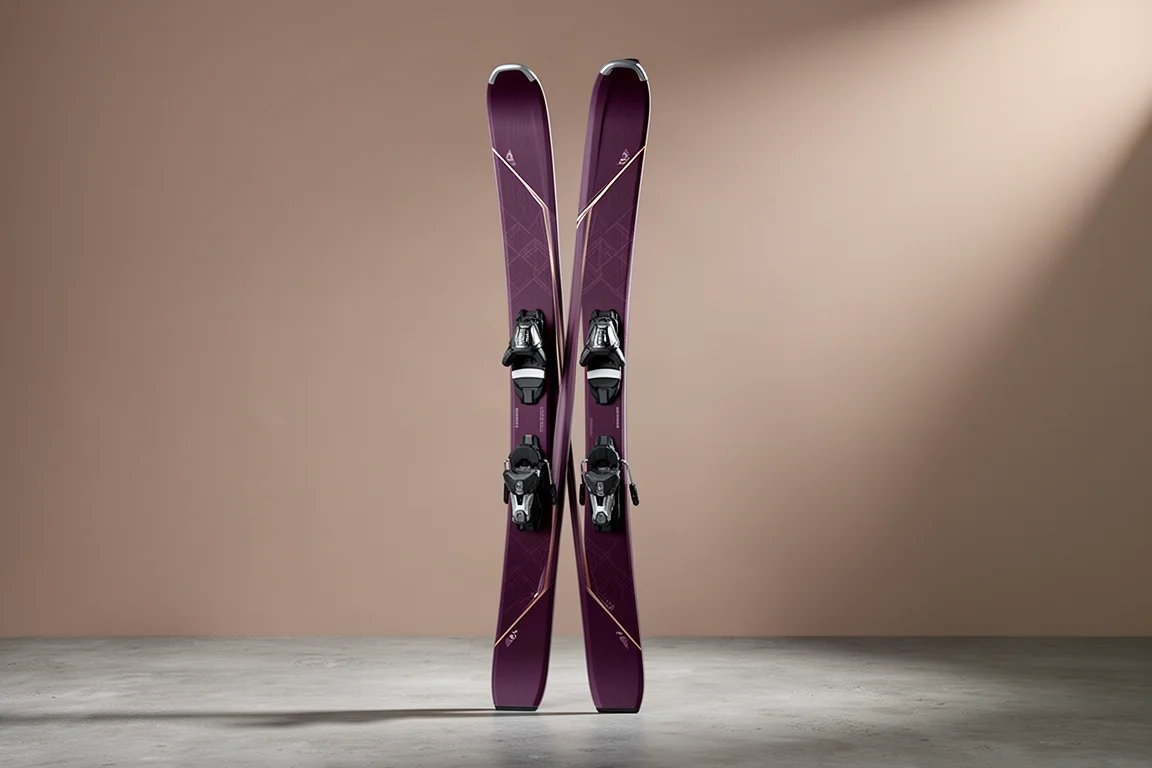
Black Crows Doozes
At $869.95, the Doozes is a premium option with an unusual metal layout. The metal runs full width underfoot and then tapers into fork shapes at the tip and tail, leaving the middle sections of the ski metal-free. The result is strong edge grip where you need it and easier turn initiation at the extremities. At 1,580 grams in the 167 cm length it stays light, and it suits skiers who spend most of their time on groomers but want to wander into trees and bumps without taking things too seriously.
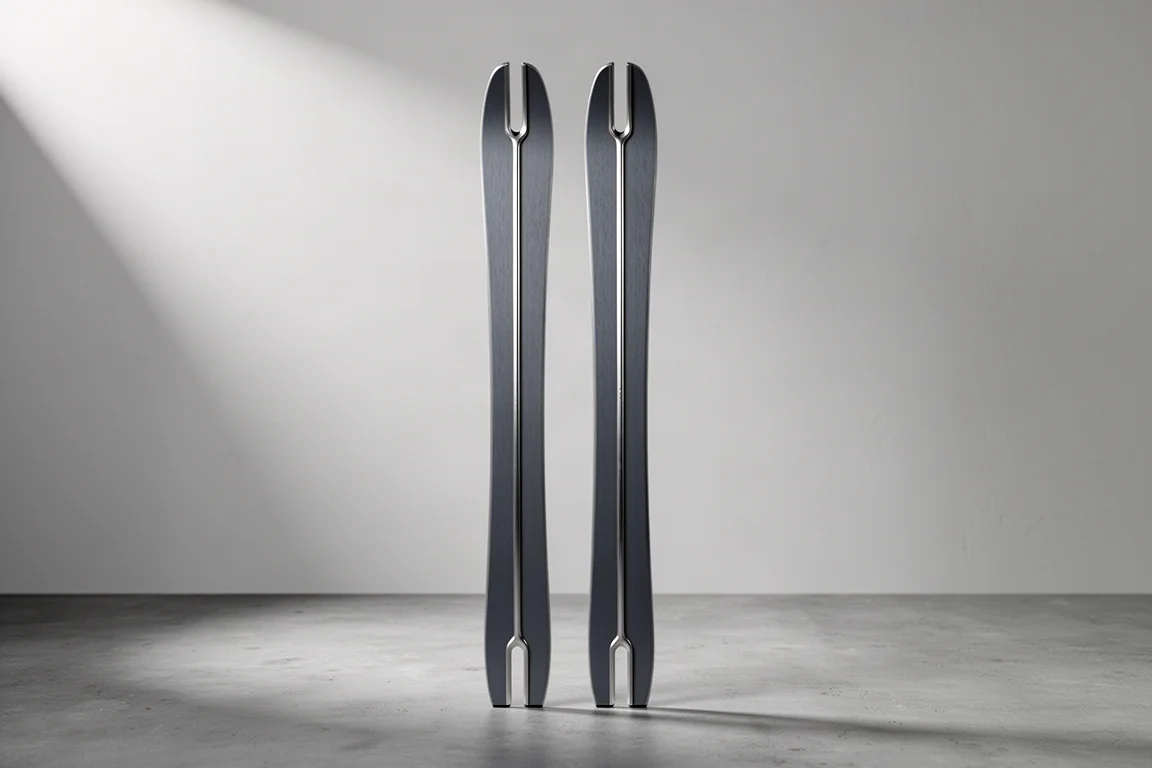
Fischer RC One 82 GT
The RC One 82 GT is the most groomer-focused ski on this list, priced at $849.99 with bindings. Two sheets of metal and a squared-off tail deliver serious carving power, a strong finish to the turn, and a high performance ceiling. Fischer tapers the metal in the tips and tails and substitutes Bafatex stringers along the edges, which takes some of the edge off the platform and gives a glimmer of off-piste usability. Even so, this is a precise instrument for linking carved turns, and it rewards a skier with strong technique and some heft.
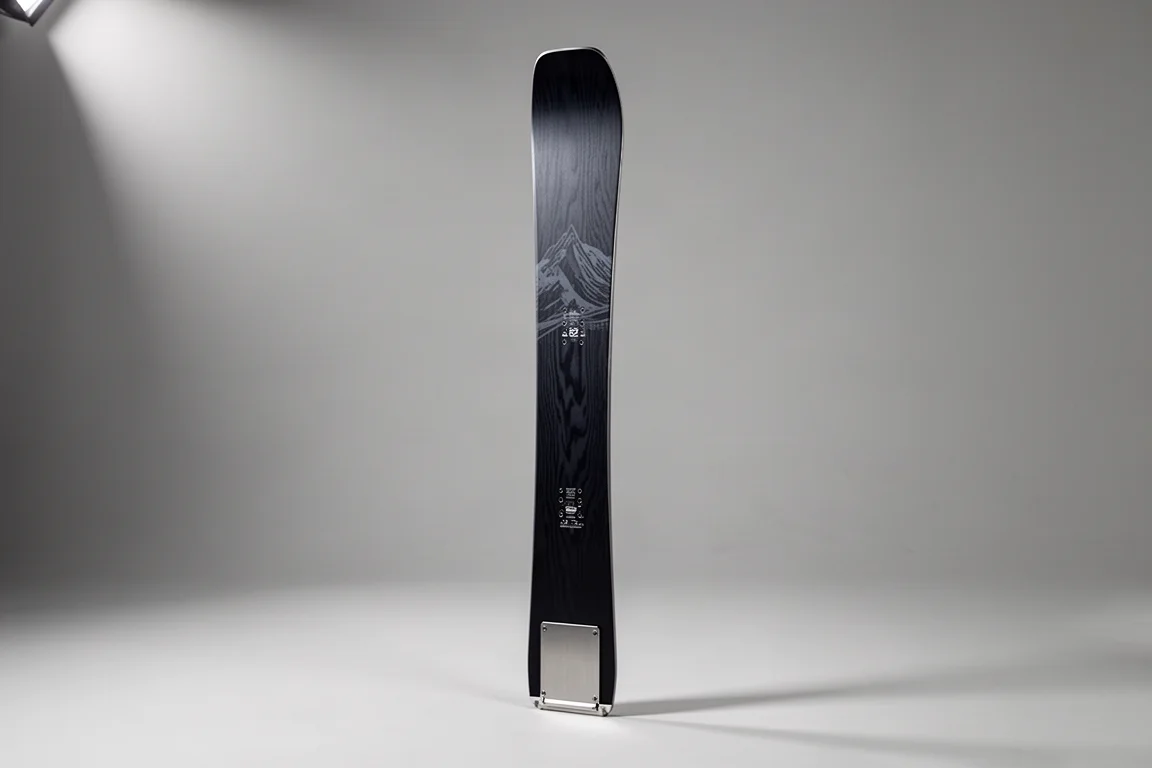
Rossignol Experience 82 Ti
The Experience 82 Ti sits at $749.95 and pairs two sheets of metal with a thick sidewall underfoot. It is damp and smooth with no chatter, and it initiates turns progressively thanks to a rocker profile that eases the entry phase. The combination of stability underfoot and approachable turn entry is what makes it stand out. Rossignol also offers the shape in an 86 and in an 82 Basalt version that swaps metal for basalt fibers, which is lighter and more energetic for skiers who do not need the metal platform.
View more details for Rossignol Experience 82 Ti
Elan Wildcat 82 C
The Wildcat 82 C lands just under $450 without bindings and brings Elan’s asymmetric Amphibio True Line construction to a narrower, more frontside-oriented shape. Left and right skis are built differently, with extra material over the inside edge for grip and less over the outside edge for smoother transitions. A carbon laminate and a 12 meter turn radius with minimal taper give it a stiff, direct feel with plenty of pop. It suits intermediate and advanced skiers who want a lively, precise ski, and it makes poor conditions more enjoyable.
Dynastar 4x4 5
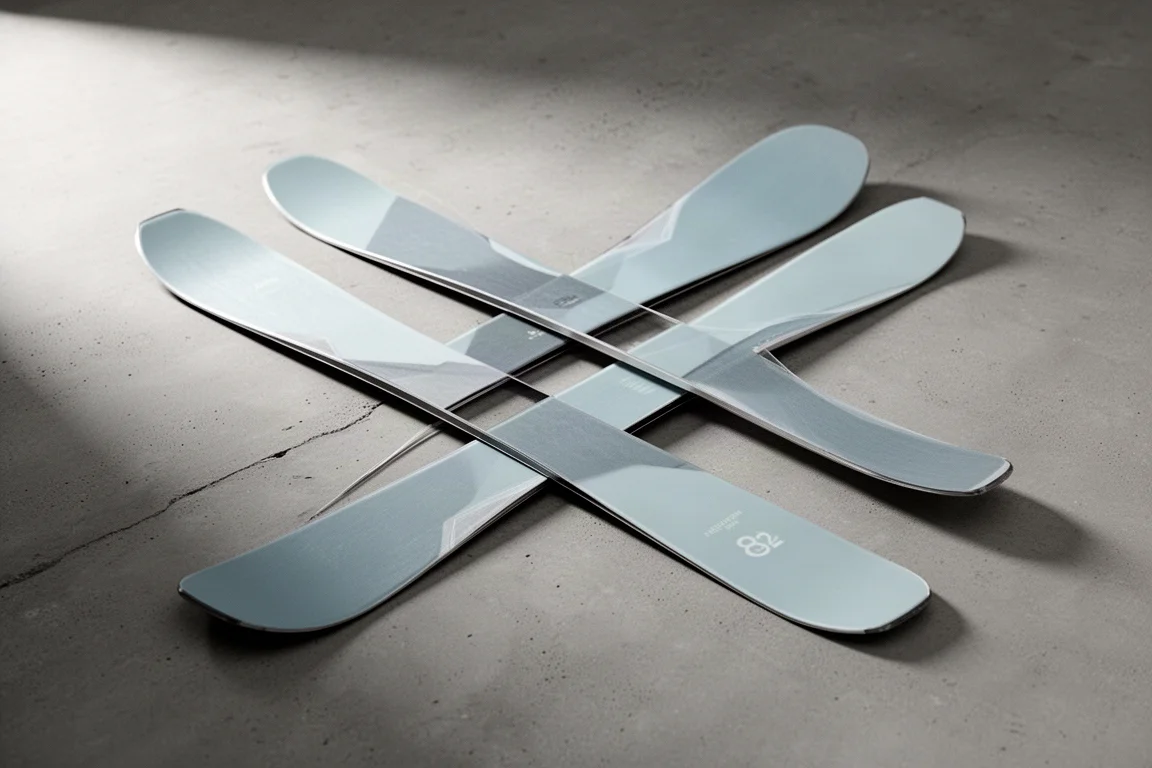
The 4x4 5 takes a different approach to the frontside category. It uses a dense wood core and more polyurethane than most skis, with 3D shapes standing proud over the edges to create a frame-like grip. There is a lot of positive camber underfoot, and that stored energy makes the ski lively and quick to react. It supports a wide range of turn shapes, with thinner material in the shovel easing turn entry. This is a strong, frontside-focused ski for skiers who prefer a high performance ceiling.
Nordica Santa Ana 84
At $599, the Santa Ana 84 is the narrowest and curviest member of the Santa Ana family. A wood core with metal keeps it grippy and stable, and at 1,420 grams it is light for a ski with metal in it. The tip shape carries more rocker than the other frontside skis here, so it holds an edge on groomers in the morning and stays capable when conditions soften in the afternoon.
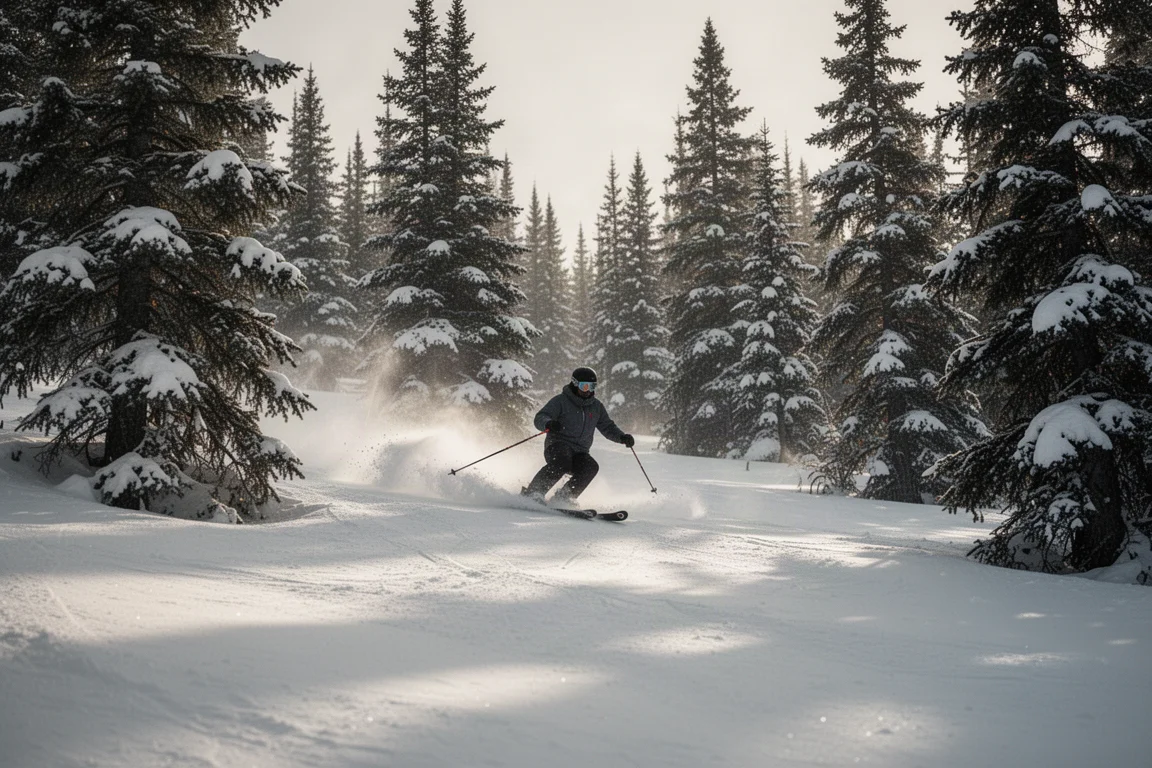
It blends stability with agility, and it is a sensible step for an intermediate skier who wants to move toward all-mountain and free ride shapes without jumping to a much wider waist.
View more details for Nordica Santa Ana 84
Line Pandora 84
At $449, the Pandora 84 shifts toward the free ride end of the category. It weighs about 1,362 grams even though it is eight centimeters longer than the Santa Ana, and it trades some on-trail dampness for versatility and playfulness. A softer flex, more rocker, and positive camber underfoot make it one of the better floaters in this group, and it works as a 50/50 hybrid that can be toured and skied at the resort.
View more details for Line Pandora 84
Völkl Yumi 84
At $649, the Yumi 84 is one of the most complete skis here. A multi-layer wood core, a metal plate underfoot, and a fiberglass frame running around the tip and tail give it grip in the middle and a livelier feel at the ends. Völkl’s 3D radius lets you change turn shape within a single turn rather than committing to one arc, and the flatter camber profile makes edge-to-edge transitions easy. At about 1,400 grams it is energetic without being fatiguing, and it is a sensible pick if you are unsure what to choose.
Liberty Evolve 84 W
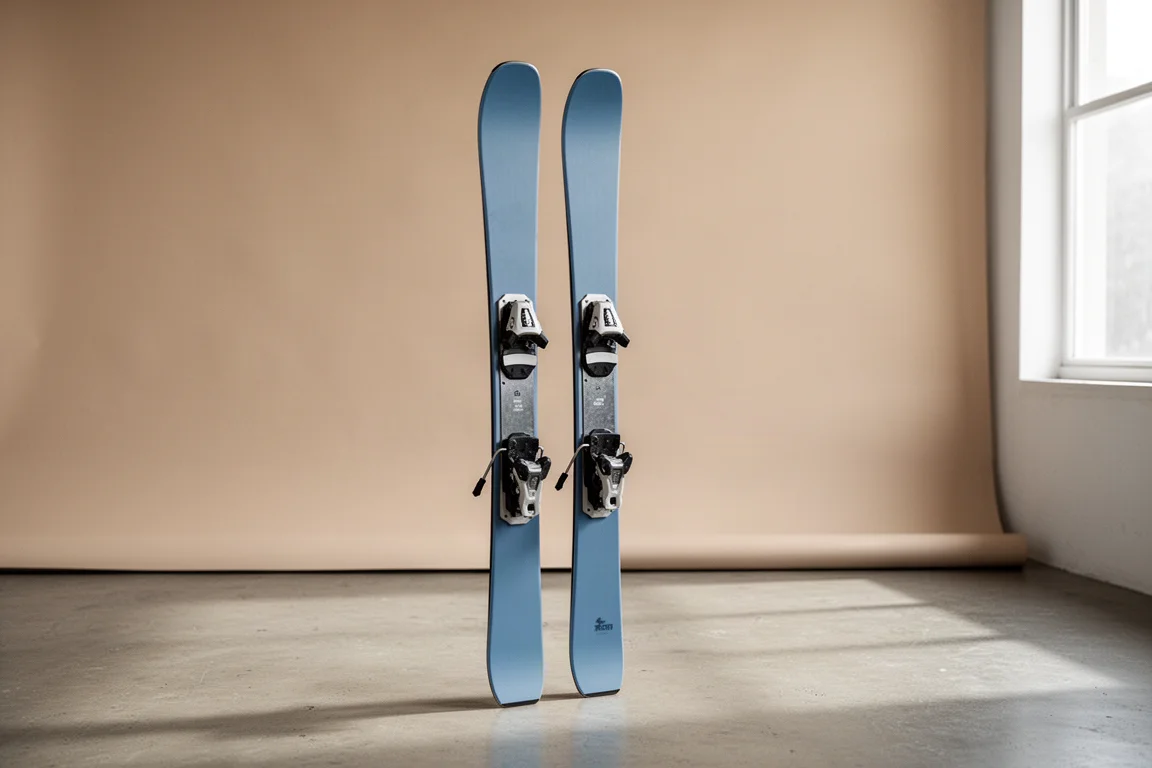
The Evolve 84 W is priced at $599.99 and shares a lot of shape with Elan’s approach: minimal taper, minimal rocker, and a long effective edge with a squared-off, metallic tail for a strong finish. Liberty’s vertical metal technology runs three metal strips through the ski instead of full sheets, using less metal to stiffen the ski and to prevent counter-flexing so the edges stay engaged. A poplar and paulownia core with bamboo adds a thick, damp, unusually quiet ride. It is one of the most confident carvers here while keeping an all-mountain feel.
Dynastar E-Pro 85
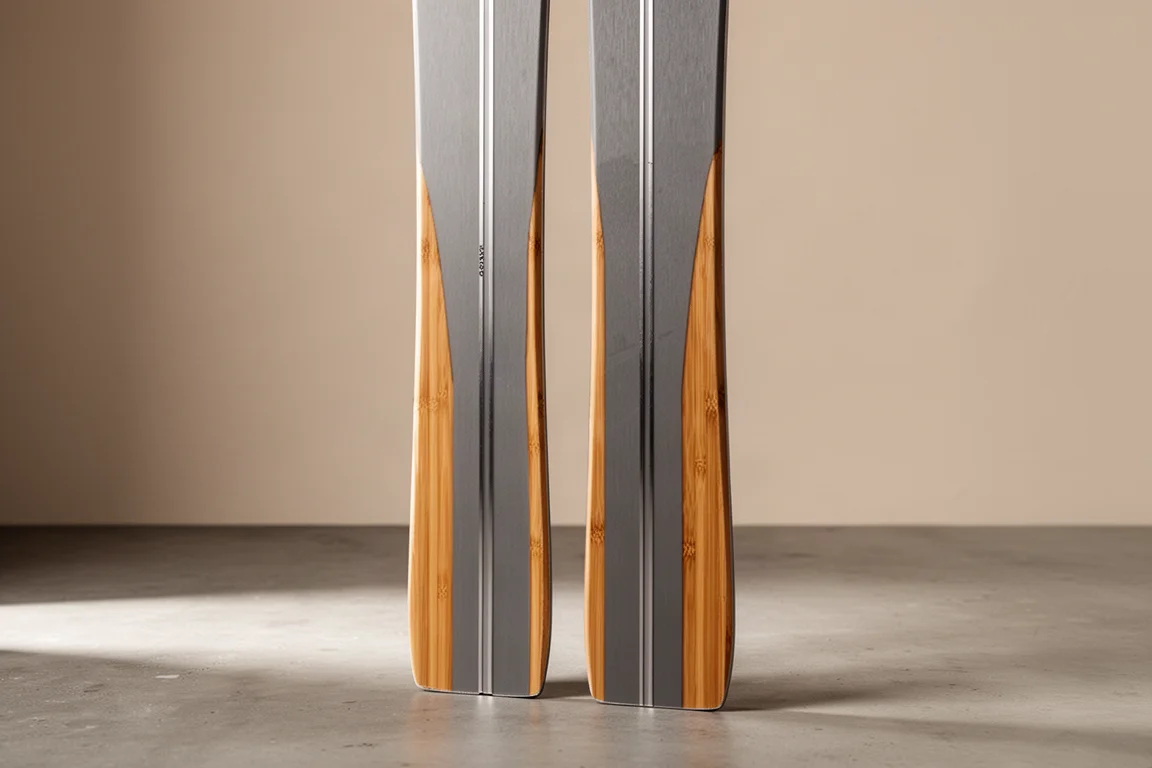
The E-Pro 85 is a new Dynastar model for the season, replacing the M-Pro 85 W with a different construction, and it costs $579.95. It uses fiberglass rather than the metal frame found on the wider E-Pro models, with a central spine that widens underfoot and stays broad through the tail. Tip rocker and positive camber underfoot make for a reverse-mullet personality: playful and floaty up front, businesslike behind.
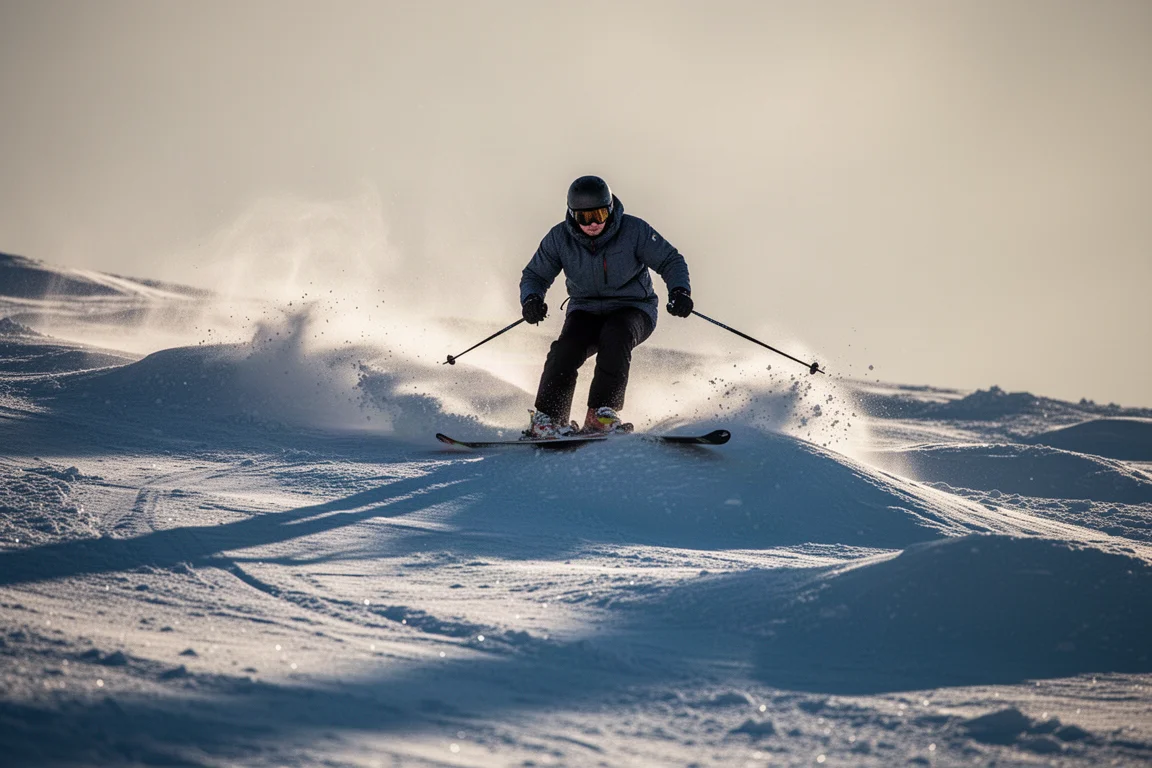
At 1,530 grams with a hybrid poplar core wrapped in fiberglass and polyurethane along the sides, it is quiet and responsive, and it does exactly what the skier asks. It is excellent in trees and bumps and a strong candidate for a daily driver.
View more details for Dynastar E Pro 85
K2 Mindbender 85
At $399.95, the Mindbender 85 is a straightforward, well-rounded ski. A simple aspen wood core and a camber profile that stores energy give it pop and a high performance ceiling for the price, and at 1,480 grams it is not trying to be ultralight, which pays off in stability. It will not carve like the Fischer or the Santa Ana, but it is intuitive, agile, and genuinely fun in moguls and softer snow. If someone asks for one approachable all-mountain ski that can go anywhere, this is an easy recommendation.
Head Total Joy
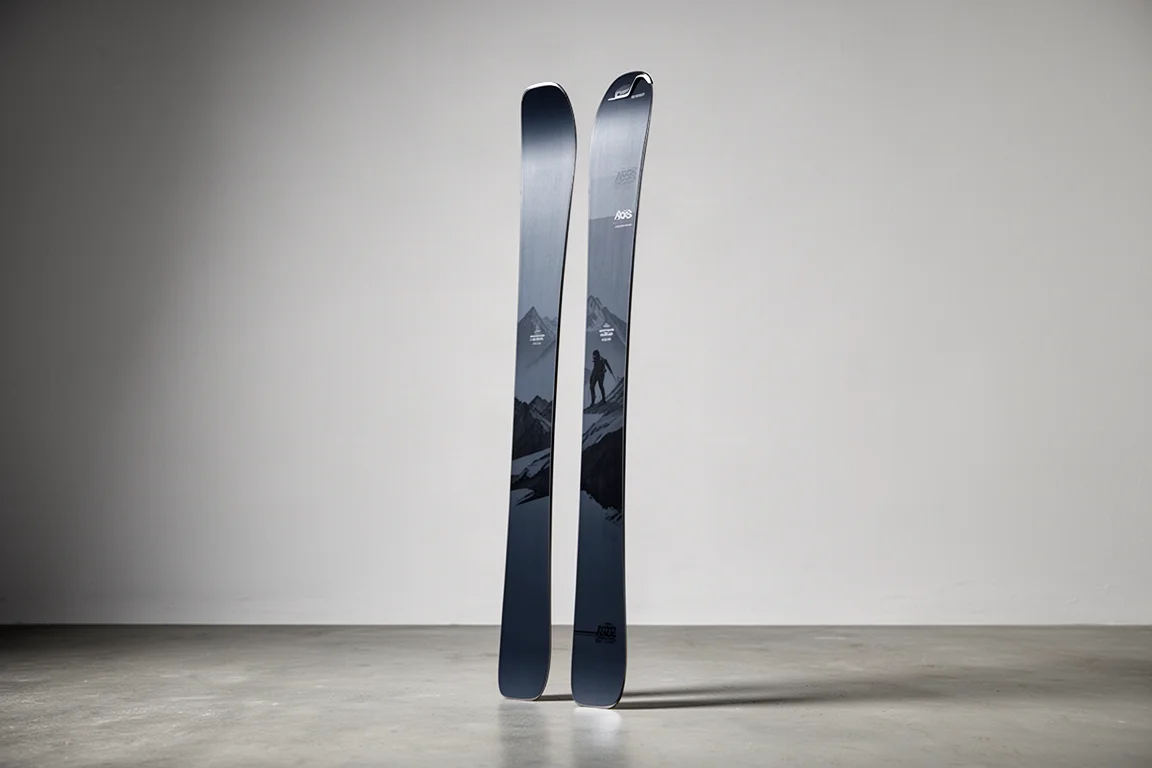
The Total Joy is the wider ski in the Joy series at 85 mm underfoot, and at $949 it includes bindings. A karuba wood core with carbon and graphene gives a poppy, energetic flex with real pushback, and an angled top sheet removes material to trim swing weight without sacrificing stability. With the plate it weighs just under 1,700 grams. It is a directional, accomplished wide carver with smooth turn initiation and a strong finish, and it shows how far carbon can go in mimicking metal.
View more details for Head Total Joy
Atomic Maven 86 C
The Maven 86 C costs $499 and shares its twin shape with the Maverick 88 Ti, swapping metal for a carbon backbone. It is stiffer than its weight suggests, and at 1,380 grams it stays light. Atomic’s Horizon Tech tips pair a more pronounced rocker with a partial sidewall that transitions to a full cap toward the ends, which keeps the ski stable and powerful while staying playful in soft snow. With a modest tail rocker, it works well as a 50/50 hybrid for touring.
Armada ARW 86
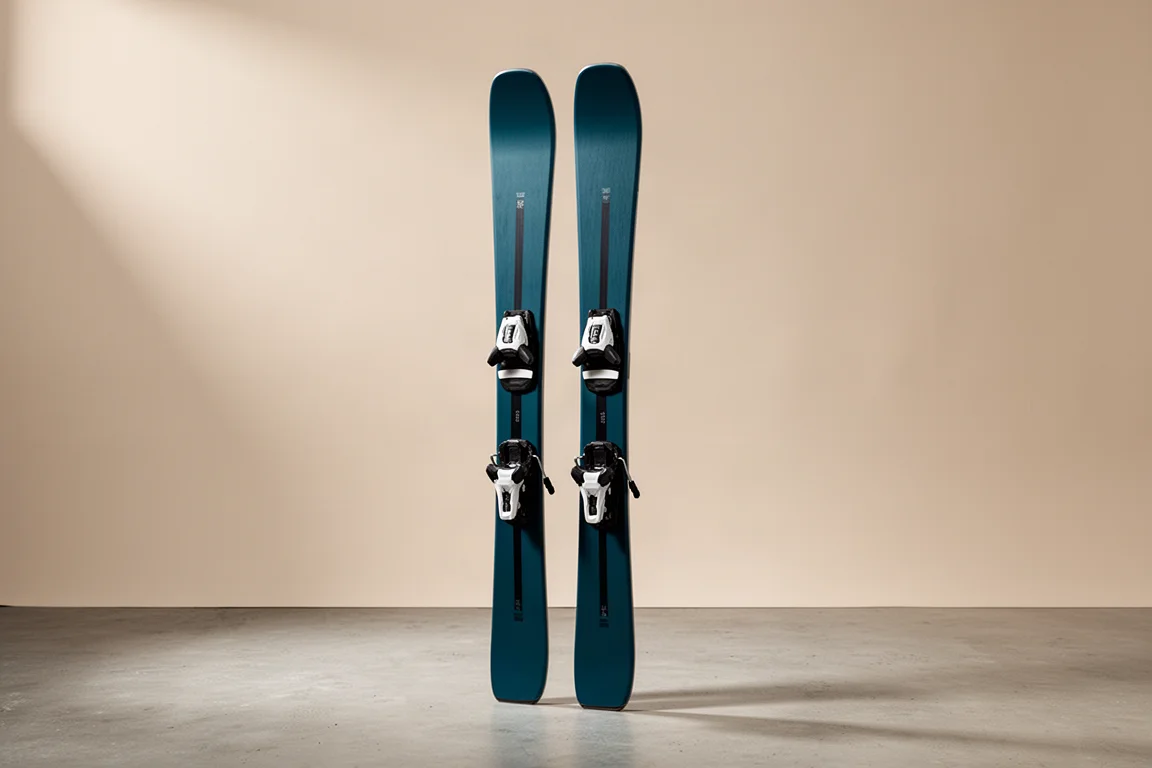
At $449, the ARW 86 is the first true twin tip in this roundup and the obvious pick if you plan to spend real time in the park. A dense wood core and a three-step sidewall, full sidewall underfoot moving to half cap and then full cap in the tips and tails, give it durability and edge grip on groomers. At 1,560 grams it has some density to it, which smooths out chatter, and the flex is smooth and a touch more supple than a ski like the Maven. It is equally at home in the trees.
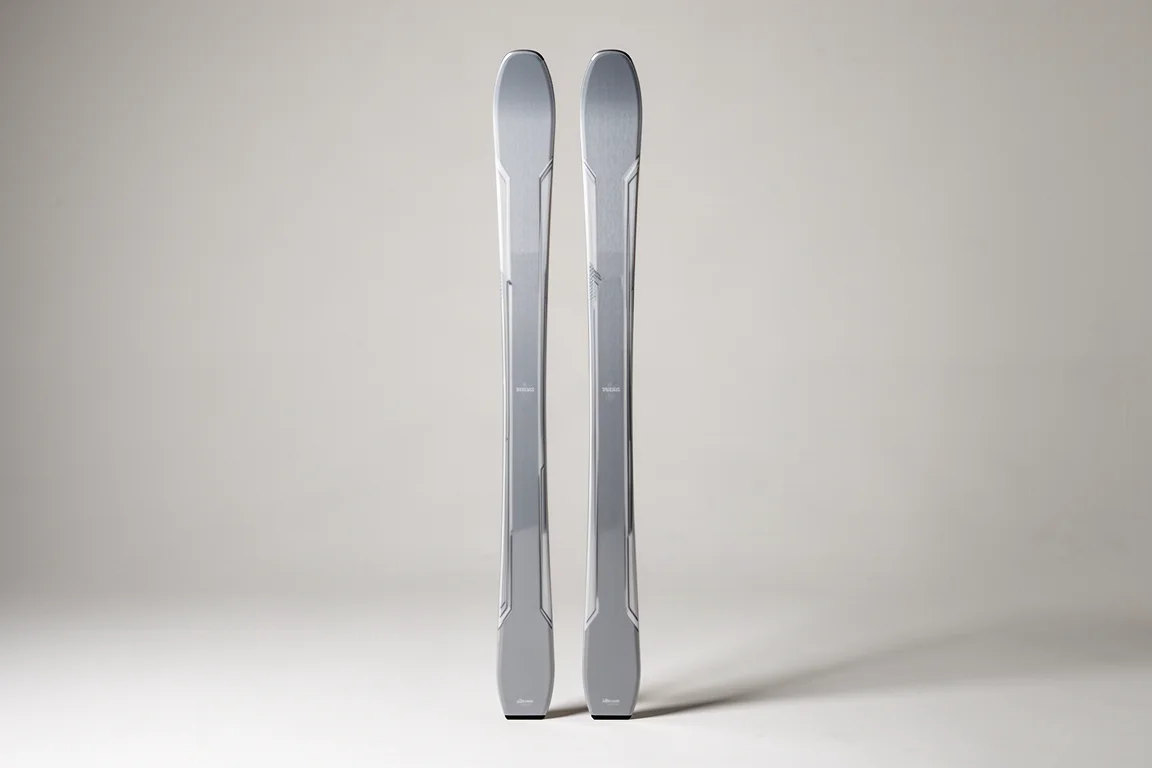
Völkl Revolt 86
The Revolt 86 is the same build as the men’s version with different graphics and size options, and at $399.99 it undercuts the ARW 86. A multi-layer wood core and a blended sidewall keep the tips and tails light and flexible for freestyle use while preserving stability underfoot for rails and all-mountain skiing. At 1,540 grams it is another twin tip with enough substance to ski the whole mountain, and it is a strong choice for all-mountain freestyle riders.
View more details for Volkl Revolt 86
Völkl Blaze 86 W
At $549.99, the Blaze 86 W closes out the list as the lightest ski here at 1,290 grams, squarely in touring territory. It uses a light multi-layer wood core, 3D radius, and suspension tips and tails with rubber material to damp vibration. The rocker profile is long and subtle, which aids flotation and makes the ski easy to use. It lacks the metal underfoot of the wider Blaze models, but the downhill performance is strong for the weight, and it suits lighter skiers or anyone who wants a maneuverable ski with soft snow capability.
Buying Advice: Matching the Ski to Your Terrain
If most of your days are on groomed terrain and you want grip and stability, look at the metal-heavy options: the Fischer RC One 82 GT, the Rossignol Experience 82 Ti, the Stöckli Nela 80, and the Head Total Joy all prioritize edge hold and a strong finish. If you want one ski that handles groomers and still works in trees, bumps, and softer afternoon snow, the Völkl Yumi 84, Nordica Santa Ana 84, K2 Mindbender 85, and Dynastar E-Pro 85 are the most balanced picks.
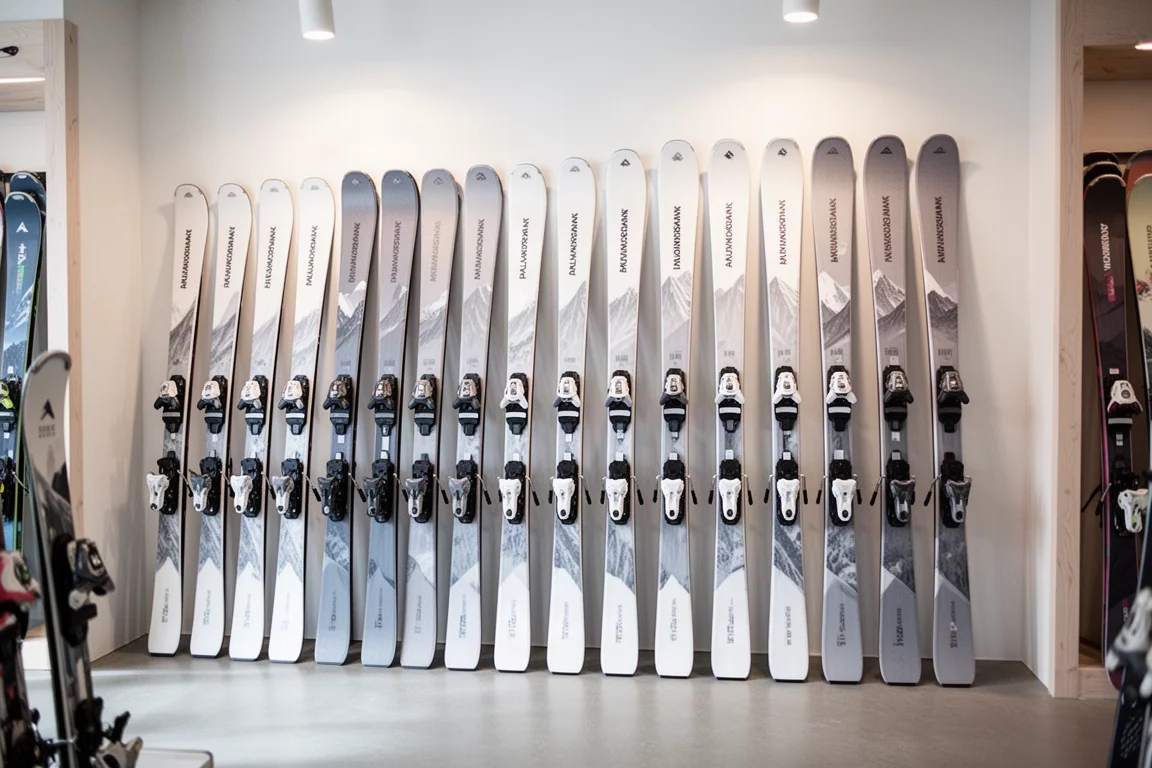
If value matters most, the Head Kore 85 W, K2 Mindbender 85, Völkl Revolt 86, and Salomon Stance W 80 deliver a lot for the money, and the Salomon includes a system binding. If you plan to tour or want a lighter, more playful ski, the Line Pandora 84, Atomic Maven 86 C, and Völkl Blaze 86 W are the ones to look at. And if you want a twin tip that can handle the park and the rest of the mountain, the Armada ARW 86 and Völkl Revolt 86 cover that ground.
Conclusion
This category is more useful than its narrow waist numbers suggest. Between 80 and 86 mm underfoot there is a real range of construction, weight, and intent, from a $389 carbon ski to a $1,049 premium build, and from full-metal carving platforms to lightweight touring shapes and true twin tips.
If you ski mostly groomed runs, the frontside-leaning models reward that choice. If you want one ski to cover more ground, the middle of the list is where the most versatile options sit. Either way, matching the ski to where you actually spend your days matters more than the number on the waist.
Further reading
Related Reviews

Ski Gear
2023 Blizzard Hustle vs Rustler: Six Freeride Skis Compared
Blizzard's 2023 Hustle collection rebuilds the Rustler shape with a lighter core and no metal. Here is how all six skis differ, and which one suits your riding.

Ski Gear
2023 Skis of the Year: Atomic Maverick 88 TI, Salomon QST 106, and Look SPX 12 Pro
Three standout ski picks for all-mountain carving, powder days, and reliable binding performance, with practical buying notes for 2023 models.

Ski Gear
2025 Nordica Enforcer 104 Review: A Directional Charger Replaces the 104 Free
The 2025 Nordica Enforcer 104 drops the Free name and the twin-tip personality, gaining weight, stiffness and composure in rough snow. Here is what changed and who it suits.