Ski Pants
Wolfel Ski Pants Review: A Sub-$100 Snow Pant With Clear Limits
Wolfel ski pants promise waterproofing, windproofing, breathability, and warmth without publishing a single rating. Here is what the build actually delivers.
Introduction
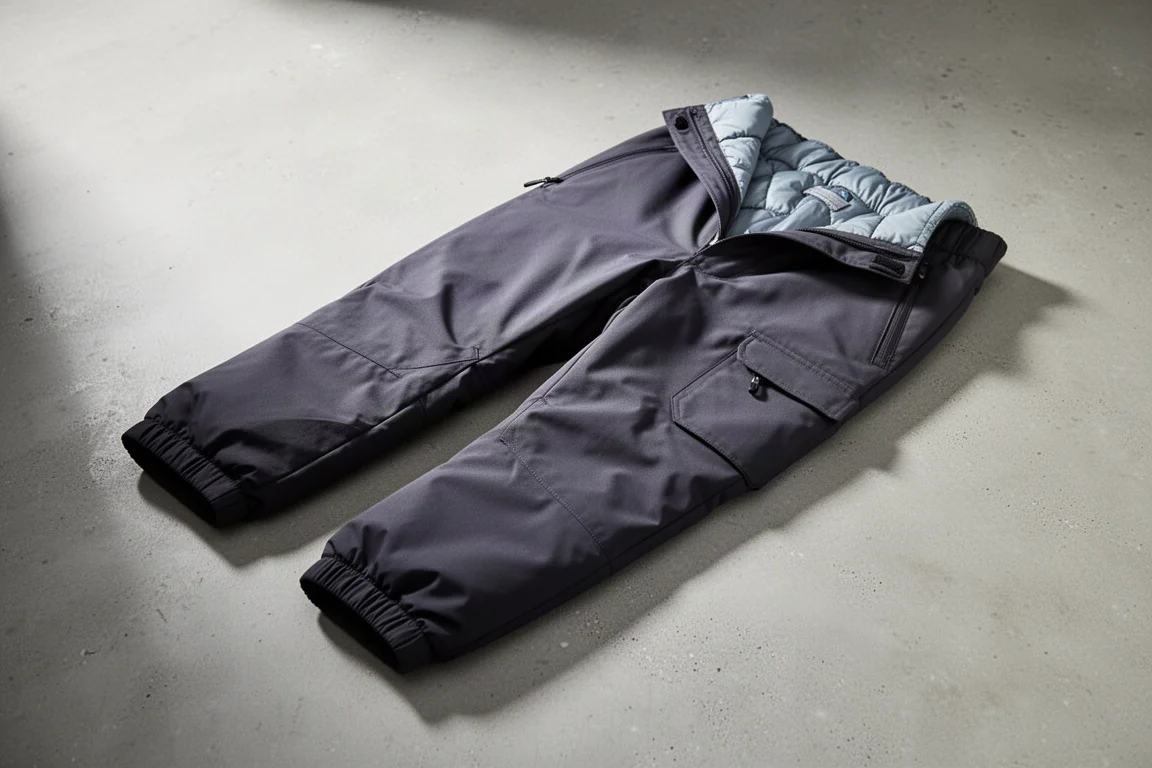
Wolfel ski pants are sold on Amazon and marketed squarely at skiers and snowboarders, with promises built around waterproofing, windproofing, breathability, and warmth. What the product listing does not do is publish the numbers behind any of those claims. There are no waterproof or breathability ratings to compare against, which means the case for buying them rests almost entirely on price, and that price sits under $100.
That is a genuine advantage for one kind of buyer and a genuine risk for another. These are budget snow pants, and the gap between the marketing language and the physical build becomes obvious as soon as you handle them.
Who These Ski Pants Are For
These pants make the most sense for riders who need a functional outer layer at the lowest possible cost: a first season on the mountain, a spare pair kept in the car, or snow play where the day wraps up before conditions turn serious. If the priority is getting out on snow without spending much, price is the headline feature.
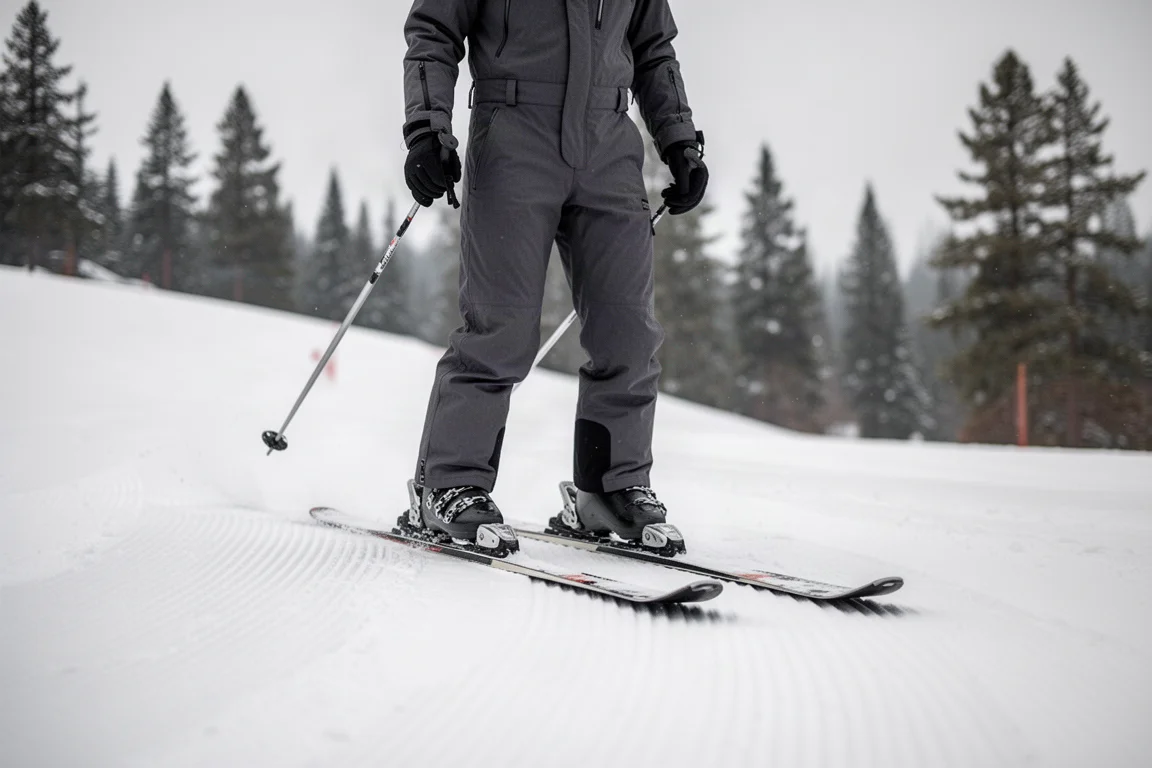
They are a poor fit for anyone who rides hard, tours, or spends full days in wet, heavy snow. The fabric, stitching, and hardware are all built to a price, and those limits surface in the details rather than in the overall look.
Main Strengths
Price is the obvious one. Sitting under $100 places these well below most branded snow pants, and for occasional use that can be enough on its own.
The side cargo pocket is a real bright spot. It functions properly, and the reinforcement around it holds up better than the surrounding fabric, which is more than can be said for most of the pant.
Critical seams carry taped coverage. The main side seam uses a single stitch construction, but it is taped at the point that matters, which is a sensible place to add protection on a budget garment.
The main zipper is a YKK unit and it held during handling, even though it is a very small gauge and feels light. In short-term exposure to damp conditions, the fabric surface became damp but moisture did not appear to seep through or penetrate.
Warmth, Waterproofing, and Breathability Claims
The pants are marketed on four pillars: waterproofing, windproofing, breathability, and warmth. None of those claims comes with a published rating, so there is no way to verify how much waterproofing or breathability you are actually getting.
Inside, the insulation is sewn and quilted rather than loose, with a thicker seam where it is joined. The waistband contains elastic, and the insulation overlaps slightly into the seam. It is not an insulated waist, so warmth is concentrated in the legs rather than around the middle.
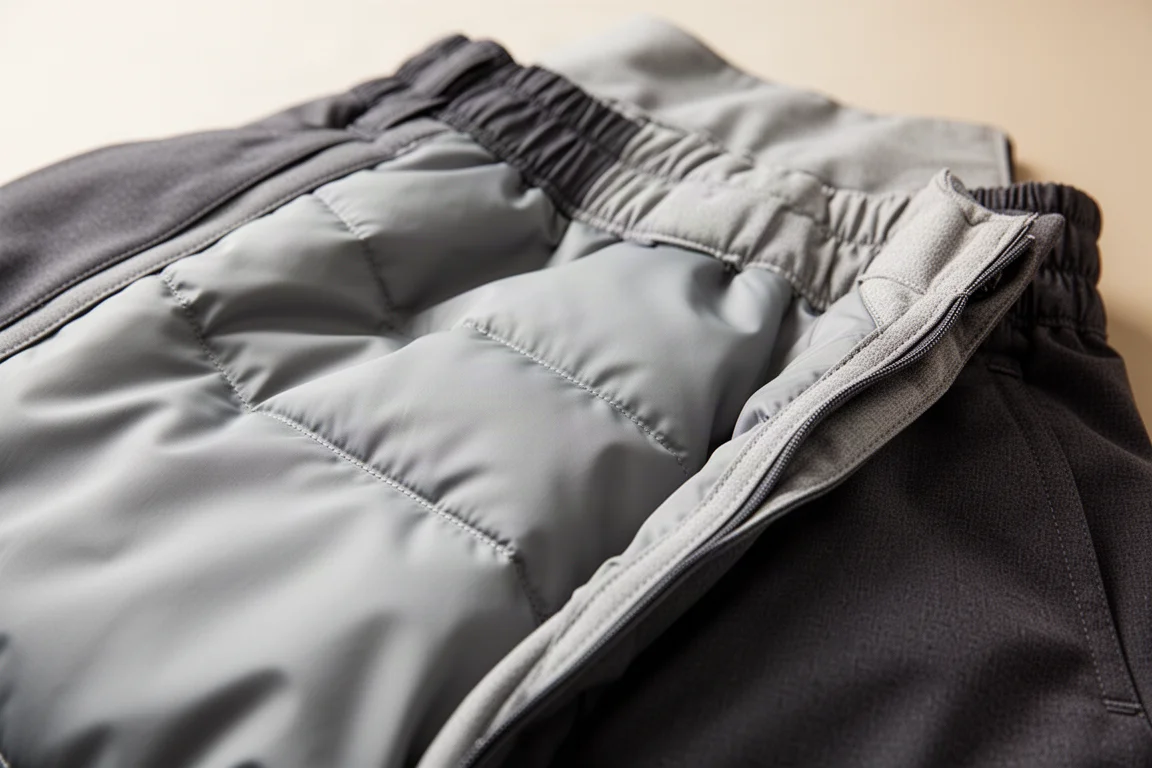
The insulation itself feels thin and papery. It reads as a light layer rather than the dense, lofted fill found in more expensive snow pants, which matters most on cold lift rides and long stationary stretches.
Things to Consider Before Buying
Fabric durability is the biggest concern. The material feels thin and inexpensive in hand, and it does not take much for a puncture to open into a spreading tear. That is a meaningful risk if you ski near trees, rocks, or lift hardware.
Stitching is the second concern. Seams open with very little effort, and the thread quality is low enough that it becomes the weakest part of the construction. Pocket zippers are similarly light, with a small overlap and a short stitch intended to keep the pocket from blowing open, but the zippers themselves would not survive a hard pull.
Storage is limited. There is no rear pocket with a flap, so you are relying on the side cargo pocket and whatever your jacket offers. At the cuffs you get elastic and nothing more: no neoprene, no stretch panel, and no loops to clip onto laces or boots.
Durability, Zippers, and Seam Construction
The construction is simple and budget-oriented. A single stitch runs down the side seam, taped at the critical point. The waistband uses elastic with a light insulation overlap, and the outer shell has snaps that let it expand, with a basic liner sewn in behind.
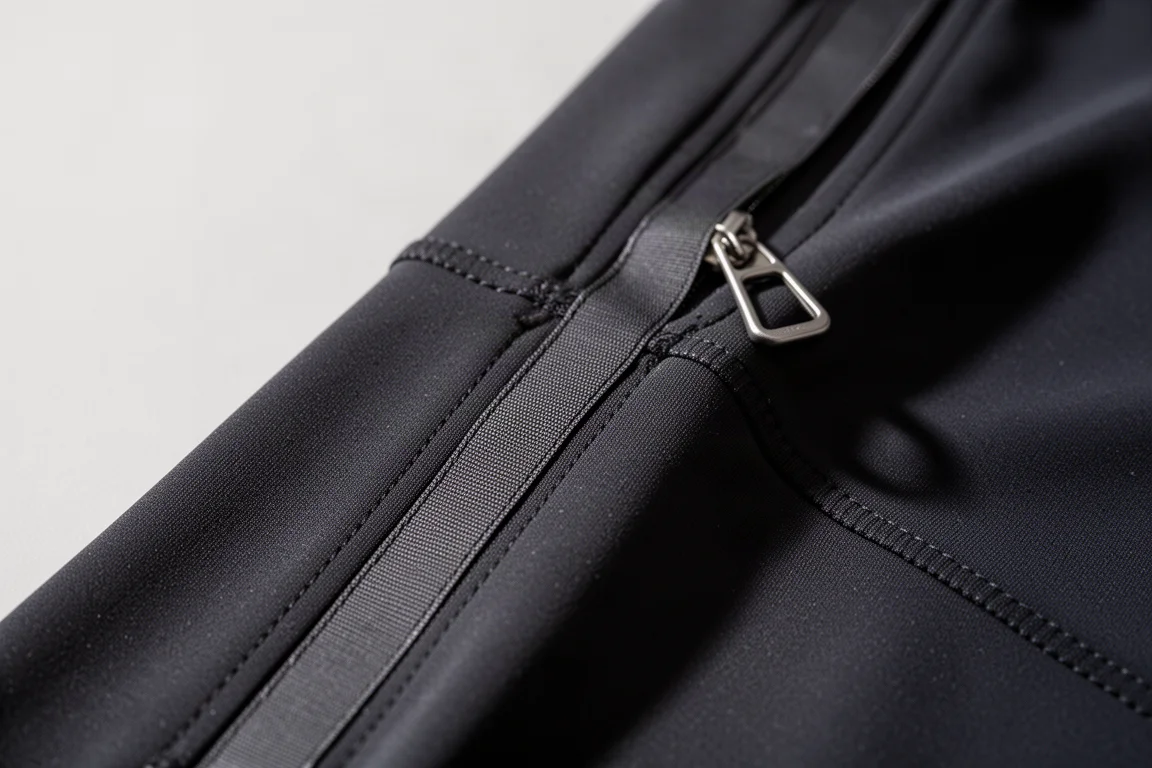
Hardware follows the same pattern. The main zipper is a small YKK unit that looks light but functioned. Pocket zippers are the cheapest part of the assembly and the most likely to fail first. None of this is unusual at this price, but it does set expectations: these are pants to wear gently rather than abuse.
Fit, Sizing, and Everyday Use
The shell expands via snaps, which gives some flexibility around the waist and hips, and the elastic waistband helps the fit stay in place. The liner is sewn in rather than removable, so you are committing to a single warmth level for the season.
Because the fabric is thin, the pants pack down small and layer easily, whether under a shell or over a base layer. That makes them convenient for travel and for keeping as a backup pair in a gear bag.
Buying Advice
If budget is the deciding factor and you ski a handful of days a year in moderate conditions, these pants can do the job. Go in expecting a light, low-cost layer rather than a technical shell, and treat the side cargo pocket as your primary storage.
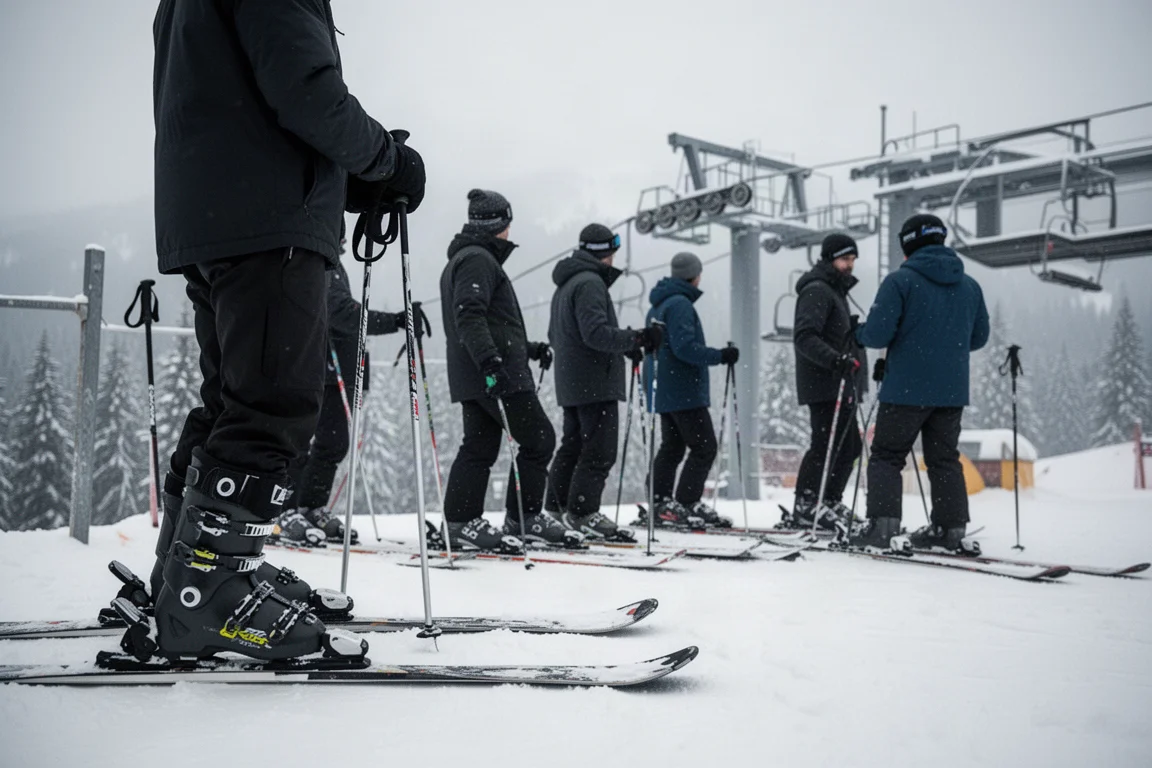
If you ride frequently, ski in wet or heavy snow, or want a pant that survives contact with trees and lift lines, spend more. The weaknesses here are structural rather than cosmetic, and the saving is unlikely to outweigh replacing them partway through a season.
Conclusion
Wolfel ski pants deliver roughly what the price suggests: a light, inexpensive snow pant with a few sensible touches, including taped critical seams and a genuinely usable cargo pocket, wrapped around thin fabric, cheap thread, and light hardware. For occasional use on a tight budget, they are a reasonable stopgap. For regular riding, they are a compromise worth avoiding.
Product link
View more details for Wolfel Ski Pants
This product is mentioned in the review. Check the specifications, options, and compatibility before buying.
View more details for Wolfel Ski PantsFurther reading
Related Reviews

Cycling Accessories
7 Inexpensive Everyday Products That Are Brilliant for Cyclists
Seven cheap household products that solve real problems for cyclists, from portable bike washing and dry shoes to clean bottles and protected paintwork.
Backpacking Gear
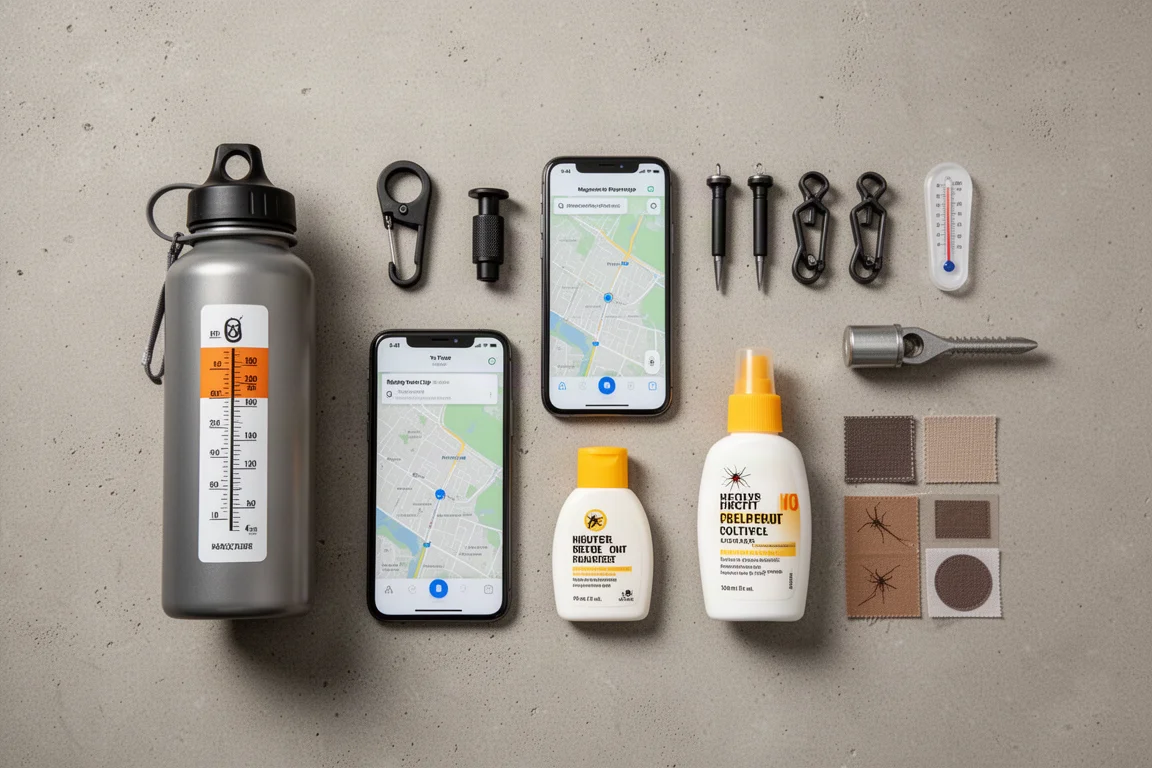
9 Backpacking Essentials Under $30: Small Gear, Big Impact
Nine affordable backpacking accessories that solve real trail problems, from water measurement to gear repair.
Backpacking Gear
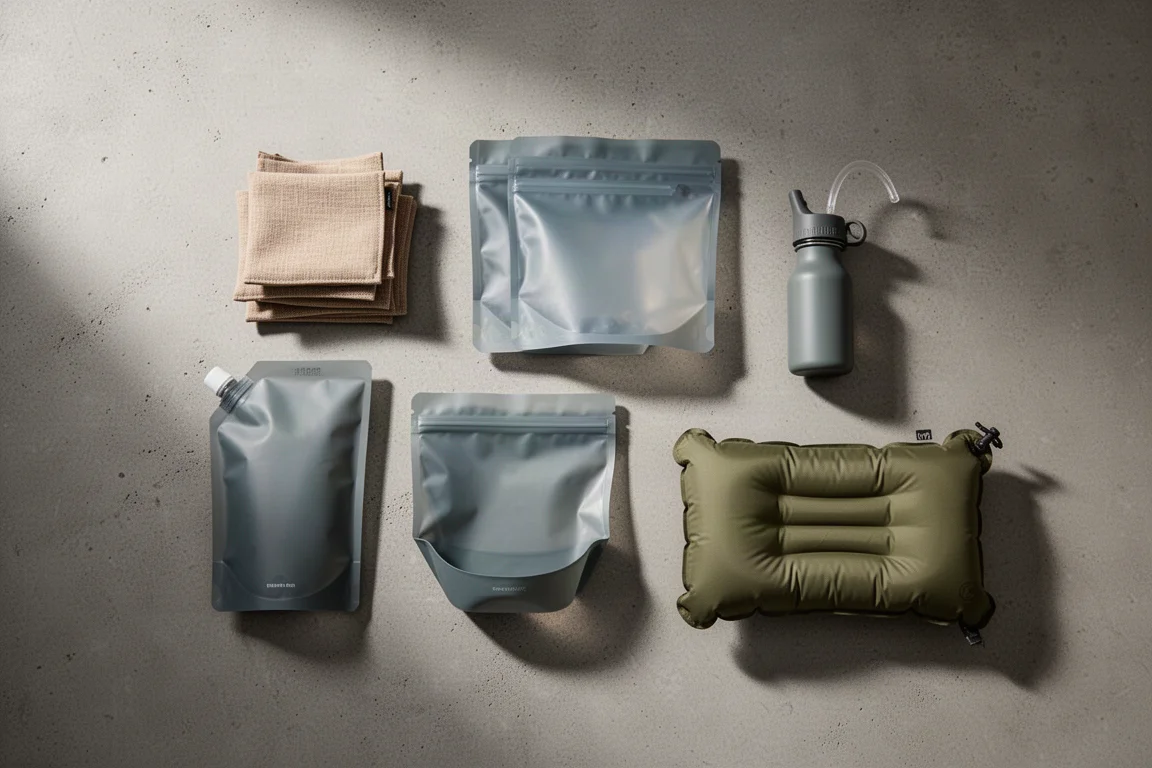
Affordable Backpacking Gear: Four Low-Cost Items That Make Trips Better
Four inexpensive backpacking items, from reusable food bags to a sub-100 gram camp pillow, plus the packing habits that keep pack weight honest.