Snowboards
Wired Recon Snowboard Review: A Quiver-of-One All-Mountain Board
The Wired Recon blends camber pop with rocker ease of entry, making it a strong pick for progressing intermediates who want one deck to do everything.
Introduction
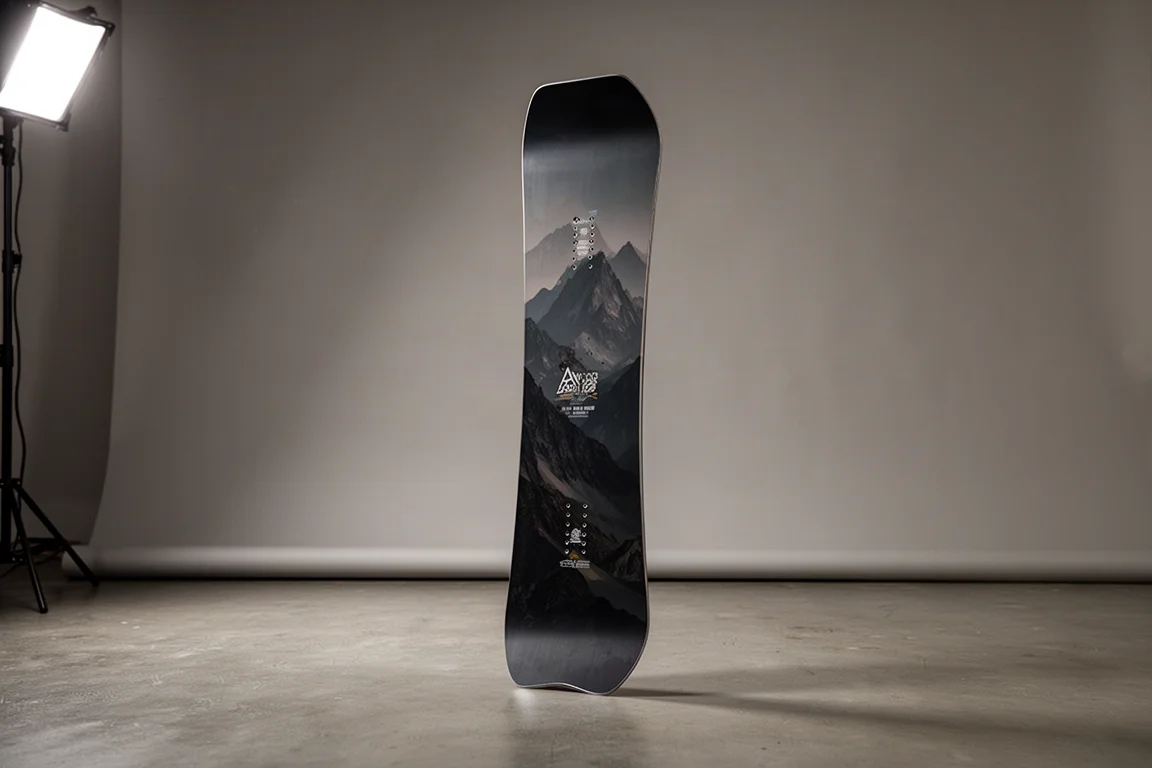
The Wired Recon is an all-mountain snowboard built around Wired’s multi-camber profile: a small rocker section in the nose and tail with camber throughout the rest of the board, paired with negative core profiling. Think of it as camber 2.0. You keep the load, pop, snap and drive of traditional camber, but gain an easier entry in and out of turns plus a bit of extra help in powder and slush.
It is offered in 152, 155, 158, 161 and 164, and it was ridden hard across a full day at Copper Mountain, from leftover pow chunder and brisk temps at the top to warmer slush and choppy corduroy lower down. That mixed conditions day turned out to be a great test of whether one board really can do it all.
Who This Board Is For
The Recon is aimed squarely at the progressing intermediate rider who wants a single deck for everything. It is approachable enough that a wide range of riders could step onto it and feel comfortable, yet it leaves room to grow: ride it laid back and it cruises, charge it and it responds.
If you want one board to smash pow, carve groomers and lap the park without swapping decks, this is the profile of rider the Recon is built for. It is a genuine quiver-of-one candidate rather than a specialist.
How It Rides
The flex is a middle-of-the-road, do-everything all-mountain feel, but with three clearly defined flex points: one at the nose, one at the tail way out at the contact points, and one dead center between the bindings where the negative core profiling meets. That center point aids torsional flex, so the board twists easily and can be steered with ankle pressure.

In terms of stability, the Recon is lively and slightly damp rather than fully plush. At speed you will feel a little chatter, the nose starts to flap a bit, and that resonance carries underfoot. In lumpy, chopped-out terrain keep your knees bent, because the board can buck you around a bit. That softness is a trade-off made against stiffer, more dampened boards, and it shows, though it stays good enough for most riders.
Turning is where the multi-camber design shines. The board is zippy and takes minimal effort to get on edge, with most of the engagement happening right underfoot. Disengage off the front foot, drive off the rear, and the board responds immediately.
Pop and Park Performance
The snap is the standout. Once you fully engage the camber section, roll back, slightly disengage the front foot and let everything from the negative core profiling back engage, the board boosts hard. Side hits and ollies feel effortless.

In the park, small and medium jumps are a breeze. Bigger features are within reach if you know what you are doing and load the board properly. It is flexible in how you use it: you can be laid back and let the lip do the work, or load it up and pop higher and further.
Butters, Jibs and Presses
The sweet spots in the nose and tail reward proper technique. Leverage your weight out there, engage the micro-rocker section and flex the board from the middle, working with the negative core profiling. Done right, pow butters are genuinely easy.
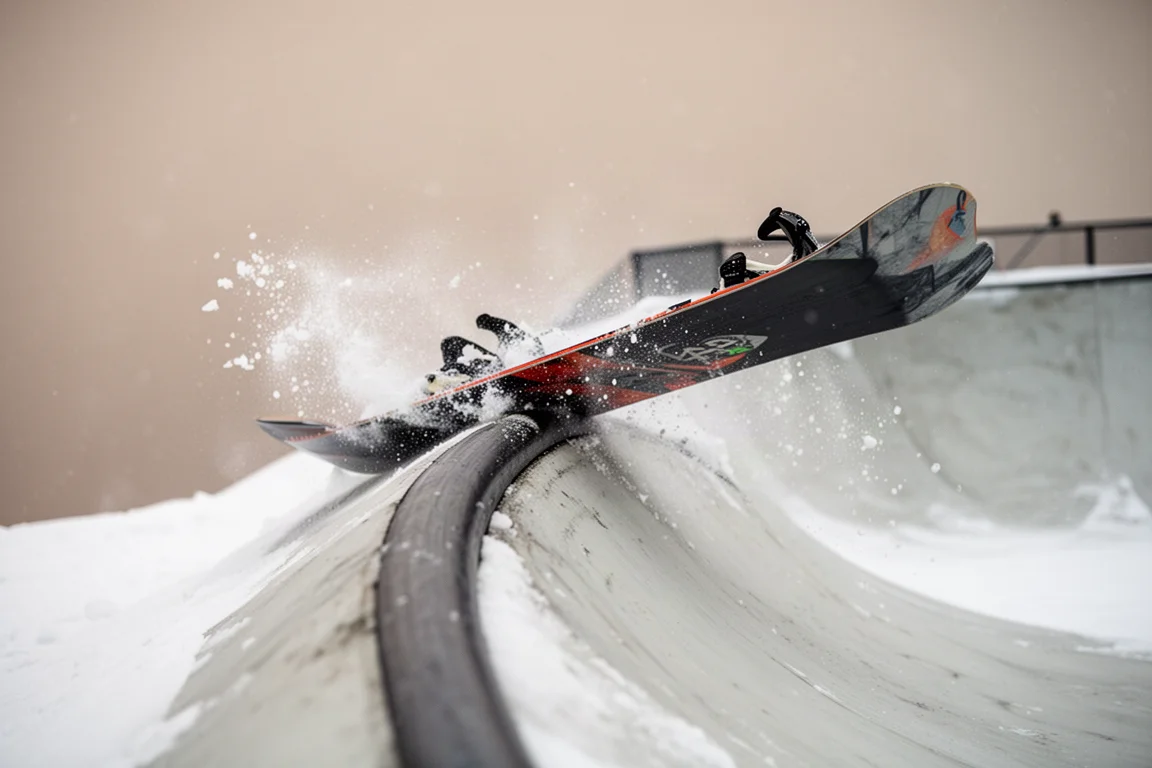
On groomers, expect a bit more effort than you might think and a little fight, with snap coming out of it. Jibbing on park features was similar: it wanted to fight you on tail presses and nose presses, especially coming through a kink, where it wanted to slap down. Going sideways, though, it cradles right around features and slides with ease.
Carving and Edge Control
This is a very back-foot-dominant board. Hard carves, short tight quick turns and medium mellow arcs are all easy: it locks in, stays locked in, and disengages smoothly when you change the angle of your carve.

It is remarkably consistent on edge, to the point where it feels like a board you have ridden forever. That familiar, predictable feel is a big part of why it is so easy to trust at speed.
Buying Advice
If you are a progressing intermediate looking for one deck to do it all, the Recon deserves a shortlist spot. It has solid snap, is damp where it counts without losing its liveliness, and it will not hold you back as your riding develops.
Before you buy, pair it with the right setup. It was tested with Rome Black Label bindings and K2 Maysis-style boots, and checking compatible bindings alongside the board is a smart move so the whole package is dialed in. Comparable boards to consider include the Rome Warden, the Ride Shadowban and the Jones Frontier, with bindings such as the Union Battalion Blaster, the Nitro One and the Bent Metal Action as fitting recommendations.
Conclusion
The Wired Recon does nearly everything well. It carved well, handled powder, stayed fun in the park, and earned genuine enthusiasm over a full day of testing on mixed terrain. It is damp where you need it, lively where you want it, and approachable without being limiting. For a rider who wants one board to rule them all, this is exactly the kind of all-mountain deck that makes sense.
Product link
View more details for Wired Recon
This product is mentioned in the review. Check the specifications, options, and compatibility before buying.
View more details for Wired ReconFurther reading
Related Reviews

Snowboards
32 Middle Earth Scott Stevens Pro Model Snowboard Review: A Park Board With a Reversed Flex
A medium traditional camber park board with carbon V reinforcement that is stiffer in the tips and more playful between the feet. Here is how it rides and who it suits.

Snowboards
32 Snafu Review: A Directional All-Mountain Freestyle Board with Serious Pop
The 32 Snafu pairs a directional camber-rocker profile with a stiffening tail for powerful carves, big ollies, and a surprisingly damp ride.

Snowboards
32 XXX Pat Fava Pro Snowboard Review: A Stiff Camber Beast for Hard-Charging Riders
A full-width traditional camber deck that rewards aggression with stability and edge power, but demands effort everywhere else.