Snowboards
Wired Devon Walsh Pro Model Review: A Stiff Camber Twin Built to Boost
A traditional camber true twin with a punchy, stable ride that rewards aggressive carving and big jumps, and makes you work for your butters.
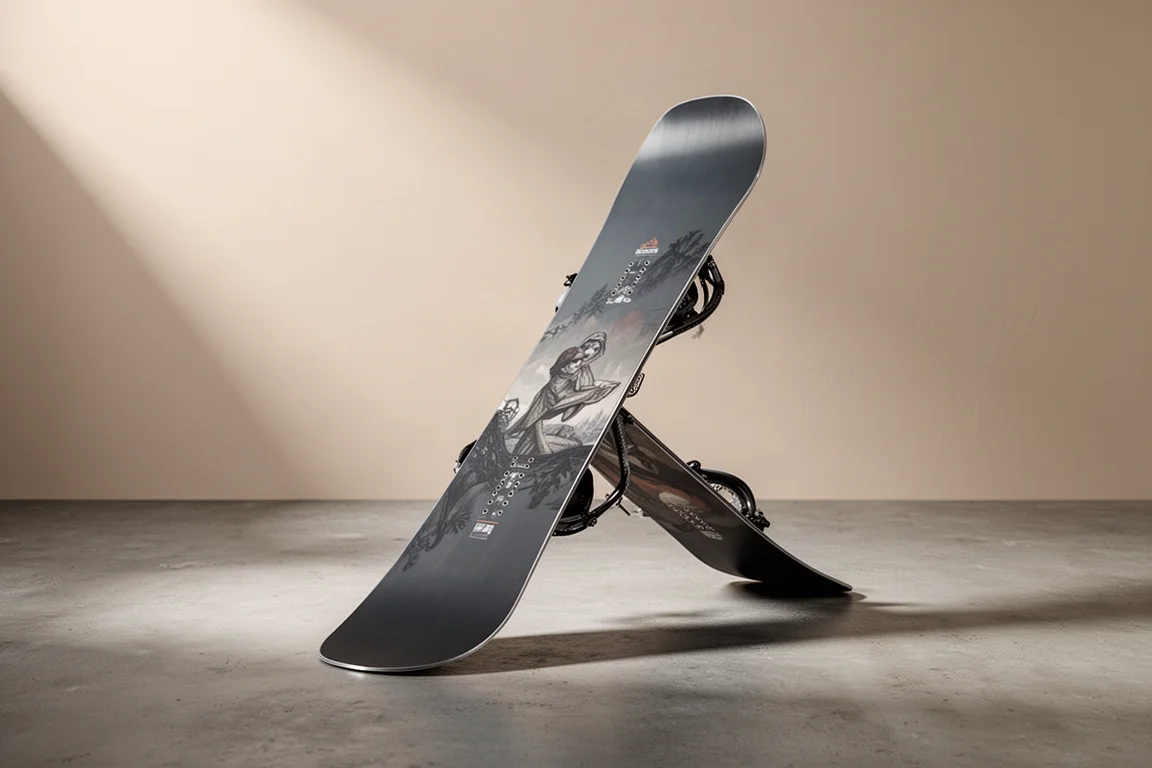
Introduction
The Wired Devon Walsh Pro Model is a true twin built around good old-fashioned traditional camber. From contact point to contact point, that full camber arc delivers load, pop, snap, and drive, and it makes this one of the more purposeful stiff twins on the shelf. It is available in 151, 153, 155, 157, 158 wide, and 159, so most riders should find a size that fits.
Who This Board Is For
This is a board for the rider who wants a true twin that can do it all, just a little on the stiffer side. If you like riding fast, boosting off jumps, and driving hard out of carves, it lines up very well. If your priority is effortless presses and lazy jibbing, this will feel like a lot of board.
Riding It in Every Spring Condition
Testing happened on an overcast, flat-light day with snow falling and warm, heavy spring snow: chopped chunder, leftover pow, crusty pow, and ice, basically every condition spring can throw at you. The setup paired with Rome Black Label bindings and K2 Thraxis boots.
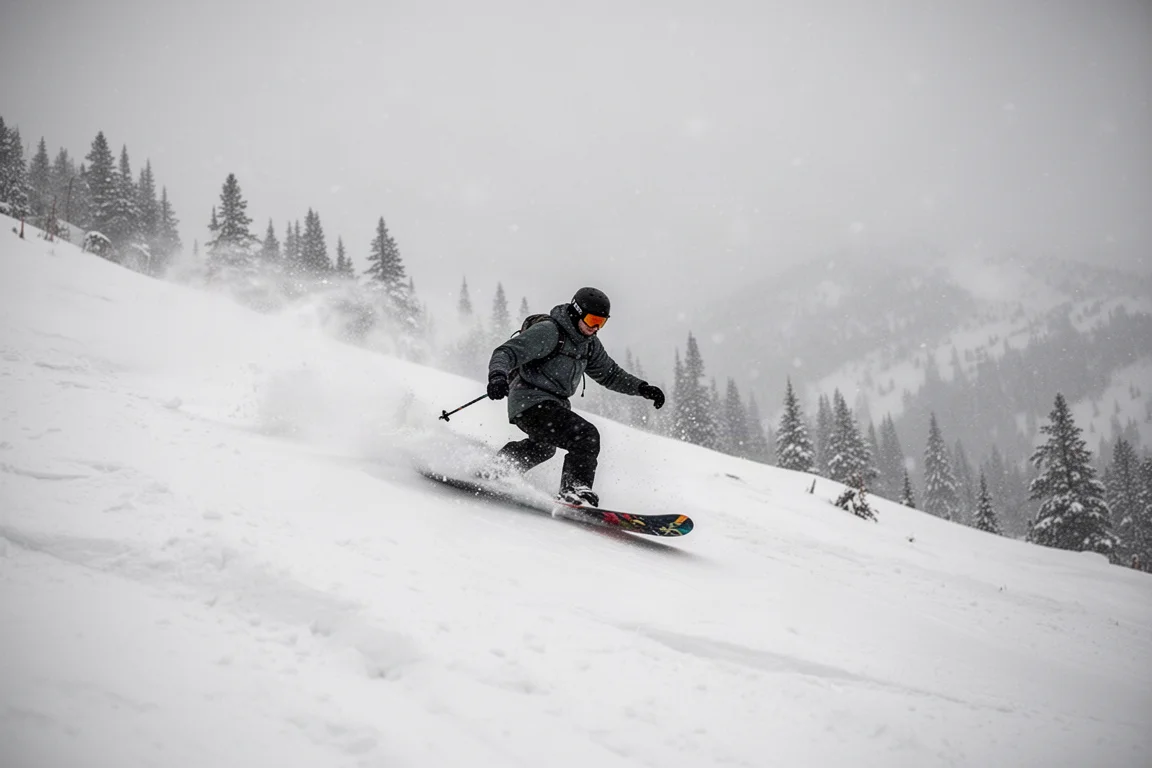
Across all of it, the board stayed composed. It is damp and smooth but remains a little lively thanks to the camber. Chatter at speed only slightly resonates underfoot, and in lumpy terrain it stays on top and skips over everything. Hit something at speed and it has more than enough power to push through rather than get bucked around.
Pop, Jumps, and Side Hits
Because this board is full traditional camber, you have to load it up, and when you do, it behaves like a springboard. Push into the tail and it shoots you forward and up at the exact same time.

This is a board made for launch ramps and side hits, and you want a bit of speed on anything you hit. On jumps it is fully at home in small, medium, and large sizes, and honestly the bigger the better. Load it up and it boosts off the lip, and even riding laid back and letting the lip do the work, you will still catch serious air.
Butters and Jibbing Take Effort
You will be working for any butter you do on this board. The flex pattern is stiffer, with a very minimal sweet spot at the nose and tail and one right dead center where Wired profiles the core. That central flex point lets you twist the board slightly, but to press you have to leverage your weight way out over the nose or sit sideways on the tail until it engages.

When it engages, the board lets you press deep, but it fights you the whole time, and that fight is also what gives you the snap out. You can really pop out of butters once you have leaned into them. Jibbing is similarly not the board’s natural forte: it takes extra effort to press, it resists while you do, but it rewards you with that snap when you come out sideways. On features it cradles around rather than clapping out, locking in nicely.
Carving and Edge-to-Edge Feel
This is where the board feels the most dialed. It is fluid and smooth edge to edge, with solid power and rebound from the camber. Get it on edge, drive your knee into the center, push off the tail, and it slingshots you out of turns. You can lay it over aggressively, and it holds.
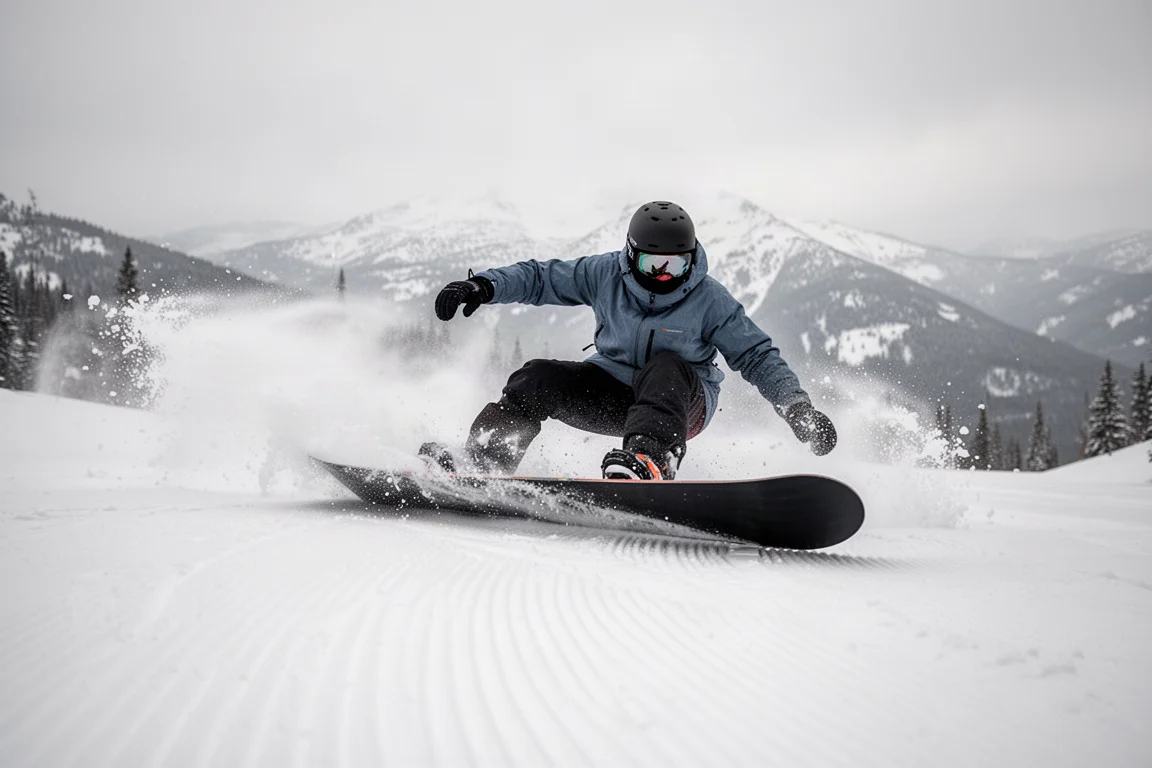
The sidecut handles short, tight, quick carves, medium mellow carves, and deep hard aggressive carves alike. It forces you to engage at the contact point, load it underfoot, then slightly disengage the front and drive the knee into the center to apex the turn.
A Note on the Updated Flex
Since earlier impressions, the flex pattern has been tweaked. The change is subtle but noticeable: you get a bit more power out of your snap and your turns. That extra snap on takeoffs and extra drive out of carves makes an already punchy board feel even more energetic.
Things to Consider Before Buying
- It is a stiffer flexing twin, so expect to ride actively and put energy into it.
- Full camber means it punishes lazy technique, especially on butters and presses.
- Jib-focused riders will work harder here than on softer, press-friendly boards.
- The size range runs from 151 up to 159 with a 158 wide option, which helps fit.
Buying Advice
If you want a true twin that carves hard, boosts off everything, and stays stable through chunder and ice, this board is an easy recommendation. Pair it with a binding that can keep up; the recommended options include the Union Force, the K2 Cinch (Koner Plus), and the Jones Mercury. If you are picking one up, it is worth checking a matching binding review so you can get yourself fully dialed in. Comparable boards worth a look include the Capita Spring Break Resort Twin, the Jones Tweaker Pro, and the Nidecker Sensor Pro.
Conclusion
The Wired Devon Walsh Pro Model is a reward-first board: load it and it pays you back with pop, snap, and drive everywhere it counts. It is not the easiest board to butter or jib on, and that is by design. For riders who still want a full camber twin that does everything with authority, it deserves a spot on your shortlist.
Product link
View more details for Wired Devon Walsh Pro Model
This product is mentioned in the review. Check the specifications, options, and compatibility before buying.
View more details for Wired Devon Walsh Pro ModelFurther reading
Related Reviews

Snowboards
32 Middle Earth Scott Stevens Pro Model Snowboard Review: A Park Board With a Reversed Flex
A medium traditional camber park board with carbon V reinforcement that is stiffer in the tips and more playful between the feet. Here is how it rides and who it suits.

Snowboards
32 Snafu Review: A Directional All-Mountain Freestyle Board with Serious Pop
The 32 Snafu pairs a directional camber-rocker profile with a stiffening tail for powerful carves, big ollies, and a surprisingly damp ride.

Snowboards
32 XXX Pat Fava Pro Snowboard Review: A Stiff Camber Beast for Hard-Charging Riders
A full-width traditional camber deck that rewards aggression with stability and edge power, but demands effort everywhere else.