Snowboards
Wired Devin Walsh Pro Model Review: A Smooth All-Mountain Freestyle Snowboard
A traditional camber all-mountain freestyle board with consistent pop, a smooth ride through chop, and flex zones that hold butters and presses.
Introduction
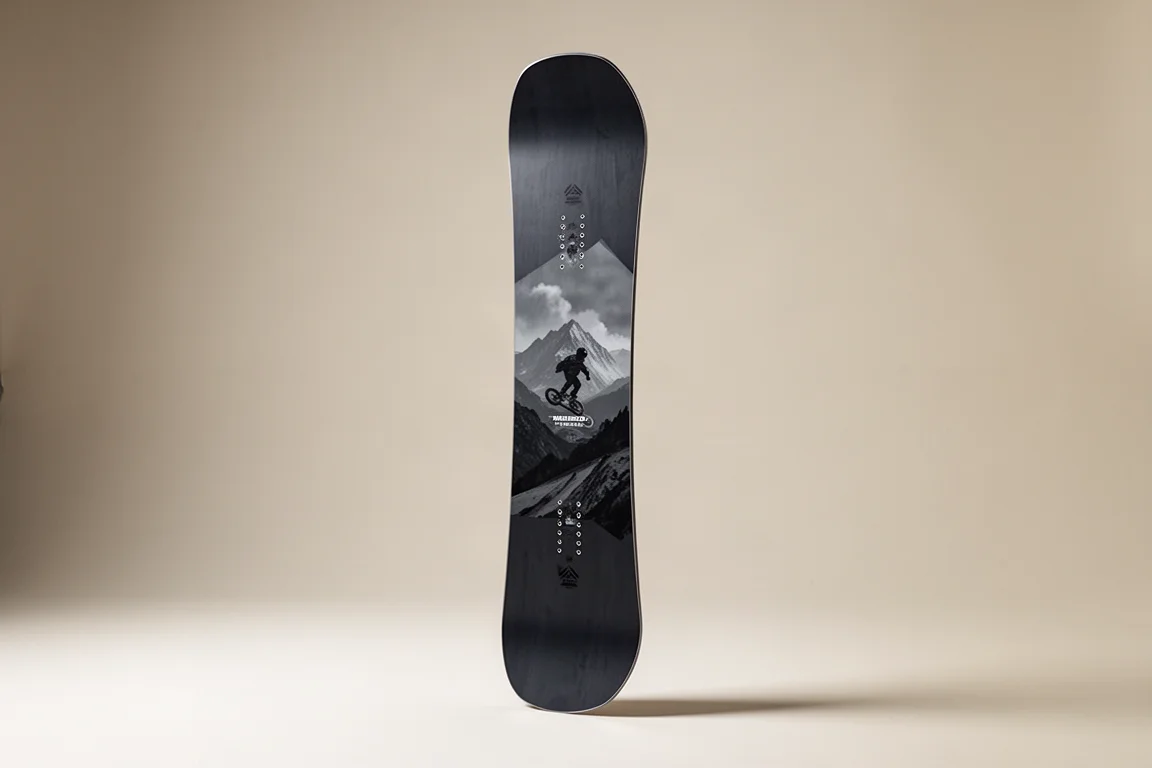
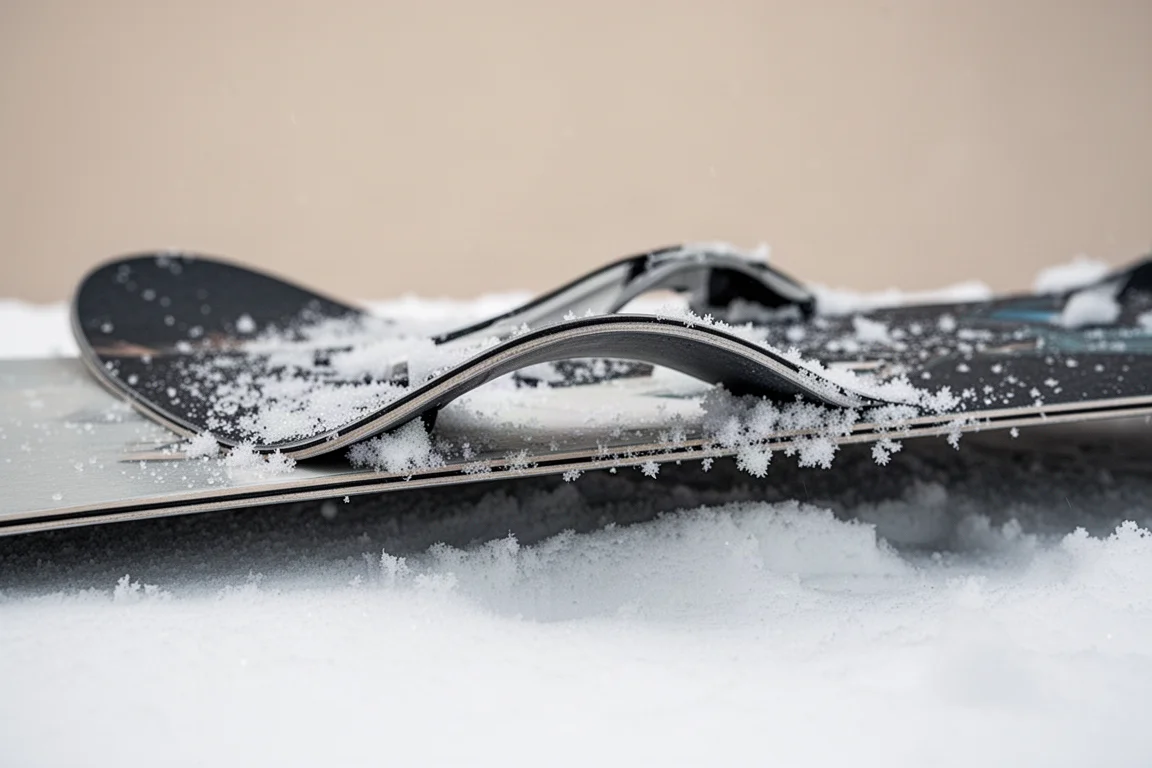
The Wired Devin Walsh Pro Model is a traditional camber snowboard built for all-mountain freestyle riding, offered in 153, 155, 157, 159 and 158W lengths. Traditional camber runs from contact point to contact point, which is where the board’s load, pop, snap and edge drive come from.
On snow at Arapahoe Basin, conditions were an overcast day with warmish temperatures and two to four inches of sugar snow falling on top of baked old powder, alongside chopped chunder and soft groomers. The board was ridden with Rome Black Label bindings and K2 Thrax boots.
The short version: this is a board that feels immediately familiar, delivers consistent pop when you load it, and stays composed when the snow turns rough.
Who This Snowboard Is For
This is a board for the all-mountain freestyle rider who wants a smooth ride. It suits someone who splits time between jumps, jibs, butters and groomers rather than chasing one discipline exclusively.
There is a consistency to riding a Wired snowboard, whether it is a first experience with the brand or a return to it. That consistency comes from the design approach behind the line, shaped by an owner who has been building boards since the 90s. The practical result is a deck that feels like it does not need a break-in period. You can step on it and ride it anywhere.
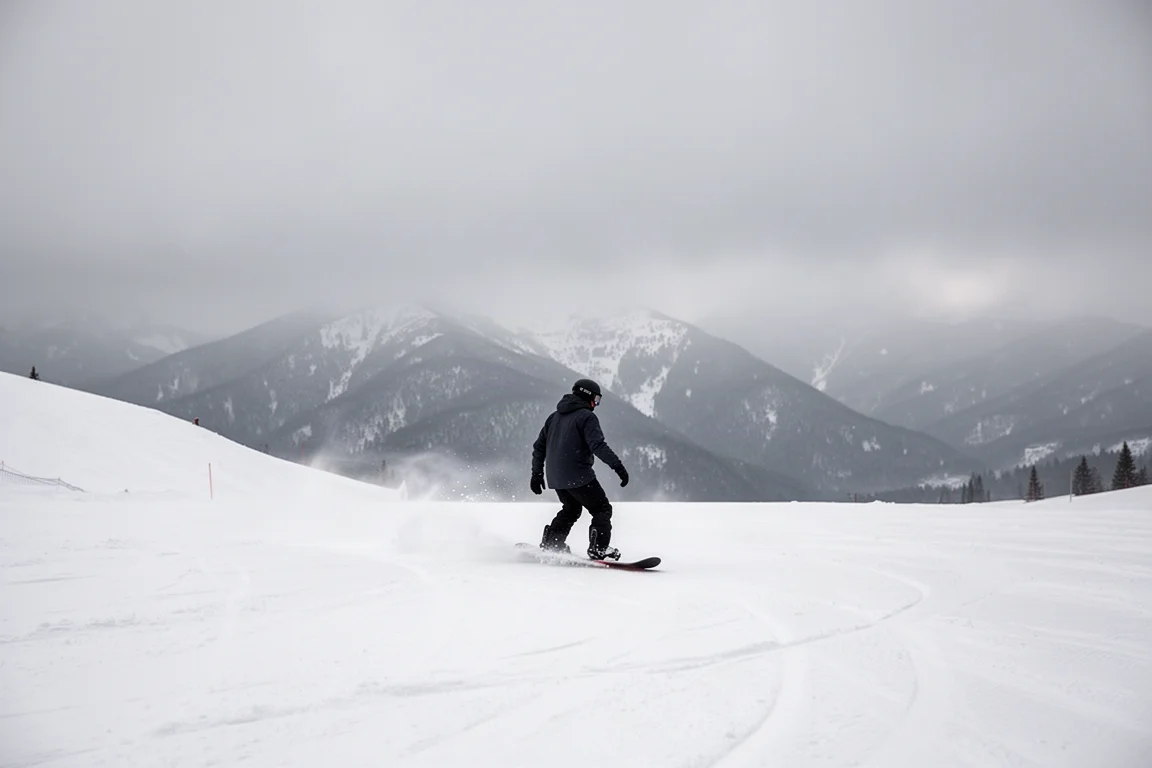
Riders who like to ankle steer, make quick setup turns, and keep things mellow will find the board cooperative at low speed. It does not demand Mach 10 pace to come alive, though it rewards riders who push it.
Main Strengths
The flex is one of the more interesting details. Just past the inserts through the middle, the board feels slightly stiffer than a middle-of-the-road all-mountain freestyle deck. Out in the tips, it reads as a true middle-of-the-road all-mountain freestyle flex. Torsional flex is present and there is a little rebound, but nothing overly abundant.
Stability is where the board separates itself. It is smooth rather than damp. Chatter in the tips gets rubbed out, and you feel the board underfoot rather than disconnected from it. On a groomer there is a little flap and a hint of micro vibration, but when you are plowing through chop and chunder at speed, it cuts through everything with ease. You never really have to think about it.
Pop, Snap, and Jump Performance
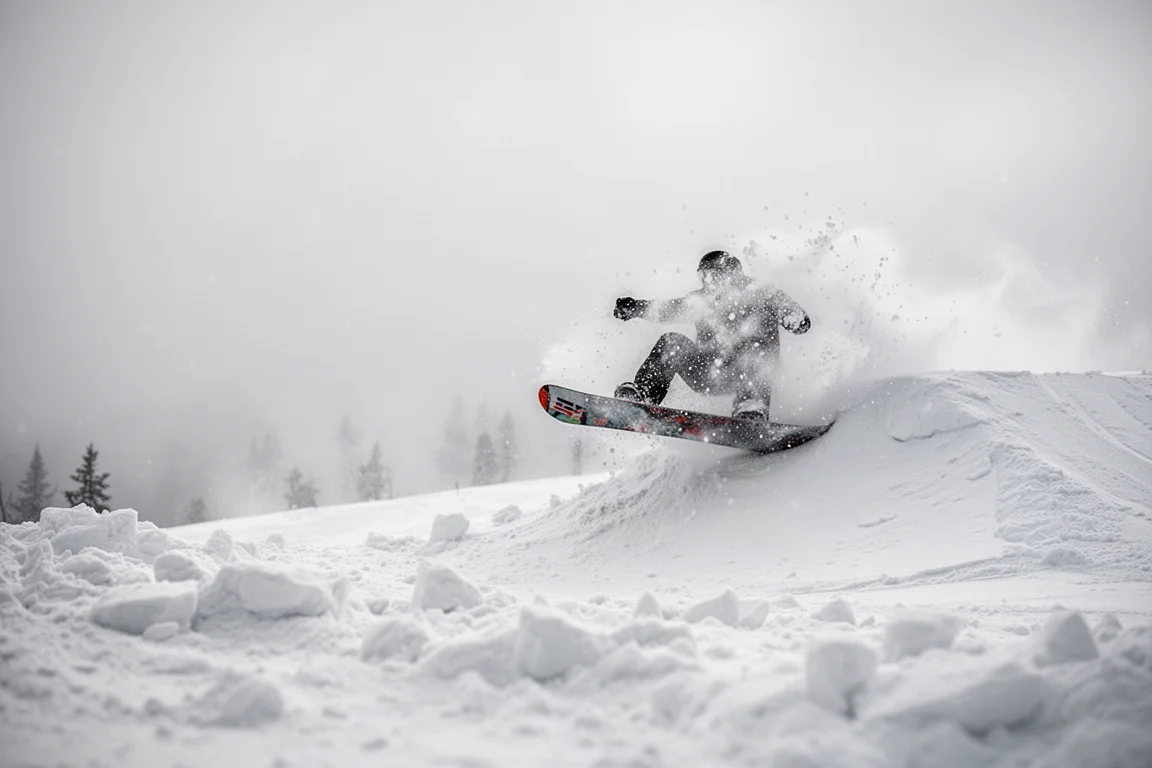
Because the profile is traditional camber, you do have to load the board to get the most out of it. What comes back is a consistent rebound. It snaps the same way every time, which removes the guesswork about whether you are over-calculating or under-calculating a takeoff. The moment you load it up, you know you are going to pop.
That predictability makes side hits fun, turns cat track gaps into small launchers, and lets you send it a little further off a roller. Jump performance follows the same pattern. Even on modest terrain, the board popped a little higher and travelled a little further than expected. As a pro model, it should handle small, medium and large jumps without issue.
Buttering, Jibbing, and Carving Feel
The board effectively has two flex zones. The key flex points sit in the tip and the tail, roughly midway between the end of the inserts and the contact point. Lock into one of those for a butter and it holds, letting you do what you want while the camber section retains enough spring to pop you out of it.
That carries over to jibbing. It locks into presses and holds until you reach the end, then snaps out. Going sideways, there is just enough give for the board to cradle around the feature without folding out. Low speed goes a long way here, though you do not have to be riding flat out to get the most from it.
Carving is defined by a consistently smooth transition from toe to heel. It feels like a board you have turned a thousand times, whether it is your first day or your hundredth on it. Ankle steering and quick setup turns come naturally, and when you lay it over you can drive it from the middle of the board back through the tail to apex out of the turn. It is not the most mind-blowing laid-over carve, but it gets the job done. Short, tight, quick turns and medium mellow carves are its strong suit.
Things to Consider Before Buying
The flex profile is tuned, not universal. Riders who prefer a softer, more playful deck throughout, or a stiffer freestyle platform, will notice the split between the middle and the tips.
When you lay the board over hard, you will find a limit. It arrives suddenly, like hitting a wall, and you know instantly that you cannot go further. Aggressive carvers chasing deep, high-edge-angle arcs should weigh that against the board’s smoothness elsewhere.
On groomers there is a small amount of flap and micro vibration, and the tips will chatter. Underfoot it stays readable, and once you are in chop or chunder the board settles and cuts through cleanly. Traditional camber also means you have to load the board to access its pop, so riders who want effortless ollies from a flat, loose platform may want to look elsewhere.
Sizing is worth planning for. The range covers 153 through 159 plus a 158W, so heavier riders and those with larger boots have a wide option to work with rather than being pushed into a longer length.
Buying Advice
Match the length to your weight, boot size and how much time you spend in the park versus on groomers. The 158W is the pick for larger boots or riders who want a wider platform underfoot. Riders who prioritize quick, tight turns and medium mellow carves will get the most out of the shorter options in the range.
If you are pairing bindings, the board has been ridden with Rome Katana, Now Select Pro and Union Ultra setups, all of which sit comfortably within its all-mountain freestyle remit. Rome Black Label bindings and K2 Thrax boots were the setup used on the days described here, and nothing about the board fought against them.
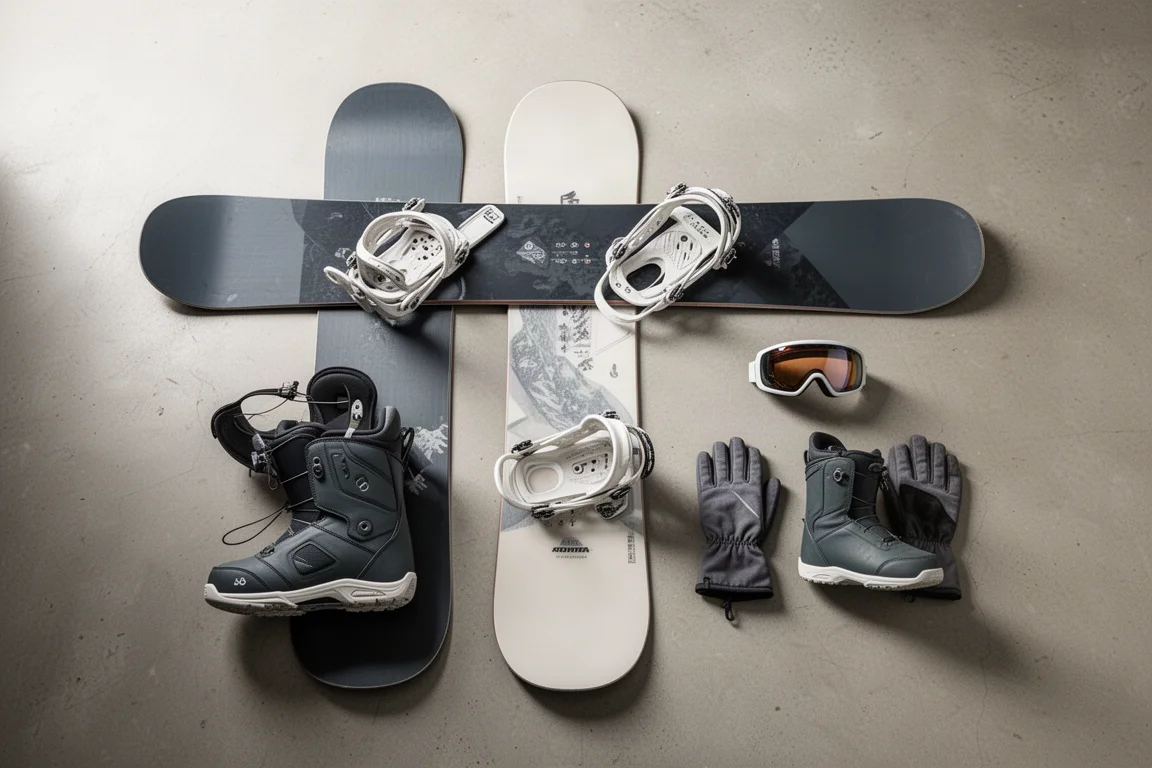
For riders cross-shopping, the Capita Super D.O.A., Yes Standard and Ride Shadowban occupy similar all-mountain freestyle territory. The Wired Devin Walsh Pro Model’s differentiator is not a single headline number but the overall smoothness: it translates into more power, less leg fatigue, the ability to boost higher and the confidence to rail a turn.
Conclusion
The Wired Devin Walsh Pro Model is a strong all-mountain freestyle snowboard with good snap, solid edge hold and a smooth, non-damped feel that keeps you connected to the snow. Its flex split, consistent camber pop and forgiving tip and tail flex points make it equally happy on a jump line, in a press or on a soft groomer. Buy it if you want a board that feels broken in from the first run and rewards a rider who likes to do a bit of everything.
Product link
View more details for Wired Devin Walsh Pro Model
This product is mentioned in the review. Check the specifications, options, and compatibility before buying.
View more details for Wired Devin Walsh Pro ModelFurther reading
Related Reviews

Snowboards
32 Middle Earth Scott Stevens Pro Model Snowboard Review: A Park Board With a Reversed Flex
A medium traditional camber park board with carbon V reinforcement that is stiffer in the tips and more playful between the feet. Here is how it rides and who it suits.

Snowboards
32 Snafu Review: A Directional All-Mountain Freestyle Board with Serious Pop
The 32 Snafu pairs a directional camber-rocker profile with a stiffening tail for powerful carves, big ollies, and a surprisingly damp ride.

Snowboards
32 XXX Pat Fava Pro Snowboard Review: A Stiff Camber Beast for Hard-Charging Riders
A full-width traditional camber deck that rewards aggression with stability and edge power, but demands effort everywhere else.