Snowboards
Wired Chase Snowboard Review: A Camber-Driven Powder Chaser That Demands Effort
The Wired Chase pairs traditional camber with a stiff directional flex and setback stance. Here is how it rides in deep snow, and who it actually suits.
Introduction
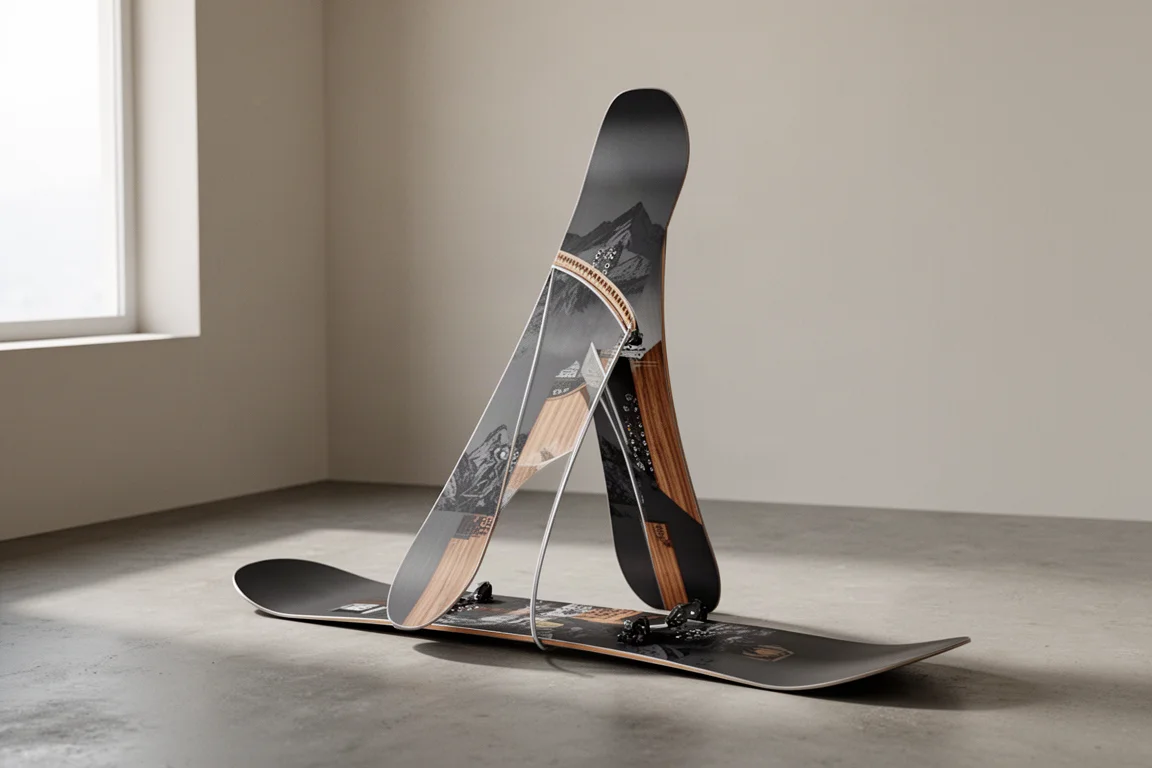
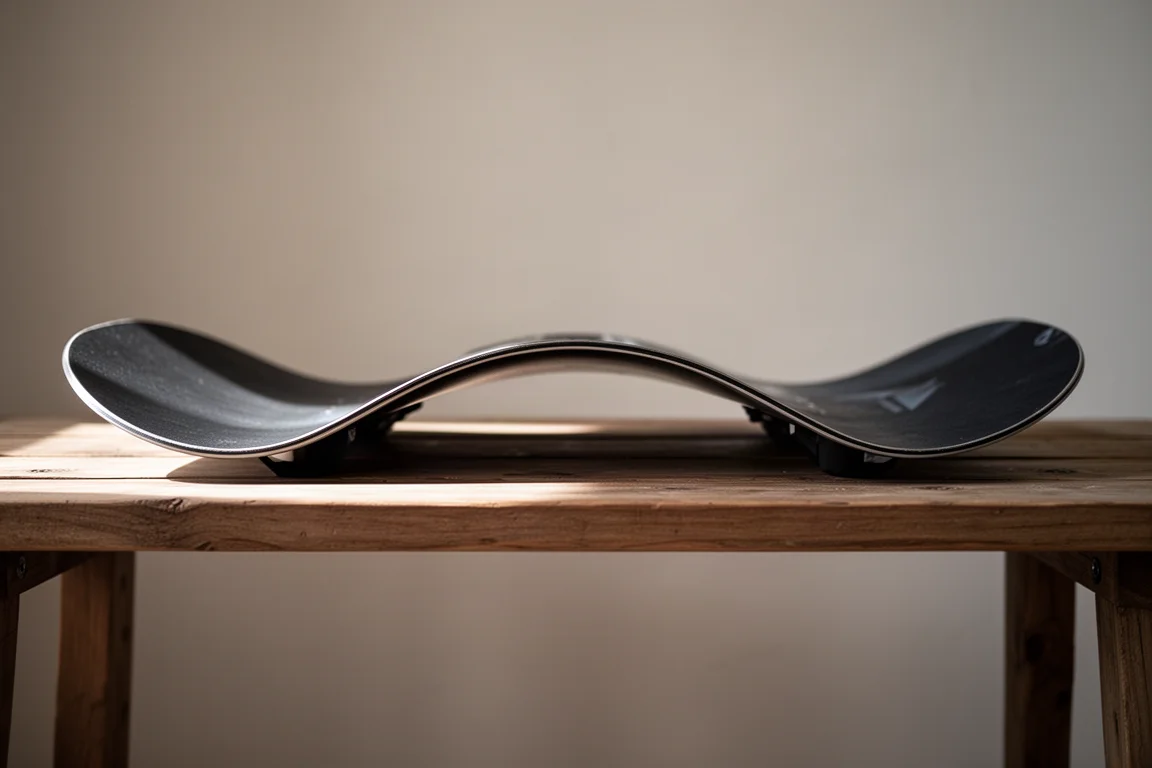
The Wired Chase is a powder-oriented snowboard built around old-fashioned traditional camber, and it makes no apologies for it. From contact point to contact point you get the full camber arc, which translates into power, pop and drive in the places camber excels. In deep or heavy snow, though, it asks for more from the rider than a rocker-dominant pow stick would.
This review is based on riding the board at Copper Mountain in late spring on a day that received more than two feet of snow, ideally the conditions a board like this is designed for.
Design and Flex
The Chase is a directional freeride board with a flex on the stiffer side. It is not a full-blown plank, but it leans stiff: the nose is slightly softer, the flex stiffens just past the front contact points, and it progressively gets stiffer back to the tail. Negative core profiling between the insert packs adds a touch of torsional flex, so you can get a little ankle steering into the board, though not a lot.
The stance is set back, which is great for floating a nose in powder but reduces the tail you have to work with. That matters when you try to pop: you need to load the camber up, lift the nose and be a bit more calculated to get the board off the ground. The snap is okay rather than exceptional. It gets the job done, but this is a board that really just wants to stay on the ground.
On-Snow Impressions
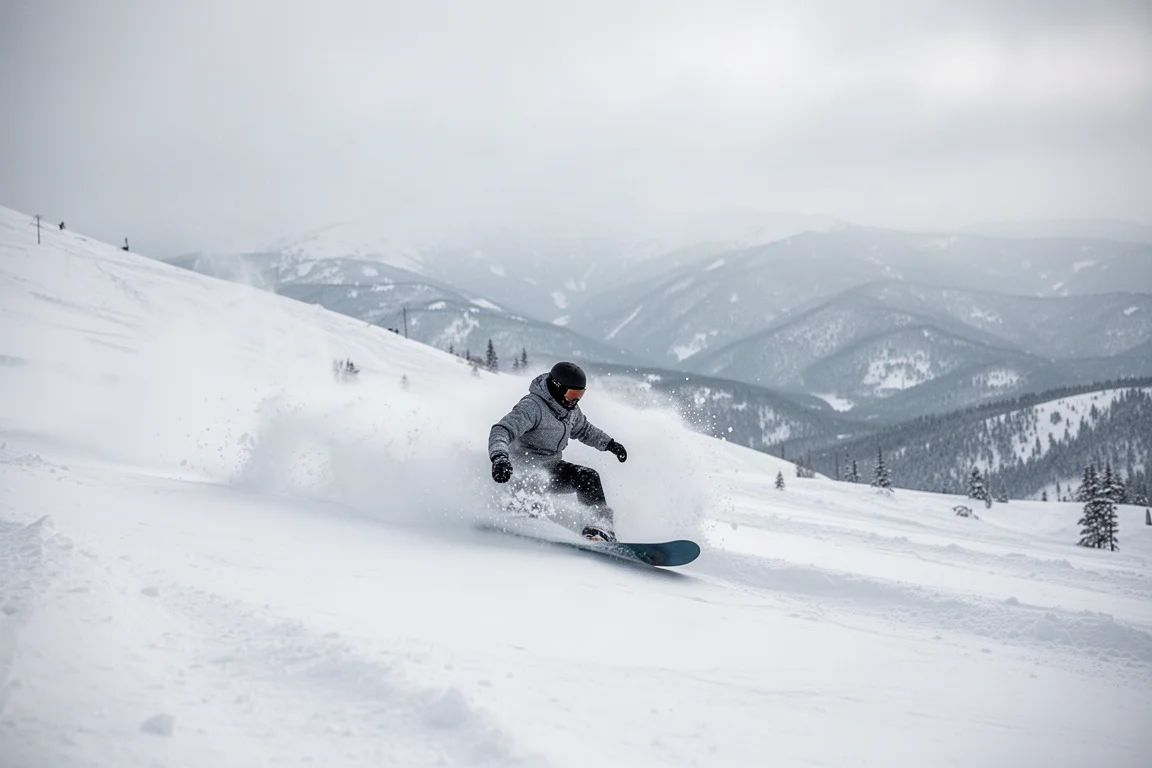
Riding fresh snow on a day when most of the mountain had already been tracked out, the Chase still allowed for finding untracked pockets of heavy powder between the chop. In genuinely deep snow with speed, it is a lot of fun: drop in, cutbacks, throwing sprays, smacking the lip. The board is very directional and rewards committing to that style of riding.
The catch is engagement. The Chase takes a while to get onto edge. You have to drive into the camber, leverage your weight forward to get the front contact point to grip, and even then you are still kind of fighting it through the transition. If the snow is heavy and the nose sinks, the board pulls you down like a submarine, and you have to really push into the camber and lean back to bring it back up. On a deep, heavy day it can be exhausting if you are not pushing it to the max.
Carving and Handling
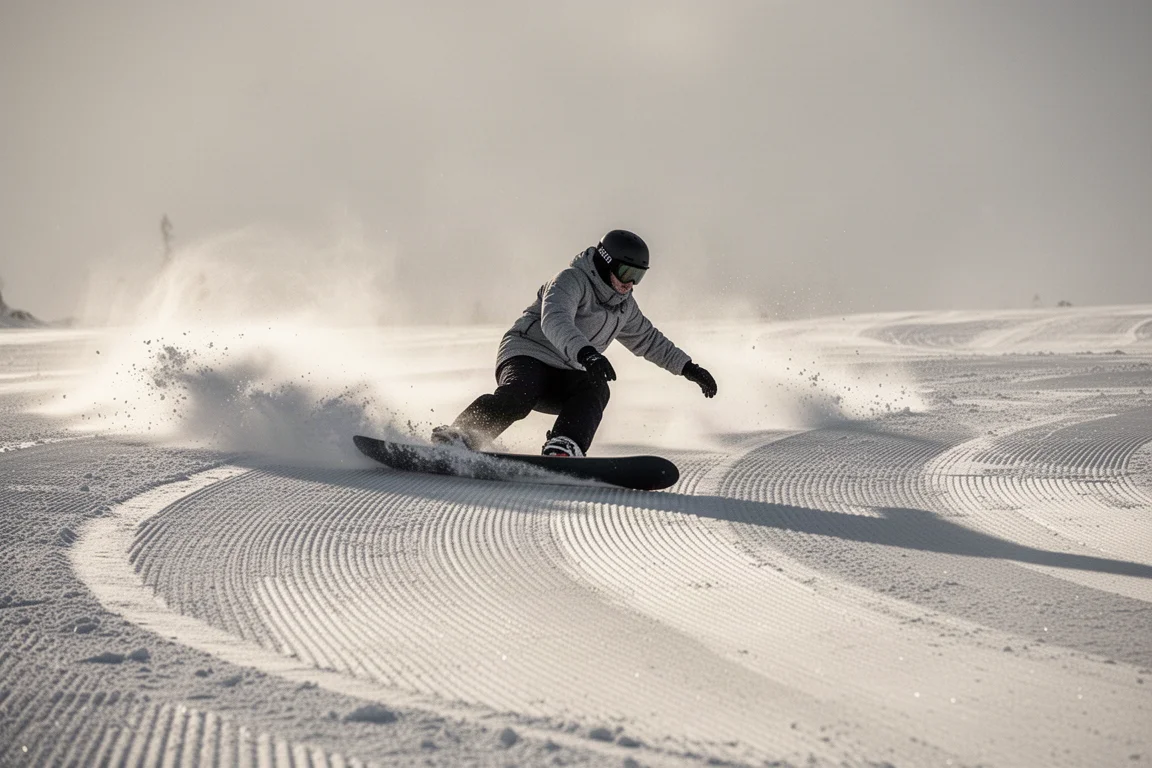
Slow riding is where the Chase struggles most. Short, tight, quick carves are hard at low speed, and if you are going slow you are working hard the whole time. Medium, mellow carves are where it shines: get it on edge and swoop from one side to the other.
Bring it up to speed and everything changes. The board becomes quicker and more nimble, and you end up guiding it with the front foot, steering under that front foot rather than out at the contact point. You slightly engage the contact point, push into the camber, and drive off the tail with both feet at the same time.
In terms of stability, if you hit speed and skip over something, the board skims right over it. But if you ram through something at the wrong angle in an aggressive turn, it will buck you. That happened more than once during testing. On groomers and flat powder there is a little chatter in the nose that resonates slightly underfoot, but not enough to really matter.
Who This Board Is For
The rider in mind here is the camber-loving powder chaser who wants a swallow-tail feel on the stiffer side of the spectrum. If you enjoy driving a board, leveraging camber and riding with speed and commitment, the Chase fits that brief. If you want a low-effort, surfy pow board or something forgiving at low speeds, this is not it.
The board could be improved, in this tester’s view, by shortening the camber section and adding a slight flat zone before the nose. That would make it easier to engage and help it plane better in fresh snow.
Recommended Bindings and Comparable Boards
For bindings, the recommendations are the Union Atlas Pro, the Jones Apollo and the Rome Cleaver. Pairing the Chase with a stiff, supportive binding matches the flex of the board and the way it wants to be ridden.
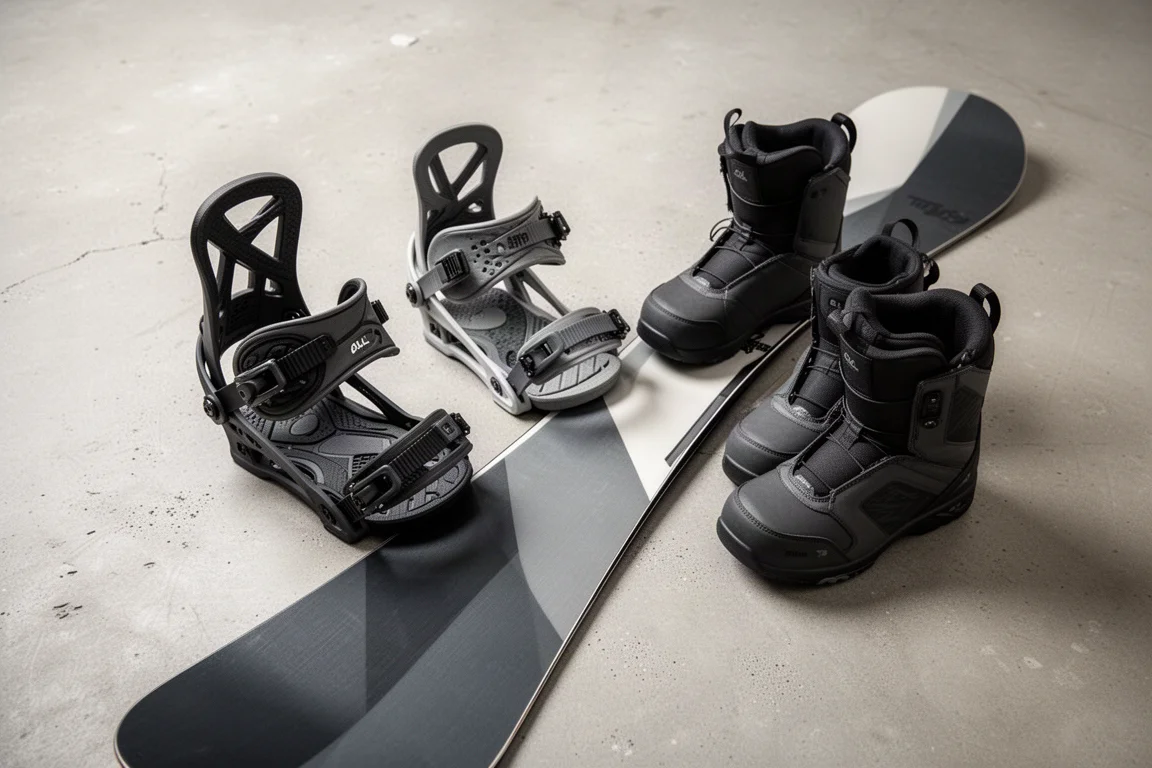
Comparable boards worth cross-shopping include the Lib Tech Retro Ripper, the Ride Mountain Pig and the Borealis Leviathan.
Conclusion
The Wired Chase is a traditional camber powder board that rewards speed, commitment and strong technique. With momentum it turns quick and nimble, throws satisfying sprays in deep snow and delivers the power and drive camber riders expect. Without it, you are working hard the whole time, and in heavy snow the nose can sink and drag the board down. If you are a stiff-flex, camber-first powder chaser, it is a compelling pick. If you want an easygoing surf-style pow board, look elsewhere.
Product link
View more details for Wired Chase
This product is mentioned in the review. Check the specifications, options, and compatibility before buying.
View more details for Wired ChaseFurther reading
Related Reviews

Snowboards
32 Middle Earth Scott Stevens Pro Model Snowboard Review: A Park Board With a Reversed Flex
A medium traditional camber park board with carbon V reinforcement that is stiffer in the tips and more playful between the feet. Here is how it rides and who it suits.

Snowboards
32 Snafu Review: A Directional All-Mountain Freestyle Board with Serious Pop
The 32 Snafu pairs a directional camber-rocker profile with a stiffening tail for powerful carves, big ollies, and a surprisingly damp ride.

Snowboards
32 XXX Pat Fava Pro Snowboard Review: A Stiff Camber Beast for Hard-Charging Riders
A full-width traditional camber deck that rewards aggression with stability and edge power, but demands effort everywhere else.