Outdoor Gear
Winter Ultralight Backpacking Gear List: 12 Pieces That Earned Their Place
A cold-weather ultralight kit carried in a 45 liter pack, covering the gear that worked, the trade-offs worth knowing, and one shelter lesson worth learning from.
Introduction
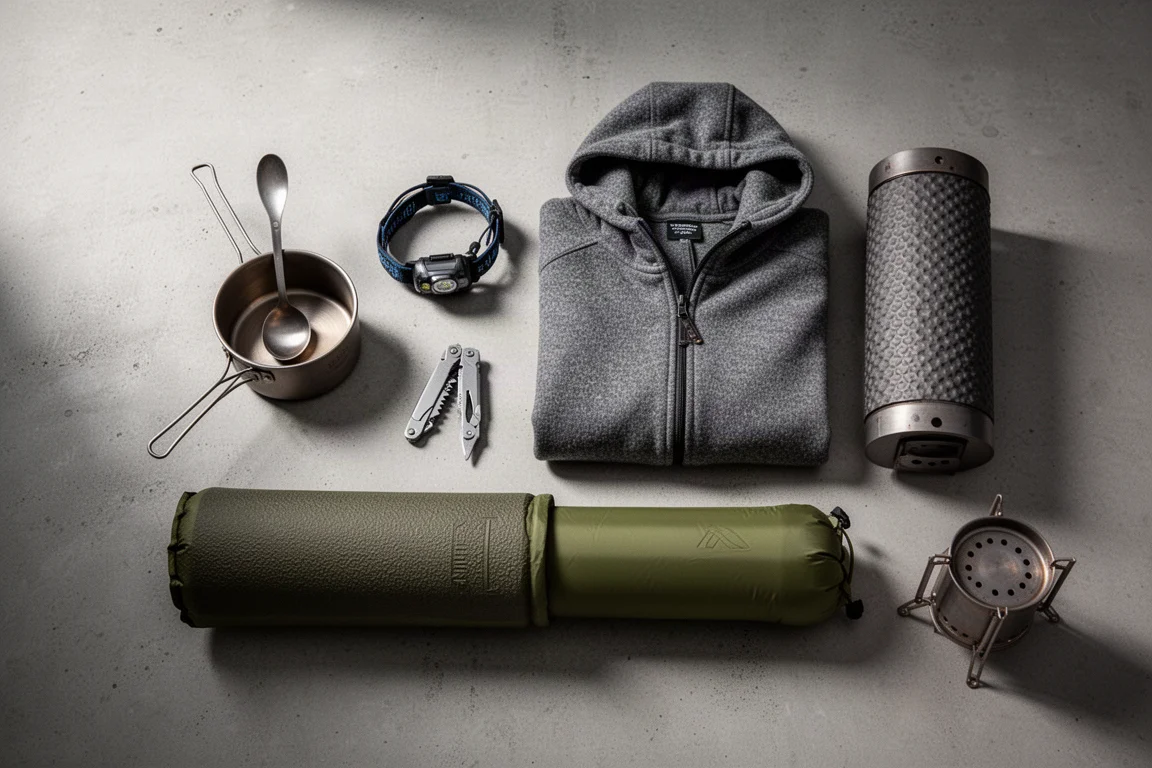
Cold-weather backpacking puts every piece of gear under pressure. A kit that feels light and simple in summer suddenly has to keep you warm when the temperature drops to 41 degrees below freezing, and small weaknesses become obvious quickly. This setup was carried in a 45 liter pack with a base weight of around 18 pounds, and it included a hot tent for the coldest hours.
Below is a look at the pieces that earned their place, the items that came with a workaround, and the one shelter that will not be returning.
How This Winter Kit Came Together
Most winter backpackers carry 75 to 100 liter packs, but this kit fit into a 45 liter pack with room to spare. The base weight came in around 18 pounds, including a few extra pieces that were packed in a rush and never needed. A smaller pack makes a real difference when climbing hills and breaking trail through snow, because every kilogram is harder to move in cold conditions.
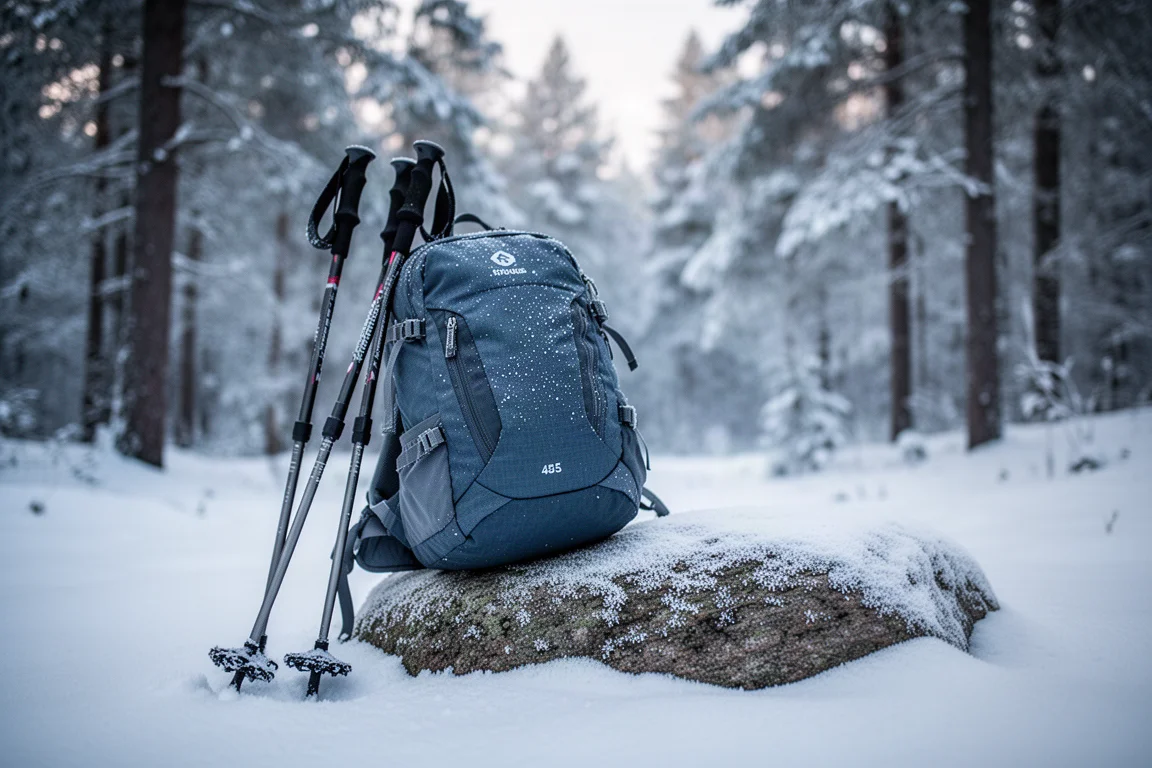
The layering strategy behind the kit was simple: hike in one thin layer, switch to warmer wool layers at camp, and use closed-cell foam plus an inflatable pad under a cold-rated sleeping bag. Water went into a bottle that could take hot water and be pushed to the bottom of the pack. A small carbon fiber tripod, a battery bank, and a handheld GPS device rounded out the outside pockets, along with food that stayed in the hip belt pockets for easy access.
Lighting and Pocket Tools
Small items that live in a hip belt pocket are the ones you reach for most, so they need to be light, durable, and easy to find without taking the pack off.
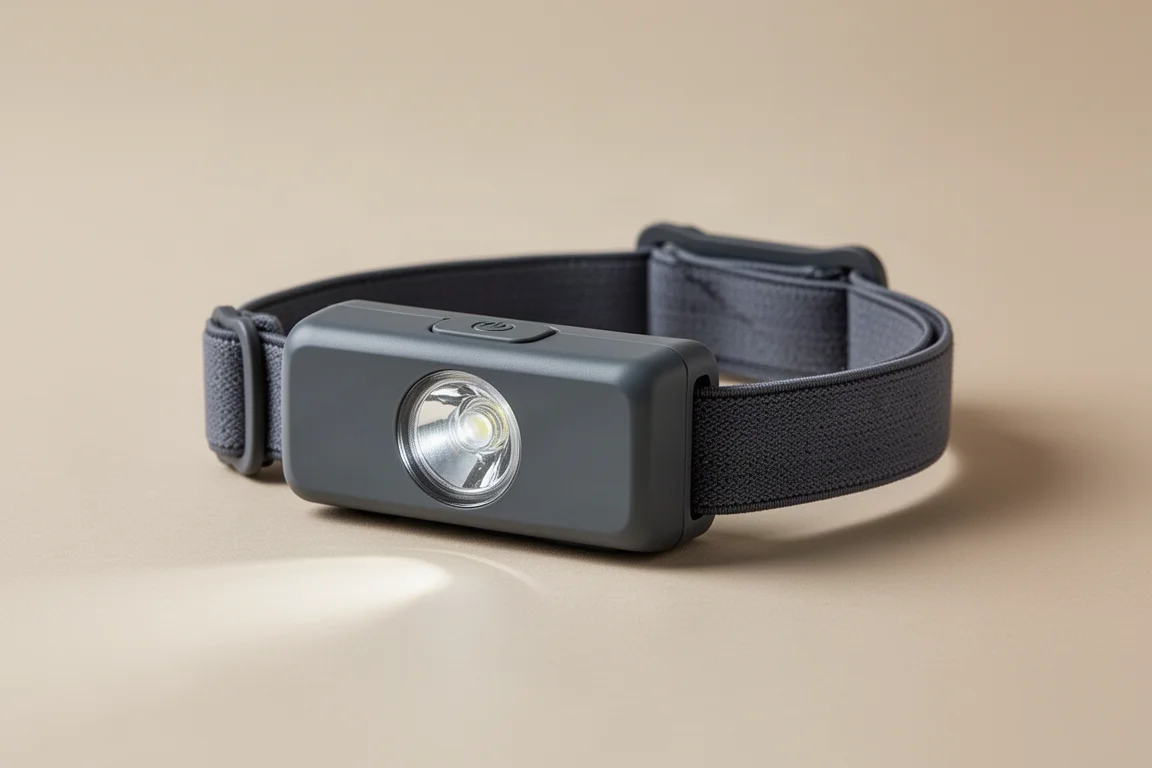
Nitecore NU25 Headlamp
The headlamp stayed in a hip belt pocket for the entire trip, which is where a light belongs when daylight fades quickly and you need it without digging through the pack. It is small enough to disappear into the kit and bright enough for cooking, sorting gear, and adjusting layers around camp.
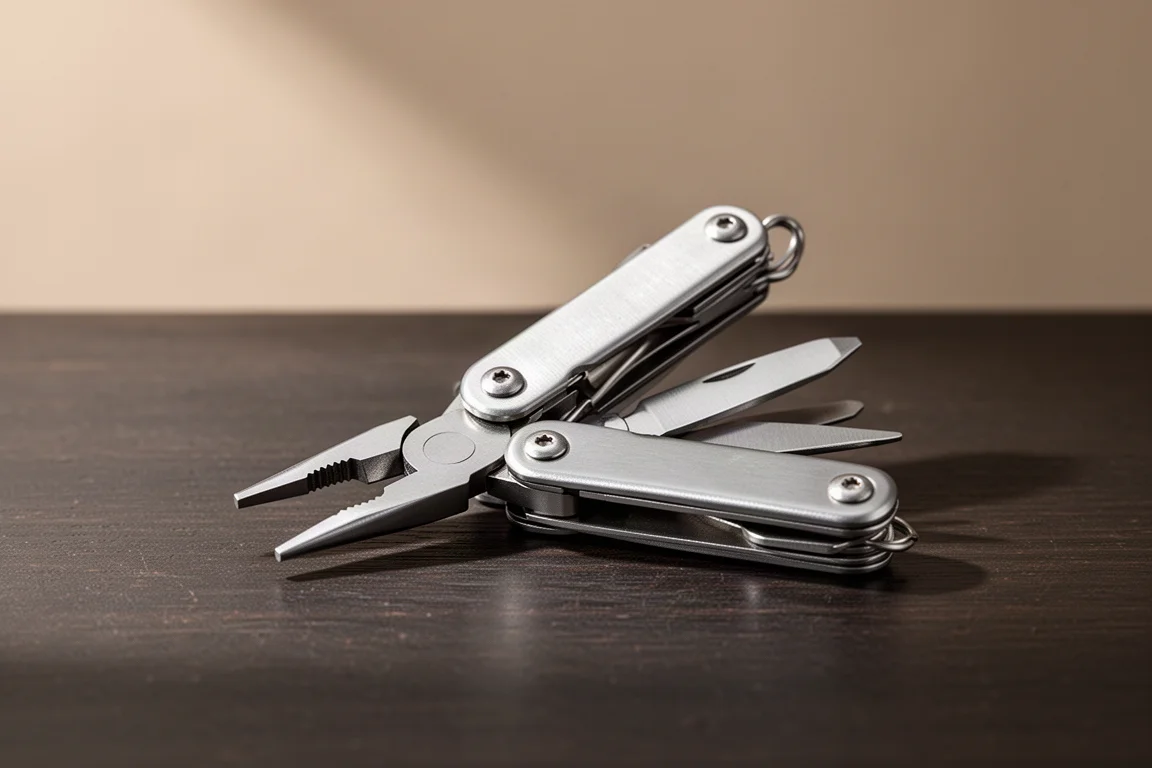
Gerber Dime Multi-Tool
A tiny multi-tool that covers small repairs, tightening hardware, and the odd job that would otherwise need a knife and pliers. It weighs almost nothing and sits comfortably in a hip belt pocket next to the headlamp.
Cook Kit and Fire Starting
Cold mornings and long nights make the cook kit more than a cooking tool. It becomes the centre of camp, and the difference between a quick hot drink and a frustrating half hour often comes down to small details.
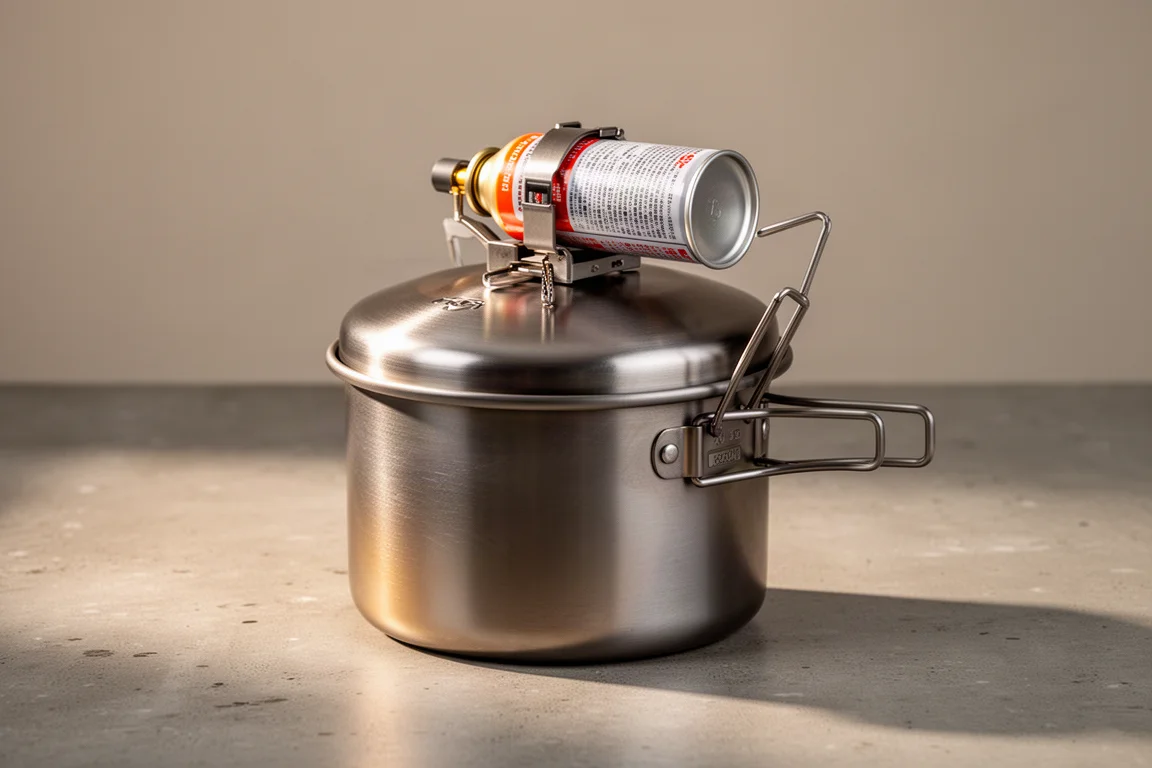
TOAKS 550ml Pot
A 700ml pot was carried on this trip on the theory that a larger capacity would help with melting snow. Snow never needed melting, and the larger pot does not have the internal hash marks that make the 550ml version easier to measure with. For solo cooking, the smaller pot remains the better choice.
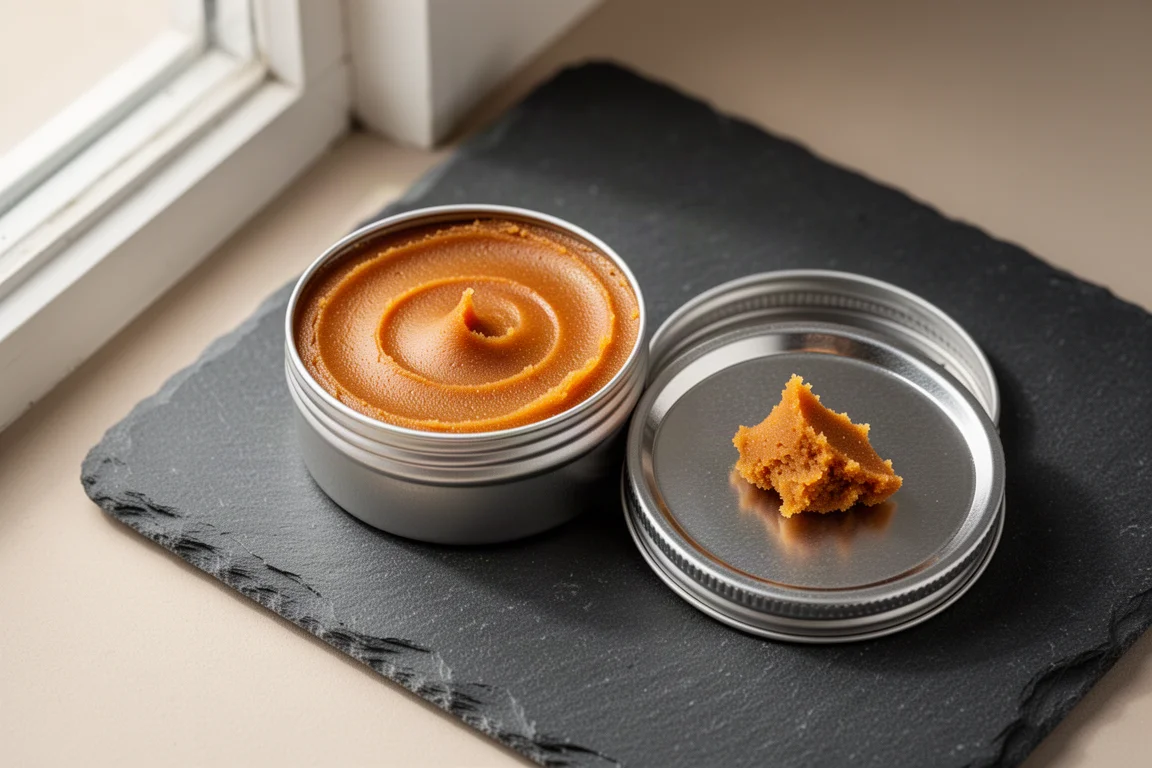
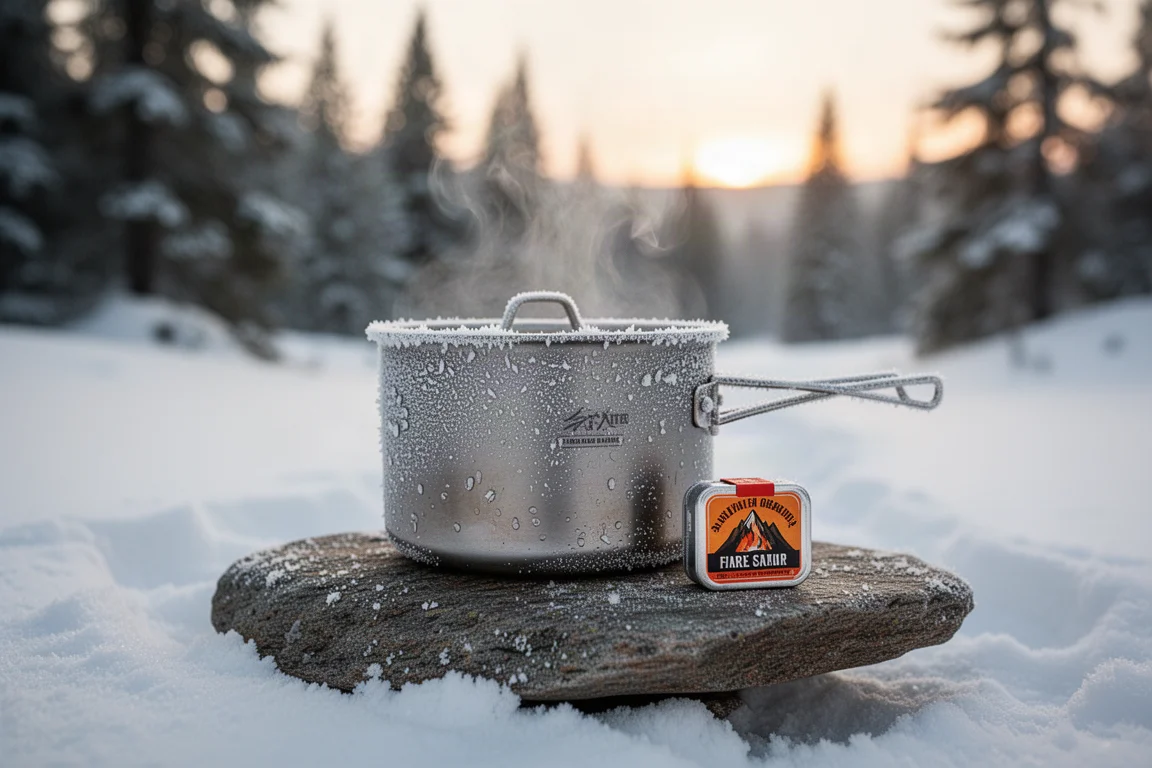
Pyro Putty Fire Starter
This moldable fire starter was the most important small item in the safety kit. Because you take only the amount you need rather than a pre-formed block, it is efficient and easy to ration. It made relighting the stove in cold, windy conditions far simpler, and after two trips there was still some left in the tin.
Layering for Camp and Cold Mornings
The clothing system follows one rule: keep moving in something thin and fast-drying, then change into warmer, moisture-managing layers the moment camp is reached. Getting that transition right matters more than owning the warmest single jacket.
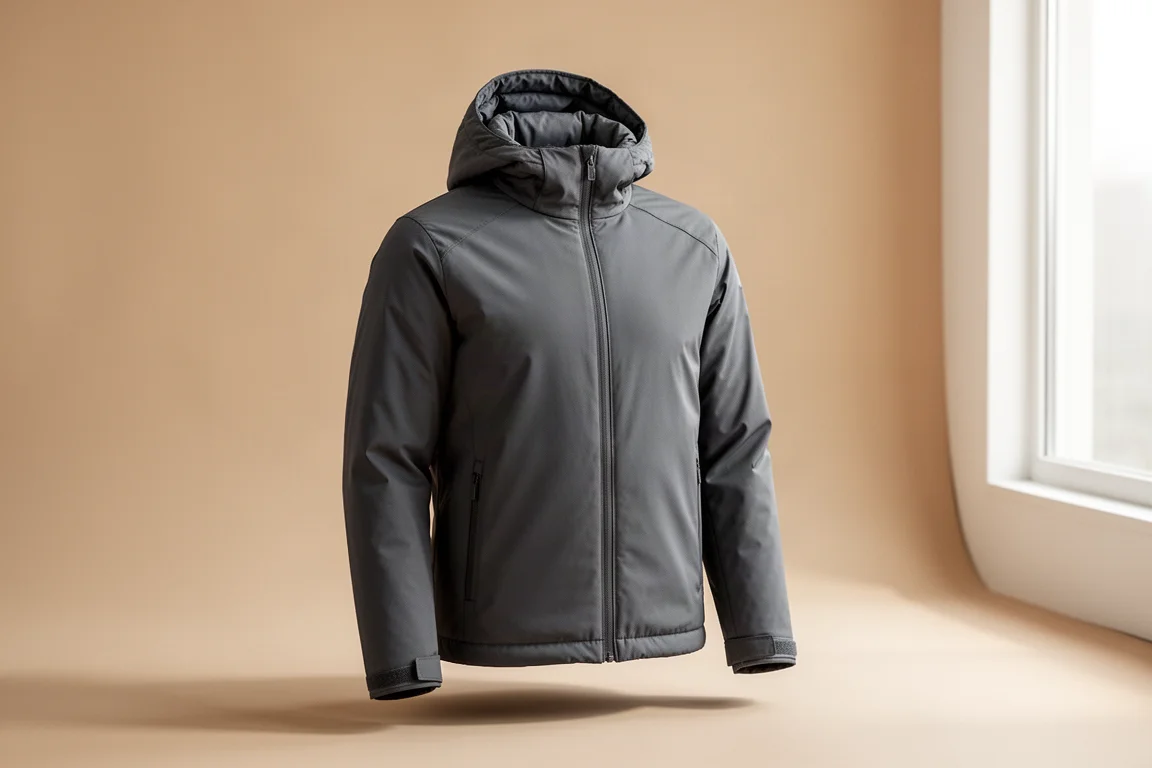
Nova Pro Jacket
Setting up camp in strong wind is when a jacket has to work immediately. This piece cut the wind far better than a typical puffy thanks to its fabric construction, warmed things up quickly, and turned a frantic few minutes into a manageable one.
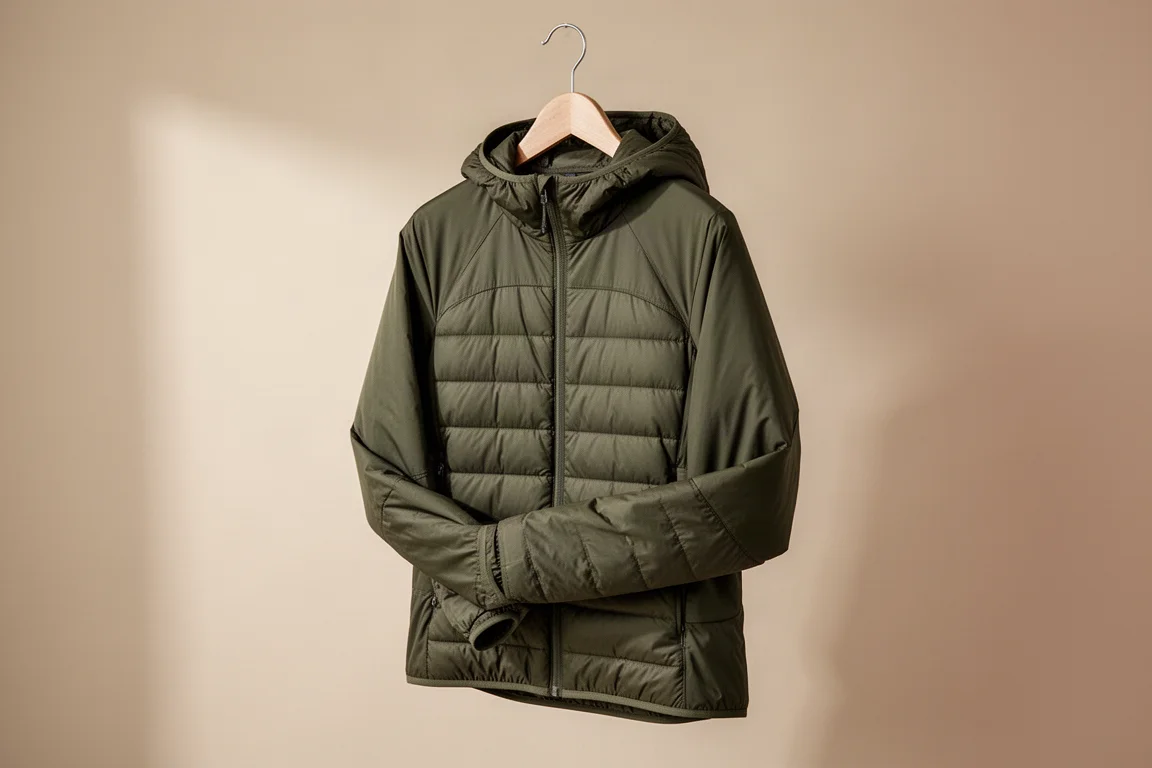
Ventus Jacket
This was the hiking layer, and it performed exactly as intended: it cuts wind, adds insulation, and still breathes well enough to wear while moving. For cold-weather approaches it hit a useful balance between warmth and airflow.
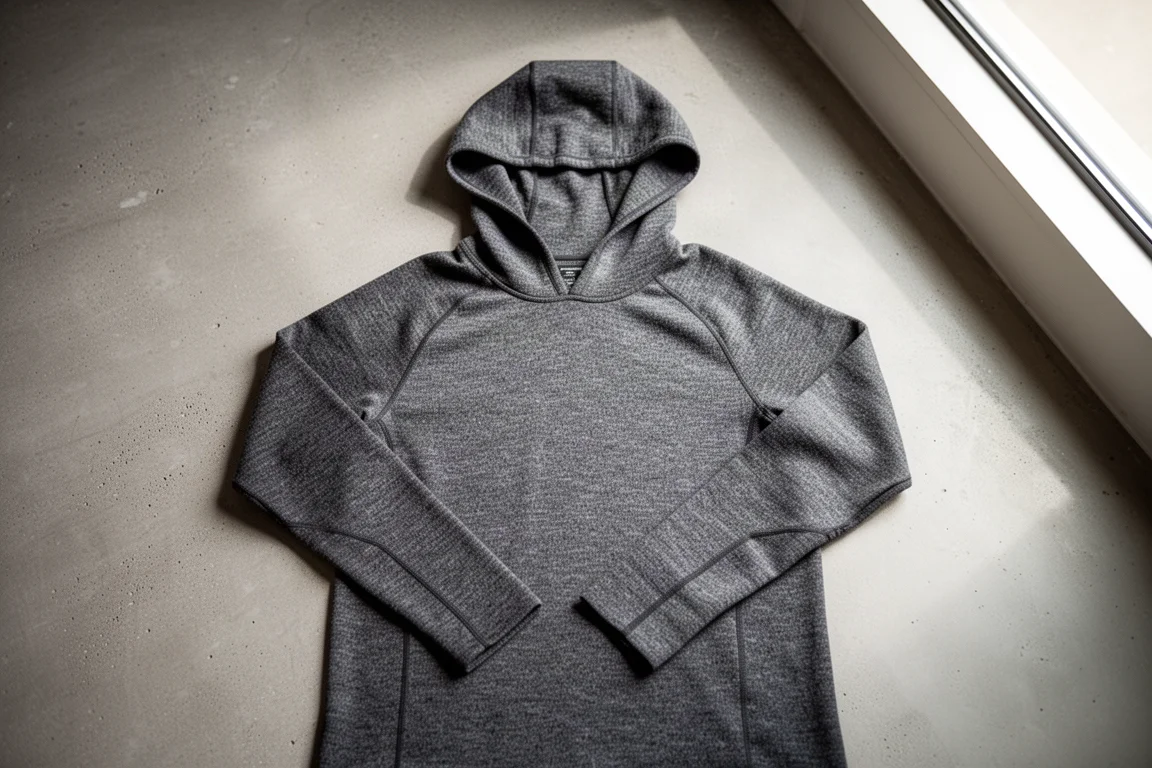
DragonWool Hoodie
Wool next to skin feels warmer and manages moisture better than a thin synthetic layer, which is why this hoodie became the camp layer. It was comfortable enough to sleep in and was worn again for the hike out the following morning. It is heavier than a polyester sun shirt, so on trips where two base layers are packed, this is the one that stays in the pack until camp.
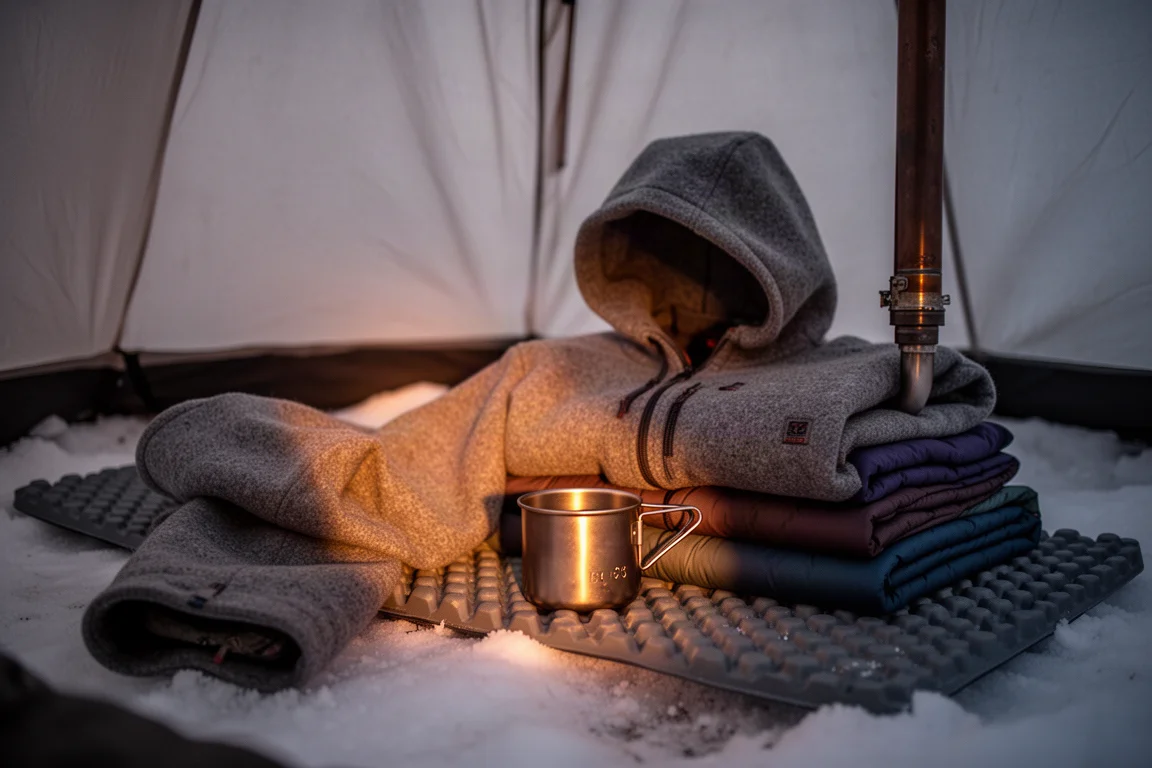
The hoodie also layers cleanly over the thinner hiking shirt, which means the changeover at camp takes seconds rather than minutes. That matters when fingers are cold and the wind is picking up.
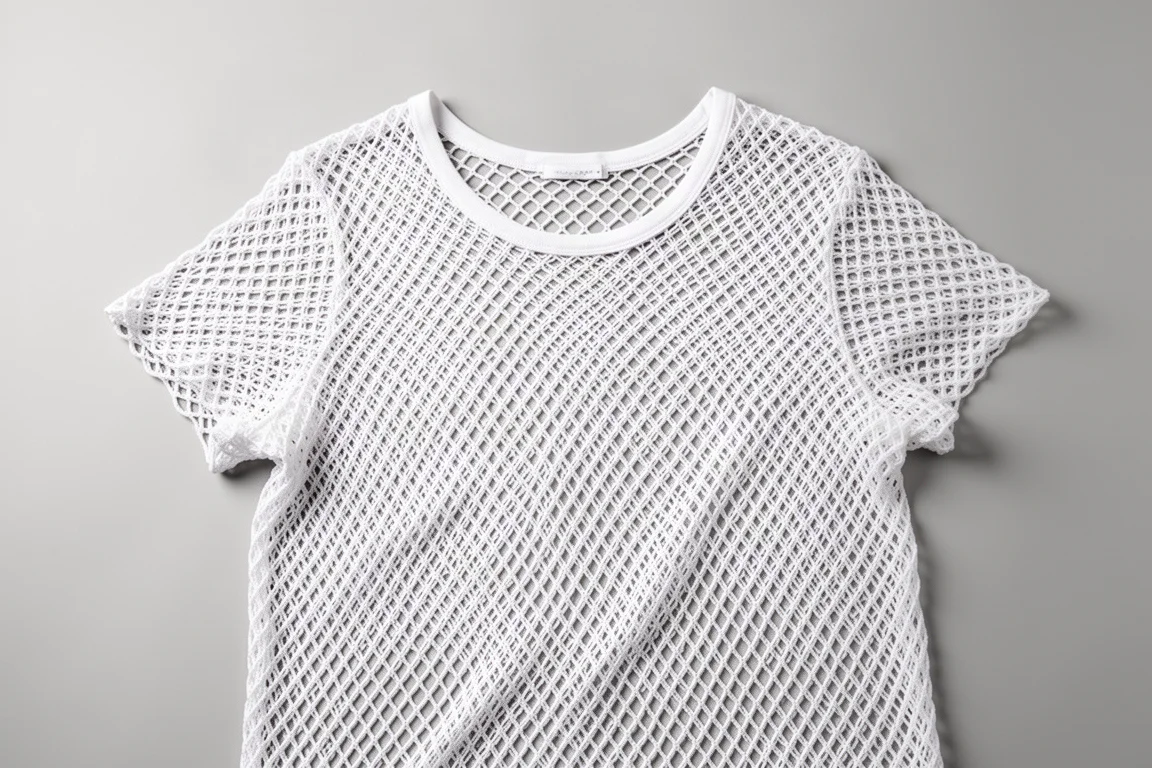
Brynje Fishnet Base Layer
A fishnet base layer worn underneath the wool layers adds warmth in a way that is easy to overlook. The open netting traps air against the body when you stop moving, and because the structure is mostly air, it still breathes while you are active. Worn as part of a layered system at camp, it worked well.
Sleep System
Winter sleep comfort comes from stacking systems rather than relying on one item. A cold-rated bag, an insulated inflatable pad, and a foam pad underneath it are the standard combination, and each piece covers a different weakness.
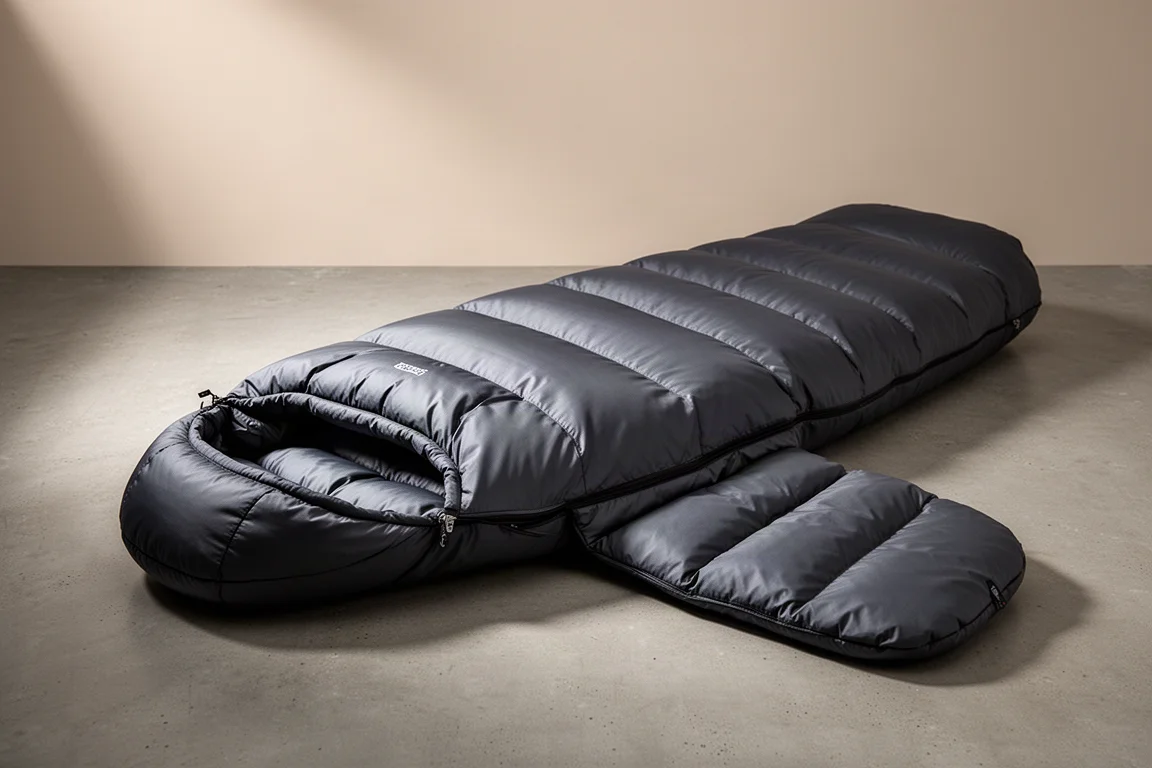
Summit Sleeping Bag
A minus 15 degree rated bag handled the coldest hours of the trip. The regular fit left less room for layering inside, which is why a balaclava became a critical part of the sleep system rather than an optional extra.
Therm-a-Rest NeoAir Sleeping Pad
With a four-plus R-value, this inflatable pad covers most of the ground insulation, but not all of it. In deep winter it is best treated as the top half of a two-pad system.
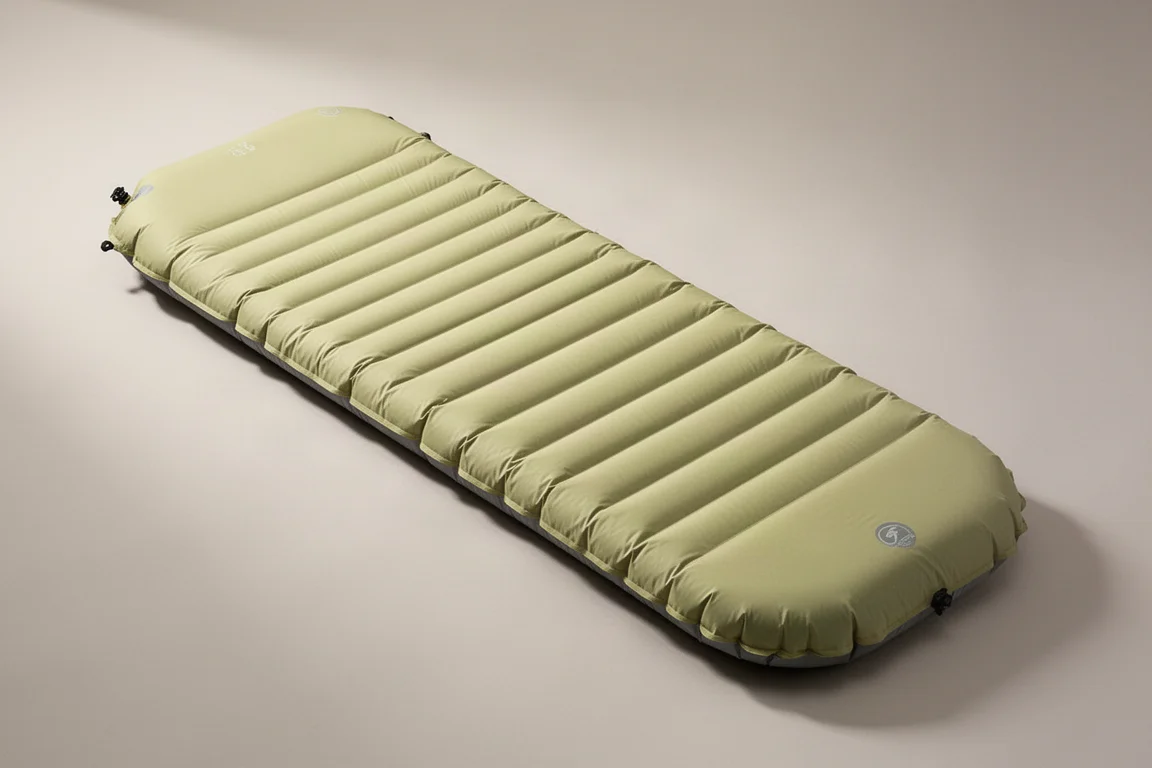
Nemo Switchback Sleeping Pad
A closed-cell foam pad under the inflatable adds meaningful warmth and doubles as somewhere dry to sit while moving around the shelter. It never needs inflating, which is one less thing to worry about at the end of a long day.
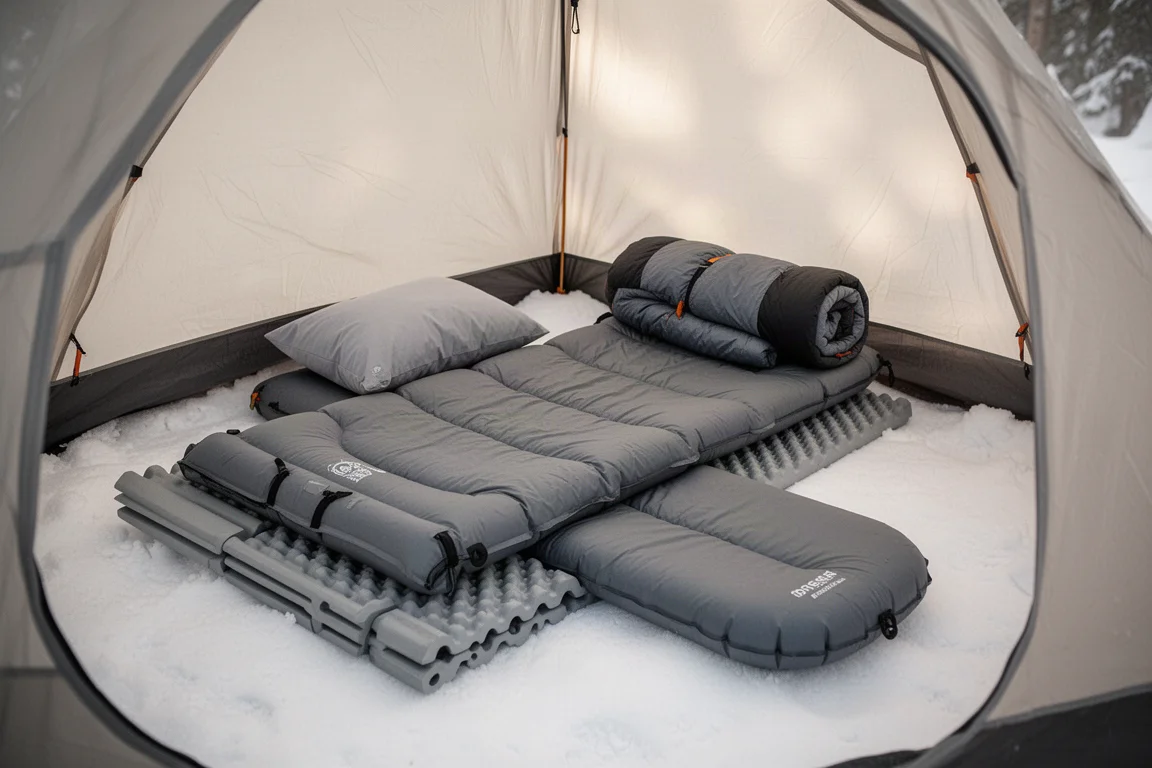
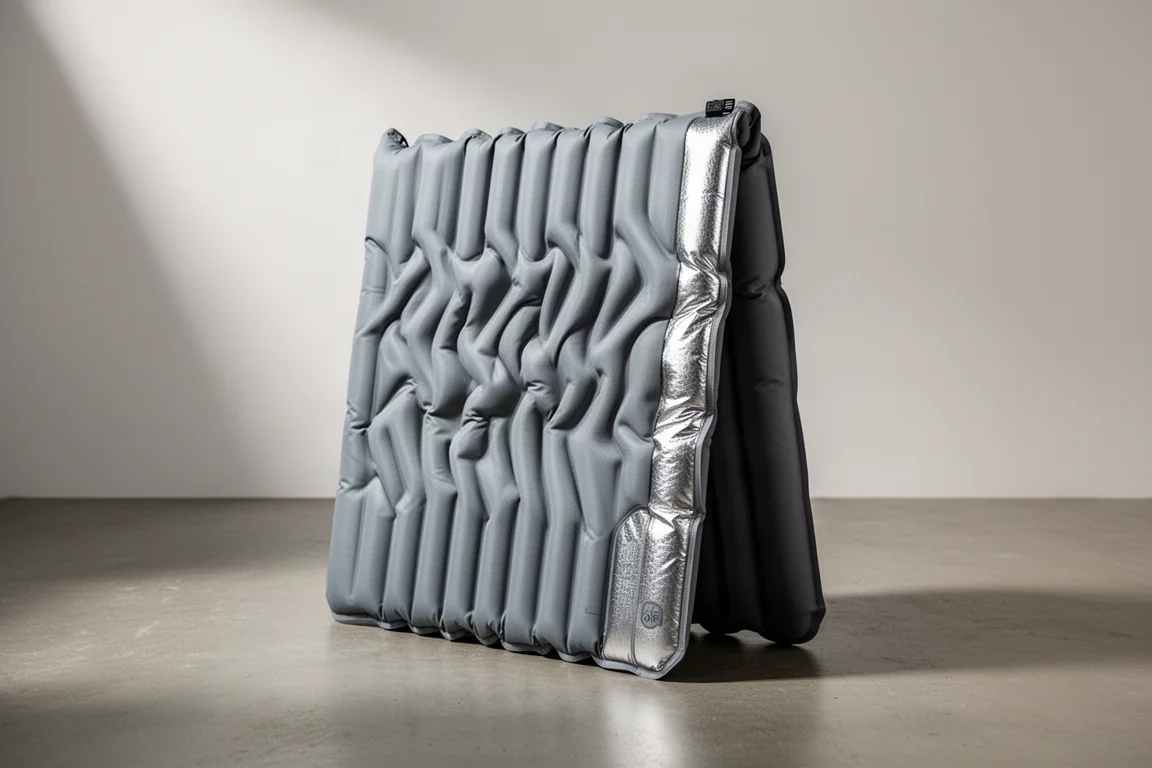
Layering the two pads also smooths out uneven ground and reduces the chance of a cold spot forming under the hips or shoulders.
Shelter and Heat
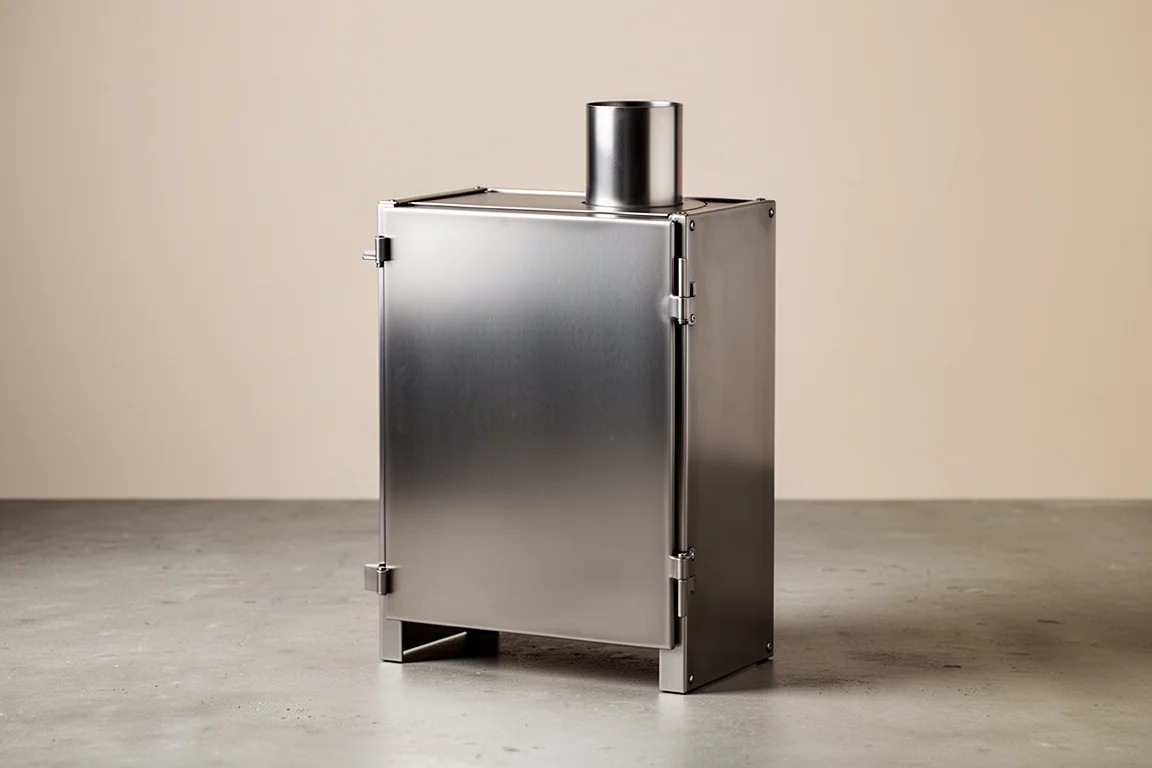
Seek Outside U-Turn Stove
A titanium wood stove weighing around two pounds is what makes a floorless shelter genuinely comfortable in deep winter. It dries damp layers, melts water, and turns a cold evening into something worth looking forward to. Placement matters: keeping the stove central in the shelter spreads heat through the whole space instead of leaving the far end frozen.
Firewood is the other half of the equation. A lightweight folding saw with a single blade is the lightest practical way to process dead wood, and it is far easier to carry than a hatchet.
What I Am Leaving Behind
One piece is not coming back. A floorless shelter could not be pitched taut, either in the backyard or on the mountain, and the bottom few inches of the zipper would not close. When wind-driven snow started finding its way under the sides, everything inside was covered. With the wood stove placed off-centre, the far end of the shelter stayed cold as well.
The lesson is worth more than the gear. Buying from a company with a long track record reduces risk, and buying from a newer company means reading reviews carefully and understanding the finished details before committing. This purchase was rushed, and the flaws were exactly the kind of small, unpolished angles that only show up in the field.
Buying Advice
Match the kit to the conditions rather than to a spec sheet. If nights are going to be well below freezing, budget for two sleeping pads, a bag rated colder than you think you need, and a windproof layer that can go on the moment you stop moving. Weight savings matter most in the big four: pack, shelter, sleep system, and insulation.
Layering is where the real gains are. A thin, fast-drying hiking layer plus a warmer wool layer for camp covers more situations than a single heavy piece, and it manages moisture far better. For gloves, leather palms are worth having if you handle a titanium stove, and a synthetic pair dries faster than wool. Small items such as a fire starter, cordage, and a compact multi-tool earn their weight the first time something goes wrong.
Finally, test new gear before it matters. A shelter that will not pitch taut in the yard will not pitch taut on a mountain in wind.
Conclusion
This kit worked because every piece had a job and the layers could be combined as conditions changed. A 45 liter pack, around 18 pounds of base weight, a hot tent stove, and a carefully chosen sleep system made a trip at 41 degrees below freezing manageable and, more importantly, enjoyable. The one piece left behind is a reminder that the details matter as much as the specification.
Further reading
Related Reviews
Outdoor Gear
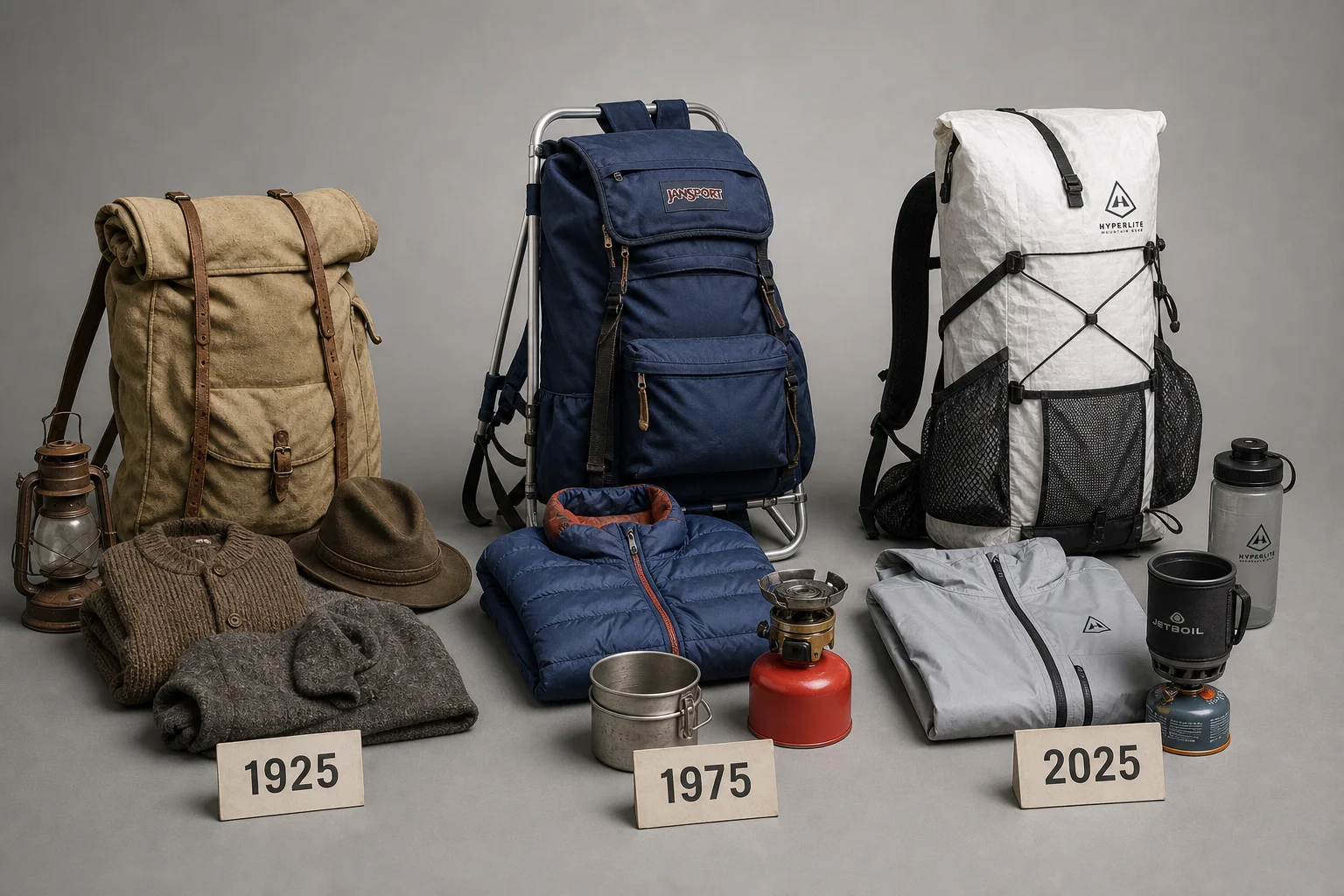
Backpacking Gear Evolution: 100 Years of Technology Compared
We tested backpacking gear from 1925, 1975, and 2025 across a three-day hike in Yosemite. Here's how technology has transformed comfort, weight, and the outdoor experience.
Outdoor Gear
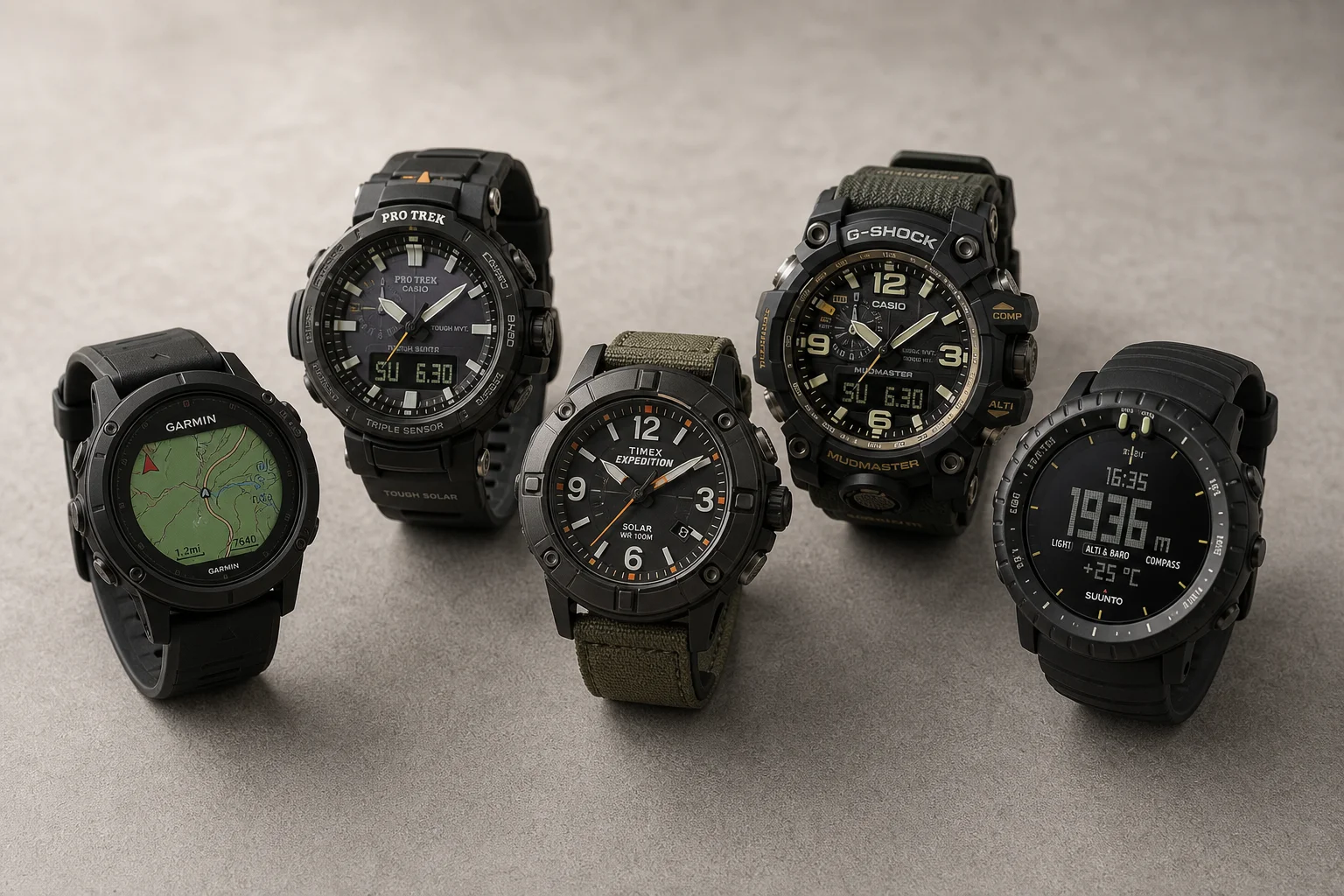
Best Affordable Hiking Watches: Five Rugged Options for Outdoor Adventures
Five durable hiking watches that balance ruggedness, functionality, and value for outdoor enthusiasts who need reliable GPS tracking and weather resistance.
Outdoor Gear
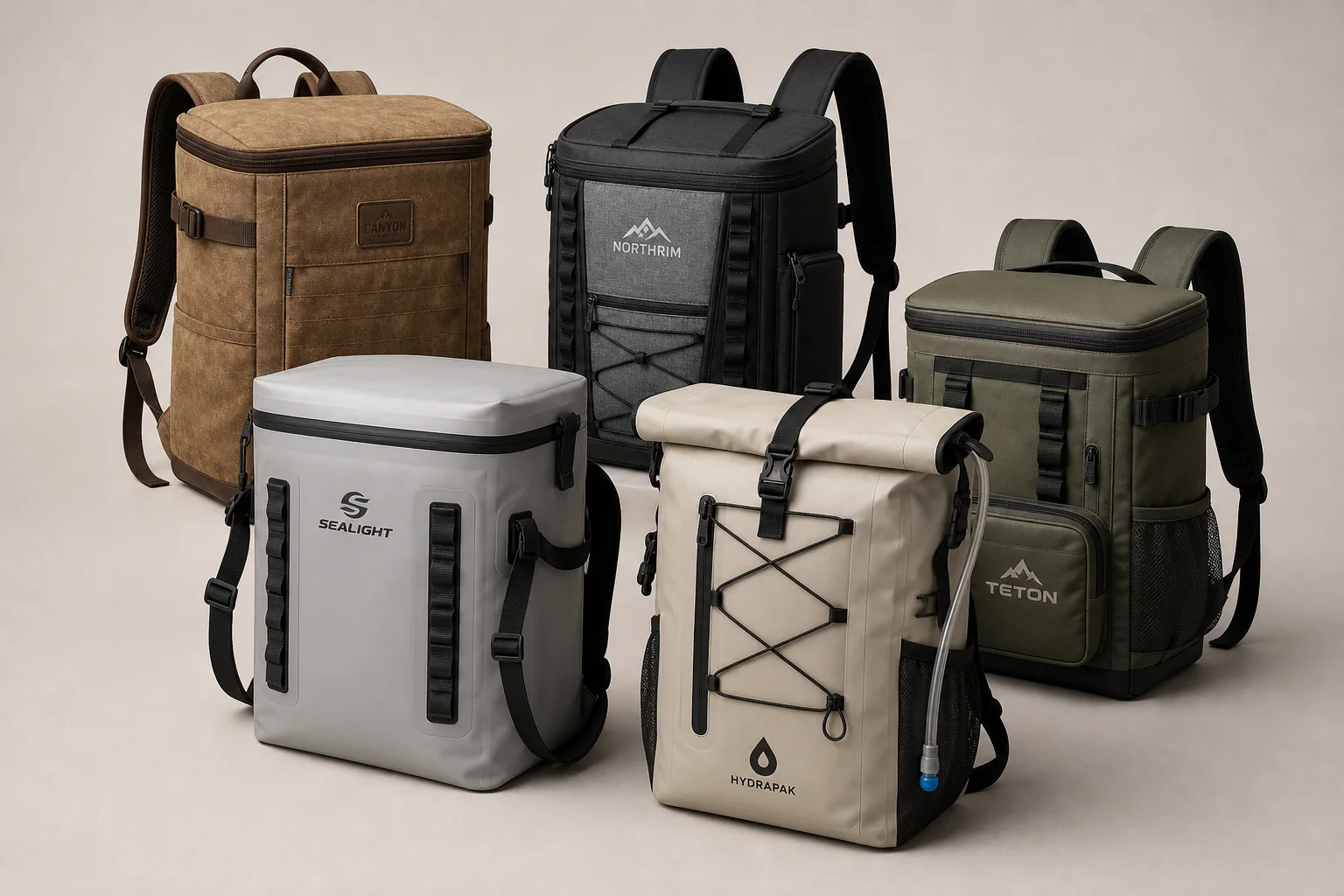
Best Backpack Coolers 2026: Five Practical Options for Outdoor Adventures
Five backpack coolers with distinct cooling capabilities, storage features, and design trade-offs to help you choose the right one for your outdoor needs.