Running Shoes
Four Winter-Ready and Race-Day Running Shoes Worth a Look
A Gore-Tex Puma trainer, a featherweight Salomon racer, a water-shedding Nike Shield and a max-cushion New Balance winter beast: what each does well and who they suit.
Introduction
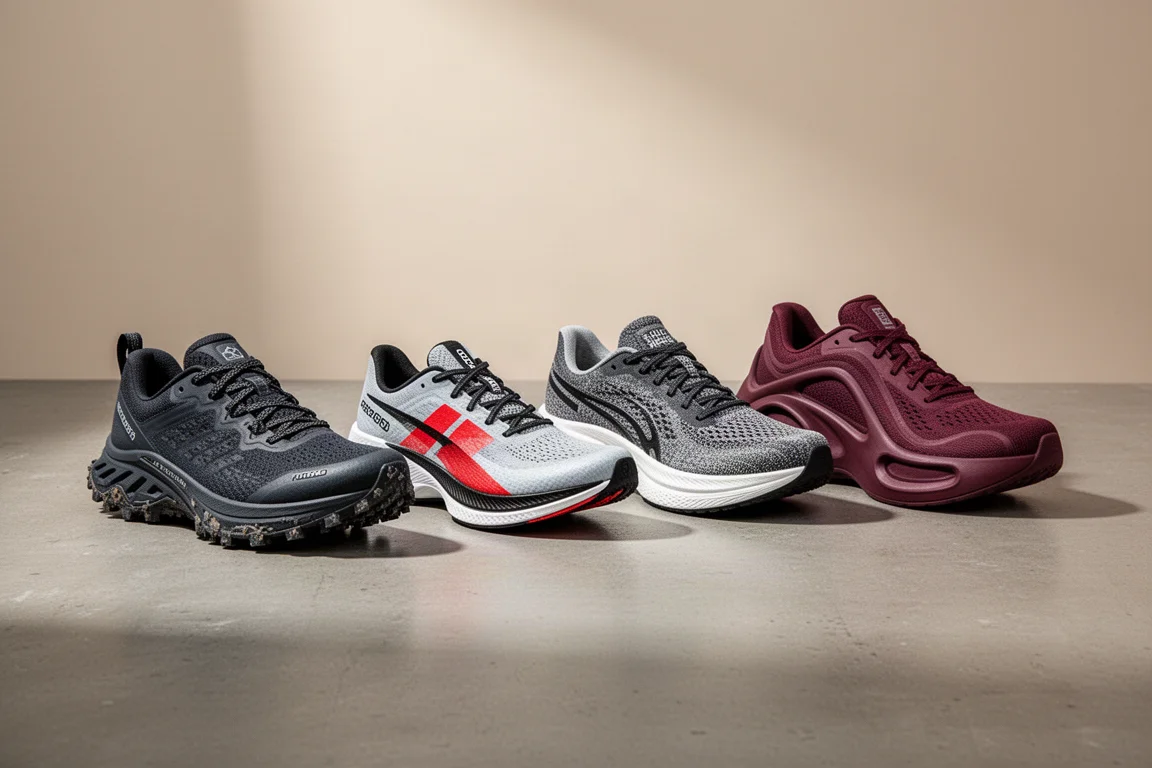
Winter running shoe season brings a familiar mix: waterproof trainers, race-day weapons and one or two genuinely odd releases. This roundup covers four models that sit across that spectrum: the Puma Voyage Nitro 3 Gore-Tex, the Salomon S/Lab Phantasm 2, the Nike Pegasus 39 Shield and the New Balance Fresh Foam X More v4 Permafrost.
Each one targets a different kind of runner, and the fit is not universal. Here is what stands out about every pair, plus the honest trade-offs to weigh before spending your money.
Puma Voyage Nitro 3 Gore-Tex
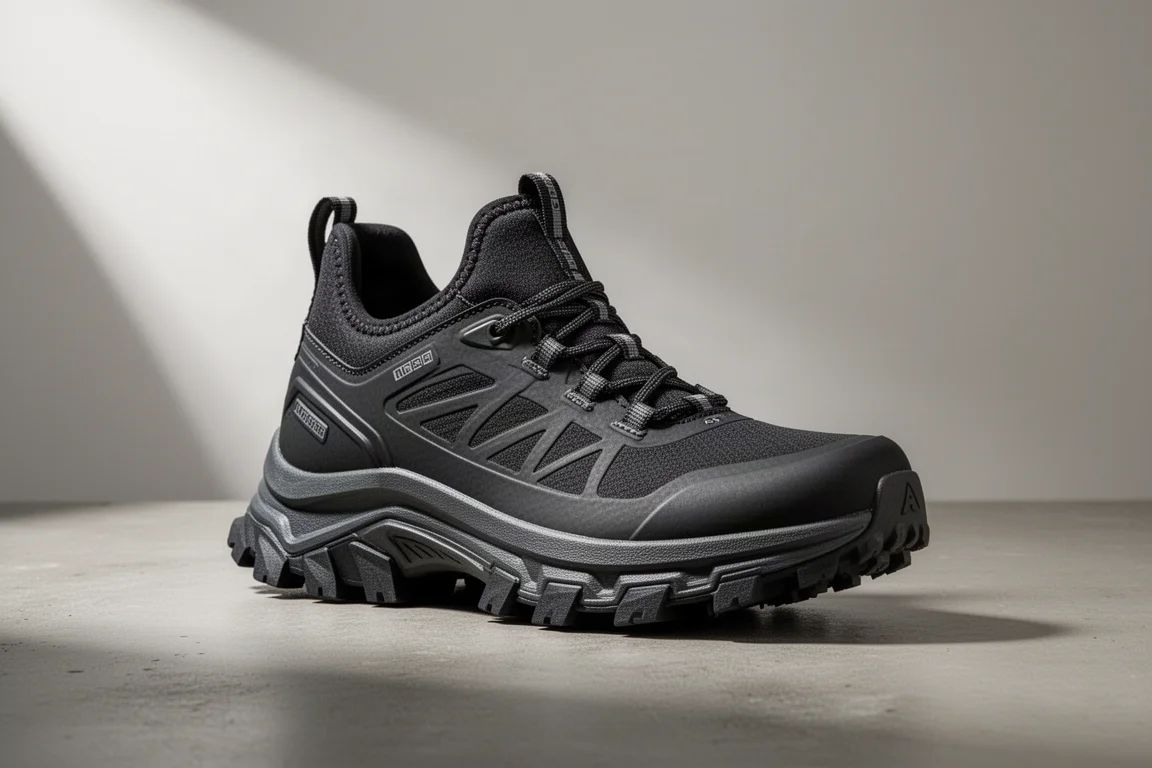
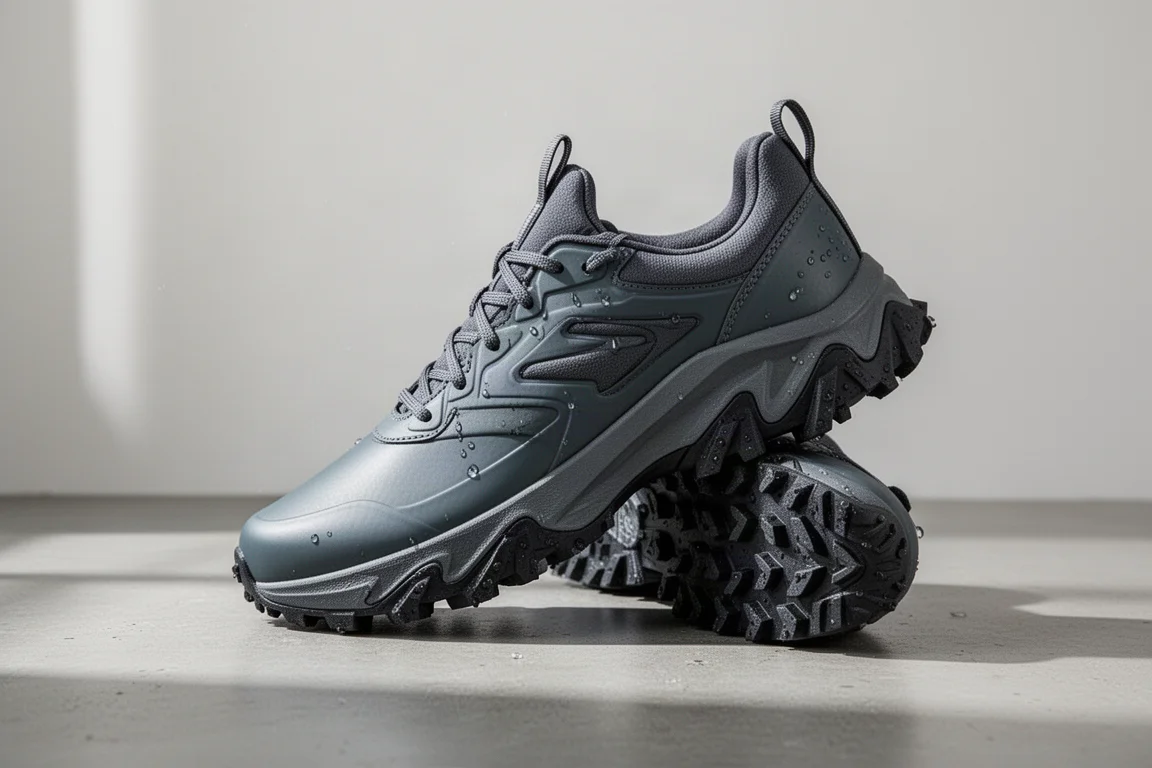
Puma’s winter-ready trainer leans on the brand’s strongest suit: outsole grip. The Voyage Nitro 3 Gore-Tex pairs a Nitro foam midsole with a very generous helping of Pumagrip rubber underneath, complete with chunky lugs that look more trail-oriented than your average road shoe. A ProFoam layer sits in the midsole to add some stability, which matters when a bouncy foam meets icy or uneven winter pavement.
The Gore-Tex membrane is the headline feature, keeping water out on wet early-morning runs, and the bootie-like construction plus extended rubber into the toe box adds protection for your toes in cold, sloppy conditions. At 140, it is a reasonable price for a winter trainer with a bit of extra stack. As a verdict: this is the one of the four that earns a straightforward recommendation. The main caveat is availability, since Puma running shoes are still not widely stocked in regional stores.

Salomon S/Lab Phantasm 2
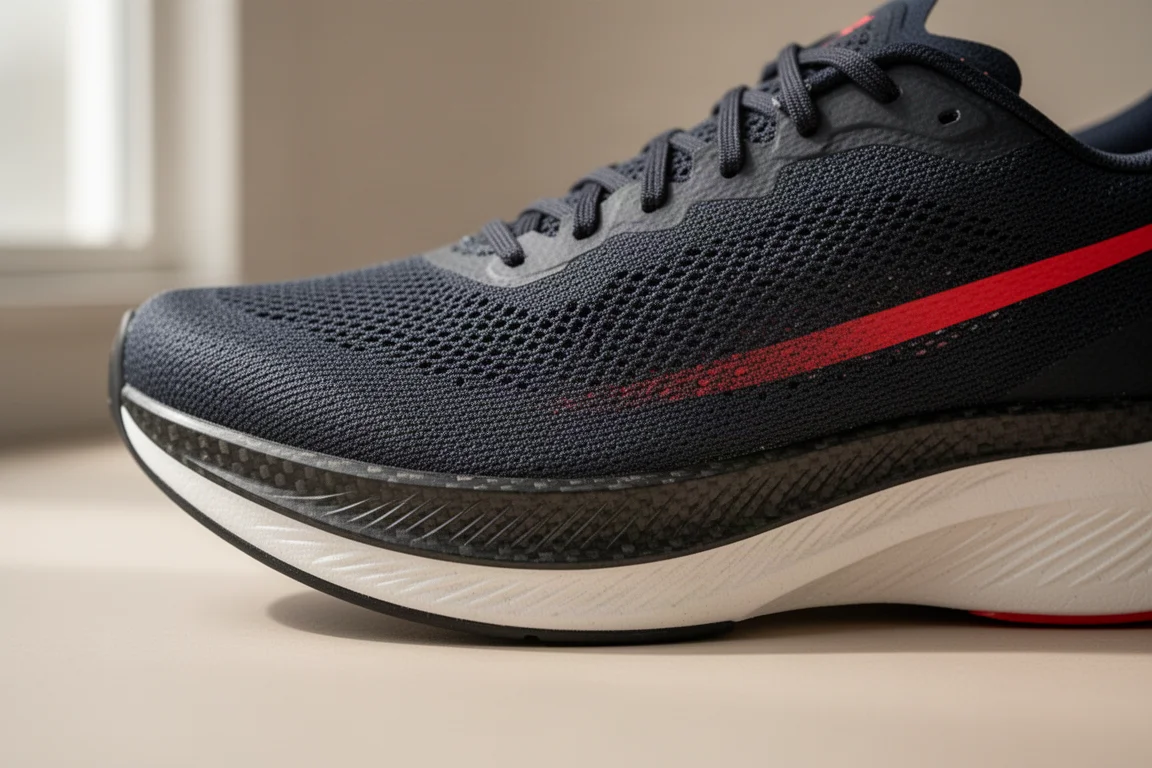
The S/Lab Phantasm 2 has one of the most distinctive profiles underfoot: a very wide forefoot that narrows dramatically towards the heel, a shape almost nothing else on the market mimics. It carries an aggressive 9 mm drop, and Salomon claims it is good for four runs or more per week, which you rarely hear about super shoes that are usually treated as race-day-only.
The sample stack of 37.5 mm lands just under the 40 mm limit most racers now hit, and at 219 g it stays firmly in featherweight territory. The very light mesh upper is reminiscent of the Nike Vaporfly line, and the overall silhouette looks close to the Vaporfly 3. There is, of course, a carbon plate and thin three-section rubber on the outsole.
At 240, it is a serious price in a crowded racing market full of cheaper, durability-proven alternatives. If you want a super shoe with an unusual fit shape and race-week versatility, it is an intriguing option, but it is a tough buy unless you specifically need another carbon racer.
Nike Pegasus 39 Shield
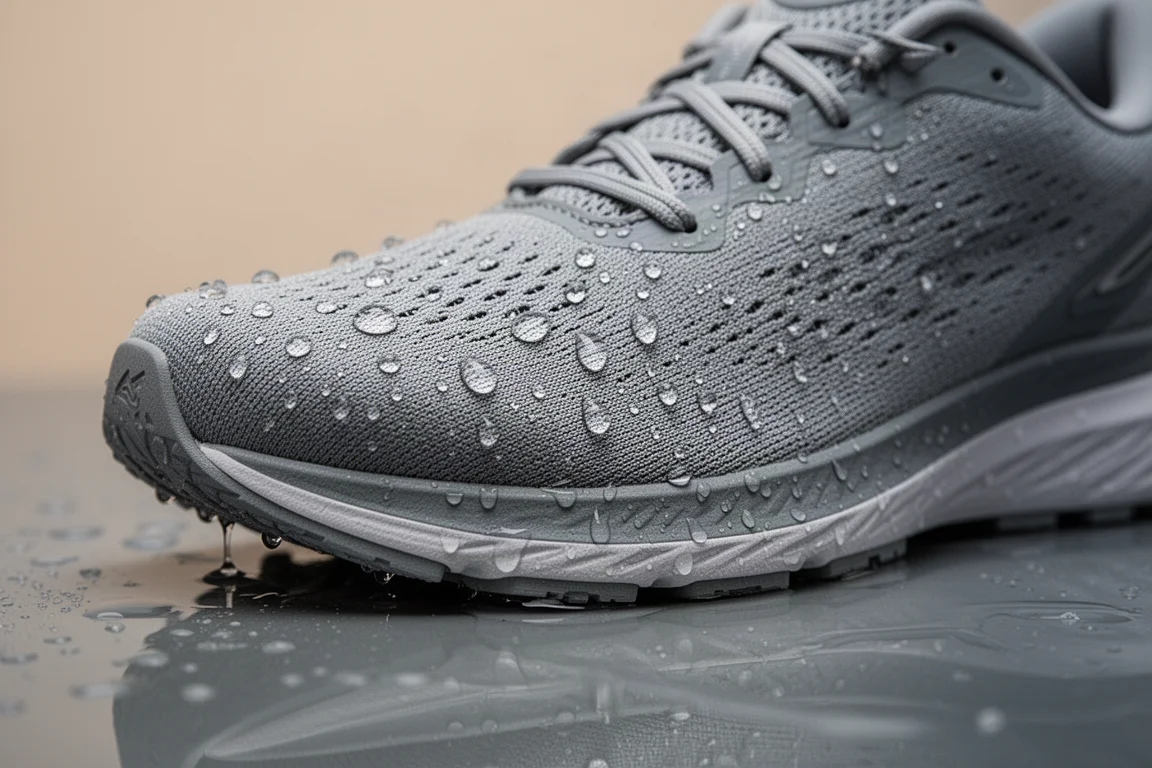
Here is a strange one: a Shield weatherised version of the Pegasus 39 appearing well over a year after that shoe launched, well after most people expected a Pegasus 40 Shield. Whatever the reason for the naming, the practical outcome is that this is effectively a water-ready Pegasus.
For 135, which is 20 over the standard Pegasus price, you get a treated upper material and reinforced panels around the toes to keep water out. The midsole is the proven Pegasus setup: dual air units embedded in foam, and Nike’s own description of the tuning process is suitably elaborate, involving foot-strike data fed through an algorithm and testing across around 100 possible geometries. Worn experience agrees it is a properly cushioned daily trainer.
The Storm-Tread outsole is the standout winter feature, with plenty of surface area and channels cut in to shed water and prevent debris getting lodged. The honest question is whether you need a Shield version at all if you already own a Pegasus or live somewhere that never gets truly cold. If you want one waterproof daily trainer for dark, wet months, it makes sense.
New Balance Fresh Foam X More v4 Permafrost
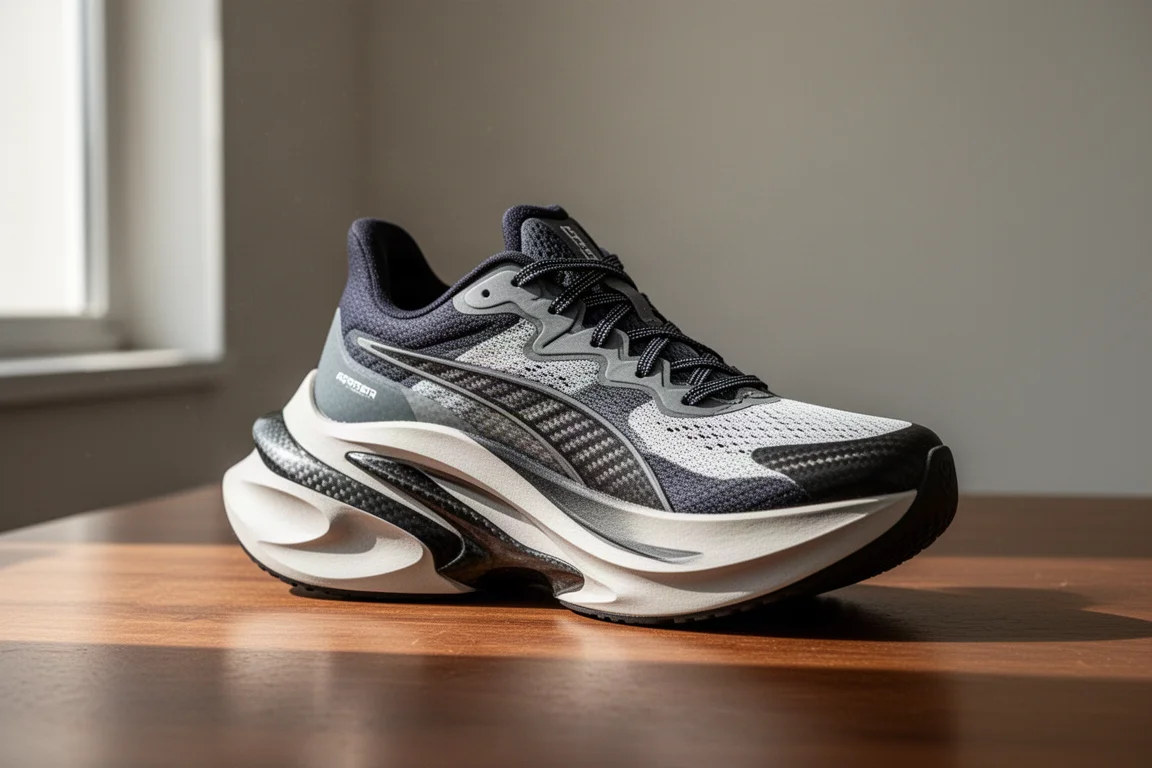
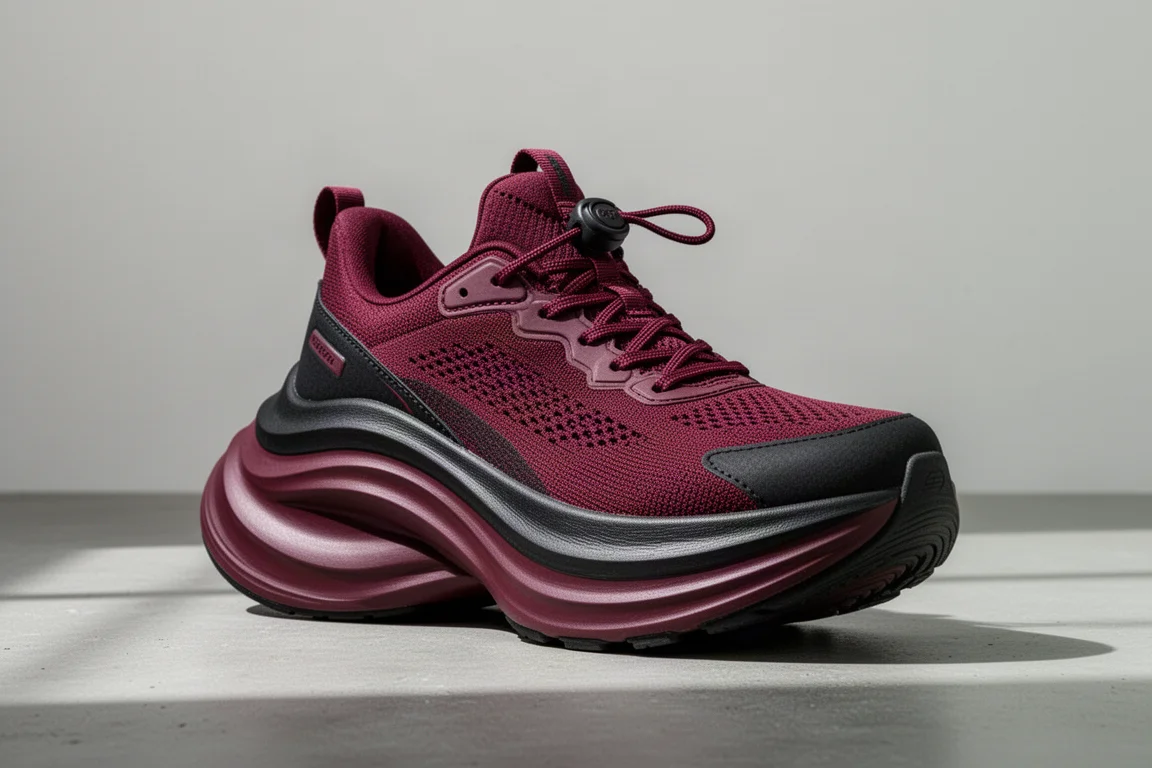
The Fresh Foam X More v4 Permafrost is a boat of a shoe, and the name is one of the longest of the year. The max-cushioned monster measures 34 mm in the sample size and weighs a hefty 304 g, so in larger sizes it will feel weighty. A Hydro rubber application on the outsole promises strong traction on wet and slippery surfaces, and a toggle lace system replaces standard laces for easy on-and-off with cold hands or wet gloves.
Design-wise, it is very much a curved cruiser for colder climates: massive sidewalls and a prominent rocker in both heel and forefoot. The burgundy and black colourway is easy to like, even if it reads more autumnal than full winter.

The sticking points are size and price. At 160, it is getting up there for a winter trainer, and there is simply a lot of shoe here. Runners who want maximum cushioning with weather protection and an easy-entry lace system will get on with it; everyone else may find it too much.
Overall Buying Advice
If you want a single recommendation from this group, the Puma Voyage Nitro 3 Gore-Tex is the safest winter buy: strong grip, waterproofing and a fair price. The Salomon S/Lab Phantasm 2 only makes sense if you specifically want a distinctive-fitting carbon racer and are comfortable paying a premium. The Nike Pegasus 39 Shield suits anyone wanting one waterproof daily trainer, especially if you do not already own a recent Pegasus. The New Balance Fresh Foam X More v4 Permafrost is for max-cushion fans who prioritise wet-surface traction over weight and price.
Conclusion
Four shoes, four very different jobs. Waterproof grip, race-day speed, a weatherised daily trainer and a max-cushion winter cruiser. Match the shoe to the conditions you actually run in, and none of these choices should surprise you come the first cold, wet morning of the season.
Further reading
Related Reviews

Running Shoes
Best Road-to-Trail Running Shoes: Three Versatile Options for Mixed Terrain
A practical guide to three road-to-trail running shoes that handle both pavement and mild trails, with clear strengths and trade-offs for different runner types.

Running Shoes
Best Running Shoes for Achilles Tendonitis: Three Options Explained
Three running shoes with different heel drops and support features designed to help reduce Achilles tendon pain during walking and running.

Running Shoes
Best Running Shoes for Women: Five Top Choices Ranked
A ranked guide to five women's running shoes, from versatile daily trainers to high-performance racing options, with real strengths and trade-offs for each.