Running Shoes
Best Road to Trail Running Shoes: Our Top Hybrid Picks
Nine hybrid running shoes that handle pavement and trail with ease, from budget-friendly picks to carbon-plated premium options.
Introduction
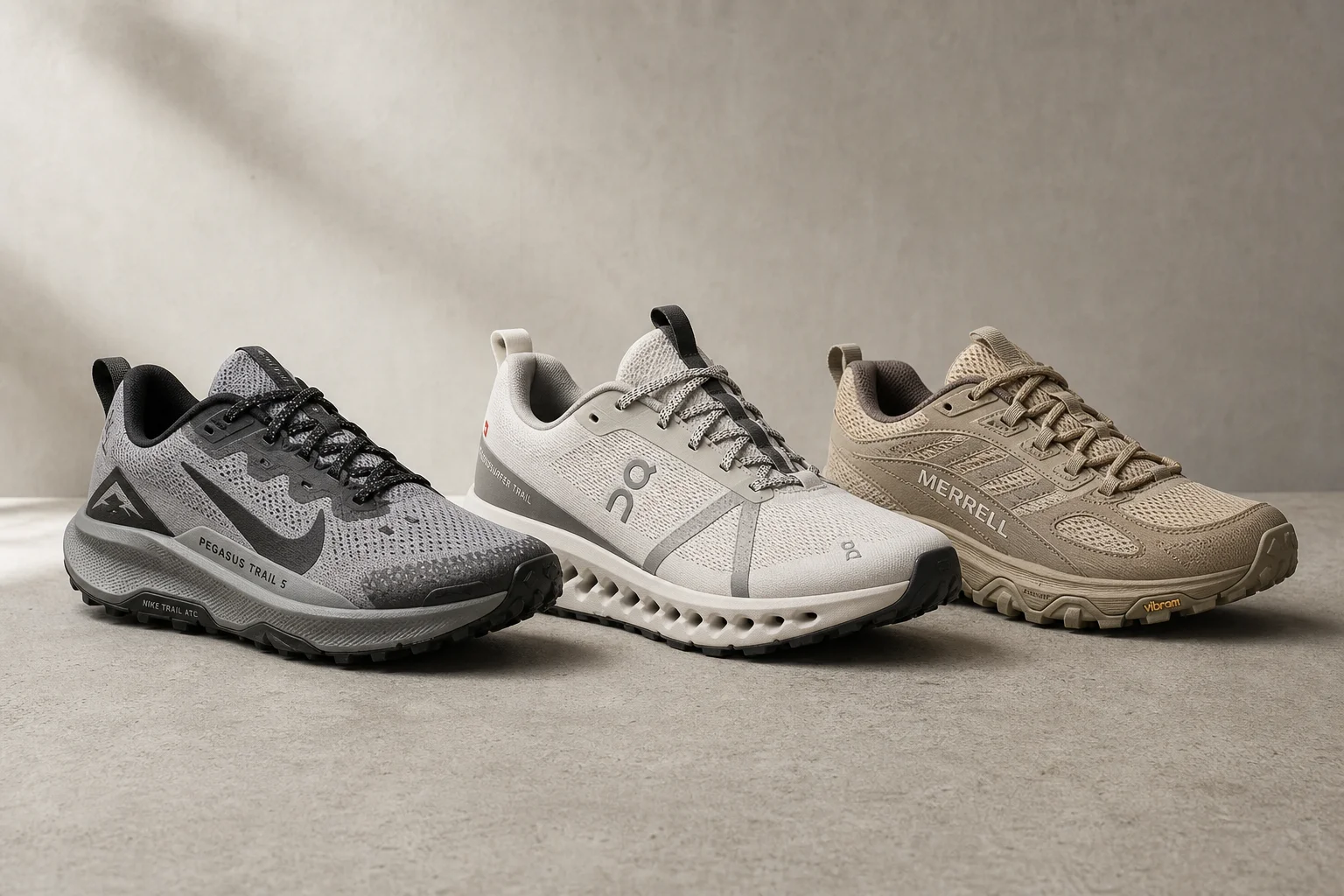
A road to trail shoe is exactly what it sounds like: one shoe that works on pavement and paths, but also handles off-road routes well enough that you never feel out of place on either surface. The idea is simple. You get the ride and comfort of a road running shoe, paired with an outsole and just enough protection to keep you confident on the trails, without the outsole feeling harsh or awkward when you are back on tarmac.
We have tested a lot of these hybrid shoes, and the picks below are the ones that genuinely stood out. They suit runners who mix surfaces on a single run, need to run to their local trails, or want one shoe to pack for a trip where the terrain is unpredictable. If your week includes a bit of both, one of these should fit.

Inov-8 Parkclaw G 280
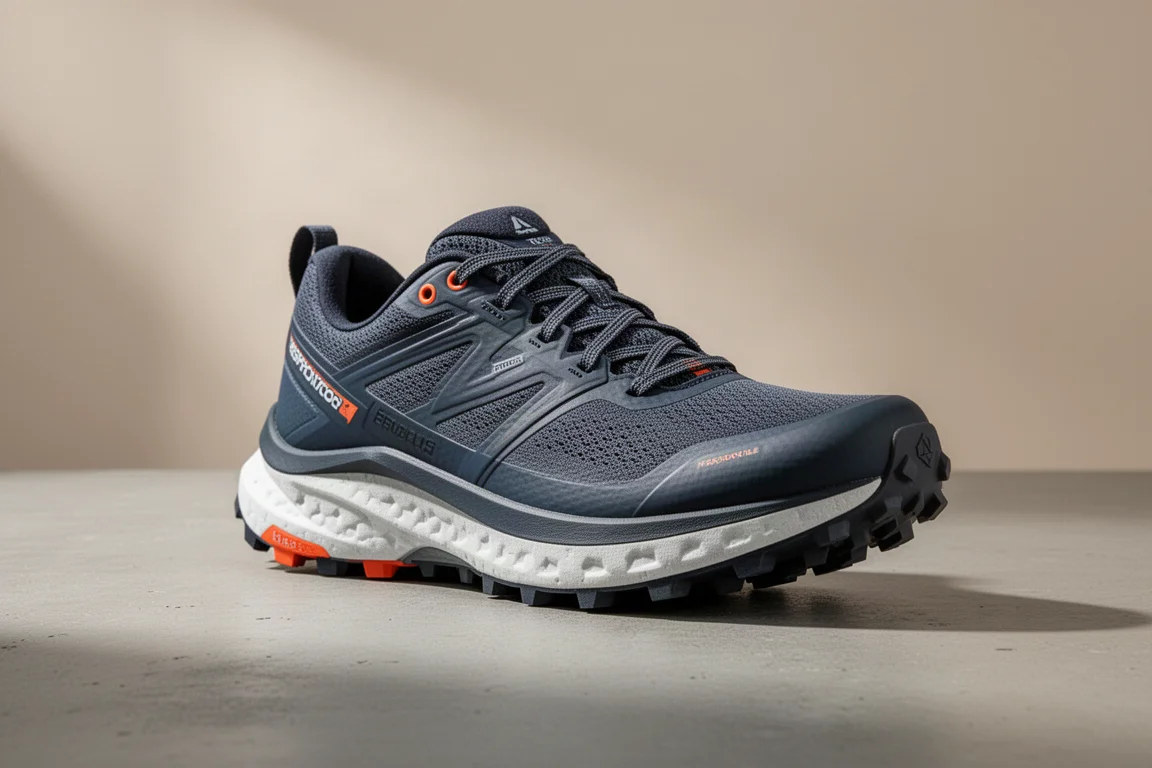
The Inov-8 Parkclaw G 280 is one of the more trail-leaning road to trail shoes on this list. Its graphene grip outsole has substantial but closely spaced lugs, which deliver confident traction on a wide variety of trails. Despite looking like a full trail shoe, it defies expectations on the road: it stays comfortable even for extended road sections or entire road runs, thanks to a plush, well-padded upper. Some may find the padding, especially on the tongue, a bit generous, but it makes the shoe a great pick for relaxed, exploratory runs. It is reasonably light for the grip and protection on offer, works for a variety of paces, and holds up over long distances. If maximum versatility and grip matter more than outright cushioning, this is the one to beat.
Nike Pegasus Trail 4
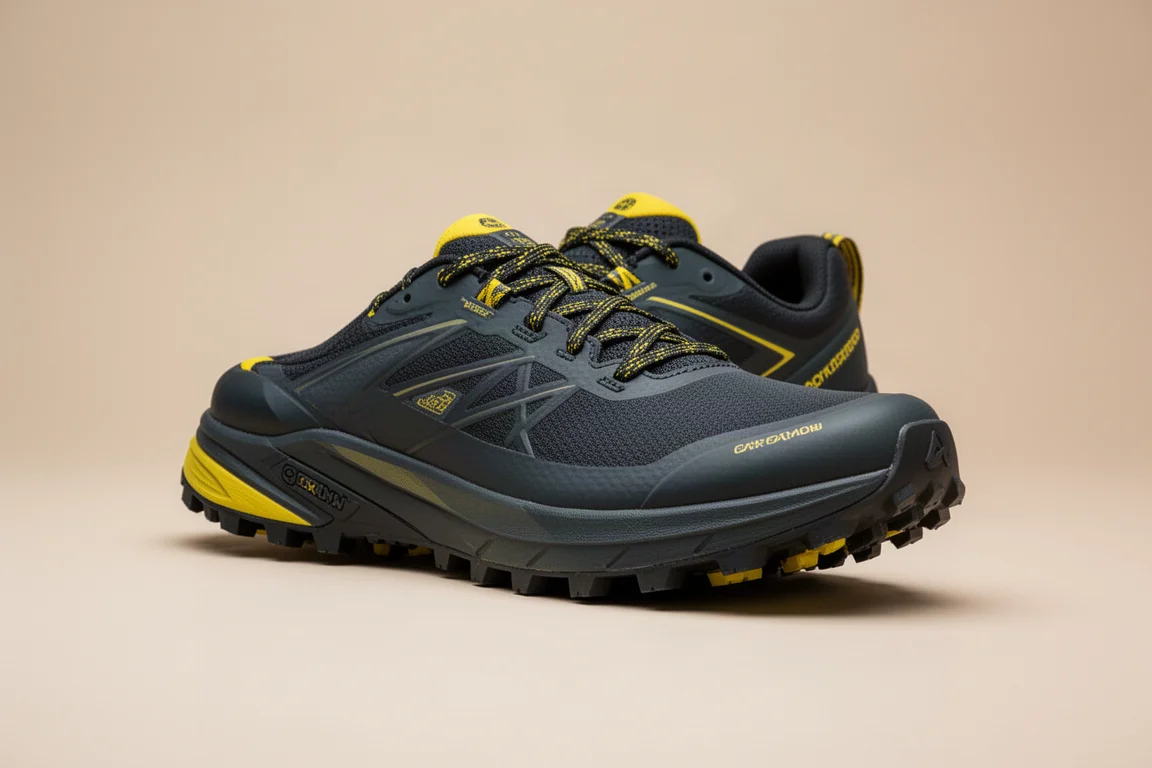
The Nike Pegasus Trail 4 is the pick if you want one shoe that works everywhere, including as everyday footwear. The fit runs narrow and works well for narrower feet, with a comfortable upper and secure lockdown you would expect from Nike. The React cushioning is not the softest or bounciest foam in Nike’s lineup, but it delivers a responsive ride that lets you mix in faster paces. The outsole handles light to moderate technical trails well, though it is clearly better on dry surfaces than wet terrain. It transitions between road and trail effortlessly, feels like a proper road shoe on tarmac, and the trail-specific outsole never feels hard underfoot. If you are taking a single shoe on holiday where the terrain is unknown, this is an easy choice.
ASICS Fuji Lite 3
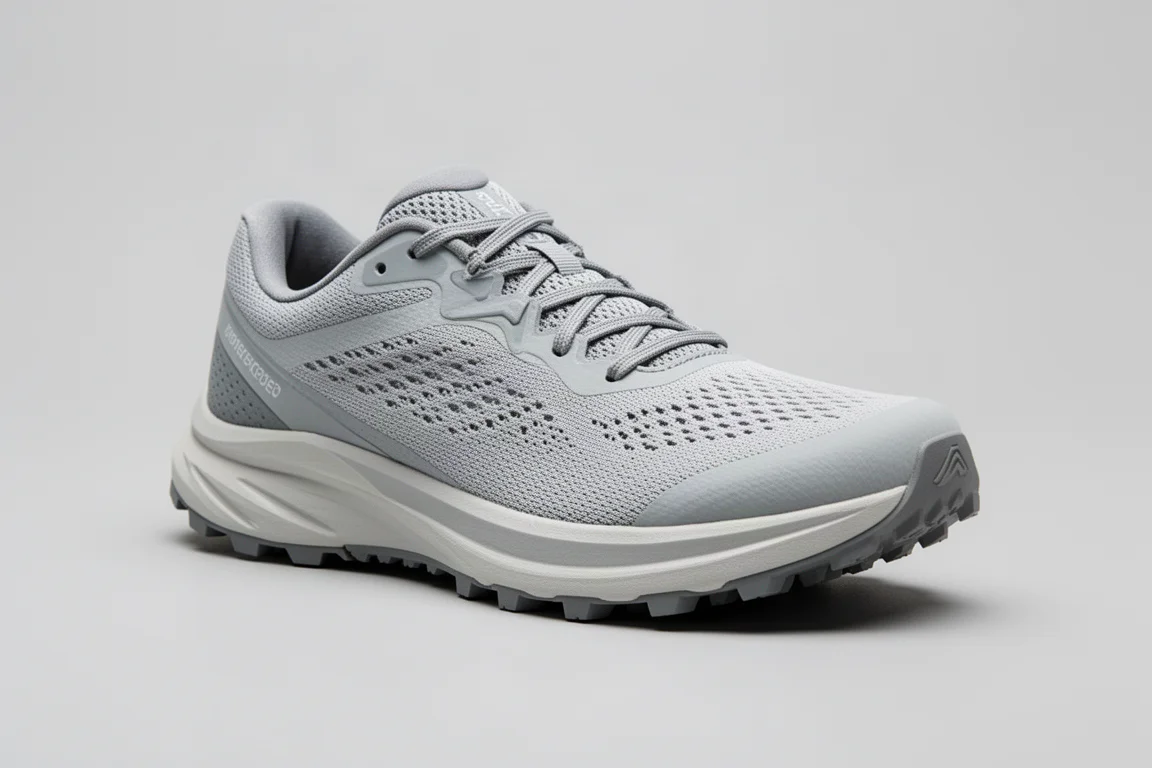
The ASICS Fuji Lite 3 delivers a lightweight, comfortable road shoe feel with enough trail ability for easy terrain. The soft midsole foam keeps feet comfortable on long road sections, and the shoe feels nippy, so picking up the pace is no problem. On mixed trails of fields, muddy paths, footpaths and harder rocky sections, it handles everything competently. It is not an aggressive trail shoe: on really wet mud or slippy rocks it lacks grip, and there is no rock plate, so pointy rocky terrain is best avoided. But for easier trails, it is a great accessible option, ideal if you do a parkrun that mixes paths and grass. If you want something light and fast that leans road-first, this is a strong pick.
Inov-8 Trailfly G7 V2
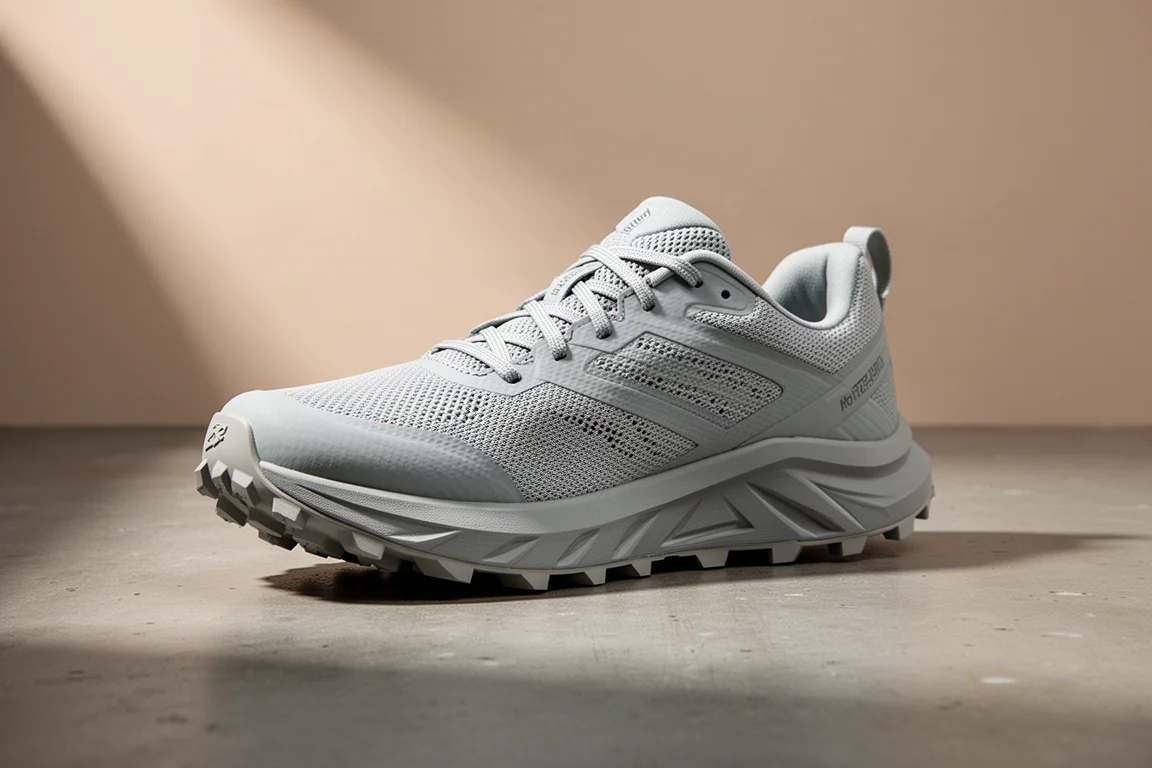
The Inov-8 Trailfly G7 V2 is the more aggressive of the Inov-8 picks, using the brand’s graphene grip outsole to handle mud and slippy wet surfaces well, with a slightly firmer midsole that protects your feet nicely. Surprisingly, it is also lightweight and nimble, and it feels nothing like a clumpy trail shoe on faster trail runs. The lugs are not huge, and the softer graphene compound is barely noticeable on the road, though it is clearly still a trail shoe. Around 10K on the road is comfortable, but it is best saved for runs where the trail comes first. The midsole foam has just enough softness to keep it pleasant on tarmac, and as a pure trail shoe it ticks a lot of boxes too.


The North Face Vectiv Pro
The North Face Vectiv Pro is the priciest shoe here, at 225 pounds in the UK and 250 in the US, and a carbon-plated trail shoe at that. It features a high stack of soft, springy superfoam working with a forked carbon plate, a 6mm drop, and a 32/25mm heel-to-forefoot stack. The 3.5mm lugs are shallow but plenty grippy for river paths, forest trails and coast paths, and they work nicely on the road too. The roomy uppers are very comfortable, and the overall design has strong road shoe DNA; it is a better road shoe than some actual road shoes. Despite the big stack and exaggerated rocker, stability held up fine on uneven ground. If you want something softer, livelier and more responsive for long road-to-trail runs, this is worth the outlay.
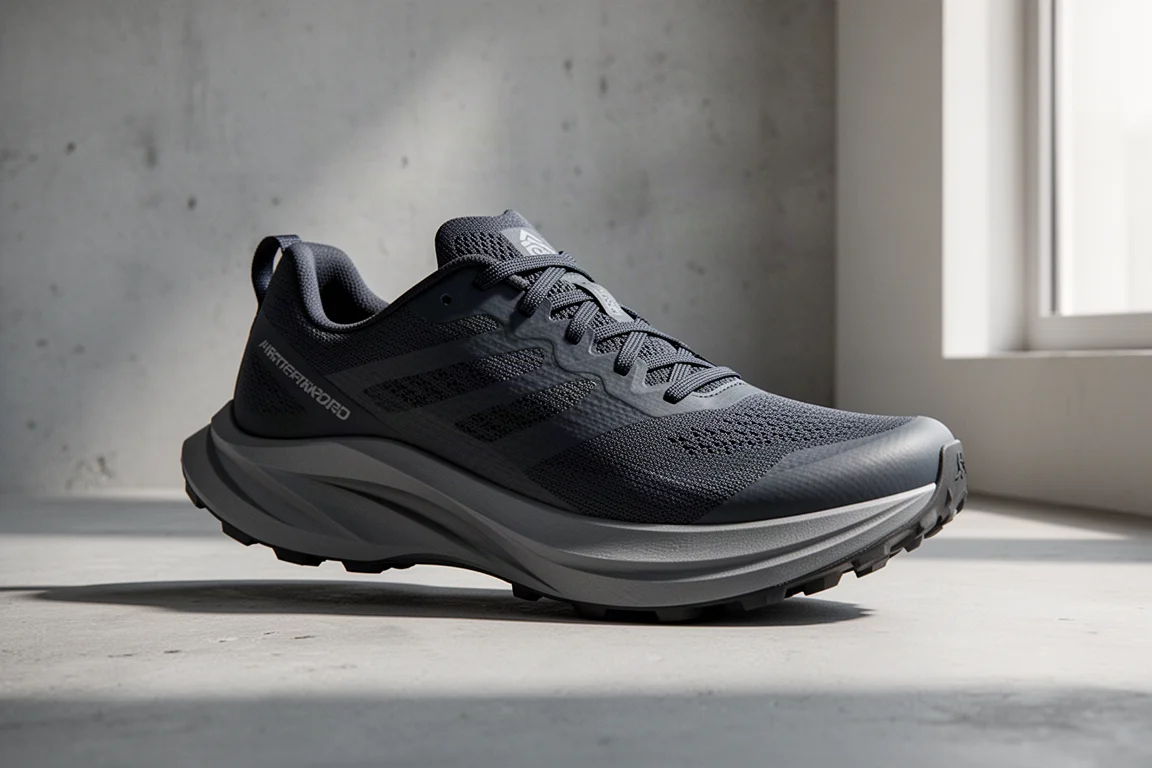
Hoka Speedgoat 5
The Hoka Speedgoat 5 is a really good, great value shoe that handles both road and the kind of firm, moderate trails most hybrid runners encounter. It is the more nimble and sprightly option in Hoka’s road-to-trail range, making it the better pick if you want to move a bit faster. Between it and the Tecton X, there is not a huge difference in capability, which is why the Speedgoat is the smarter choice if you are on a budget. It handles the same terrain for less money, and it is the one we would choose over the more expensive alternatives most of the time.
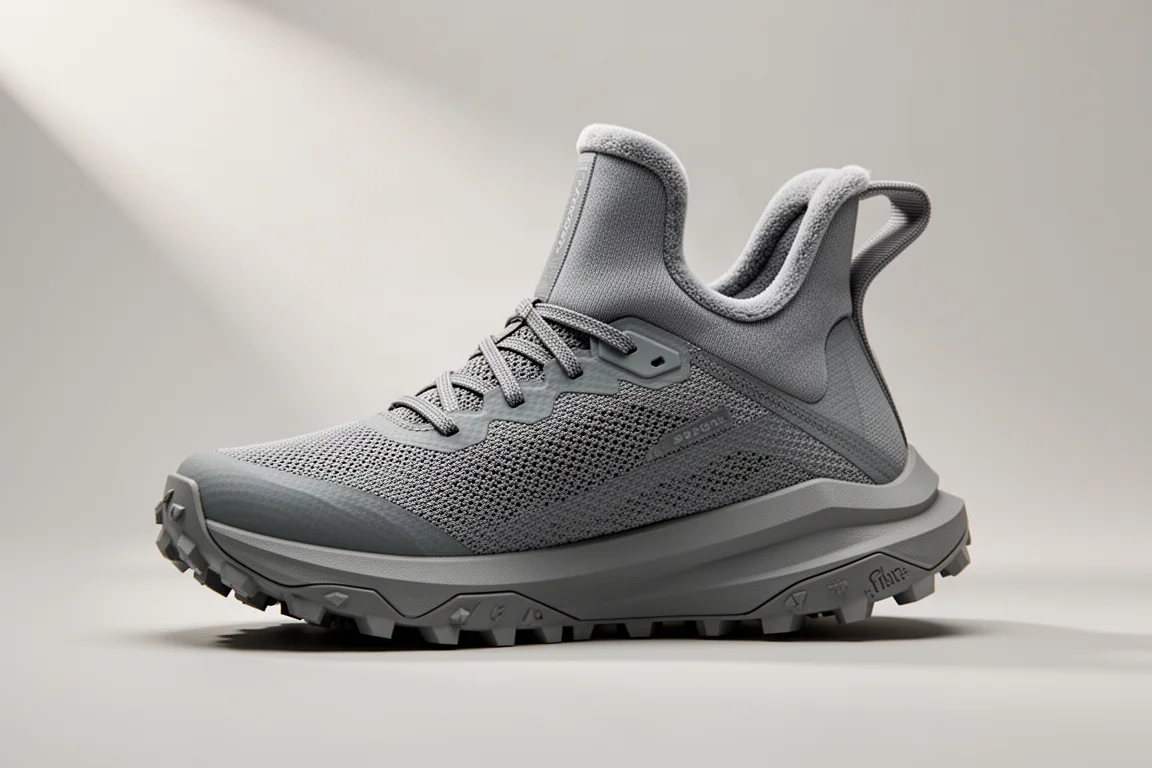
Hoka Challenger 7
The Hoka Challenger 7 surprised us as a really good road-to-trail option. It is probably not as sprightly as the Speedgoat, but it leans slightly more road-first, making it a strong choice if you spend extended periods on pavement. Alongside the Nike Pegasus Trail 4, it is one of the more cushioned options for long road stretches, while still offering dependable grip when the surface turns to dirt. If your runs are mostly road with occasional trail detours, the Challenger 7 deserves a place on your shortlist.
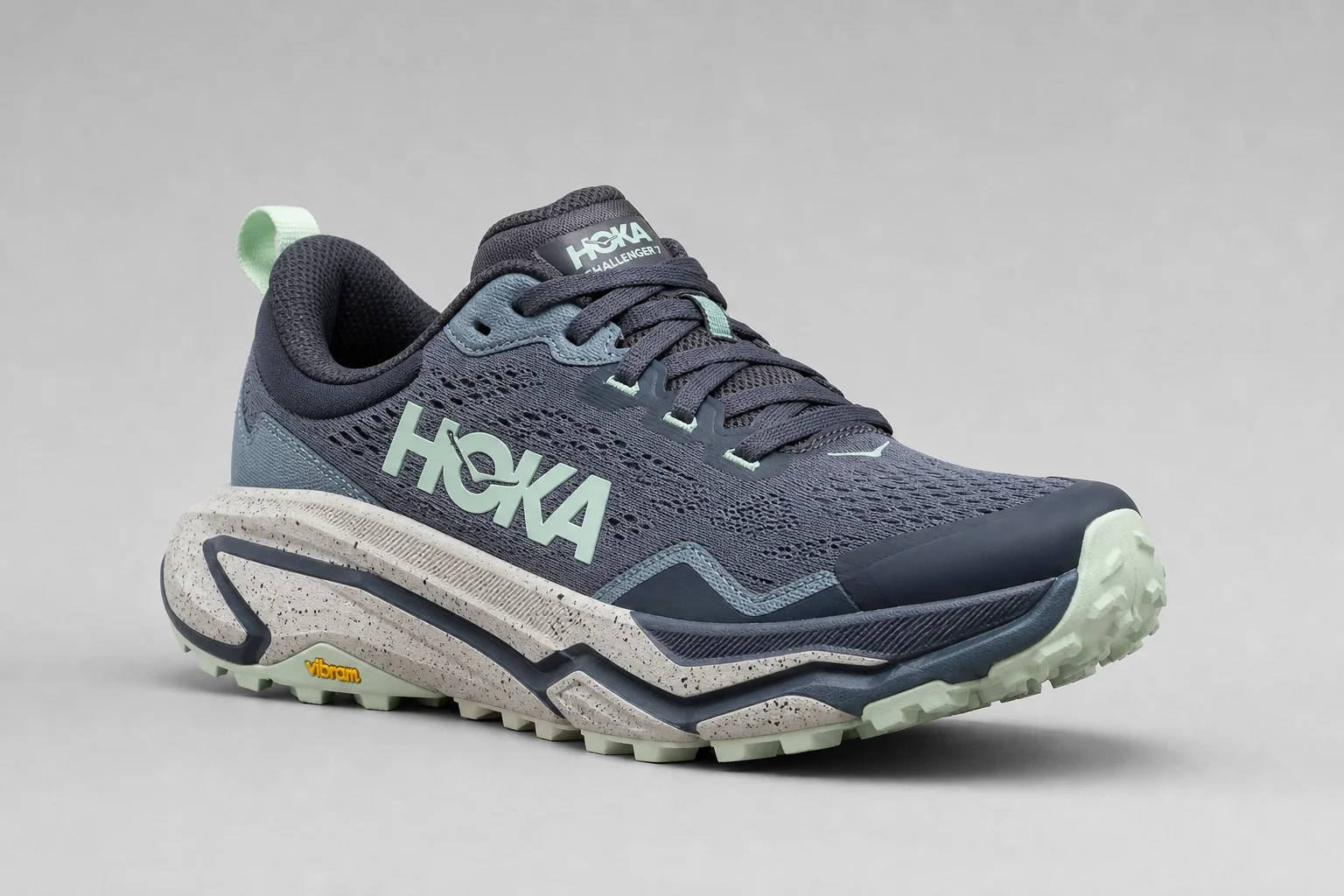
Hoka Tecton X
The Hoka Tecton X is a slightly punchier version of the Speedgoat, best kept for racing or faster days on mixed terrain. It handles road and trail well, and in practice the capability gap between it and the Speedgoat 5 is small. If you race on mixed surfaces or simply want a livelier ride, it is the one to consider; if budget matters more, the Speedgoat 5 gets you a lot of the same for less.

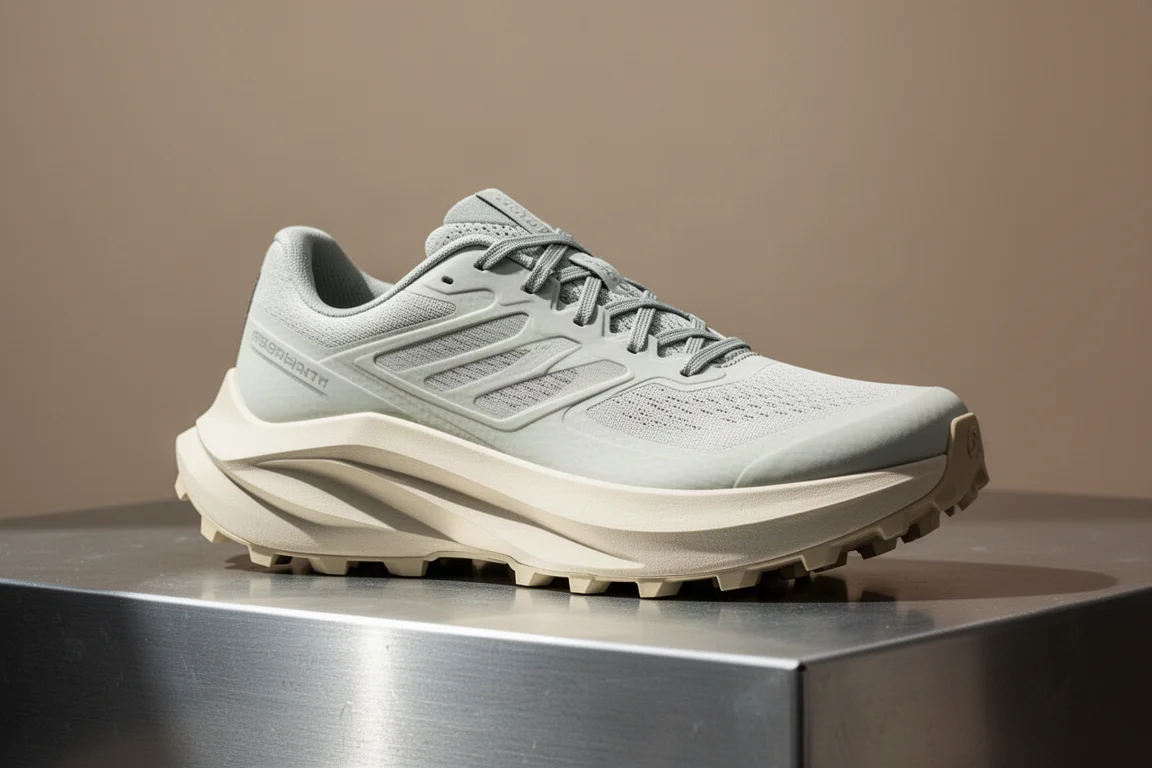
Puma Fast-Trac Nitro
The Puma Fast-Trac Nitro is a very good value trail shoe at around 100 pounds, with strong grip and a responsive Nitro foam midsole. That responsiveness can actually work against it if you are trying to run fast for long road stretches, and for extended road comfort we would point you toward the Inov-8, the Nike Pegasus Trail 4 or the Hoka Challenger 7 instead. But as a bargain hybrid with very good grip for the price, it is hard to argue with.
Buying Advice
Choosing between these comes down to where your runs actually split. If most of your mileage is road with occasional trail excursions, the ASICS Fuji Lite 3, Nike Pegasus Trail 4 or Hoka Challenger 7 will feel the most at home. If you regularly tackle muddier, rootier forest trails and want grip you never have to think about, the Inov-8 Parkclaw G 280 and Trailfly G7 V2 are the strongest performers, with the Trailfly being the more aggressive of the two. For faster runners and racers on mixed terrain, the North Face Vectiv Pro and Hoka Tecton X bring carbon-plated responsiveness, while the Hoka Speedgoat 5 delivers much of that performance for less money. And if budget is the priority, the Puma Fast-Trac Nitro is a genuine bargain.
One shoe worth a mention in passing: if you own something like the Salomon Speedcross 6, be aware that aggressive lug patterns and firm outsoles like that are far less pleasant on the road, which is exactly the problem this hybrid category solves.

Conclusion
Road to trail shoes have matured into a genuinely useful category, and there is now a strong option for nearly every runner and budget. Pick based on your surface split: road-leaning shoes for pavement-heavy weeks, grip-first shoes for trail-heavy routes, and responsive plated options if you race. Whichever you choose, the right hybrid means you never have to compromise on either surface again.
Further reading
Related Reviews
Running Shoes
Best Running Shoes for Achilles Tendonitis: Three Options Explained
Three running shoes with different heel drops and support features designed to help reduce Achilles tendon pain during walking and running.
Running Shoes
Best Running Shoes for Women: Five Top Choices Ranked
A ranked guide to five women's running shoes, from versatile daily trainers to high-performance racing options, with real strengths and trade-offs for each.
Running Shoes
Best Running Shoes for Heavy Runners 2026: 13 Options Tested
A comprehensive guide to running shoes designed for heavier runners, covering neutral cushioning, max-cushion stability, and arch support options with real trade-offs.