Outdoor Gear
Winter Layering System: 11 Pieces for Cold-Weather Hiking and Snowshoeing
A practical cold-weather layering system built from quick-drying base layers, active insulation, soft shells, and winter footwear, with the strengths and trade-offs of each piece.
Introduction
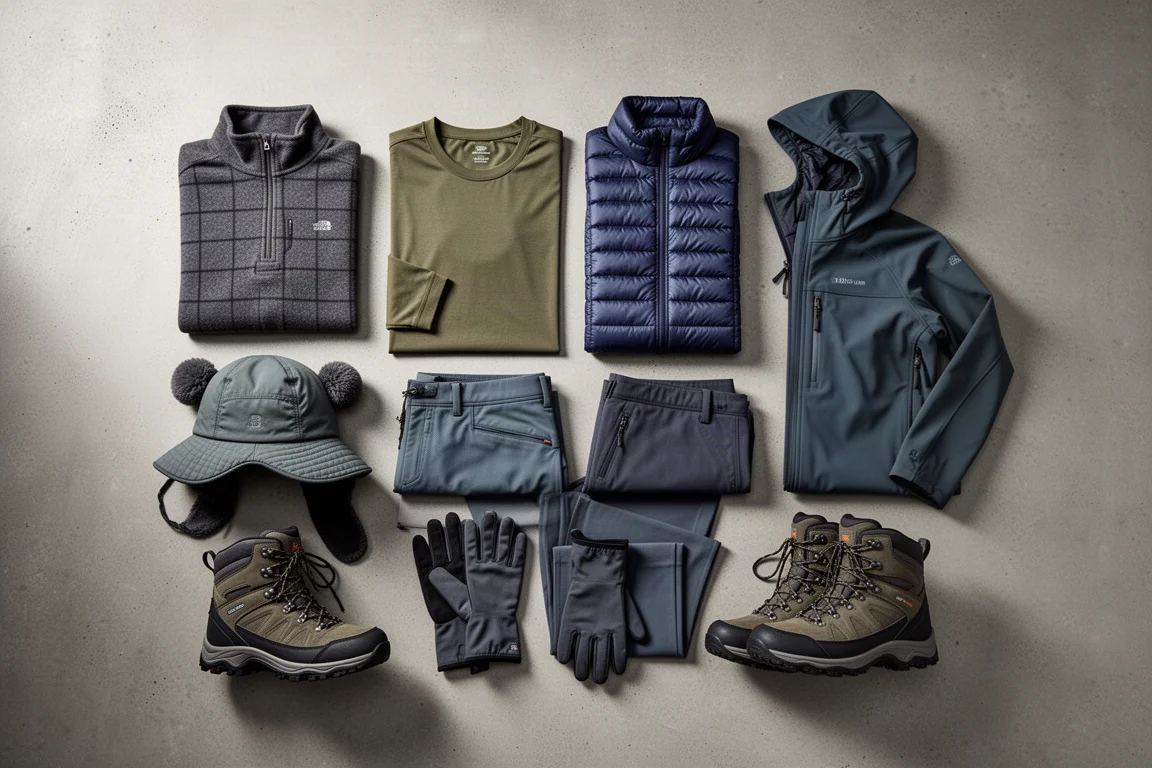
Cold-weather hiking and snowshoeing reward good clothing more than almost any other outdoor activity. A system built from quick-drying base layers, breathable insulation, and soft shell outerwear keeps you comfortable when temperatures drop and effort levels rise. The eleven pieces below cover the whole body, from torso and legs to head, hands, and feet. Each one earns its place by solving a specific problem, whether that means dumping heat on a climb, keeping a phone battery warm, or holding traction on an icy descent.
How This Winter Layering System Works
The logic is straightforward. Start with a base layer that moves moisture away from your skin, add insulation that keeps working while you are moving, and finish with a soft shell that shrugs off snow and light rain without trapping sweat. Synthetic materials such as polyester and nylon dry quickly, which matters because sweat is the main reason people get cold in winter. Merino wool holds considerably more moisture than nylon and far more than polyester, so it is a less forgiving choice for high-output winter activities.

Layering is also about having options. Quarter zips let you vent heat fast before a climb, thinner base layers suit mild days around freezing, and an active synthetic insulation layer extends the same system into much colder conditions. The pieces below are ordered roughly from the skin outward, so you can assemble the system in the sequence you would put it on.
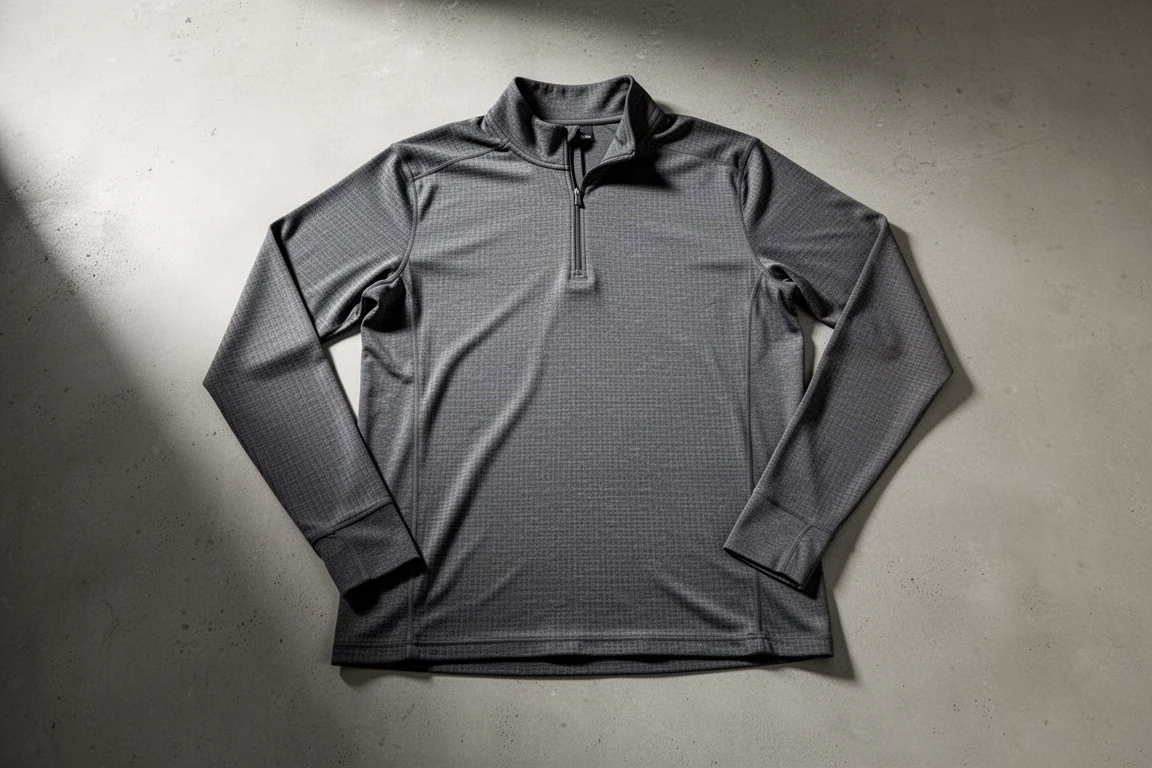
Outdoor Research Vigor Quarter-Zip
A grid fleece quarter zip is the workhorse of a winter base layer. The grid structure traps warmth while keeping weight low, and the fabric dries quickly once you start moving. The quarter zip is the detail that matters most in practice: when you are about to tackle a big hill, opening the collar releases a large amount of heat in seconds.
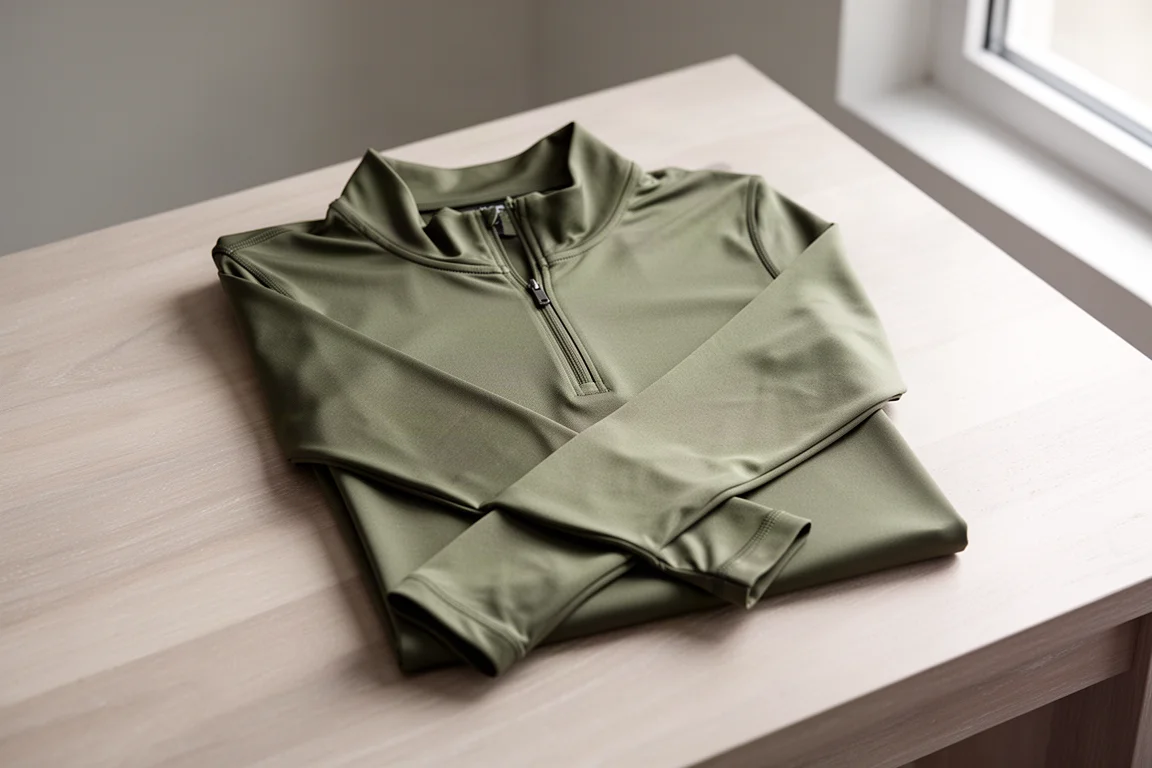
Outdoor Research Echo Quarter-Zip
When the forecast sits in the roughly -5°C to +5°C band around freezing, a thinner base layer is often the smarter call. The Echo quarter zip is a lighter shirt than the Vigor, so it will not feel as warm, and that is exactly the point on milder days when a heavier grid fleece would leave you overheating on the climb.
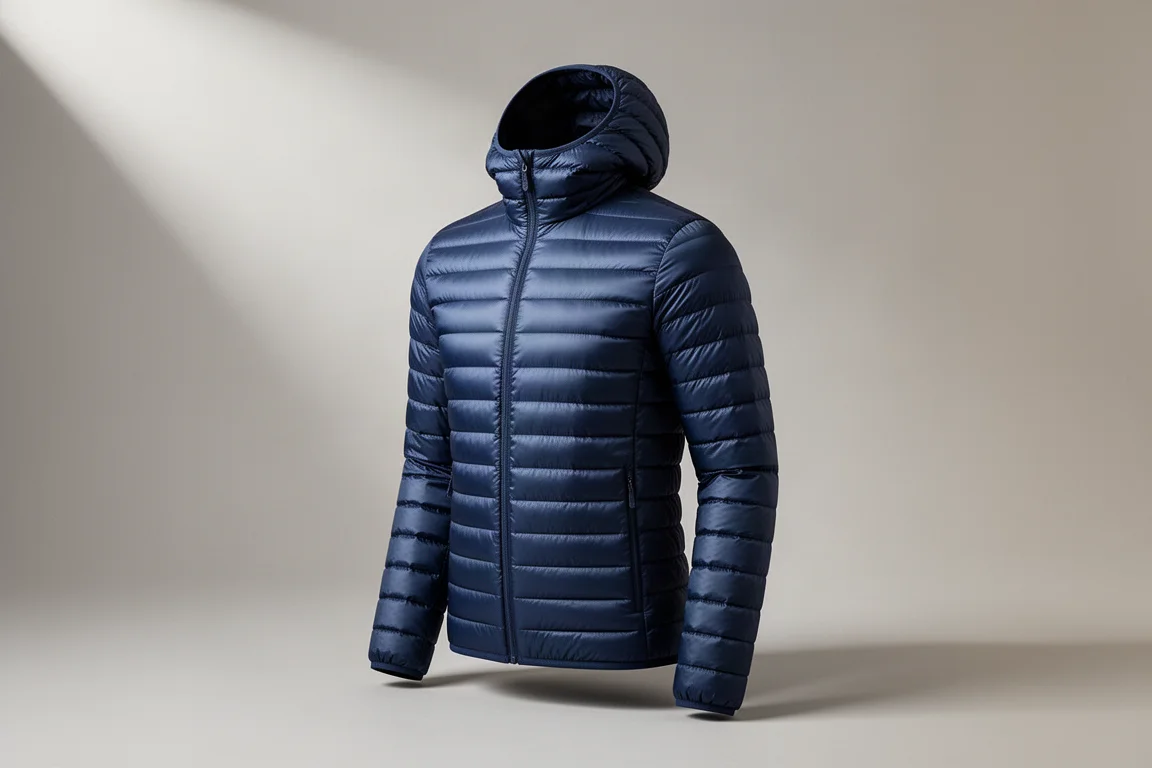
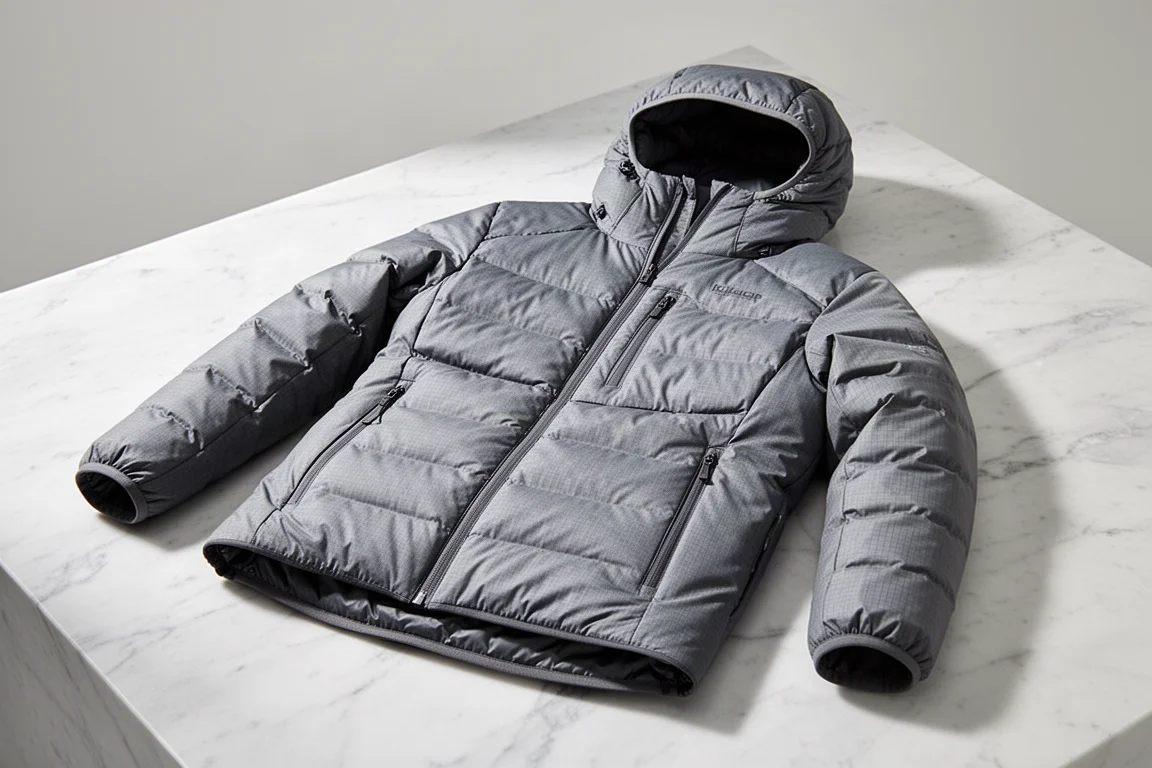
Arc’teryx Proton Jacket
If you run cold or want one system to cover much lower temperatures, an active synthetic insulation layer adds warmth without shutting down breathability. The Proton jacket is built to be worn while you are moving rather than only at rest, which makes it a natural middle layer between a base layer and a shell.
Arc’teryx Atom Jacket
The Atom jacket fills the same role as the Proton and is the other active synthetic insulation option worth weighing up. It sits above the base layer to extend the system into colder conditions, and it can be worn on its own when the pace is high and the temperature is not extreme.
The choice between the two usually comes down to fit and how much warmth you want in a moving layer rather than to any dramatic difference in concept. Either one turns a three-season layering setup into something that works through a full winter.
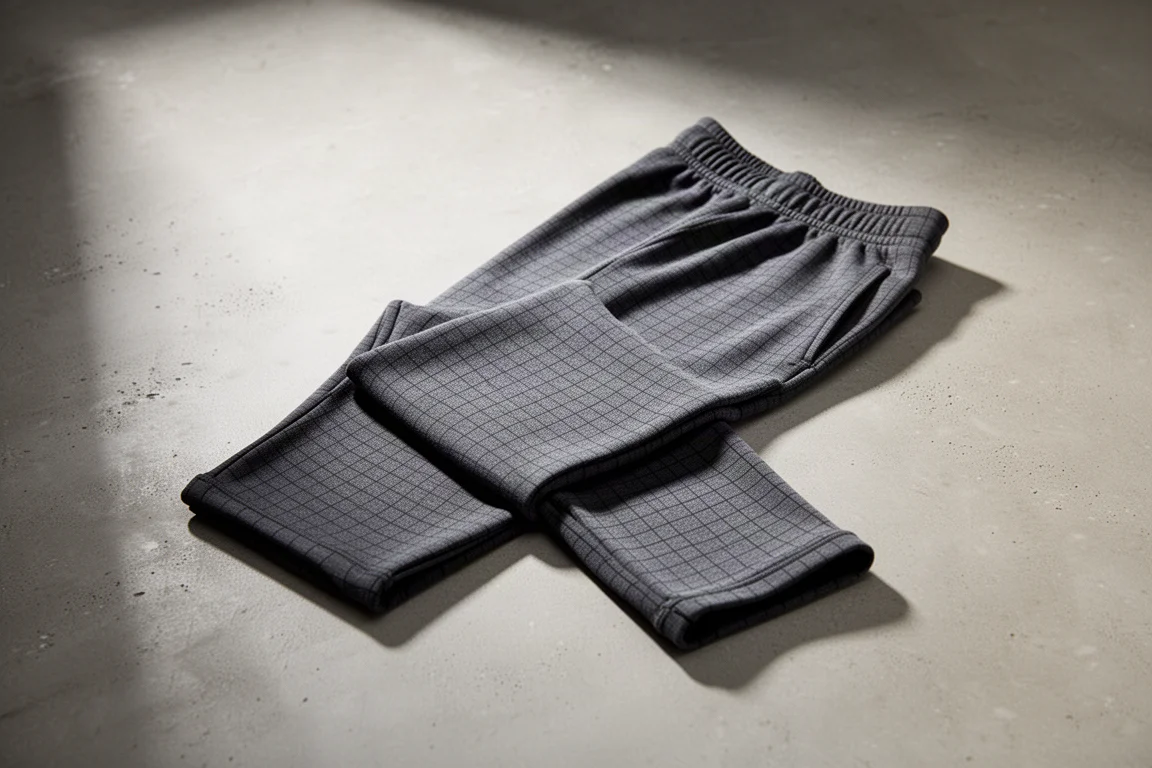
Outdoor Research Vigor Grid Fleece Pants
The reasoning that makes grid fleece a strong base layer applies below the waist as well. These pants use a polyester grid fleece that dries fast and keeps you warm during active winter days, and they pair naturally with the Vigor top as a matched base layer set. On milder days around freezing, some hikers skip fleece pants entirely and wear only underwear beneath snow pants.
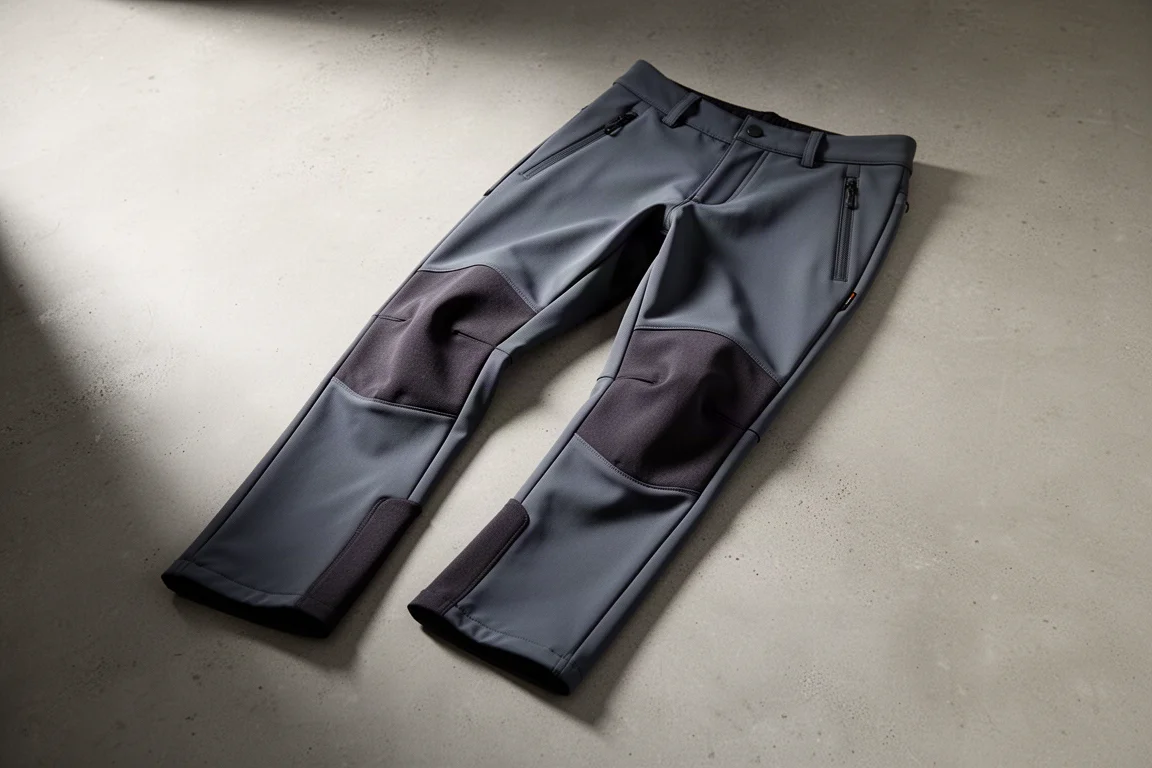
Outdoor Research Trailbreaker II Pants
Soft shell pants work for the same reasons soft shell jackets do: they breathe well and shed snow without relying on a waterproof membrane. The Trailbreaker II adds one genuinely useful detail, with knees reinforced by a waterproof breathable material. If you spend time breaking trail through deep snow, that reinforcement is what keeps you dry.
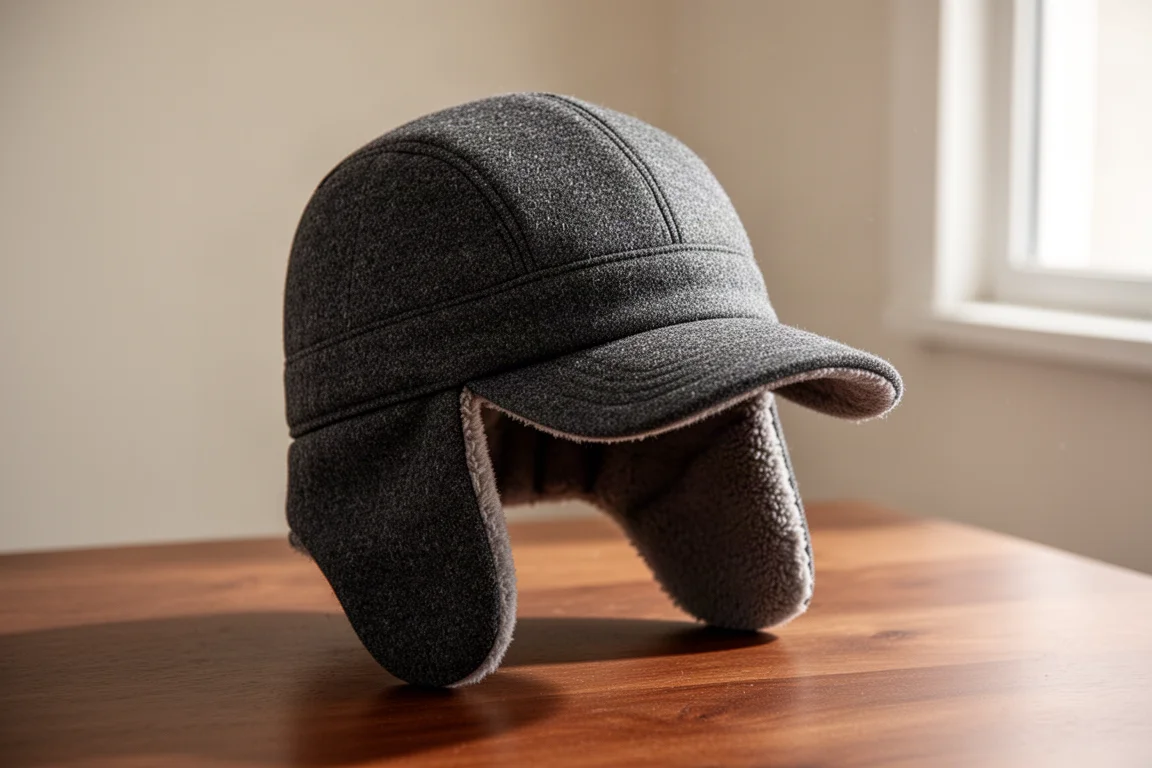
Outdoor Research Wrigley Hat
A winter hat usually forces a choice between a cap with a brim and a warm toque. The Wrigley hat does both. It has a full brim to block low sun, insulation with a fleece lining for warmth, and ear flaps that pull down when you reach an exposed ridge. That combination removes the need to swap headwear partway through a hike.
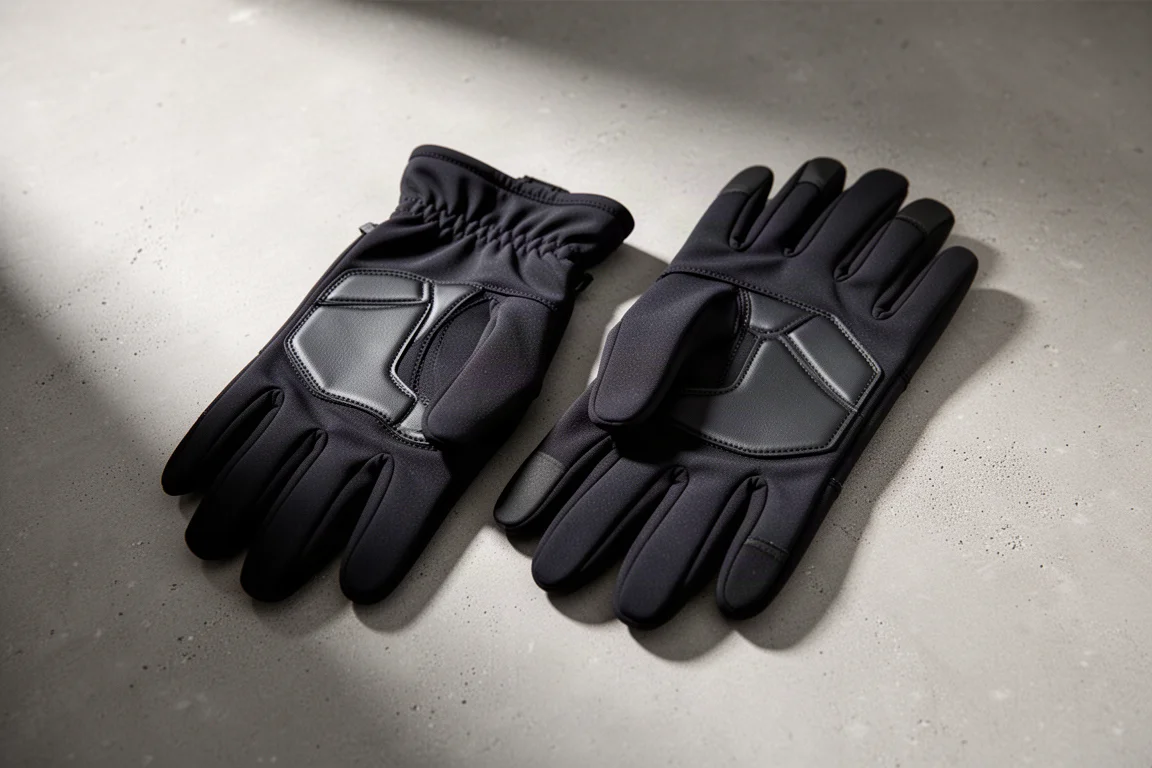
Decathlon Trek 500 Soft Shell Gloves
Soft shell gloves breathe well, which suits active winter days when hands heat up quickly. The Trek 500 gloves include a reinforced palm for gripping trekking poles, plus touch-capable finger and thumb tips for using a phone without taking them off. In practice the touch capability wears off over time, so treat it as an early-life bonus rather than a permanent feature. Apart from that, durability has held up well over repeated use.
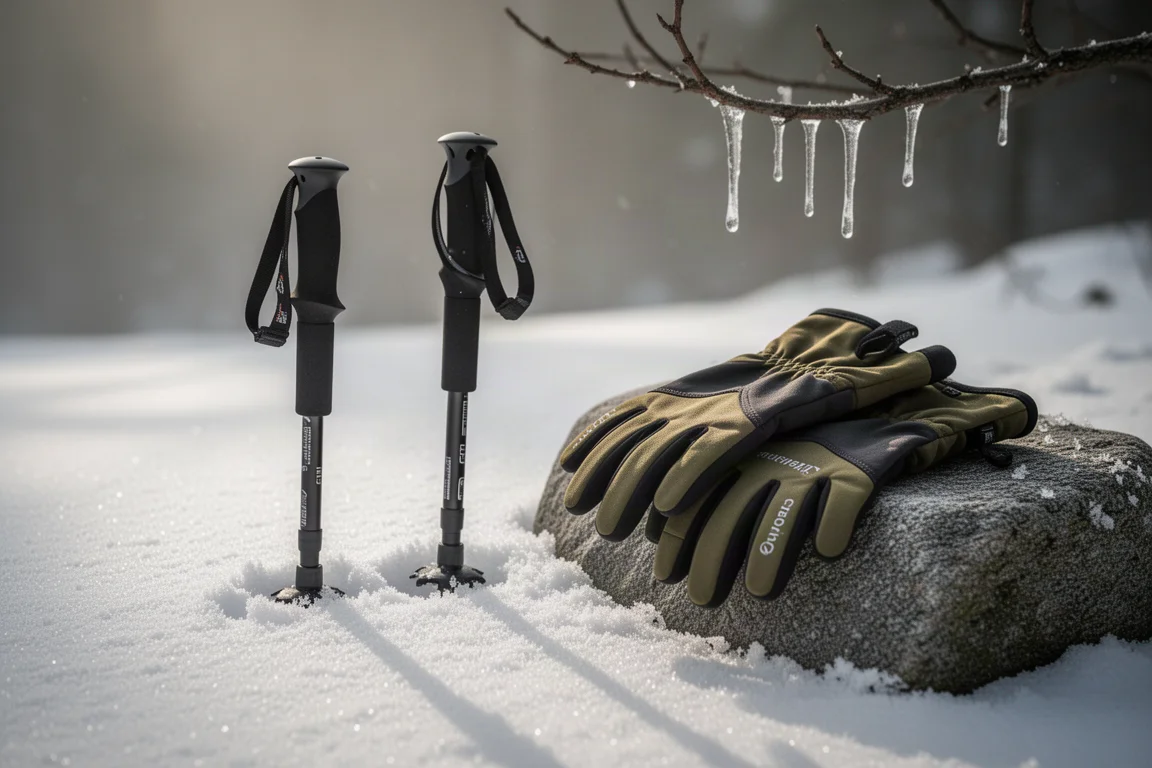
If your hands run cold, look for a glove with more insulation and wind protection instead, since a breathable soft shell prioritises moisture management over maximum warmth.
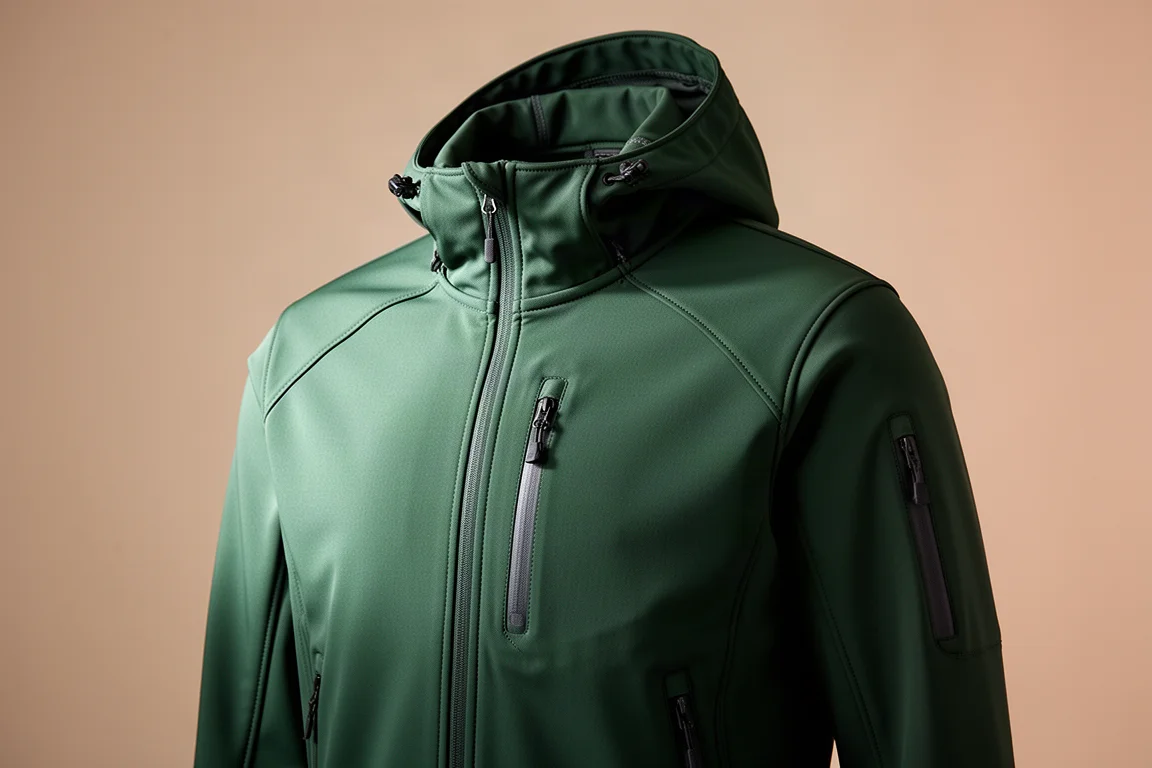
Outdoor Research San Juan Soft Shell Jacket
A soft shell jacket has no waterproof breathable membrane, so it breathes far better than a hard shell. Most soft shells carry a durable water repellent finish, which means snow and light rain bead up instead of soaking through. The San Juan is built for cold, dry conditions; if your winter plans regularly include rain, a hard shell is the more appropriate outer layer.
Two details make it practical for winter use. Chest pockets keep battery-powered items such as a phone, a power bank, or a satellite communicator warm, and large internal pockets hold water bottles close to your body so they do not freeze.
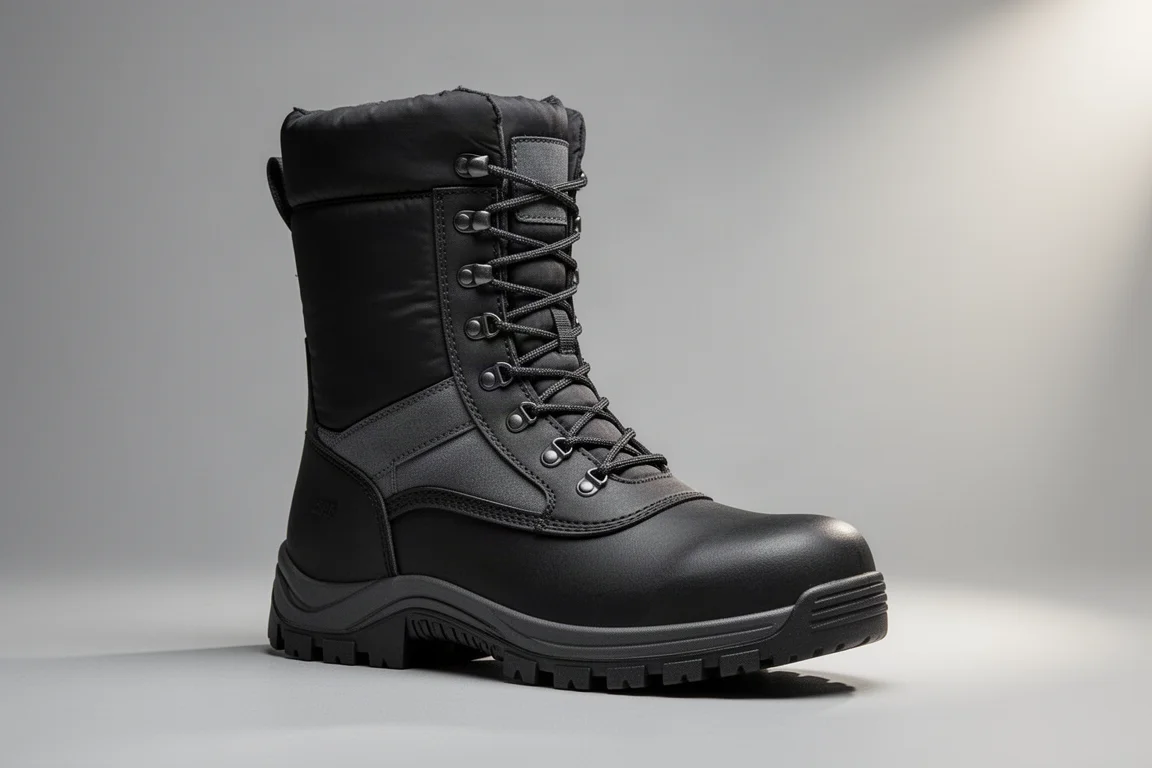
Decathlon SH520 Winter Hiking Boot
For day hikes, a waterproof insulated winter boot covers most needs. The SH520 is an affordable option that punches above its price in comfort, holding its own against considerably more expensive winter boots. Grip on icy, slippery slopes is surprisingly strong. The trade-off is a softer, less structured build, which makes it less suitable for long trips or heavy packs.
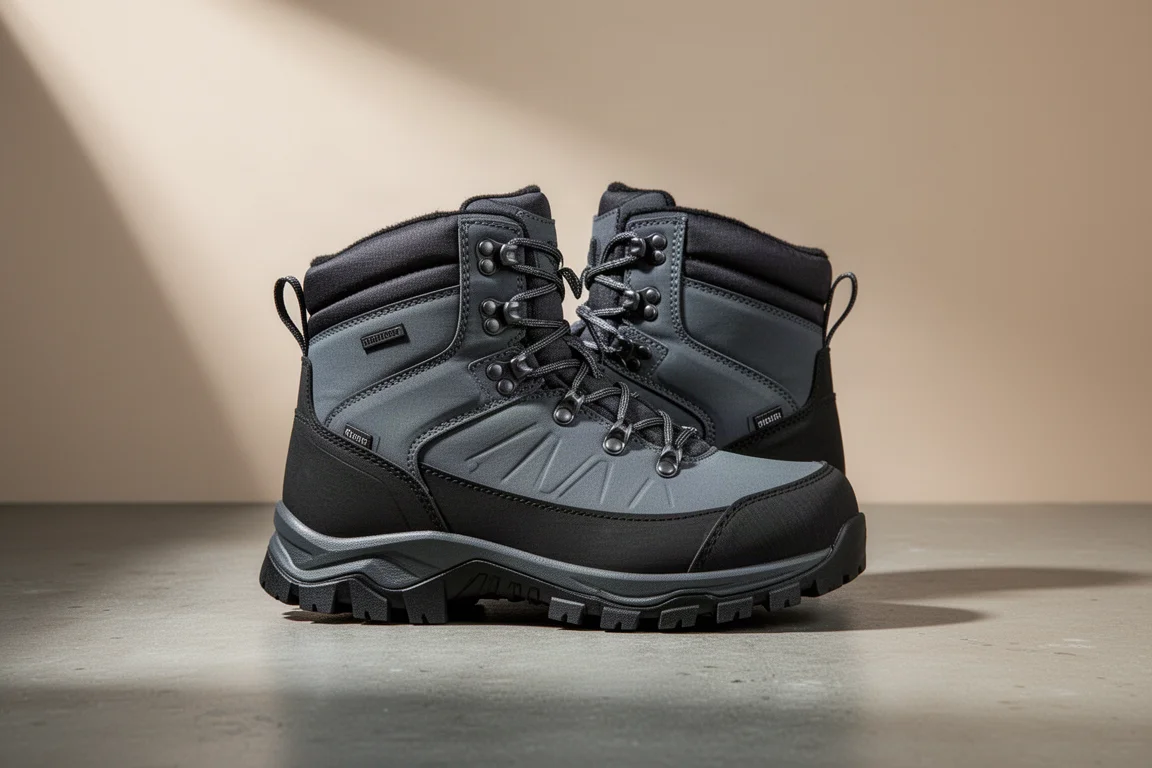
Salomon Tundra Pro Winter Boot
When you are carrying a heavy pack or heading out on a multi-day trip, a stiffer boot with more support makes a real difference. The Tundra Pro is a highly technical winter boot with a stiff sole, insulation developed by NASA, and strong stability through the length of the boot. It is also a comfortable partner for snowshoeing and similar high-effort winter activities.
Buying Advice
Build the system in order of importance. Start with a quick-drying base layer set, because that is what stops sweat from chilling you. Add a soft shell jacket and pants that breathe and shed snow, then choose a hat and gloves that match how cold your head and hands actually run. Footwear comes last, and the decision is mostly about load and trip length: a light insulated boot for day hikes, a stiffer technical boot for heavy packs and multi-day outings.
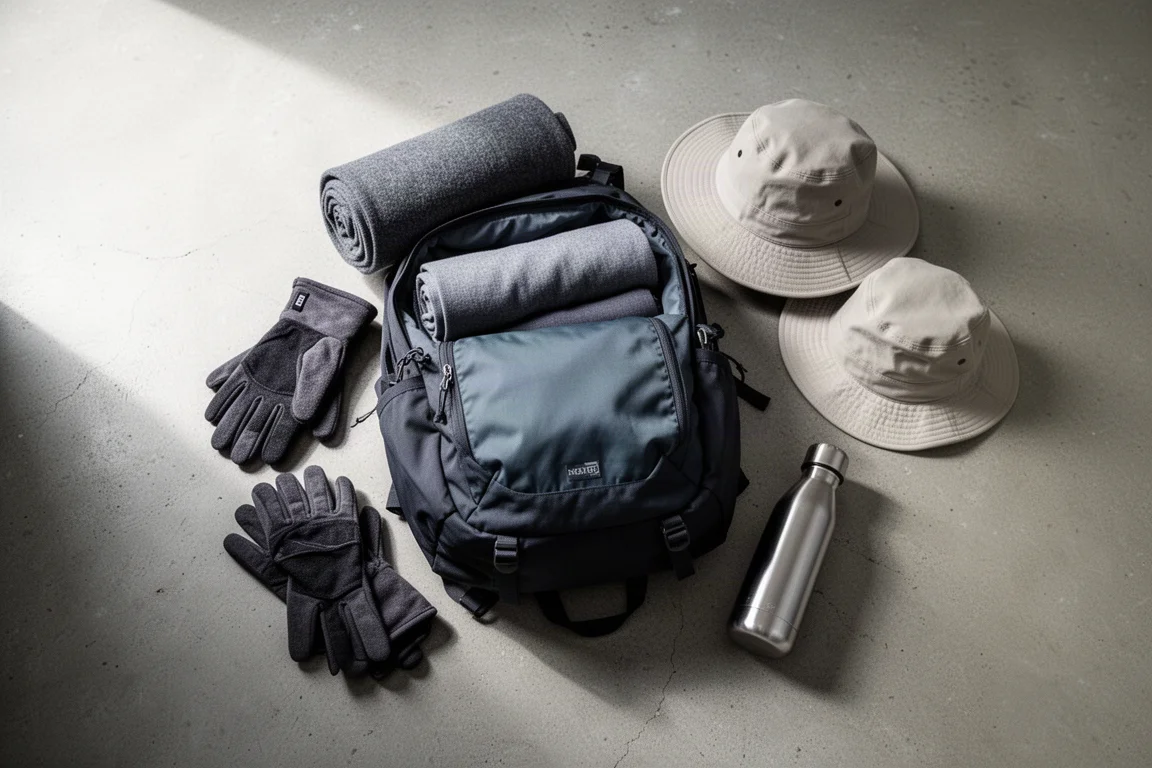
If you already own some of this kit, replace the weakest link first rather than buying everything at once. Most people see the biggest improvement from a base layer that dries quickly and an outer layer that breathes, since those two pieces control the moisture that makes or breaks a cold day out.
Conclusion
Winter comfort comes down to managing moisture and keeping enough adjustability to match your effort level. A grid fleece base layer and matching pants handle the sweat, an active synthetic insulation layer extends the range into deeper cold, and a soft shell jacket and trousers keep snow off without trapping heat. Add a brimmed insulated hat, breathable gloves, and the right winter boot for your load, and the same system will carry you through day hikes and multi-day trips alike.
Further reading
Related Reviews
Outdoor Gear
Backpacking Gear Evolution: 100 Years of Technology Compared
We tested backpacking gear from 1925, 1975, and 2025 across a three-day hike in Yosemite. Here's how technology has transformed comfort, weight, and the outdoor experience.
Outdoor Gear
Best Affordable Hiking Watches: Five Rugged Options for Outdoor Adventures
Five durable hiking watches that balance ruggedness, functionality, and value for outdoor enthusiasts who need reliable GPS tracking and weather resistance.
Outdoor Gear
Best Backpack Coolers 2026: Five Practical Options for Outdoor Adventures
Five backpack coolers with distinct cooling capabilities, storage features, and design trade-offs to help you choose the right one for your outdoor needs.