Outdoor Gear
Winter Layering on a Budget: Three Layers Worth the Money
A practical cold-weather layering system built around sweat management, with three pieces that earn their price and clear guidance on where to save.
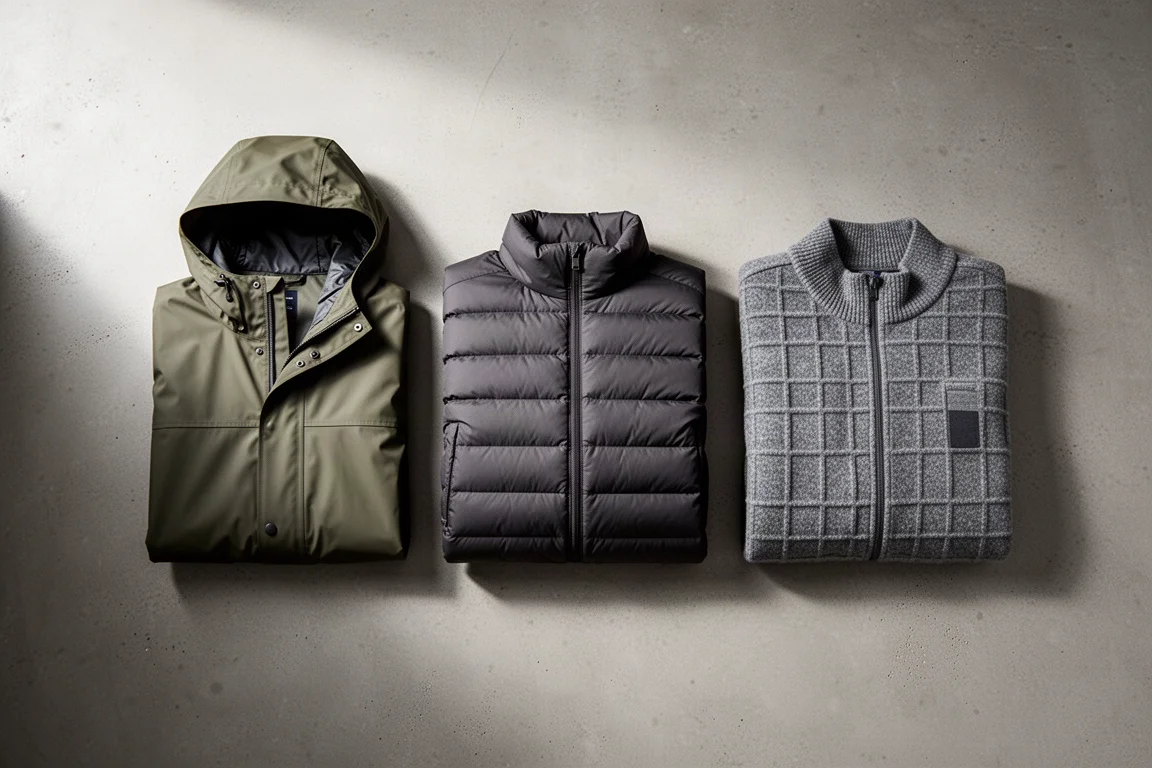
Introduction
Cold-weather layering has a reputation for being expensive. A single high-tech waterproof shell can run anywhere from $200 to $400, and premium insulating pieces can approach $300 each. That adds up fast, and it is only the clothing, before boots, gaiters, or anything else enters the picture.
The good news is that a full winter layering system does not have to be built that way. The purpose of layering is also widely misunderstood. It is less about trapping maximum warmth and more about managing sweat. If you get wet when it is cold outside, you will be cold, and moving uphill in a stack of layers is a reliable way to get wet from the inside. A layering system exists so you can add insulation when you are stationary and strip it back when you are working hard.
What Winter Layering Actually Does
Each layer has a job, and understanding those jobs is what keeps a system affordable.
The shell has one real task: keep wind and wet snow out while letting sweat escape. High-tech waterproof fabrics are genuinely more breathable, but they still lean heavily on pit zips to move moisture, and pit zips cost far less than the fabric itself. That is why just about any decent waterproof rain jacket can serve as a winter shell, provided it has pit zips.
Insulating layers are the opposite case. Their only job is warmth, and they cannot evacuate sweat at all. That is why they belong in your pack during hard efforts and on your body at camp or on long breaks, when your own activity is no longer keeping you warm. Mid layers sit in between. They add insulation but also need to wick moisture, which is why a polyester fleece is the material to look for in that position.
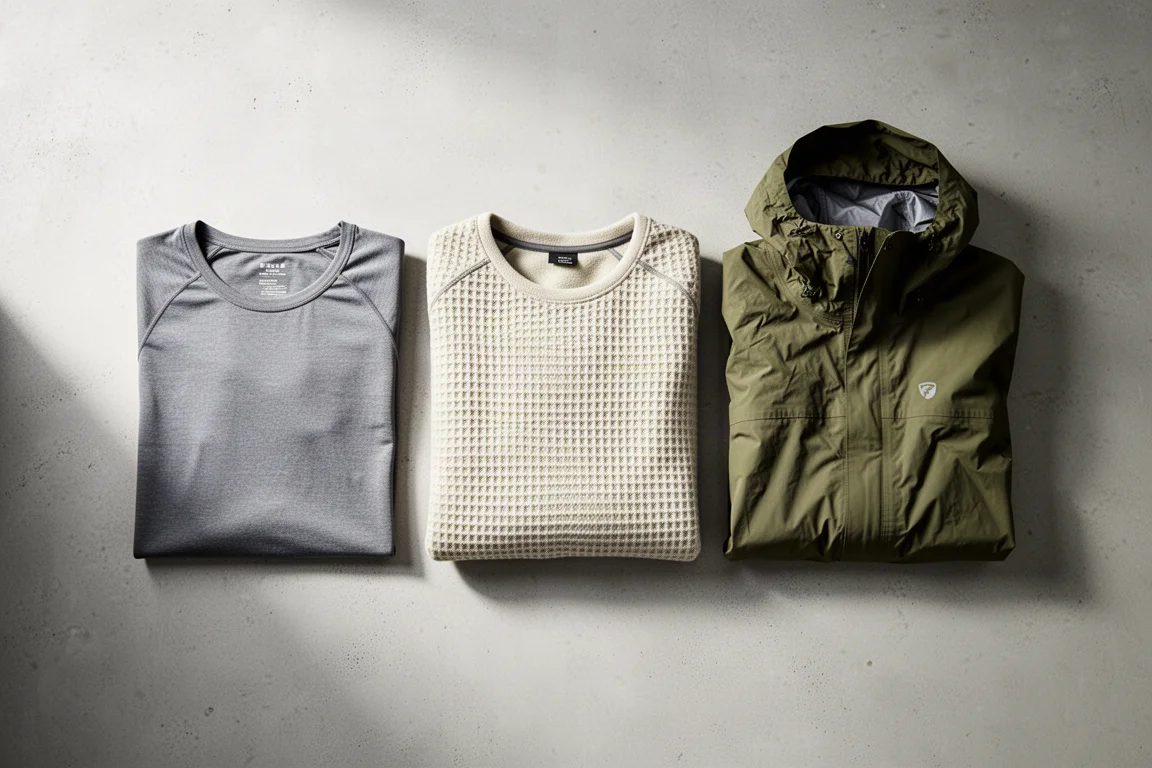
The base layer touches your skin and takes the brunt of your sweat, which makes it the most important layer of the three. Cotton holds moisture against the skin and takes a long time to dry, so it is the wrong choice. Polyester moves sweat to the surface of the fabric and dries quickly, and it happens to be inexpensive. Wool and silk wick as well, but polyester does it best and costs the least. A complete polyester base layer set can be found for around $27, compared with roughly $250 for a premium wool-blend set that offers only a slight edge in performance and odor control.
That hierarchy is what makes a low-cost system possible. Spend where a feature genuinely changes performance, and save everywhere else.
Best Shell: Marmot PreCip Jacket
The Marmot PreCip is the piece where spending a little more is justified. At $90 it is the priciest item in this system, and the reason is specific: it has pit zips. Cheaper waterproof jackets exist, and almost any of them can serve as a winter shell, but finding one with pit zips at a lower price proved difficult.
As a shell, the PreCip does what a shell is supposed to do. It blocks wind and wet snow, and it allows sweat to escape. It does not depend on an expensive membrane to do that work, which is exactly the trade-off that keeps the rest of the budget intact. If you already own a waterproof rain jacket with pit zips, you can skip this purchase entirely.
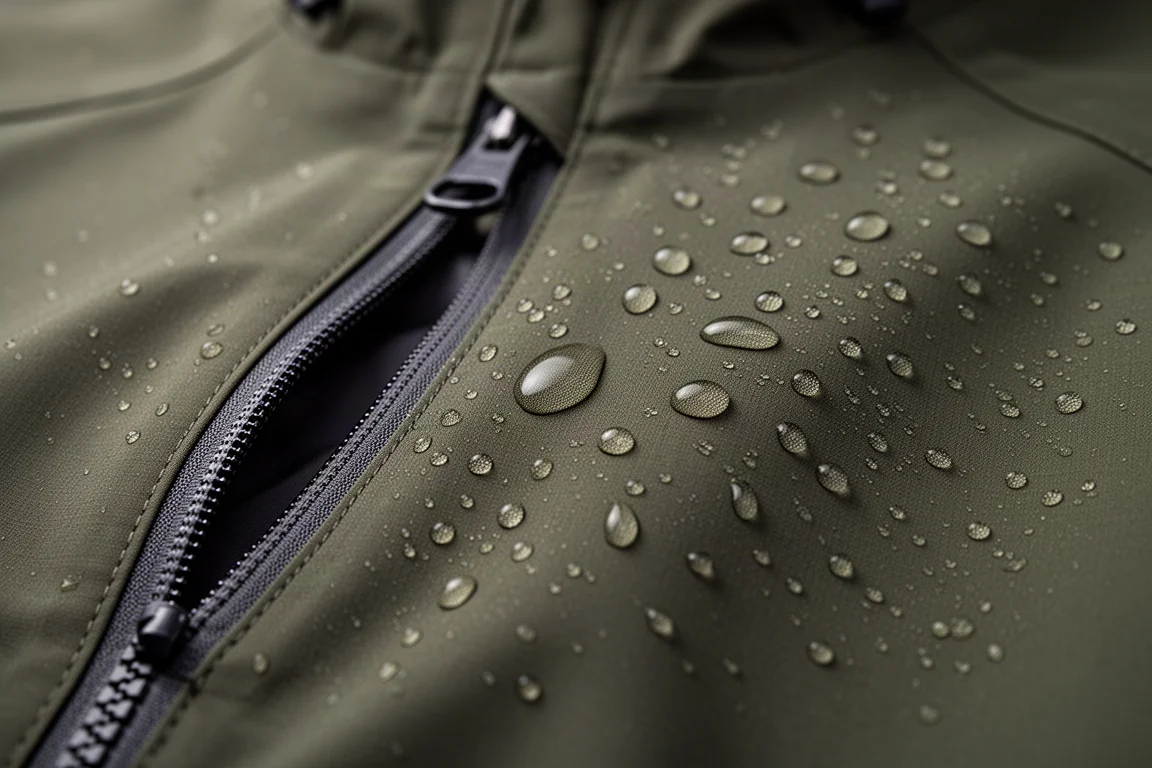
For anyone building a system from scratch, though, the pit zips are what make the difference on a climb, and that is what the extra money buys. A cheaper jacket, or one modified to vent better, will also do the job.
Best Insulating Layer: Mountain Hardwear Ghost Whisperer
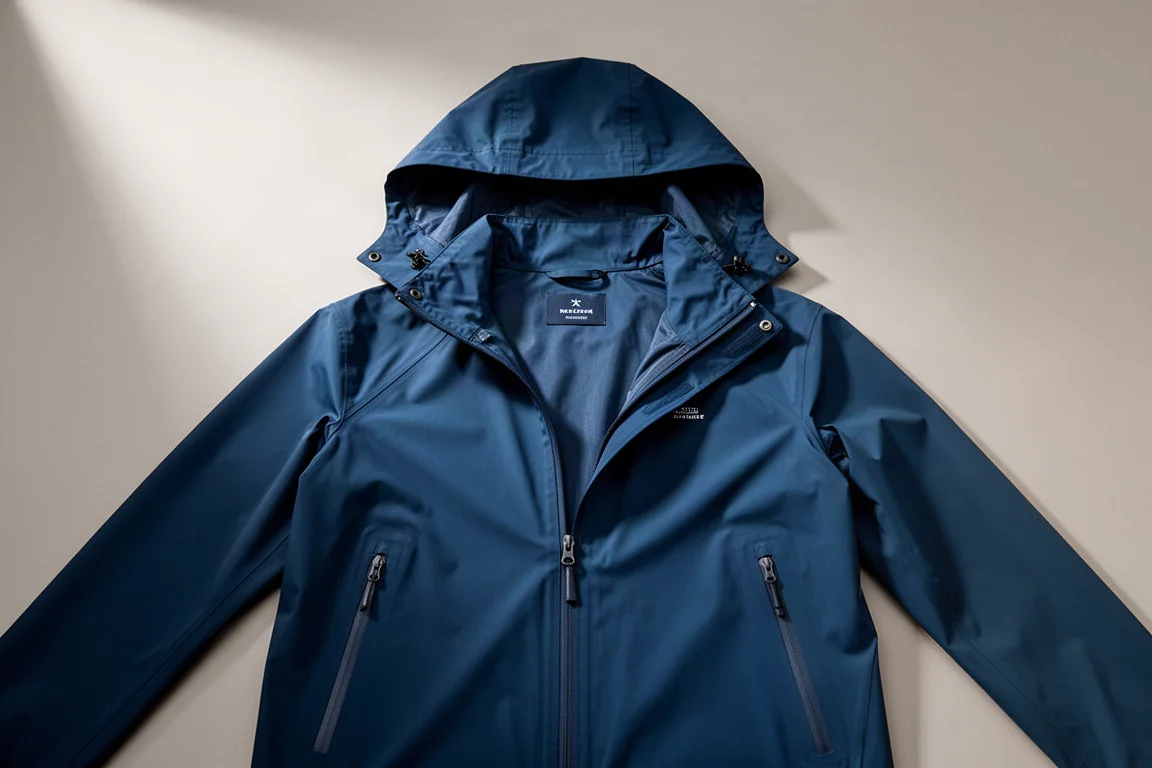
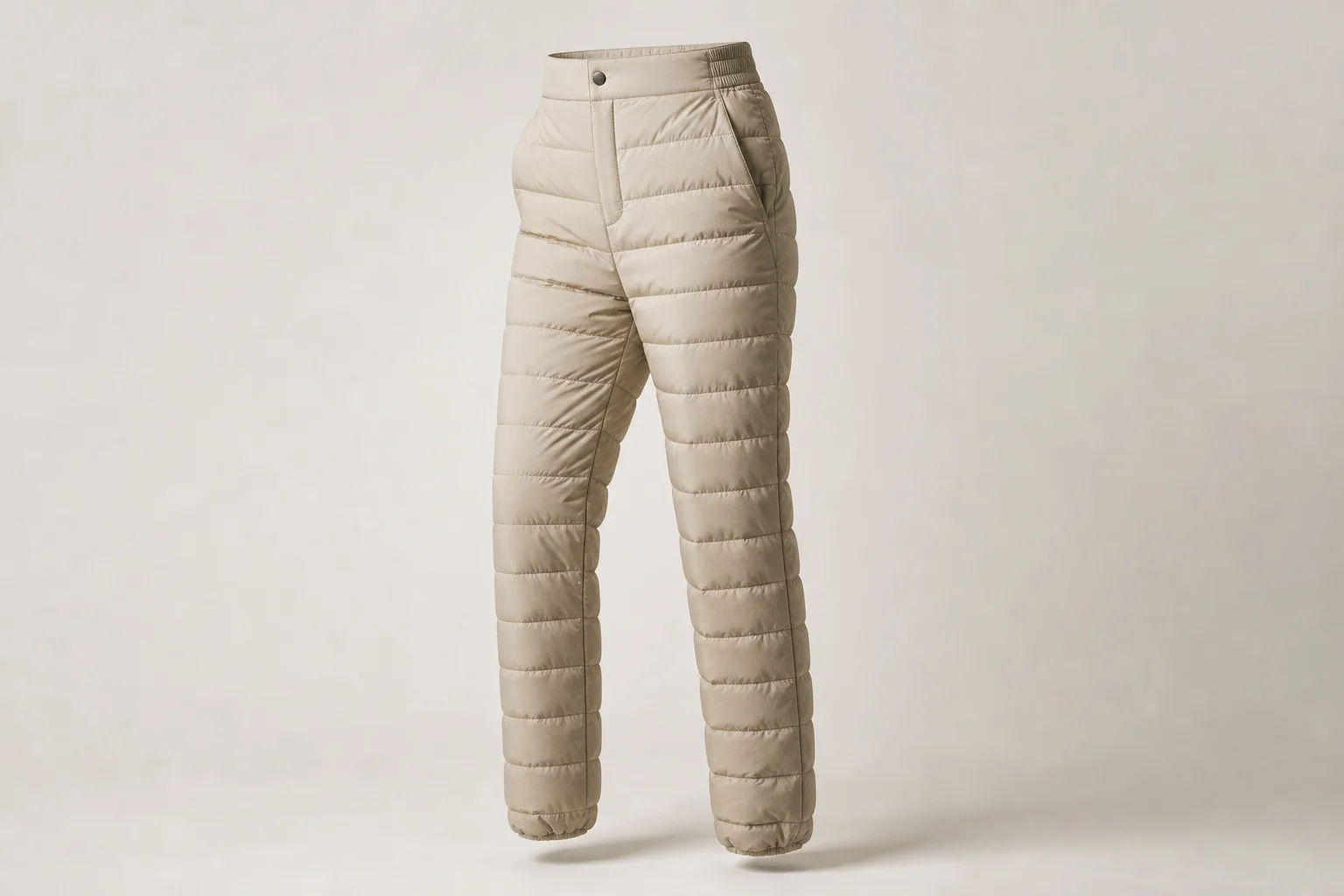
The Ghost Whisperer is a down puffy, and it represents the premium end of the insulating category at close to $300. Its role in the system is narrow and clear: it keeps you warm when you are not generating heat, such as at camp or during an extended break.
Because down insulation cannot move sweat away from your body, this is not a layer you wear while climbing or snowshoeing at full effort. It goes on when you stop, and it comes off when you start moving again. That narrow role is worth understanding before deciding how much to spend. A synthetic puffy costing a fraction of the price will also keep you warm, just not to the same degree, and any insulating layer you already own will likely work fine for moderate cold.
Best Mid Layer: Skygoat Microgrid Fleece
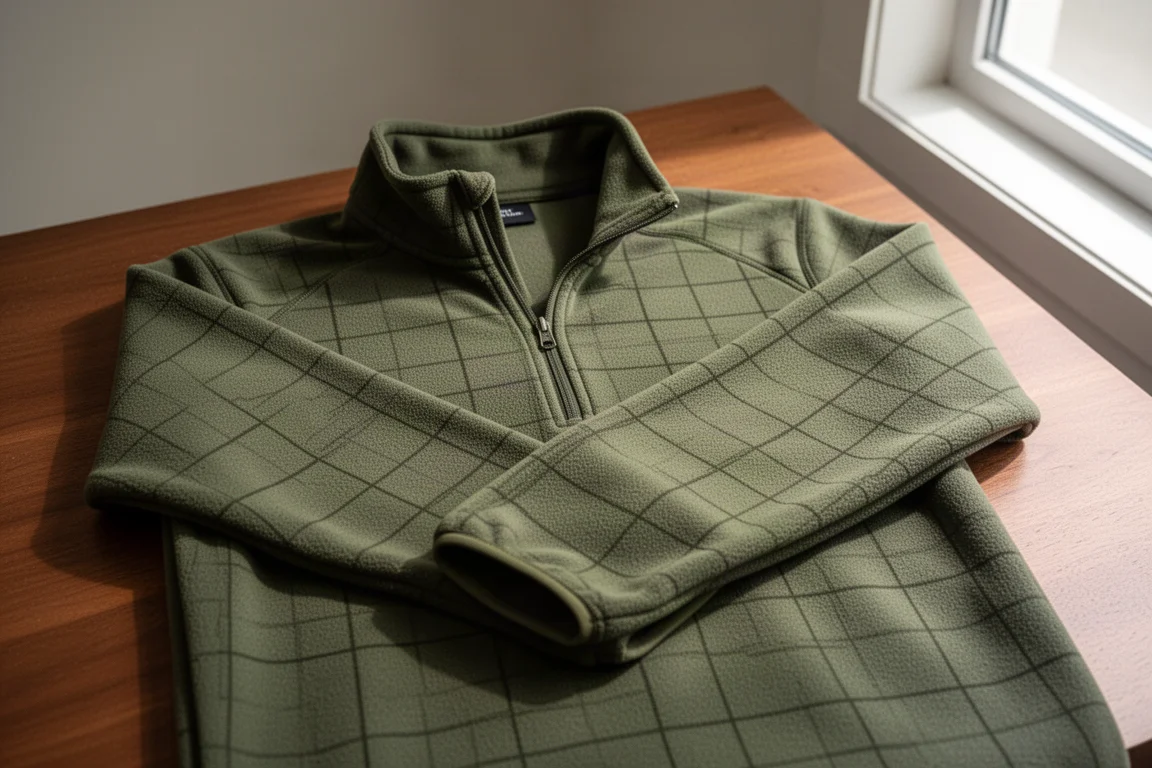
The Skygoat Microgrid fleece covers the middle ground at $120. Unlike an insulating layer, a mid layer has to do two jobs at once: add warmth and move moisture. That combination is what you want when you are still cold despite working hard, and it is why polyester fleece is the material that matters in this position.
The Microgrid fleece handles both jobs. It provides insulation without turning into a sweat trap, which makes it the layer you reach for on active days rather than at a standstill. It is also the kind of piece many people already own, since a basic polyester fleece mid layer will wick and insulate too, often for around $15.

The case for this one is that it performs the mid layer role well and is built for it, not that it is the only fleece that will work.
Overall Buying Advice
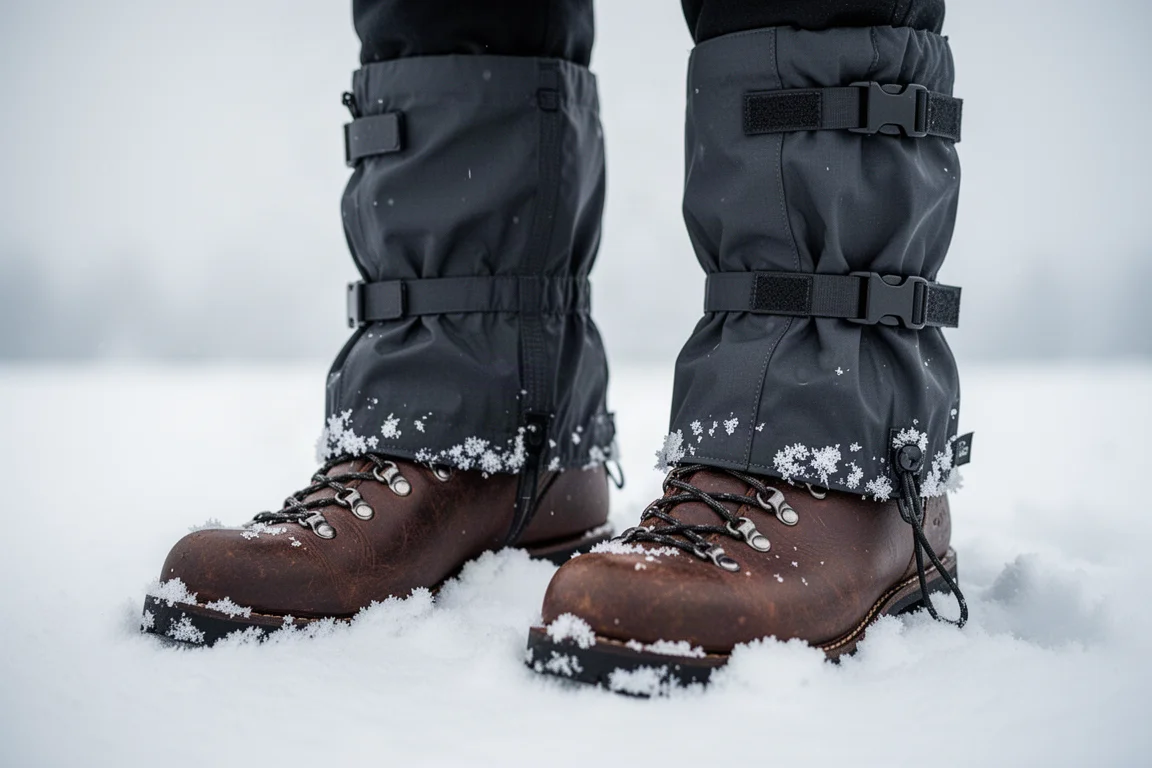
Legs need a plan too. On high-output days like snowshoeing or cross-country skiing, your legs generate a lot of heat, so dedicated soft shell pants are not always necessary. Regular hiking pants paired with a good waterproof gaiter work well, and a gaiter keeps snow out of your boots while protecting the bottom of your pants. If snow is falling hard, the top of your pants can still get wet, and a durable water-repellent treatment applied at home solves that for a modest cost.
The wider point is that a complete system can land well under what a single premium shell costs. A polyester base layer set, a fleece mid layer, a synthetic puffy, and a rain jacket with pit zips can add up to roughly $200, and that total drops further for anyone who already owns some of these pieces. Premium items like the Ghost Whisperer and the Skygoat fleece earn their price through warmth, odor control, and build quality, but the system still works without them.
Start with what you already have. Add the layers that fill a genuine gap, and prioritize venting over fabric names. That approach keeps the barrier to getting outside low, which matters more than owning the most advanced membrane on the market.
Conclusion
Managing sweat is the whole point of a winter layering system, and it is entirely possible to do that on a modest budget. The Marmot PreCip earns its $90 through pit zips, the one shell feature that reliably moves moisture. The Mountain Hardwear Ghost Whisperer and the Skygoat Microgrid fleece sit at the premium end of insulation and mid layers, and they are genuinely good at their jobs, but each has a cheaper counterpart that covers the same role. Build around the layers you already own, buy the pieces that solve a real problem, and the cost of staying warm and dry drops fast.
Further reading
Related Reviews
Outdoor Gear
Backpacking Gear Evolution: 100 Years of Technology Compared
We tested backpacking gear from 1925, 1975, and 2025 across a three-day hike in Yosemite. Here's how technology has transformed comfort, weight, and the outdoor experience.
Outdoor Gear
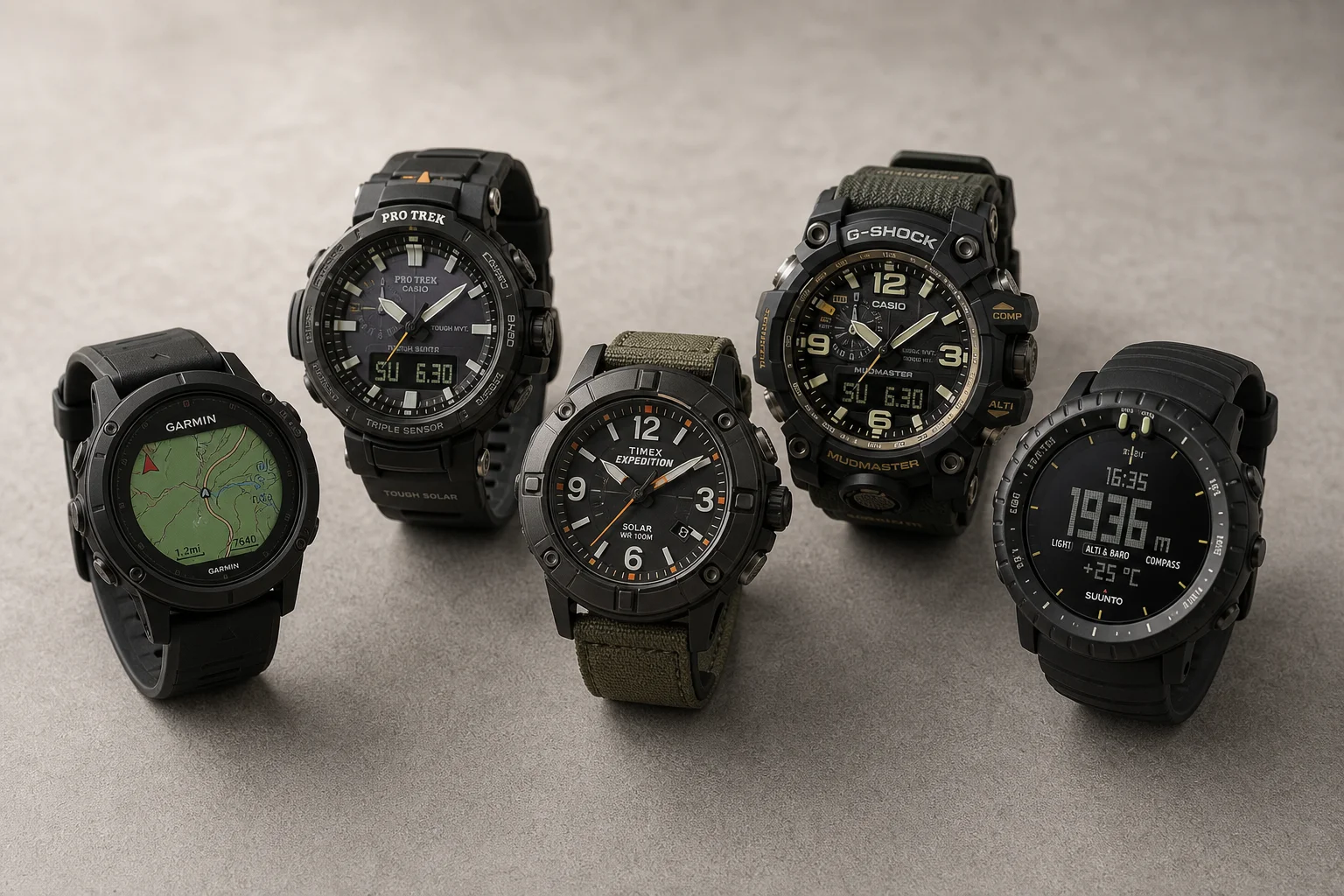
Best Affordable Hiking Watches: Five Rugged Options for Outdoor Adventures
Five durable hiking watches that balance ruggedness, functionality, and value for outdoor enthusiasts who need reliable GPS tracking and weather resistance.
Outdoor Gear
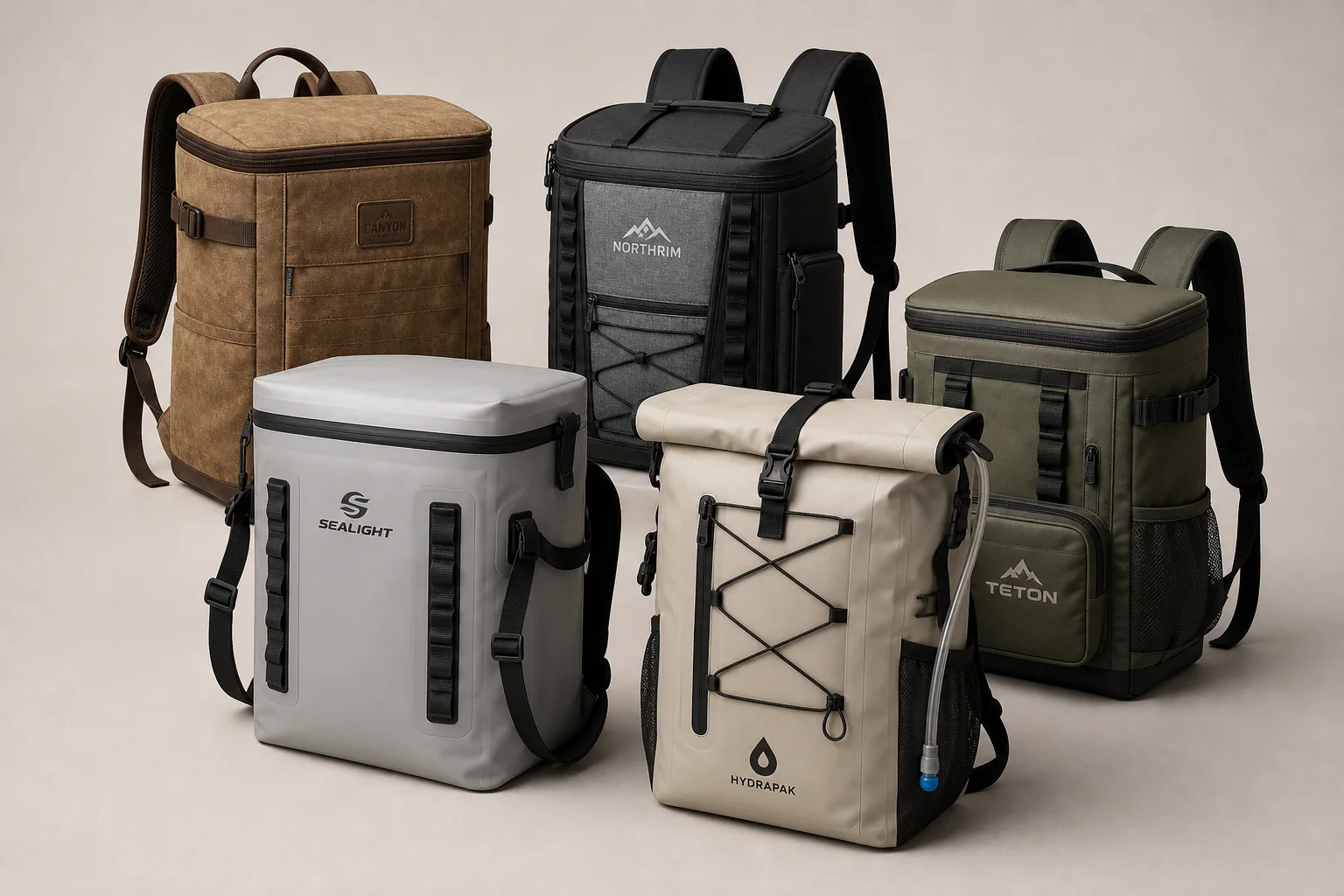
Best Backpack Coolers 2026: Five Practical Options for Outdoor Adventures
Five backpack coolers with distinct cooling capabilities, storage features, and design trade-offs to help you choose the right one for your outdoor needs.