Winter Gear
Winter Layering Kit: Gloves, Mitts, Bandana, and Beanie for Cold Weather
A practical look at four cold weather pieces that handle wind, snow, and deep cold, plus what to know about fit, availability, and carrying a dry backup.
Introduction
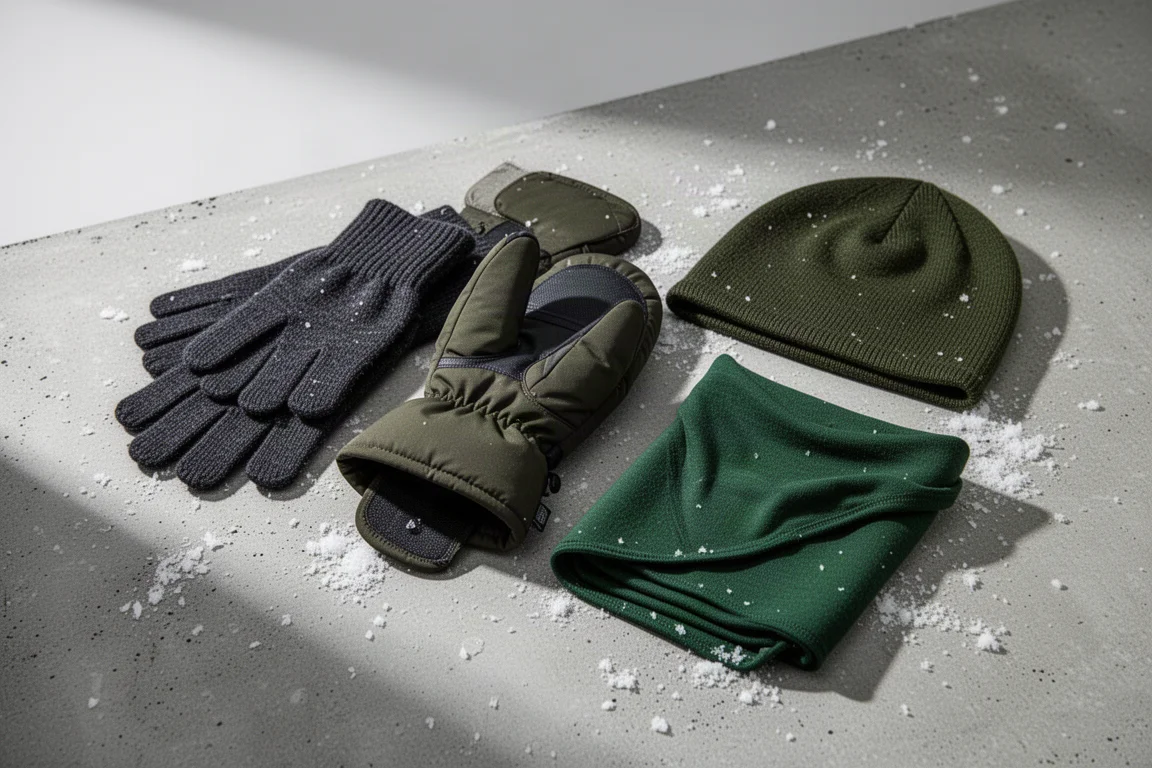
A winter kit earns its place over a full season rather than a single outing. The four pieces covered here handle the jobs that come up most often: thin gloves for active days, a heavy mitt for deep cold and wind, a merino bandana that doubles as a face warmer and neck gaiter, and a lightweight merino beanie for the head.
Two of the four have been discontinued by their makers, which changes how you shop for them. The other two are easier to find. What follows is a straightforward look at what each piece does well, where it falls short, and how the pieces work together as a system rather than as separate purchases.
What to Look for in a Winter Layering Kit
The first question is warmth versus dexterity. At the light end of the spectrum, thin knit gloves are inexpensive, dry quickly, and let you use your hands normally, but they tend to last roughly one season and the fingertips are usually the first thing to wear through. At the other end, insulated mitts and heavy gloves trade dexterity for warmth and wind protection. Most winter kits need both ends of that range, plus a spare of the light piece so a wet pair never ends the day.

Fit matters as much as warmth. One-size-fits-all knit gloves tend to be cut for larger hands, so anyone with medium hands often ends up with extra material bunching past the fingertips, and sizing down usually solves it. Heavier gloves and mitts come in defined sizes, so check the size range before you commit, especially when you are buying from secondhand listings.
Wind and moisture handling come next. A wind-blocking face covering and a hat that covers the ears make a bigger difference on exposed terrain than an extra layer on your torso. Weight matters too, because the lightest pieces are the ones you can afford to carry twice.
Outdoor Research Mutant Mitts: Deep Cold Protection
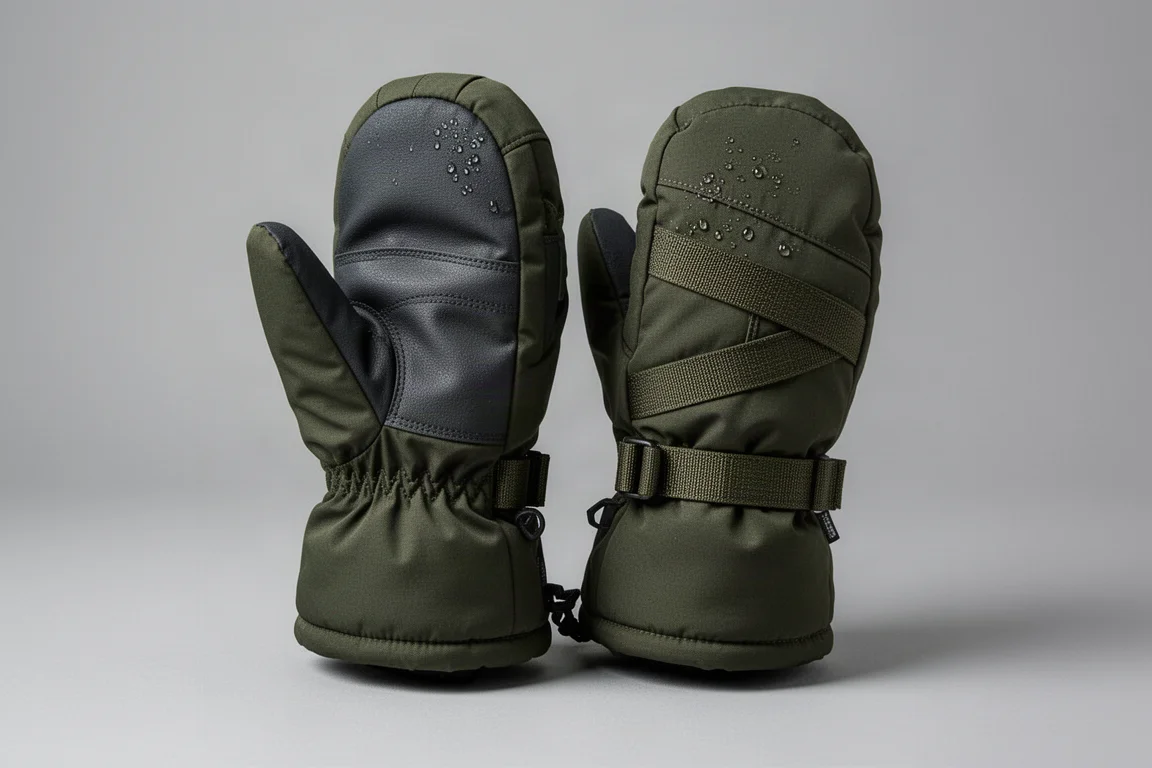
The Mutant Mitts are the piece to reach for when conditions turn genuinely cold, windy, or snowy. The design is unusual: a shell with a separate forefinger and thumb over a mitten compartment, paired with a five-finger liner glove inside. That combination keeps a usable index finger and thumb for buckles and zippers while the rest of the hand stays in the warmer mitten shape.
The shell is waterproof and carries compression straps at the cuff and across the back of the hand, so you can cinch everything down for a closer fit. In practice they are extremely warm, and that is both the appeal and the limitation: they are big, bulky, and heavy, and on milder days they can be far too warm.
Sourcing takes some effort. These are military surplus items and the model has been discontinued, so secondhand marketplaces are the realistic route. Sizes are limited and you may need to be patient, but the upside is that they have historically been very inexpensive for the warmth they deliver. If you cannot find a pair in your size, Outdoor Research still offers a broad range of military-style cold weather gloves worth looking at.
Outdoor Research Firebrand Gloves: Warmth With Dexterity
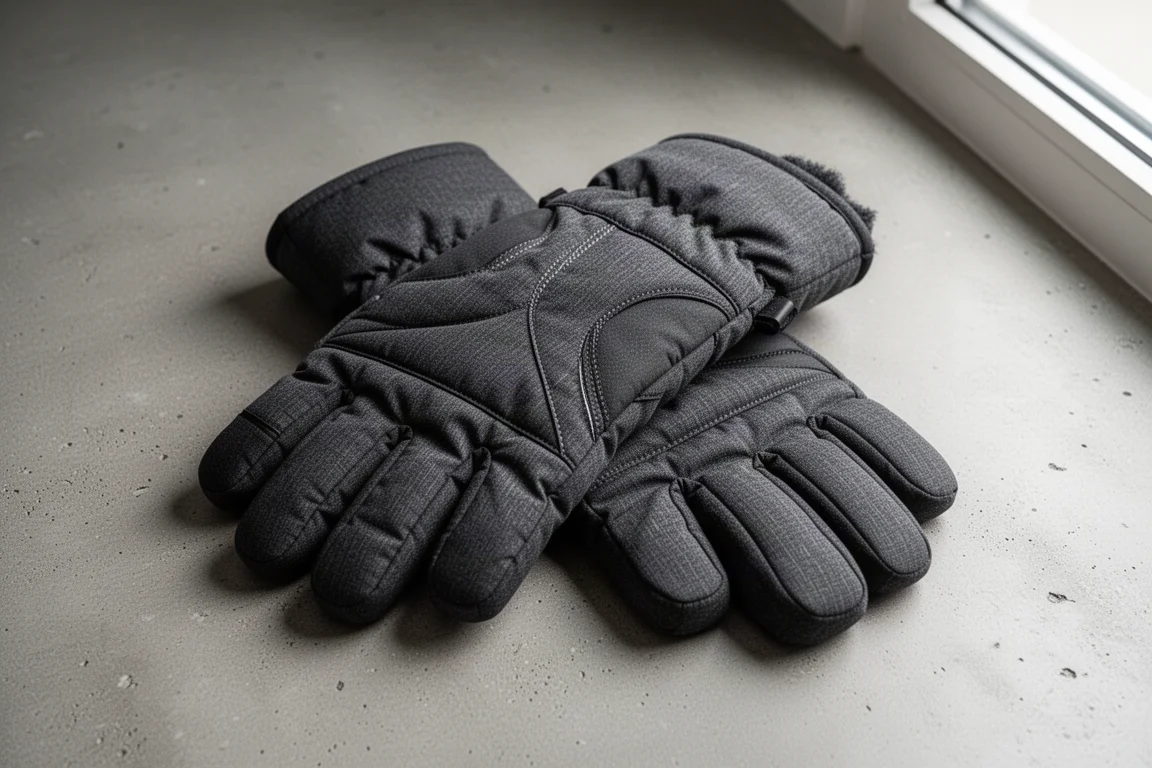
The Firebrand Gloves sit in the same family of military-style cold weather gloves, and they suit anyone who prefers a conventional glove to a mitt. They are very warm, and pricing typically runs from around $40 up to $70, which places them well above a basic knit glove but still within reach for a dedicated winter glove.
That price range makes the most sense for people who spend real time outdoors in the cold rather than occasional commuters. A heavy glove is easier to wear while working with straps, zippers, and tools than a mitten, though it is still a warmer, heavier option than a thin liner glove.
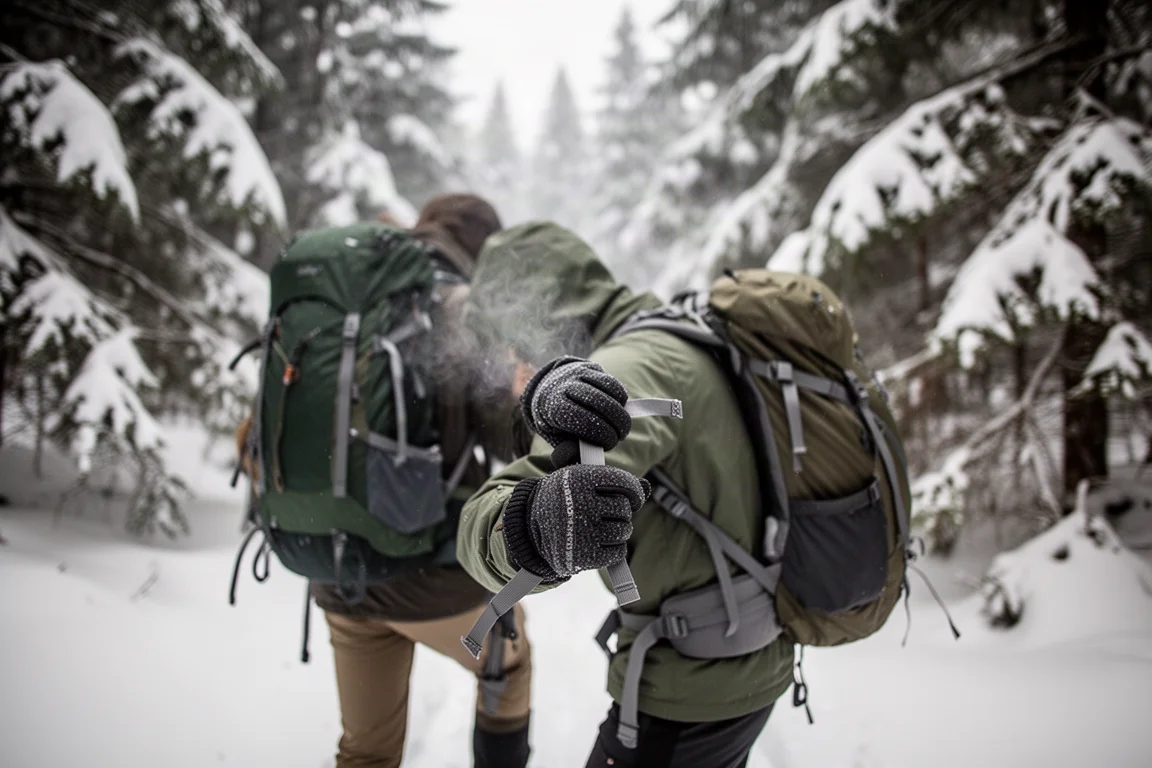
As with any insulated glove, the fit across the palm and fingers decides how much dexterity you actually get, so confirm sizing before ordering. For riders, hikers, and campers who want one pair of warm gloves rather than a mitt-and-liner combination, this is the shape to consider.
ioMerino Limitless Bandana: Face and Neck Coverage
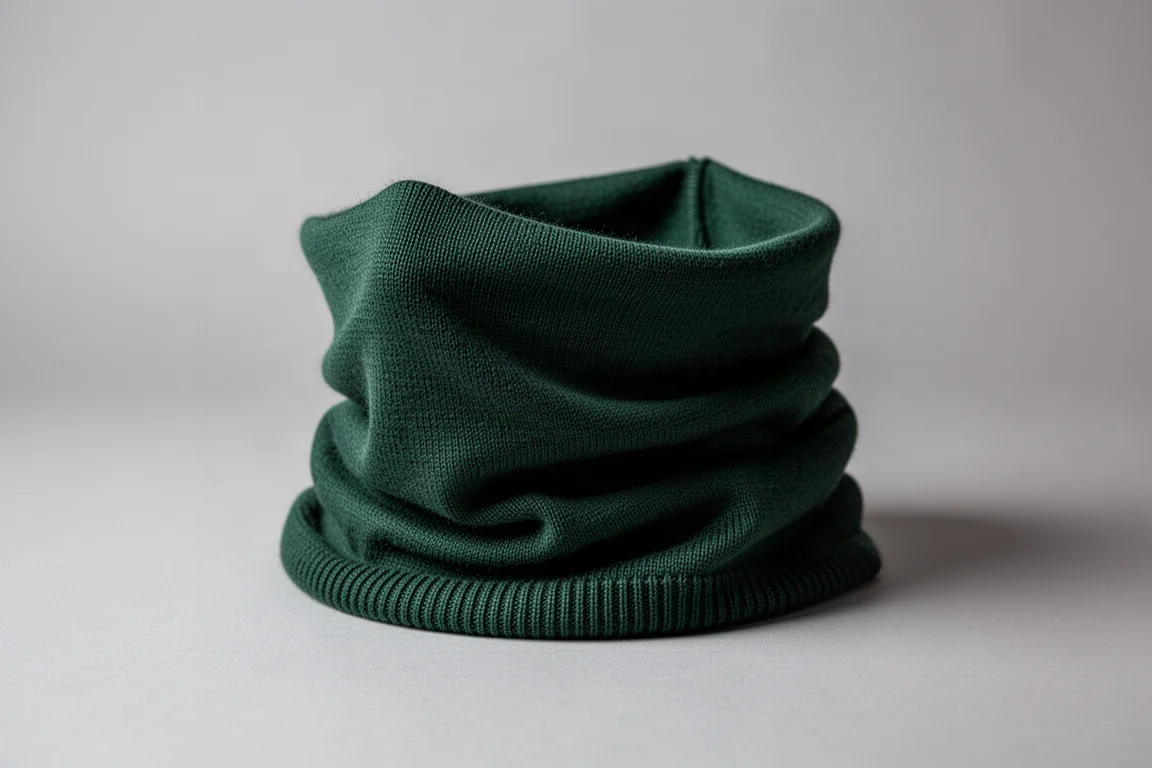
This is the piece with the least competition and the most frustrating availability. The Limitless Bandana is a merino wool design that wraps around the middle of the head and works as a wind block, a face warmer, and a neck gaiter in one piece. It is comfortable enough to wear while hiking and even while sleeping, which is unusual for a face covering.
The retail price was around $30, which is high for a single accessory, but merino wool is what makes it work as well as it does. The larger problem is that it has been discontinued, and there is no direct replacement on the market. Searching for a substitute mostly turns up general-purpose masks and neck gaiters, which are different products with different fit and coverage.
For now, the realistic options are finding one secondhand or making something similar from merino wool fabric, for example by cutting up a merino shirt. Neither is as tidy as buying the original, but both keep the function intact.
Smartwool 150 Beanie: The Everyday Layer
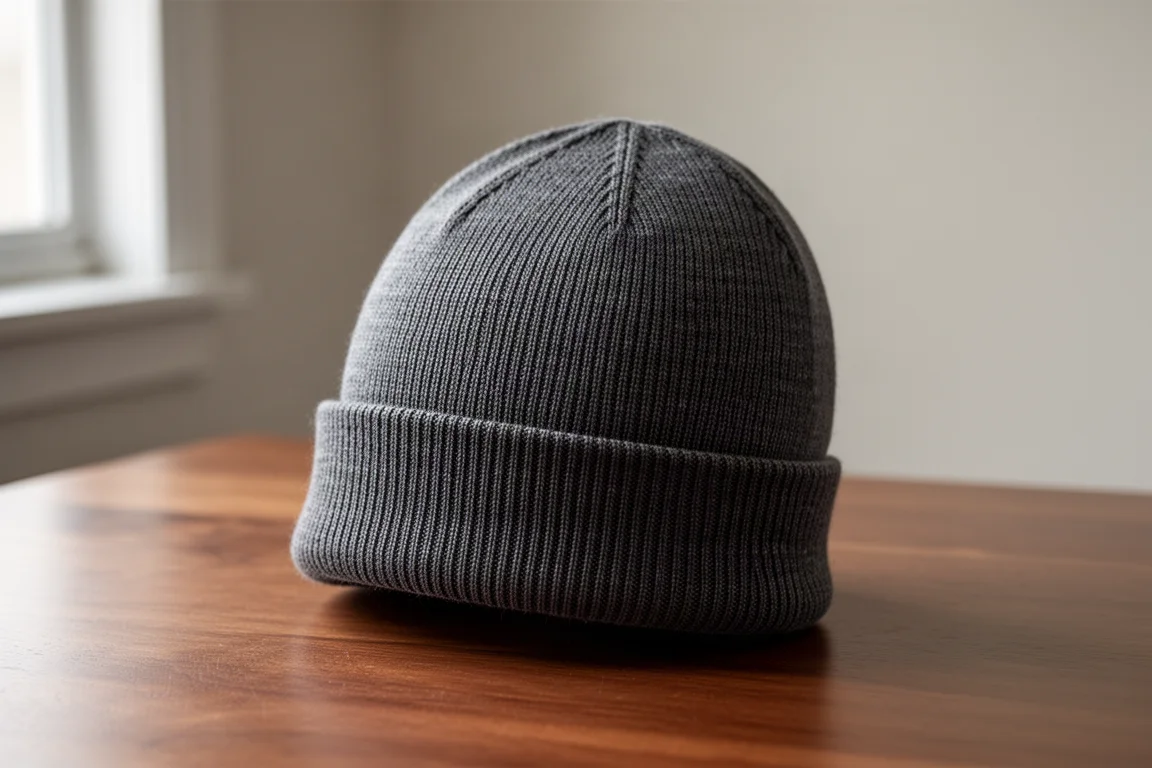
The Smartwool 150 Beanie is the piece that covers the most days. It is a lightweight merino wool hat, long enough to cover the ears, with a one-size fit that stays put. It provides the warmth and protection you need from cold, snow, and wind without running hot, which means it works while hiking, while sitting around camp, and everywhere in between.
Weight is the main argument in its favor. Because it is light, it packs down easily and dries fairly quickly, and carrying a second one as a dry backup is no burden at all. That matters when wet snow lands on your head and melts, since a dry hat at camp in the evening is a small but real comfort.
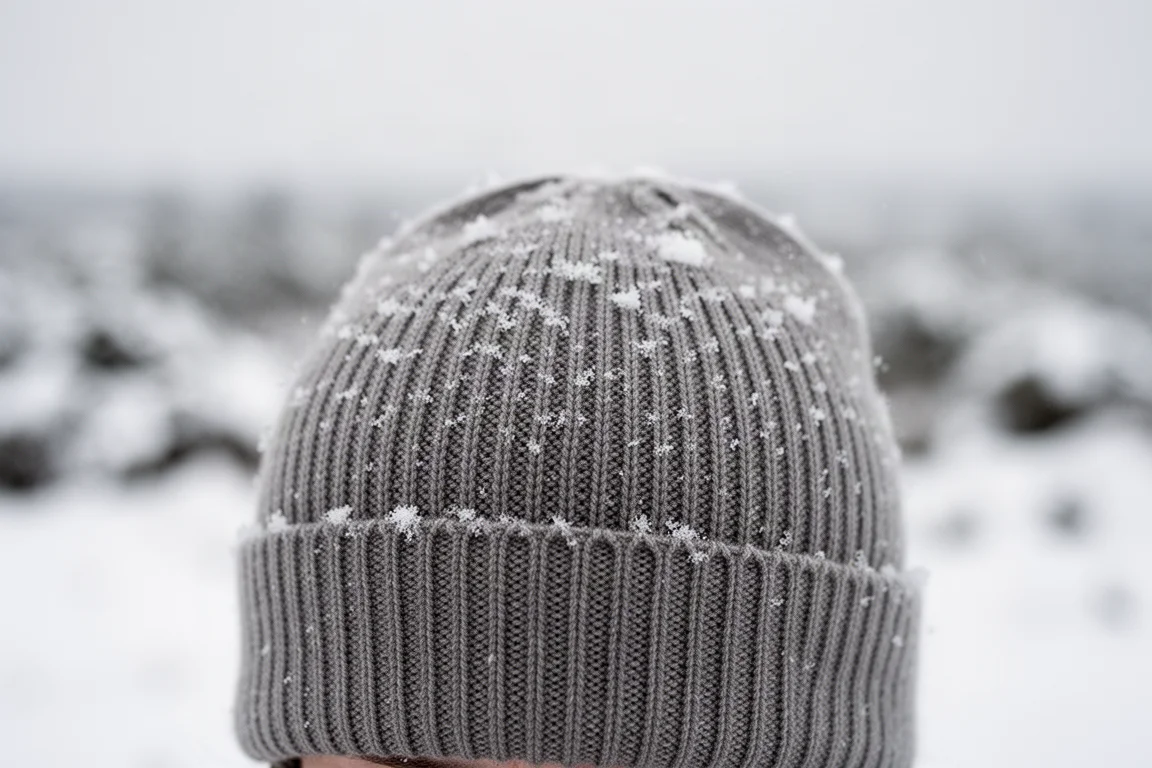
The main drawback is color availability. The company rotates colors quickly, so a specific shade such as moss green is unlikely to still be in stock, and gray or black versions are the more realistic finds. Price and weight are both strong points here. If you run cold, note that a thin hat like this may feel like too little, and a thicker option will be more comfortable.
How the Four Pieces Work Together as a Kit
These four pieces are not alternatives to one another; they cover different conditions. A thin knit glove handles most active days, the mitts take over when it is cold, windy, or snowing, the bandana blocks wind across the face and neck, and the beanie covers the head. Keeping all four within reach means you can adjust as the day changes instead of committing to one level of warmth in the morning.
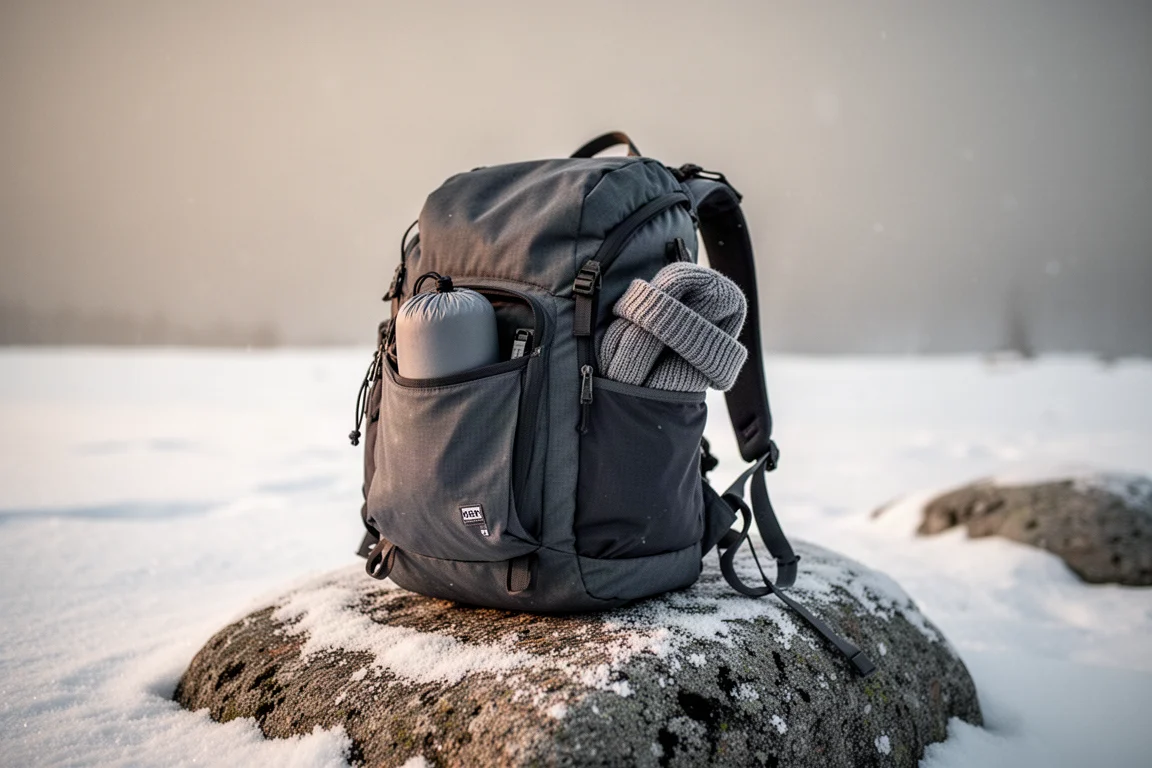
The backup strategy matters as much as the pieces themselves. Because each item is light, carrying a spare hat and a spare pair of gloves is practical. Wet snow and digging in the snow both soak gloves quickly, and a dry spare at camp makes the evening far more comfortable. A small stuff sack used for the bandana can double as storage for gloves and a second hat.
Buying Advice and Availability
Availability is the deciding factor for two of these four pieces. The Mutant Mitts and the Limitless Bandana have both been discontinued, so secondhand listings are the main route, stock and sizes will vary, and patience is part of the process. The Firebrand Gloves and the Smartwool 150 Beanie are easier to source, though beanie colors rotate frequently.
Fit is worth checking twice. One-size knit gloves and one-size beanies suit a wide range of people, but the mitts and insulated gloves come in defined sizes, and secondhand listings often offer limited options. If you run colder or warmer than average, adjust accordingly: a thicker hat or a thinner glove may serve you better than the exact pieces listed here. Finally, treat the light pieces as consumables. Thin gloves last roughly one season, so buying a couple of pairs at once is a sensible way to stay ahead of wear at the fingertips.
Conclusion
Together these four pieces cover the head, hands, face, and neck for winter conditions, and each one has a clear job. The knit glove is the everyday baseline, the Mutant Mitts handle the coldest and windiest days, the Limitless Bandana covers wind and face protection in a single merino piece, and the Smartwool 150 Beanie is the lightweight hat that works across the widest range of conditions.
Two of them are discontinued, so the honest advice is to plan around availability rather than expect a simple purchase. If you can find them in your size, they remain a well-tested combination. If not, the same logic still applies: pick one light layer you can carry twice, one heavy layer for the worst days, and a wind-blocking piece for your face.
Further reading
Related Reviews

Winter Gear
Best Rechargeable Hand Warmers 2026: 15 Models Put to the Test
We compared 15 rechargeable hand warmers across heat output, warm-up speed, battery life, charging time, and build quality to find the best value picks.
Winter Gear
Winter Snowshoeing Gear Review: What Worked and What Didn't on the Trail
A detailed breakdown of clothing and equipment tested on a winter snowshoeing trip, covering base layers, boots, gaiters, and sleeping systems with honest insights on performance and comfort.
Winter Gear
Winter Hiking Gear: Three Head and Hand Essentials That Earn Their Place
A practical look at three winter head and hand pieces: deep-cold insulated mittens, a merino bandana, and a lightweight merino beanie, with the trade-offs worth knowing before you buy.