Winter Gear
Winter Hiking Gear: Three Head and Hand Essentials That Earn Their Place
A practical look at three winter head and hand pieces: deep-cold insulated mittens, a merino bandana, and a lightweight merino beanie, with the trade-offs worth knowing before you buy.
Introduction
A winter kit gets refined by repetition. After enough cold mornings, most hikers settle on a small group of pieces that work in nearly every condition, and the head and hand layer is usually where that group lives. It is the layer that decides whether a windy ridge feels manageable or miserable.
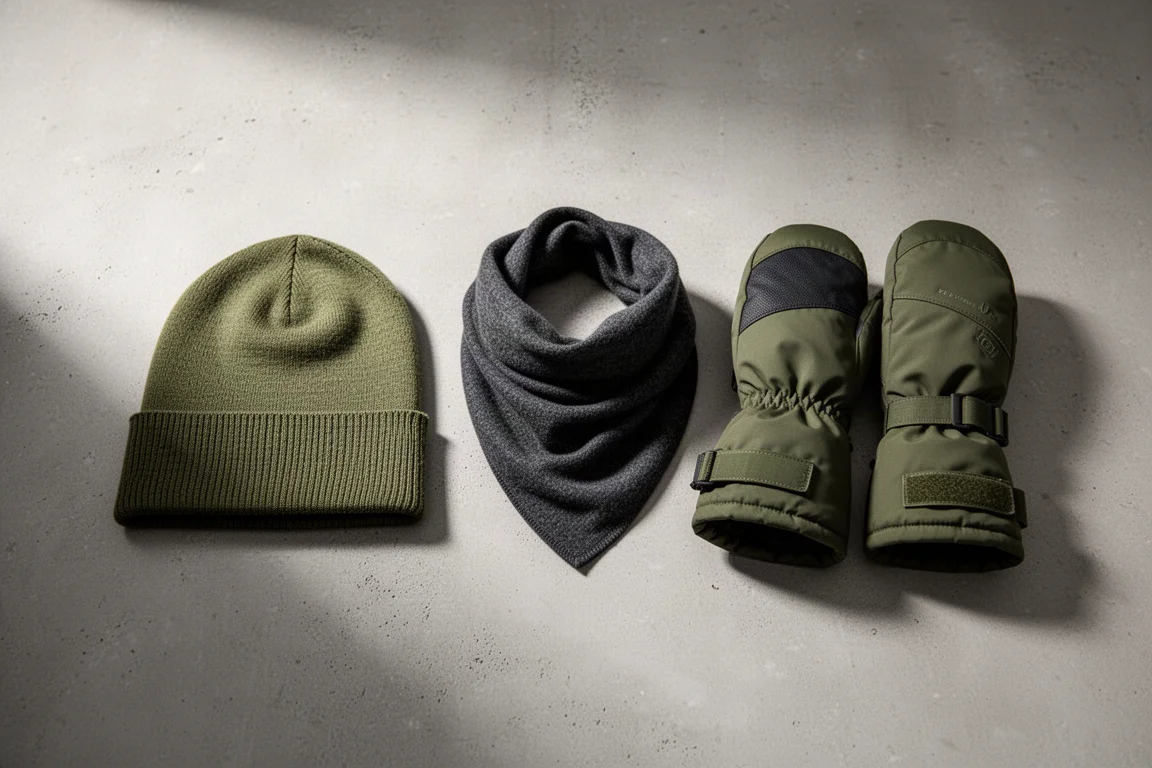
This guide covers three pieces that fill that role well: a heavily insulated military-style mitten for deep cold, a merino bandana that covers the face, neck, and lower head in one piece, and a lightweight merino beanie that handles most winter days without overheating. Each has a clear strength and a clear limitation, and knowing both makes the decision straightforward.

Two of the three have been discontinued, so availability is limited and worth understanding before you start shopping. What follows is a guide to what works in the field, not a promise that every size and color is still on a shelf.
How a Winter Kit Fits Together
Winter comfort comes from matching the layer to the conditions instead of expecting one piece to do everything. A thin knit glove, for example, handles most of a mild winter day on its own: it is inexpensive, dries quickly, and leaves your hands free to work. When wind picks up or the temperature drops, that same glove stops being enough and the heavier pieces take over.
That is the logic behind the three items below. Each one covers a condition the others do not, and together they handle a wide range of winter days without adding much weight to a pack.
Best for Deep Cold: Outdoor Research Mutant Mitts
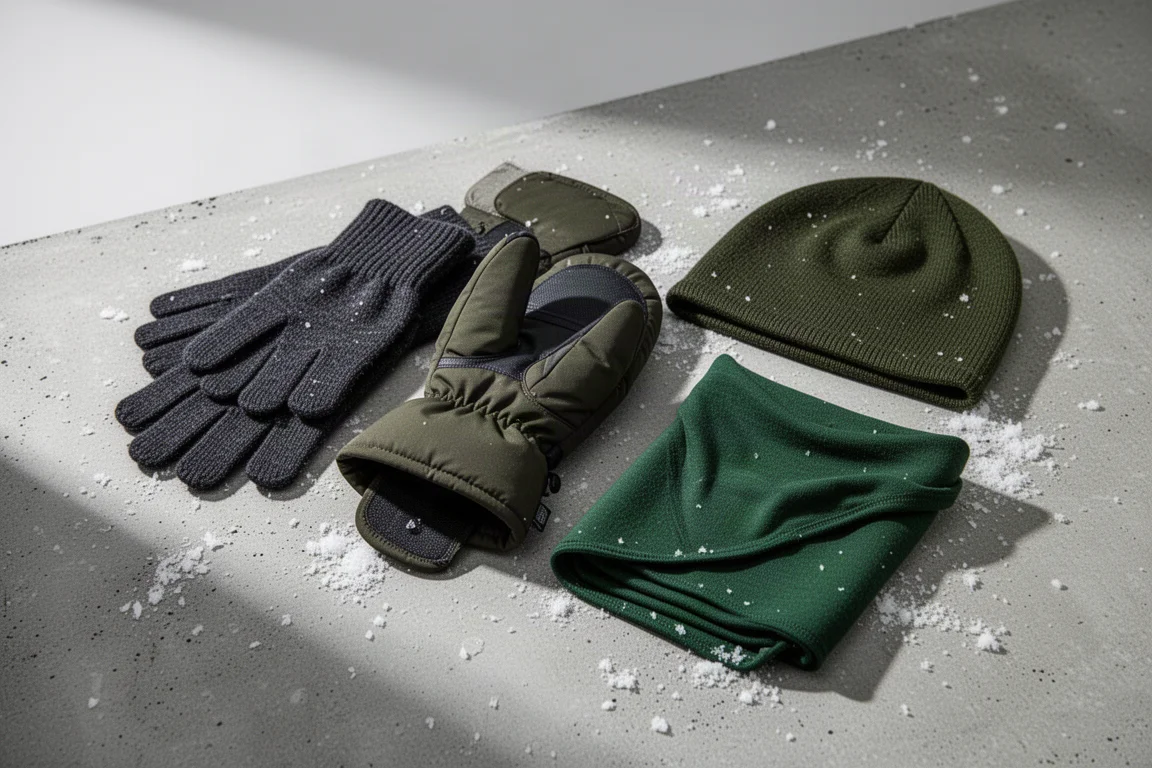
Outdoor Research Mutant Mitts are a military surplus design that has since been discontinued. They pair a mitten shell with an integrated five-finger liner, so you get mitten-level warmth with enough dexterity to keep working. Compression straps at the back of the hand and at the wrist let you cinch them down, and the shell is waterproof.
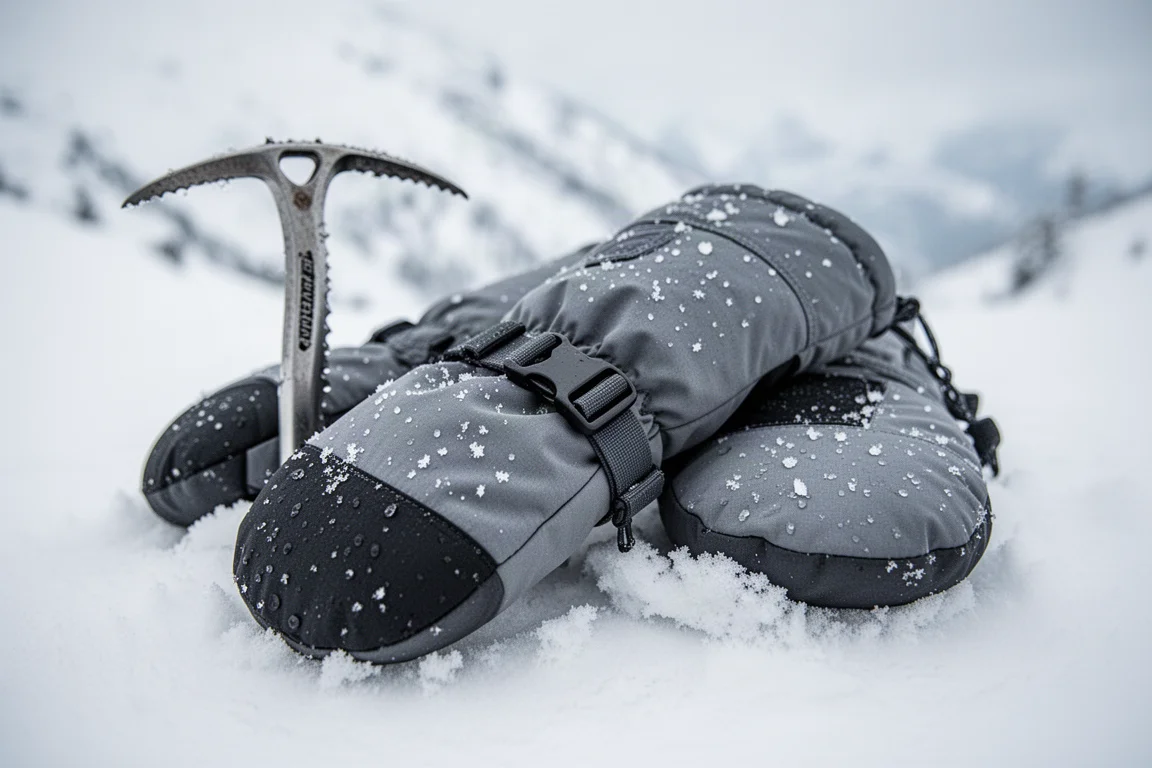
They are built for the conditions where a light glove gives up: strong wind, driving snow, and cold that makes your fingers ache within minutes. The trade-offs are bulk and heat. They are heavy, they take up real space in a pack, and in milder weather they can be far too warm.
Availability is the other consideration. Because the model is discontinued, sizes are limited and you may need to search patiently for a pair. Outdoor Research still makes other military-style insulated gloves in the same spirit, typically in the $40 to $70 range, which is a sensible fallback if the Mutant Mitts prove hard to find.
Best for Face and Neck Coverage: ioMerino Limitless Bandana
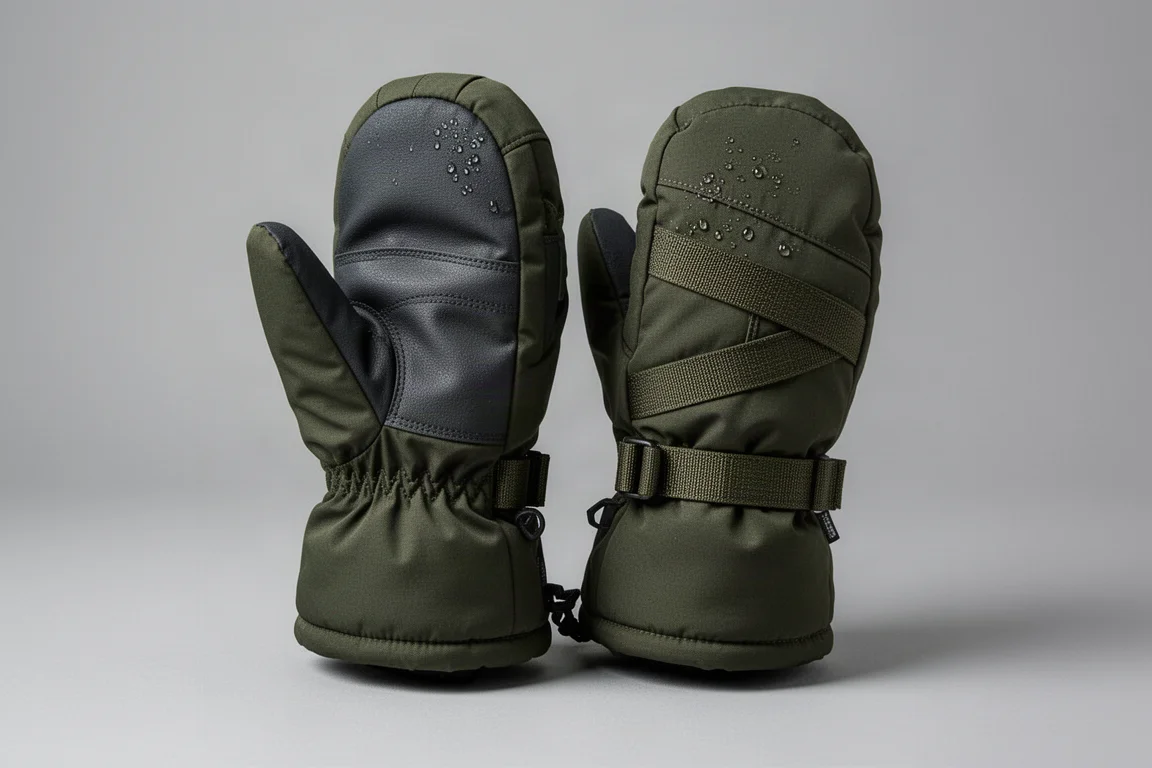
The ioMerino Limitless Bandana is a merino wool piece that wraps around the middle of the head and does several jobs at once. It acts as a wind block, a face warmer, and a neck gaiter, so one item covers what would otherwise take two or three. It is comfortable enough to sleep in and to hike in, which is uncommon for anything worn over the face.
At around $30 at launch it was expensive for a single piece of fabric, and it has since been discontinued. That matters because ordinary neck buffs and gaiters are not direct replacements: they are cut and worn differently and do not offer the same combination of coverage. The most practical alternative is to make something similar from merino fabric.
Best for Everyday Warmth: Smartwool 150 Beanie
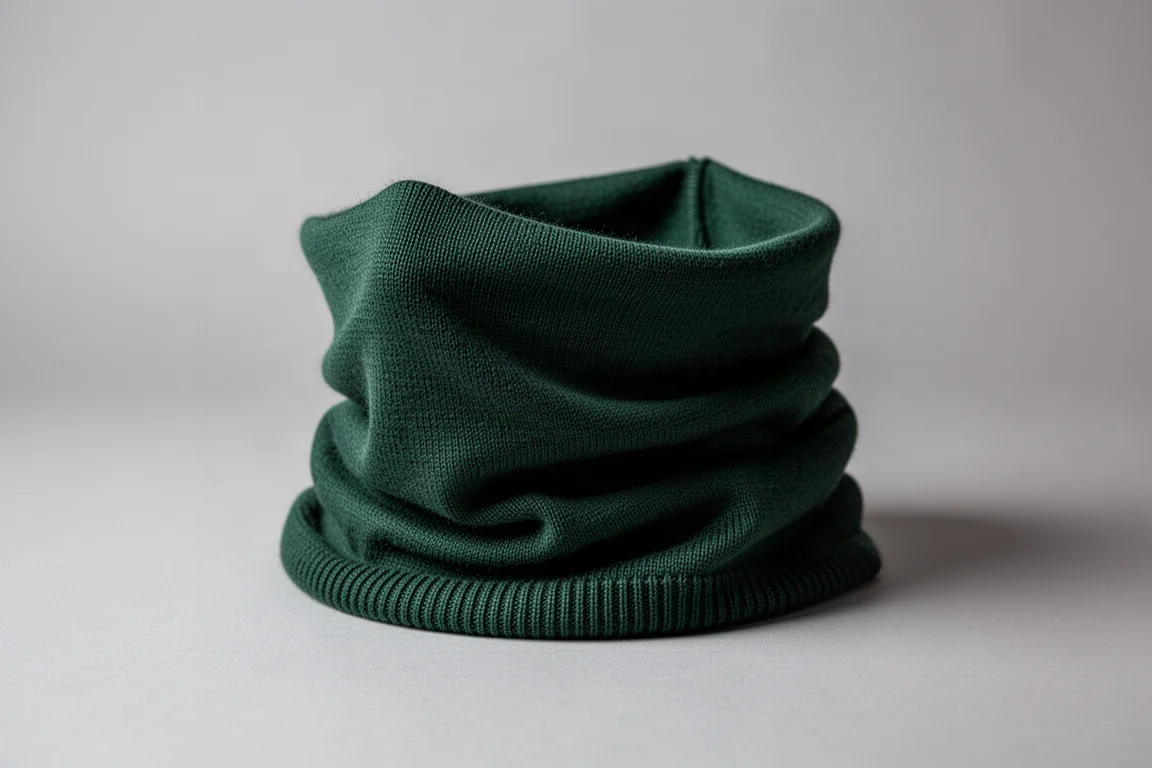
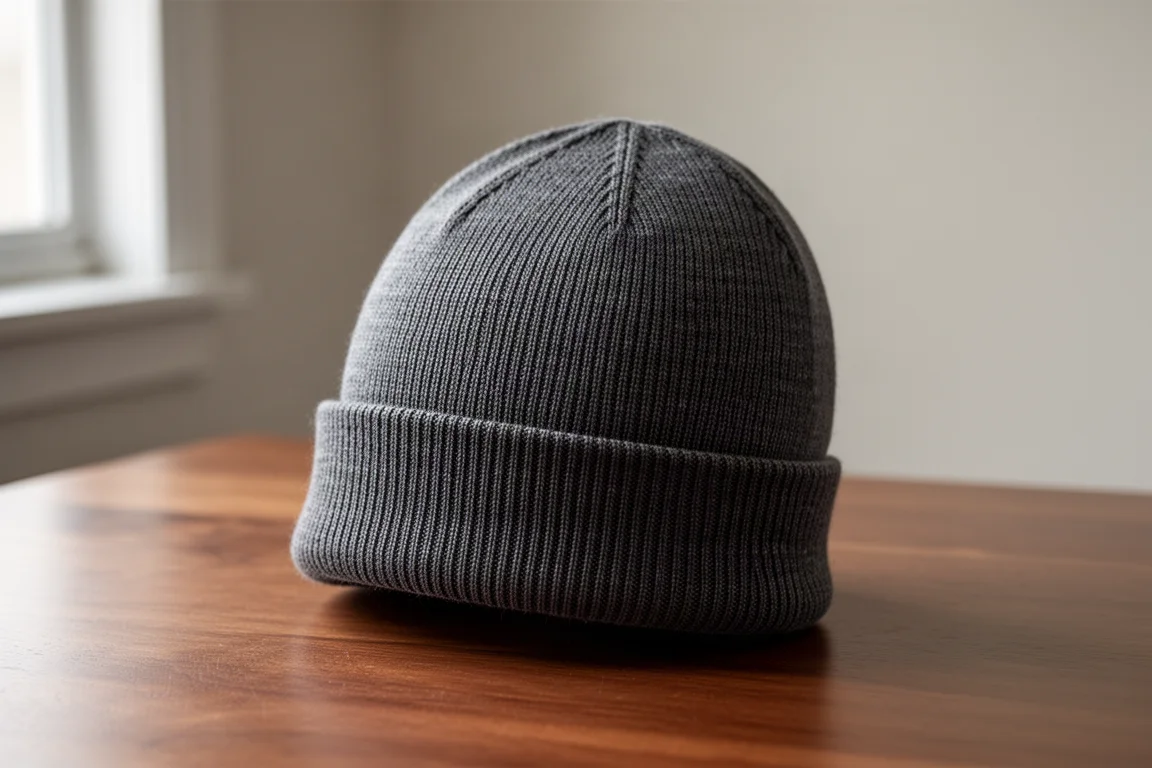
The Smartwool 150 beanie is the piece that gets worn almost every time out. It is a lightweight merino hat that delivers warmth, wind resistance, and protection from snow without becoming too hot, whether you are hiking hard or sitting around camp. It pulls down far enough to cover the ears, and the one-size fit works well.
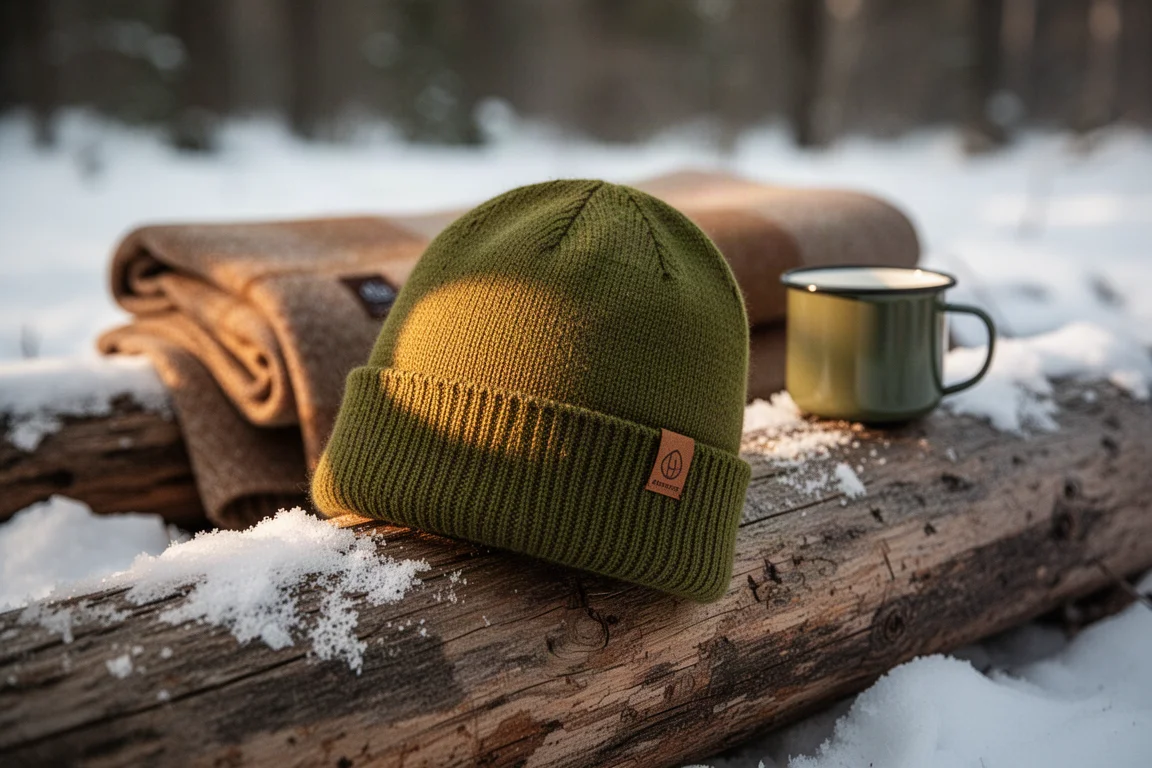
Because it is thin, it also dries quickly, which matters when wet snow lands on your head and melts. The limitation is preference and fit: if you run cold and prefer a thicker hat, this one will feel too thin. Colors also change quickly, so a specific shade can be difficult to track down even when the hat itself is in stock.
Matching Gear to Conditions
Choosing between these pieces is less about picking a favorite and more about reading the day. For a mild winter hike with little wind, a light hat and thin gloves are usually enough. Add wind or wet snow and the heavier mitten shell starts to make sense, with the beanie still doing the work on your head.
For genuinely cold, exposed terrain, the full set is the point: insulated mittens for the hands, a bandana for the face and neck, and a thin beanie as the base layer for your head. Each piece is light enough that carrying all three costs very little, and each one covers a gap the others leave open.
Buying Advice: Why a Spare Set Matters
The most useful habit with gear this light is to carry a second of the pieces that get wet. A beanie that has soaked up melting snow will dry fairly quickly, but having a dry one to put on at camp or inside a sleeping bag makes the evening far more comfortable. The same applies to gloves: if you spend time digging in the snow or handling wet gear, a dry spare pair is worth the small amount of pack space.
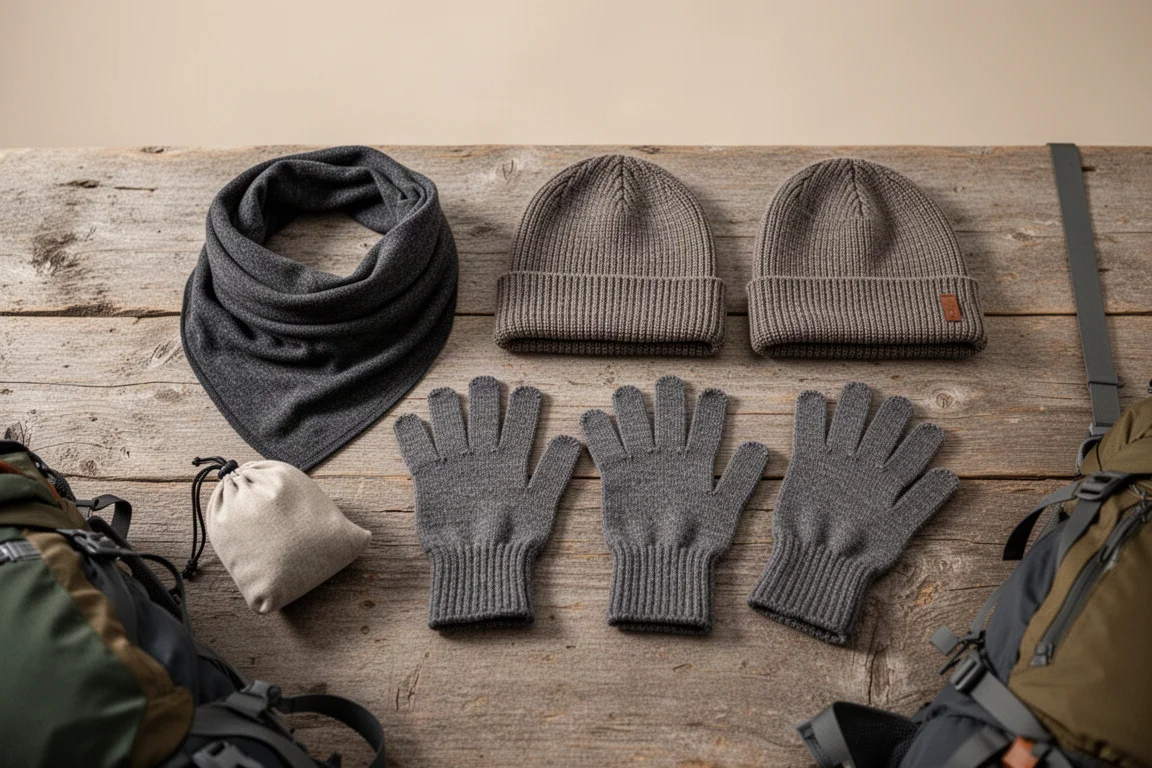
That logic does not extend to the insulated mittens, which are too bulky to duplicate. Treat them as the piece you bring when the forecast calls for real cold, and leave them behind when a lighter glove will do.
Finally, remember that comfort is personal. A thin merino hat that feels perfect for one hiker can feel far too light for another, and the right answer depends on how warm you run and what you are doing. Buy for the conditions you actually go out in, and be willing to adjust.
Conclusion
These three pieces work because each one solves a specific problem: the Mutant Mitts for deep cold and wind, the Limitless Bandana for face and neck coverage in a single layer, and the Smartwool 150 beanie for everything in between. Availability is the main obstacle, since two of the three have been discontinued, but the mittens have close alternatives from the same brand, and the beanie remains easy to find in the colors currently offered.
Start with the piece that matches the winter you actually have, then add the others as the conditions demand. A light hat, a thin glove, and one heavier option for the coldest days will cover more ground than a single expensive piece ever will.
Further reading
Related Reviews

Winter Gear
Best Rechargeable Hand Warmers 2026: 15 Models Put to the Test
We compared 15 rechargeable hand warmers across heat output, warm-up speed, battery life, charging time, and build quality to find the best value picks.
Winter Gear
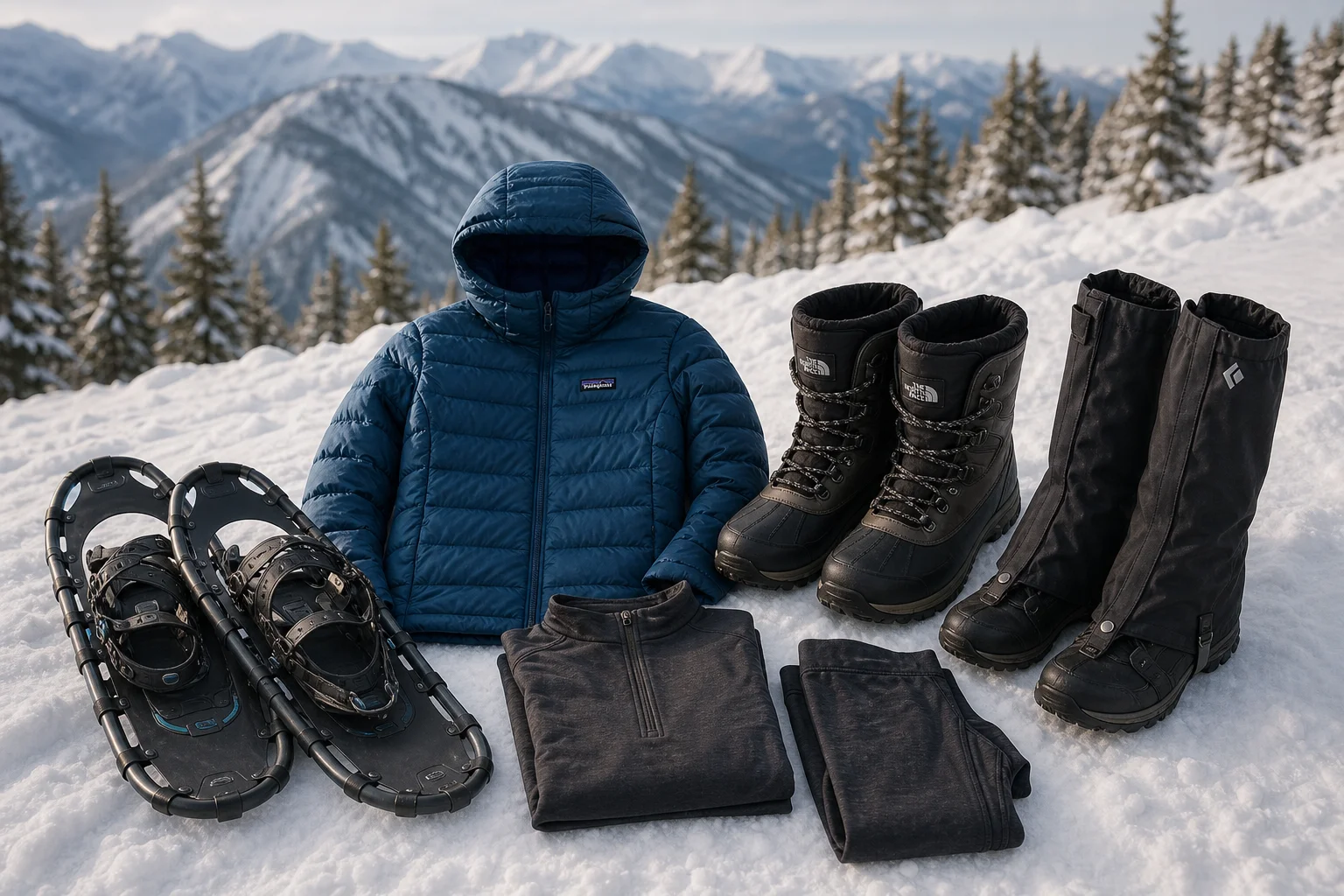
Winter Snowshoeing Gear Review: What Worked and What Didn't on the Trail
A detailed breakdown of clothing and equipment tested on a winter snowshoeing trip, covering base layers, boots, gaiters, and sleeping systems with honest insights on performance and comfort.
Winter Gear
Winter Layering Kit: Gloves, Mitts, Bandana, and Beanie for Cold Weather
A practical look at four cold weather pieces that handle wind, snow, and deep cold, plus what to know about fit, availability, and carrying a dry backup.