Outdoor Gear
Winter Layering Guide: Shell, Insulation, and Mid Layer Picks
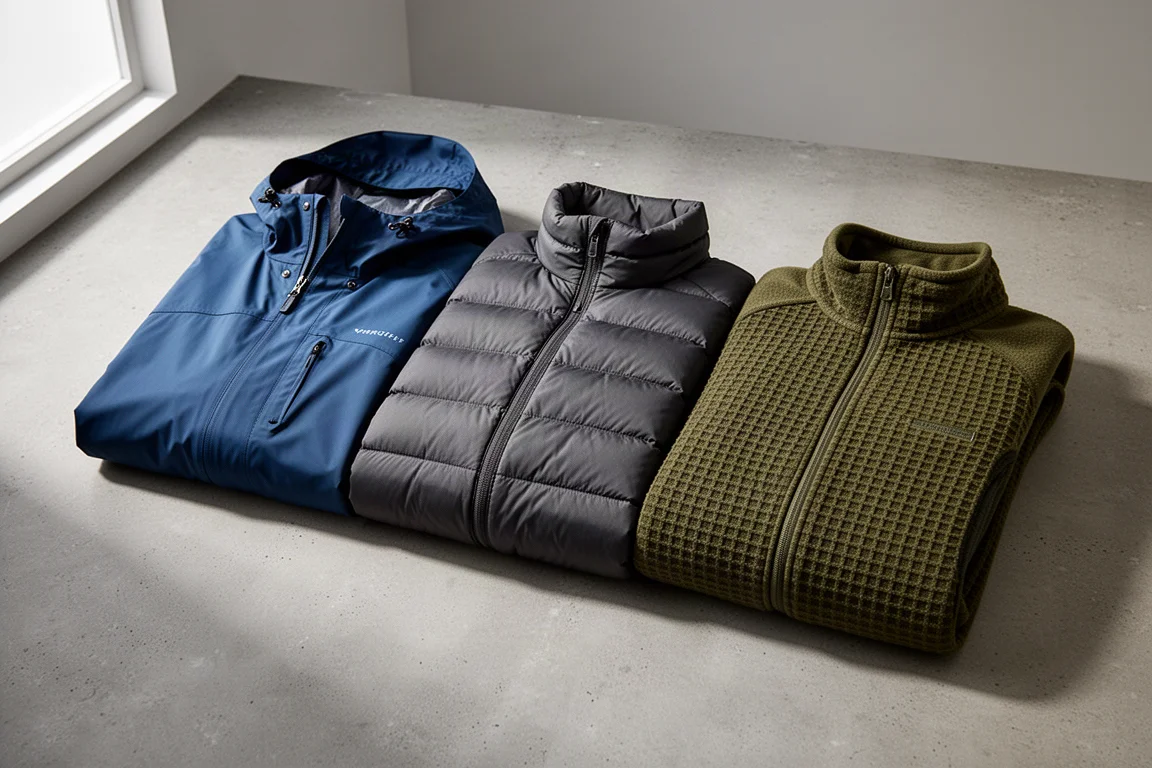
A practical look at how winter layering works, with a shell, an insulating layer, and a mid layer that each solve a different cold-weather problem.
Introduction
Cold-weather layering has a reputation for being expensive. A single high-tech waterproof shell can run $200 to $400 on its own, and that is before insulation, a mid layer, a base layer, and legwear are added to the pile.
The good news is that a functional winter layering system does not depend on premium fabrics. It depends on understanding what each layer is actually for, and then choosing pieces that solve the right problem at a sensible price.
This guide looks at three pieces that cover the core of a cold-weather system: a shell, an insulating layer, and a moisture-wicking mid layer. It also covers where budget alternatives make sense, where the extra spend buys something you can genuinely feel, and how to avoid paying for performance you will never use.
How Winter Layering Actually Works
Winter layering is less about staying warm and more about managing sweat. If you get wet when it is cold outside, you will get cold, and uphill movement generates sweat no matter how carefully you dress.
A layering system is built around that reality. You add layers when you are not moving much, such as at camp or during extended breaks, and you remove them when you are exerting yourself. Even with only one or two layers, high-energy activities like snowshoeing, backpacking, and hiking can produce enough sweat to soak a base layer. That is where specific layering features earn their place in the system.
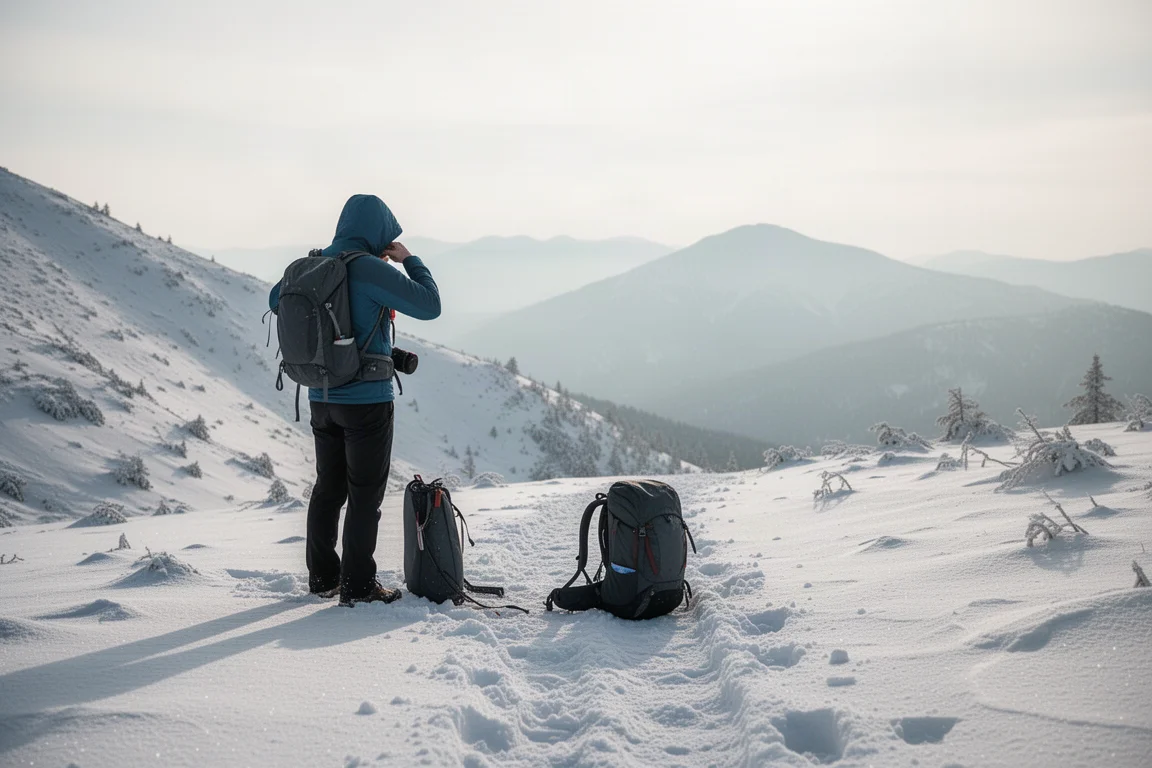
The practical takeaway is that each layer has one job. The shell blocks wind and wet snow while letting sweat escape. The insulating layer holds warmth and is worn mainly when you stop. The mid layer adds warmth but also moves moisture away from your skin. The base layer sits against your skin and does the heaviest lifting on sweat management.
The Shell Layer: Marmot PreCip Jacket
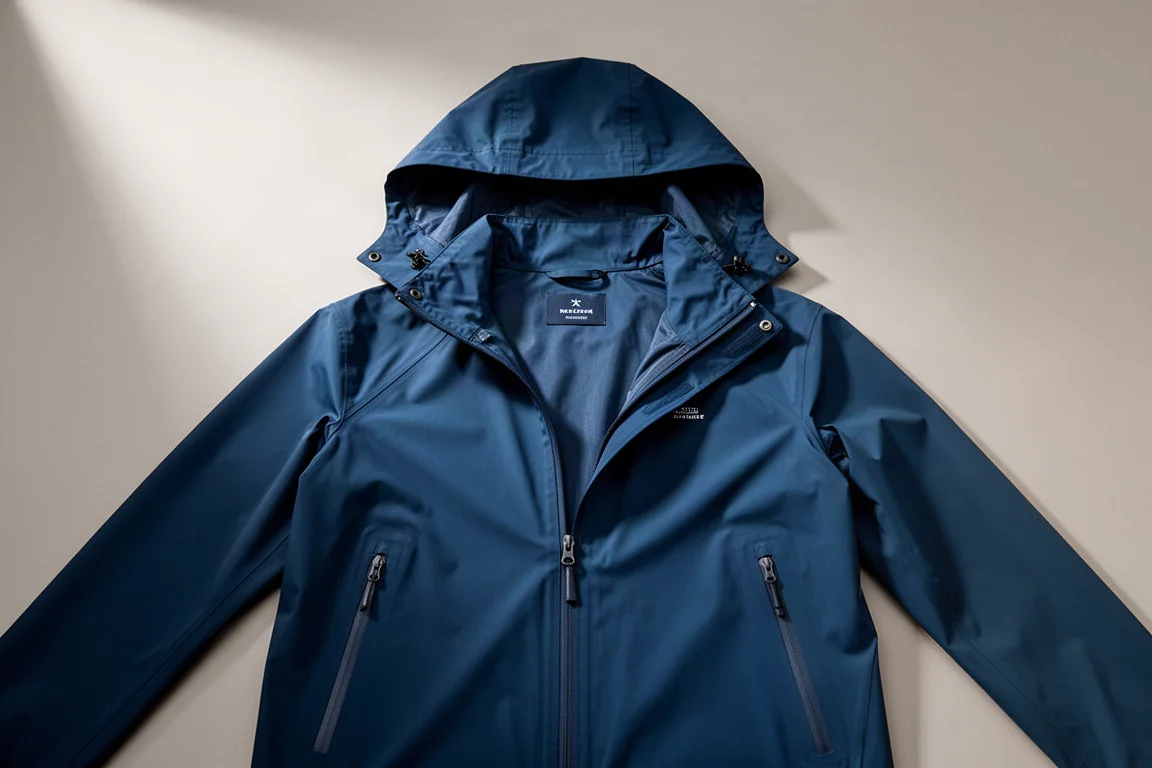
The shell exists to keep wind and wet snow out while allowing sweat to escape. High-tech waterproof fabrics are the premium answer here, but they are not a perfect one. Even the most breathable waterproof fabric on the market still leans heavily on pit zips to evacuate sweat during hard effort.
That is the argument for a straightforward rain jacket instead. A decent rain jacket keeps wind and wet snow out just as well as a premium shell, and if it has pit zips, it can vent sweat effectively. The Marmot PreCip Jacket is the pick here. At around $90 it was the most expensive item in an otherwise budget-focused system, and the reason for spending that much was simple: it was the cheapest jacket available that also had pit zips. If you can find a less expensive waterproof jacket with pit zips, or add ventilation to one you already own, just about any waterproof rain jacket can serve well as a winter shell.
The Insulating Layer: Mountain Hardwear Ghost Whisperer
Insulating layers have one job, and that job is warmth. They cannot evacuate sweat, so they are generally not worn while you are moving hard and sweating. That is fine, because being active keeps you warm on its own. Insulation earns its keep at camp, on breaks, and during the slow, cold stretches of a day outdoors.
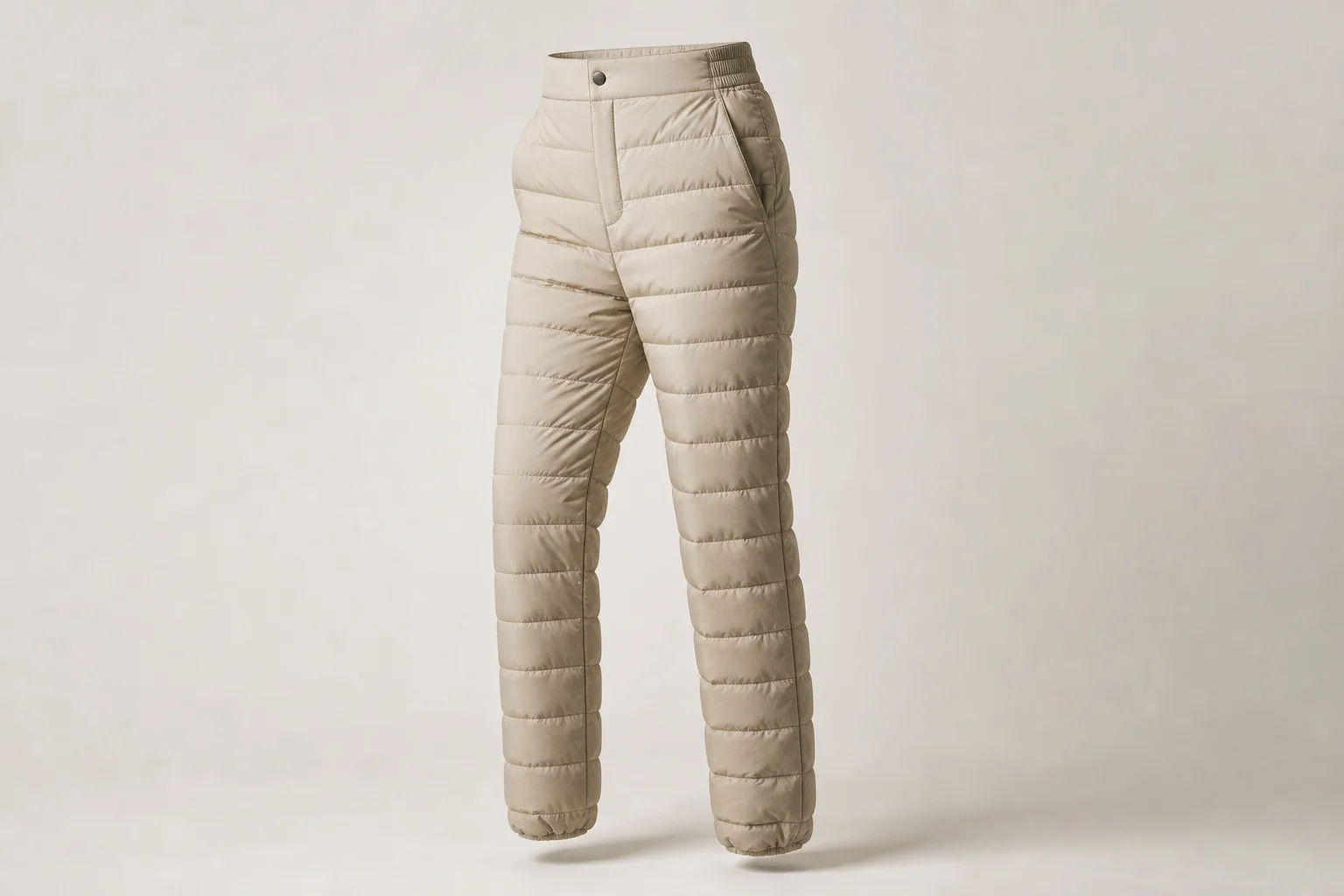
The Mountain Hardwear Ghost Whisperer is a down puffy in this category, and it sits near the top of the price range at close to $300. Down insulation delivers a lot of warmth for its weight, which is why it remains a default choice for cold-weather trips where pack space and pack weight matter. If your cold-weather plans are mostly short and you already own a puffy, there is no reason to replace it.
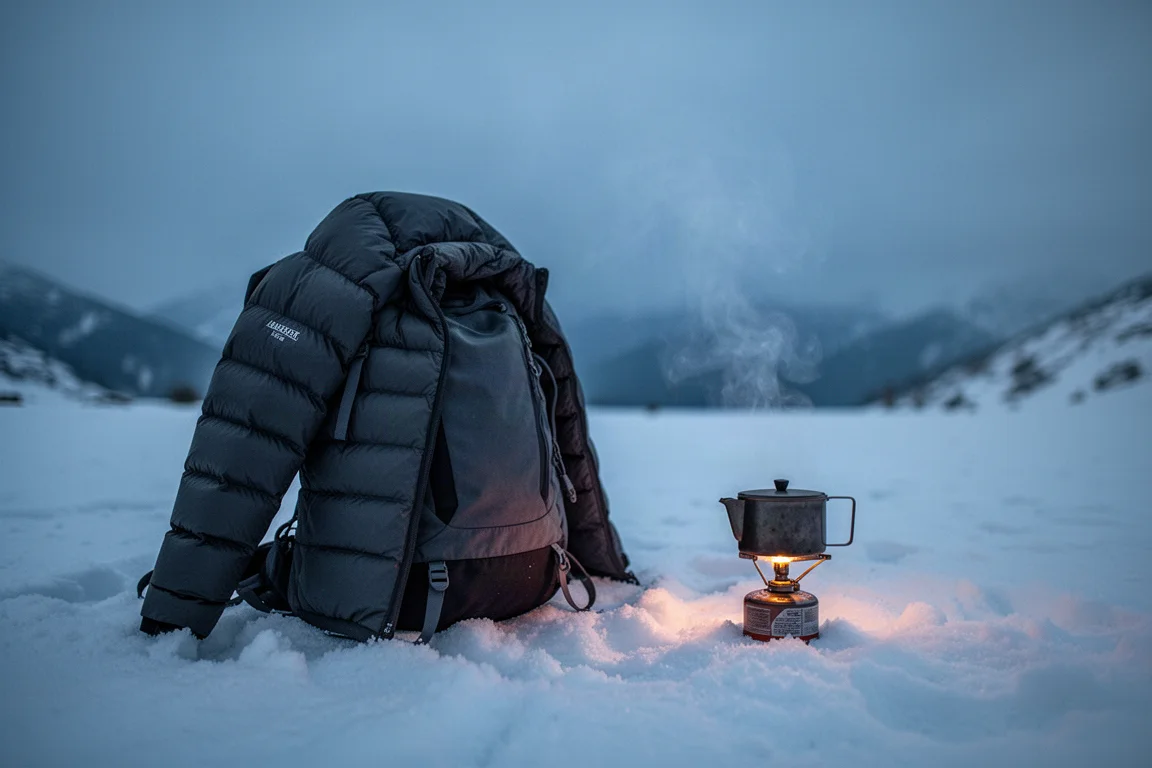
For genuinely cold temperatures, a lighter puffy may need to be supplemented with additional insulation, and any insulating layer you already own will usually work fine within the system.
The Mid Layer: Skygoat Microgrid Fleece
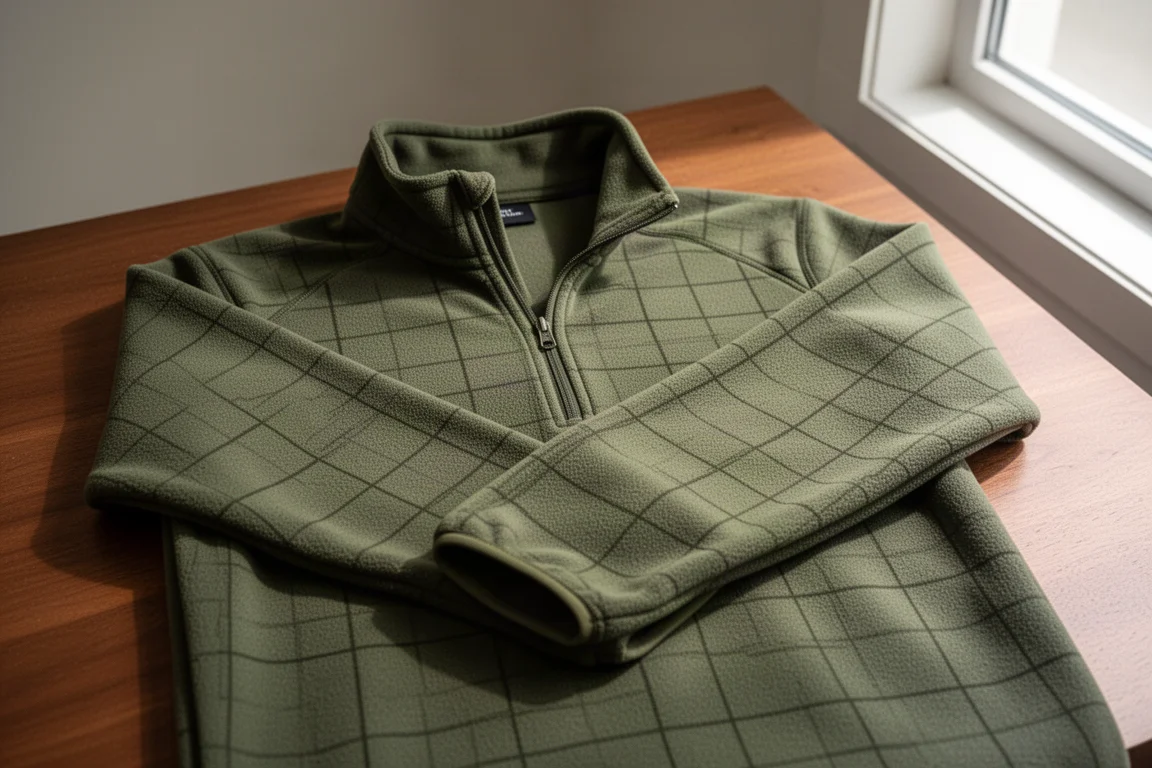
Mid layers are the most misunderstood part of the system. They provide some insulation, but they also need to wick moisture, because a mid layer is what you reach for when you are still cold even though you are already exerting yourself. That combination of warmth and moisture movement is why a polyester fleece is the material to look for.
The Skygoat Microgrid Fleece is a polyester fleece mid layer at around $120. Its grid-structured fabric is oriented toward breathability and moisture transfer rather than maximum warmth per gram, which makes it a good match for the stop-start rhythm of hiking and snowshoeing. It is also the layer most people already own in some form, and that matters a great deal when you are building a system on a budget.
Managing Sweat: Base Layers and Legwear
The base layer is arguably the most important layer in the system. It sits next to your skin and takes direct contact with your sweat. Materials like cotton hold that sweat against the skin and make you colder, and they take a very long time to dry out. Polyester moves sweat away from your skin and toward the surface of the fabric, and wool and silk do something similar. Polyester does it best, and it happens to be the cheapest of the three.
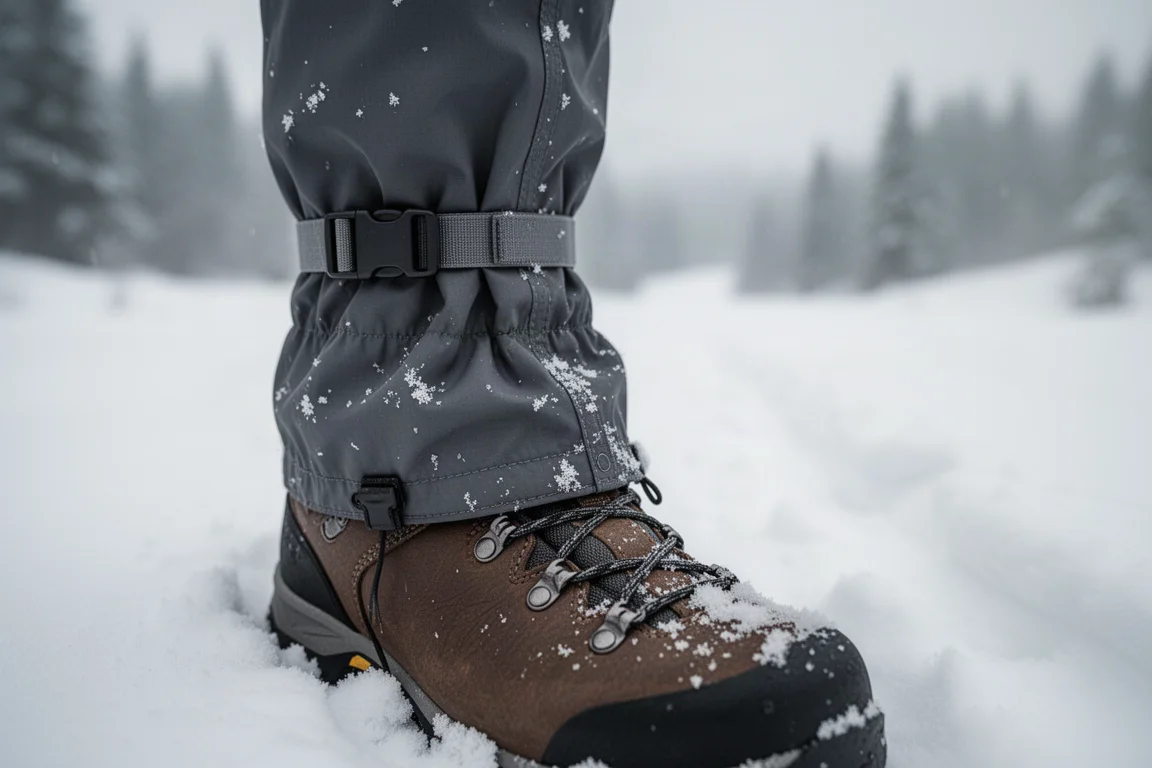
Legwear follows the same logic, but with a twist. When you are moving a lot, whether snowshoeing or cross-country skiing, your legs generate a great deal of heat, so heavy insulated pants are often unnecessary. Regular hiking pants paired with a good waterproof gaiter handle most conditions, because the gaiter keeps snow out of your boots and keeps the bottom of your pants dry. If snow is falling hard, the top of your pants can still get wet, and treating them at home with a durable water-repellent finish is a simple fix.
Budget Alternatives and What You Already Own
The point of a layering system is not the labels on the garments. It is whether each layer does its job. A waterproof rain jacket with pit zips can replace a premium shell. A basic puffy jacket can stand in for an expensive down jacket in milder cold, though you will likely need more insulation for genuinely cold temperatures. An inexpensive polyester fleece can replace a technical mid layer. A plain polyester base layer set does the same work as a wool blend set.
The honest trade-offs are small but real. Down insulation is warmer for its weight and packs smaller. A wool blend base layer has a slight edge on performance and odor control. Those differences matter on long, demanding trips, and matter far less on day hikes and short outings. Most people also already own several of these layers, and using what you have is the cheapest upgrade available.
Buying Advice
Build the system from the skin outward, and spend where the layer has to perform.
Start with the base layer, because it is the cheapest layer to get right and the one that most directly determines whether you stay comfortable. Polyester is the value pick. Next, choose a mid layer in polyester fleece, which is the layer you will use most while moving in cold weather. Then decide on insulation based on how cold your trips actually get, since this is where down earns its premium and where a basic puffy is often enough. Finish with a waterproof shell that has pit zips, because ventilation does more for sweat management than an expensive fabric does.
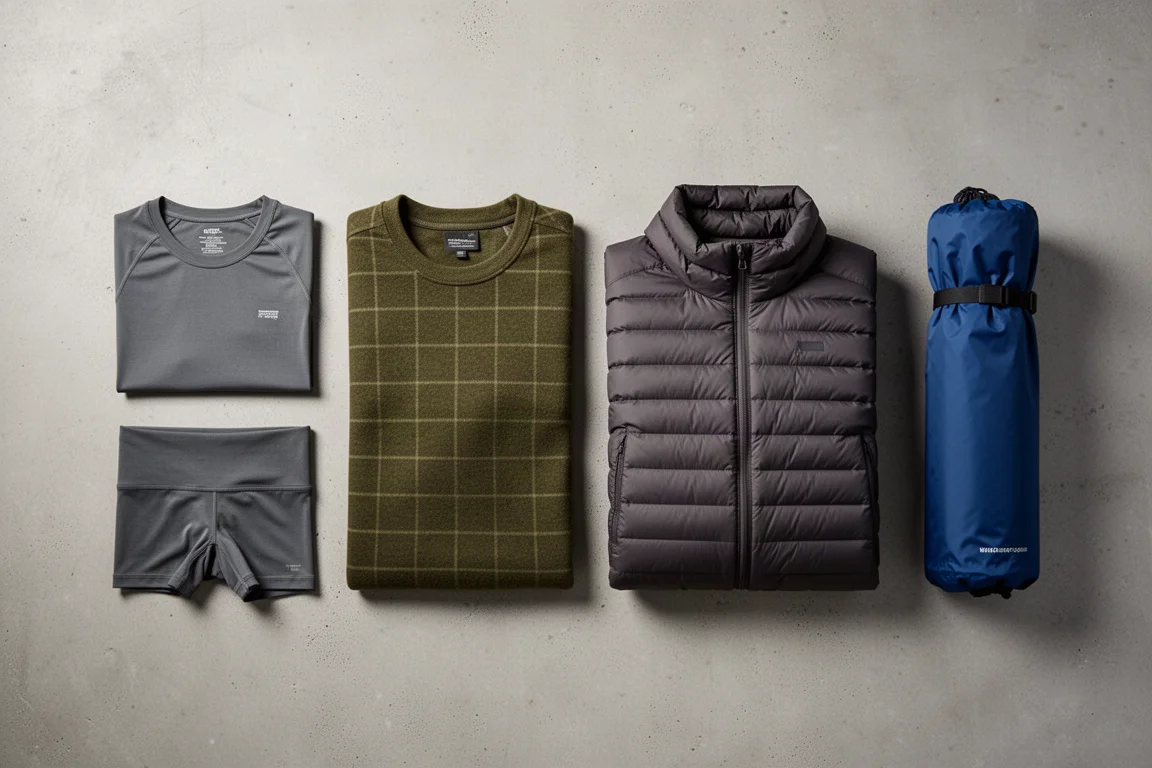
If you are assembling a system from scratch, a full set of layers can be put together for under $200, and treating your pants with a durable water-repellent finish adds only a small amount on top of that. If you already own some of these pieces, the cost drops further. Buy the layer that is missing rather than replacing what already works, and put the savings toward boots or the rest of your kit.
Conclusion
Winter layering is a sweat-management problem, and it can be solved without premium fabrics. A waterproof rain jacket with pit zips handles wind and wet snow. A down puffy such as the Mountain Hardwear Ghost Whisperer handles warmth when you stop. A polyester fleece such as the Skygoat Microgrid Fleece handles the in-between moments when you are moving and still cold. Cover those three roles, add a polyester base layer, and you have a system that works, whatever the price tags say.
Further reading
Related Reviews
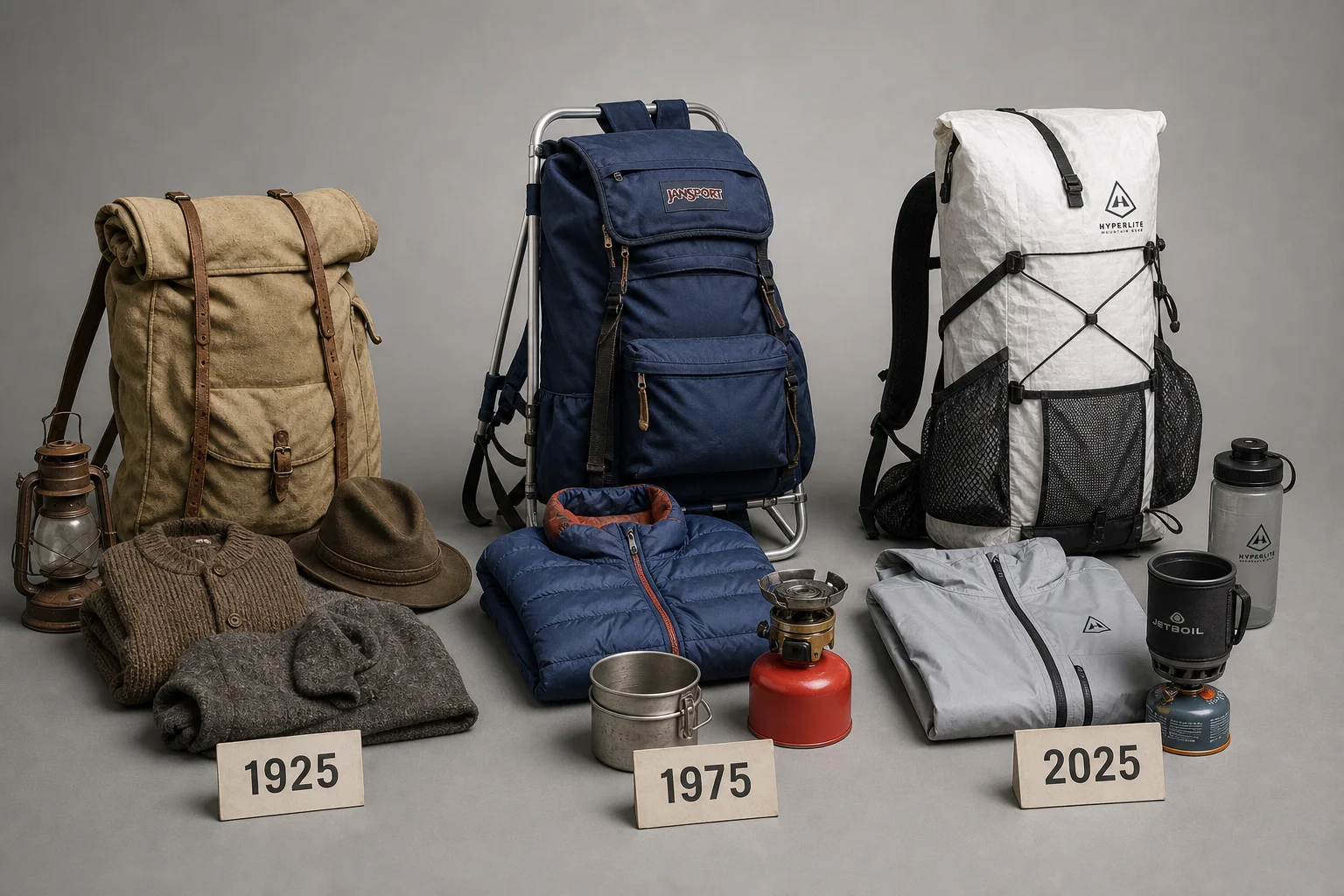
Outdoor Gear
Backpacking Gear Evolution: 100 Years of Technology Compared
We tested backpacking gear from 1925, 1975, and 2025 across a three-day hike in Yosemite. Here's how technology has transformed comfort, weight, and the outdoor experience.
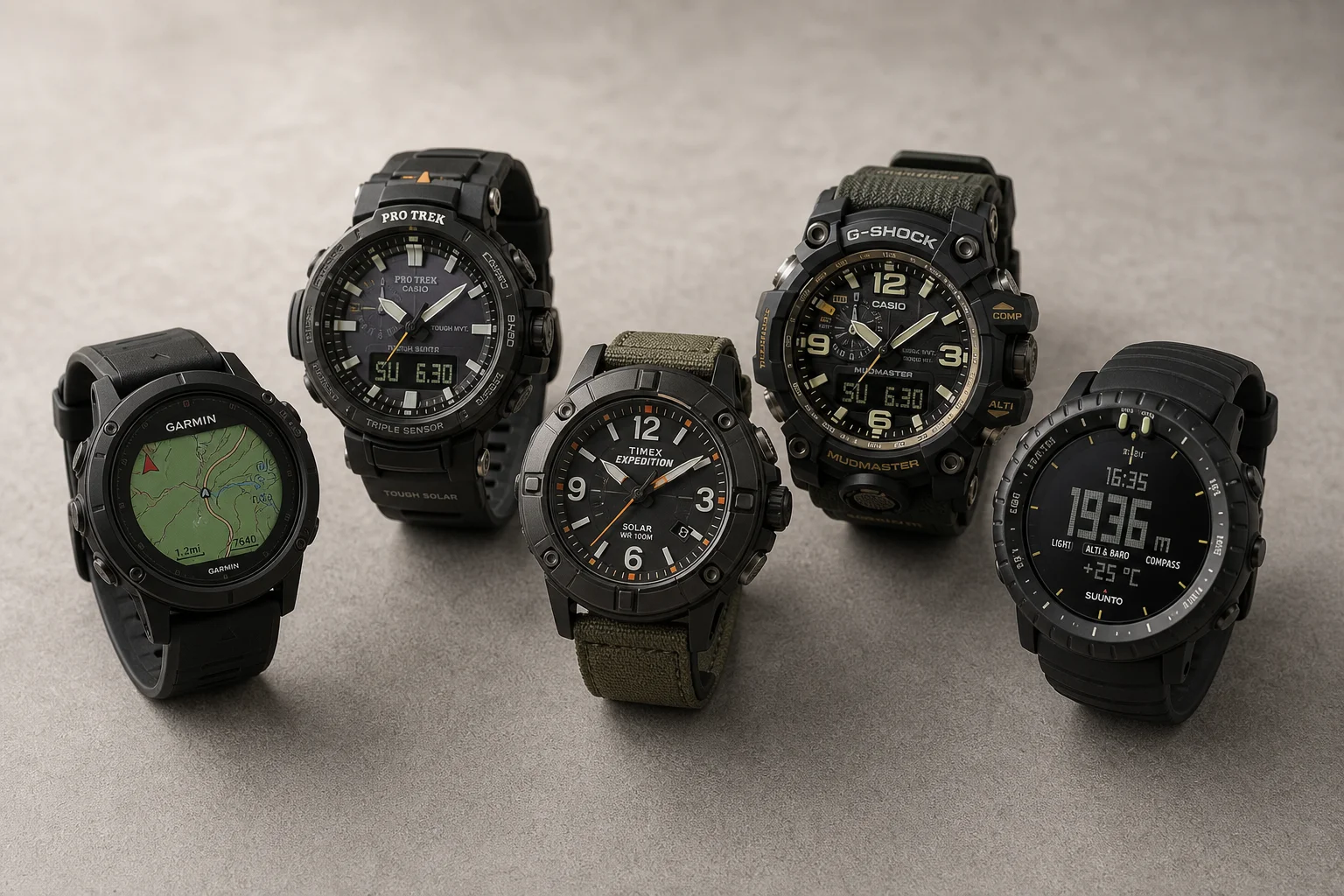
Outdoor Gear
Best Affordable Hiking Watches: Five Rugged Options for Outdoor Adventures
Five durable hiking watches that balance ruggedness, functionality, and value for outdoor enthusiasts who need reliable GPS tracking and weather resistance.
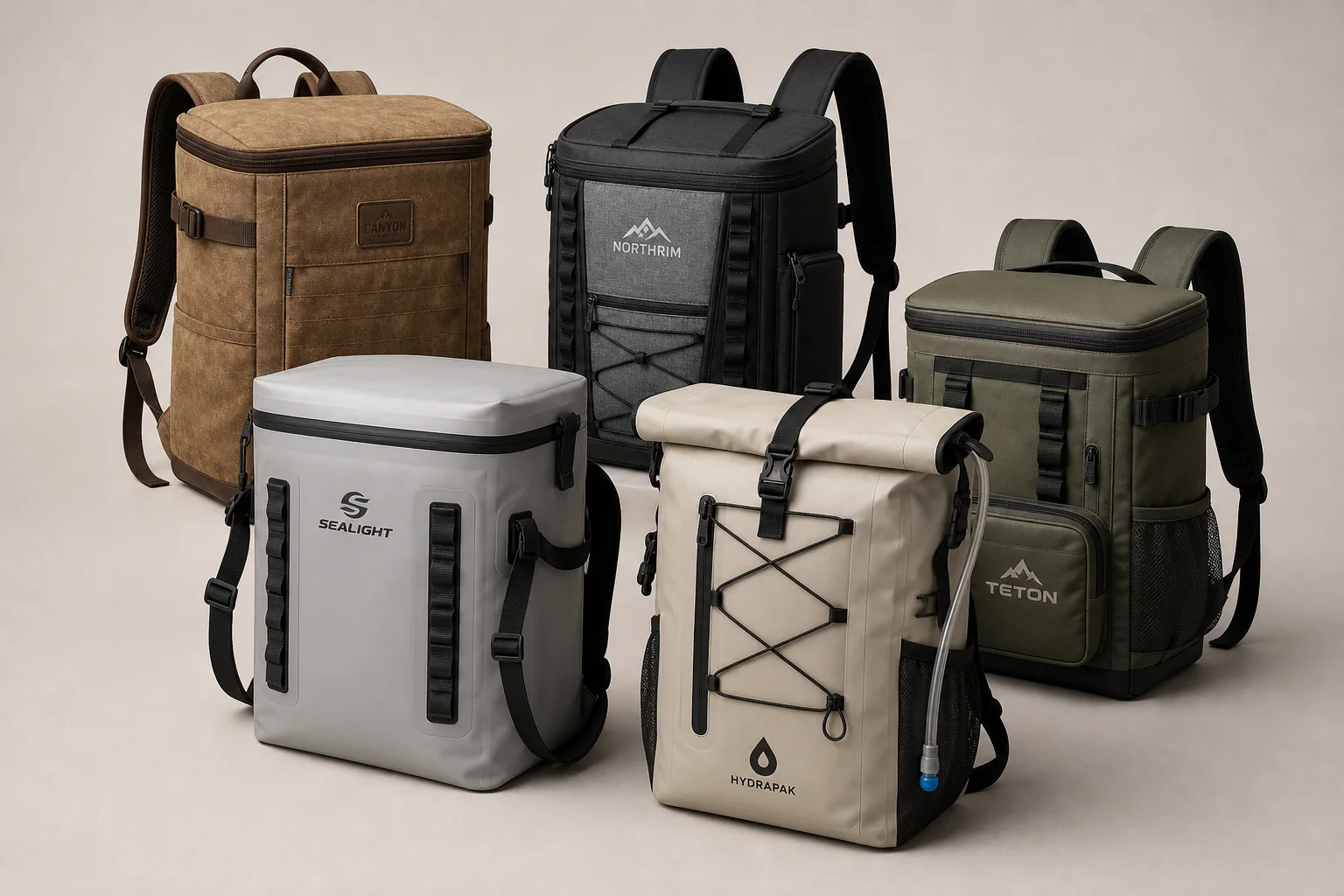
Outdoor Gear
Best Backpack Coolers 2026: Five Practical Options for Outdoor Adventures
Five backpack coolers with distinct cooling capabilities, storage features, and design trade-offs to help you choose the right one for your outdoor needs.